
REVIEW · FRESH PASTA WORKSHOPS
Sardinia Cooking Class: Fresh Handmade Pasta
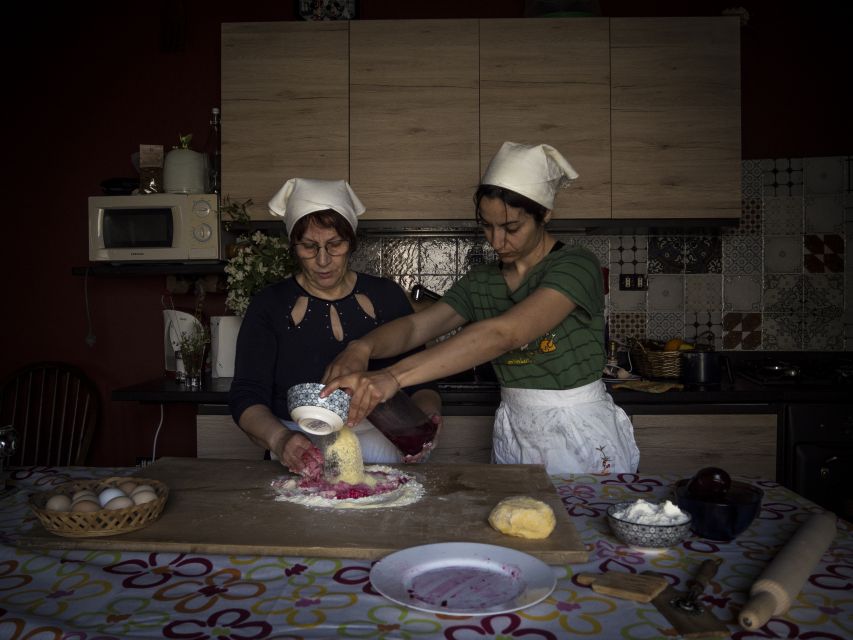
The best part of this experience is not simply learning to roll pasta. It is entering a traditional home in Sinnai, a small town near Cagliari, and working beside Isabella and Valerio as they teach you the local way to make malloreddus and culurgiones. I like the patient, hands-on teaching, and I like that the meal turns the class into a real social occasion with wine, cheese, sausage, and other Sardinian foods.
The setting is personal rather than polished, which is both its charm and its one main drawback. Cats and a dog live in the house, and one traveler felt the private-home format made the experience seem expensive at $92. If you want a relaxed local welcome, that informality is a plus. If you expect a restaurant-style cooking school, adjust your expectations.
Key points at a glance
- Two unmistakable Sardinian pastas: Make malloreddus, the small ridged pasta often called Sardinian gnocchi, and culurgiones, the island’s distinctive filled pasta.
- A traditional Sinnai home: The class takes place in a historic Campidanese-style house with mud-brick walls and wooden roofs.
- Patient instruction: Isabella and Valerio demonstrate each stage and give everyone a chance to work with the dough and filling.
- A meal around the family table: Depending on the option selected, you can eat the pasta you prepare with wine, antipasti, cheese, sausage, and other local products.
- Small-group atmosphere: Numbers are limited to 10 people, making it easier to ask questions and get help.
- Useful Cagliari pickup: Free hotel pickup is available in the Cagliari area up to 20 kilometers away, on request.
From Cagliari to Sinnai’s old houses
Sinnai gives this class a different feel from a lesson held in central Cagliari. The town is close to Sardinia’s capital, yet its historic center still has examples of Campidanese architecture, including mud-brick walls and wooden roofs. The house used for the class is part of that setting, not a purpose-built studio.
That matters because you are learning food in the kind of place where it belongs. The pasta is not presented as a staged cultural display. You sit in a private home, meet the people who live there, and see how a local kitchen can also serve as a place for conversation and family meals.
Pickup is available from hotels in the Cagliari area up to 20 kilometers away, free of charge when arranged in advance. I would ask for this when booking if you are staying in Cagliari and do not have a car. It removes one small transport problem and can make the trip to Sinnai much easier.
The experience lasts about three to five hours. That is a wide time range, so check the available start time and allow plenty of room in your day. This is not a quick demonstration followed by a rushed tasting. The dough, shaping, cooking, and meal can take a good part of an afternoon.
More Fresh Pasta Workshops in Italy:
- Rome: Pasta Making Class with Wine, Limoncello, and Dessert
★ 4.9 · 3,177 reviews - Pastamania – Florence Pasta Making Class
★ 5.0 · 3,050 reviews - Enjoy Spritz and Pasta Making in Piazza Navona
★ 5.0 · 1,681 reviews
Meeting Isabella and Valerio at home
Isabella and Valerio are the hosts most closely associated with the class. Their welcome is a major part of the experience, and their home sets the tone from the start. Earlier visitors have described coffee and biscotti on arrival, time in the garden, and an easy family atmosphere before the cooking begins.
You should expect a friendly, informal lesson rather than a formal chef-led performance. Isabella is especially patient when showing techniques, while both hosts help people who are new to homemade pasta. Instructions are available in English, Italian, and Spanish, which is useful in a small kitchen where hand movements often explain as much as words.
The group is limited to 10 participants. That is large enough for a sociable meal but small enough for individual help. A larger group could make pasta shaping feel like watching from the edge of the room. Here, you should have a genuine chance to mix, roll, fill, and form the pasta yourself.
The house is also home to a cat and a dog. For animal lovers, this adds to the warmth of the visit. For anyone with a cat or dog allergy, it is a clear reason to choose another activity. The animals are not a minor detail, so take the warning seriously.
Making malloreddus, Sardinia’s small ridged pasta
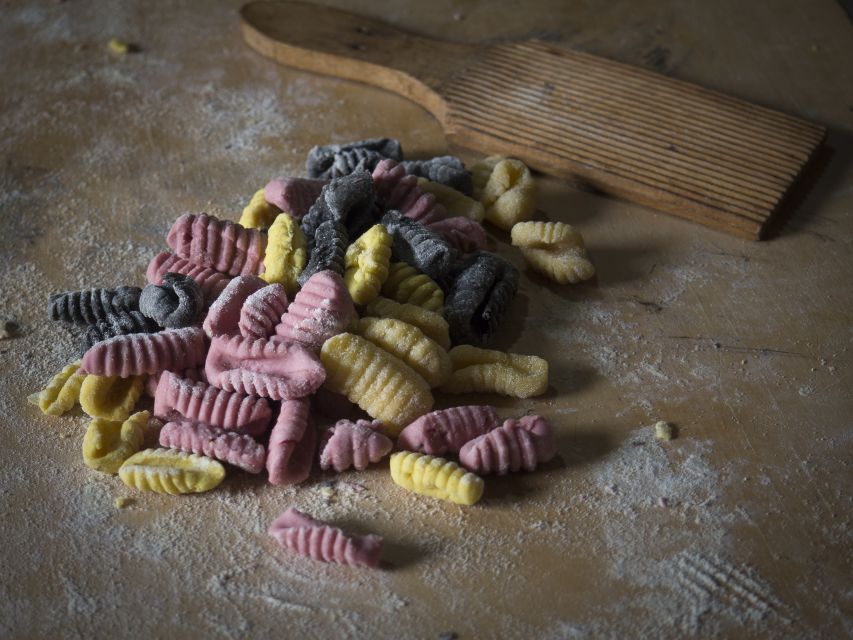
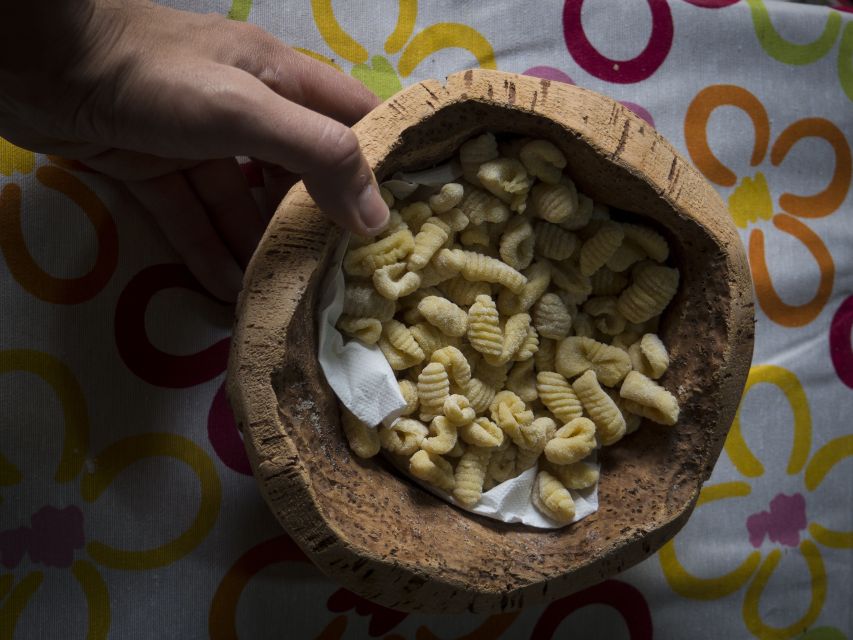
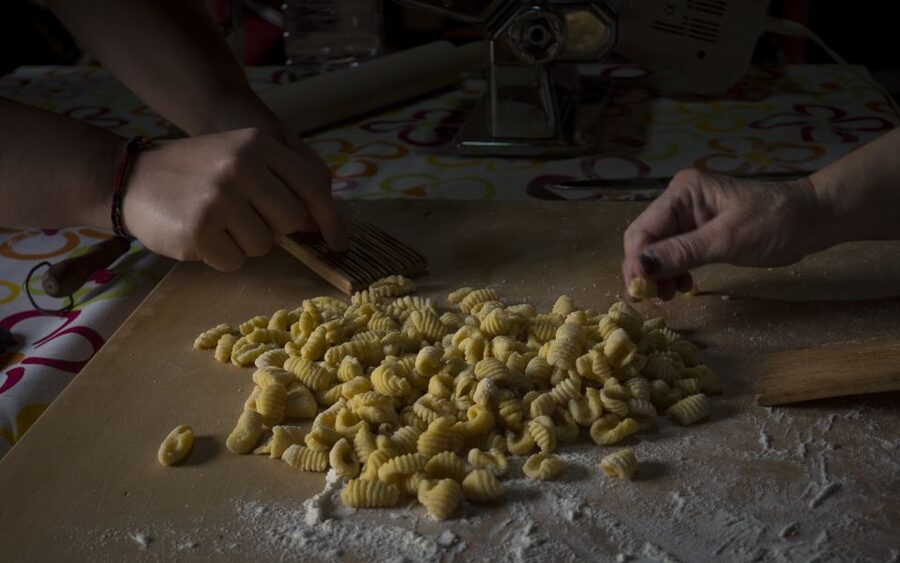
The class centers on two local preparations. The first is malloreddus, a small pasta often compared with gnocchi because of its shape and texture. Its ridges help hold sauce, and shaping it by hand gives you a better sense of the work behind a familiar Sardinian dish.
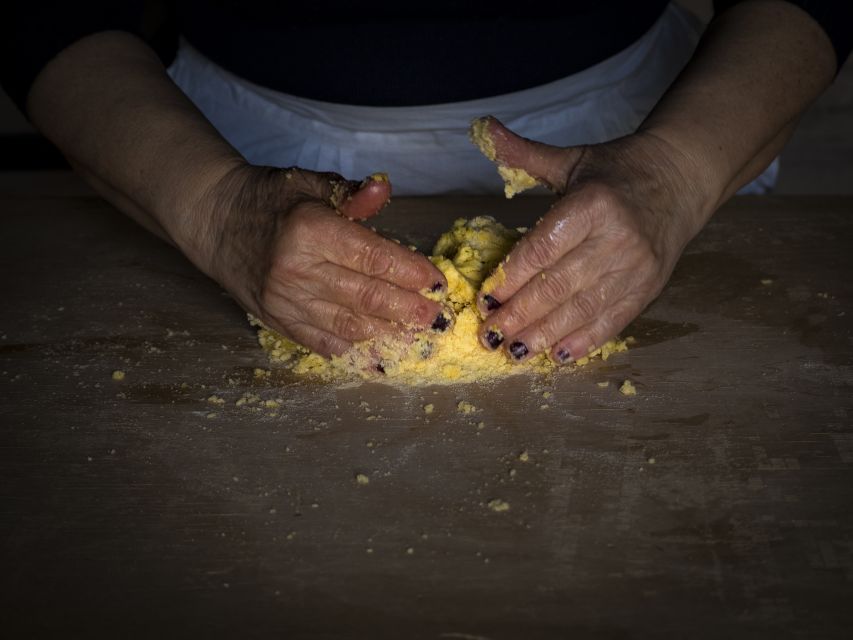
You will work through the basic process with guidance from the hosts. The lesson is suitable for people who already cook, but it is not limited to confident cooks. One family even included a seven-year-old in the hands-on work, showing that the activity can suit children who are happy to sit at a table and follow instructions.
Do not expect every piece to look perfect. That is part of the pleasure. Homemade pasta has uneven edges and small differences from one person to the next. The point is to learn how the shape is made and then eat the results.
Malloreddus also gives you a useful taste of everyday Sardinian food. It is simple, practical pasta, but the shape carries local identity. You are not just preparing a generic Italian dish with a Sardinian label attached.
Folding culurgiones with care
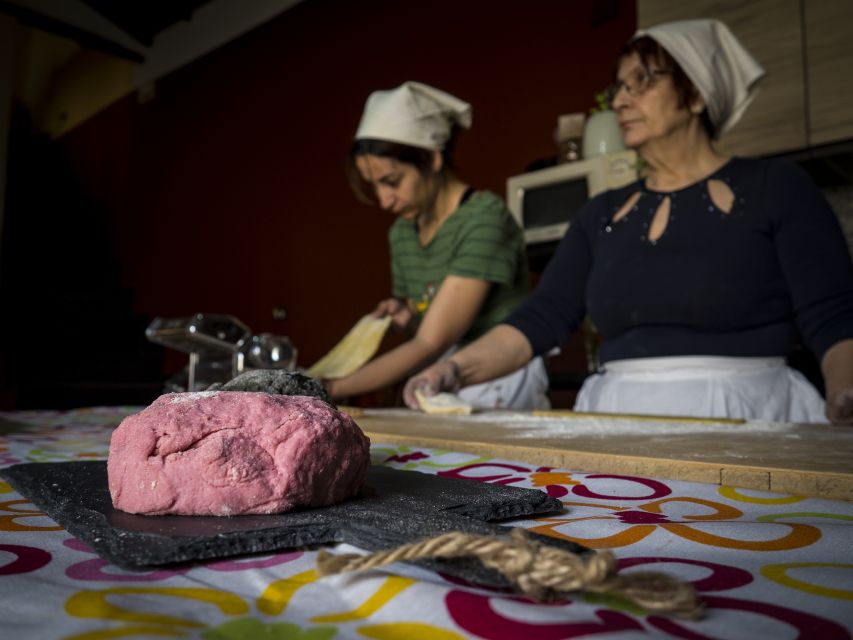
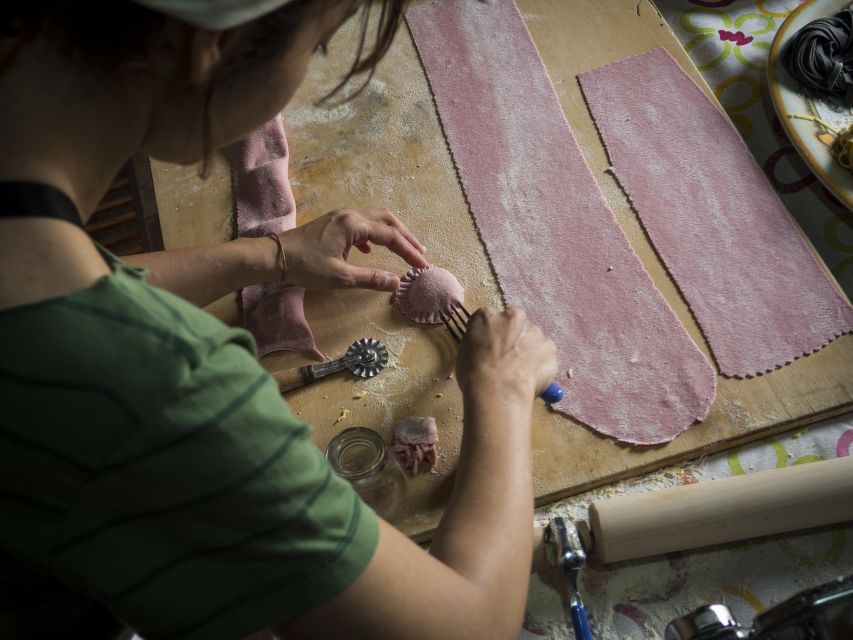
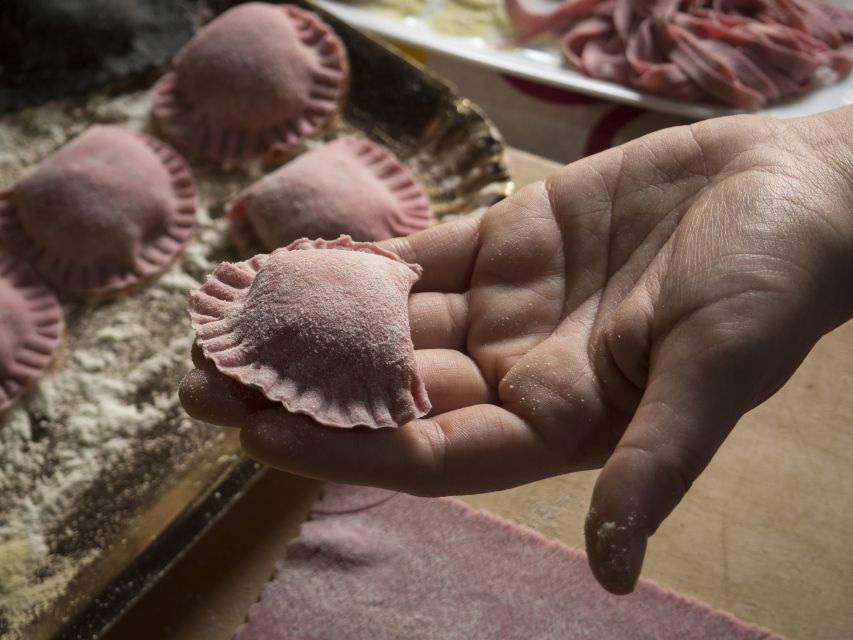
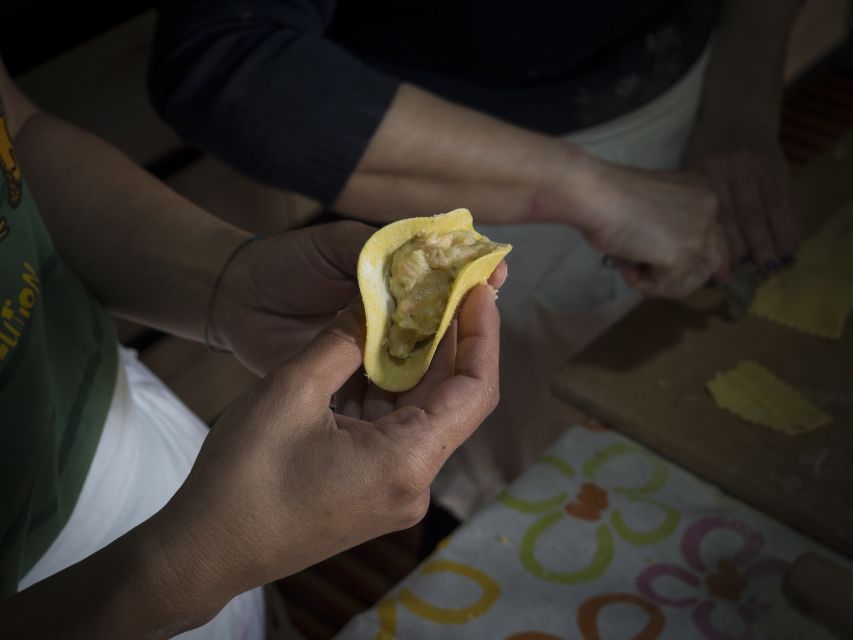
The second pasta is culurgiones, a filled ravioli with a distinctive braided or sealed edge. This is the more delicate part of the class. Filling the pasta is one task, but closing it neatly takes patience and a little practice.
The unusual edge is what makes culurgiones memorable. You will see the hosts demonstrate the technique slowly, then try it yourself. Some pieces may look tidy, while others may need a second attempt. That is exactly where a small group and patient instruction help.
The class also connects the food with Sardinian tradition. Culurgiones are not simply another filled pasta shape. Their preparation reflects local methods passed through home kitchens, and learning the fold by hand gives you a practical link to that tradition.
If you want to repeat the dish at home, pay close attention during this part. The ingredients are only half the lesson. The sealing method is the skill you are likely to remember most clearly.
Other Italy classes worth putting on the shortlist
- Florence: Pasta Cooking Class with Unlimited Wine
★ 4.9 · 10,285 reviews - 3 in 1 Cooking Class near Navona: Fettuccine, Ravioli & Tiramisu
★ 5.0 · 7,376 reviews - Florence Pizza or Pasta Class with Gelato Making at a Tuscan Farm
★ 5.0 · 6,801 reviews - Florence: Pasta & Tiramisu Cooking Class with Unlimited Wine
★ 4.9 · 6,708 reviews
Cooking, aperitivo, and the shared table
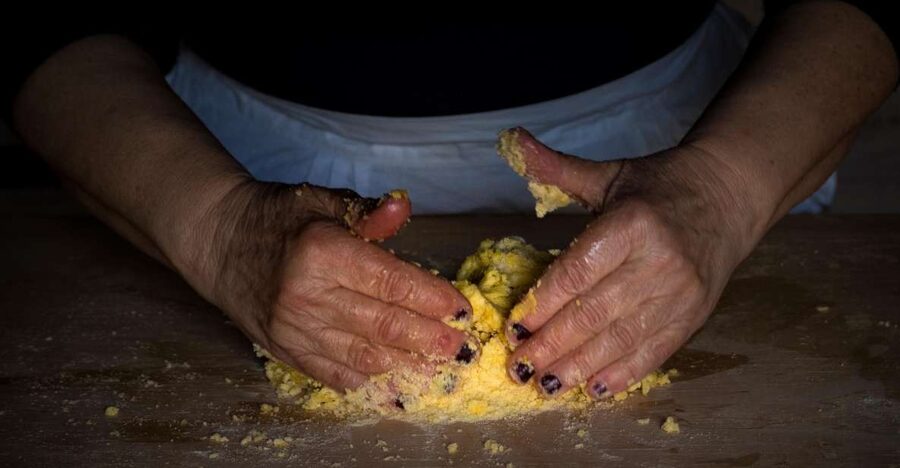
Once the pasta is shaped, the work shifts from preparation to cooking and eating. Depending on the arrangements for your session, you may enjoy an aperitivo in the garden while the pasta cooks. This slower pause is one of the class’s strongest features because it gives you time to talk with the hosts and the other people in your group.
The meal can include the pasta you made, Sardinian ravioli, culurgiones, malloreddus, and other local products. Past meals have also included sausage, cheese, bread, antipasti, and wine. Some food is prepared by the hosts, while the handmade pasta gives you a direct role in the meal.
The wine is included when you select the lunch and wine option. You should check that option while booking rather than assume every rate includes the same meal arrangement. Dietary requirements should also be provided in advance.
One useful point is worth clarifying before you go: the intended format is to cook and eat together, but the exact flow can vary. One past participant wished the pasta prepared during the lesson had been the pasta served at the meal. If eating your own batch is important to you, ask how the cooking and lunch are organized for your date.
Still, the shared meal is more than a reward for finishing the work. Sitting around the table, with the garden nearby and local food in front of you, gives the class its social value. You learn how the dish is made, then see how it fits into a relaxed Sardinian meal.
What the $92 price really covers
At $92 per person, this is not the cheapest way to eat pasta in Sardinia. You could find a meal for less, and a short cooking demonstration may also cost less. The value here comes from the combination of instruction, food, hospitality, and access to a private home.
You are paying for three to five hours, a live guide, the chance to make two traditional pastas, and lunch with wine if that option is selected. You also get a small group capped at 10 people, which gives the hosts more time to correct your technique and answer questions.
The price makes the most sense if you value personal contact and cultural context. Isabella and Valerio do not just hand you a recipe. They welcome you into their home, explain the steps, share local food, and talk with you around the table. That is a different product from a standard group cooking school.
The price may feel high if you mainly want to learn pasta technique and leave with a printed recipe. The private-home setting is the draw, but it also means the experience is less polished and standardized than a commercial kitchen. I would book it for the hospitality and setting first, and the pasta lesson second.
The very strong overall rating and especially high transport score also suggest that the basic organization works well. Still, ratings cannot tell you if the style suits you. Think of this as a hosted cultural visit with cooking, not simply a technical class.
Who will enjoy this most
I would recommend the class to couples, families, and small groups who want an easy way to meet local people near Cagliari. It also suits solo visitors who enjoy sharing a table and learning through conversation rather than moving from one sightseeing stop to another.
It is a good choice if you want to:
- Learn pasta by actually handling the dough
- Try both a shaped pasta and a filled pasta
- See a traditional Sardinian house
- Eat local food in a home setting
- Spend an unhurried half-day near Cagliari
- Use hotel pickup rather than arrange your own transport
Families should note that children can take part, but the activity involves several hours at a table. A child who enjoys cooking will likely get more from it than a child who needs constant movement.
This is not suitable for people with animal allergies. It is also a weaker choice for anyone looking for a formal, highly polished cooking school, a short lesson, or a strictly timed tour. The house is friendly and authentic, but that also means the experience has the natural looseness of a private visit.
Practical details before you book
The class is offered in English, Italian, and Spanish. Tell the provider about dietary requirements when you reserve. This is especially important because the meal may include pasta fillings, cheese, sausage, bread, wine, and other products.
Cancellation is flexible up to 24 hours before the activity for a full refund. You can also reserve now and pay later, which helps if your Cagliari plans are still shifting.
Starting times depend on availability, so check the schedule rather than assuming the class runs at a fixed hour. Since the full experience can last from three to five hours, avoid placing another important booking immediately afterward.
If you are staying within the Cagliari pickup area, request hotel transfer in advance. The free service applies up to 20 kilometers from Cagliari. If you are staying farther away, confirm the transport arrangements before relying on the pickup.
I would also wear comfortable clothes that you do not mind using in a kitchen. The available information does not specify a dress code or accessibility details, so ask directly if you need particular arrangements.
Should you book this Sardinian pasta class?
Book it if you want food, conversation, and a local home more than a polished cooking studio. The strongest parts are the patient instruction from Isabella and Valerio, the chance to make malloreddus and culurgiones yourself, and the meal that follows in a traditional Sinnai house.
At $92, it is a fair value when lunch, wine, pickup, and the full three to five hours are useful to you. It is less convincing if you only want a quick lesson or if the private-home setting feels too informal. Keep the animals in mind, give yourself an open half-day, and mention dietary needs early.
For an authentic food experience near Cagliari, this is a warm and practical choice. You leave with more than a plate of pasta: you get a better sense of how Sardinian food is made, shared, and taught at home.
FAQ
Where does the pasta class take place?
The class takes place in Sinnai, a small town near Cagliari. The lesson is held in a traditional home in the historic center, with Campidanese-style mud-brick walls and wooden roofs.
Which types of pasta will I make?
You will learn to make malloreddus, also known as Sardinian gnocchi, and culurgiones, a filled pasta similar to ravioli with a distinctive sealed edge.
Is lunch included?
Lunch and wine are included if you select that option. The meal can include the handmade pasta and other typical Sardinian products.
Can I get picked up from my Cagliari hotel?
Free pickup is available from hotels in the Cagliari area up to 20 kilometers away, on request. Arrange this when booking.
Are children allowed to join?
Children can take part. One previous family included a seven-year-old in the pasta-making activity, but the class lasts three to five hours and involves extended time at a table.
Are animals present during the class?
Yes. A cat and a dog live in the house. The experience is not suitable for people with animal allergies.
Recently added in Italy
- Vicenza: Pasta & Tiramisu Cooking Class at a Local’s Home★ 5.0 · 5 reviews
- Verona: Tortellini Cooking Class and Lunch with Mamma Ivana★ 5.0 · 20 reviews
- Verona: Pasta Cooking Class with Wine Tasting★ 5.0 · 4 reviews
- Verona: Pasta & Tiramisu Cooking Class at a Local’s Home★ 5.0 · 16 reviews
- Verona: Prosecco and Pasta Making Class at a Local’s Home★ 5.0 · 10 reviews
- Volterra: Fresh Pasta Cooking Class at a Tuscan Farmhouse★ 5.0 · 33 reviews
- Venice: Share Your Pasta Love in a Local’s Home★ 4.8 · 20 reviews
- Verona: My Granny’s secrets making gnocchi★ 5.0 · 7 reviews
Fresh Pasta Workshops, compared.
Pasta Making Class with Wine, Limoncello, and Dessert
Read our review →

Enjoy Spritz and Pasta Making in Piazza Navona
Read our review →
Pasta Making & Wine Tasting with Dinner in Frascati from Rome
Read our review →
The Secrets to Learn Fresh Pasta and Tiramisù in a Glam Home
Read our review →
Pasta Making with Wine Tasting and Dinner in Frascati
Read our review →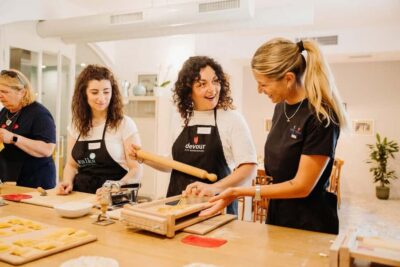
Browse the lists this class appears in