REVIEW · GELATO MAKING CLASSES
Rome: Fresh Pasta-Making Class with Wine and Gelato
Fresh pasta is the real star of this three-hour class in Rome’s Trastevere neighborhood. You’ll make fettuccine and ravioli by hand, learn Roman sauces, then sit down to eat with wine and homemade gelato. Elisa, Stefano, Luca, and Fernanda are among the chefs praised for making the class clear, lively, and easy to follow.
I like the balance of practical cooking and relaxed social time. You learn dough, fillings, shaping, and sauces, not just how to watch someone else cook. I also like the useful finish: printed recipes help you repeat the meal at home. The main consideration is the meeting point. It is in a square outside San Giovanni della Malva church, not inside a restaurant, so arrive 15 minutes early and read the directions carefully.
Key points to know before booking
- Two pastas from scratch: Make fresh fettuccine and ravioli, including the dough, filling, cutting, and shaping.
- Roman food lessons: Learn how local sauces use simple, seasonal ingredients and hear tips about Roman cooking.
- A full meal with drinks: Appetizers, prosecco, unlimited wine, your homemade pasta, sauces, and gelato are included.
- Friendly small-group format: Shared and private options are available, with an English-speaking chef leading the class.
- Good for families: Children as young as 4 and 5 have taken part successfully, with the pace adjusted for younger cooks.
- A few limits: The class is not suitable for wheelchair users, strollers, or people with mobility impairments, and it cannot accommodate celiac diets.
Starting in Trastevere at San Giovanni della Malva
Your meeting point is Piazza di San Giovanni della Malva, in front of the San Giovanni della Malva church. Look for the guide holding a red bag or a Devour Tours sign, and arrive 15 minutes before the scheduled start.
This detail matters. The meeting point is outdoors in a square and is not the cooking studio itself. One person had trouble finding the group because the location felt more like a courtyard than a business entrance. Give yourself enough time to locate the church and wait in the open square rather than searching for a restaurant sign.
Trastevere is a sensible setting for a food class. Its lanes and restaurant-filled streets give you an immediate taste of Roman neighborhood life, and the class adds something more useful than another restaurant meal. You leave with techniques you can use, not just a full stomach.
The cooking space is reached after a short walk from the meeting point. It has been described as clean, modern, spacious, and air-conditioned. That last point matters in July, when a few hours of kneading and cooking in a cool room can be a welcome break from Rome’s heat.
More Fresh Pasta Workshops in Rome
- Rome: Pasta Making Class with Wine, Limoncello, and Dessert
★ 4.9 · 3,177 reviews - Enjoy Spritz and Pasta Making in Piazza Navona
★ 5.0 · 1,681 reviews - Pasta Making & Wine Tasting with Dinner in Frascati from Rome
★ 5.0 · 1,326 reviews
Prosecco, appetizers, and the first pasta lesson
The class begins with a welcome drink, usually prosecco, while the chef explains what you will be making. Appetizers are included, so you are not starting the hands-on work hungry.
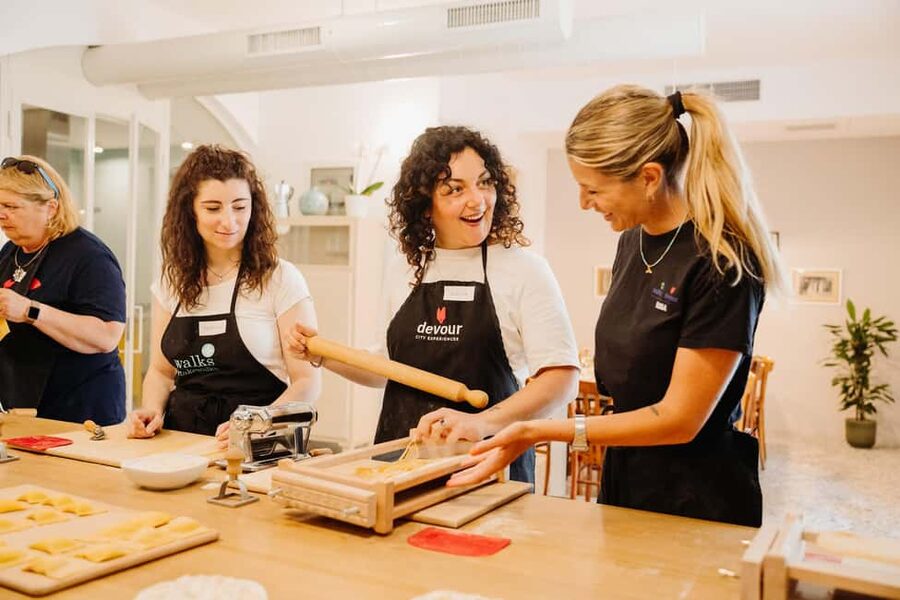
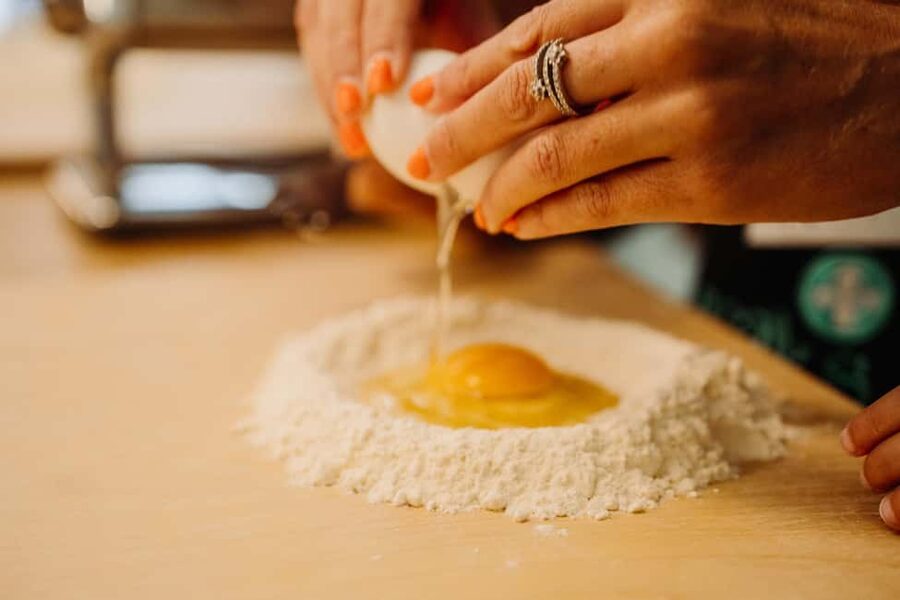
The first practical lesson is pasta dough. You learn how to combine flour, eggs, and olive oil, then judge the texture as the dough comes together. This is the sort of instruction that helps at home because the right consistency depends on feel as much as measurement.
You then roll and cut the dough for fettuccine. The class is designed for beginners, so you do not need previous cooking experience. Clear instructions and direct help from the chef keep the task manageable, even if your first sheet of dough is not perfectly even.
That is part of the pleasure. This is not a formal culinary exam, and the food does not need to look machine-made. You work with the dough, make mistakes, laugh a little, and learn why the shape and thickness matter.
Several children have taken part successfully. Families with children aged 4, 5, 7, 8, 10, and 12 found the activity manageable, and the chefs made a point of helping younger cooks. The class also includes eating, which helps hold a child’s attention during the slower parts.
Ravioli, fillings, and hands-on cooking
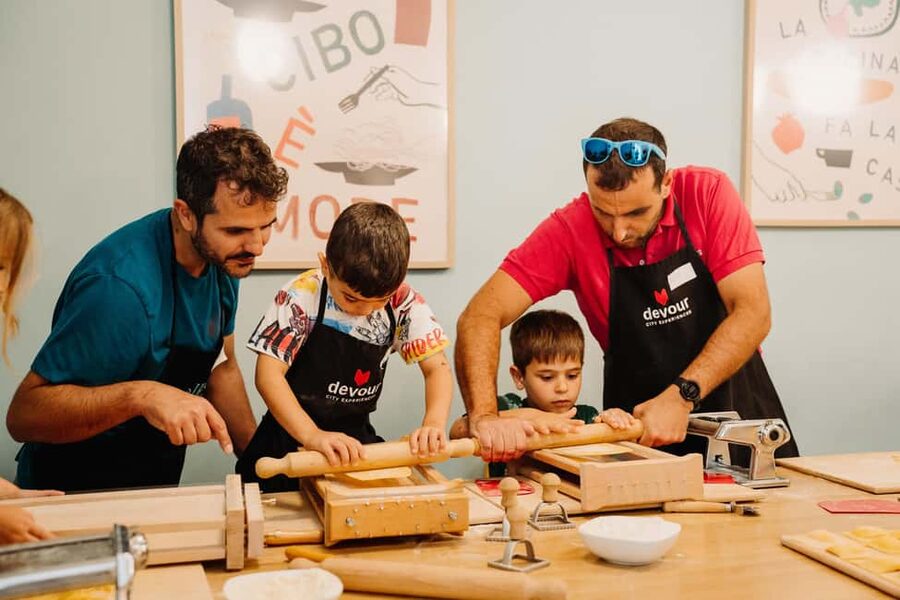
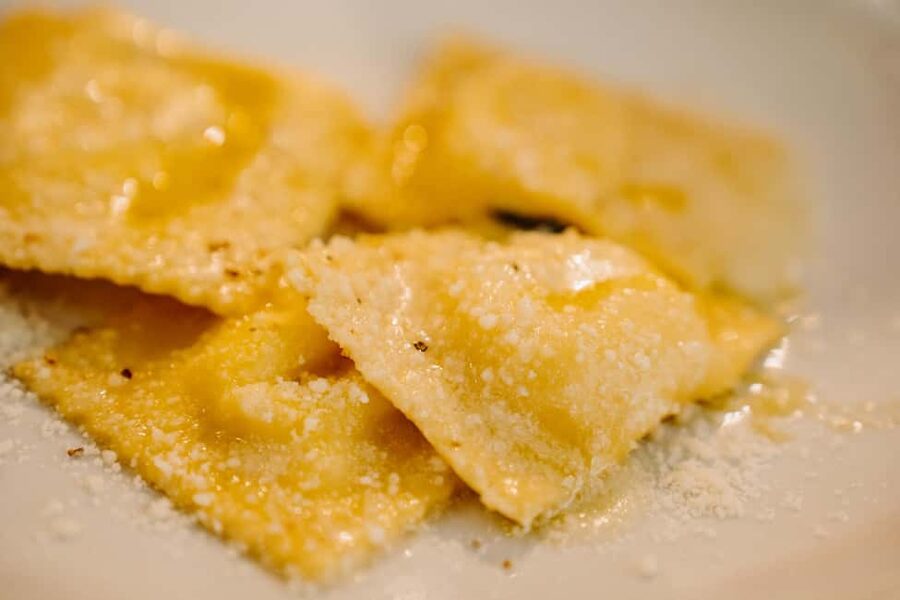
The second pasta is ravioli. You prepare the filling, place it on the dough, fold it, and seal the edges. This gives you a different lesson from fettuccine because ravioli calls for care with portions, air pockets, and the seal around each piece.
The chef teaches recipes described as traditional and passed down through generations. The exact ingredients can vary, but the class uses fresh ingredients and explains how the filling works with the sauce. That connection is important. You are not simply making two unrelated dishes. You are learning how shape, filling, sauce, and texture fit together in an Italian meal.
I like this part because it gives you a useful comparison. Fettuccine is forgiving and quick to shape. Ravioli asks for more patience. If you are cooking at home later, you will know which method suits a rushed weeknight and which one is better for a slower weekend meal.
The chefs also work at a pace that suits mixed groups. Some people arrive as keen home cooks, while others have never made pasta. The class allows everyone to take part rather than leaving the hard work to the instructor.
Roman sauces made with seasonal ingredients
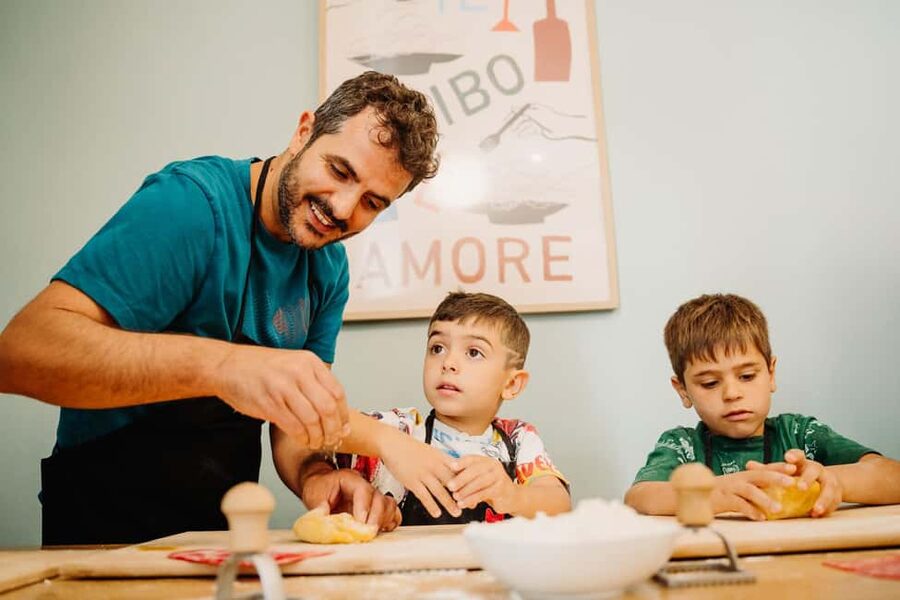
While the pasta rests, the class turns to sauces. You learn how Roman cooking gets strong flavor from a fairly short list of ingredients, along with the importance of choosing and handling them well.
Examples mentioned by participants include puttanesca and amatriciana. The class may not serve exactly the same sauce every time, since the menu can depend on the session and ingredients, but you will work with traditional Roman-style recipes and receive practical tips.
This is where the class becomes more than a pasta craft session. Sauce is what makes the finished dish taste like a meal, and the chef explains how it should work with the pasta you have made. You can ask questions about cooking methods, ingredient choices, and Roman food customs along the way.
The sauces are prepared with local, seasonal ingredients. You should not expect a long lecture on food history. Instead, you get useful cooking guidance while the sauce comes together, which is likely to stay with you longer than a list of facts.
More Gelato Making Classes in Rome
- Super Fun Pasta & Gelato Class by Vatican with Wine + Oil Tasting
★ 5.0 · 726 reviews - Rome: Hands-On Pasta & Gelato Cooking Class in the City’s Heart
★ 5.0 · 250 reviews - Rome: Hands-On Pasta and Gelato Class in the City Center
★ 4.9 · 239 reviews - Gelato and Pasta Cooking Class in Rome – Piazza Navona
★ 4.8 · 145 reviews
Sitting down to eat your own work
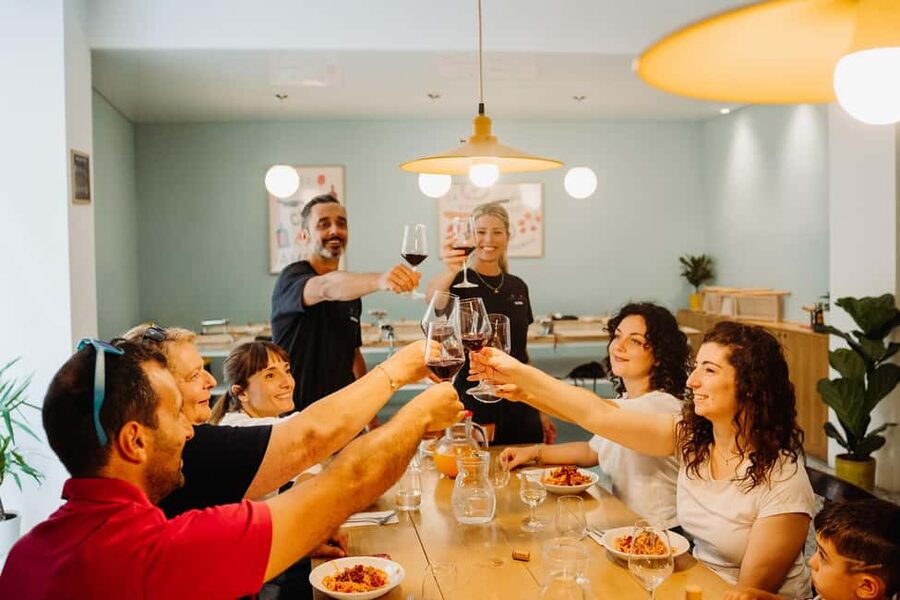
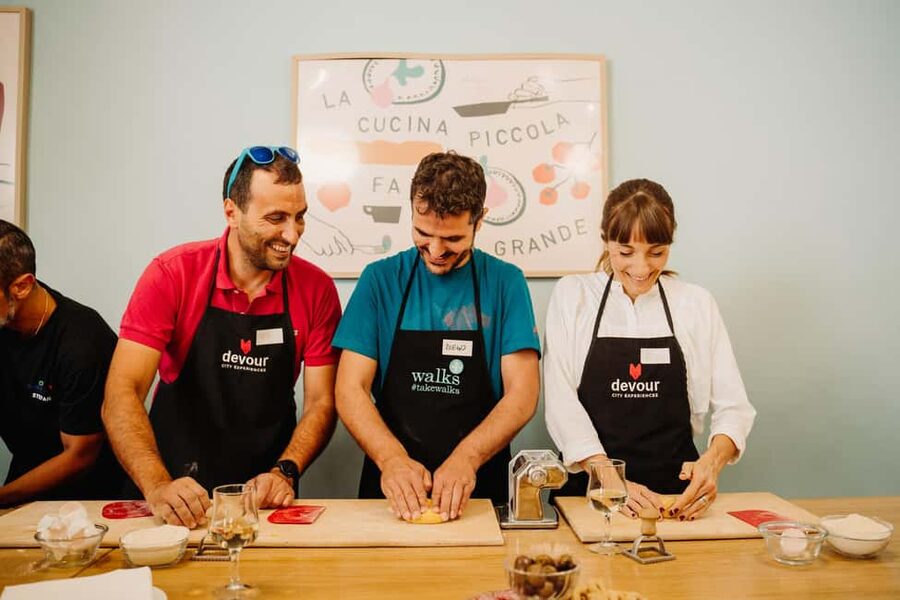
Once the pasta is cooked, you sit down together and eat the dishes you prepared. The meal includes two homemade pastas and sauces, along with Italian wine. Prosecco and unlimited wine are included, making this feel closer to a shared evening meal than a short demonstration.
The social side is a major part of the format. You cook beside other people, share a table, and hear stories while eating. That can be a plus if you enjoy meeting people during a trip. It can also matter if you are traveling alone and want an evening with some company.
The group size is described as private or small, depending on the option selected. A class of four has been described as especially intimate, while larger family groups have also found the room easy to manage. Check the option you choose if personal attention is important to you.
The chefs receive especially strong praise for their manner. Stefano, Elisa, Luca, Fernanda, Asia, Alessandro, Jamila, Federica, and others are described as friendly, funny, patient, and clear. Names and staff can change, but the consistent point is that the instructor plays a large role in the experience. You are getting a host as well as a teacher.
The wine deserves a practical note. Unlimited wine is included, but you should pace yourself because the class lasts three hours and involves cooking, eating, and standing or moving around the kitchen. The drinks add value, but the pasta lesson remains the main reason to book.
Homemade gelato to finish the evening
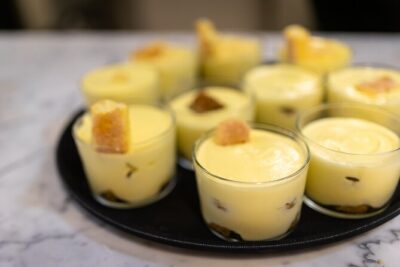
The sweet course is gelato. You learn to make it as part of the class, then enjoy it after the pasta meal.
Gelato is a smart ending because it gives the session a clear rhythm: welcome drink, pasta preparation, sauces, meal, and dessert. You are not rushing out after the main course. The gelato also gives children and anyone less interested in wine another part of the evening to look forward to.
The class includes the gelato and all ingredients, so you do not need to budget for an extra dessert afterward. You also receive printed recipe cards. These are more useful than a souvenir with no practical purpose, especially if you want to make the meal again and test what you learned in your own kitchen.
What the $69 price includes
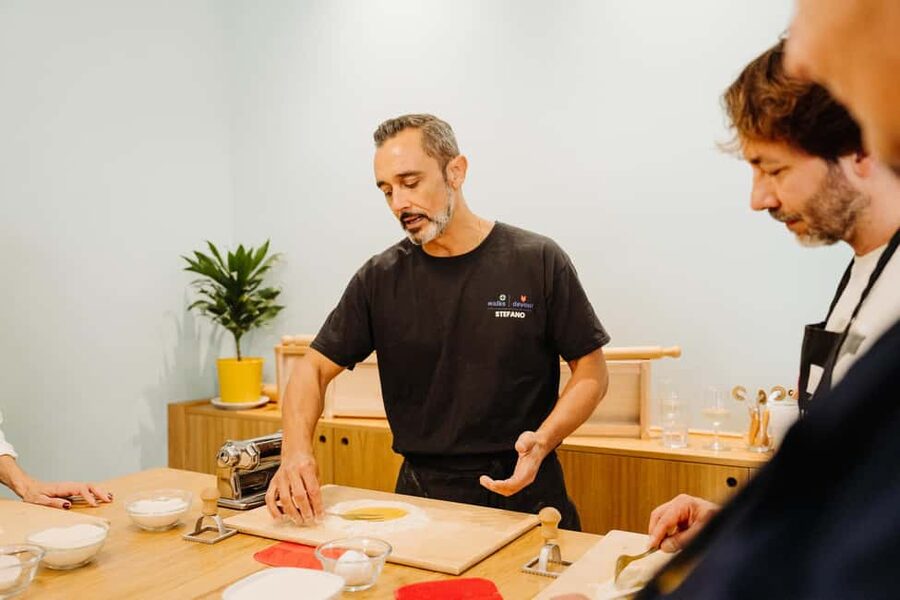
At $69 per person, this is not the cheapest way to eat in Rome, but it is a reasonable price for a three-hour activity that combines food, instruction, drinks, and dinner.
You receive:
- A local English-speaking chef
- Appetizers
- All ingredients
- A private or shared class, depending on the option
- Two homemade pastas and sauces
- Prosecco and unlimited wine
- Homemade gelato
- Printed recipes to take home
Compare that with paying for a pasta dinner, drinks, and dessert separately. The class costs more than a simple plate of cacio e pepe, but you are also paying for instruction, kitchen access, ingredients, and a hosted evening. I consider it good value if you want to learn a skill and eat a full meal.
It is less appealing if you only want a quick cooking demonstration or if you dislike group activities. You will spend three hours on the experience, and the social format is part of the package.
Who will enjoy this class most
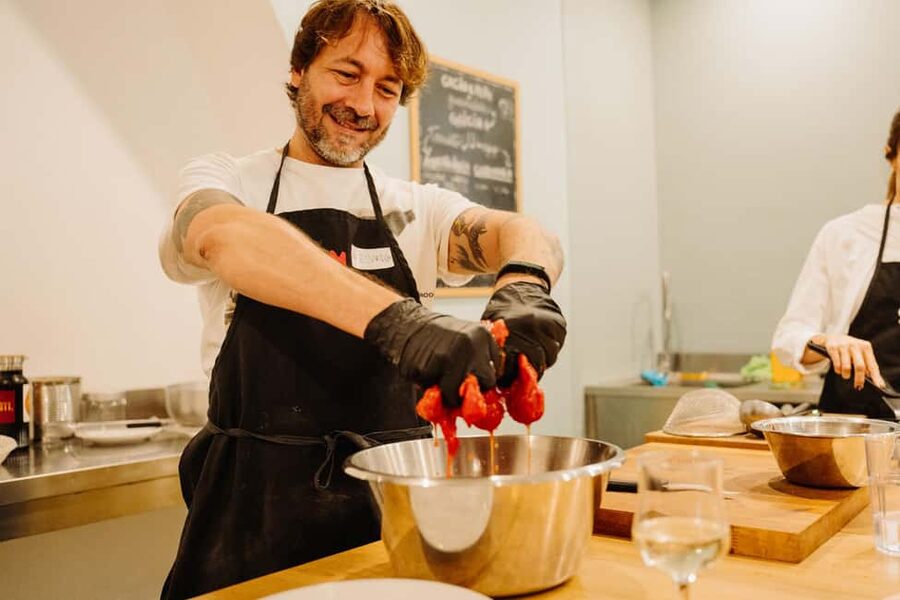
This class suits first-time cooks, families, couples, solo visitors, and people who want an evening activity that does not revolve around sightseeing. It is especially good for you if you want to bring home a practical memory of Rome.
Families have had particularly good results. The chefs adjust their explanations, help children with the dough, and keep the session moving. A 4-year-old may not complete every task independently, but the format allows younger children to take part and then enjoy the meal.
You should also consider it if you are planning your first day or two in Rome. One person wished they had booked the class at the start of the trip because the chef could have offered useful food suggestions and local advice. The activity gives you a friendly introduction to Roman cuisine and may help you choose dishes during the rest of your stay.
It is not suitable for wheelchair users, strollers, or people with mobility impairments. The activity is also adaptable to dietary needs except celiac diets. If you have allergies or other restrictions, contact the provider before booking so the food can be arranged.
Practical advice for a smoother evening
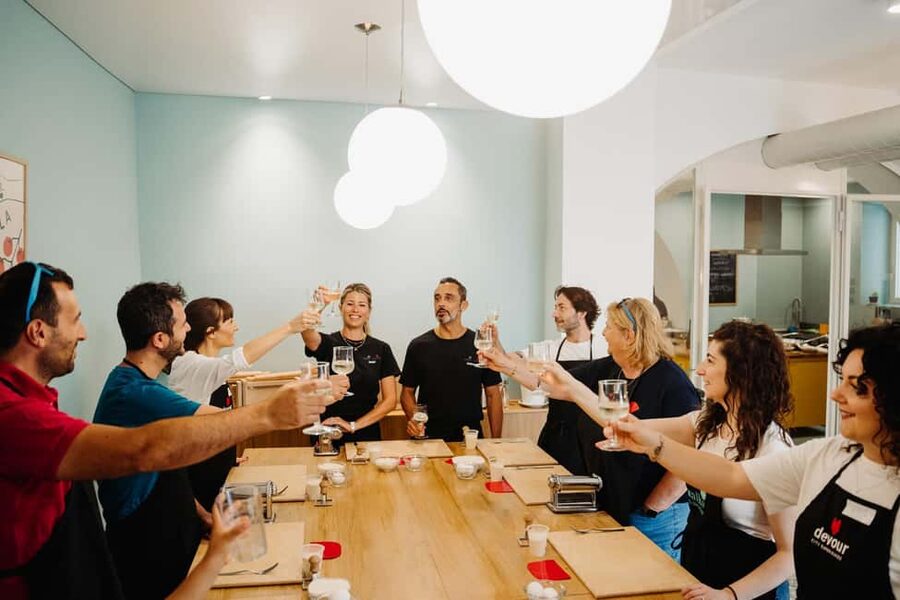
Arrive 15 minutes early. The outdoor meeting point is clear once you know to look for the church, the red bag, or the Devour Tours sign, but it may be confusing if you expect a restaurant entrance.
Wear something comfortable for a hands-on cooking session. You will be working with flour, dough, fillings, and sauces, so this is not the time for delicate clothing. The supplied information does not specify dress requirements, but practical clothes make sense.
Tell the provider about dietary restrictions before the class. The menu can be adapted in most cases, but celiac diets are excluded.
If you want the most personal attention, consider the private option. If you enjoy meeting people and comparing pasta shapes, the shared small-group format offers a more social evening and still gives you direct help from the chef.
Cancellation is free up to 24 hours before the activity for a full refund, and you can reserve now and pay later. Those policies make it easier to fit the class into a changing Rome schedule.
Should you book the Trastevere pasta class?
I would book this class if you want to do more than eat Italian food. The strongest parts are the hands-on work, the friendly English-speaking chefs, the family-friendly pace, and the complete meal with wine and gelato. Elisa, Stefano, Luca, Fernanda, and the other instructors are praised for keeping the tone warm without losing the cooking lessons.
Choose another activity if you need wheelchair access, are avoiding alcohol entirely, have celiac disease, or prefer a quiet private meal. For everyone else, $69 buys three useful hours in Trastevere, two fresh pastas, sauces, dessert, drinks, and recipes you can use long after Rome.
FAQ
Where does the pasta-making class meet?
Meet at Piazza di San Giovanni della Malva, 00153 Roma RM, in the square in front of the San Giovanni della Malva church.
How early should I arrive?
Arrive 15 minutes before the class begins. The guide will be holding a red bag or a Devour Tours sign.
How long does the experience last?
The class lasts three hours. Starting times vary, so check availability when booking.
What language is the class conducted in?
The instructor teaches in English.
Which pastas will I make?
You will make fresh fettuccine and ravioli, including the dough, ravioli filling, shaping, and cooking.
Are food and drinks included?
Yes. The experience includes appetizers, all ingredients, two homemade pastas and sauces, gelato, prosecco, and unlimited wine.
Can children take part?
Yes. The class is suitable for families, and children as young as 4 have taken part. The chefs can help younger cooks follow the instructions.
Can the class accommodate dietary restrictions?
The class can adapt to dietary needs except celiac diets. Contact the provider before attending so suitable food can be arranged.
More Pasta Classes with Wine in Rome
- Rome: Pasta & Tiramisu Class with Fine Wine by the Vatican
★ 4.9 · 4,852 reviews - Rome Cooking Class: Make Pasta and 3 Spritz Cocktails
★ 5.0 · 2,937 reviews - Learn to Make Pasta & Tiramisu with Wine and Limoncello Included
★ 5.0 · 2,345 reviews - Fettuccine & Tiramisù: Cooking Class with Wine & Limoncello
★ 4.9 · 2,103 reviews
Recently added in Rome
- Trastevere Food Tour with Pasta-Making Class★ 5.0 · 5 reviews
- Traditional Pasta Cooking Class with Tiramisu Small Group★ 5.0 · 7 reviews
- Rome: Pasta and tiramisu class with wine pairing at Come Na Vorta★ 5.0 · 30 reviews
- Spritz and Pasta! Spritz, Fettuccine & Tiramisù★ 5.0 · 2 reviews
- The Pasta Factory Class★ 4.5 · 21 reviews
- Top Class in Fettuccine, Ravioli, and Tiramisu★ 5.0 · 7 reviews
- Private 4 Roman Pastas Tasting Tour in Rome★ 5.0 · 6 reviews
- The Original Fettuccine Alfredo Experiences in Roma★ 4.5 · 38 reviews
Gelato Making Classes, compared.
Florence Pizza or Pasta Class with Gelato Making at a Tuscan Farm
Read our review →
Pizza or Pasta Class with Gelato at a Tuscan Farm
Read our review →
Pizza or Pasta and Gelato-Making Class with Wine
Read our review →
Pasta Cooking Class, Ragu, Spritz, Wine & Gelato
Read our review →
Super Fun Pasta & Gelato Class by Vatican with Wine + Oil Tasting
Read our review →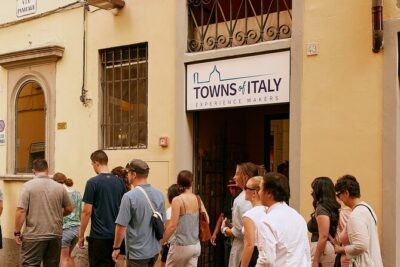
Premium Pasta and Gelato Cooking Class in Florence
Read our review →