
REVIEW · TIRAMISU CLASSES
The Secrets to Learn Fresh Pasta and Tiramisù in a Glam Home
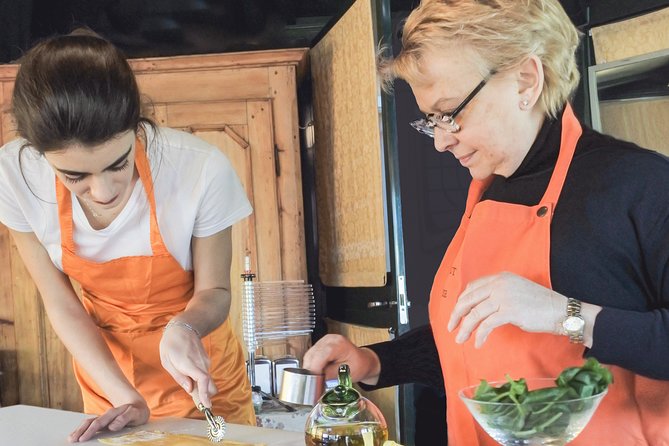
Fresh pasta is best learned with your hands, not from a recipe card. In this Milan class, you work in an elegant family home filled with paintings and antique furniture, then sit down to eat the tagliatelle, ravioli, and tiramisù you helped make. The recipes come from the family kitchen, with one ravioli filling linked to a one-star Michelin chef.
I like the hands-on format, where you shape pasta rather than simply watch a demonstration. I also like the warm social side: the class ends with a shared meal, wine, Parmigiano Reggiano, and homemade limoncello made from lemons in the garden. The main consideration is that your teacher may be Laura, Paolo, Luca, Federico, or another instructor rather than Grandma Bruna, and the class can include up to 21 people.
Key points to know before booking
- A real Milan home: The class takes place inside an elegant residential building near Via Giuseppe Dezza, not in a standard restaurant school.
- Three classic dishes: You prepare fresh tagliatelle with tomato sauce, ravioli with a special Michelin-linked filling, and traditional tiramisù.
- Family recipes: The teaching draws on recipes handed down through Grandma Bruna’s family.
- A social finish: Your handmade food is cooked, shared, and served with wine, Parmigiano Reggiano, and limoncello.
- Easy transport: The Coni Zugna, Via Foppa stop on Milan’s blue subway line is about 20 meters away.
- Good for mixed groups: English is used in class, and other languages may be available on request.
Cooking pasta in an elegant Milan home
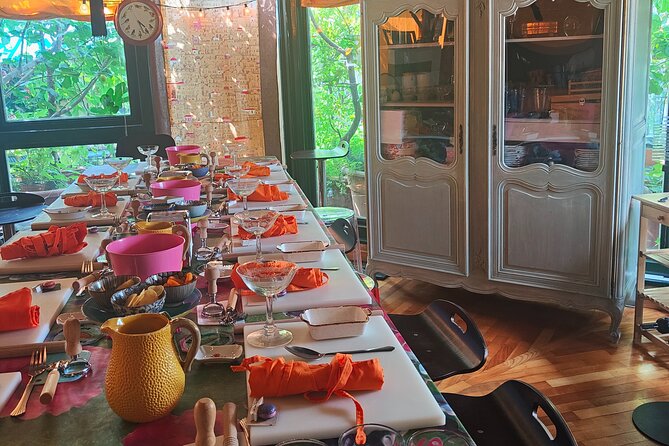
The setting gives this experience its first bit of character. You meet at Via Giuseppe Dezza 47, in a prestigious central area of Milan, and enter a family home decorated with art paintings and antique furniture from the family’s Palladian Palace.
That changes the mood from a formal cooking school to a visit with an Italian household. You are not simply standing at a workbench in a commercial kitchen. You are entering a home where family cooking has been passed down through generations, from Grandma Bruna to her daughter and grandchildren.
The welcome and teacher can vary. The class may be led by Grandma Bruna, but that cannot be guaranteed in advance. You receive the teacher’s name by email around 12 hours before the class, so book this for the family cooking tradition and the format, not for one specific instructor.
The named teachers connected with the class include Laura, Paolo, Luca, Federico, Marco, Katerina, Caterina, Fred, Francesco, and Lucas. The repeated strength across the teaching style is clear: instructors explain each stage, keep the mood light, and bring different ages and cooking levels into the same group.
More Fresh Pasta Workshops in Milan
- Milan: Fresh Pasta & Tiramisù Class in a Glamorous Home
★ 4.9 · 478 reviews - The secrets to Learn Fresh Pasta & Gelato in a Glam Home
★ 5.0 · 150 reviews - Milan – Discover the Italian flavors: Fresh Pasta and Tiramisu
★ 5.0 · 46 reviews
What you make during the three hours
The class centers on three dishes, and each one teaches a different part of Italian home cooking.
Fresh tagliatelle with tomato sauce
You begin with fresh pasta, learning how to turn basic ingredients into tagliatelle. This is the part that gives you the most useful skill for home cooking. Fresh pasta is not hard, but the feel of the dough matters, and a teacher can show you details that are easy to miss in a written recipe.
You work through the steps with guidance, then prepare the pasta for a traditional tomato sauce. The finished dish is served with grated Parmigiano Reggiano.
The recipe is simple enough to repeat at home, which is important. Some cooking classes produce dramatic food that is hard to recreate in an ordinary kitchen. Tagliatelle with tomato sauce is more practical. Once you learn how the dough should feel and how to handle the pasta, you can use the method again.
Ravioli with a Michelin-linked filling
The ravioli adds a more special touch. The filling is described as a recipe from a one-star Michelin chef, giving the class a contrast between family cooking and restaurant-level technique.
You make the ravioli by hand, learning how to shape and seal it. This is often the most satisfying part of a pasta class because small changes in pressure and folding affect the final result. The ravioli is finished with grated Parmigiano Reggiano.
The exact ingredients and preparation details are not specified ahead of time, so do not book expecting a printed menu with every measurement. The appeal is the guided process and the chance to learn the filling and shaping method directly in class.
More Tiramisu Classes in Milan
- Milan: Pasta and Tiramisu Cooking Class with Wine
★ 4.8 · 1,106 reviews - Gnocchi, Pasta, Tiramisù and Wine Class
★ 5.0 · 691 reviews - Milan: Pasta and Tiramisu Small Group Cooking Class with Wine
★ 5.0 · 660 reviews - Milan Culinary Experience: Pasta & Gelato or Tiramisù Class
★ 5.0 · 337 reviews
Traditional tiramisù
The dessert is a classic tiramisù made from the family recipe. It is creamy, sweet, and designed to be prepared without complicated equipment.
The tiramisù comes at the end of the meal, so pace yourself. The pasta dishes are filling, and a generous dessert can be a challenge if you rush through the main courses. If tiramisù is your priority, save room.
The shared meal is part of the lesson
The food you prepare is not simply packed away for later. It is cooked and served as a communal meal at the end of the class.
That means the class has two distinct parts. First, you learn and work with the ingredients. Then you sit down with the other people in the group and eat the results. The shared table helps turn a practical lesson into a social evening, especially if you are visiting Milan with family or friends.
Wine is served with the meal at the end rather than throughout the cooking session. This point matters if you are expecting a glass from the first minute. The timing is intentional, and the wine accompanies the dishes once they are ready. Homemade limoncello made with fresh lemons from the garden is also served as part of the experience.
The group meal can be a strength or a limitation, depending on what you want. If you enjoy meeting people and sharing food, it adds warmth. If you prefer to prepare and eat a private portion, the communal setup may not suit you.
Hands-on cooking also means you work alongside other people. The class is designed around shared preparation and supervision. If you have strict personal preferences about communal food handling, keep that in mind before booking. The organizers describe hygiene procedures and supervised preparation, but this remains a group cooking activity rather than a private chef lesson.
Teachers who keep the room moving
A good cooking class depends heavily on the instructor, and the teachers here seem to shape the mood as much as the recipes.
Laura is described as engaging, organized, and able to guide a group of 13 people without making the three hours feel rushed. Paolo is associated with a funny, informative teaching style and a relaxed atmosphere that works well for families and teenagers.
Luca is known for clear explanations and a friendly approach, while Federico brings humor and includes people in each stage of the work. Lucas is described as patient, organized, and good at helping a mixed group feel comfortable, including reluctant younger participants.
Other instructors, including Marco, Katerina, Caterina, Fred, and Francesco, are also part of the teaching team. The lesson is held in English, and additional languages may be available on request, including French, German, Spanish, Ukrainian, Russian, Hebrew, and Persian.
Since the specific teacher is not guaranteed, you should treat the individual personality as an added bonus rather than the main reason to reserve. The consistent benefit is a class built around clear steps, humor, and direct participation.
Why the home setting matters
Milan is often associated with design, fashion, grand churches, and polished restaurants. This class offers a different side of the city: food as a family habit.
The antique furniture and paintings give the experience a sense of place, but the more meaningful detail is the family recipe tradition. Italian cooking is often taught informally, with a parent or grandparent showing you how dough should look, how filling should be balanced, and how a dish should feel before it is ready.
That kind of instruction is useful because pasta has few hiding places. There are not many ingredients to distract you. The quality depends on the dough, the filling, the timing, and the way you handle it.
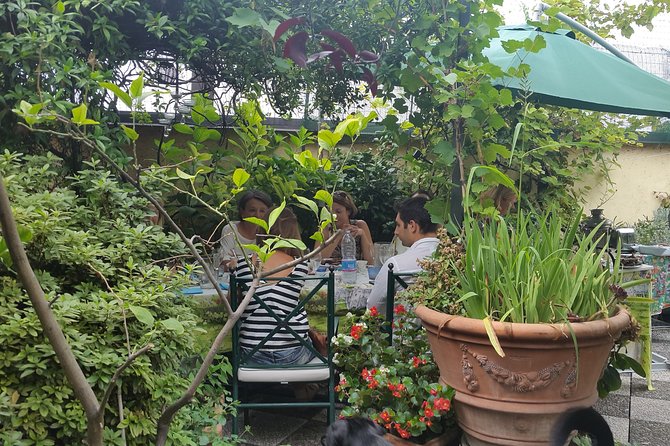
You also get a small connection to the family garden through the limoncello. It is a modest detail, but it adds personality to the final meal. This is not a generic bottle poured at the end. The drink is presented as homemade and made with fresh garden lemons.
Location and timing in Milan
The meeting point is Via Giuseppe Dezza 47, 20144 Milan. The entrance uses intercom 47, so have the address and entry instructions ready when you arrive.
The location is easy to reach by public transport. The blue subway line’s Coni Zugna, Via Foppa stop is about 20 meters away. That is useful after a long day of sightseeing, when you do not want to spend extra time crossing the city or searching for a tucked-away venue.
Because the class takes place in a private residential building, the entrance may not look like a normal cooking school. Use the intercom and follow the arrival instructions rather than assuming you have reached the wrong place.
The activity lasts about three hours. You can choose a lunch or dinner option, with additional timing possibly available by request. I would choose dinner if you want the class to become one of your main evening activities, or lunch if you prefer a relaxed cooking break between Milan sights.
The experience begins and ends at the same address. There is no sightseeing walk attached, so plan your route to and from the home separately.
Is $90.70 good value?
At $90.70 per person, this is not the cheapest way to eat pasta in Milan. You can find a plate of tagliatelle for much less. The question is what you are paying for.
The price includes roughly three hours of instruction, the chance to make several dishes from scratch, a full meal, wine, and limoncello. You also receive practical pasta skills that you can use again. For someone who only wants dinner, the value may feel less convincing. For someone who wants a cooking lesson and a meal in an unusual setting, the price is easier to justify.
The class becomes better value if you are traveling with family or friends and want an activity everyone can share. Teenagers have been able to take part, and the light tone helps people with little cooking experience. It is also a useful option for a rainy afternoon or for an evening when you want something beyond another restaurant meal.
The maximum group size is 21 people, so this is not a private lesson. A group of that size can make the experience lively, but it also means you may not receive constant one-to-one attention. The practical advantage is that the instructors are used to managing groups and keeping everyone involved.
What to expect from the atmosphere
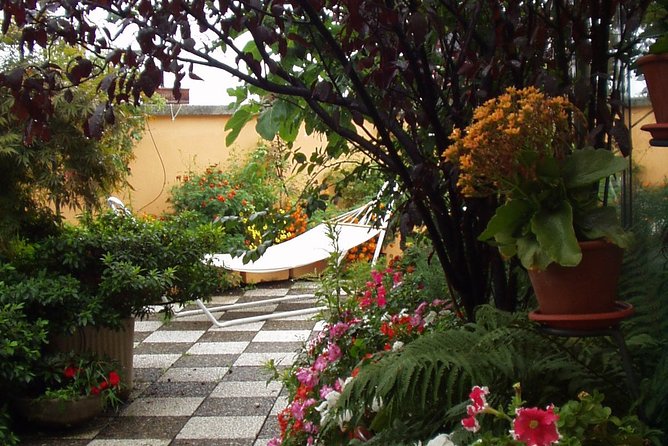
The strongest part of the experience is the combination of cooking and conversation. You work beside people from different places, then eat together at the end.
The tone is informal and often humorous. Several instructors are described as good at easing nervous beginners into the work, which matters if you have never made pasta by hand. A teenager who arrives reluctant may still end up taking part, especially when the lesson stays active.
You should expect to touch the dough, shape pasta, and help with the food rather than stand back with a camera. Wear something comfortable and practical for cooking, though no special skill is required.
The class is also suitable for people who want a clear introduction rather than an advanced culinary course. You learn traditional methods and useful tricks, but the aim is an enjoyable home-cooking lesson, not professional chef training.
Small drawbacks to consider
The private-home setting is appealing, but it can make arrival less obvious than at a restaurant or hotel. Read the meeting instructions carefully and use intercom 47.
The teacher is assigned rather than selected. If you specifically want Grandma Bruna, the organizer cannot assure that she will lead your class. You may instead meet Laura, Paolo, Luca, Federico, Lucas, or another member of the teaching team.
Wine is served with the meal at the end. If you expect drinks during the preparation, this may feel limited. The communal cooking format also requires comfort with working around other people and sharing the finished food.
Finally, a 21-person maximum is still a sizeable class. The experience can be friendly and well organized, but it will not provide the quiet, private attention of a one-on-one lesson.
Who should book this Milan cooking class?
I would recommend it to first-time pasta makers, families with teenagers, couples who want a social evening, and anyone who likes to bring home a skill rather than only a photograph.
It is especially well suited to you if you enjoy traditional food, informal teaching, and a meal shared with people you have just met. The class gives you three recognizable dishes, so the results are useful as well as tasty.
I would think twice if you want a private cooking lesson, a guaranteed appearance by Grandma Bruna, or wine throughout the class. You should also choose another activity if communal food preparation makes you uncomfortable.
FAQ
Where does the cooking class take place?
The class takes place at Via Giuseppe Dezza 47, 20144 Milan, Italy. Use intercom 47 at the entrance.
How long does the experience last?
The cooking class lasts approximately three hours.
What dishes will I prepare?
You will prepare fresh tagliatelle with traditional tomato sauce, ravioli with a special filling linked to a one-star Michelin chef, and traditional tiramisù.
Is the class taught in English?
Yes. The lesson is held in English. French, German, Spanish, Ukrainian, Russian, Hebrew, and Persian may be available on request.
Will Grandma Bruna teach the class?
Grandma Bruna may teach the class, but her participation cannot be guaranteed. The instructor’s name is sent by email about 12 hours before the activity.
Is the meal included?
Yes. The handmade pasta and tiramisù are prepared, cooked, and shared at the end. Wine, grated Parmigiano Reggiano, and homemade limoncello are also part of the meal.
Can I cancel for a full refund?
Yes. You can cancel at least 24 hours before the local start time for a full refund. Cancellations or changes made within 24 hours are not refunded or accepted.
Recently added in Milan
- Small group Pasta and Tiramisu class in Milan by Cesarine★ 5.0 · 25 reviews
- Rockin kitchen : Fresh Pasta lesson with Music Aperitif Dinner★ 5.0 · 28 reviews
- Milan: The Ultimate Pasta Mastery Workshop★ 4.0 · 21 reviews
- Pasta and Tiramisu Cooking Class at Come Na Vorta Navigli Milan★ 5.0 · 16 reviews
- Share Your Pasta Love in a Local’s Home in Milan★ 5.0 · 3 reviews
- Easily Make Pasta, Bruschetta & Tiramisù★ 5.0 · 14 reviews
- Italian Cocktail + Art of Making Pasta Cooking Class In Unique Milan Location★ 5.0 · 16 reviews
- PRIVATE Cooking Class in a Local Home – Pick Your Menu★ 5.0 · 18 reviews
Tiramisu Classes, compared.
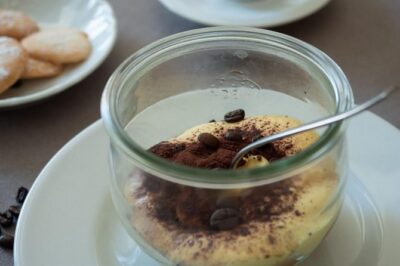
3 in 1 Cooking Class near Navona: Fettuccine, Ravioli & Tiramisu
Read our review →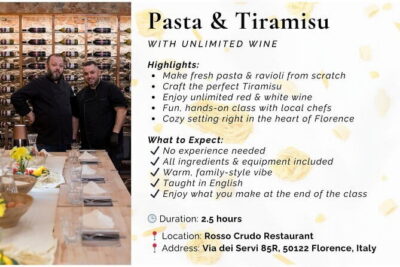
Pasta & Tiramisu Cooking Class with Unlimited Wine
Read our review →
Pasta & Tiramisu Class with Fine Wine by the Vatican
Read our review →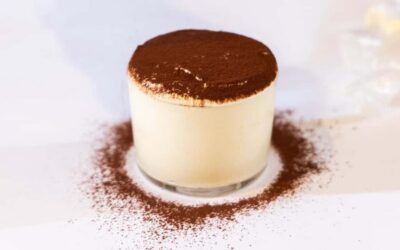
3-in-1 Fettuccine, Ravioli, and Tiramisu Cooking Class
Read our review →
Learn to Make Pasta & Tiramisu with Wine and Limoncello Included
Read our review →
Cooking Class Pasta & Tiramisu Making Unlimited Wine
Read our review →
Become a Masterchef in Rome: Pasta, Ravioli and Tiramisù Class
Read our review →
Fettuccine & Tiramisù: Cooking Class with Wine & Limoncello
Read our review →Browse the lists this class appears in