
REVIEW · FARM COOKING CLASSES
Volterra: Fresh Pasta Cooking Class at a Tuscan Farmhouse
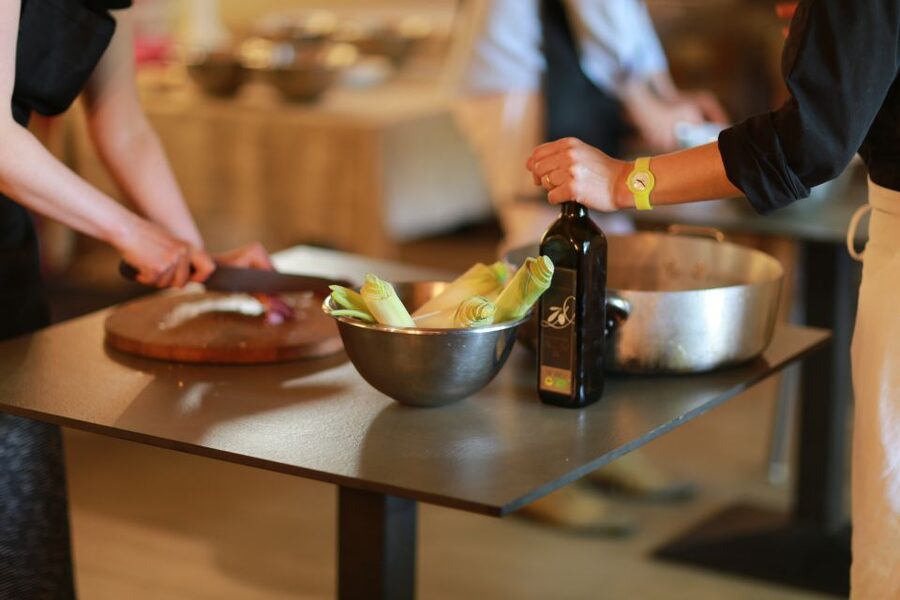
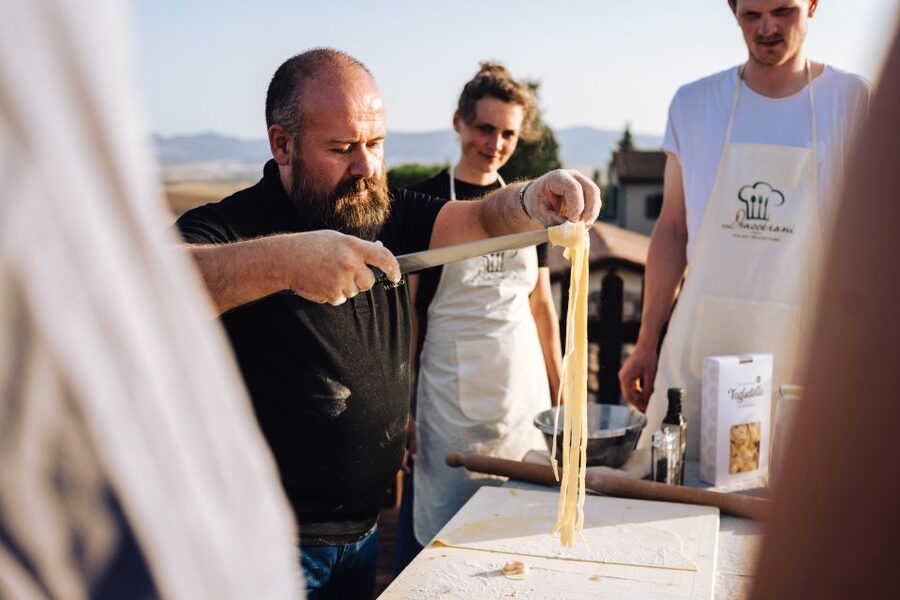
The best part of this two-hour class is that you do not just watch someone make pasta. At Agriturismo Biologico Diacceroni, you work at your own station, prepare three traditional shapes, and then sit down to eat what you made. The setting is a working farmhouse in the Tuscan hills near Peccioli, not a city kitchen dressed up for tourists.
I like the hands-on format, with ingredients, utensils, and an apron ready when you arrive. I also like the warm teaching style associated with Lucia and Ilanea, who keep the pace lively while helping you get the pasta right. The main drawback is practical: the farmhouse is in Peccioli, and hotel pickup is not included, so you must arrange your own way there.
Key points to know before booking
- Three pasta shapes in two hours: You prepare one filled pasta and two types of egg pasta, then eat the finished dishes.
- A real farmhouse setting: The class takes place at Agriturismo Biologico Diacceroni, in the countryside near Peccioli.
- Lucia and Ilanea bring a personal touch: Their teaching is described as patient, funny, and encouraging, with plenty of help at the work station.
- Lunch or dinner is part of the experience: Your pasta is cooked with traditional sauces and served with Diacceroni wine.
- Bring your own transportation plan: Hotel pickup and drop-off are not included, and the meeting point is the agriturismo reception.
- Flexible booking terms: You can cancel up to 24 hours ahead for a full refund, and reserve now while paying later.
A farmhouse kitchen near Peccioli
This experience is listed as a Volterra activity, but the meeting point is at Agriturismo Biologico Diacceroni in Peccioli, at Via della Bonifica, 156. That distinction matters. If you are staying in Volterra, check your route and allow enough time to reach the farmhouse. There is no hotel pickup or drop-off.
The class begins at the reception of the agriturismo. You return to the same place at the end, which keeps the arrangement simple once you arrive. The farmhouse setting gives the lesson a useful sense of place: you are cooking in the Tuscan countryside, using the kind of food traditions associated with family kitchens rather than following a polished restaurant demonstration.
The course runs for two hours. Starting times vary, so you will need to check availability for the date you want. A two-hour class is long enough to teach several shapes without turning the meal into an all-day project. It also works well for a morning or afternoon plan, although you should make sure the chosen time fits the lunch or dinner service.
More Fresh Pasta Workshops in Italy:
- Rome: Pasta Making Class with Wine, Limoncello, and Dessert
★ 4.9 · 3,177 reviews - Pastamania – Florence Pasta Making Class
★ 5.0 · 3,050 reviews - Enjoy Spritz and Pasta Making in Piazza Navona
★ 5.0 · 1,681 reviews
What happens when you arrive
At your station, you find an apron and the ingredients needed for the class. Cooking utensils are included, so you do not need to pack anything special. This is a small but helpful detail. You can get straight to the work instead of waiting for equipment to be shared around the room.
The chefs guide you through the preparation while explaining traditional Tuscan recipes and the stories connected to them. The teaching is interactive. You can ask questions, take part in each stage, and hear anecdotes about local cooking customs.
The class is offered in Italian and English. That makes a difference during pasta work, where timing and texture matter. Clear instructions help you understand how the dough should feel and how to shape it, rather than simply copying a quick demonstration.
The atmosphere is intended to feel like a cheerful Tuscan family meal. That does not mean you should expect a formal culinary school or a technical chef certification course. The value is in learning practical family-style recipes, getting involved, and sharing the finished food at the same table.
Three pasta shapes, not one quick demonstration
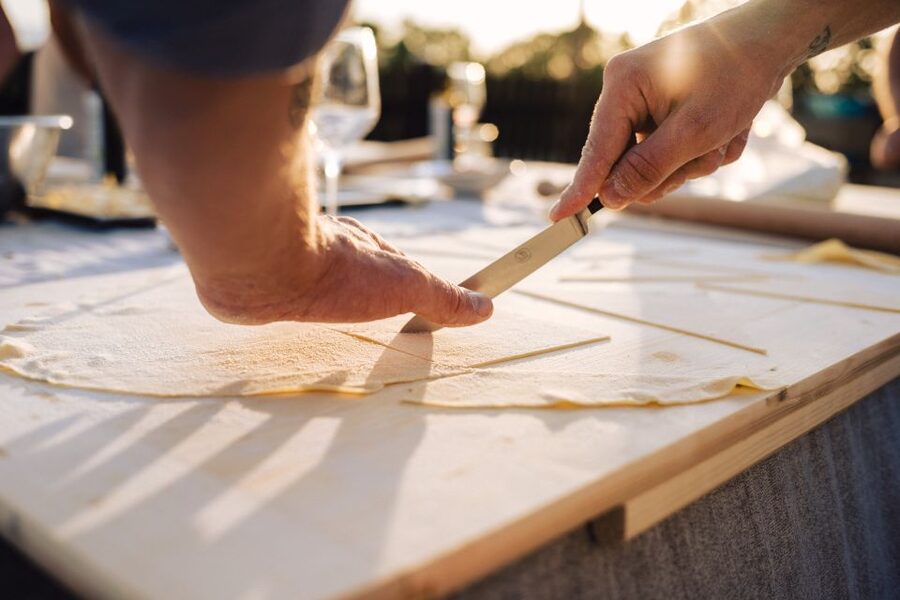
The main lesson covers three traditional pasta shapes: one filled pasta and two types of egg pasta. This variety is one of the strongest reasons to choose the class. You get to see how one basic tradition can lead to different textures, forms, and methods.
The filled pasta gives you a chance to work with a center enclosed by dough. It requires care, since the edges need to be sealed properly. The two egg pasta shapes add contrast and let you practice more than one way of handling and forming the dough.
The exact shapes and sauces are not specified in the available details, so you should not book expecting a particular named pasta. The class focuses on traditional preparation rather than a fixed menu advertised in advance. That can be a plus if you want a broader introduction to Tuscan pasta instead of learning one recipe only.
You will not simply take your uncooked pasta home. The pasta made during the course is cooked and served afterward, with traditional sauces. This gives you an immediate test of your work and lets you taste the difference between the shapes.
One useful touch is the option to take leftovers away if you cannot finish everything. That is not guaranteed as a separate takeaway meal, but the class has accommodated it. You may want to ask on the day if you are full after the tasting.
Meeting Lucia, Ilanea, and the teaching style
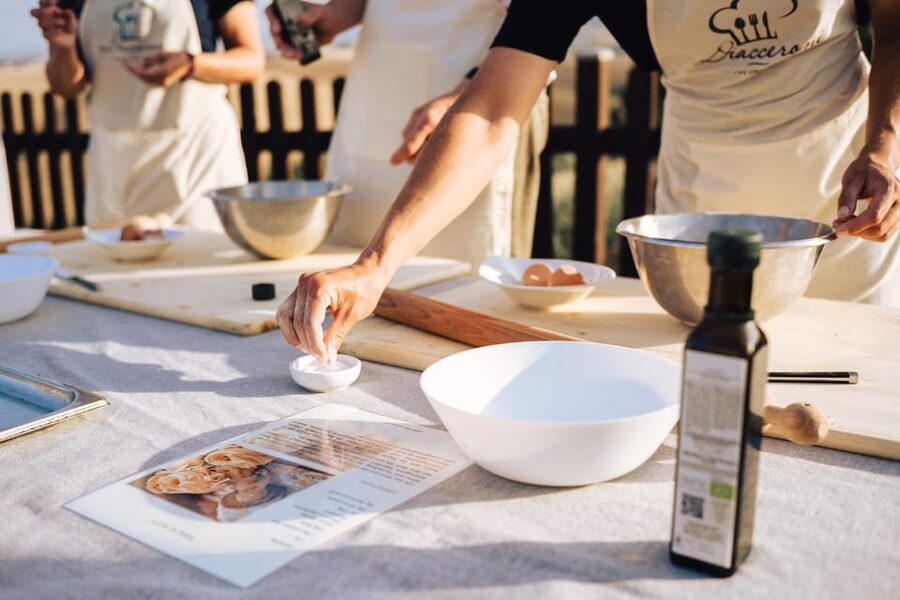
The instructor is central to this experience. The class is not built around a printed recipe sheet or a silent demonstration. You work alongside a chef who keeps you moving and helps correct small mistakes before they become larger ones.
Lucia has been praised for keeping the group on track while making the class fun. That balance is important. Pasta dough can be absorbing, but it can also become frustrating if you are unsure how thin to roll it or how firmly to close a filled shape. A patient instructor makes the lesson much more useful.
Ilanea has also been described as personable and patient, with an entertaining approach to teaching. If she leads your class, expect plenty of conversation along with the cooking. Instructor assignments can vary, so you should not assume that a particular person will teach your session unless the booking details confirm it.
The small-group feel can be especially good for couples or friends. One pair had the chef and guide to themselves, which allowed for direct help and easy conversation. Group size is not specified, so the experience may not always be private. Still, the format gives you a chance to interact with the instructor rather than watching from the back of a crowded room.
More Farm Cooking Classes in Italy:
- Florence Pizza or Pasta Class with Gelato Making at a Tuscan Farm
★ 5.0 · 6,801 reviews - Florence: Pizza or Pasta Class with Gelato at a Tuscan Farm
★ 4.9 · 1,181 reviews - Alghero Home Cooking Pasta Class at a Farmhouse with Wine
★ 5.0 · 130 reviews - From Rome: Pasta Fresca Cooking Class in a Farmhouse with a Local
★ 5.0 · 62 reviews
Eating the pasta you prepared
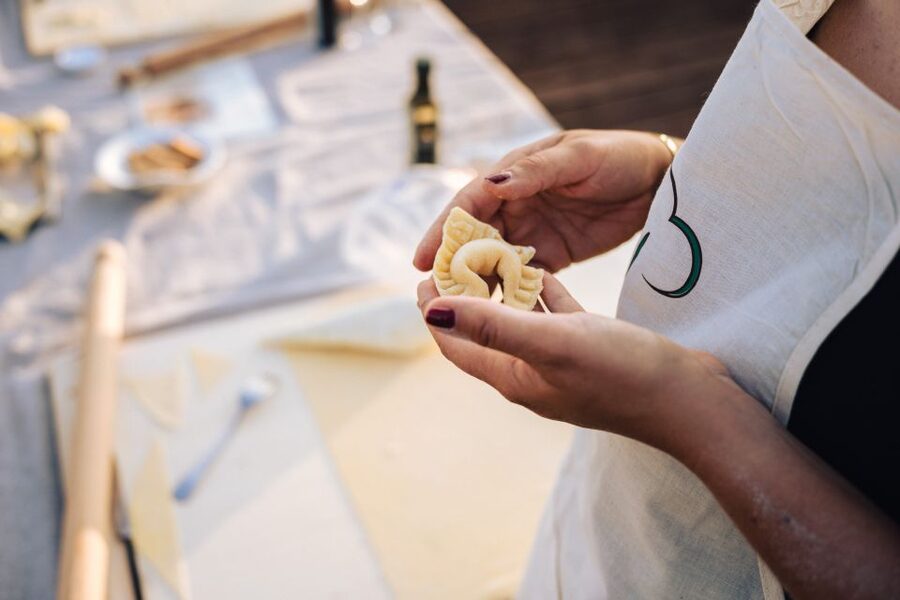
The cooking lesson ends with a proper meal. Your pasta is cooked and served with traditional sauces, then paired with Diacceroni wine. Since the wine is included, the $118.95 price covers more than instruction and raw ingredients.
This finish is important. You learn why the pasta needs a certain thickness, shape, or seal, then taste the result soon afterward. It turns the lesson into a meal as well as a class. The atmosphere is meant to echo a Tuscan family lunch, with the food shared after the work is done.
The included wine is Diacceroni wine, connected to the agriturismo. Extra drinks are not included, and any extra menu items cost more. The basic experience is therefore clear: pasta instruction, ingredients, utensils, an instructor, and wine are covered, while additions are separate.
You should consider the price in that context. At $118.95 per person, this is not the cheapest way to eat pasta in Tuscany. You are paying for a two-hour guided activity, the use of a farmhouse kitchen, all cooking supplies, several pasta preparations, and the meal at the end. If you want only lunch, it is poor value. If you want a practical food activity and a meal in the countryside, the package is more reasonable.
Why the countryside setting matters
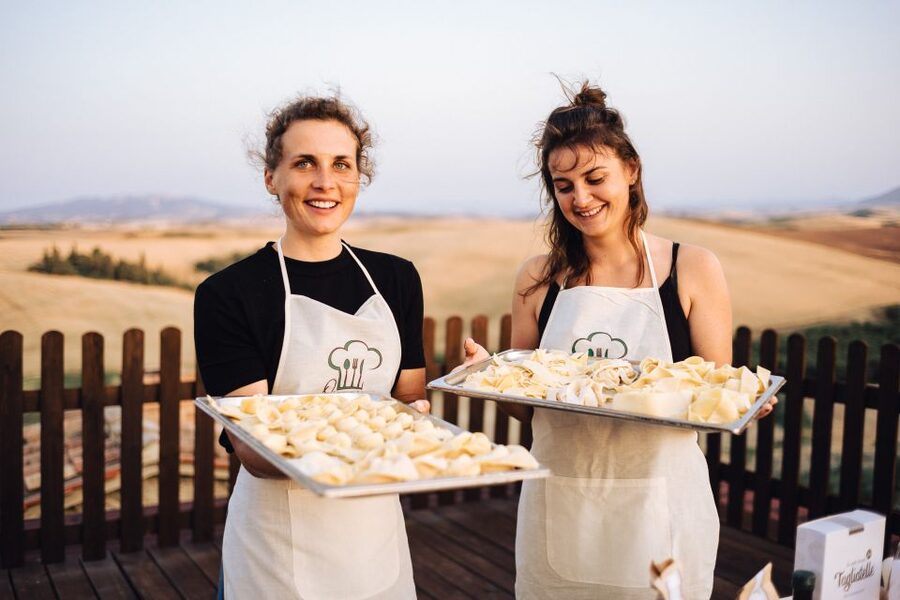
A pasta class in a city center can be convenient, especially if you are staying in Florence or Siena. This one asks more of you because you must reach Peccioli on your own. In return, you get a setting tied to farming and local food production.
The ingredients used in the class come from the farm. That connection gives the cooking some meaning beyond the mechanics of mixing and shaping dough. You are working with food in the place where farm life and traditional cooking meet.
Do not expect a tour of the entire property or a separate farm activity. The focus remains on cooking. Still, the working farmhouse setting helps explain why the course is not just a generic pasta workshop moved to Tuscany.
The experience takes place rain or shine. This matters if you are building a day around outdoor sightseeing. The class itself can continue in poor weather, but you should plan your journey to the meeting point accordingly.
Who will get the most from this class
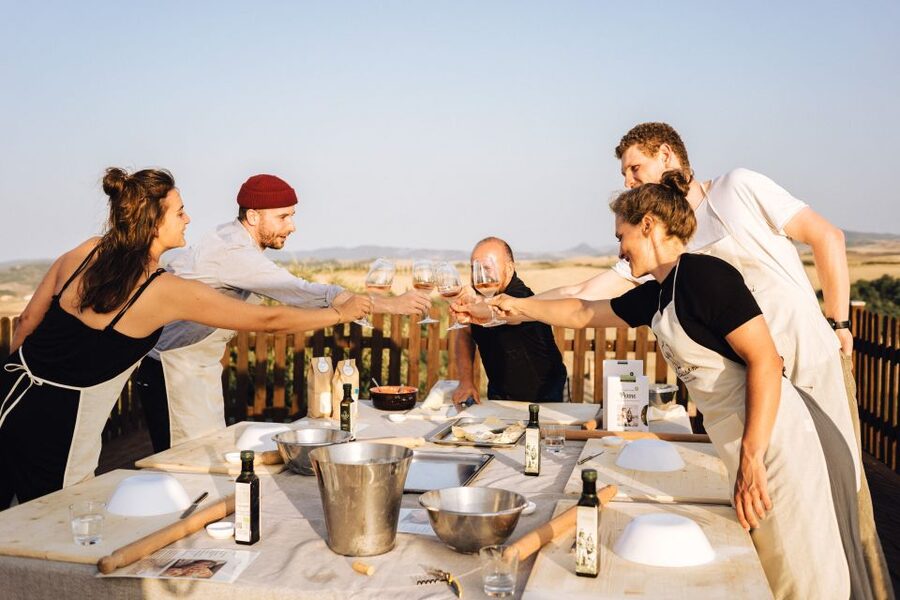
This is a good choice for anyone who wants to do something active with Tuscan food. Couples can work together, friends can compare their pasta shapes, and families may enjoy the relaxed format if children are comfortable following kitchen instructions. The available information does not specify a minimum age, so check before booking with young children.
It suits beginners better than serious pasta specialists. You get direct instruction and a chance to ask questions, but the two-hour schedule means the focus is on making and enjoying the food rather than mastering every technical detail.
It also works well for people who value a local setting over a central address. If you are already planning to visit Peccioli or the surrounding Tuscan hills, the location may fit naturally into your day. If you are staying in Volterra without a car or other transport, the lack of pickup could make the class inconvenient.
The class is wheelchair accessible. If you have food allergies or intolerances, tell the provider when you reserve. That information is specifically requested so the food can be prepared safely and appropriately.
What is included, and what is not
The basic package includes:
- An Italian or English-speaking instructor
- Cooking utensils
- Ingredients
- An apron at your station
- The pasta you prepare, cooked and served afterward
- Traditional sauces
- Diacceroni wine
Hotel pickup and drop-off are not included. Extra menu items and extra drinks also cost more. These exclusions are easy to overlook when comparing cooking classes, so include your transportation and any added food or drink in your budget.
The class ends back at the reception of the agriturismo. You are not left at a different location, but you are responsible for getting there and returning afterward.
Booking flexibility and practical timing
You can cancel up to 24 hours before the activity for a full refund. The reserve-now, pay-later option can help if your Tuscan plans are still shifting. Starting times depend on availability, so check the schedule before arranging other sightseeing.
Because the class takes place rain or shine, it can be a useful anchor on a day when the weather is uncertain. Give yourself enough time to reach Via della Bonifica, 156 in Peccioli. The countryside location may require more planning than a class in a central town.
The activity has a rating of 5 from 33 reviews, and the strongest praise centers on the instructors, the fun pace, and the pleasure of eating the pasta afterward. Lucia is noted for keeping everyone organized and sending extra food home when it could not be finished. Ilanea is praised for patience and a warm, entertaining manner.
Those details tell you what kind of class this is. The appeal is not only the recipe. It is the combination of personal instruction, shared work, laughter, and a meal made from your own pasta.
Should you book the Diacceroni pasta class?
Book this experience if you want a hands-on Tuscan food lesson in a farmhouse setting and like the idea of eating the results with local wine. The three pasta shapes make it more useful than a class that teaches one basic recipe, and the English-speaking instruction makes it accessible to international visitors.
Think twice if you want a central meeting point, included transport, or a highly technical culinary course. The $118.95 price makes the most sense when you value the complete package: instruction, ingredients, utensils, farmhouse setting, and lunch or dinner.
Before booking, confirm how you will reach Peccioli, note the available start time, and report any allergies or intolerances. If those details work for you, this is a friendly and practical way to spend two hours in the Tuscan countryside, with a meal you helped make at the end.
FAQ
Where does the cooking class take place?
The class takes place at Agriturismo Biologico Diacceroni in Peccioli, at Via della Bonifica, 156. The starting point is the reception of the agriturismo.
How long does the experience last?
The cooking class lasts two hours. Starting times depend on availability.
What pasta will I prepare?
You will prepare three traditional pasta shapes: one filled pasta and two types of egg pasta.
Is the pasta I make served during the class?
Yes. The pasta prepared during the course is cooked and served with traditional sauces as lunch or dinner.
Is wine included?
Yes. Diacceroni wine is included. Extra drinks are not included.
Is transportation provided from my hotel?
No. Hotel pickup and drop-off are not included. You must make your own way to the agriturismo and back afterward.
Is the class available in English and accessible by wheelchair?
Yes. The activity is offered in Italian and English and is wheelchair accessible.
Recently added in Italy
- Vicenza: Pasta & Tiramisu Cooking Class at a Local’s Home★ 5.0 · 5 reviews
- Verona: Tortellini Cooking Class and Lunch with Mamma Ivana★ 5.0 · 20 reviews
- Verona: Pasta Cooking Class with Wine Tasting★ 5.0 · 4 reviews
- Verona: Pasta & Tiramisu Cooking Class at a Local’s Home★ 5.0 · 16 reviews
- Verona: Prosecco and Pasta Making Class at a Local’s Home★ 5.0 · 10 reviews
- Venice: Share Your Pasta Love in a Local’s Home★ 4.8 · 20 reviews
- Verona: My Granny’s secrets making gnocchi★ 5.0 · 7 reviews
- Valnerina/Pasta cooking class in a 12th century location★ 4.8 · 9 reviews
Farm Cooking Classes, compared.
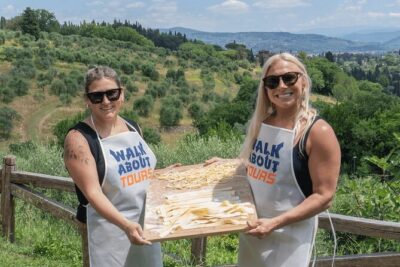
Florence Pizza or Pasta Class with Gelato Making at a Tuscan Farm
Read our review →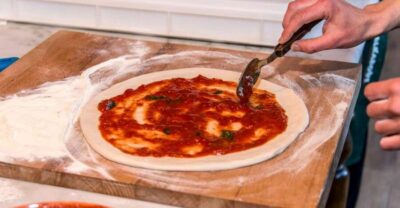
Pizza or Pasta Class with Gelato at a Tuscan Farm
Read our review →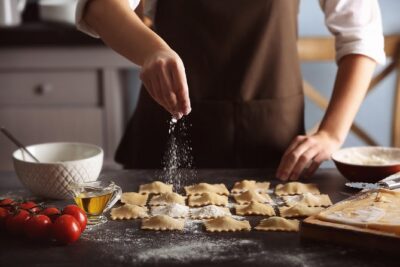
Alghero Home Cooking Pasta Class at a Farmhouse with Wine
Read our review →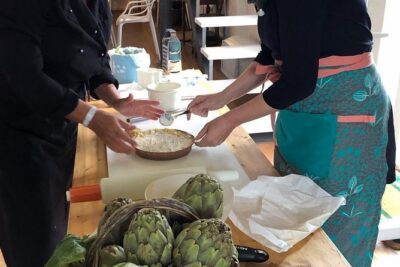
Pasta Fresca Cooking Class in a Farmhouse with a Local
Read our review →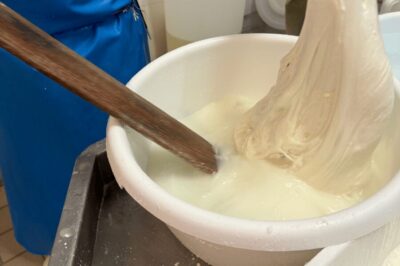
Martina Franca: Mozzarella and Pasta Workshop with Farm Tour
Read our review →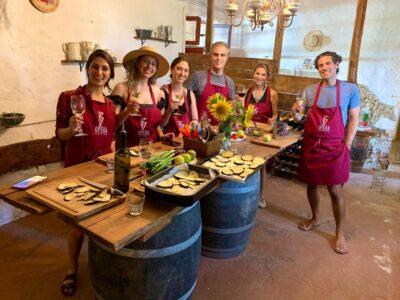
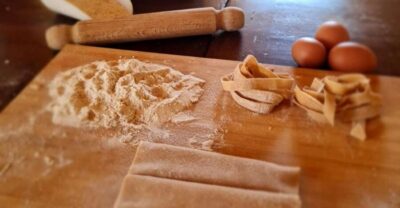
pasta e tiramisù cooking class organic Tuscan farm
Read our review →Browse the lists this class appears in