
REVIEW · GELATO MAKING CLASSES
Ravenna UNESCO Monuments with Pasta, Piadina and Gelato Tasting
Ravenna’s mosaics are the main event here, and they are far more powerful when someone explains the people, symbols, and politics hidden in the tiny pieces of glass. Guides such as Marta, Cynthia, and Giovanni bring formal art knowledge and a clear sense of place to Sant’Apollinare Nuovo, Galla Placidia, and San Vitale.
I like the smart mix of UNESCO monuments and local food. You move from shimmering Byzantine art to piadina, stuffed cappelletti, and artisanal gelato, with enough walking to keep the three-hour tour moving. I also like the focus on interpretation. The strongest praise goes to guides who explain what you are seeing, not just where to look.
The main consideration is cost. At $119.27 per person, this is not a cheap orientation walk, and the €12.50 monument admission is extra. If you want only the sights, the food stops may feel like an unnecessary add-on. If you have just a few hours in Ravenna, though, the combination can be a sensible use of time.
Key points at a glance
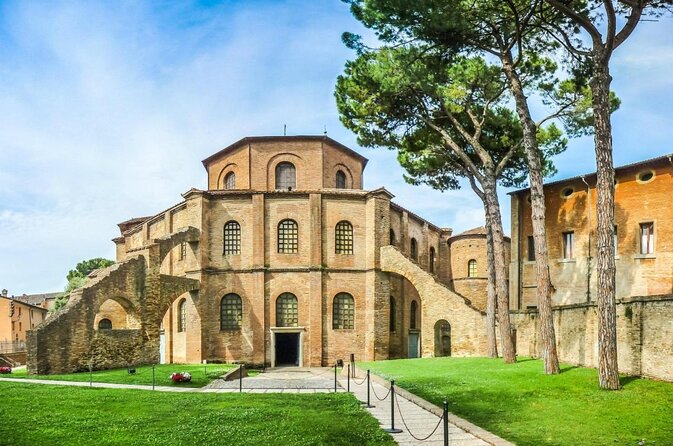
- Three major Ravenna monuments: See Sant’Apollinare Nuovo, the Mausoleum of Galla Placidia, and Basilica di San Vitale.
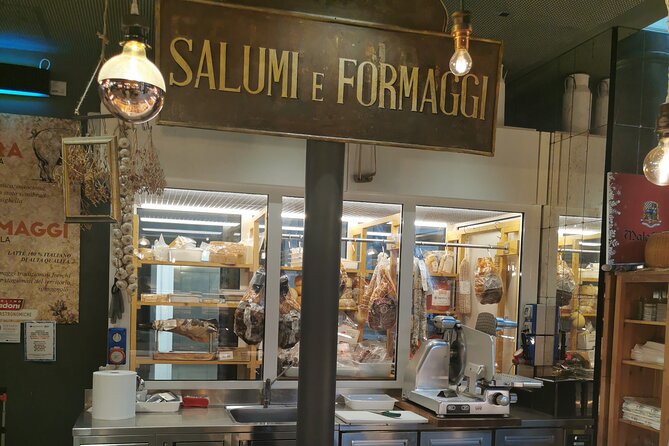
- Food built into the route: Taste piadina, regional cappelletti pasta, and artisanal gelato at SBRINO Gelateria.
- Art-focused guiding: Guides including Marta, Cynthia, and Giovanni are praised for clear explanations of mosaic stories and meaning.
- A useful three-hour format: The tour begins at 10:30 a.m. and returns to the starting point, making it practical for a short visit.
- Extra admission cost: Lunch is included, but monument tickets cost €12.50 per person.
- A small-group feel is possible, but not guaranteed: The maximum group size is listed as 99 people.
Why Ravenna’s mosaics deserve a guided visit
Ravenna can look quiet at first glance. Its great treasures are not always announced by grand outdoor settings. You enter a church or small mausoleum, look up, and suddenly find yourself surrounded by gold, deep blue, solemn faces, and scenes from early Christian stories.
That is where a guide earns the fee. Without context, you can admire the color and craftsmanship. With a strong guide, you can follow the stories, notice repeated symbols, and understand why Ravenna became such an important center of late Roman and Byzantine art.
The best guide reports here are tied to people who can connect visual details with history. Marta receives especially strong praise for her art background, patient explanations, and enthusiasm. Cynthia is also noted for explaining the stories behind the mosaics and for taking her group to see how modern mosaics are made at a local shop. Giovanni is praised for a lively delivery that keeps the information from becoming a lecture.
You should not expect a silent visit where you simply wander from one beautiful room to another. The point is to look closely and listen. If you like art, architecture, religious imagery, or old cities with layers of political history, this approach adds real value.
More Gelato Making Classes in Italy:
- Florence Pizza or Pasta Class with Gelato Making at a Tuscan Farm
★ 5.0 · 6,801 reviews - Florence: Pizza or Pasta Class with Gelato at a Tuscan Farm
★ 4.9 · 1,181 reviews - Florence: Premium Pasta and Gelato Cooking Class
★ 4.9 · 877 reviews
Starting at Sant’Apollinare Nuovo
The tour starts at 10:30 a.m. outside Basilica di Sant’Apollinare Nuovo on Via di Roma. This is a practical meeting point in Ravenna, and the basilica provides an immediate introduction to the city’s signature art.
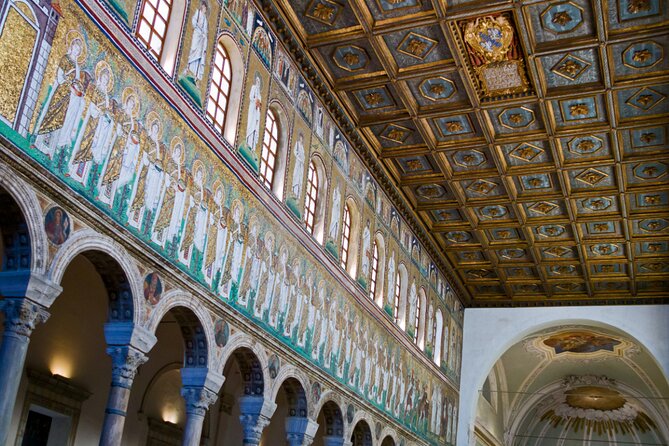
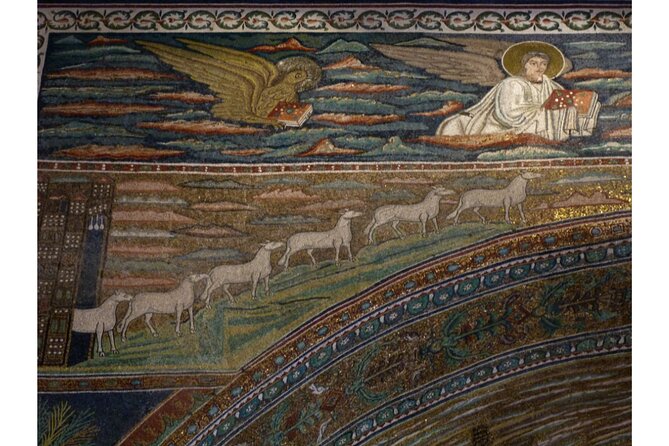
The church dates from the sixth century and is known for long bands of Byzantine mosaics showing biblical scenes and figures connected with the life of Jesus Christ. The walls reward patience. You will see more than glittering surfaces: processions, gestures, clothing, architecture, and carefully arranged figures all carry meaning.
The scheduled visit lasts about 30 minutes. That is enough for a guided overview, but not enough for every detail. I would expect the guide to focus on the most important images and on how the building fits into Ravenna’s early Christian story.
Admission is not included at this stop. The stated monument ticket cost is €12.50 per person, and that amount should be added to the advertised tour price. Since several monuments are part of the route, confirm at booking how the ticket is handled for the full group.
Piadina, Ravenna’s simple local staple
After the first monument, the tour pauses for piadina. This flatbread is a familiar food of Emilia-Romagna, made from flour, water, and salt, then cooked on a hot griddle or stone.
The appeal is its simplicity. Piadina is folded around fillings such as cheese, cured meat, vegetables, or spreads. The classic combination provided here is stracchino cheese with prosciutto, a soft, salty, satisfying pairing that gives you a quick taste of everyday regional food.
This is not a formal restaurant course. It is a street-food stop, and that matters. You get a break from the monuments and a chance to see how Ravenna’s food culture is less about elaborate presentation and more about good ingredients in an unfussy format.
The stop lasts around 30 minutes. If you prefer a food-focused tour, this will feel like a useful introduction. If your priority is maximum time inside the monuments, you may find the pause takes up space that could have gone to more art.
The small, glowing Mausoleum of Galla Placidia
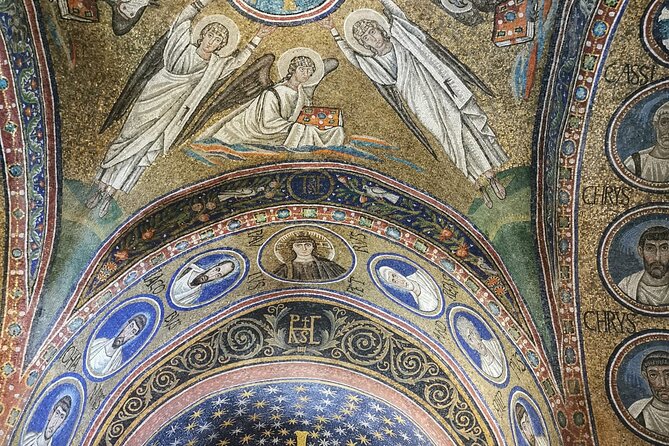
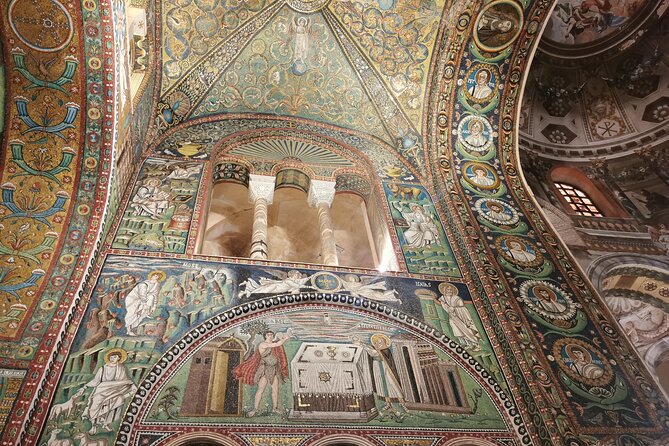
The Mausoleum of Galla Placidia is one of Ravenna’s most memorable interiors. Built between 425 and 450, it is part of the UNESCO World Heritage group of Ravenna monuments.
The building’s common name is misleading. Galla Placidia was not buried here. She died in Rome in 450 and was buried there, probably near Honorius in the Mausoleum of Honorius at Old Saint Peter’s Basilica. That correction is a good example of why a guide matters. The name is familiar, but the actual story is more interesting than the old assumption.
The interior is known for its richly colored mosaics and intimate scale. The contrast with the larger basilicas makes this stop especially effective. Instead of a broad procession of images, you get a more enclosed setting where the ceiling and walls seem to draw your attention inward.
You have about 30 minutes here. That should give you time to absorb the space and hear the main explanation, though the room may leave you wishing for longer. Listen for the guide’s comments on symbolism and the relationship between the building’s architecture and its decoration.
More Food and Drink Tours in Italy:
- Bologna Food & Market Tour with 6 Tastings, Pasta, Wines & More
★ 5.0 · 1,328 reviews - Pasta Making & Wine Tasting with Dinner in Frascati from Rome
★ 5.0 · 1,326 reviews - Rome: Pasta Making with Wine Tasting and Dinner in Frascati
★ 4.9 · 979 reviews - Super Fun Pasta & Gelato Class by Vatican with Wine + Oil Tasting
★ 5.0 · 726 reviews
San Vitale and Ravenna’s grandest mosaic lesson
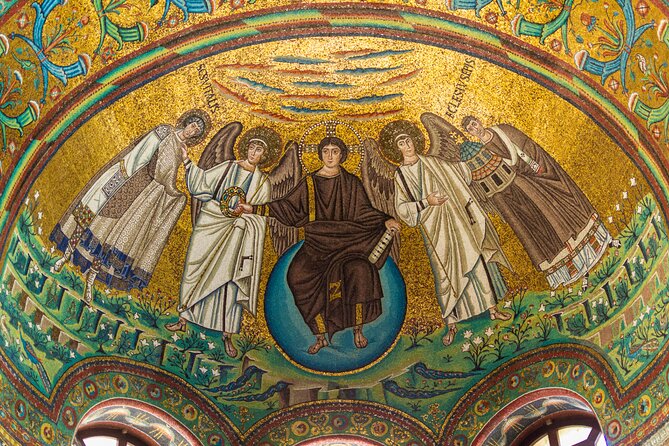
Basilica di San Vitale is the centerpiece of the route. The tour gives you another 30-minute visit to study its famous mosaics, including the celebrated imperial figures of Justinian and Theodora.
The basilica is larger and more visually demanding than the Galla Placidia mausoleum. There is more to take in, and the images operate on several levels. You are looking at religious scenes, but also at power, ceremony, and the relationship between the Roman and Byzantine worlds.
This is the stop where an art-trained guide can make the biggest difference. A good explanation helps you read the arrangement of figures, the use of color, and the way the mosaics present authority. Several guides on this tour are praised for doing exactly that, bringing the artwork to life rather than reciting dates.
Some groups are provided with earbuds, which can help you hear the guide inside a large basilica. That is a small but useful detail. It means you can stand far enough away to see the full decoration without losing the explanation.
San Vitale is also where the tour’s time limit matters most. Thirty minutes is a brisk visit. You will get a clear overview, but you may not have time to examine every panel or return to your favorite section. If you want slow, independent art study, plan to revisit the basilica after the tour.
Cappelletti in a modern Ravenna restaurant
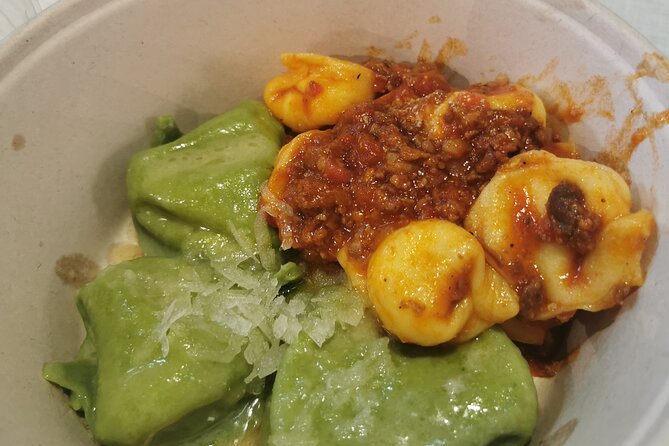
The second food stop is a pasta lunch in a modern restaurant that keeps to local cooking traditions. The dish is cappelletti, small filled pasta shapes associated with Emilia-Romagna and similar to tortellini.
This course gives the food portion more substance than the piadina stop. You are not just sampling a bite. Lunch is included, and the pasta provides a proper pause after the basilicas.
I like the contrast between the restaurant’s modern setting and the traditional dish. Ravenna is not presented as a museum frozen in the past. You get an old regional recipe in a current local setting, which is a more honest picture of how food culture works.
The lunch stop is scheduled for about 30 minutes. That is enough for a focused meal, but it is not a long, leisurely Italian lunch. The tour continues afterward, so you should expect the meal to fit the pace of the day.
Food preferences are not described in the available information, so ask before booking if you need substitutions or have dietary restrictions. Do not assume that the included lunch can be changed.
Finishing with gelato at SBRINO
The final stop is SBRINO Gelateria, where you taste artisanal ice cream. It is a cheerful way to end the route, and it gives the tour a clear rhythm: major art, savory street food, more art, pasta, then something sweet.
The gelato is included, unlike the monument admission. The stop lasts about 30 minutes, which leaves room to enjoy the dessert rather than rush through it.
This finish is especially useful if you are traveling with family or simply like food breaks built into sightseeing. It also keeps the tour from feeling like three straight hours of church interiors and art commentary.
What the three-hour timing really means
The advertised duration is approximately three hours, with six stops planned at about 30 minutes each. That schedule is tidy, but the actual pace will depend on walking time, ticket arrangements, group size, and how much discussion takes place at each monument.
The tour starts and ends at Basilica di Sant’Apollinare Nuovo. There is no transport listed, so you should expect to move around Ravenna on foot. The route is described in the feedback as comfortable walking without a huge amount of it, with food breaks that make the day easier.
The group maximum is 99 people. That is a large possible ceiling, although a maximum does not tell you the usual group size on your date. If you care about a small group, ask before paying. The quality of this tour depends heavily on being able to hear and follow the guide.
You can use the tour as a first look at Ravenna, then return later to the sites that caught your attention. That is one of its strongest uses. You get a guided framework first, then have a better idea of where to spend your own time.
Is $119.27 a fair price?
At $119.27 per person, the tour is priced as a guided cultural and food experience, not as a basic walking route. Lunch is included, along with the piadina and gelato tastings, while the monument entrance fee of €12.50 is extra.
The value depends on what you would otherwise arrange yourself. If you would pay for a guide to explain the mosaics and would also buy lunch, piadina, and gelato, the package has a reasonable logic. You are paying for structure, interpretation, and the convenience of combining major sights with food.
If you already know Ravenna’s art well, speak Italian, or prefer to choose your own restaurants, the price may feel high. One person who enjoyed the monuments and the guide still felt the tour could have worked without the food stops. That is a fair criticism.
I think the price makes the most sense for a first visit, a short stop in town, or a cruise day when you want the key sights and lunch handled in one block. It is less compelling for a slow visit when you have several days to explore.
Who should book this Ravenna tour?
I would recommend it to you if you want the meaning behind the mosaics, not just photographs of them. It also suits anyone who likes to pair cultural sightseeing with local food and prefers a planned route over a self-guided morning.
It is particularly useful for a short visit. One person used it while passing through Ravenna on the way to a cruise, and the timing provided a practical overview without consuming the whole day.
Families and mixed-interest groups may also appreciate the balance. One person can focus on early Christian art, another can look forward to piadina and pasta, and everyone gets a sweet finish.
You may want to skip it if you dislike scheduled meals, want long periods inside each monument, or already have a detailed Ravenna plan. The tour’s strength is its mix. That same mix can feel limiting if you want a highly specialized art visit.
Final verdict: a strong first look at Ravenna
I would book this tour for a first visit, especially if I had only a morning or a few hours in town. The mosaics of San Vitale, Sant’Apollinare Nuovo, and Galla Placidia deserve explanation, and the strongest guides, particularly Marta, Cynthia, and Giovanni, appear to bring real art knowledge and personal enthusiasm to the job.
The food is a pleasant bonus rather than the main reason to go. Piadina, cappelletti, and gelato give you a taste of Ravenna between the monuments, but the art is what justifies the tour.
Add the €12.50 admission charge to your budget, confirm the group details, and allow for a brisk walking pace. If those points suit your plans, this is a well-shaped introduction to Ravenna: three major monuments, several local foods, and a guide who can help the mosaics make sense.
FAQ
Where does the tour start?
The tour starts at Basilica di Sant’Apollinare Nuovo, Via di Roma 53, 48121 Ravenna, Italy.
What time does the tour begin?
The start time is 10:30 a.m.
How long does the tour last?
The experience lasts approximately three hours.
Where does the tour finish?
The activity ends back at the meeting point at Basilica di Sant’Apollinare Nuovo.
Which monuments are included?
The route includes Basilica di Sant’Apollinare Nuovo, the Mausoleum of Galla Placidia, and Basilica di San Vitale.
Is admission to the monuments included?
No. Monument admission is listed separately at €12.50 per person.
Is lunch included?
Yes. Lunch is included, with a pasta course featuring cappelletti at a modern restaurant serving local-style food.
What foods are tasted during the tour?
You taste piadina, cappelletti pasta, and artisanal gelato at SBRINO Gelateria.
Is the tour offered in English?
Yes. The tour is offered in English and includes a mobile ticket.
Can I cancel for a full refund?
Yes. You can cancel at least 24 hours before the start time for a full refund. Cancellations or changes made less than 24 hours before the start time are not accepted for a refund.
Recently added in Italy
- Verona: Tortellini Cooking Class and Lunch with Mamma Ivana★ 5.0 · 20 reviews
- Vicenza: Pasta & Tiramisu Cooking Class at a Local’s Home★ 5.0 · 5 reviews
- Verona: Pasta Cooking Class with Wine Tasting★ 5.0 · 4 reviews
- Verona: Pasta & Tiramisu Cooking Class at a Local’s Home★ 5.0 · 16 reviews
- Verona: Prosecco and Pasta Making Class at a Local’s Home★ 5.0 · 10 reviews
- Volterra: Fresh Pasta Cooking Class at a Tuscan Farmhouse★ 5.0 · 33 reviews
- Venice: Share Your Pasta Love in a Local’s Home★ 4.8 · 20 reviews
- Verona: My Granny’s secrets making gnocchi★ 5.0 · 7 reviews
Gelato Making Classes, compared.
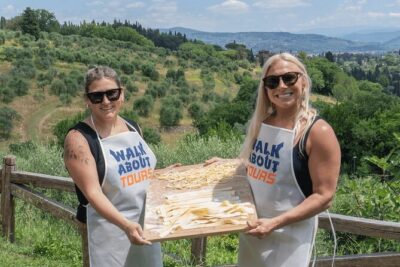
Florence Pizza or Pasta Class with Gelato Making at a Tuscan Farm
Read our review →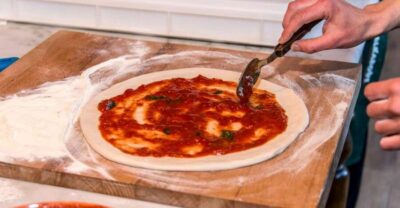
Pizza or Pasta Class with Gelato at a Tuscan Farm
Read our review →
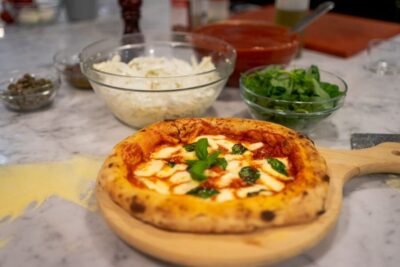
Pizza or Pasta and Gelato-Making Class with Wine
Read our review →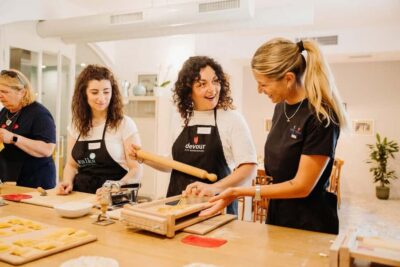
Pasta Cooking Class, Ragu, Spritz, Wine & Gelato
Read our review →
Super Fun Pasta & Gelato Class by Vatican with Wine + Oil Tasting
Read our review →
Premium Pasta and Gelato Cooking Class in Florence
Read our review →Browse the lists this class appears in