
REVIEW · MILAN PASTA CLASSES
Milan: Share Your Pasta Love in a Local’s Home
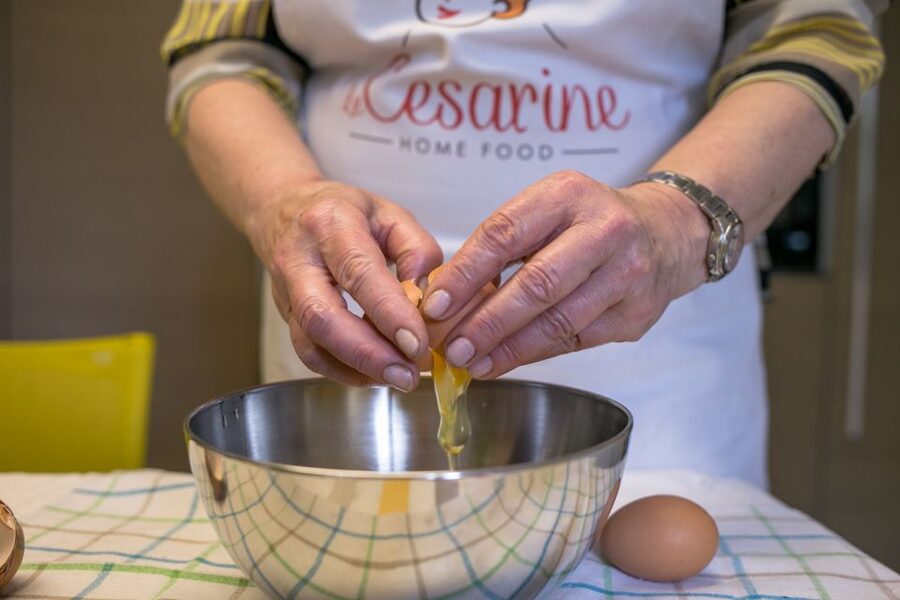
At a Milanese home, you make fresh pasta beside a local host, then eat what you have prepared. The home setting gives this short class a personal feel that a large cooking school cannot match. I also like the opening aperitivo and the chance to talk with hosts such as Valentina, Rosa, or Simona about Italian food and daily life.
The class works well for beginners, since you receive step-by-step help with mixing, kneading, and shaping. Wine, coffee, and the homemade meal are included, though one important catch is the short 1.5-hour format. You may spend only about 20 minutes preparing the pasta, so this is more of a friendly food encounter than a long technical cooking course.
Key points to know before booking
- A local home instead of a commercial kitchen: Your host welcomes you into a private Milanese setting, with the exact address sent after booking.
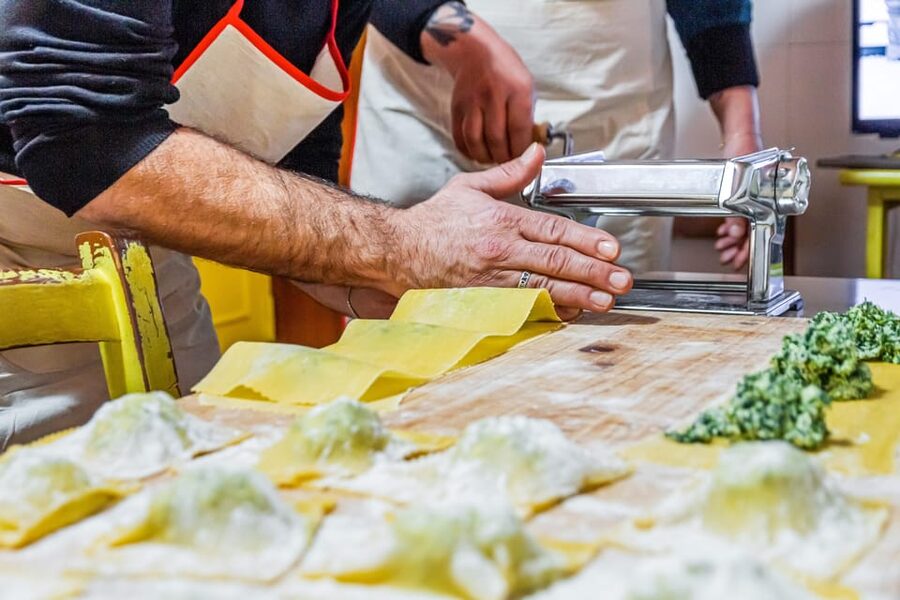
- A short, hands-on pasta lesson: You may prepare tagliatelle, fettuccine, ravioli, gnocchi, or another local pasta, depending on the host.
- Aperitivo comes first: The class begins with a small appetizer and drink before the cooking starts.
- Wine is part of the meal: Water, wine, coffee, and the pasta you make are included. The arrangement lists one bottle of wine for every three people.
- Small groups keep it personal: No more than 10 participants join, and instruction is offered in English or Italian.
- Good for social food lovers: You cook, eat, and talk with locals rather than simply watching a demonstration.
Entering a Milanese home for the first welcome drink
This class begins with hospitality, not a pile of ingredients. Your host welcomes you into a local family home, offers a small aperitivo and appetizer, and sets the tone for the evening before the flour comes out.
That opening matters. In Italy, food is often tied to conversation, patience, and company. Here, the appetizer gives you time to settle in and meet the people around you. It also makes the class feel less like a scheduled lesson and more like being invited into someone’s home for supper.
The home itself is part of the setting. One host’s apartment has been praised for being stylish, clean, and well kept. You should not expect a public cooking studio with rows of identical workstations. The point is the domestic setting, with the host’s own kitchen and dining area shaping the evening.
The exact address is private and sent after you book. That protects the host’s home, but it means you cannot judge the location in advance from the meeting point. Read the confirmation details carefully, and keep the host’s contact information handy in case you need directions or further information.
Other Milan classes worth putting on the shortlist
- The Secrets to Learn Fresh Pasta and Tiramisù in a Glam Home
★ 5.0 · 1,182 reviews - Milan: Pasta and Tiramisu Cooking Class with Wine
★ 4.8 · 1,106 reviews - Gnocchi, Pasta, Tiramisù and Wine Class
★ 5.0 · 691 reviews
Mixing and shaping pasta in about 20 minutes
Once the welcome drink is over, you roll up your sleeves. The basic process includes mixing the dough, kneading it, and shaping the pasta under the host’s guidance.
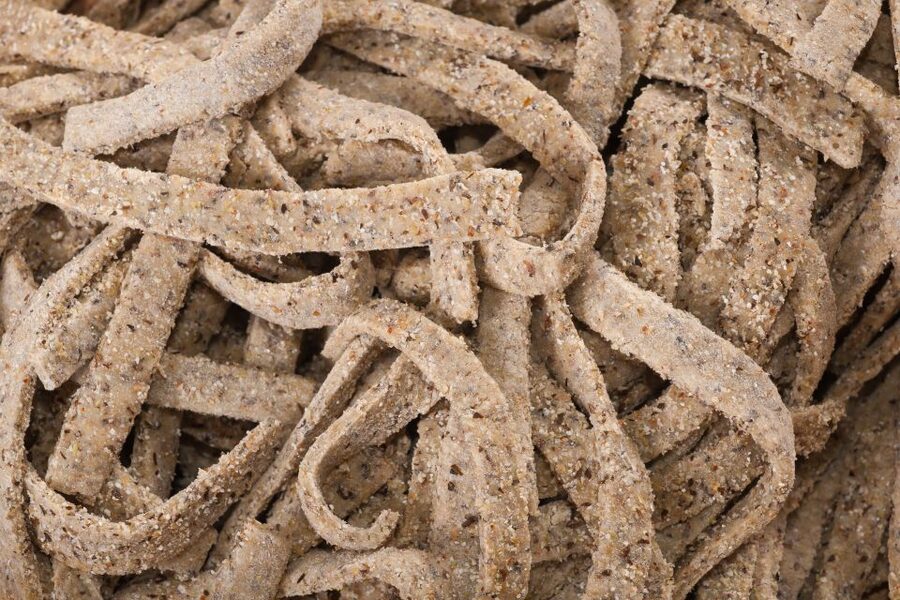
The class can include familiar northern Italian shapes such as tagliatelle, fettuccine, or ravioli. Other sessions have included gnocchi, pesto, tomato and garlic sauce, and tagliatelle with a Parmesan cream sauce. The exact dish depends on the host and the scheduled class, so do not book this expecting one fixed menu every time.
For a first-time pasta maker, this is the right level of activity. You are not left to watch from the side, and you do not need previous kitchen training. The hosts are described as patient and careful, which helps if your dough looks less tidy than theirs.
Still, keep your expectations in check. One participant felt the actual pasta preparation lasted only around 20 minutes and found the English explanations too brief. That is the main weakness of the format. You will get a taste of the method, but not a full lesson in dough hydration, regional flour types, shaping theory, or sauce technique.
If your goal is to master pasta making and repeat the recipes at home, a longer specialist class may serve you better. If your goal is to make something with your hands, share a table with locals, and eat fresh pasta in a home, the shorter format makes sense.
The hosts make the difference
The host is central to this activity. Names connected with particularly warm sessions include Valentina, Rosa, and Simona, though you should check your booking details for the person assigned to your date.
Valentina has prepared an aperitivo, guided the pasta work step by step, and served tagliatelle with Parmesan cream sauce. She has also prepared dessert in advance for the end of the meal. That kind of extra touch changes the feel of the class. You are not simply cooking a dish and leaving. You are sharing a small home meal.
Rosa has been described as sweet and hospitable, with a session focused on good food and a friendly welcome. Simona’s classes have included pesto, gnocchi, another pasta shape, and a tomato and garlic sauce. She also spends time sharing cooking tips and talking about Italian food traditions.
These details show why the choice of host matters. One class may focus closely on the pasta technique, while another may give more time to conversation, sauces, or a prepared dessert. The common thread is direct contact with a local cook in a private home.
Instruction is available in Italian and English. If you need detailed technical explanations, tell your host early that you would like extra guidance. The language ability is listed clearly, but the amount of detail can vary from one session to another.
Sitting down to eat what you made
After shaping the pasta, you sit down for the meal. This is the payoff, but it is also where the activity becomes more than a basic cooking lesson.
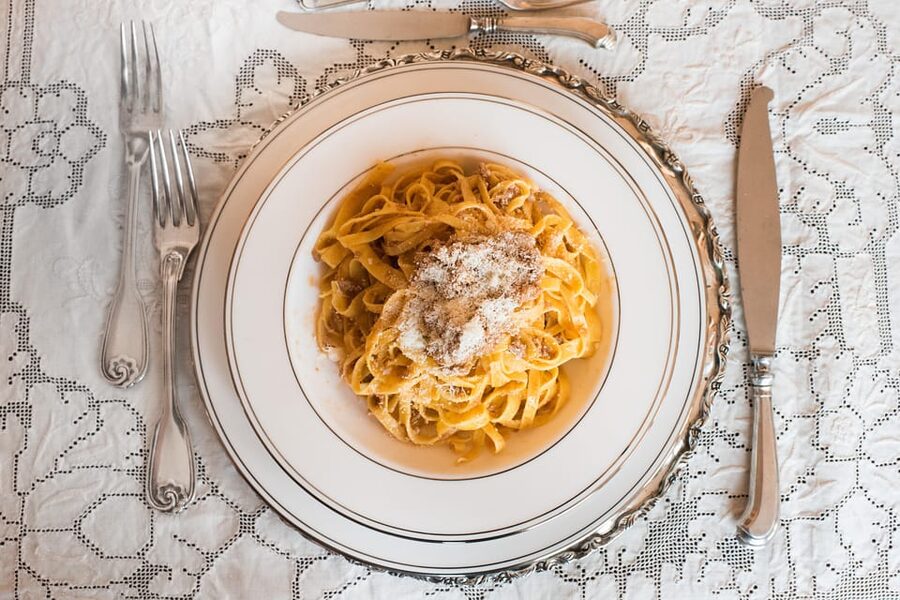
The meal includes the homemade pasta, wine, water, and coffee. The wine arrangement is one bottle for every three participants. A small appetizer comes at the beginning, and dessert may be included as part of the host’s own menu, though the formal inclusions specifically guarantee the aperitivo, appetizer, beverages, pasta meal, and wine.
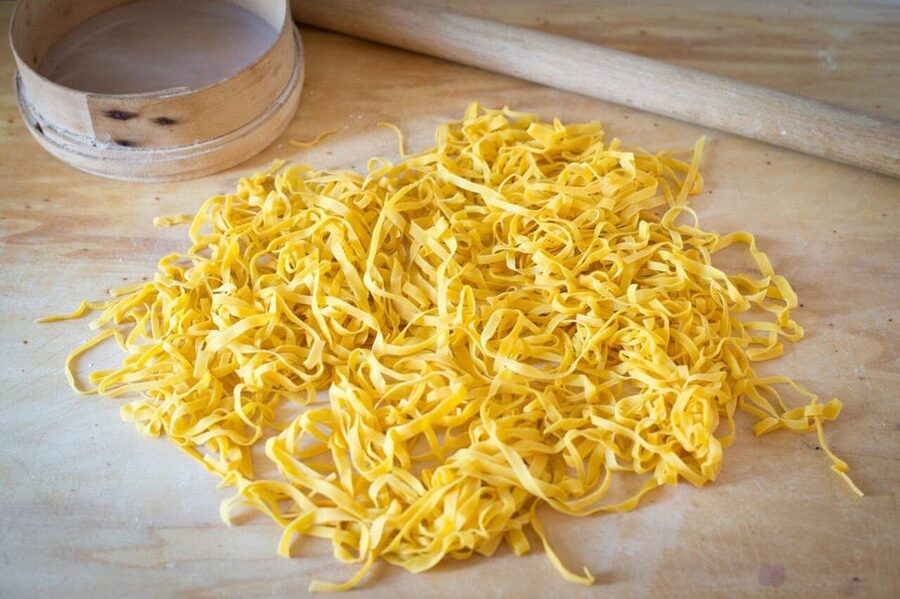
Fresh pasta has a different character from dried pasta. It is soft, tender, and quick to cook, so the dish you eat soon after preparing it gives the lesson a clear purpose. You see the dough become food, rather than making something that is packed away for later.
Portion size deserves a careful note. One person found the pasta serving small and did not consider it a full main meal. That is worth remembering if you arrive very hungry. The formal description calls it a homemade pasta meal, but the amount can vary by host and menu.
For many people, the value is not measured by the number of grams on the plate. You are also paying for the welcome, the instruction, the drinks, and the chance to share a home table. Still, if you want a large dinner, plan a later meal or have a substantial lunch.
Same town, a different thing to roll out:
- Milan: Pasta and Tiramisu Small Group Cooking Class with Wine
★ 5.0 · 660 reviews - Milan: Fresh Pasta & Tiramisù Class in a Glamorous Home
★ 4.9 · 478 reviews - Milan Culinary Experience: Pasta & Gelato or Tiramisù Class
★ 5.0 · 337 reviews - Milan: Traditional Pasta and Tiramisù Masterclass
★ 5.0 · 307 reviews
What the $65 price really covers
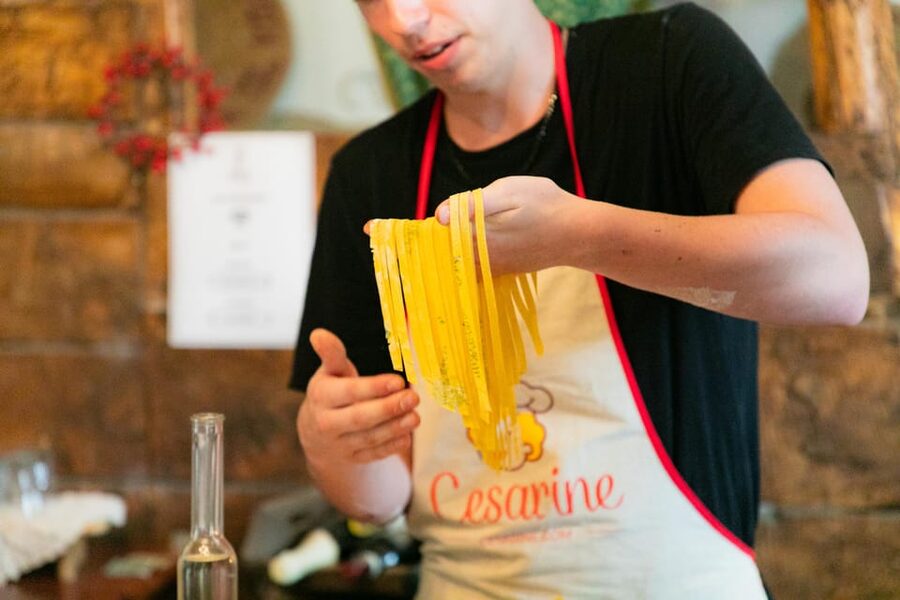
At $65 per person, this is not the cheapest way to eat pasta in Milan. You can find a less expensive plate of food in a restaurant. The price makes more sense when you treat the activity as a short cultural visit with dinner attached.
Your fee covers local taxes, the aperitivo and appetizer, the hands-on class, water, wine, coffee, and the pasta meal. You are also paying for a small group, a private home setting, and the host’s time.
The value is strongest for someone who wants personal contact. A restaurant gives you a finished dish. This class gives you a place at the table, a simple cooking lesson, and a chance to ask questions about Italian food while the host is working beside you.
The value is weaker if you measure the booking only by instruction time or portion size. The class lasts 1.5 hours, and the active pasta work may be fairly brief. One person felt the price did not match the amount of food and limited English explanation.
I would book it for the social setting and local welcome, not as a serious culinary qualification. Couples, solo visitors, and friends who enjoy meeting people over food are likely to get more from it than someone seeking a long, technical workshop.
Why the small group matters
The group is limited to 10 participants. That is not an intimate private lesson, but it is small enough to keep the class from feeling like a demonstration for a crowd.
A smaller group gives you a better chance to handle the dough, ask for help, and speak with the host. It also affects the meal. Sitting around a home table with a few other people makes conversation easier than eating in a busy restaurant room.
The social side can be a real benefit if you are traveling alone or want a relaxed evening activity. You can meet people from different countries while doing something simple together. The pasta gives everyone an easy subject to talk about.
The tradeoff is that individual attention will still be limited if all 10 people need help at once. The host must divide time between the participants. If you want constant one-to-one instruction, check if a private arrangement is available, since the supplied details describe this as a small-group class rather than a private lesson.
A good match for beginners and food-minded visitors
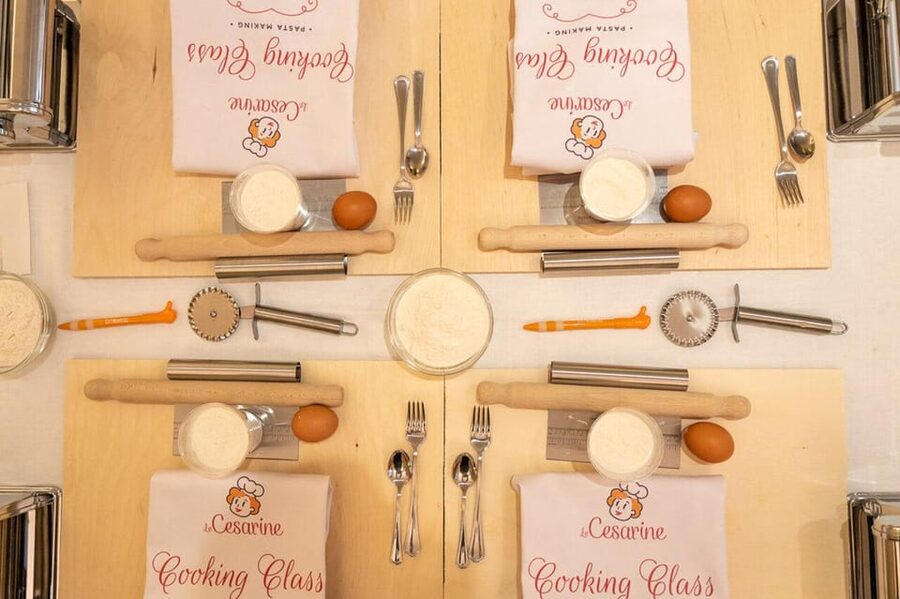
You do not need cooking experience. The class is designed for beginners as well as people who already enjoy food and want to try a local recipe.
Beginners will appreciate the simple sequence: welcome drink, ingredient preparation, hands-on pasta work, and a shared meal. You can take part without knowing how to make dough or shape pasta before you arrive.
Food-minded visitors may enjoy the regional angle. The recipes draw on northern Italian cooking, with examples including Parmesan cream sauce, pesto, tomato and garlic sauce, tagliatelle, and gnocchi. The range gives you a small taste of the food traditions associated with Lombardy and the wider north.
Families with children may want to confirm the age policy before booking, since no child-specific information is provided. The same applies to dietary restrictions. The activity description does not promise vegetarian, vegan, gluten-free, or allergy-friendly alternatives, so contact the host before paying if food requirements matter to you.
The class also suits travelers who want a break from Milan’s monuments. You trade a formal attraction for a personal setting and a meal made during the visit. That change of pace is the main reason to choose it.
Timing, language, and booking details
The class lasts 1.5 hours, with starting times available according to the date you select. That makes it easy to fit around a morning visit, an afternoon walk, or an evening in Milan, but remember that the cooking and meal share the same short time window.
The instructor speaks Italian and English. The exact address is supplied only after booking because the class takes place in a local family home. Use the contact details in your confirmation voucher if you need further information about the address.
You can cancel up to 24 hours in advance for a full refund. The reserve-now-and-pay-later option lets you hold a place without paying immediately, which is useful if your Milan plans are still shifting.
The provider is Cesarine, a network built around local home cooks. For this activity, the network structure gives you access to a home-based meal rather than a standard restaurant class. The individual host remains the key part of the experience, so pay attention to the host information attached to your booking.
Should you book this Milan pasta class?
Book it if you want a friendly home visit with food at the center. The warm welcome, aperitivo, wine, and shared meal give you a personal look at Milanese hospitality. Hosts such as Valentina, Rosa, and Simona add character, and the small group keeps the evening from feeling impersonal.
Think twice if you want a long cooking workshop, a guaranteed large dinner, or highly detailed English instruction. The pasta work may be brief, portions can be modest, and the exact recipes vary.
For me, the best reason to book is the setting. You are not just learning to shape pasta. You are entering a local home, making a dish with someone who cooks it regularly, and sitting down to share the result. At $65, that is fair value for a cultural meal and social evening, but it is not the right choice for a purely technical cooking class.
FAQ
Where does the pasta class take place?
The class takes place in a local family’s home in Milan, Lombardy. The full address is sent after booking for privacy reasons.
How long does the activity last?
The class lasts 1.5 hours. Starting times depend on availability for your chosen date.
What food and drinks are included?
The experience includes a welcome aperitivo, a small appetizer, the homemade pasta meal, water, wine, and coffee. The wine arrangement is one bottle for every three participants.
Is the class suitable for beginners?
Yes. The activity is designed for beginners as well as passionate food lovers. You receive guidance while mixing, kneading, and shaping the pasta.
What language is spoken during the class?
Instruction is available in Italian and English.
How many people can join the class?
The group is limited to 10 participants. You cook and eat in the host’s home with the other members of the group.
Recently added in Milan
- Small group Pasta and Tiramisu class in Milan by Cesarine★ 5.0 · 25 reviews
- Rockin kitchen : Fresh Pasta lesson with Music Aperitif Dinner★ 5.0 · 28 reviews
- Milan: The Ultimate Pasta Mastery Workshop★ 4.0 · 21 reviews
- Pasta and Tiramisu Cooking Class at Come Na Vorta Navigli Milan★ 5.0 · 16 reviews
- Share Your Pasta Love in a Local’s Home in Milan★ 5.0 · 3 reviews
- Easily Make Pasta, Bruschetta & Tiramisù★ 5.0 · 14 reviews
- Italian Cocktail + Art of Making Pasta Cooking Class In Unique Milan Location★ 5.0 · 16 reviews
- Pasta and Tiramisu join our cooking class★ 5.0 · 33 reviews
Milan Pasta Classes, compared.
The Secrets to Learn Fresh Pasta and Tiramisù in a Glam Home
Read our review →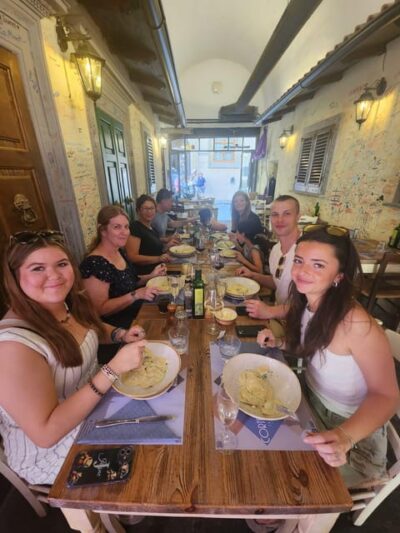
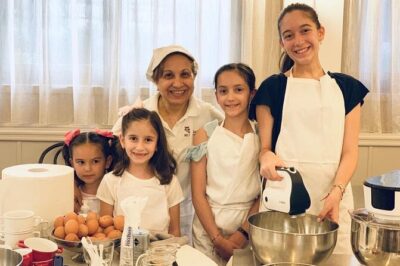
Pasta and Tiramisu Small Group Cooking Class with Wine
Read our review →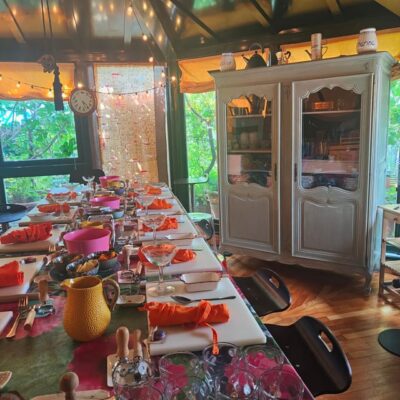
Fresh Pasta & Tiramisù Class in a Glamorous Home
Read our review →
Milan Culinary Experience: Pasta & Gelato or Tiramisù Class
Read our review →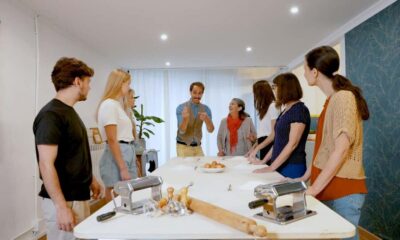

Pasta, Ravioli, and Gelato Class in a Glamorous Home
Read our review →Browse the lists this class appears in