
REVIEW · RAVIOLI AND GNOCCHI CLASSES
Gnocchi, Pasta, Tiramisù and Wine Class
Milan’s best souvenir may be a recipe you can make at home. In this three-hour cooking class, you prepare fresh ravioli, gnocchi, and tiramisu from the beginning, then sit down to eat what you made with Italian white and red wine. The class is taught in English by chefs including Francesco, Denisse, Lara, and Erika.
I like the genuine hands-on work and the relaxed social setup. You are not just watching a chef toss pasta in a pan. You roll, fill, shape, cook, and assemble the dishes yourself. I also like the practical recipes, especially the ricotta and Parmigiano ravioli with cherry tomato sauce and the truffle gnocchi. The main consideration is timing: although the listed duration is about three hours, some groups have found the evening closer to four.
Key points at a glance
- Three classic dishes: Make fresh ravioli, truffle gnocchi, and tiramisu from scratch.
- Real kitchen participation: You learn techniques by doing the pasta, filling, shaping, sauce, and dessert work yourself.
- Wine with dinner: Italian white and red wines accompany the food you prepare.
- Flexible dietary options: Every dish has a vegetarian, vegan, and gluten-free option.
- Friendly group setting: The class accepts up to 20 people, making it easy to meet others while cooking.
- Central Milan meeting point: Begin and finish at Via Lodovico Settala, near public transportation.
Why a cooking class works so well in Milan
Milan can be a demanding city for sightseeing. You may spend the day moving between the Duomo, La Scala, galleries, and busy shopping streets. A cooking class changes the pace. Instead of lining up for another sight, you settle into a shared kitchen task and make dinner with your own hands.
This class also gives you something more useful than a single restaurant meal. You learn how pasta dough behaves, how to handle a filling, how to avoid heavy gnocchi, and how to build a simple sauce. Those lessons are basic enough for a home kitchen, which is why the class suits beginners as well as cooks who already know their way around a saucepan.
The social side matters, too. You work alongside a group of up to 20 people, then eat together. Solo visitors are not left to make conversation from scratch, and couples can meet people without giving up a full evening together. The atmosphere described by participants is relaxed and homelike rather than formal or fussy.
More Pasta Classes with Wine in Milan
- Milan: Pasta and Tiramisu Cooking Class with Wine
★ 4.8 · 1,106 reviews - Milan: Pasta and Tiramisu Small Group Cooking Class with Wine
★ 5.0 · 660 reviews - Milan: Pasta Class with Gelato or Tiramisù & Unlimited Wine
★ 4.9 · 233 reviews
Arriving at Via Lodovico Settala
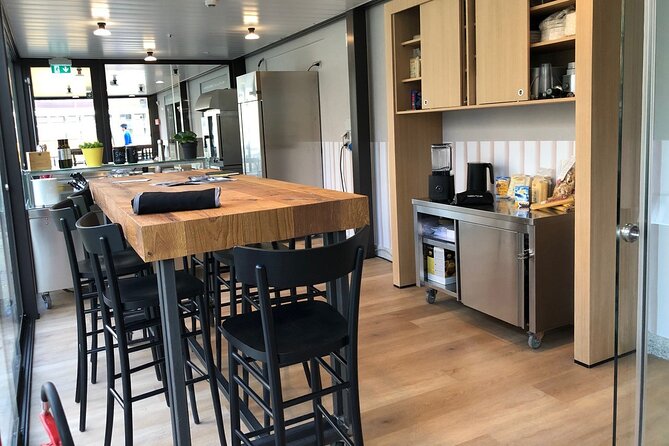
The class starts and ends at Via Lodovico Settala, 1, 20124 Milano. The meeting point is near public transportation, which makes it a practical choice after a day in central Milan. You should allow enough time to find the address and arrive ready to begin, since the opening steps involve food preparation rather than a long introduction.
The class is offered in English. That is important for a hands-on lesson, since dough texture, cooking time, and shaping methods are easier to learn when you can follow each instruction clearly. Chefs named in the feedback include Francesco, Denisse, Lara, and Erika. Their teaching style comes through as patient, clear, and friendly, with room for questions and mistakes.
The maximum group size is 20. That is not an intimate private lesson, but it is small enough for a shared class to feel personal when the chef is moving around the kitchen and checking everyone’s work. If you prefer quiet one-on-one instruction, this is not the right format. If you like learning in a social room, the group size should work well.
Starting with tiramisu
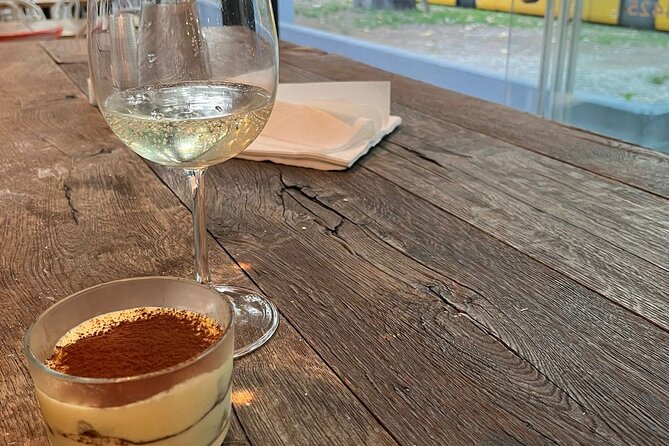
The dessert comes first, which is a smart bit of kitchen planning. You make the tiramisu cream from scratch, assemble your own portion, and place it in the refrigerator to set for a couple of hours.
This part is less about dramatic cooking than careful assembly. You get to see how the texture develops while the rest of the meal is prepared. By the time dinner is over, the tiramisu has had time to firm up, so the dessert is not rushed onto your plate immediately after mixing.
The class presents tiramisu as a traditional Italian dessert, but it also teaches variations. One set of feedback refers to creative changes on the classic recipe, so the exact presentation may depend on the chef leading your session. That is a plus if you want ideas to use at home, though anyone expecting one fixed recipe should be ready for small differences.
The recipe is also useful for home cooks because it does not require advanced equipment. You leave with a clear sense of how the cream is made and how the layers are put together. The main drawback is that dessert preparation happens early, so you need to wait before eating the result.
Making fresh pasta by hand
The pasta section is the heart of the evening. The chef shows you how to make dough from scratch, then explains the steps for rolling, filling, shaping, and cooking it. You also learn how to make a sauce that supports the pasta rather than covering it with unnecessary weight.
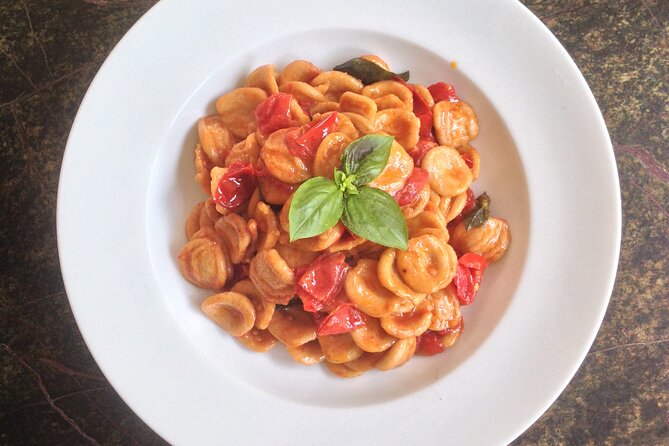
The planned dish is ravioli stuffed with ricotta and Parmigiano, served with roasted fresh cherry tomato sauce. Some sessions have used related filled pasta shapes, including cappelletti or cappellacci, so the exact shape can vary. The important point is that you are working with filled pasta, not simply boiling dried noodles.
This is where the class earns much of its price. A restaurant can serve you excellent ravioli, but it cannot show you how to seal the edges, avoid overfilling, or judge when pasta is properly cooked. The instruction is aimed at home use, so you should come away with methods you can repeat rather than a restaurant trick that requires specialist tools.
I particularly like the balance of the dish. Ricotta and Parmigiano make a mild, creamy filling, while roasted cherry tomatoes provide freshness and acidity. It is a classic combination, but it also leaves room for you to understand the basic rule: good pasta needs a sauce with enough flavor to help, not enough to hide the filling.
Do not expect every piece to look perfect. Handmade pasta takes practice, and group classes move at a shared pace. That is part of the fun, but it also means you may not receive a long private correction for every fold. The chef’s demonstrations and steady guidance make the process approachable for first-time pasta makers.
More Tiramisu Classes in Milan
- The Secrets to Learn Fresh Pasta and Tiramisù in a Glam Home
★ 5.0 · 1,182 reviews - Milan: Fresh Pasta & Tiramisù Class in a Glamorous Home
★ 4.9 · 478 reviews - Milan Culinary Experience: Pasta & Gelato or Tiramisù Class
★ 5.0 · 337 reviews - Milan: Traditional Pasta and Tiramisù Masterclass
★ 5.0 · 307 reviews
Rolling gnocchi and building the truffle sauce
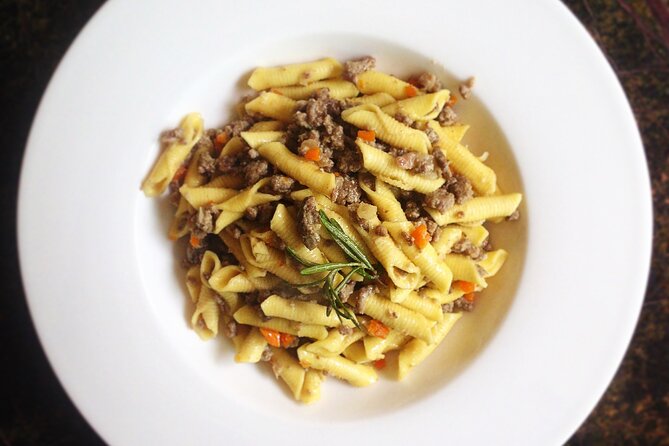
Next comes the gnocchi. You make the potato dumplings from scratch, then prepare a truffle sauce and finish the dish in the oven with cheese until the top is slightly crunchy.
This is a satisfying contrast to the ravioli. Ravioli calls for neat shaping and careful sealing. Gnocchi asks for a lighter touch. Handle the dough too much and the dumplings can become dense. The class gives you a chance to feel that difference directly, rather than reading about it in a recipe.
The baked finish adds texture. Soft gnocchi and creamy truffle sauce can become a heavy combination, so the browned, cheesy top provides a useful contrast. It is also a dish that feels special enough for a holiday meal but remains achievable in a home kitchen.
Truffle flavor can vary from subtle to strong, and the supplied information does not specify the exact truffle product used. If you love truffle, this will likely be one of the evening’s most appealing dishes. If you prefer lighter food, keep in mind that the sauce, cheese, and gnocchi make this the richest part of the menu.
The chef also explains how to cook the pasta properly. That lesson applies to both the ravioli and gnocchi. You learn to pay attention to texture instead of relying only on a timer, a habit that will improve simple pasta dinners long after you leave Milan.
Wine turns the lesson into dinner
The cooking is accompanied by a tasting of Italian white and red wines. This is not presented as a separate formal wine course with extensive regional theory. Think of it as wine served alongside the food you prepare, giving the class the shape of an evening meal.
That arrangement makes the price easier to assess. At $83.44 per person, you are paying for instruction, a full meal, dessert, and wine rather than for a short demonstration. The value is strongest if you would otherwise pay for dinner and want to learn a practical skill at the same time.
The wine also helps the social side of the evening. You cook with people from different places, then share the food at the same table. A generous pour can make the room livelier, but pace yourself. You still have pasta to shape and gnocchi to cook, and the class is more enjoyable when you can follow the instructions.
The menu is substantial: filled pasta, gnocchi, tiramisu, and wine. You should plan this as dinner, not as a light pre-theater snack. If you have an evening performance booked afterward, leave extra time because the class may run beyond the approximate three-hour schedule.
Dietary choices and practical comfort
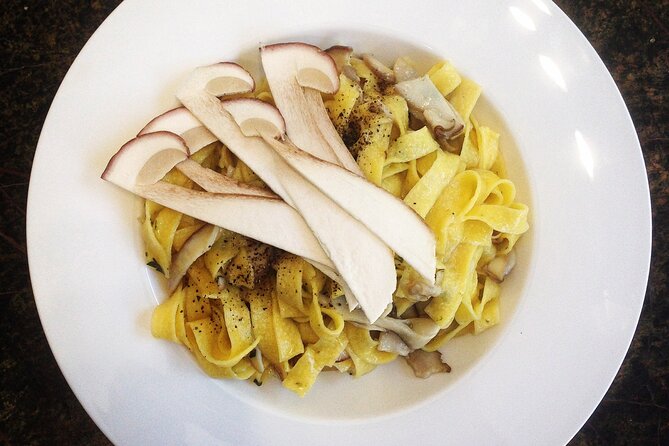
The class states that all dishes can be prepared with vegetarian, vegan, and gluten-free options. This is a useful feature for mixed groups, since one person’s dietary needs do not have to rule out the experience for everyone else.
You should still communicate your requirements when booking or as early as possible. The information confirms that options are available, but it does not explain the exact substitutions or how much advance notice the kitchen needs. Do not assume that every version will look or taste identical to the standard menu.
The published information also says service animals are allowed. The experience is near public transportation, and confirmation is provided when you book. Those details make it fairly easy to add to a Milan itinerary, especially if you are staying near the meeting point or using public transport.
No special cooking background is required. The teaching is designed for beginners, and several people who had never made fresh pasta before left feeling ready to try it at home. Experienced cooks can still pick up useful points on dough, sauces, and gnocchi texture, but the class is not designed as advanced professional training.
The teaching style and the human side
The chefs are a major part of the class. Francesco is described as patient, funny, and attentive, with past work as a sous chef in Michelin-starred restaurants around Europe. Denisse is praised for clear instruction and an engaging manner, while Lara and Erika are also named as welcoming hosts.
That range matters because the class depends on how well the chef explains small physical details. You need to know how firm the dough should feel, how much filling belongs in each piece, and how gently to handle gnocchi. A warm teacher makes it easier to ask for help instead of quietly repeating a mistake.
The evening also has a nice balance between instruction and conversation. You are not expected to spend three hours in silence watching a demonstration. You cook, laugh, taste, and eat together. Solo visitors can join without feeling awkward, and couples get a shared activity that is more engaging than simply choosing a restaurant.
The group limit of 20 is worth keeping in mind. Some sessions may feel small and personal, while others may be fuller and noisier. The class format is social by design, so I would choose it for connection and participation, not for a perfectly controlled private lesson.
Who should book this Milan class
I would recommend it most strongly to:
- First-time pasta makers who want clear guidance and recipes that can be repeated at home.
- Food-focused visitors looking for a meal that includes a cultural activity.
- Solo visitors and couples who like meeting people in a relaxed setting.
- Families with older children or teenagers who can take part in hands-on preparation.
- Vegetarian, vegan, and gluten-free diners who want stated alternatives.
- Anyone filling an evening in Milan with something other than sightseeing.
You may want to skip it if you dislike group activities, do not drink wine, or want a short class with a guaranteed three-hour finish. The menu is filling, the evening can stretch longer than advertised, and the class involves standing, handling food, and taking part at each stage.
Planning the timing and cancellation terms
The listed duration is approximately three hours, but one account describes a four-hour evening. That difference likely reflects the time needed for the tiramisu to set, the cooking, the shared meal, and conversation. I would avoid booking a tight connection or a fixed late-night plan afterward.
The activity is booked an average of 37 days in advance, which suggests that popular dates can fill early. If this class matters to your Milan schedule, reserve before arriving rather than waiting until the last day.
Free cancellation is available if you cancel at least 24 hours before the local start time. Cancellations or changes made less than 24 hours in advance are not refunded or accepted. That is a fair policy, but the long meal format makes it wise to check your plans carefully before booking.
Is the $83.44 price worth it?
For Milan, the price makes sense if you count the entire evening rather than only the cooking lesson. You receive instruction, three substantial dishes, wine, and a social dinner. You also get techniques that can be used again, especially fresh pasta dough, filled pasta, gnocchi, and tiramisu.
The value is less compelling if you are mainly seeking a cheap meal. You could spend less on a simple plate of pasta, and you will not have the same choice of restaurant menu. This is a cooking activity first and dinner second, even though the meal is a major reward.
I would also treat the wine as a pleasant extra, not the main reason to book. The strongest part is the combination of making food and then eating it with the people beside you. The recipes are approachable, the chefs provide clear help, and the dishes are varied enough to keep the three hours interesting.
Should you book it?
Book this class if you want to spend an evening making real Italian food rather than only ordering it. The hands-on pasta work, truffle gnocchi, homemade tiramisu, and wine create a full night out, while the recipes remain simple enough to repeat at home.
I would choose it for the final or second-to-last evening of a Milan visit, with no strict appointment afterward. Chef Francesco, Denisse, Lara, and Erika are associated with a warm, patient teaching style, but the exact instructor may vary. At $83.44, it is a solid value for a full meal and a practical lesson, especially if you want your Milan memories to include flour on the table and a recipe in your suitcase.
FAQ
Where does the cooking class start?
The class starts at Via Lodovico Settala, 1, 20124 Milano MI, Italy.
Where does the activity finish?
The activity ends back at the meeting point on Via Lodovico Settala.
How long does the experience last?
The listed duration is approximately three hours. One provided account describes the evening as four hours, so you should allow extra time.
What dishes will I make?
You will prepare fresh ravioli or a related filled pasta, gnocchi with truffle sauce, and tiramisu.
Is wine included?
Yes. The class includes a tasting of Italian white and red wines served with the food.
Is the class offered in English?
Yes. The experience is offered in English.
Are vegetarian, vegan, and gluten-free options available?
Yes. The class states that all dishes have vegetarian, vegan, and gluten-free options.
How many people can join the class?
The maximum group size is 20 people.
Can I cancel for a full refund?
Yes, if you cancel at least 24 hours before the experience start time. Cancellations or changes made less than 24 hours before the local start time are not refunded or accepted.
More Ravioli and Gnocchi Classes in Milan
- Milan: Pasta, Ravioli, and Gelato Class in a Glamorous Home
★ 4.9 · 268 reviews - Milan: Pasta, Gnocchi and Tiramisù Cooking Class with Wine
★ 5.0 · 117 reviews - 3 in 1 Cooking Class near Navona: Fettuccine, Ravioli & Tiramisu
★ 5.0 · 7,376 reviews - Rome: 3-in-1 Fettuccine, Ravioli, and Tiramisu Cooking Class
★ 4.9 · 2,704 reviews
Recently added in Milan
- Small group Pasta and Tiramisu class in Milan by Cesarine★ 5.0 · 25 reviews
- Rockin kitchen : Fresh Pasta lesson with Music Aperitif Dinner★ 5.0 · 28 reviews
- Milan: The Ultimate Pasta Mastery Workshop★ 4.0 · 21 reviews
- Pasta and Tiramisu Cooking Class at Come Na Vorta Navigli Milan★ 5.0 · 16 reviews
- Share Your Pasta Love in a Local’s Home in Milan★ 5.0 · 3 reviews
- Easily Make Pasta, Bruschetta & Tiramisù★ 5.0 · 14 reviews
- Italian Cocktail + Art of Making Pasta Cooking Class In Unique Milan Location★ 5.0 · 16 reviews
- PRIVATE Cooking Class in a Local Home – Pick Your Menu★ 5.0 · 18 reviews
Ravioli and Gnocchi Classes, compared.
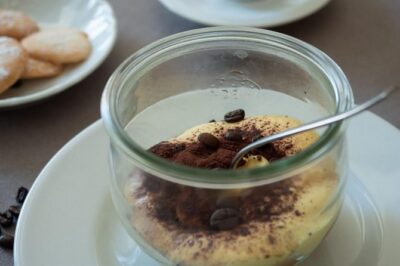
3 in 1 Cooking Class near Navona: Fettuccine, Ravioli & Tiramisu
Read our review →
3-in-1 Fettuccine, Ravioli, and Tiramisu Cooking Class
Read our review →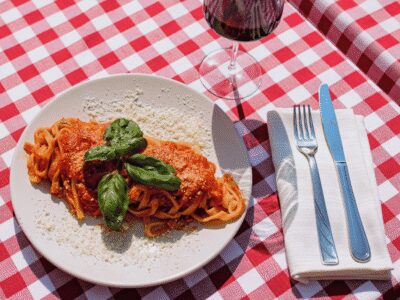
Fettuccine Pasta Cooking Class in Rome’s City Center
Read our review →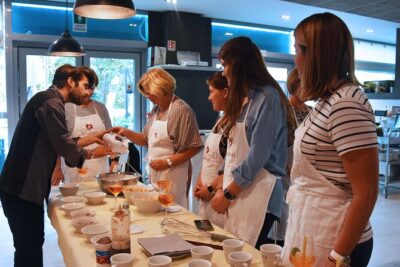
Become a Masterchef in Rome: Pasta, Ravioli and Tiramisù Class
Read our review →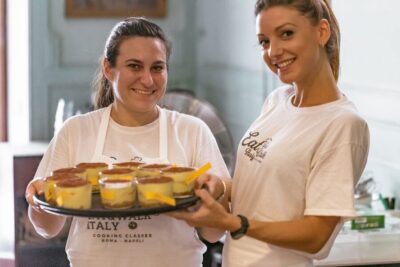
Fettuccine & Tiramisù: Cooking Class with Wine & Limoncello
Read our review →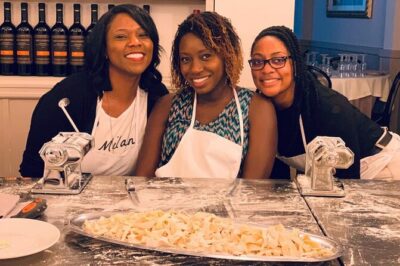
Rome Pasta and Tiramisu Class: Ravioli, Fettuccine & Fine Wine 5*
Read our review →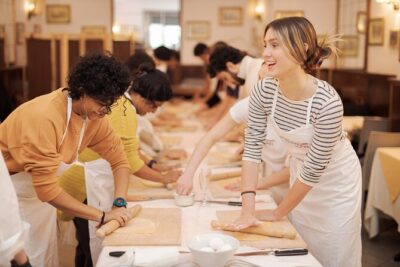
Pasta Cooking Class in Rome – Fettuccine Class in Piazza Navona
Read our review →
Naples Pasta Class: Fettuccine & Ravioli with Grandma’s Recipe
Read our review →Browse the lists this class appears in