
REVIEW · GELATO MAKING CLASSES
Milan: Pasta, Ravioli, and Gelato Class in a Glamorous Home
The most unusual part of this Milan cooking class is the setting. You leave the busy streets and enter an elegant family home filled with 16th-century paintings, antique furniture, and Palladian furnishings, then make dinner in that intimate setting. The recipes come from the family kitchen, while the instructors also have training from the Paul Bocuse school in Ecully.
I like the hands-on format, since you make pasta dough, shape ravioli, and prepare dessert rather than simply watching a chef. I also like the small-group aim and the thoughtful extras: organic wine, homemade limoncello made with terrace-grown lemons, and recipes sent by email so your Milan meal can live on at home.
The main thing to check is group size. The activity is advertised for up to 10 people, yet some recent sessions have included about 15 or 16. Also confirm whether your date includes tiramisu or gelato, since both versions are offered.
Key points to know before you book
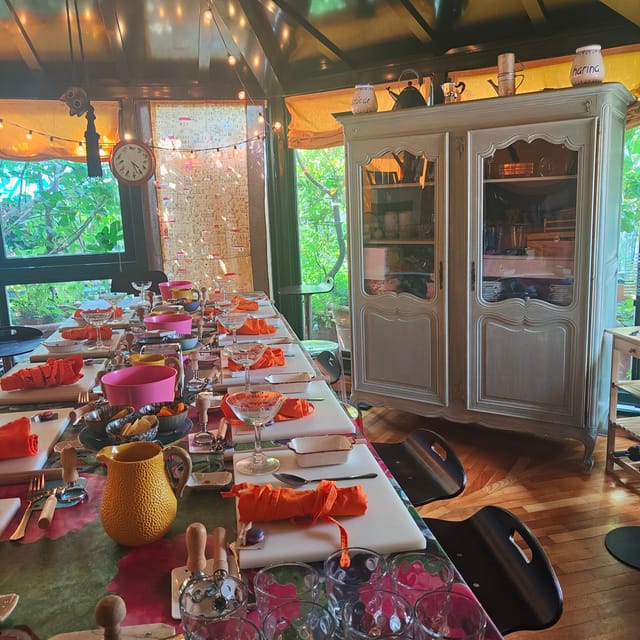
- A historic Milan home: The class takes place in an elegant central residence about 20 to 25 minutes on foot from the Duomo.
- Three Italian staples: You prepare tagliatelle with tomato sauce, ravioli with a butter and sage finish, and either tiramisu or gelato.
- Teachers vary by date: Bruna, Laura, Federico, Paolo, Katarina, Marco, Luca, and others lead sessions, with a consistent focus on patient instruction.
- A social dinner follows the cooking: You eat the food you prepared with wine, water, dessert, and homemade limoncello.
- English is the standard language: Other languages may be possible for private groups, and some instructors can offer extra help in French, Russian, Ukrainian, Hebrew, or Persian.
- Good value at $88: The price covers instruction, ingredients, tools, an apron, a full meal, drinks, and emailed recipes.
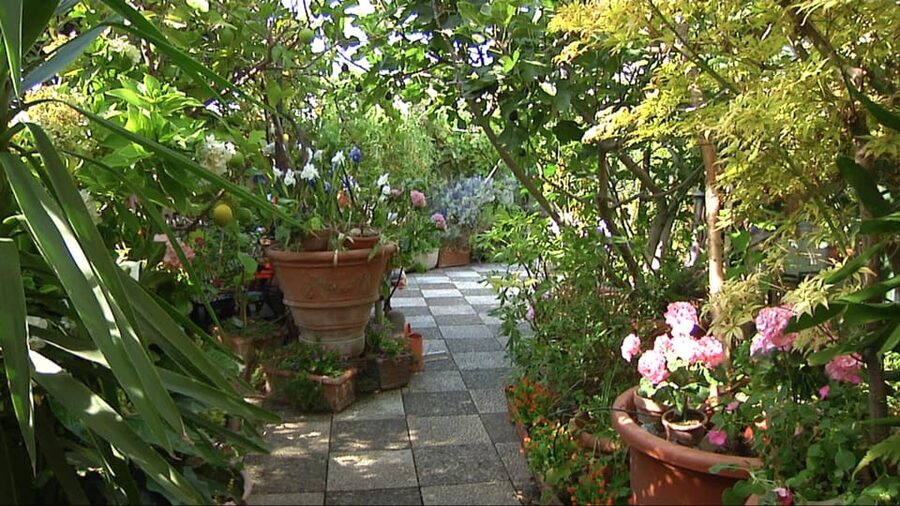
Entering an elegant Milanese home near Coni Zugna
This is not a cooking school in a plain commercial kitchen. The class takes place in a family home in one of Milan’s designer and fashion districts, in an elegant palace filled with art and old furnishings. The family says some pieces came from its Palladian palace, giving the room the feel of a small private museum.
That setting changes the mood. You are not lined up at separate workstations in a teaching lab. You are working in a home where cooking is tied to family life, with grandmother Bruna’s recipes at the center. When Bruna is not teaching, her daughter or grandchildren may take over.
The meeting point is particularly easy to reach. Take Milan’s blue subway line to Coni Zugna, then use the Coni Zugna and Via Foppa escalator exit. The building is about 20 meters from the station. From the Duomo, allow roughly 20 to 25 minutes on foot, depending on your pace.
You receive the exact private address and contact details after booking. That matters here because this is a residence, not a clearly marked public attraction. Keep your phone handy, and follow the arrival instructions rather than relying only on the general map pin.
More Gelato Making Classes in Milan:
- Milan Culinary Experience: Pasta & Gelato or Tiramisù Class
★ 5.0 · 337 reviews - Milan: Pasta Class with Gelato or Tiramisù & Unlimited Wine
★ 4.9 · 233 reviews - The secrets to Learn Fresh Pasta & Gelato in a Glam Home
★ 5.0 · 150 reviews
The first lesson: pasta dough and tagliatelle
The cooking begins with the basics of fresh pasta. You work through the dough-making process, then roll and cut it into tagliatelle. The instructors are used to teaching beginners, so you do not need advanced kitchen skills to take part.
I especially like that the class is built around food you can repeat at home. Tagliatelle is much more useful than an elaborate dish that requires specialist equipment or hard-to-find ingredients. The emailed recipe booklet gives you a practical reminder of proportions and method after the class.
The finished noodles are served with tomato sauce. The sauce is simple by design, which lets the texture of the fresh pasta do the work. One session included a little extra garlic at the group’s request, showing that the meal may have a small amount of flexibility rather than following a rigid demonstration script.
This part can be more physical than it sounds. Making pasta from scratch involves mixing, kneading, rolling, cutting, and timing. Wear comfortable clothes, as requested, and expect to spend much of the three hours standing or working at a table.
Shaping ravioli with a family filling
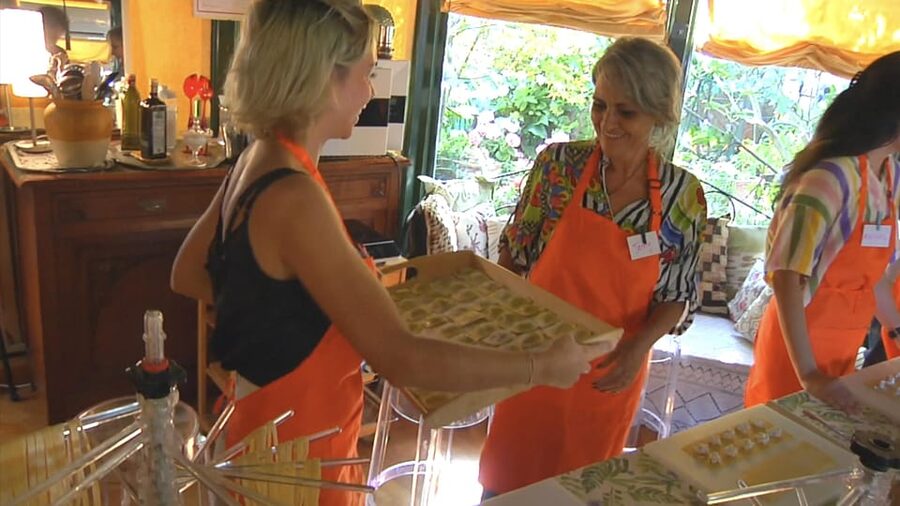
Ravioli is the most distinctive part of the menu. You prepare the filling, place it on the pasta, seal the parcels, and learn how to avoid trapped air or loose edges. The filling is described as a recipe refined by a Michelin-starred chef, with ricotta-based versions including cacio e pepe appearing in some sessions.
The ravioli is finished with butter and sage. This is a smart choice for a class because the sauce is quick, traditional, and gentle enough not to hide the pasta. You can focus on getting the shape and texture right instead of juggling a complicated sauce.
Ravioli also gives the class its most useful kitchen lesson: small details matter. How thinly you roll the dough, how much filling you use, and how firmly you seal each piece all affect the final dish. A patient instructor can make the process feel manageable, and that is where teachers such as Bruna, Laura, Federico, Paolo, and Katarina have received the strongest praise.
If you are cooking with children, note the age rules. Children under 6 are not allowed, and the separate suitability information says the activity is not suitable for children under 7. For practical planning, treat this as an experience for children aged 7 and older, and confirm the age requirement when booking.
Choosing between tiramisu and gelato
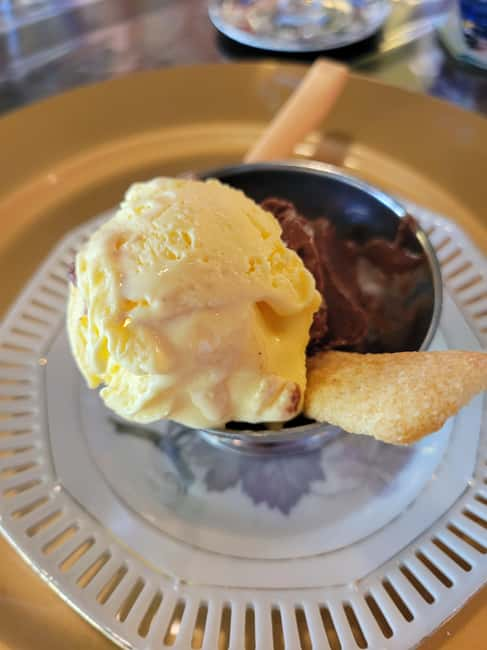
Dessert varies. The standard information includes gelato, with tiramisu flavor and chocolate listed, while other sessions feature tiramisu itself. Ask ahead if one dessert matters to you.
Tiramisu is the easier option to recreate in many home kitchens. You learn how the components are assembled and how to produce a soft, traditional result without turning the dessert into a complicated pastry project. Several sessions paired pasta and ravioli with tiramisu.
Gelato offers a different lesson. One version included zabaglione and chocolate ice cream, with a reminder that the mixture can take two or three hours to finish properly. That means some of the preparation may be started during class, with the timing explained rather than the entire chilling process completed from start to finish.
This difference is worth understanding before you arrive. You will make the dessert, but the exact format and finish can depend on the class menu and timing. If you want a particular dessert, contact the provider before booking rather than assuming every session follows the same recipe.
More Ravioli and Gnocchi Classes in Milan:
- Gnocchi, Pasta, Tiramisù and Wine Class
★ 5.0 · 691 reviews - Milan: Pasta, Gnocchi and Tiramisù Cooking Class with Wine
★ 5.0 · 117 reviews - 3 in 1 Cooking Class near Navona: Fettuccine, Ravioli & Tiramisu
★ 5.0 · 7,376 reviews - Rome: 3-in-1 Fettuccine, Ravioli, and Tiramisu Cooking Class
★ 4.9 · 2,704 reviews
Dinner, organic wine, and homemade limoncello
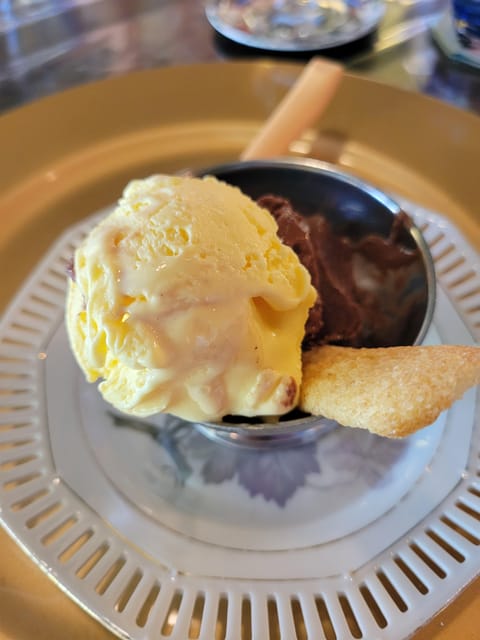
Once the cooking is finished, you sit down to eat the dishes you prepared. The meal includes tagliatelle with tomato sauce, ravioli with butter and sage, and your selected dessert. Water is included, along with either a quarter bottle of organic wine per person or a soft drink.
The wine is produced without pesticides, which fits the home-style tone of the experience. It is not a wine-tasting class, and the wine selection is not the central feature, but a modest serving with dinner adds to the sense of sharing a family meal.
The homemade limoncello is another pleasant detail. It is prepared with lemons from the family’s terrace and served at the end. Think of it as a digestif and a taste of the household rather than a separate tasting session.
Portions appear designed as a meal after a class, not as a huge restaurant feast. One session found the food so good that a little more would have been welcome. If you arrive very hungry, a light snack earlier in the day is sensible, especially if you book an evening class.
What the instructors add to the experience
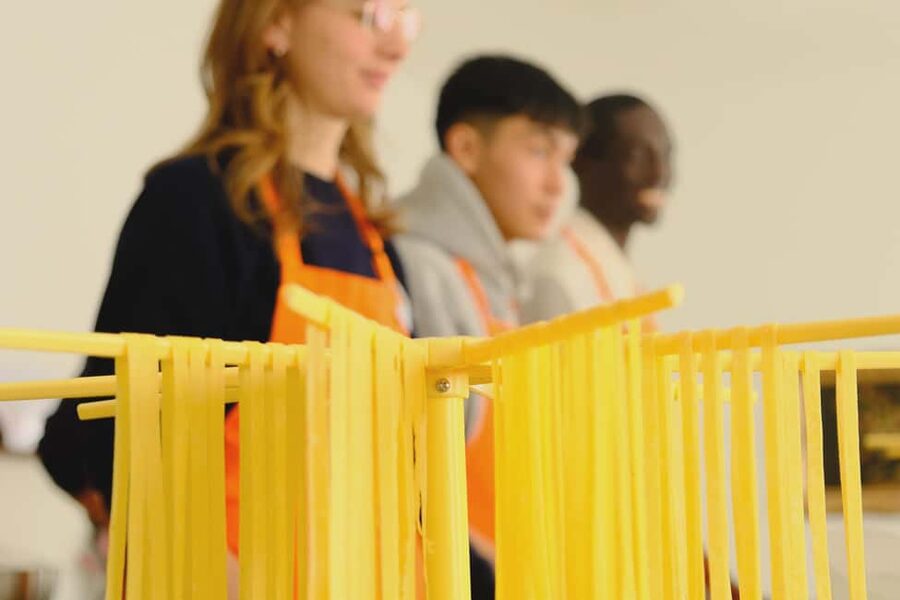
The teaching style is one of the strongest reasons to book. The instructors are not all the same person, so the personality of your session will vary. Names associated with recent classes include Bruna, Laura, Federico, Paolo, Katarina, Marco, Luca, Paulo, and Pablo.
Bruna represents the family tradition most directly, while younger family members continue the class when she needs to rest. Laura is known for keeping the group involved and explaining each recipe carefully. Federico often brings humor and energy to the work, while Paolo has been especially praised for clear instructions and one-to-one help around the table.
That variation is not a flaw, but it does mean you should not book around one particular teacher unless the provider confirms the schedule. The shared features are the family recipes, English instruction, practical cooking, and communal meal.
The family’s connection to the Paul Bocuse school adds professional training, but the class does not present itself as a formal chef certification course. Its better quality is warmth and access. You learn techniques you can use, while the instructor keeps the pace friendly enough for people who rarely cook.
Group size, pace, and the social side
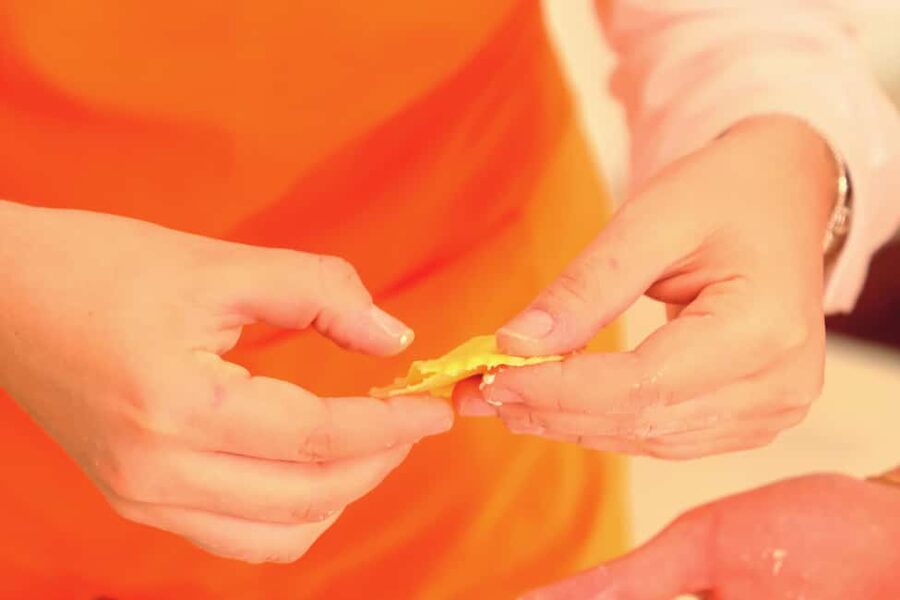
The advertised group limit is 10 participants, which is a good size for a hands-on class. With that number, an instructor can move around the table, correct pasta shapes, and help when dough or ravioli needs attention.
There is one practical wrinkle. Some sessions have had around 15 or 16 people, even though the activity information says small groups are limited to 10. That may reflect different booking arrangements or occasional larger classes, but you should ask if a compact group is important to you.
The social element is not incidental. You cook beside people from several countries, then share the meal at the same table. Solo visitors can fit in easily, and families or couples get a structured activity that avoids the usual sightseeing routine.
You do not have to be an accomplished cook. Beginners are well served by the clear, staged recipes, and people who already cook will still pick up useful tips about dough, filling, sauces, and dessert. The class works best if you enjoy participating rather than simply watching a professional do everything.
Is $88 a fair price?
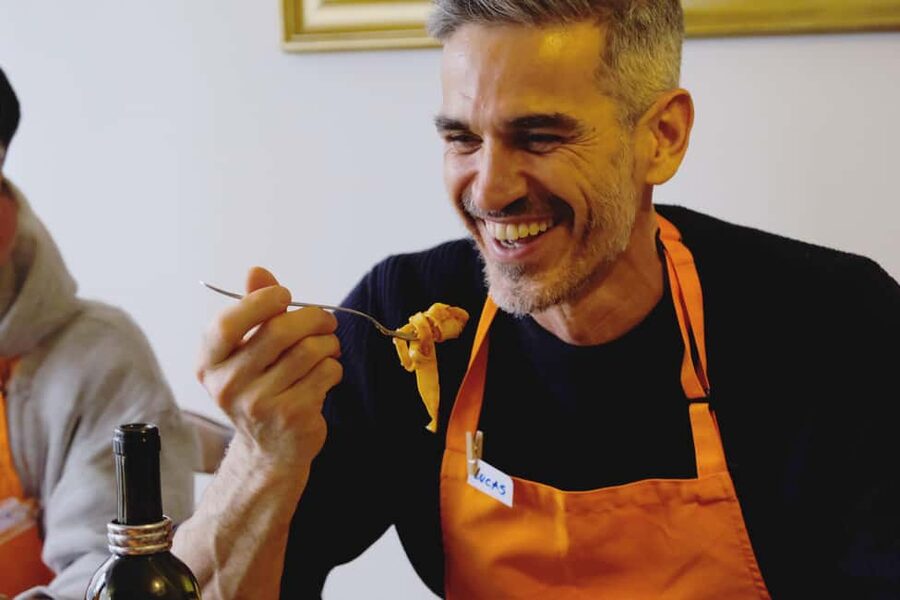
At $88 per person, this is not the cheapest pasta lesson in Milan. The price becomes easier to justify when you add up what is included: three hours of teaching, ingredients, tools, an apron, several dishes, dessert, wine or a soft drink, water, limoncello, and recipes sent by email.
You also pay for the setting. A class in a private art-filled home offers something different from a standard studio kitchen. The home atmosphere, family story, and shared meal are part of the experience, not decorative extras.
The value is strongest if you want dinner and an activity in one booking. It is less compelling if you only want a short pasta demonstration or if you prefer a large meal with generous restaurant portions. The food is generally described as delicious, but one session found the portions somewhat small.
The free cancellation window is up to 24 hours before the activity, and you can reserve now and pay later. That gives you some flexibility while planning a Milan schedule, though you still need to confirm the starting time and dessert option for your date.
Who should book this class?
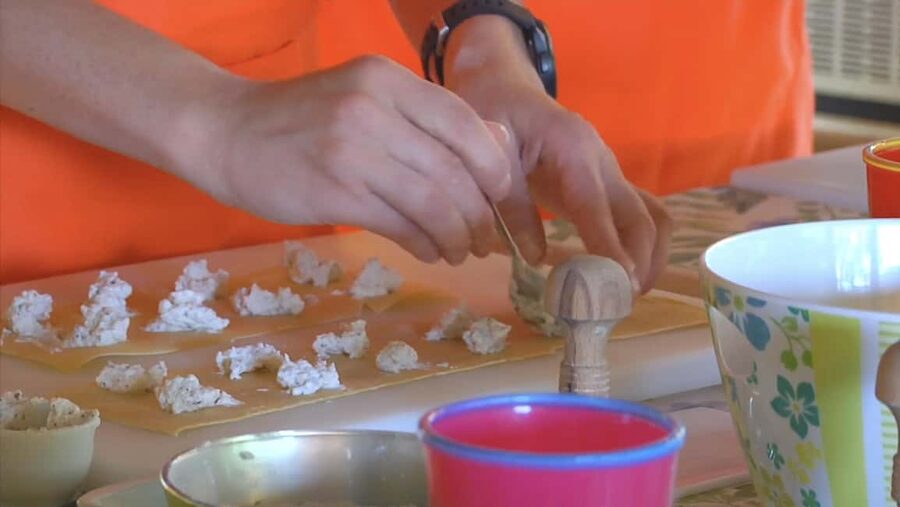
I would choose this for a first visit to Milan when you want something beyond churches, fashion, and museums. It gives you a direct connection to everyday Italian food, and the recipes are realistic enough to repeat at home.
It suits:
- Couples looking for a shared evening activity
- Families with children aged 7 or older
- Solo visitors who enjoy meeting people over a meal
- Beginners who want calm, clear instruction
- Experienced home cooks who like regional techniques and family recipes
- Anyone staying near the Duomo or the Coni Zugna area
It may not suit you if you need step-free access. Baby strollers, baby carriages, and non-folding wheelchairs are not allowed. It may also disappoint if you expect a quiet private lesson, a fixed teacher, or a large multi-course feast.
The lesson is held in English. Other languages may be available for private groups, with a minimum of 10 people, and the listed language options include Italian, Spanish, French, German, Russian, Ukrainian, Hebrew, and Persian. Not every instructor speaks every language, so ask in advance.
My verdict: book it if food and people matter to you
I recommend this class if you want to cook, eat, and talk rather than simply collect another Milan photo. The art-filled home gives it a memorable setting, while the pasta, ravioli, and dessert provide useful skills you can carry into your own kitchen.
Book it with two questions settled first: how many people will be in your session, and will you make tiramisu or gelato? If the answer suits you, $88 is a reasonable price for a three-hour meal, lesson, drinks, recipes, and a warm family setting near central Milan.
FAQ
How long does the Milan cooking class last?
The activity lasts three hours.
How much does the class cost?
The listed price is $88 per person.
Where does the cooking class take place?
It takes place in an elegant family home in central Milan, in the designer and fashion district, about 20 to 25 minutes on foot from Duomo Square.
How do I reach the meeting point by subway?
Take the blue subway line to Coni Zugna. Use the Coni Zugna and Via Foppa escalator exit. The workshop building is about 20 meters from the subway stop.
What food will I prepare?
You will prepare fresh tagliatelle with tomato sauce and ravioli. The ravioli is served with butter and sage. Dessert is either tiramisu or gelato, depending on the session.
Is wine included?
Yes. The class includes organic wine produced without pesticides, with one quarter of a bottle per person, or a soft drink instead.
Is limoncello included?
Yes. Homemade limoncello is included, made with lemons from the family’s terrace.
Is the class taught in English?
Yes. English is the standard teaching language. Other languages may be available for private groups, and some instructors can assist in additional languages.
Are children allowed to attend?
Children under 6 are not allowed. The activity information also says it is not suitable for children under 7, so plan on children being at least 7 years old.
What should I bring?
Wear comfortable clothes. Tools and aprons are provided.
What is the cancellation policy?
You can cancel up to 24 hours before the activity for a full refund. Reserve now and pay later is also available.
Recently added in Milan
- Small group Pasta and Tiramisu class in Milan by Cesarine★ 5.0 · 25 reviews
- Rockin kitchen : Fresh Pasta lesson with Music Aperitif Dinner★ 5.0 · 28 reviews
- Milan: The Ultimate Pasta Mastery Workshop★ 4.0 · 21 reviews
- Pasta and Tiramisu Cooking Class at Come Na Vorta Navigli Milan★ 5.0 · 16 reviews
- Share Your Pasta Love in a Local’s Home in Milan★ 5.0 · 3 reviews
- Italian Cocktail + Art of Making Pasta Cooking Class In Unique Milan Location★ 5.0 · 16 reviews
- Easily Make Pasta, Bruschetta & Tiramisù★ 5.0 · 14 reviews
- PRIVATE Cooking Class in a Local Home – Pick Your Menu★ 5.0 · 18 reviews
Gelato Making Classes, compared.
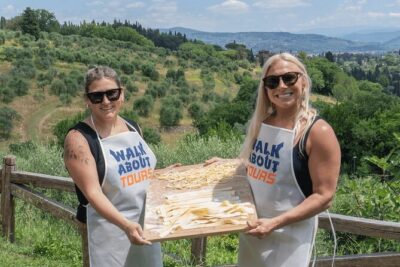
Florence Pizza or Pasta Class with Gelato Making at a Tuscan Farm
Read our review →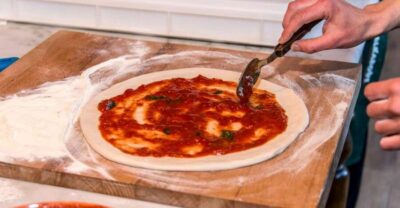
Pizza or Pasta Class with Gelato at a Tuscan Farm
Read our review →
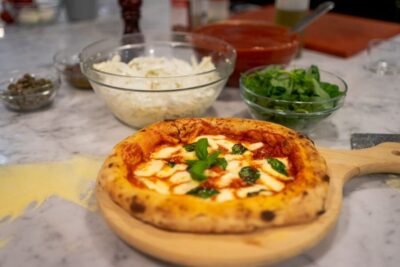
Pizza or Pasta and Gelato-Making Class with Wine
Read our review →
Pasta Cooking Class, Ragu, Spritz, Wine & Gelato
Read our review →
Super Fun Pasta & Gelato Class by Vatican with Wine + Oil Tasting
Read our review →
Premium Pasta and Gelato Cooking Class in Florence
Read our review →Browse the lists this class appears in