
REVIEW · FRESH PASTA WORKSHOPS
Fresh pasta with a view near Asti – Langhe, Roero, Monferrato
The best part of this experience is that you do not simply watch a chef make pasta. Chef Andrea puts you to work, teaching three distinct styles in his B&B kitchen before you sit down to eat what you made. The setting, with vineyards and Monferrato hills beyond the windows, gives the class a strong sense of place.
I like the small maximum of eight people, which should keep the lesson personal, and I like the mix of Piedmontese recipes with Andrea’s Tuscan background. One practical concern: the class begins at 11 a.m., and one group found the four-hour session hard to concentrate on without something to eat along the way, so a solid breakfast is wise.
Key things to know before booking
- Three kinds of pasta: Expect recipes such as tajarin, ravioli del plin, potato gnocchi, or Tuscan pici, depending on the class plan and seasonal ingredients.
- Chef Andrea teaches hands-on: You make the pasta yourself and learn techniques such as shaping, filling, knife work, herb blending, and flavor balance.
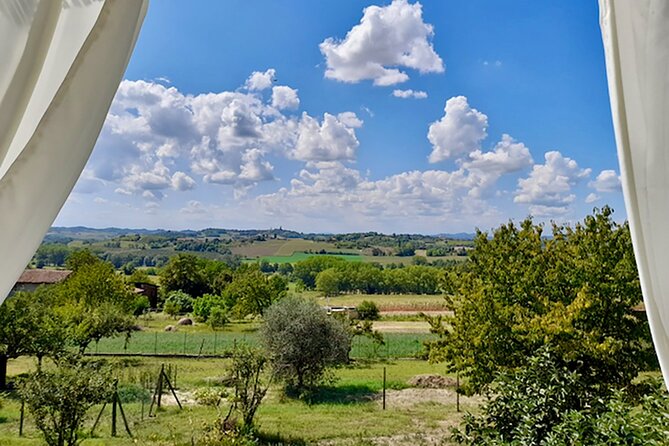
- A country-house setting: Casapaletti Country House sits near Moncalvo and Asti, with views across the Monferrato hills.
- Piedmont meets Tuscany: Local recipes share the table with Tuscan touches such as Sienese pici and an herb pesto.
- A meal is part of the lesson: You eat the fresh pasta with sauces and may enjoy local wine during the experience.
- Good for families and beginners: Past participants included four adults and two children, and the class welcomes people without prior cooking experience.
A pasta class in the Monferrato hills
This is a cooking class with a view, but the view is not the whole point. You come to Casapaletti Country House to work with dough, learn regional recipes, and share a meal in a private B&B kitchen. The rural setting adds atmosphere without turning the class into a formal food show.
The house is about 10 minutes from Moncalvo and 15 minutes from Asti. That makes it a useful half-day activity if you are staying in either town, though the supplied details do not state that transportation is provided. You should plan your own way to Via Turca 2 in Casapaletti and allow enough time to arrive for the 11 a.m. start.
The class lasts about four hours. That is long enough to make several dishes rather than rushing through one basic pasta shape. It also means you should treat this as the main event of your morning and early afternoon, not as a quick stop between sightseeing visits.
More Fresh Pasta Workshops in Italy:
- Rome: Pasta Making Class with Wine, Limoncello, and Dessert
★ 4.9 · 3,177 reviews - Pastamania – Florence Pasta Making Class
★ 5.0 · 3,050 reviews - Enjoy Spritz and Pasta Making in Piazza Navona
★ 5.0 · 1,681 reviews
Meeting chef Andrea in his B&B kitchen
Andrea is a professional chef from Tuscany who now teaches Piedmontese cooking in Monferrato. His cooking reflects both places. Piedmont supplies the local pasta traditions, while Tuscany appears in dishes such as pici and an ancient-style pesto made with seasonal aromatic herbs.
The kitchen setting matters. You are not seated in a large school with rows of identical workstations. You work in an informal, family-friendly home environment, where the class can feel closer to cooking with a local host than attending a restaurant demonstration.
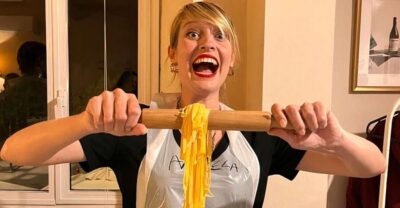
Andrea’s teaching style is a strong reason to book. He explains the techniques and then lets you handle the dough, shape the pasta, prepare fillings, and work with sauces. Past participants specifically appreciated his patience with knife skills, herb blending, flavor choices, and the fine points of pasta making.
You do not need advanced cooking ability. The class is designed so that beginners can produce successful pasta with instruction. If you already cook, you still have plenty to gain from the regional detail and from seeing how a professional handles several pasta forms.
Making tajarin with sausage ragù
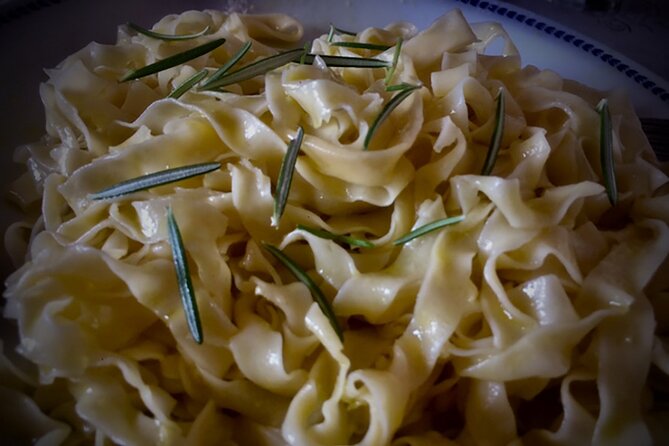
Tajarin is one of the signature pasta styles of Piedmont. It is a thin, delicate noodle that rewards careful dough work and precise cutting. In the sample menu, Andrea pairs it with sausage ragù and dried tomatoes flavored with lemon.
That combination gives you a useful lesson in balance. Sausage brings richness, dried tomatoes add concentrated sweetness and savory flavor, and lemon keeps the sauce from feeling heavy. You are not just learning how to make noodles. You are learning how the sauce affects the pasta and why a small bright note can change the whole plate.
The exact class menu may vary with the season and the day’s plan. Still, tajarin is a good example of what makes the experience more valuable than a generic pasta workshop. It connects a basic activity, rolling and cutting dough, to a distinct Piedmontese dish.
Shaping ravioli del plin
Ravioli del plin are small Piedmontese filled pasta parcels. The name refers to the pinch used to seal the dough, so shaping them gives you a clear task that requires a little care and repetition.
The sample filling uses potatoes and bacon, served with fresh tomato sauce. That is a Tuscan-leaning interpretation of a Piedmontese classic. It also gives the class a chance to cover several skills at once: rolling thin dough, portioning filling, sealing the edges, and avoiding trapped air.
This is likely the part of the class where patience matters most. Beginners may need a few tries before the parcels look tidy. That is part of the value. You learn how much filling to use and how firmly to close the pasta, then you get to eat the results rather than worry about restaurant-perfect shapes.
Other Italy classes worth putting on the shortlist
- Florence: Pasta Cooking Class with Unlimited Wine
★ 4.9 · 10,285 reviews - 3 in 1 Cooking Class near Navona: Fettuccine, Ravioli & Tiramisu
★ 5.0 · 7,376 reviews - Florence Pizza or Pasta Class with Gelato Making at a Tuscan Farm
★ 5.0 · 6,801 reviews - Florence: Pasta & Tiramisu Cooking Class with Unlimited Wine
★ 4.9 · 6,708 reviews
Rolling Tuscan pici and blending herb pesto
Pici are thick, hand-rolled Tuscan noodles. They have a different character from fine tajarin and delicate filled pasta. Making them lets you feel how dough thickness and shape change the eating experience.
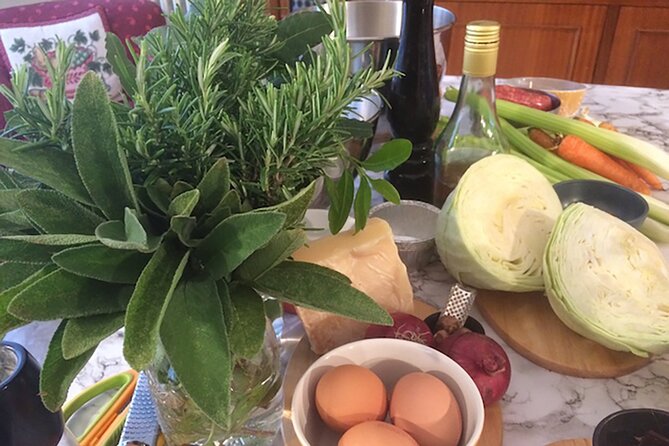
Andrea pairs the pici with an old-style pesto of seasonal aromatic herbs. The herb mixture may change according to what is available, which fits the setting and the cooking style. This is less about following a rigid recipe and more about understanding how fresh herbs, oil, seasoning, and pasta work together.
The Tuscan dishes help explain Andrea’s personal cooking style. You are learning local Piedmontese food in Monferrato, but the class is not limited to one narrow regional tradition. That blend should appeal to you if you want a broader Italian food experience rather than a lesson devoted to one pasta shape.
Eating what you made with hill views
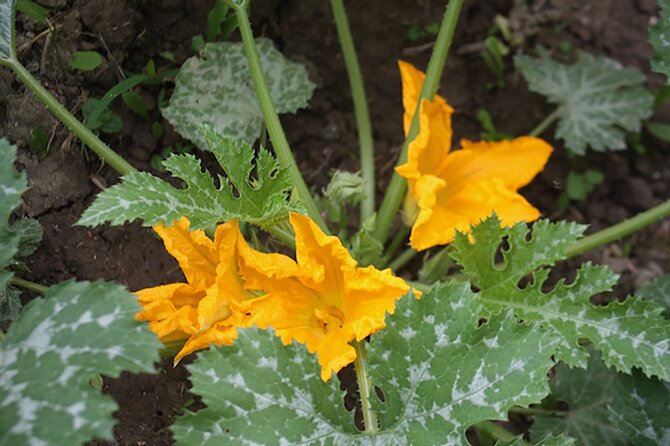
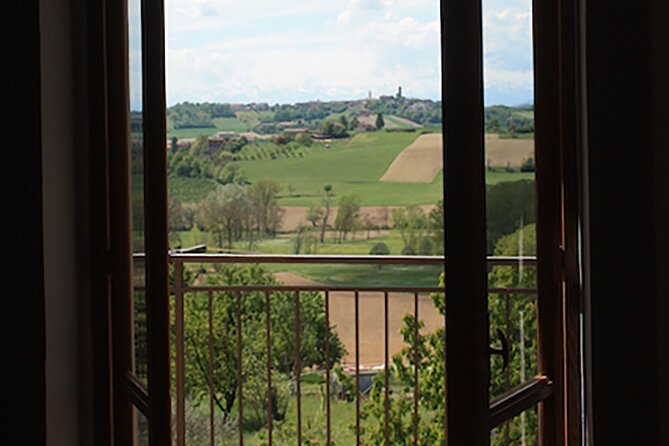
After the cooking, you sit down to taste the pasta with the Monferrato hills in view. The meal is an important part of the experience. You can see how the dough held together, how the sauces worked, and what changes might improve your technique next time.
Local wine may accompany the food, and the experience can include wine tasting along the way. Italian law means anyone under 18 will not be served alcohol. The supplied details do not specify the wines or how many tastings are included, so you should not book this expecting a formal winery tour.
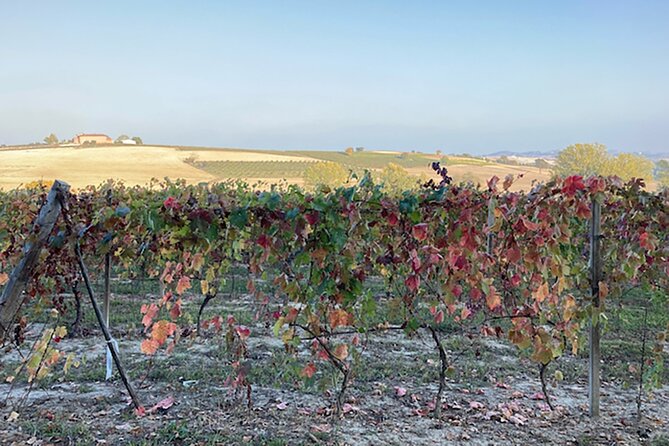
The setting sounds especially suited to a slow meal. The B&B sits among vineyards and wild herbs, and the countryside provides a quiet backdrop. You will not be visiting a famous cellar or a large restaurant. The appeal is the peaceful house, the handmade food, and the chance to talk over the meal.
One point deserves attention: the class begins before lunch and lasts four hours. A group once found that hunger became a distraction and had to ask for water. The experience does include food at the end, but there is no stated promise of snacks or coffee at the start. Eat breakfast first and bring water if needed.
Why the small group size matters
The class accepts a maximum of eight people. That is a useful limit for a hands-on activity. You have a better chance to see Andrea’s demonstrations, ask questions, and get help with shaping or cutting than you would in a large group.
Small groups also work well for families. A party of four adults and two children enjoyed making three types of pasta together, and the activity is described as family-friendly. Children still need to manage kitchen tools and follow instructions, so adults should use their own judgment, but the format is not reserved for experienced cooks.
The social side is part of the appeal. You are cooking beside other people, then sharing the finished food at the same table. Several participants enjoyed the relaxed conversation with Andrea, including discussions about local products, climate effects, and Italian food production.
Is $90.02 a fair price?
At $90.02 per person, this is not the cheapest way to eat pasta in Italy. It is also more than the cost of a casual lunch. The value comes from the combination of instruction, several pasta preparations, a full meal, wine tasting along the way, and a scenic country setting.
You are paying for an activity that occupies about four hours, not just a plate of food. If you want to learn techniques you can repeat at home, the price is easier to justify. You leave with practical knowledge of dough, filling, shaping, sauces, and seasoning rather than only a meal you will remember.
The price also works better for people who value personal instruction. The maximum group size of eight gives the class a workshop feel, while Andrea’s professional background adds useful guidance. If you only want to eat fresh pasta and do not care about cooking, a restaurant lunch will cost less and require less effort.
This can also make a good food-focused gift. It has enough structure to feel special, yet it remains relaxed and accessible. The combination of pasta making, a meal, and countryside views gives the day more substance than a short demonstration.
Who will enjoy this experience most?
You should consider booking this class if you like hands-on activities and want a closer connection to regional food. It is a good fit for couples, families, small groups of friends, and solo participants who enjoy cooking with others.
Beginners are welcome. You do not need to arrive knowing how to make pasta, and the class covers more than one shape, so you can compare different methods. Experienced home cooks may enjoy the Piedmontese focus, the Tuscan variations, and Andrea’s attention to sauces and herbs.
The class is less suitable if your schedule is tight. Four hours is a meaningful block of time, and the country location requires you to reach the meeting point on your own. It may also disappoint you if you expect a formal restaurant service, a large menu, or a structured wine course.
Most people can take part, and service animals are allowed. The activity requires good weather, with a different date or full refund offered if poor conditions cause cancellation. Free cancellation is available until 24 hours before the 11 a.m. start time.
Book this pasta class or choose something else?
Book it if you want to make several kinds of pasta, eat in a quiet Monferrato setting, and learn from Andrea in a small group. The strongest reasons are the hands-on teaching, the Piedmontese and Tuscan mix, and the chance to sit down with food you prepared yourself.
Think twice if you need a quick activity, dislike cooking, or will arrive hungry after skipping breakfast. For food lovers who have time to spare near Asti or Moncalvo, this is a well-priced half-day built around real cooking rather than a staged tasting.
FAQ
Where does the pasta class take place?
The class takes place at Casapaletti Country House, Via Turca 2, 15021 Casapaletti, in the Asti area of Italy.
How far is the meeting point from Asti?
The B&B is about 15 minutes from Asti.
How far is the meeting point from Moncalvo?
The B&B is about 10 minutes from Moncalvo.
What time does the experience begin?
The class starts at 11 a.m.
How long does the cooking class last?
The experience lasts approximately four hours and ends back at the meeting point.
What pasta dishes might I make?
The class may include tajarin, ravioli del plin, potato gnocchi, and other local recipes. The sample menu includes tajarin with sausage ragù and dried tomatoes, Tuscan pici with seasonal herb pesto, and ravioli del plin filled with potatoes and bacon.
Is wine included in the experience?
Wine tasting may take place during the class and meal. Anyone under 18 will not be served alcohol under Italian law.
What happens if the weather is poor?
The experience requires good weather. If it is canceled because of poor weather, you will be offered another date or a full refund. You can also cancel for a full refund up to 24 hours before the start time.
Recently added in Italy
- Verona: Tortellini Cooking Class and Lunch with Mamma Ivana★ 5.0 · 20 reviews
- Vicenza: Pasta & Tiramisu Cooking Class at a Local’s Home★ 5.0 · 5 reviews
- Verona: Pasta Cooking Class with Wine Tasting★ 5.0 · 4 reviews
- Verona: Pasta & Tiramisu Cooking Class at a Local’s Home★ 5.0 · 16 reviews
- Verona: Prosecco and Pasta Making Class at a Local’s Home★ 5.0 · 10 reviews
- Volterra: Fresh Pasta Cooking Class at a Tuscan Farmhouse★ 5.0 · 33 reviews
- Venice: Share Your Pasta Love in a Local’s Home★ 4.8 · 20 reviews
- Verona: My Granny’s secrets making gnocchi★ 5.0 · 7 reviews
Fresh Pasta Workshops, compared.
Pasta Making Class with Wine, Limoncello, and Dessert
Read our review →

Enjoy Spritz and Pasta Making in Piazza Navona
Read our review →
Pasta Making & Wine Tasting with Dinner in Frascati from Rome
Read our review →
The Secrets to Learn Fresh Pasta and Tiramisù in a Glam Home
Read our review →
Pasta Making with Wine Tasting and Dinner in Frascati
Read our review →
Browse the lists this class appears in