
REVIEW · FRESH PASTA WORKSHOPS
Polignano a Mare: Pasta Making Cooking Class with Drink
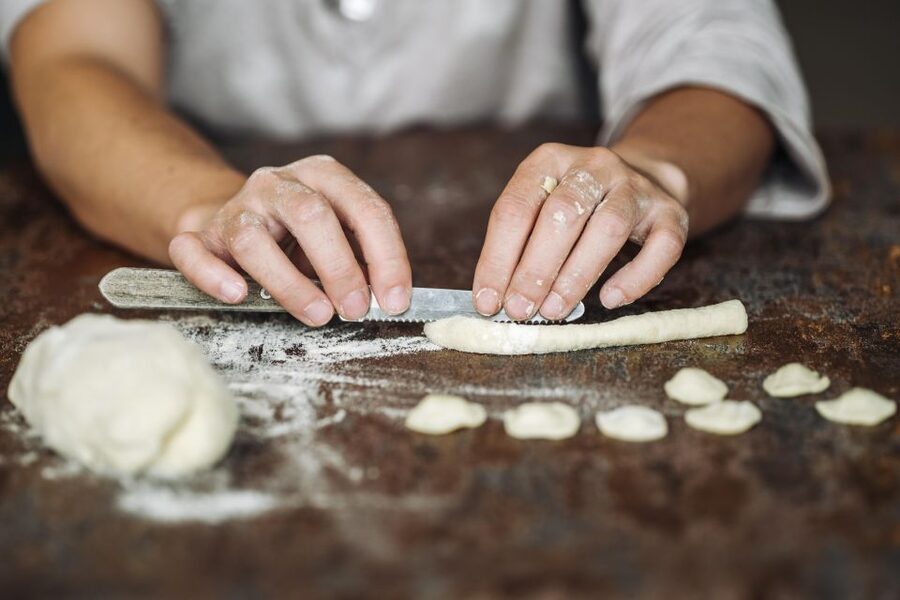
The best part of this Polignano a Mare class is that you learn the two pasta shapes most closely tied to Puglia: ear-shaped orecchiette and ridged cavatelli. Annamaria or Daniele teaches the hand movements, then helps you correct your technique at the table. You finish by eating the pasta you made, rather than watching it disappear into a kitchen.
I like the small, relaxed setting and the useful food talk that goes beyond pasta. You get taralli, preserved vegetables, seasonal greens, drinks, and wine while hearing about Puglian ingredients, cooking habits, and regional life. The main consideration is that this is not a full cooking course: the chef prepares the dough and sauce, so your hands-on work focuses mainly on shaping the pasta.
Quick takeaways
- Shape two Puglian classics: Learn the proper method for making orecchiette and cavatelli.
- Eat what you make: Your pasta is cooked and served during the class, with drinks and local products.
- Meet in a traditional home: The activity takes place at Via S. Vito, 20, in Polignano a Mare’s historic center.
- Expect a social class: Small groups make it easier to ask questions and receive personal help.
- Hear more than recipes: Annamaria and Daniele often explain Puglian food, Italian cooking, regional customs, and local history.
- Plan around the two-hour format: It suits an evening in Polignano, but it is not designed for making several sauces or a complete multi-course meal.
Making Puglia’s pasta by hand
Pasta is the heart of this experience, but the real lesson is about simplicity. Puglian pasta traditionally relies on a short list of basic ingredients, and the shape does much of the work. Orecchiette hold sauce in their little cups, while cavatelli offer a firmer, ridged bite.
You do not simply watch a demonstration from across a large restaurant kitchen. Once the dough is ready, you work with it directly and practice the shapes under the chef’s eye. Annamaria is known for stopping to adjust hand position and showing how to form the orecchiette correctly. Daniele explains the logic behind the technique and gives practical tips you can try at home.
The distinction matters. Orecchiette can look easy until you try to make a neat, thin-edged ear with a slightly rough surface. Cavatelli use a different motion and give you a useful comparison between two southern Italian shapes. You leave with a better sense of how pressure, speed, and dough texture affect the final pasta.
The class is conducted in English and Italian. The English-language instruction has been praised by people who attended with children and teenagers, and the teaching style is generally patient and easy to follow. If you have never shaped fresh pasta, you should be able to keep up. If you already cook, you will still get worthwhile pointers about pasta texture, cooking, sauces, and reducing food waste.
More Fresh Pasta Workshops in Italy:
- Rome: Pasta Making Class with Wine, Limoncello, and Dessert
★ 4.9 · 3,177 reviews - Pastamania – Florence Pasta Making Class
★ 5.0 · 3,050 reviews - Enjoy Spritz and Pasta Making in Piazza Navona
★ 5.0 · 1,681 reviews
What happens during the two hours
The exact order can vary with the group, but the experience follows a clear rhythm. You meet Annamaria at the traditional house on Via S. Vito, 20, then settle in with the other participants. Since the activity is in the historic center, you should allow extra time to find the address and arrive ready to start.
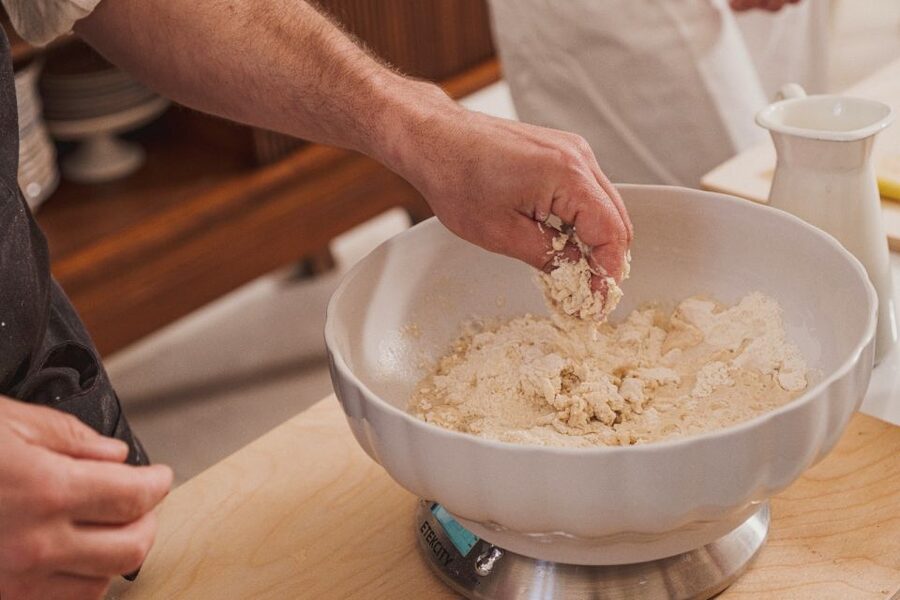
The early part usually focuses on the dough and the principles behind Puglian pasta. The chef explains the ingredients and shows the technique before handing the work over to you. One useful feature is the chance to ask questions as you go, instead of trying to remember a fast demonstration.
The hands-on section is the main event. You shape orecchiette, then work on cavatelli, with the instructor moving around the table to help. Small groups make a real difference here. You can watch someone else’s technique, compare your shapes, and get individual correction without waiting through a long line.
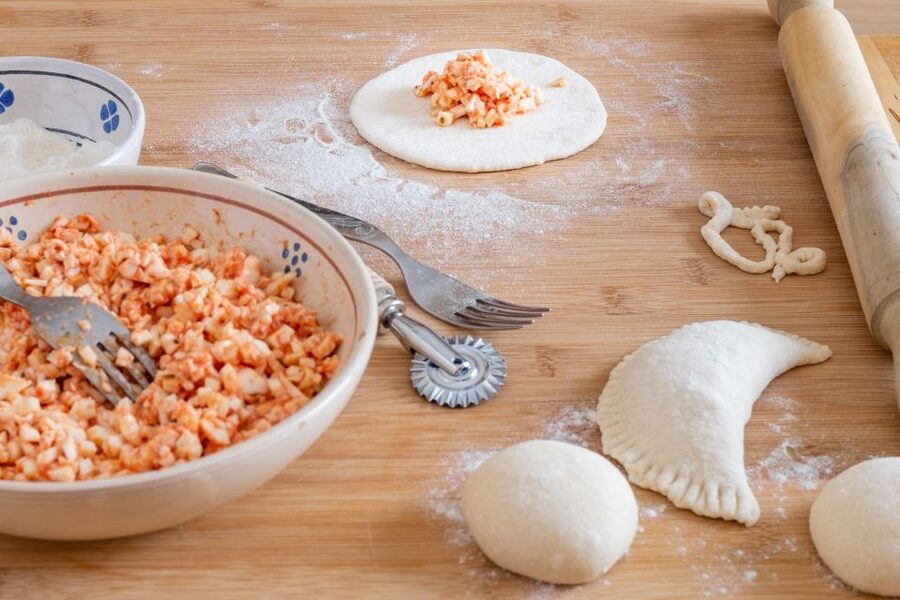
The cooking itself is handled by the instructor, so you should set your expectations correctly. This is not a class where you knead dough, prepare a sauce, boil the pasta, and manage every part of dinner. The dough and sauce may be prepared in advance, allowing the short two-hour session to concentrate on pasta shape and regional food culture.
While the pasta cooks, the class shifts into a shared meal. The listed menu includes orecchiette with tomato sauce. Some sessions have served the pasta with pesto, so the sauce may not always be identical. If the sauce matters to you, ask at the beginning.
Taralli, preserved vegetables, and Puglian wine
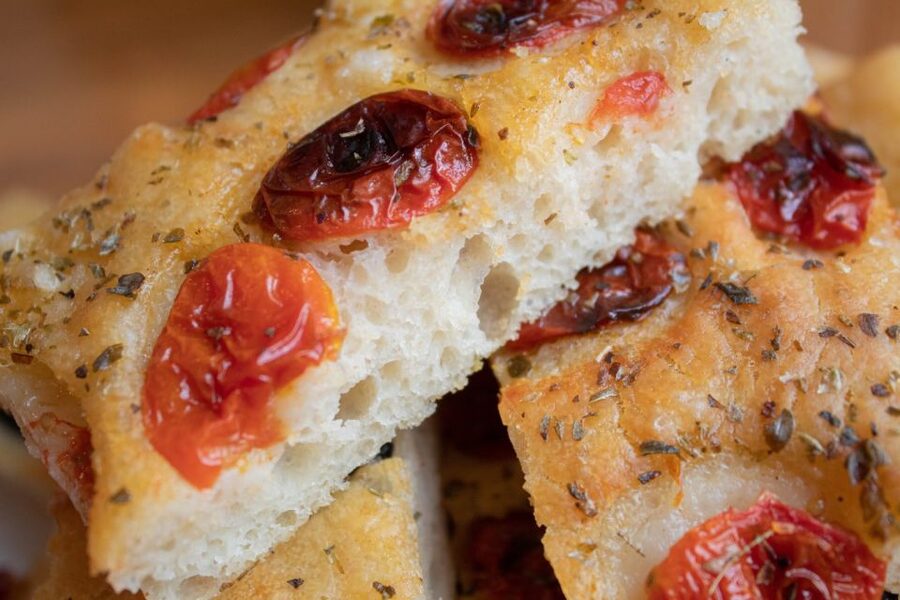
The food before the pasta is more than a snack to fill time. You taste taralli, the crisp ring-shaped crackers found across Puglia, along with preserved vegetables and seasonal greens. Focaccia and olives have also appeared in some classes, giving you a broader taste of local everyday food.
Drinks and Puglian wine accompany the activity. Wine is served during the class, and some participants describe the amount as generous or unlimited. I would still treat that as dependent on the session rather than a promise to plan around. The stated inclusion is drinks and wine, not a particular quantity.
This aperitivo works well because it gives you something to share while the pasta is being prepared. You are not sitting silently waiting for the next instruction. You can taste familiar ingredients in a local setting, talk with the group, and learn how preserved vegetables and simple baked foods fit into Puglian meals.
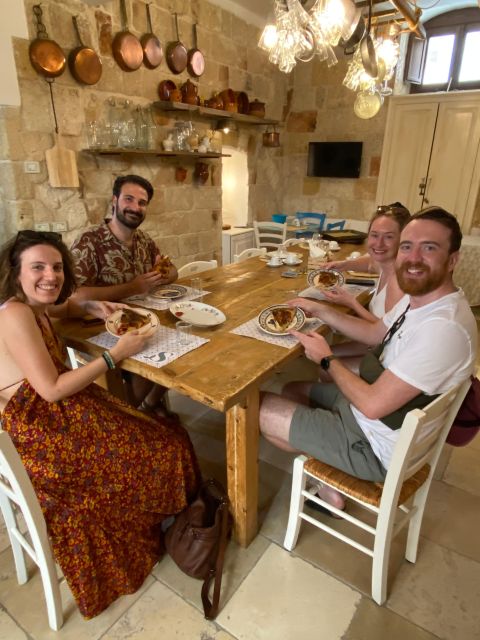
The final pasta is the reward. You sit down together and eat the orecchiette you helped shape. That small step makes the lesson feel more complete than a class where you take dough home but never taste the finished dish. Portions have been described as generous, though the exact serving size can vary.
Annamaria, Daniele, and the teaching style
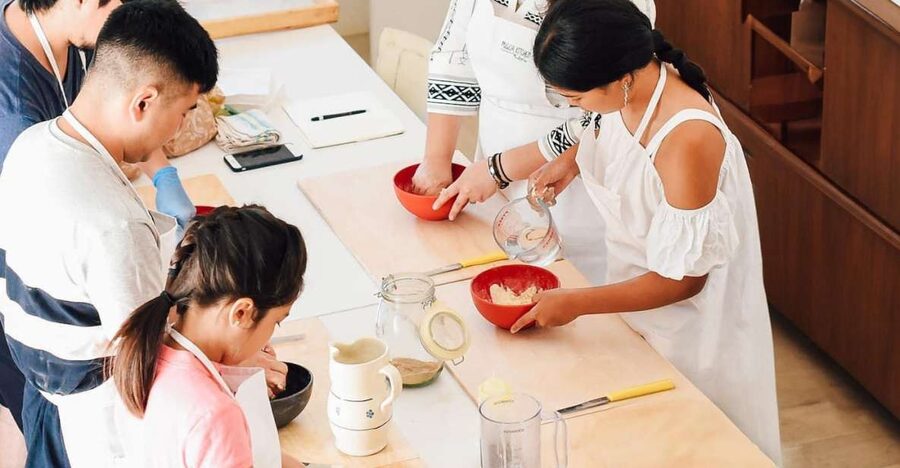
The instructor is not fixed on every date. Annamaria and Daniele are the names most often associated with the class, with other instructors also appearing in individual sessions. Both are described as warm, engaging teachers who give the group practical instruction rather than a stiff lecture.
Annamaria’s strength is close attention to technique. She takes time to show how the orecchiette should be shaped and shares recipes and tips for pasta, focaccia, and sauces. She also talks about Puglia and Italian life, which adds useful context if you want more than a recipe.
Daniele brings a chef’s perspective. He has spoken about the science behind different Italian pasta methods, the reasons for certain cooking rules, and ways to reduce food waste. His background as a professional and Michelin-trained chef gives the lesson more technical depth, though he keeps the mood light.
The class can also include discussion of Italian history, politics, and social issues. That is an appealing bonus for some people, especially families who want their children to hear from a local instructor. For others, it may feel like extra conversation when they would rather spend more time cooking. The experience is social and talkative, not a tightly timed kitchen workshop.
Other Italy classes worth putting on the shortlist
- Florence: Pasta Cooking Class with Unlimited Wine
★ 4.9 · 10,285 reviews - 3 in 1 Cooking Class near Navona: Fettuccine, Ravioli & Tiramisu
★ 5.0 · 7,376 reviews - Florence Pizza or Pasta Class with Gelato Making at a Tuscan Farm
★ 5.0 · 6,801 reviews - Florence: Pasta & Tiramisu Cooking Class with Unlimited Wine
★ 4.9 · 6,708 reviews
What you actually do, and what you do not
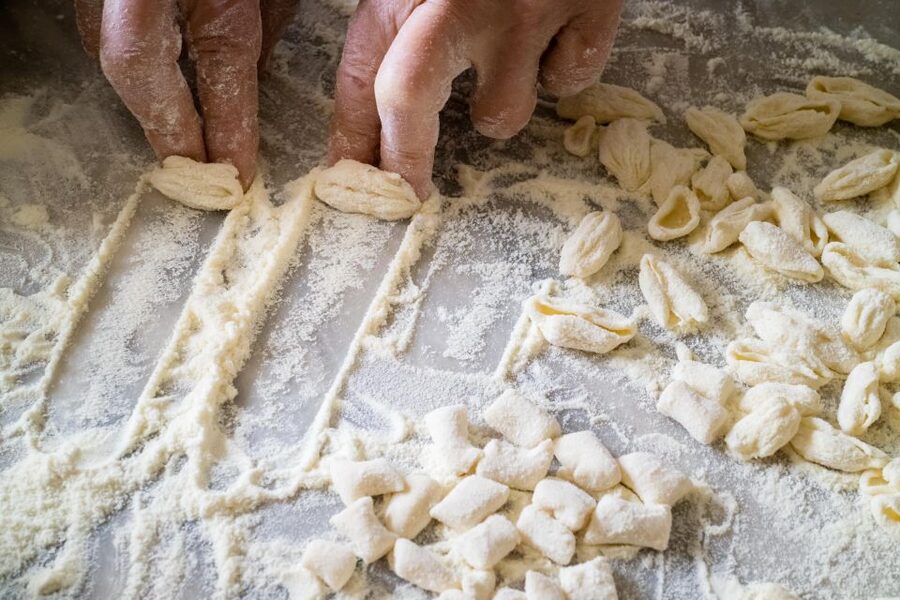
The strongest reason to book is the focused practice with orecchiette and cavatelli. You work with the pasta and get direct feedback. The method is simple enough to repeat at home, and several useful cooking tips are explained along the way.
The limitation is equally clear: you do not prepare every part of the meal. A participant who expected to make sauces and dough from scratch found the class less hands-on than expected. Another person hoped to learn several Puglian sauces. Those are fair cautions if you already have experience with pasta classes and want a full kitchen session.
You also may not receive a printed recipe sheet. One participant wished for a take-home recipe, although the instructor allowed the lesson to be filmed. Bring your phone if you want a visual reminder, but ask permission before recording and keep it out of the way during the demonstration.
I see the class as a skill lesson with a shared meal, not as a complete culinary school. That distinction helps you decide if the $77 price is fair. You are paying for instruction, kitchen equipment, food, wine, a central setting, and the chance to learn from someone who cooks this food regularly. It is good value for a first-time pasta maker who wants a friendly cultural activity. It may feel expensive if you expect a full dinner menu, several sauces, or several hours of cooking.
Why the small group matters
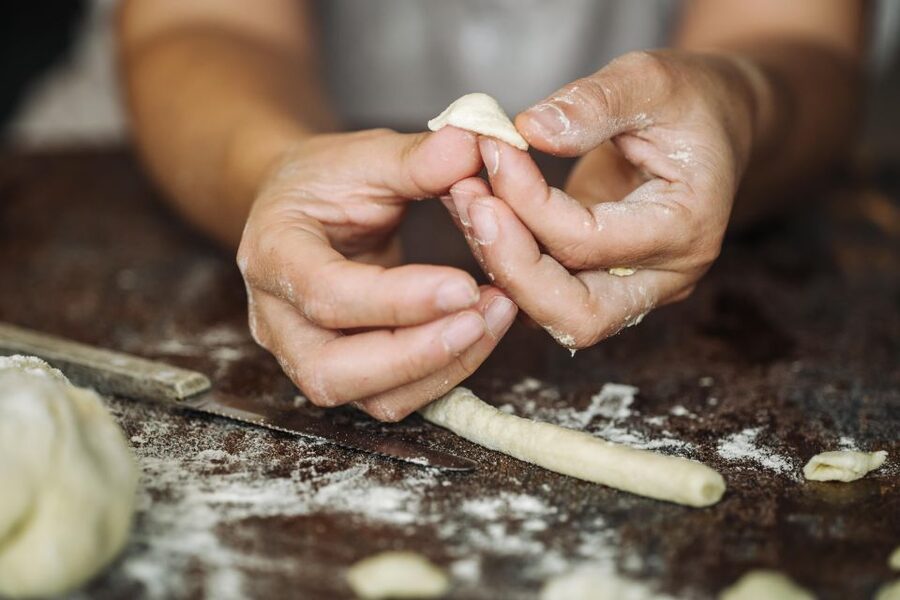
Group size is one of the most important practical details. A small class, sometimes as intimate as six people, gives the instructor time to watch each person’s hands. That is especially helpful with orecchiette, where a small change in pressure can make the difference between a thin, delicate shape and a thick lump.
The social side also works better in a small room. You share snacks, wine, and the final pasta with people from different countries, but the activity does not need to become a noisy party. Families can work together, couples can compare shapes, and solo participants have an easy way to meet others.
Children and teenagers have taken part successfully. The class has suited families with children as young as five and eight, as well as groups with older teenagers. Young children may need help with the finer hand movements, but the activity gives them something real to do instead of asking them to sit through a long food talk.
If you are booking for a larger group, ask about the expected class size. The personal attention that makes this activity work is harder to provide in a crowded room.
Location and practical planning in Polignano
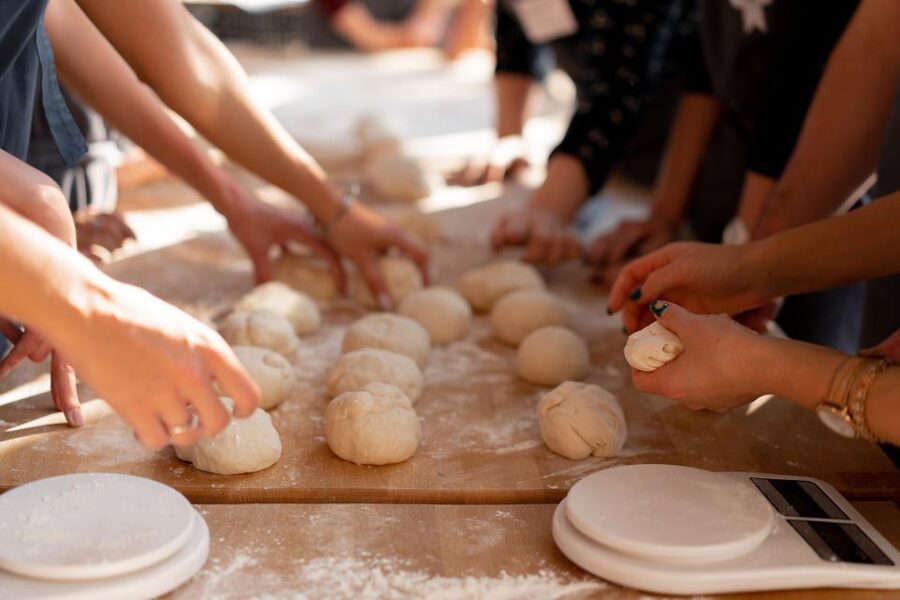
The meeting point is Annamaria’s traditional house at Via S. Vito, 20, 70044 Polignano a Mare BA. The address is in the historic center, so this is easy to pair with time in Polignano’s old streets, but you should not assume hotel pickup is included.
Transfers from Monopoli and nearby towns are available on request. Hotel pickup and drop-off are not part of the standard package. If you are staying outside Polignano, ask about the transfer before booking rather than treating it as automatic.
The class lasts two hours, with starting times based on availability. That makes it easy to fit into an evening plan. You could spend the afternoon around Polignano, take the class, and continue your night afterward. Avoid scheduling another fixed activity immediately afterward, since the meal and conversation may run at a relaxed pace.
The activity is wheelchair accessible. For any specific access need, it is still sensible to confirm the arrangements in advance, since the class takes place in a traditional home rather than a purpose-built cooking school.
Free cancellation is available up to 24 hours before the start time, and you can reserve now and pay later. Those policies help if your Puglian plans depend on weather, transport, or a changing day-to-day schedule.
Who should book this class
I would recommend it most strongly to first-time pasta makers, food-focused visitors, and families looking for an activity that works across generations. You get a clear regional specialty, direct instruction, something to eat, and a local setting without committing half a day.
It also suits people who want conversation with their cooking. Annamaria and Daniele do not only explain hand movements. They connect the pasta to Puglian ingredients, Italian habits, food waste, and regional identity. That makes the experience feel grounded in place rather than like a generic pasta lesson transplanted to Italy.
Vegetarians and vegans can take part, which is useful in a group with different diets. The class centers on pasta, vegetables, preserved foods, and wine, but you should still tell the provider about your needs when booking.
I would hesitate if you want a highly technical course, a printed recipe pack, or a full meal prepared entirely by your own hands. You will shape the pasta, but the chef handles some of the preparation. The price is reasonable for the setting and personal instruction, yet it is not the cheapest way to eat pasta in Puglia.
Should you book the Polignano pasta class?
Book it if you want to learn a specific Puglian skill and enjoy the result at the same table. The strongest parts are the patient coaching, the small-group feel, the local food spread, and the chance to practice orecchiette and cavatelli rather than merely watch a chef.
Skip it if your priority is a long, fully hands-on course covering dough, sauces, fillings, and several dishes. At $77 for two hours, the value depends on how much you care about instruction and local conversation. For a relaxed introduction to Puglian pasta in Polignano’s historic center, I think it earns its place in your plans.
FAQ
How long does the pasta-making class last?
The class lasts two hours. Starting times vary, so you need to check availability for your chosen date.
Where does the class meet?
Meet Annamaria at the traditional house on Via S. Vito, 20, 70044 Polignano a Mare BA, in the historic center.
Which types of pasta will I learn to make?
You will learn to make orecchiette and cavatelli, two typical Apulian pasta shapes.
Is the pasta class taught in English?
Yes. Instruction is available in English and Italian. Annamaria and Daniele are among the instructors who lead the sessions.
Is food and wine included?
Yes. The experience includes drinks, local products, an Apulian aperitivo, and orecchiette served with sauce. Taralli, preserved vegetables, and seasonal greens are part of the stated tasting.
Is the class suitable for vegetarians and vegans?
Yes. The activity is listed as suitable for both vegetarians and vegans.
Is transportation included?
Hotel pickup and drop-off are not included as standard. Optional pickup from Monopoli and nearby cities is available on request.
Can I cancel the booking?
You can cancel up to 24 hours in advance for a full refund. The activity also offers a reserve-now, pay-later option.
Recently added in Italy
- Verona: Tortellini Cooking Class and Lunch with Mamma Ivana★ 5.0 · 20 reviews
- Vicenza: Pasta & Tiramisu Cooking Class at a Local’s Home★ 5.0 · 5 reviews
- Verona: Pasta Cooking Class with Wine Tasting★ 5.0 · 4 reviews
- Verona: Pasta & Tiramisu Cooking Class at a Local’s Home★ 5.0 · 16 reviews
- Verona: Prosecco and Pasta Making Class at a Local’s Home★ 5.0 · 10 reviews
- Volterra: Fresh Pasta Cooking Class at a Tuscan Farmhouse★ 5.0 · 33 reviews
- Venice: Share Your Pasta Love in a Local’s Home★ 4.8 · 20 reviews
- Verona: My Granny’s secrets making gnocchi★ 5.0 · 7 reviews
Fresh Pasta Workshops, compared.
Pasta Making Class with Wine, Limoncello, and Dessert
Read our review →

Enjoy Spritz and Pasta Making in Piazza Navona
Read our review →
Pasta Making & Wine Tasting with Dinner in Frascati from Rome
Read our review →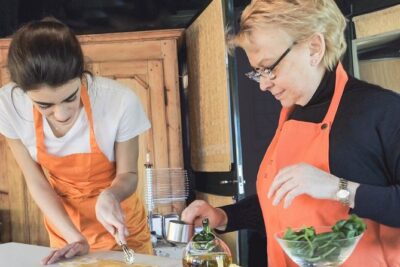
The Secrets to Learn Fresh Pasta and Tiramisù in a Glam Home
Read our review →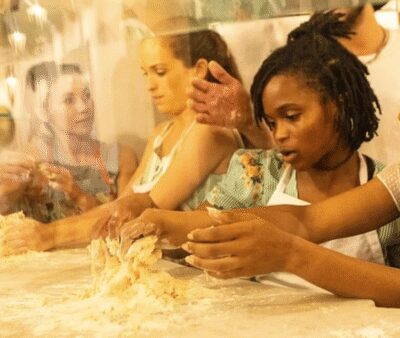
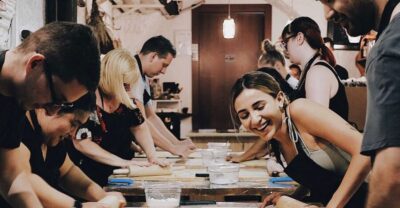
Pasta Making with Wine Tasting and Dinner in Frascati
Read our review →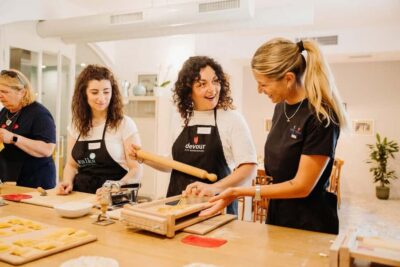
Browse the lists this class appears in