
REVIEW · FRESH PASTA WORKSHOPS
Olbia: Sardinian Pasta-Making Guided Workshop
The best part of this Sardinian food experience is that pasta is only the starting point. In a small Gallura village near Olbia, Simonetta teaches you to shape old-style pasta by hand, then connects the work to island customs, family life, wine, and the Sardinian tradition of longevity. The meal afterward turns the lesson into a proper social occasion.
I like the four types of pasta and the use of traditional tools, since you learn more than one recipe to take home. I also like the visit to Simonetta’s small winery and the full Gallura meal, which includes homemade bread, local dishes, desserts, wine, and digestives.
The main consideration is transport. Hotel pickup and drop-off are not included, and you must reach the country house yourself. The experience also needs at least two participants to be confirmed, so check the booking status before building your day around it.
Key points at a glance
- Four Sardinian pasta shapes: Mix semolina and water, then learn how different forms connect with regional tradition.
- Simonetta as host and teacher: Expect cooking instruction mixed with stories about family, domestic work, and island life.
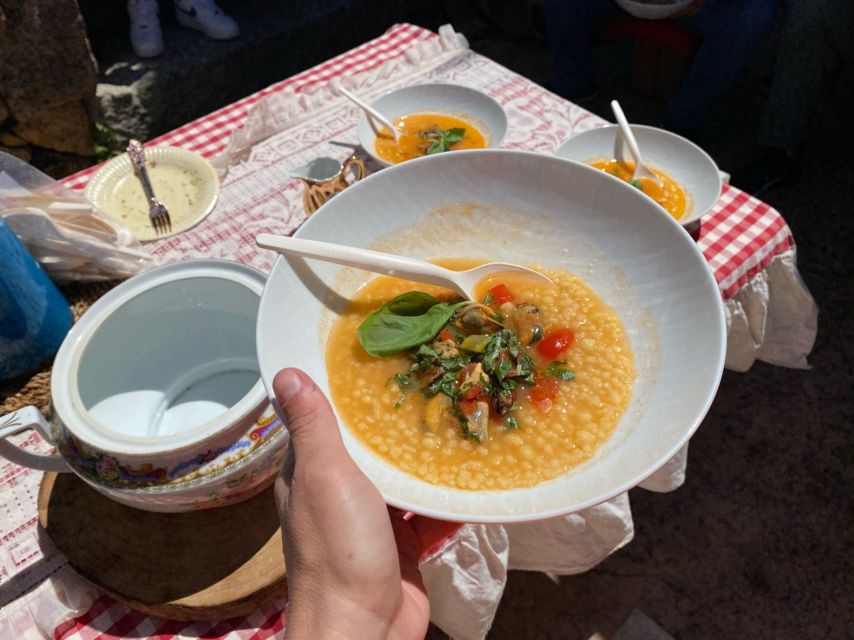
- A full Gallura meal: Your pasta is part of a longer meal with appetizers, first courses, bread, desserts, wine, and local digestives.
- Small winery visit: See how Sardinian wine is made using an older method, then taste it with the meal.
- Village and food exhibition: A guided walk and displays of rare food products and traditional working tools add cultural context.
- Useful flexibility: The 3.5-hour experience is available in Italian or English, is wheelchair accessible, and allows free cancellation up to 24 hours before departure.
Why this feels like more than a pasta class
Many cooking classes give you a recipe, a seat, and a quick meal. This one aims at something broader: it uses food to explain how people lived in Sardinia.
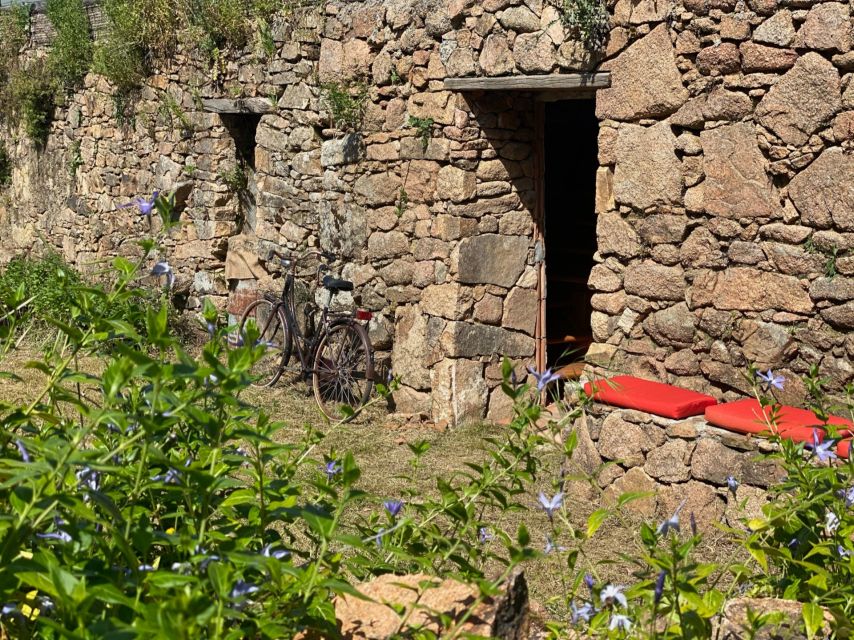
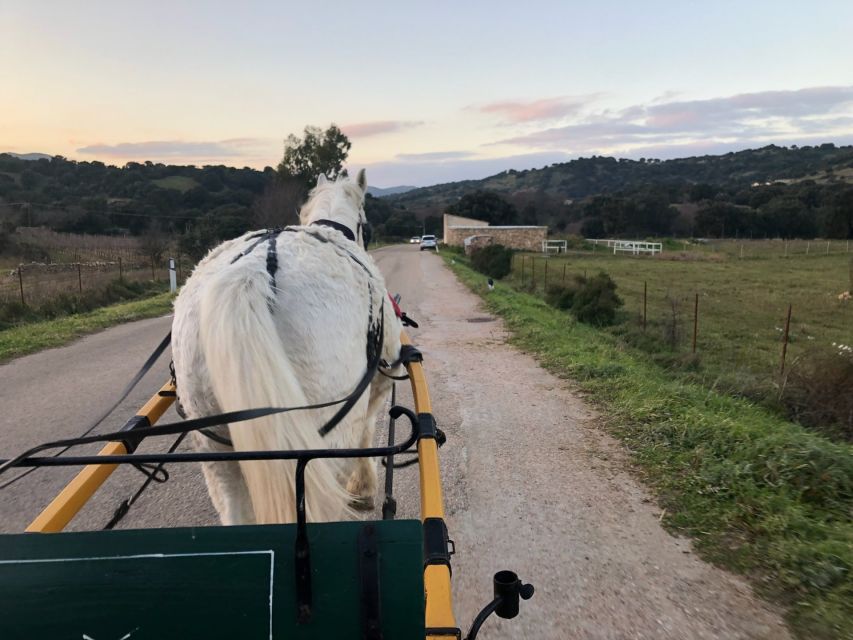
The setting is a small, typical village in Gallura, in the Olbia area. The meeting point is a country house, and the activity ends there too. That makes the experience feel more personal than a class held in a busy restaurant kitchen, although it also means you need to plan your own route to the property.
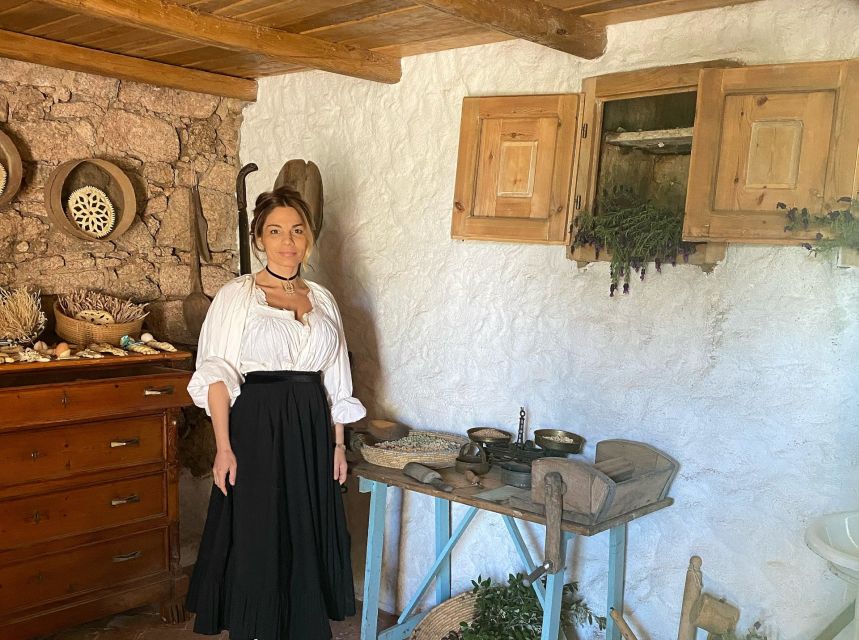
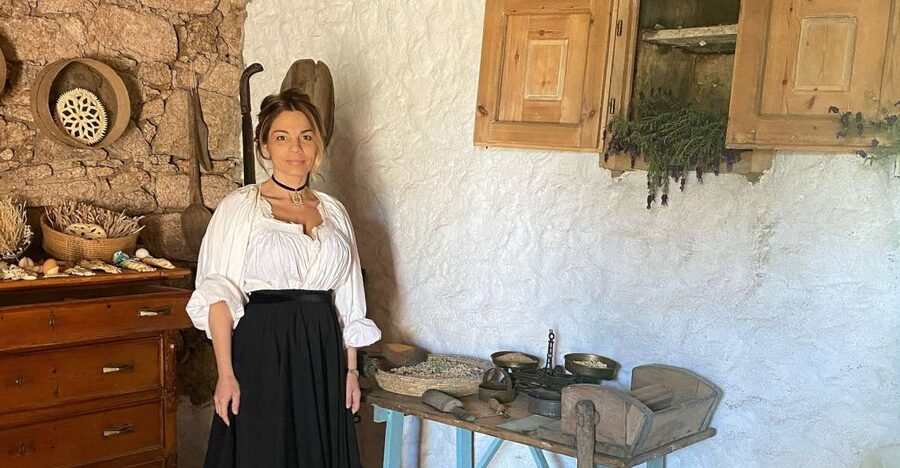
Simonetta is the central figure. She teaches the pasta work, explains the traditions behind it, leads you through the wine experience, and prepares the meal. The tone is less like a formal demonstration and more like being welcomed into someone’s family world. That distinction matters if you want to meet Sardinia through ordinary customs rather than simply sample a few local ingredients.
The theme of longevity runs through the visit. Sardinia is known for areas where people live unusually long lives, and the class uses that idea to talk about lifestyle, food, wine, and daily habits. You should not expect a medical lecture or a scientific study. Instead, you get a practical cultural conversation tied to the dishes in front of you.
More Fresh Pasta Workshops in Italy:
- Rome: Pasta Making Class with Wine, Limoncello, and Dessert
★ 4.9 · 3,177 reviews - Pastamania – Florence Pasta Making Class
★ 5.0 · 3,050 reviews - Enjoy Spritz and Pasta Making in Piazza Navona
★ 5.0 · 1,681 reviews
Starting with a welcome drink and island stories
The experience begins with either breakfast or a welcome drink, depending on the scheduled arrangement. This gives Simonetta room to introduce the Sardinian way of life before the hands-on work begins.
The opening discussion covers domestic activities, old customs, and the place of food in family life. I find this useful because pasta shapes can otherwise seem like decorative details. Here, they are presented as part of a larger tradition that was made at home, by hand, with simple ingredients and tools.
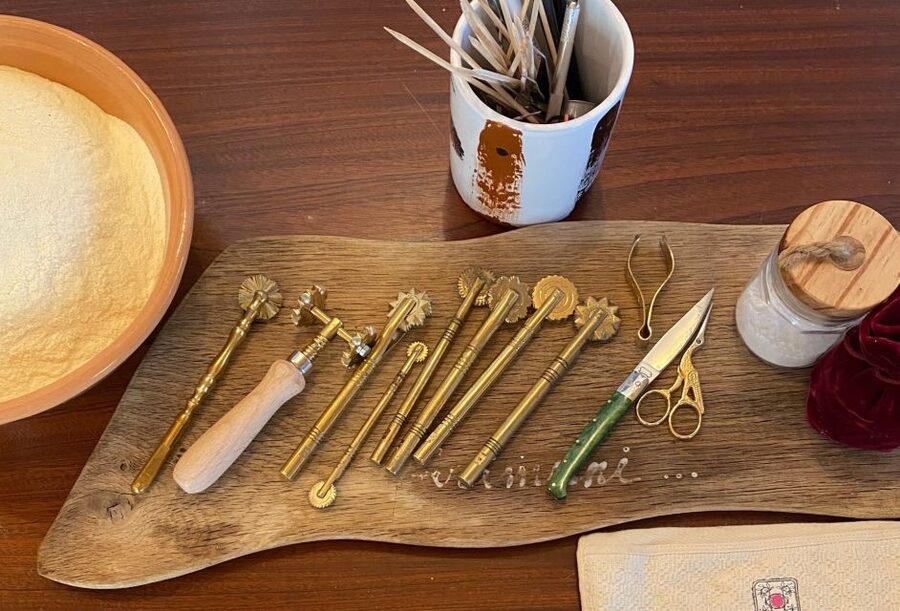
The class uses water and semolina. That simplicity is part of the point. You are not working with a long list of special ingredients or expensive equipment. You are learning how a basic dough becomes several forms through hand movements and patience.
Expect stories and conversation while you work. The supplied details do not set out a fixed menu or give exact names for every pasta shape, so you should not book this expecting a specific recipe list. The class does teach four pasta types, though, which gives you a useful range of shapes to practice.
Four pasta shapes, made by hand
The pasta lesson is the practical heart of the experience. You will mix the dough and use the provided equipment to form traditional pasta associated with different parts of Sardinia.
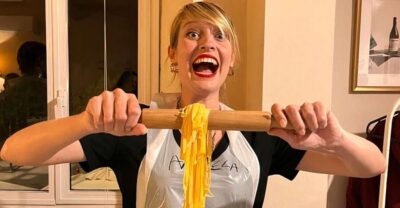
I like the fact that the class does not stop at one basic shape. Four types let you see how small changes in rolling, pinching, cutting, or shaping produce different results. You also get a better sense of the skill involved. Fresh pasta looks easy when an experienced cook handles it. Your first attempts may be less tidy, which is part of the fun.
The class is suitable for people who want to participate rather than watch. You should be ready to work with your hands and follow instructions in Italian or English. The equipment is included, so you do not need to bring cooking tools.
The teaching has a strong cultural side. Simonetta explains not only how the pasta is formed, but why these traditions matter and how they fit into Sardinian life. That makes the class useful for families and couples, as well as anyone who wants a practical souvenir. A shape you make yourself is easier to remember than a dish you simply order at a restaurant.
A short walk through Gallura village life
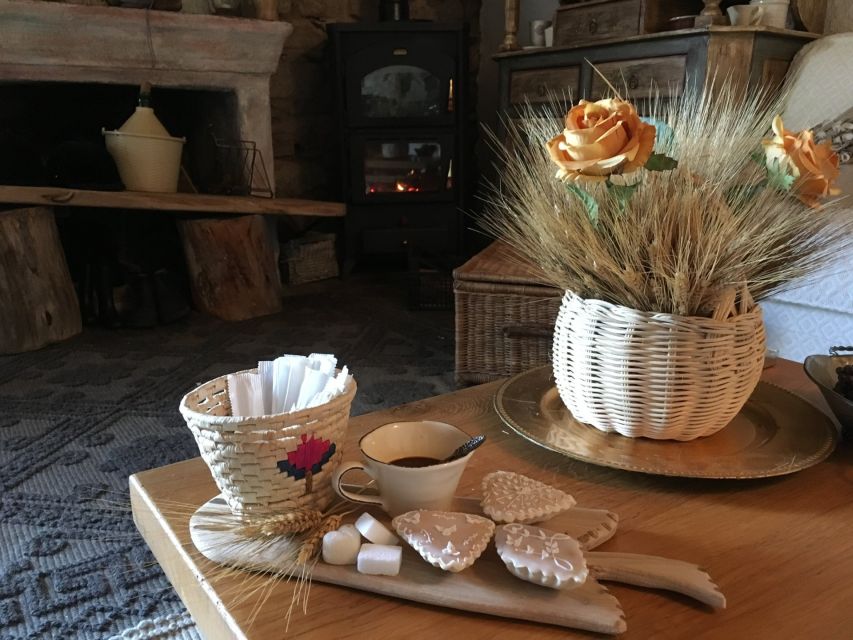
A guided tour of the village is included. The provided information does not give a precise walking route or a list of named sights, so I would treat this as a local orientation rather than a major sightseeing stop.
Its value is in the setting. You are seeing the area around the country house and placing the food traditions in their home environment. The village helps explain why this is not a standard city cooking class. The experience is tied to Gallura, a part of northeastern Sardinia with its own culinary identity.
This portion may appeal most to people who enjoy small-scale cultural encounters. If you are mainly looking for a fast cooking lesson, the village walk adds time but may feel less essential. If you want to understand the local context, it makes the later meal more meaningful.
More Guided Tours in Italy:
- From Taormina: Private/Guided Godfather with appetizer and Pasta
★ 5.0 · 233 reviews - Olbia: Traditional Pasta-Making Guided Workshop
★ 4.5 · 73 reviews - People of Bari unusual guided tour with pasta making at Grandma house
★ 5.0 · 54 reviews - From Catania: Private/Guided Godfather with Appetizer and Pasta
★ 5.0 · 42 reviews
Visiting the small winery
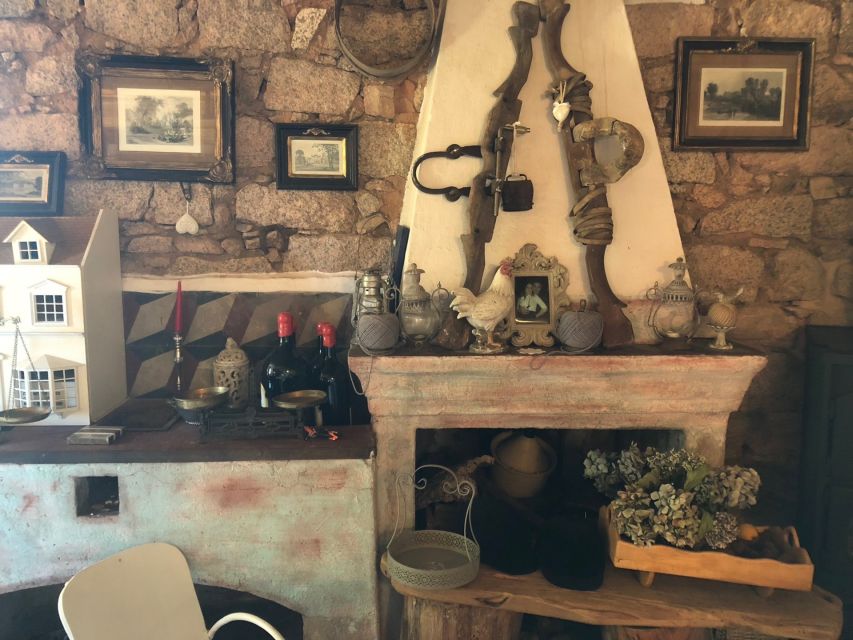
The wine portion takes you to a small cellar in the village. You will hear about Sardinian wine and the stages of production using an older method. The experience includes smelling the aromas, tasting the wine, and looking at its colors.
This is not presented as a large commercial winery tour. The small scale fits the rest of the experience, which focuses on household traditions and local food. You get a closer look at the wine as part of daily life, rather than treating it as a separate luxury product.
Wine is served with the meal, so the tasting has a clear purpose. You can connect what you learn in the cellar with the dishes at the table. For many people, this will be one of the most enjoyable parts of the afternoon or evening, but anyone who does not drink should note that wine is a central feature of the program.
The exact wines and tasting quantities are not specified. I would expect a local introduction rather than a formal tasting with a long list of pours. The main benefit is learning how wine fits into Gallura’s food culture.
The exhibition of old tools and Sardinian foods
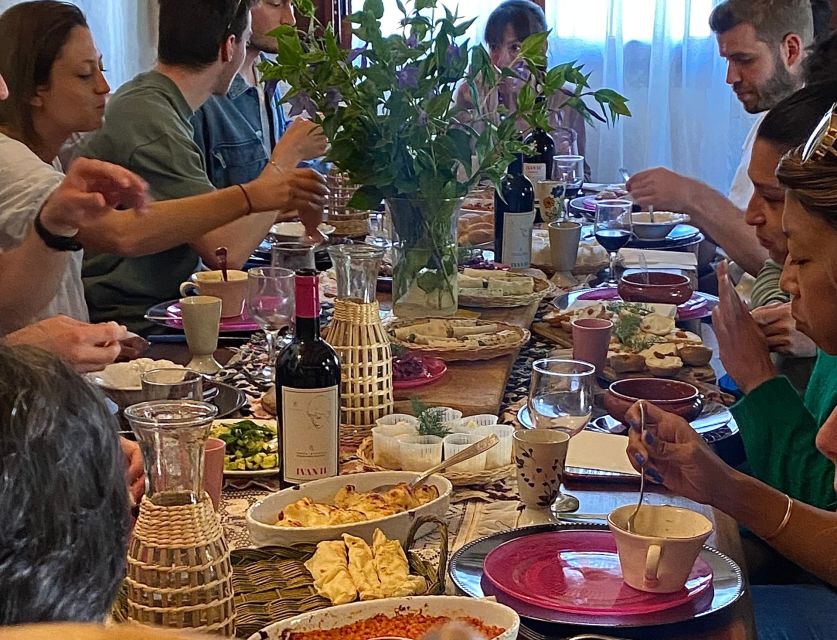
The experience includes an exhibition of rare Sardinian gastronomic products and traditional working tools from different Sardinian arts. This section gives the day a museum-like element, though it takes place within the wider country-house and village setting.
The tools matter because they show the work behind the food. Pasta making is not an isolated kitchen trick. It sits alongside other forms of domestic and craft labor that shaped life on the island. Seeing those objects can help you picture the routines Simonetta describes during the class.
The food display also broadens your understanding beyond pasta. Sardinian cooking includes breads, preserved foods, sweets, wines, and regional specialties. You will not just taste these items without context. You will see them as part of a food culture built around local work and family gatherings.
This may be the most appealing section for anyone interested in social history. It is also where the experience slows down, so allow the full 3.5 hours rather than trying to squeeze it between tightly scheduled attractions.
The Gallura meal is the main event
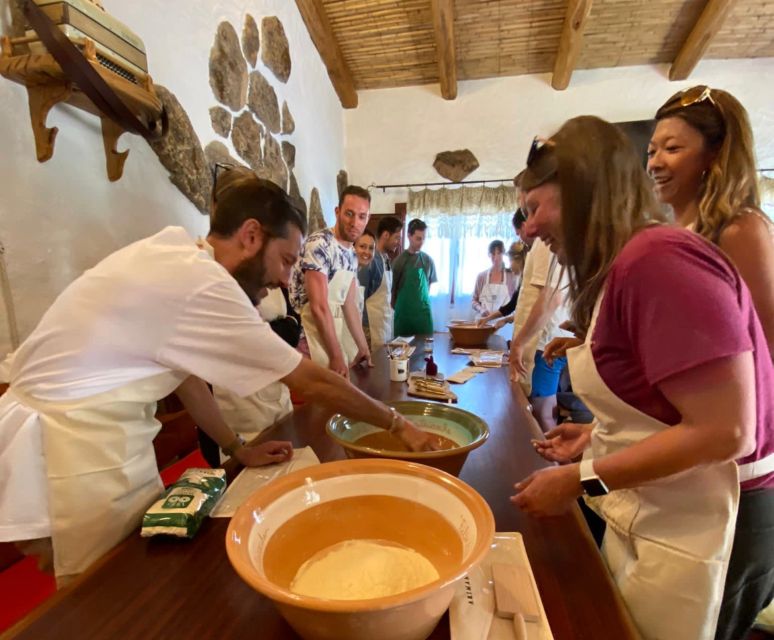
After the class and wine visit comes lunch or dinner, depending on your start time. The meal includes several courses from the Gallura tradition, beginning with appetizers and continuing through first courses and desserts.
Your homemade pasta is part of the meal, which gives the cooking lesson a satisfying finish. You are not making food only to pack it away or taste one small portion at the end. You get to sit down and eat it as part of a larger Sardinian menu.
The meal also includes a variety of homemade bread and wine from the cellar. Local digestives finish the experience. The details do not specify a fixed menu, so dishes may vary, but you can expect more than a single pasta plate.
Several food details make this especially appealing. Produce from Simonetta’s garden may appear in the meal, and the cooking is presented as home food rather than restaurant service. That means the meal may feel generous and personal, but it also means you should not expect a polished tasting menu with carefully timed courses.
I would plan this as a major meal, not a light snack. If you have food allergies, intolerances, or special requests, contact the number on your booking voucher at least one day ahead. Do not wait until you arrive, since the menu needs time to be adjusted.
What the price includes, and what it does not
At $181.82 per person, this is not a cheap pasta lesson. The value depends on how much of the complete experience you use.
You are paying for about 3.5 hours that combine a cooking class, a guided village visit, a winery visit, wine tasting, an exhibition, and a full meal. The class also supplies the equipment. If you priced those elements separately, the package becomes easier to understand, especially because lunch or dinner is not an extra charge.
I think the price makes the most sense for people who want a personal cultural experience rather than a basic cooking tutorial. You get instruction, food, drinks, and a host who ties the parts together. A person interested only in learning one pasta recipe may find it expensive.
Transportation is the main extra cost to consider. There is no hotel pickup or drop-off, so you need to arrange your own way to the country house in the Olbia area. The meeting point and end point are the same, which helps if you drive or arrange a taxi, but you should allow enough time to reach the village.
The reserve-now, pay-later option can help if your Sardinia schedule is still moving. Free cancellation is available up to 24 hours before the activity, subject to the booking terms. The class is confirmed only when at least two people are booked, so check that point if you are planning around a ferry, boat trip, or airport transfer.
Who should book this Sardinian food experience?
I would choose this for couples, families, and small groups who enjoy conversation and hands-on activities. It is also a strong option for anyone staying near Olbia who wants an evening or half-day away from the coast.
The experience suits you particularly well if you:
- Want to learn several traditional pasta shapes rather than just watch a demonstration
- Care about food customs, family life, and local history
- Enjoy a long meal with wine and several courses
- Prefer a country-house setting to a formal cooking school
- Want an English-language activity with a personal host
- Have room in your schedule for three and a half hours
It may not suit you if you need a quick activity, dislike communal meals, or want a fixed menu confirmed in advance. It is also less convenient if you are relying on hotel transport, since transfers are not included.
The experience is wheelchair accessible, which is useful to know when comparing food activities. Pets are allowed with a muzzle and leash, or with a leash alone if they are small. Confirm your arrangements in advance if either detail matters for your group.
Practical tips for making the most of it
Check the starting time carefully. The activity can be arranged around breakfast, lunch, or dinner, and the schedule affects how you plan the rest of your day.
Leave open space after the experience. The meal includes several courses, bread, wine, desserts, and digestives, so this is not a quick stop before another large dinner. The class itself is active, but the food portion deserves time rather than a rushed departure.
If you have a boat excursion or another fixed appointment, tell the host as soon as possible. Simonetta has shown flexibility with timing, but you should not assume every schedule can be changed. Build in time for the village visit, cellar stop, meal, and the drive back.
Bring an appetite and a willingness to try unfamiliar shapes. You do not need professional cooking skills. The point is to handle the dough, learn the movements, and understand why handmade pasta remains important in Sardinian homes.
Should you book it?
I would book this if you want to connect Sardinia’s food with its people and customs. The combination of four pasta shapes, a local wine visit, old tools, and a full Gallura meal gives the experience more substance than a standard cooking class.
The strongest reason to go is Simonetta’s personal approach. Her country home, family stories, garden produce, and care for old traditions give the day a human scale. You are not just collecting another recipe. You are spending time with someone who treats Sardinian food as part of a way of life.
Skip it if you want a short, inexpensive class or if transport to the country house is difficult. For everyone else, this is one of the better choices near Olbia for a meal, a lesson, and a direct introduction to Gallura culture in one sitting.
FAQ
How long does the Sardinian pasta-making experience last?
The activity lasts 3.5 hours. Starting times vary, so check availability when booking.
Where does the experience take place?
It takes place in a small Gallura village in the Olbia area. The meeting point is a country house, and the activity ends back at that meeting point.
What does the cooking class include?
The class includes the necessary equipment and teaches you to prepare fresh Sardinian pasta using water, semolina, and traditional methods. You learn to make four types of pasta.
Is lunch or dinner included?
Yes. The experience includes either lunch or dinner, with several Gallura-style courses, homemade bread, wine, desserts, and local digestives.
Is a winery visit part of the experience?
Yes. You visit a small winery in the village, learn about Sardinian wine production, and taste the wine.
Is the activity available in English?
Yes. A live guide is available in English or Italian.
Is hotel pickup included?
No. Hotel pickup and drop-off are not included. You must make your own way to the country house meeting point.
Can dietary needs be accommodated?
You must contact the number on your booking voucher at least one day before the activity if you have intolerances or special requests.
Recently added in Italy
- Verona: Tortellini Cooking Class and Lunch with Mamma Ivana★ 5.0 · 20 reviews
- Vicenza: Pasta & Tiramisu Cooking Class at a Local’s Home★ 5.0 · 5 reviews
- Verona: Pasta Cooking Class with Wine Tasting★ 5.0 · 4 reviews
- Verona: Pasta & Tiramisu Cooking Class at a Local’s Home★ 5.0 · 16 reviews
- Verona: Prosecco and Pasta Making Class at a Local’s Home★ 5.0 · 10 reviews
- Volterra: Fresh Pasta Cooking Class at a Tuscan Farmhouse★ 5.0 · 33 reviews
- Verona: My Granny’s secrets making gnocchi★ 5.0 · 7 reviews
- Venice: Share Your Pasta Love in a Local’s Home★ 4.8 · 20 reviews
Fresh Pasta Workshops, compared.
Pasta Making Class with Wine, Limoncello, and Dessert
Read our review →

Enjoy Spritz and Pasta Making in Piazza Navona
Read our review →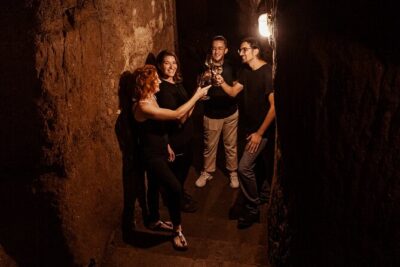
Pasta Making & Wine Tasting with Dinner in Frascati from Rome
Read our review →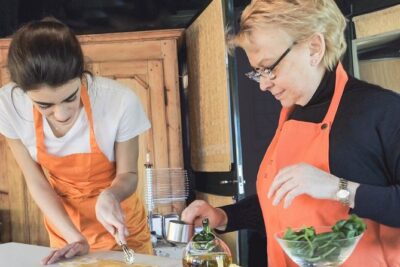
The Secrets to Learn Fresh Pasta and Tiramisù in a Glam Home
Read our review →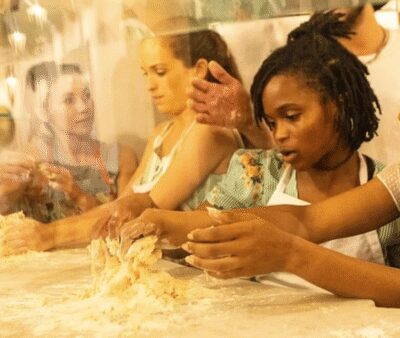
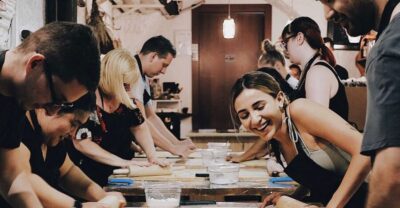
Pasta Making with Wine Tasting and Dinner in Frascati
Read our review →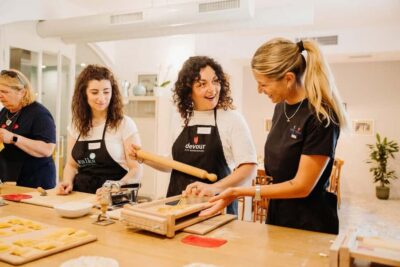
Browse the lists this class appears in