
REVIEW · GELATO MAKING CLASSES
Milan: Pizza or Pasta and Gelato-Making Class with Wine
Making pizza by hand, watching gelato take shape, then sitting down to eat your work is a fine way to spend an evening in Milan. The class turns familiar Italian food into a hands-on lesson, with an English-speaking chef guiding you through dough, sauce, toppings, and dessert.
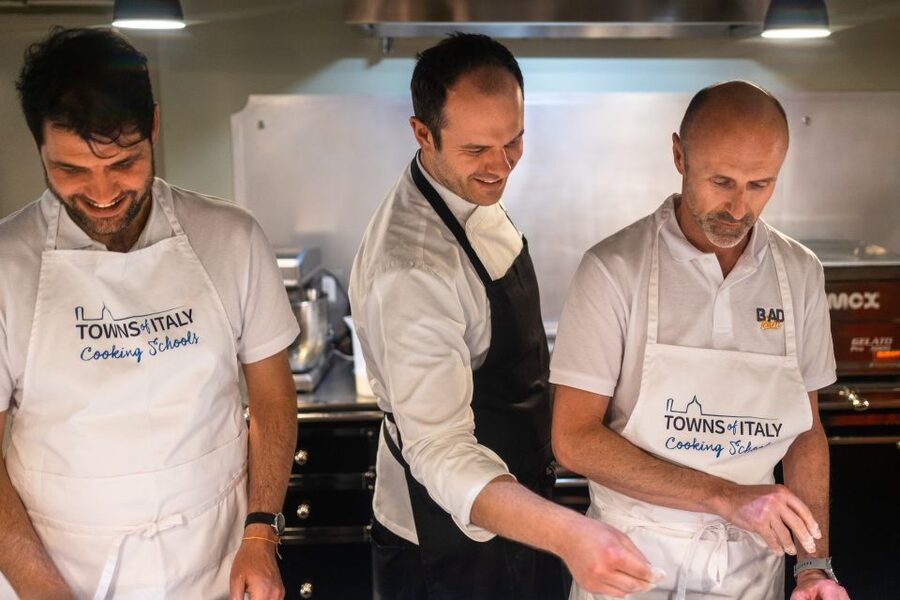
I like the relaxed teaching style, especially the patience shown by instructors such as Matteo, Alfredo, Fabrizio, and Diego. I also like the practical extras: wine or soft drinks during class, dinner at the end, a digital recipe booklet, and a certificate to take home.
The main drawback is that the class is not suitable for people with celiac disease or gluten intolerance. The meeting point can also vary by the option you book, and some people have found the venue near Milano Centrale hard to locate without clearer directions.
Key points to know before booking
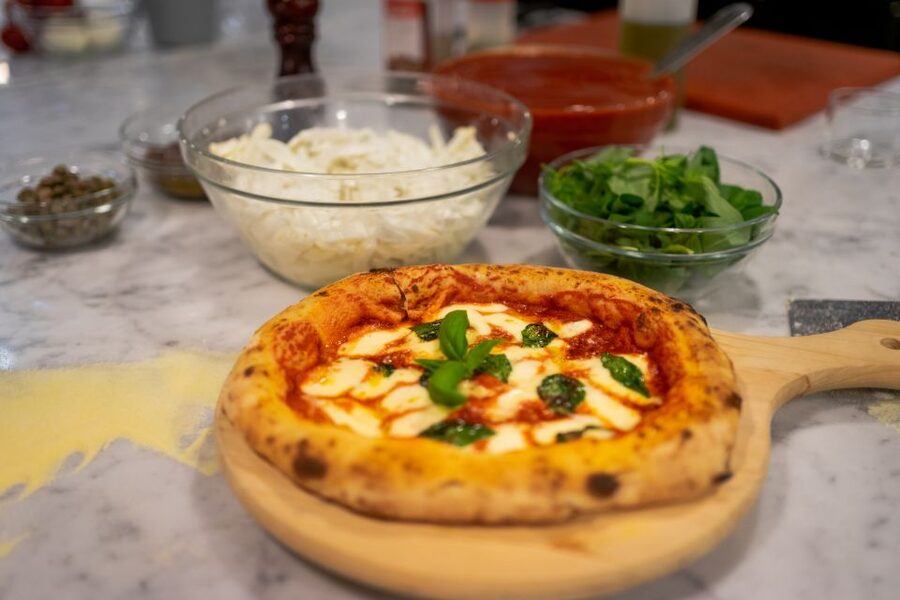
- Choose pizza or pasta at checkout: The pizza option includes dough, tomato sauce, toppings, gelato, and a cone-making demonstration. The pasta option focuses on fresh pasta from scratch, followed by gelato.
- Three hours of real participation: You knead, roll, mix, season, and eat. This is not a demonstration where you simply watch a chef work.
- English-speaking instructors set the tone: Matteo, Alfredo, Fabrizio, Diego, and other chefs are described as patient, funny, encouraging, and good with mixed cooking abilities.
- Families fit especially well: Children and young teenagers can take part, with soft drinks available instead of wine.
- Dinner is included: You eat the pizza or pasta and gelato you help prepare, with wine or soft drinks included.
- Plan extra time to find the venue: The meeting point may vary, and the cooking space near Milano Centrale can be inside a large, confusing complex.
What the three-hour Milan cooking class is really like
This experience works because it gives you a meal, a lesson, and a social evening in one booking. At $101 per person, it is not a cheap dinner, but you are paying for ingredients, instruction, kitchen equipment, drinks, a full meal, and three hours of activity.
You meet an English-speaking professional chef at a cooking school in central Milan. The exact meeting point depends on the option you select, so check the booking details closely. Several sessions have taken place near Milano Centrale, a useful location if you are staying in the area or connecting through the station, but the building or food hall can be difficult to navigate.
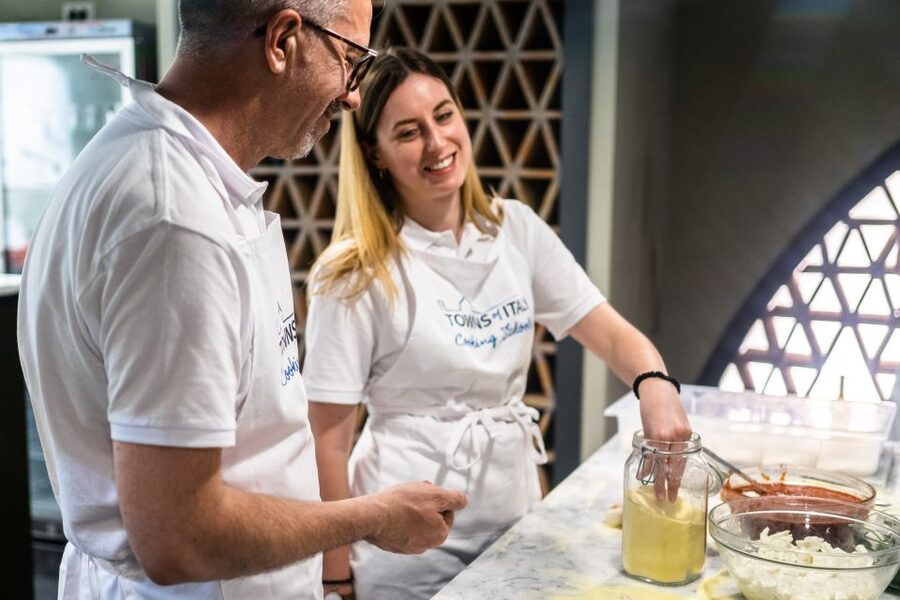
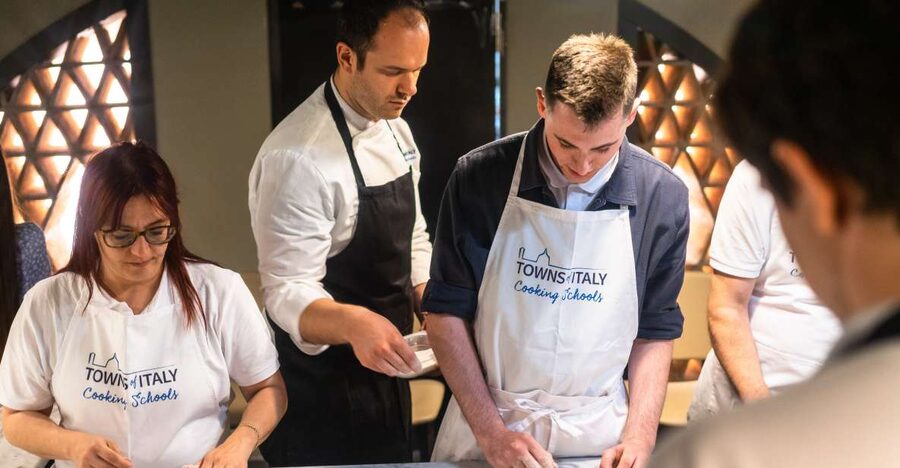
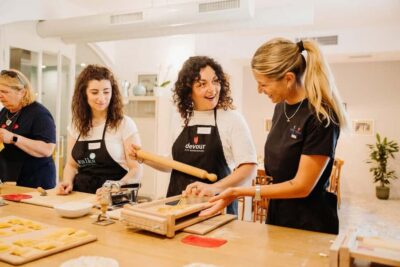
Once the class begins, the chef lays out the ingredients and explains the plan. The atmosphere is meant to be friendly rather than formal. Solo participants can easily join a shared table, while families and couples have plenty to do together.
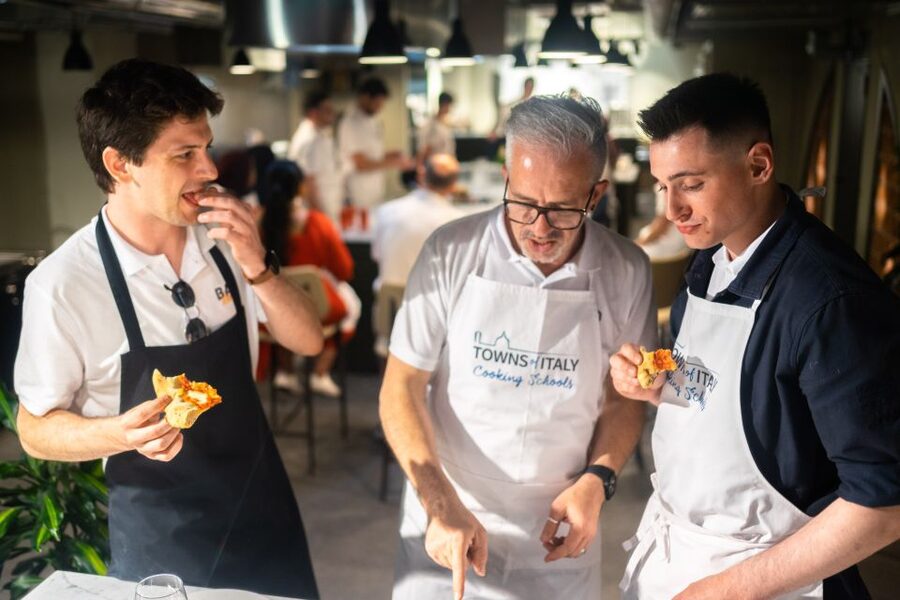
The instructors are a big part of the experience. Matteo is repeatedly praised for patience, humor, and clear explanations. Alfredo is noted for helping beginners solve common dough problems. Fabrizio has a way of getting everyone involved, and Diego has led smaller sessions with a more personal feel.
The exact chef on your date may differ. That matters because each instructor brings a different style, but the common thread is an emphasis on participation and encouragement. You do not need advanced cooking skills.
More Gelato Making Classes in Italy:
- Florence Pizza or Pasta Class with Gelato Making at a Tuscan Farm
★ 5.0 · 6,801 reviews - Florence: Pizza or Pasta Class with Gelato at a Tuscan Farm
★ 4.9 · 1,181 reviews - Florence: Premium Pasta and Gelato Cooking Class
★ 4.9 · 877 reviews
Pizza class: dough, tomato sauce, and your own toppings
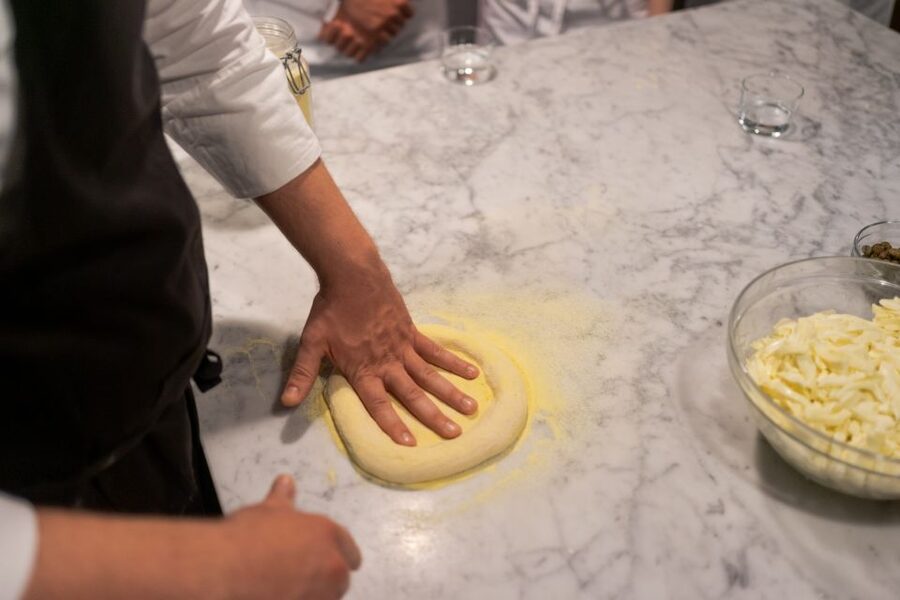
Choose the pizza option if you want the most tactile part of the class. The chef begins by showing you how to make a yeast dough that should become soft and flexible rather than stiff and heavy.
You work the dough by hand, learning how kneading changes its texture. The aim is a pliable base that can be rolled or stretched thin. This is useful knowledge to take home because dough is where many home pizza attempts go wrong. Too much flour can make it tough, while too little handling can leave it difficult to shape.
While the dough rests, the chef prepares the tomato sauce. You learn how to make a sauce that is light and lively rather than thick and overpowering. The class also covers the basic balance between dough, sauce, cheese, toppings, and seasoning.
One useful feature is that the chef addresses common problems. Alfredo, for example, has helped participants understand how to fix pizza dough when its texture is not quite right. That kind of small correction is more valuable than simply watching a perfect demonstration.
You then roll out your dough, choose toppings, and season the pizza before it goes into the oven. The individual choices make this section particularly good for families. Children can take part in shaping and topping, and they can see a finished dish emerge from their own work.
The class has a Neapolitan pizza focus in some sessions. Do not expect a long lecture on regional Italian food, but you will get useful context about the food you are making and tips that can be repeated at home.
The pizza section takes up much of the class. That will please you if pizza is the main reason you booked. If you mainly want an extended gelato lesson, the balance may feel less even.
Pasta option: a better choice for hands-on noodle fans
Pizza is not your only choice. At checkout, you can select the pasta and gelato class instead.
The pasta session teaches you to make fresh pasta from scratch. You work with the dough, shape it, and prepare the finished meal with the chef’s guidance. Some sessions have included pasta and ravioli, giving you more variety than a simple dried-pasta lesson.
Fresh pasta is a good pick if you want a cooking skill that transfers easily to your own kitchen. You learn by touch, and the chef can show you how the dough should feel at each stage. The work is slower and more deliberate than boiling a packet of pasta, which is part of the appeal.
The pasta choice also suits people who have already made pizza at home and want a different Italian lesson. You still prepare gelato, sip wine or soft drinks, and sit down for dinner at the end.
Read the option carefully before paying. The pizza and pasta sessions are different classes, and the meeting point may change with the selection.
Gelato, chocolate, and the sweet finish
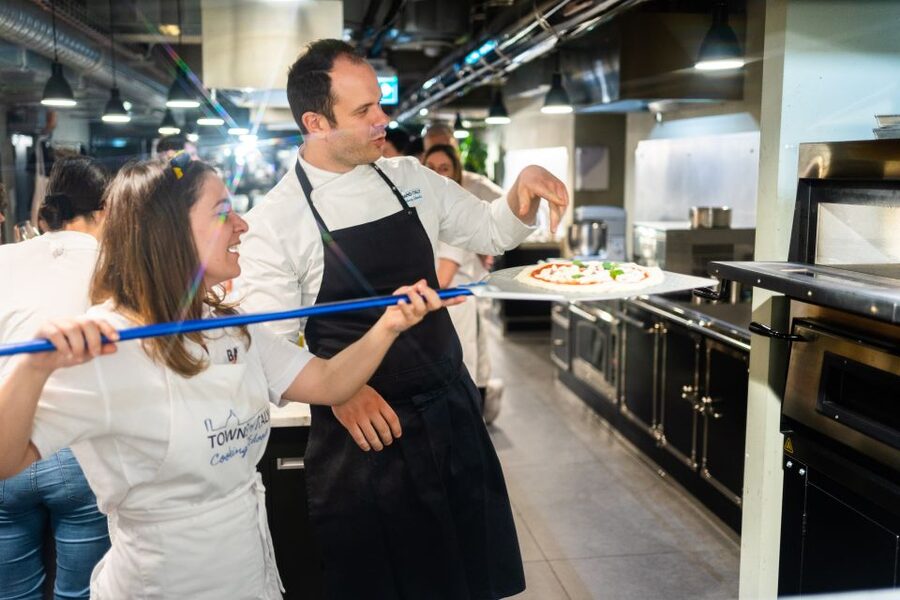
The gelato portion gives the class a second rhythm. After the savory preparation is underway, the chef explains the ingredients and shows how they are combined.
You see how chocolate melts into cream and how the mixture is prepared before churning. The chef also explains the basic raw ingredients, giving you a clearer idea of why gelato has its distinctive texture.
While the gelato churns, you learn to make the batter for the cone. This keeps you occupied rather than leaving you standing around waiting for dessert. It also adds a useful detail that many casual cooking activities skip.
The dessert section is partly demonstration and partly participation. The precise amount of hands-on work may depend on the group and the class flow, but you do get to taste the gelato made during the session.
This part is especially effective for children. Gelato is familiar and immediately appealing, while the churning and cone preparation make it feel like a small food experiment. Adults get a clear lesson in how a simple list of ingredients turns into a finished Italian dessert.
More Pizza Making Classes in Italy:
- Rome: Combo Pizza and Pasta Cooking Class with Wine
★ 4.6 · 1,180 reviews - Rome Cooking Class: Make Pizza and Pasta with Wine & Dessert
★ 4.5 · 651 reviews - Pasta and Pizza Master Class with Pick Up in Sorrento
★ 5.0 · 380 reviews - Hands-On Pasta Cooking Class in Florence with optional Pizza
★ 4.5 · 276 reviews
Wine, dinner, and the social side of the class
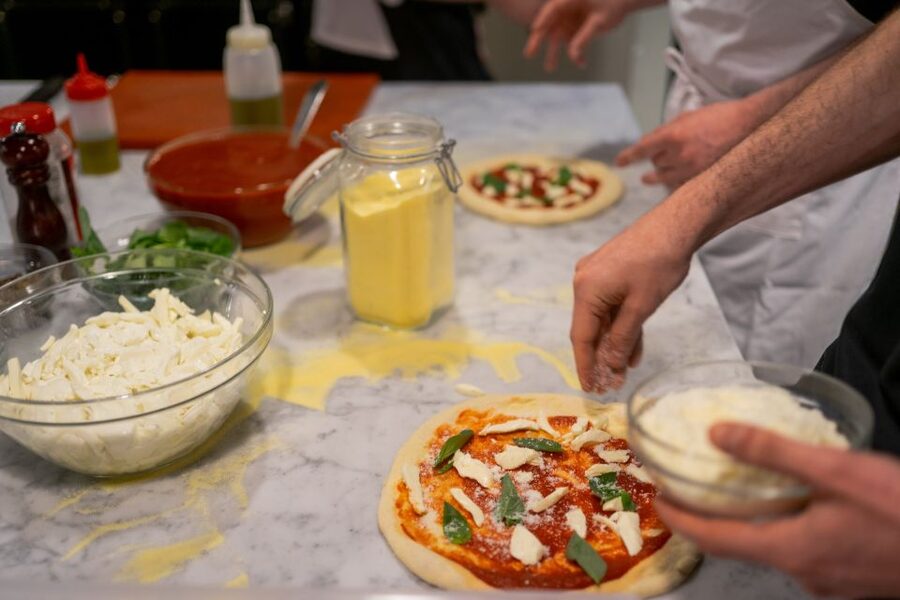
Wine is included, with soft drinks and water available as well. Several sessions have included sparkling wine or prosecco, though the exact drink selection can vary.
I like that the drinks are part of the class rather than an extra charge at the end. They give you something to enjoy while dough rests and gelato churns, and they help the group relax. Families can choose soft drinks for children, while adults can have a glass of wine.
At the end, you sit down and eat what you made. This is more satisfying than receiving a small taste during a demonstration. You get to see whether your dough, sauce, toppings, pasta, and gelato came together as planned.
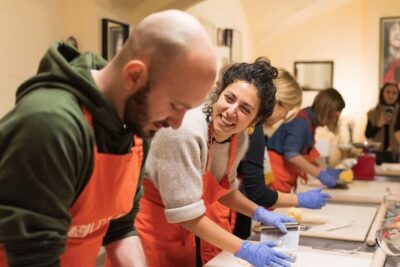
The meal is also the social payoff. Groups often include couples, solo participants, families, and people with different cooking abilities. You are working side by side, so conversation comes naturally without needing a separate social activity.
The setting is professional but not stiff. Aprons, utensils, and ingredients are supplied, so you do not need to bring cooking equipment. There is also staff support for clearing dishes and keeping the workspace in order, which helps the class stay comfortable during a busy three-hour session.
Why families and solo visitors fit this class well
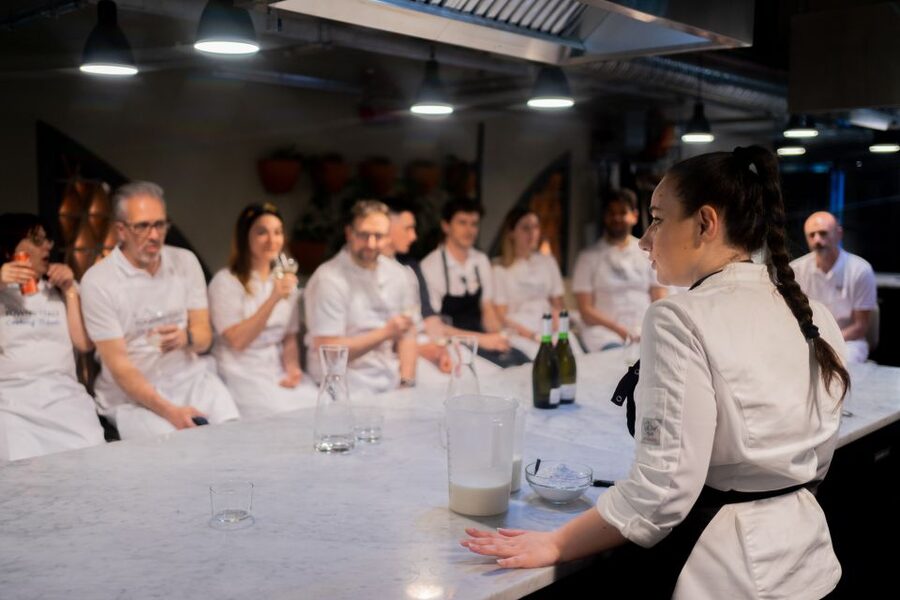
Families with children and young teenagers are among the best matches for this experience. The tasks are varied enough to hold attention: kneading dough, shaping pizza, choosing toppings, watching gelato churn, and eating the finished food.
The class also avoids the pressure of a formal restaurant meal. Children are not expected to sit still for three hours. They have a job to do, and the chefs are used to encouraging beginners.
For solo visitors, the shared format can work well. You are not left on the sidelines, and the group structure gives you easy chances to meet people from different countries. If you prefer a quiet, private lesson, this is not the right format.
The class suits beginners more than serious culinary students. You will learn useful methods and receive recipes, but this is also entertainment. The chefs keep the pace lively, make jokes, and create a relaxed evening.
Price, group size, and what you take home
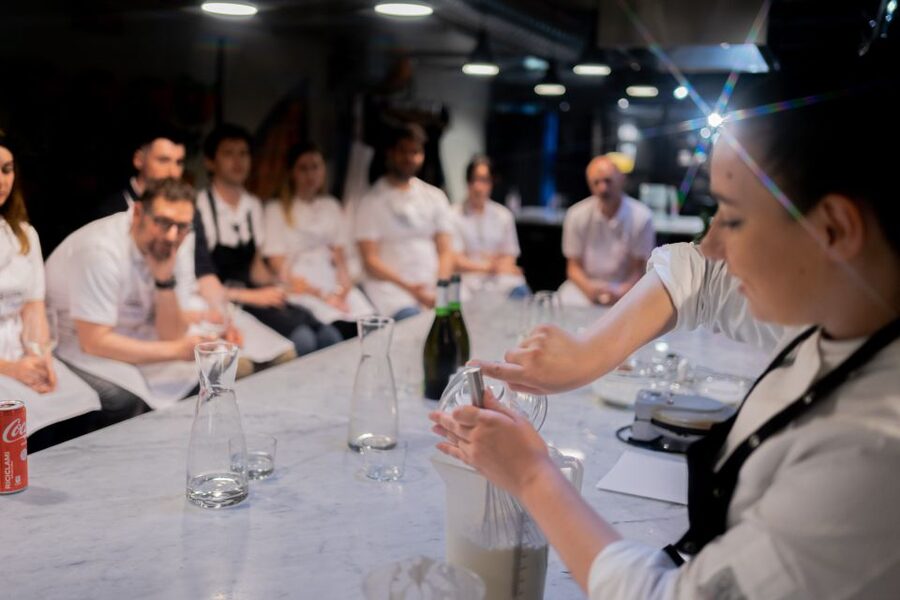
The listed price is $101 per person. The value depends on how much you want from the meal and the activity itself.
For that price, you receive:
- A pizza or pasta and gelato class
- A professional chef instructor
- Apron, utensils, and ingredients
- Wine or soft drinks
- Dinner made during the class
- A certificate of attendance
- A digital recipe booklet
One session had about 20 participants, while another had only eight. That is a meaningful difference. A larger group can feel lively and international, but you may have less individual attention. A smaller group gives the chef more time to correct your technique.
The certificate is a lighthearted souvenir rather than a professional qualification. The digital recipes are more useful. They give you a chance to repeat the pizza, pasta, or gelato at home instead of leaving the experience behind in Milan.
At $101, I would compare it with the cost of a Milan dinner plus a separate activity. If you already planned to spend around $40 to $60 on an evening meal, the additional cost buys you instruction, entertainment, ingredients, and a meal you helped create. That makes the price reasonable for families and food-focused visitors, though less attractive if you only want a quick dinner.
Accessibility, dietary needs, and practical limits
The class is not suitable for wheelchair users according to the activity information. If you have impaired mobility, contact the local partner before booking, as they may be able to offer some accommodation.
Vegetarian and other dietary needs can be supported if you provide details when booking. Do not wait until you arrive. The class is not suitable for people with celiac disease or gluten intolerance, so this is an important limitation.
Unaccompanied minors are not allowed, and pets cannot attend. Children can join when accompanied by an adult, making this a family-friendly activity rather than a drop-off program.
The class lasts three hours, and starting times vary. Allow extra time to reach the venue. If your option meets inside or near a large station complex, follow the directions carefully and ask for help before the start time if the entrance is unclear.
Free cancellation is available up to 24 hours before the activity for a full refund. You can also reserve and pay later, which is helpful if your Milan plans are still shifting.
Who should book this Milan cooking class?
Book it if you want to do something with your hands, not just eat another plate of Italian food. It is a strong choice for families, couples, solo visitors, and first-time cooking students.
Choose pizza if you care most about dough, toppings, and the satisfaction of pulling out your own round from the oven. Choose pasta if fresh noodles or ravioli sound more appealing, especially if you want a skill that is easy to repeat at home.
I would skip it if you have serious gluten restrictions, need wheelchair access, or dislike group activities. I would also think twice if your schedule is tight, since the full three hours and possible difficulty finding the venue require planning.
For most visitors, the combination of an approachable chef, a full meal, wine or soft drinks, and recipes to take home makes this a good-value evening. Just confirm your option, meeting point, and dietary needs before booking.
FAQ
How long does the Milan cooking class last?
The class lasts three hours. Starting times vary, so you need to check availability for your preferred date.
Can I choose between pizza and pasta?
Yes. You choose either the pizza or pasta option at checkout. Both options include gelato-making.
Is the class taught in English?
Yes. The listed instructor language is English.
Are drinks included?
Yes. The class includes soft drinks or a glass of wine. Sessions may also offer sparkling wine or prosecco, while water is available.
Is dinner included?
Yes. You sit down to eat the pizza or pasta and gelato prepared during the class.
Can children join?
Yes. The class is suitable for families and children, but unaccompanied minors are not allowed. An adult must accompany minors.
Is the class suitable for people with celiac disease or gluten intolerance?
No. The activity is not suitable for people with celiac disease or gluten intolerance. Vegetarian and other dietary needs may be supported if you notify the provider when booking.
More Pasta Classes with Wine in Italy
- Florence: Pasta Cooking Class with Unlimited Wine
★ 4.9 · 10,285 reviews - Florence: Pasta & Tiramisu Cooking Class with Unlimited Wine
★ 4.9 · 6,708 reviews - Florence: Pasta Cooking Class with Unlimited Wine
★ 5.0 · 6,413 reviews - Rome: Pasta & Tiramisu Class with Fine Wine by the Vatican
★ 4.9 · 4,852 reviews
Recently added in Italy
- Verona: Tortellini Cooking Class and Lunch with Mamma Ivana★ 5.0 · 20 reviews
- Vicenza: Pasta & Tiramisu Cooking Class at a Local’s Home★ 5.0 · 5 reviews
- Verona: Pasta Cooking Class with Wine Tasting★ 5.0 · 4 reviews
- Verona: Pasta & Tiramisu Cooking Class at a Local’s Home★ 5.0 · 16 reviews
- Verona: Prosecco and Pasta Making Class at a Local’s Home★ 5.0 · 10 reviews
- Volterra: Fresh Pasta Cooking Class at a Tuscan Farmhouse★ 5.0 · 33 reviews
- Venice: Share Your Pasta Love in a Local’s Home★ 4.8 · 20 reviews
- Verona: My Granny’s secrets making gnocchi★ 5.0 · 7 reviews
Gelato Making Classes, compared.
Florence Pizza or Pasta Class with Gelato Making at a Tuscan Farm
Read our review →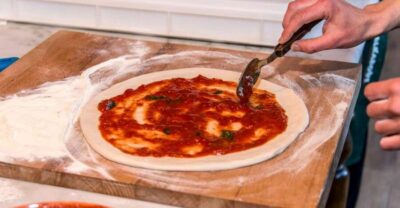
Pizza or Pasta Class with Gelato at a Tuscan Farm
Read our review →
Pasta Cooking Class, Ragu, Spritz, Wine & Gelato
Read our review →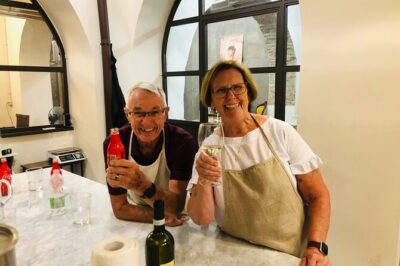
Super Fun Pasta & Gelato Class by Vatican with Wine + Oil Tasting
Read our review →
Premium Pasta and Gelato Cooking Class in Florence
Read our review →
Milan Culinary Experience: Pasta & Gelato or Tiramisù Class
Read our review →Browse the lists this class appears in