
REVIEW · FRESH PASTA WORKSHOPS
Cooking class fresh pasta
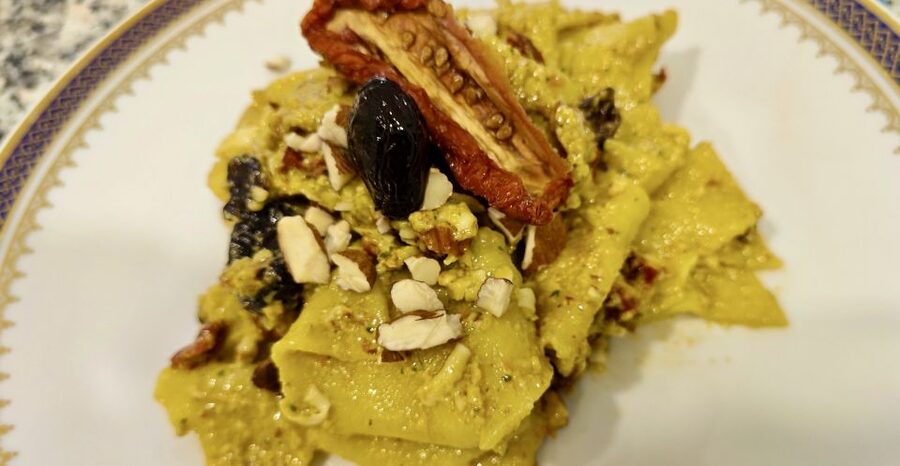
Fresh pasta is the heart of this hands-on Sicilian cooking class. Chef Simona guides you from flour and raw ingredients to three pasta shapes, then shows you how to pair them with ragù, Norma, and Sicilian pesto before you sit down to eat.
I like the practical format: you make the dough yourself, and you learn several useful techniques rather than watching a chef work. I also like the generous finish, with the food you prepared served at the table alongside Sicilian wine. The main consideration is time: three hours is a serious cooking session, not a quick demonstration.
Key points
- Three pasta styles: Make tagliatelle, stuffed pasta, and maltagliati using egg dough and Sicilian durum wheat dough.
- Three classic sauces: Learn ragù, Norma, and Sicilian pesto, with practical guidance on preparation and seasoning.
- Chef Simona leads the class: Instruction is available in English and Italian, with a warm family touch from her mother.
- You eat what you make: The chef finishes cooking, then you sit down for a full tasting with Sicilian wine.
- Useful take-home skills: Past participants received recipes and left ready to repeat the dishes at home.
- Three hours for $112.15: The price makes the most sense if you value both instruction and a substantial meal.
Turning Flour Into a Sicilian Memory
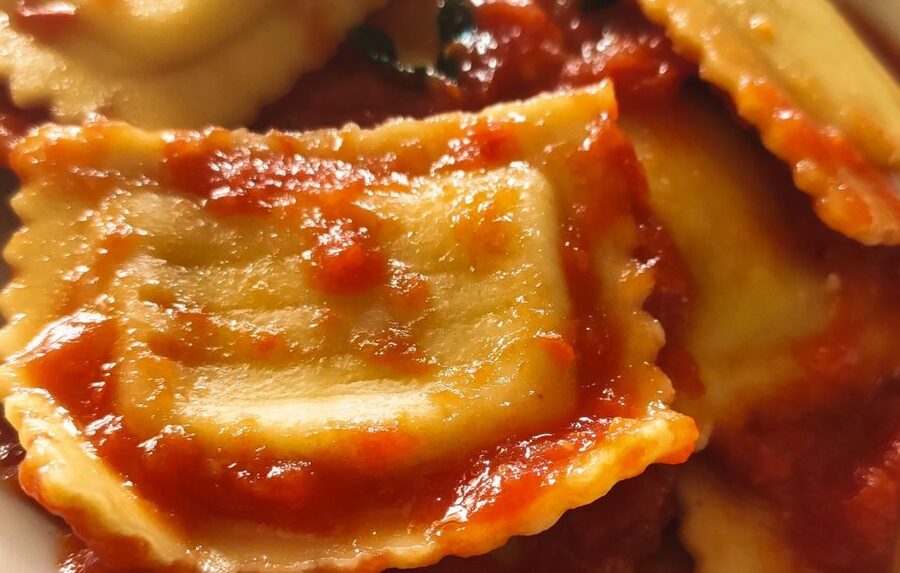
Pasta is not treated as a side dish here. It is the main event, and the class takes you through the full process from raw ingredients to the finished plate.
You begin in a professional cooking laboratory with a chef at your side. The first task is making two kinds of dough: classic egg pasta and a Sicilian dough based on durum wheat. That distinction matters. It gives you a useful look at two different pasta traditions instead of teaching one all-purpose recipe.
The class is planned for about two to three hours, with the full activity described as three hours. That leaves enough room for mixing, kneading, shaping, preparing sauces, and eating. You should arrive ready to work with your hands, ask questions, and take your time.
Chef Simona leads the instruction in English and Italian. Her mother may also be part of the welcome and cooking session, giving the class a family feel rather than the polished distance of a large culinary school. That personal touch is one of the strongest reasons this class appeals to people looking for a local food experience.
More Fresh Pasta Workshops in Italy:
- Rome: Pasta Making Class with Wine, Limoncello, and Dessert
★ 4.9 · 3,177 reviews - Pastamania – Florence Pasta Making Class
★ 5.0 · 3,050 reviews - Enjoy Spritz and Pasta Making in Piazza Navona
★ 5.0 · 1,681 reviews
Two Doughs, Three Pasta Shapes
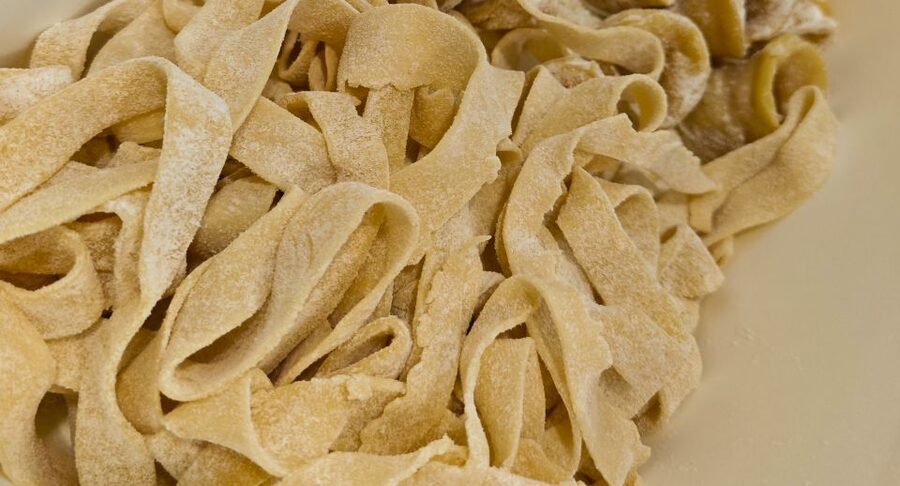
The dough lesson is the foundation of the morning or afternoon. You learn how to bring the ingredients together, work the dough, and prepare it for different shapes.
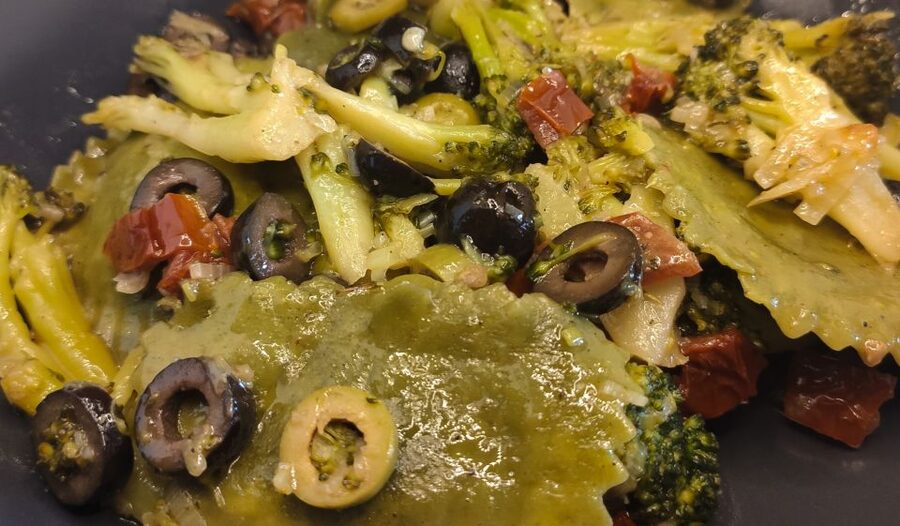
The egg dough is used for the classic style of fresh pasta. The Sicilian durum wheat dough gives you a different texture and a stronger connection to local cooking. You will not simply make one batch and watch it disappear into the kitchen. The class uses the doughs to create three distinct forms:
- Tagliatelle
- Stuffed pasta
- Maltagliati
Tagliatelle gives you the familiar long ribbon shape. It is a good way to learn even cutting and handling. Stuffed pasta requires more care, since the filling must be portioned properly and the edges sealed without trapping too much air. Maltagliati, whose name means badly cut, gives you more freedom and shows that homemade pasta does not need to look factory-perfect.
The class is especially useful if you have cooked Italian food before but want to improve your technique. One past participant who had made fresh pasta for years still picked up practical tips. That is a good sign for experienced home cooks, while beginners should appreciate the guided pace and the chance to repeat each step under supervision.
You should also expect some physical work. Kneading and shaping are simple, but they require attention. This is not a sit-back tasting with a short pasta demonstration. The reward is that you leave knowing how the dough feels at each stage, something a written recipe cannot fully explain.
From Ragù to Pasta alla Norma
Once the pasta is made, the class moves to sauces. The focus is on three familiar Italian preparations: ragù, Norma, and Sicilian pesto.
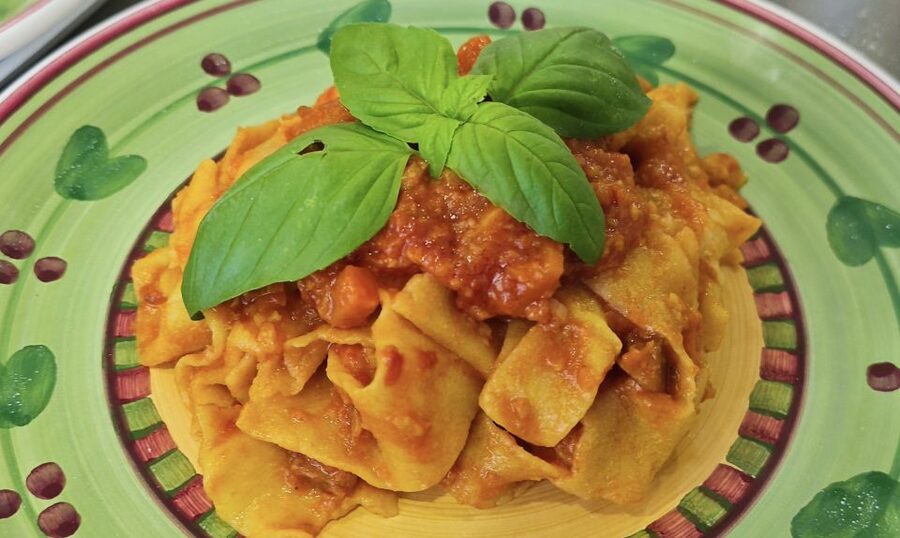
Ragù brings a slow, hearty element to the meal. The class teaches how to prepare it rather than simply placing a ready-made sauce on the table. Past participants singled out the ragù as one of the best parts of the meal, so you can expect this to be a useful lesson if you want a dependable sauce for home cooking.
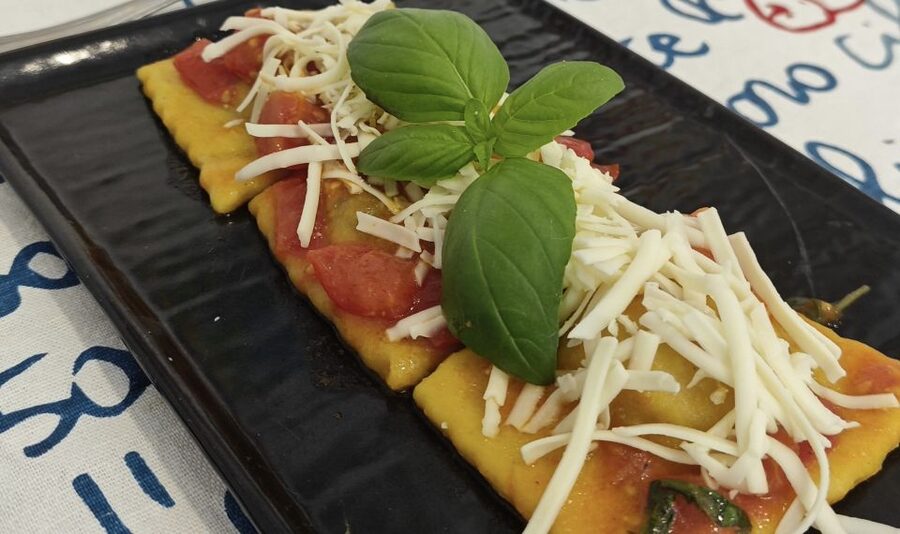
Norma is a Sicilian classic, commonly associated with pasta, tomato, eggplant, and cheese. Here it gives you a taste of the island’s own cooking style instead of limiting the class to better-known northern Italian recipes.
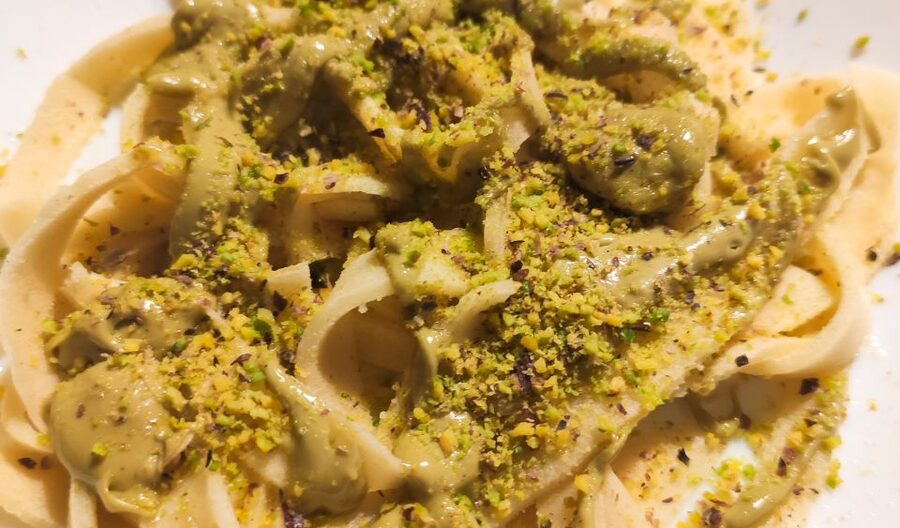
Sicilian pesto adds a fresher option. Learning three sauces in one session helps you understand how fresh pasta can change depending on its shape and seasoning. You get a hearty sauce, a distinctly Sicilian preparation, and a lighter pesto-style option.
The order of the lesson is sensible. You make the pasta first, then work on the sauces while the dough is ready. At the end, Chef Simona completes the cooking so the pasta reaches the table at its best. That means you can focus on learning without worrying that the final meal will be overcooked while you are still cleaning flour from your hands.
Sitting Down to Eat Your Own Work
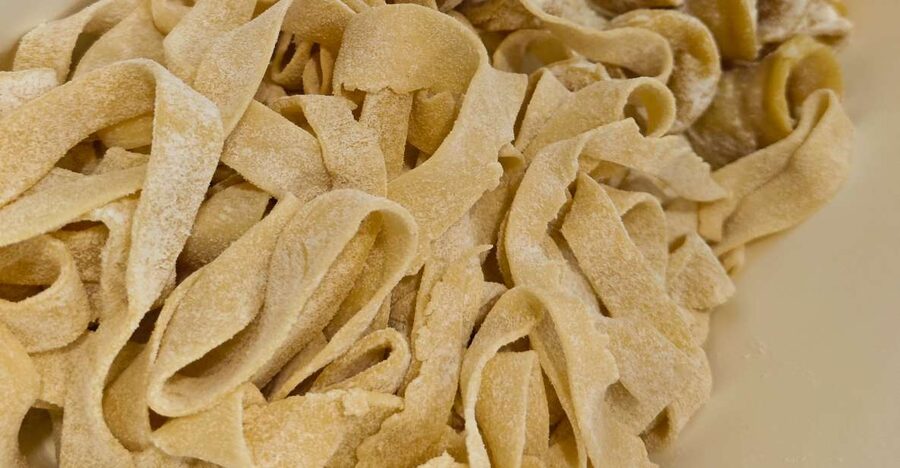
The final tasting is more than a small sample. The food you prepare becomes the meal, with the various pasta shapes and sauces served for you to try.
That makes the class feel good value at $112.15 per person. You are paying for three hours of instruction, three pasta styles, several sauces, and a sit-down tasting with Sicilian wine. It is not the cheapest way to eat pasta in Sicily, but it offers skills and a meal rather than one or the other.
The wine is an important part of the finish. It gives you a chance to match the food with a local drink and slows the pace after the active cooking. One class also included a bottle of wine to take home, though you should not assume that extra gift is guaranteed with every booking.
Portions have been described as generous, which is useful to know if you are considering this as a main activity for the day. You should not book it expecting only a light snack. The cooking and tasting together can easily become a substantial meal.
There may also be a sweet finish in some sessions. Cannoli has been included in at least one class, but the core activity is the pasta, sauces, and wine. If dessert matters to your decision, confirm what will be served for your date.
Other Italy classes worth putting on the shortlist
- Florence: Pasta Cooking Class with Unlimited Wine
★ 4.9 · 10,285 reviews - 3 in 1 Cooking Class near Navona: Fettuccine, Ravioli & Tiramisu
★ 5.0 · 7,376 reviews - Florence Pizza or Pasta Class with Gelato Making at a Tuscan Farm
★ 5.0 · 6,801 reviews - Florence: Pasta & Tiramisu Cooking Class with Unlimited Wine
★ 4.9 · 6,708 reviews
Why the Family Touch Matters
A cooking class can feel very different depending on the instructor. Here, Chef Simona’s role is central. The teaching is described as patient, professional, and kind, with her mother helping create a welcoming atmosphere.
That combination works well for a class built around traditional food. You are not only learning a list of ingredients. You are getting guidance on methods, filling, shaping, and seasoning from people who treat the dishes as everyday food rather than a stage performance.
The setting is a professional cooking laboratory, so you should expect a clean and functional place designed for hands-on work. It is practical rather than theatrical. That is a plus if you care more about learning how to make the food than taking a polished cooking-school photograph.
Instruction is offered in English and Italian. If you need very detailed culinary explanations, listen closely and ask questions as you work. The class is designed to be interactive, and that gives you more chance to clarify a technique than you would have during a large demonstration.
What You Will Really Take Home
The strongest souvenir is not the meal. It is the ability to recreate parts of it.
Past participants received recipes and planned to make the dishes again at home. That is a valuable feature, especially for a class covering three pasta forms and three sauces. You can compare the way different doughs handle, remember which fillings worked best, and build a small collection of reliable Sicilian recipes.
You will also gain a better sense of timing. Fresh pasta is not just about mixing flour and water. You learn when the dough is ready, how to shape it, and when to cook it. Sauce preparation then shows how to bring the whole dish together.
If you already cook Italian food, pay special attention to the small corrections. A patient chef can help with dough texture, pasta thickness, sealing stuffed pasta, and sauce consistency. Those details often make the difference between homemade food that is merely good and food that feels properly balanced.
Who Will Enjoy This Class Most
I would recommend this class to couples, families, and small groups who want an active food experience rather than a standard restaurant meal. It also suits anyone who likes to bring a skill home from a trip.
It is a particularly good choice for:
- First-time pasta makers who want step-by-step instruction
- Home cooks who already make pasta and want new techniques
- People interested in Sicilian recipes rather than only general Italian food
- Visitors who enjoy a long meal after a hands-on activity
- Anyone looking for an English-language cooking class in Sicily
It may be less suitable if you want a quick activity or dislike working with dough. Three hours is enough time to learn properly, but it is too long for someone hoping to fit in a short stop between sightseeing plans.
The class also asks you to be comfortable with a shared cooking environment. The supplied information does not give a group size, so you should check availability for the date and start time that suit you.
Timing, Price, and Booking Flexibility
The activity lasts three hours, and starting times depend on availability. Plan your day around the full session rather than assuming you can leave early.
At $112.15 per person, the cost is reasonable if you count the class as both a lesson and a meal. You make three kinds of pasta, prepare three sauces, taste the finished dishes, and have Sicilian wine. The value is weaker if you mainly want to eat and have little interest in cooking.
You can reserve now and pay later, which helps if your Sicily plans are still taking shape. Free cancellation is available up to 24 hours before the activity for a full refund. Those terms give you some breathing room, but you should still check the exact booking conditions when selecting your date.
The overall rating is 4.8 from 17 ratings. That is a strong result, though the sample is small. The repeated praise centers on the hands-on format, the food, the kindness of the hosts, the useful recipes, and the generous portions. Those are the areas I would use to judge the class, rather than expecting a broad sightseeing tour or a formal culinary certificate.
Should You Book the Fresh Pasta Class?
Book it if you want to make food, not just photograph it. The class gives you a full Sicilian cooking session with Chef Simona, two dough styles, three pasta shapes, several sauces, and a meal at the end.
I especially like the balance between instruction and enjoyment. You work hard enough to learn something, then the chef takes over the final cooking so you can sit down and appreciate the result. The main drawback is the three-hour commitment, and the price will feel high if you do not care about the practical lesson.
For pasta lovers, home cooks, and anyone who wants a warm family-style food experience in Sicily, this is a strong pick. Check the starting time, confirm the menu for your date, and arrive hungry.
FAQ
Where does the cooking class take place?
The class takes place in Sicily, Italy, in a professional cooking laboratory.
How long does the activity last?
The activity lasts three hours. The cooking lesson itself is described as taking about two to three hours.
How much does the class cost?
The listed price is $112.15 per person.
Which languages are available?
Instruction is available in English and Italian.
Who teaches the class?
Chef Simona leads the class. Her mother may also be involved in the cooking experience.
Which types of pasta will I make?
You will make tagliatelle, stuffed pasta, and maltagliati using egg pasta dough and Sicilian durum wheat dough.
Which sauces will I learn to prepare?
The class covers ragù, Norma, and Sicilian pesto.
Is food and wine included?
You will taste the pasta and sauces made during the class, and Sicilian wine is served with the meal. The activity includes the creation of three different pasta types with guidance from a professional chef.
Recently added in Italy
- Verona: Tortellini Cooking Class and Lunch with Mamma Ivana★ 5.0 · 20 reviews
- Vicenza: Pasta & Tiramisu Cooking Class at a Local’s Home★ 5.0 · 5 reviews
- Verona: Prosecco and Pasta Making Class at a Local’s Home★ 5.0 · 10 reviews
- Volterra: Fresh Pasta Cooking Class at a Tuscan Farmhouse★ 5.0 · 33 reviews
- Verona: Pasta Cooking Class with Wine Tasting★ 5.0 · 4 reviews
- Verona: Pasta & Tiramisu Cooking Class at a Local’s Home★ 5.0 · 16 reviews
- Venice: Share Your Pasta Love in a Local’s Home★ 4.8 · 20 reviews
- Verona: My Granny’s secrets making gnocchi★ 5.0 · 7 reviews
Fresh Pasta Workshops, compared.
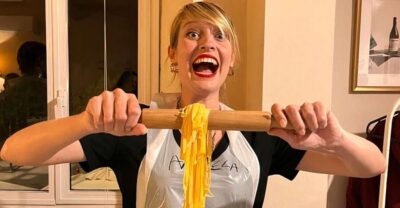
Pasta Making Class with Wine, Limoncello, and Dessert
Read our review →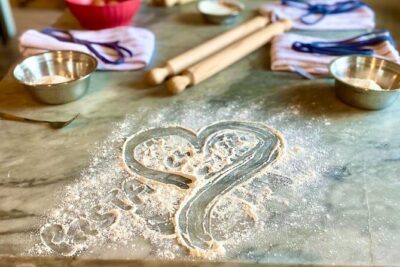
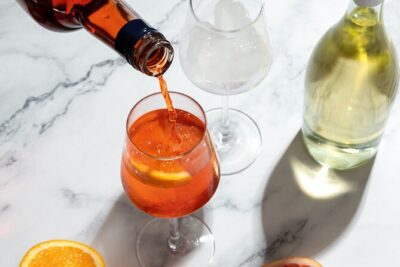
Enjoy Spritz and Pasta Making in Piazza Navona
Read our review →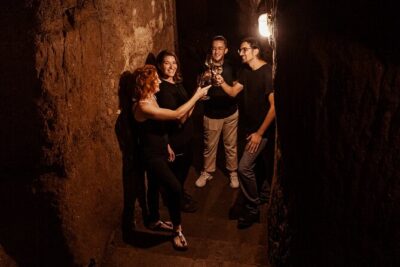
Pasta Making & Wine Tasting with Dinner in Frascati from Rome
Read our review →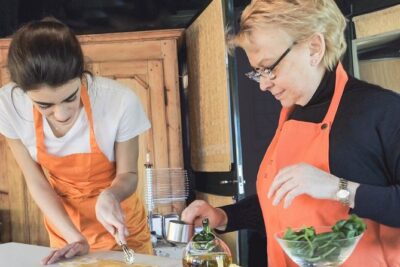
The Secrets to Learn Fresh Pasta and Tiramisù in a Glam Home
Read our review →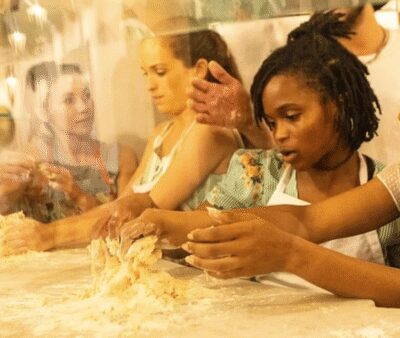
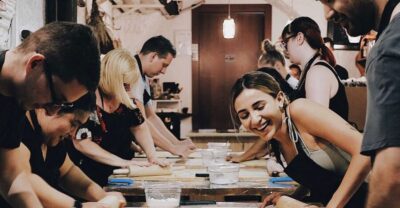
Pasta Making with Wine Tasting and Dinner in Frascati
Read our review →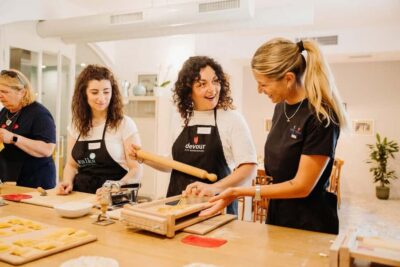
Browse the lists this class appears in