
REVIEW · FRESH PASTA WORKSHOPS
Traditional Pasta Making Class in Parma
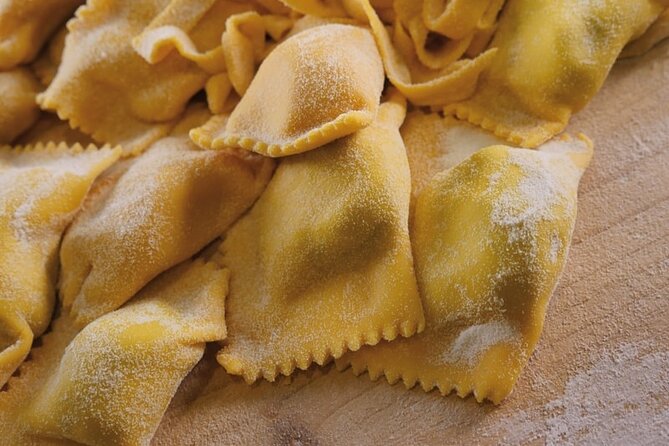
Parma puts fresh pasta at the center of the table, and this hands-on cooking class lets you work with the dough rather than simply watch someone else do it. You’ll shape tagliatelle and ravioli, using seasonal fillings, then choose between taking your pasta home or sitting down for a meal with local products, wine, and tiramisu.
I like the small maximum group of 12, which gives the class a more personal feel, and I like the choice between a cooking-only session and the more social tasting option. The main thing to check is the location: the stated meeting point is in central Parma, but one class moved to Calestano in the countryside, so confirm the address before setting out.
Key points at a glance
- Make two classic pastas: Prepare tagliatelle and handmade ravioli from scratch.
- Choose your finish: Take your pasta home, or eat it with truffle sauce and fresh truffle.
- Add a full Italian meal: The tasting option includes an aperitif, local products, wine, pasta, and tiramisu.
- Small-group format: The class accepts no more than 12 people.
- Plan for a possible location change: The published address is Borgo Scacchini 7 in Parma, but a session moved to Calestano.
- Allow about two hours: The class is compact enough to fit into a busy Parma day.
Why fresh pasta makes sense in Parma
Parma is often treated as Italy’s capital of gastronomy, and this class gives that reputation a practical meaning. Instead of merely eating local food in a restaurant, you learn one of the basic skills behind it: turning flour and eggs into pasta by hand.
That matters because fresh pasta is not just a dish here. It is part of the everyday food culture of Emilia-Romagna, the region around Parma. Tagliatelle and ravioli are familiar names, but the pleasure comes from seeing how much care goes into making them. The dough must be worked, rolled, cut, and filled. Small changes in thickness and shape affect the finished meal.
You should not expect a formal culinary-school course. The advertised experience lasts about two hours, so it is best viewed as a friendly introduction to a local tradition. You will learn by doing, with enough time to shape pasta and eat what you have prepared.
The class is offered in English, which makes the instructions easier to follow if you do not speak Italian. A mobile ticket also keeps the booking simple while you are moving around Parma.
More Fresh Pasta Workshops in Italy:
- Rome: Pasta Making Class with Wine, Limoncello, and Dessert
★ 4.9 · 3,177 reviews - Pastamania – Florence Pasta Making Class
★ 5.0 · 3,050 reviews - Enjoy Spritz and Pasta Making in Piazza Navona
★ 5.0 · 1,681 reviews
Starting at Borgo Scacchini 7
The listed meeting point is Borgo Scacchini 7, 43121 Parma, right in the heart of the city. That central setting is convenient if you are already exploring Parma on foot or using nearby public transportation. The activity ends back at the meeting point, at least when the class operates from the published address.
There is one practical wrinkle. A session moved to Calestano, in the Parma countryside, and the change added a scenic trip before the cooking began. That can be a pleasant bonus if you have time and a way to reach the rural site. It is less convenient if you planned a tightly packed city day or expected to walk from a central hotel.
I would confirm the exact location shortly before the class. The countryside setting may offer a more relaxed atmosphere, but you should not assume that the central Parma address applies to every date. This is the single most important planning detail in the experience.
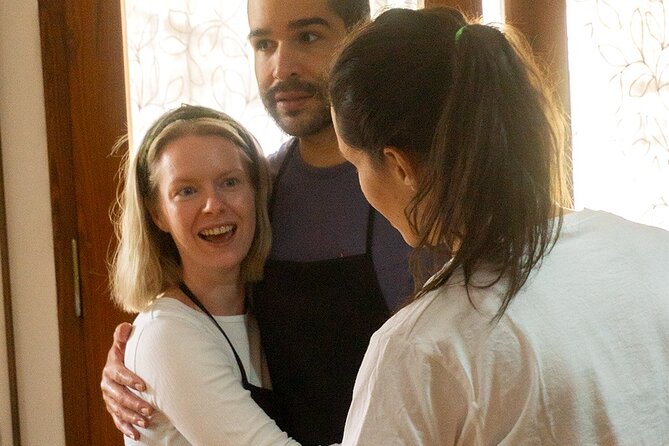
The class is capped at 12 people, a useful limit for a practical activity. A group of that size can still feel social, but it is less likely to become a crowded demonstration where you struggle to see or keep up.
Rolling dough for tagliatelle
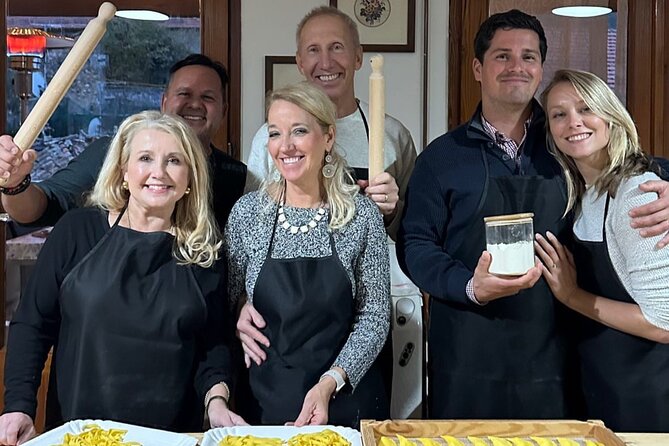
The cooking starts with fresh pasta made from scratch. The exact equipment and sequence are not specified, so I would expect a straightforward, practical lesson rather than a long technical lecture. Your focus will be on producing usable pasta and learning the basic movements.
Tagliatelle is a good first shape because it shows how the dough changes as you roll and cut it. You will get a feel for the difference between a thick sheet and a thin one, then turn that sheet into long ribbons. It is a simple form, but it rewards care. Pasta that is too thick can feel heavy, while pasta cut unevenly cooks at different speeds.
This part of the class is especially useful if you want a skill you can repeat at home. The finished pasta is not just a souvenir. You have made something you can cook, eat, or carry back with you, depending on the option you select.
The cooking-only choice is worth considering if you want to focus on technique. You take home all the pasta made during the class, giving you a tangible reminder of Parma and a meal for later. It also suits people who already have evening plans or who would rather not add a full tasting to the class.
Filling and shaping handmade ravioli
Ravioli adds a second skill to the session. Unlike tagliatelle, filled pasta demands attention to both shape and sealing. The filling must sit neatly inside the dough, and the edges need to close properly so the ravioli holds together during cooking.
The filling uses selected seasonal ingredients. That seasonal approach is a useful detail because it keeps the lesson tied to what is available locally rather than forcing the same filling all year. The exact ingredients can change, so you should think of the recipe as part of the class experience rather than a fixed menu you can count on in every season.
Making ravioli also gives you more variety than a class focused only on one pasta shape. You will practice cutting, filling, folding, and sealing. The work takes concentration, but it is also the part most likely to bring people together around the table.
If you are cooking with children or with someone who does not normally cook, ravioli can be a good shared activity. The class is short enough not to become tiring, though younger participants may need help with the finer shaping work. That last point is practical advice rather than a stated rule, since no age requirement is provided.
Other Italy classes worth putting on the shortlist
- Florence: Pasta Cooking Class with Unlimited Wine
★ 4.9 · 10,285 reviews - 3 in 1 Cooking Class near Navona: Fettuccine, Ravioli & Tiramisu
★ 5.0 · 7,376 reviews - Florence Pizza or Pasta Class with Gelato Making at a Tuscan Farm
★ 5.0 · 6,801 reviews - Florence: Pasta & Tiramisu Cooking Class with Unlimited Wine
★ 4.9 · 6,708 reviews
Choosing between pasta to take home and pasta to taste
The two formats serve different purposes, so make your choice based on how you want to remember Parma.
With the class-only option, you concentrate on the making and take home the pasta you produce together. This gives you more control over when and how you eat it. It also avoids adding a long meal if you have restaurant plans later.
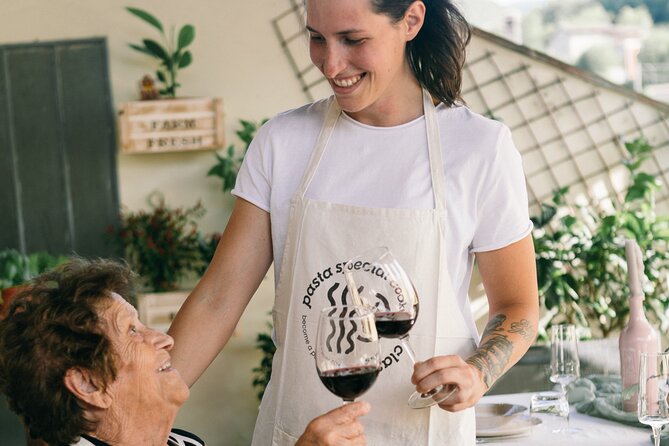
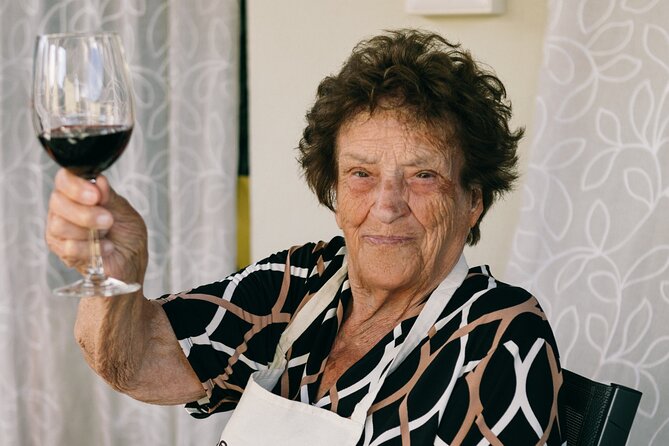
With the class and tasting option, the hands-on work turns into a shared meal. The food listed includes an Italian aperitif, local products, the fresh pasta you made, and homemade tiramisu. A glass of wine is also included in the description of this social option.
The tasting is not an unrelated restaurant meal. Its value comes from eating the pasta while the lesson is still fresh in your mind. You have seen the dough, shaped the ravioli, and helped produce the dish. That makes the meal feel more connected to the place than simply ordering pasta from a menu.
The tasting option is the stronger choice if you want an easy, complete food experience and have time to sit down afterward. The cooking-only option is better if your priority is practice, flexibility, or taking your work with you.
The aperitif and Parma-style table
The listed starter is an Italian aperitif, with different dishes prepared by the host. The details are not fixed, so you should expect a selection rather than a single named starter.
That flexibility can be a plus. You may get a sense of how a local meal builds from small bites into pasta, rather than treating pasta as the entire event. It also gives the host room to use products that suit the season.
The aperitif helps make the class feel social, but it also adds time and food to a two-hour activity. If you select the tasting option, arrive ready for more than a quick sample. The meal may be modest in scale, but it includes several courses and a drink.
The available information does not identify the host by name. You will meet the cooking instructor at the confirmed location, but no personal biography or formal culinary credentials are provided. That is not a problem for a relaxed class, though readers seeking a highly technical chef-led lesson may want to ask questions before booking.
Truffle sauce, fresh truffle, and homemade tiramisu
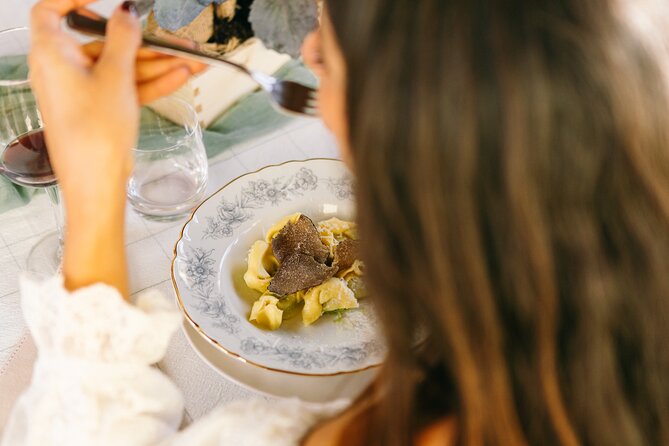
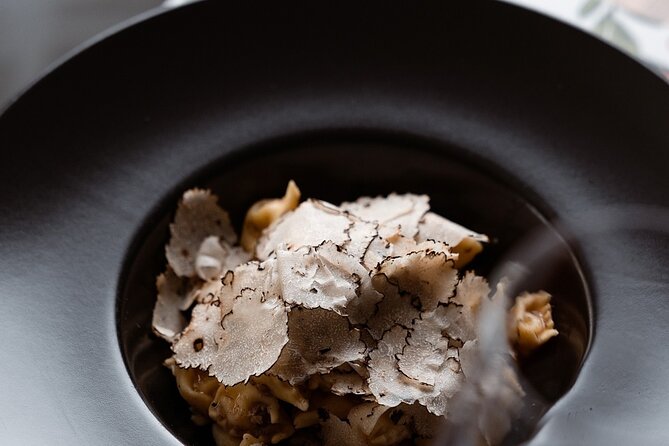
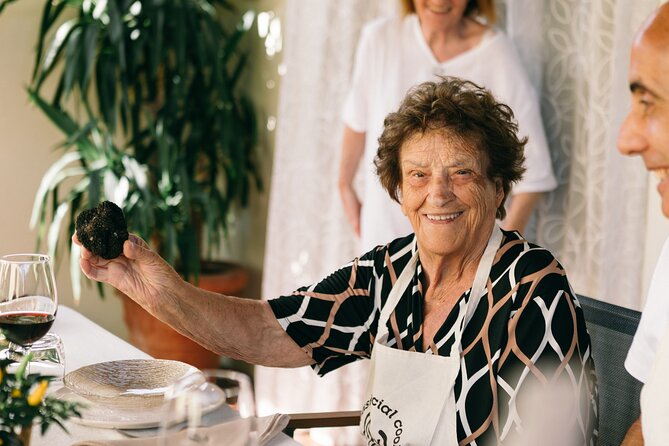
The main tasting course is the fresh pasta you make, served with truffle sauce and fresh truffle. That is a special finish for a short pasta class, and it gives you a chance to taste your work with a strongly local Italian flavor.
Truffle can dominate a dish, so this course will appeal most to people who enjoy its earthy aroma. If you prefer a simple butter or tomato preparation, this may be a more intense choice. The description does not list alternatives, so anyone with strong dislikes or food restrictions should ask before booking.
Dessert is homemade tiramisu. It is a familiar Italian classic, but it makes a fitting ending to the class. After the work of rolling and shaping pasta, a prepared dessert keeps the final course relaxed.
Together, the truffle pasta and tiramisu make the tasting option feel closer to a small lunch than a quick nibble. One session included antipasti, the fresh pasta, and tiramisu, with lunch served after the cooking. A cooler day made the terrace less useful, but the countryside site itself was described as lovely. If your date is outside the warmest part of the year, bring a layer rather than counting on sitting outdoors.
What the two-hour schedule means for your day
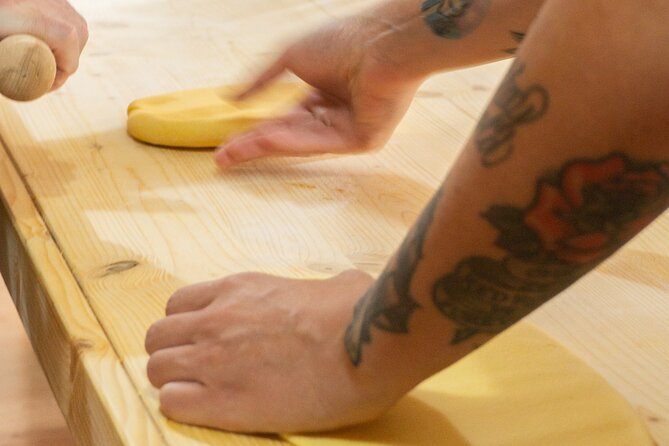
About two hours is a manageable length for most Parma itineraries. You can fit the class between sightseeing stops without giving up an entire day, especially if you remain at the central meeting point.
The timing becomes less predictable if the class is held in Calestano. The cooking session itself remains about two hours, but the trip to the countryside can add transport time. The available information does not provide a transfer service, travel time, or directions from Parma, so you should treat transport as your responsibility unless the provider tells you otherwise.
I would avoid scheduling a train, museum booking, or long-distance connection immediately after class. Cooking and tasting can run at a relaxed pace, and the location change makes a tight schedule risky. Leave room for the meal and for finding your way back from the countryside if that is where your date operates.
Because the activity ends at the meeting point, you can return to your Parma plans afterward. At the central address, that is straightforward. At Calestano, check your onward transport before you go.
Is $71.35 a fair price?
At $71.35 per person, this is not the cheapest way to eat pasta in Parma. A restaurant meal can cost less, especially if you choose a simple plate and skip drinks or dessert.
The value here lies in the combination of instruction, ingredients, hands-on work, and the meal option. You are not paying only for food. You are paying for time at the table, the chance to make two types of pasta, and the ability to take the finished pasta home if you select the cooking-only format.
The tasting choice offers the clearest value if the price includes the listed aperitif, pasta with truffle sauce and fresh truffle, wine, and tiramisu. Before booking, check which format the displayed price covers, since the experience presents both a class-only option and a class with tasting. The supplied information does not break out separate prices.
The price feels most reasonable for people who would otherwise book a pasta class and a meal separately. It is less attractive if you care only about eating and have no interest in preparing the food yourself.
Who will enjoy this class most?
I would recommend it to you if you want a food activity that is active but not exhausting. You will spend your time making something, not sitting through a long explanation.
It suits:
- First-time pasta makers who want a simple introduction in English.
- Couples and friends looking for a shared activity with a meal afterward.
- Food-focused visitors who want more context for Parma’s cooking traditions.
- Small groups and families who prefer a limited group size.
- People with flexible plans who can handle a possible move from the city to Calestano.
It may be less suitable if you need a guaranteed central location, have strict dietary requirements, or want a highly technical course with a known chef. No detailed information is provided about allergies, substitutions, kitchen facilities, or the instructor’s credentials, so ask before paying if those points matter to you.
Service animals are allowed, and the meeting point is near public transportation. Those details help, but they do not answer every accessibility question. If you need specific physical accommodations, contact the provider in advance.
Booking and cancellation details
Confirmation is provided when you book, and the ticket is mobile. The activity is offered in English and accepts up to 12 people, so popular dates can fill ahead of time. It is booked, on average, about 20 days in advance, which is a good reason to reserve early if your Parma dates are fixed.
Cancellation is free up to 24 hours before the start time for a full refund. Cancellations or changes made within 24 hours are not accepted and are not refunded. The cut-off follows local time.
The class requires a minimum number of participants. If the provider cancels because that minimum is not met, you will be offered another date or experience, or receive a full refund.
Should you book the Parma pasta class?
Book it if you want to make your own meal, not simply order one. The combination of tagliatelle, ravioli, a small group, truffle pasta, local products, wine, and tiramisu gives the tasting option a strong sense of place.
Choose the cooking-only format if you care more about technique and taking your pasta home. Choose the tasting format if you want the class to become a relaxed meal.
Before booking, confirm the exact meeting point and check which option the $71.35 price covers. If the session is in Calestano, allow extra transport time. With those points settled, this is a practical and appealing way to connect Parma’s food culture with something you can actually make yourself.
FAQ
Where does the pasta class meet?
The listed starting point is Borgo Scacchini 7, 43121 Parma, Italy. One session moved to Calestano in the Parma countryside, so confirm the location for your chosen date.
How long does the experience last?
The activity lasts approximately two hours.
What types of pasta will I make?
You will make fresh tagliatelle and handmade ravioli.
Is the class offered in English?
Yes. The experience is offered in English.
Can I take the pasta home?
Yes. The cooking-only option allows you to take home the pasta made during the class.
What is included in the tasting option?
The tasting option includes local products, an Italian aperitif, the fresh pasta you made served with truffle sauce and fresh truffle, a glass of wine, and homemade tiramisu.
What happens if I need to cancel?
You can cancel up to 24 hours before the start time for a full refund. Cancellations or changes made less than 24 hours before the start time are not accepted and are not refunded.
Recently added in Italy
- Verona: Tortellini Cooking Class and Lunch with Mamma Ivana★ 5.0 · 20 reviews
- Vicenza: Pasta & Tiramisu Cooking Class at a Local’s Home★ 5.0 · 5 reviews
- Verona: Pasta Cooking Class with Wine Tasting★ 5.0 · 4 reviews
- Verona: Pasta & Tiramisu Cooking Class at a Local’s Home★ 5.0 · 16 reviews
- Verona: Prosecco and Pasta Making Class at a Local’s Home★ 5.0 · 10 reviews
- Volterra: Fresh Pasta Cooking Class at a Tuscan Farmhouse★ 5.0 · 33 reviews
- Verona: My Granny’s secrets making gnocchi★ 5.0 · 7 reviews
- Venice: Share Your Pasta Love in a Local’s Home★ 4.8 · 20 reviews
Fresh Pasta Workshops, compared.
Pasta Making Class with Wine, Limoncello, and Dessert
Read our review →

Enjoy Spritz and Pasta Making in Piazza Navona
Read our review →
Pasta Making & Wine Tasting with Dinner in Frascati from Rome
Read our review →
The Secrets to Learn Fresh Pasta and Tiramisù in a Glam Home
Read our review →
Pasta Making with Wine Tasting and Dinner in Frascati
Read our review →
Browse the lists this class appears in