
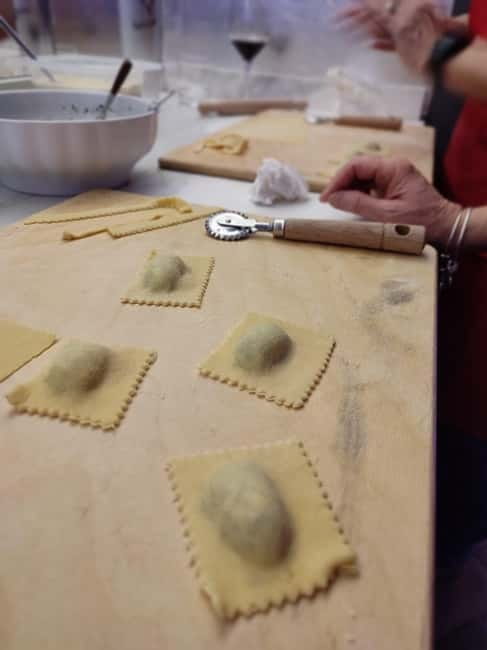
REVIEW · FRESH PASTA WORKSHOPS
Roman Pasta making class
The best part of this Roman cooking class is that you do not simply watch pasta being made. You handle the dough yourself, shaping ravioli, gnocchi, and cavatelli from scratch before eating the results with two classic Lazio sauces. I like the small group size, capped at 10, and the fact that lunch, wine, dessert, equipment, and recipes are included.
I also like the local focus. Cacio e pepe and amatriciana are simple dishes, but they depend on good technique and a few carefully handled ingredients. The main consideration is price: at $117 per person, this is not a budget meal, so you should book it for the hands-on lesson and cultural value, not just for lunch.
Key points at a glance
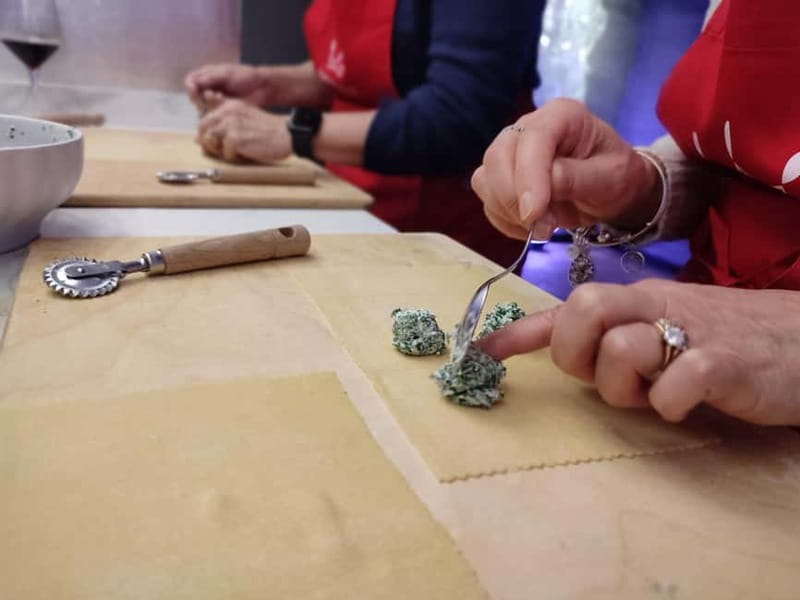
- Three pasta shapes in one class: Make filled ravioli, pillowy gnocchi, and hand-rolled cavatelli.
- Two Roman sauces: Learn cacio e pepe and Lazio-style amatriciana with guanciale, tomato, and Pecorino.
- Small, social setting: The group is limited to 10 people, giving you more room to work and ask questions.
- Wine and dessert included: Your handmade meal comes with selected Italian red and white wines, plus dessert.
- Beginner-friendly format: No previous cooking experience is needed, and all equipment is provided.
- Useful take-home material: Downloadable recipes help you repeat the dishes after returning home.
Three kinds of pasta, three different skills
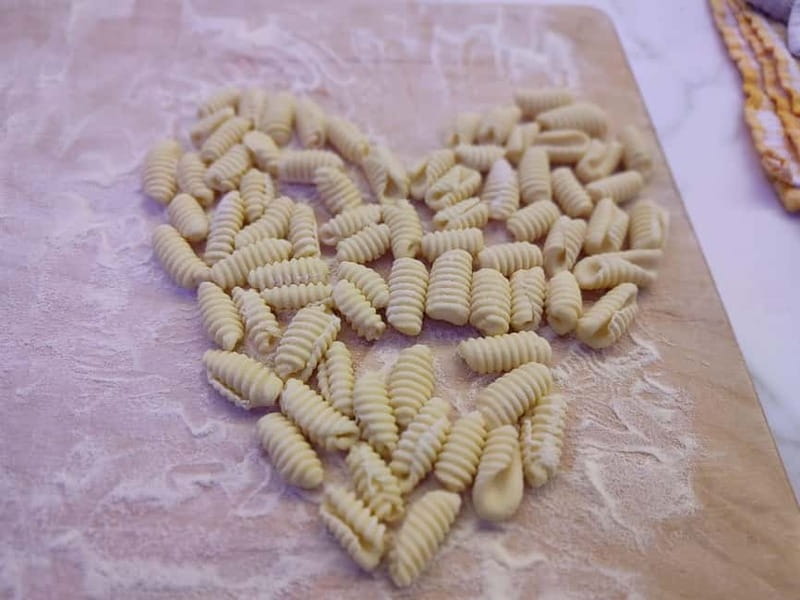
This class works well because the pasta shapes are not interchangeable. Each one teaches you something different about Italian cooking.
Ravioli gives you the most direct lesson in filled pasta. You will work with dough, prepare the filling, and shape the pieces by hand. The important skill is not just cutting neat squares. It is learning how to seal the pasta properly without trapping too much air or letting the filling escape during cooking.
Gnocchi offers a different kind of practice. These soft dumplings depend on a light touch. Overworking the mixture can make them heavy, while gentle shaping helps produce the pillowy texture promised in the class description. For a home cook, this is useful because gnocchi can look simple but are easy to mishandle.
Cavatelli completes the trio with hand-rolled pasta. You shape small pieces of dough rather than filling or cutting them. This gives the class a pleasant rhythm and shows you how much variety can come from basic ingredients such as flour, water, and other simple staples.
I appreciate this three-part approach. A class focused on one shape might give you more repetition, but this format lets you compare methods. You leave with a better sense of how filled pasta, dumplings, and rolled pasta differ in texture and preparation.
More Fresh Pasta Workshops in Rome
- Rome: Pasta Making Class with Wine, Limoncello, and Dessert
★ 4.9 · 3,177 reviews - Enjoy Spritz and Pasta Making in Piazza Navona
★ 5.0 · 1,681 reviews - Pasta Making & Wine Tasting with Dinner in Frascati from Rome
★ 5.0 · 1,326 reviews
The Roman sauces are the real local lesson
Pasta shapes are fun, but sauces explain why this class belongs in Rome and Lazio.
Cacio e pepe is built around Pecorino Romano and freshly cracked black pepper. The ingredient list is short, which means technique matters. You need to combine the cheese and pasta elements into a smooth sauce instead of ending up with a dry or clumpy mixture. This is a useful dish to learn in person because a chef can show you how to handle the ingredients at the right moment.
Amatriciana has a bolder profile. The version taught here uses guanciale, tomatoes, and Pecorino cheese. Guanciale is a traditional cured pork product, and its savory fat helps form the base of the sauce. The tomato brings acidity, while Pecorino adds a salty finish.
These recipes are a good match for a cooking class because neither depends on a long list of hard-to-find ingredients. You are learning dishes you may be able to recreate at home, provided you can source suitable cheese and guanciale. The chef also shares food history, practical tips, and anecdotes, so you get context rather than a purely mechanical recipe lesson.
What the 2.5-hour schedule feels like
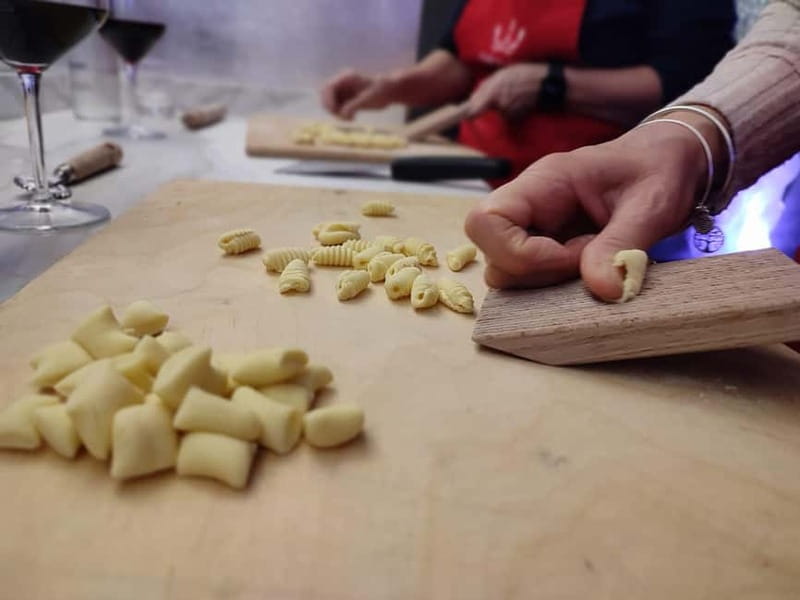
The experience lasts 2.5 hours, which is long enough for a proper meal and several cooking stages without taking up an entire day in Rome.
The session begins with the chef introducing the pasta-making process and the equipment. Since everything needed for the lesson is provided, you do not have to bring tools or ingredients. The hands-on format means you can expect flour, dough, shaping, and direct instruction rather than a demonstration from a distance.
The middle portion focuses on preparing the three pastas and the two sauces. This is where the small group matters. With no more than 10 participants, the chef has a reasonable chance to check your technique, answer questions, and keep the class moving. It is still a group activity, so you should not expect a private cooking lesson, but the limit keeps it from feeling like a large workshop.
The final portion is the meal. You eat the pasta you have helped prepare, with red and white Italian wines selected for the food. Dessert is included as well. That closing meal gives the class a clear payoff and lets you relax after working with the dough.
The timing also makes this easy to fit into a Rome itinerary. You should check the available starting times before booking, since the exact schedule is not fixed in the activity details.
A small Roman setting with a social feel
The class takes place in a cozy, exclusive setting designed around Roman hospitality. The description does not provide a precise address or a list of nearby sights, so you should confirm the meeting location and allow time to reach it.
The group limit of 10 is one of the strongest practical features. Cooking classes can lose their appeal when too many people crowd around one work surface or wait for the instructor. A group of this size should feel more manageable, especially when everyone is shaping dough at the same time.
This is also a good pick if you are traveling with family or friends. Pasta-making gives people different jobs and plenty to discuss, while the shared lunch keeps the mood relaxed. Solo visitors can join in easily because the activity naturally creates conversation around the work table.
The class is taught in English and Italian. If you need English instruction, confirm that your selected session offers it, but the listed languages are English and Italian. The format welcomes beginners, so you do not need prior culinary training.
Same town, a different thing to roll out:
- 3 in 1 Cooking Class near Navona: Fettuccine, Ravioli & Tiramisu
★ 5.0 · 7,376 reviews - Rome: Pasta & Tiramisu Class with Fine Wine by the Vatican
★ 4.9 · 4,852 reviews - Rome Cooking Class: Make Pasta and 3 Spritz Cocktails
★ 5.0 · 2,937 reviews - Rome: 3-in-1 Fettuccine, Ravioli, and Tiramisu Cooking Class
★ 4.9 · 2,704 reviews
How good is the $117 value?
At $117 per person, the price is best judged as the cost of a hosted food experience rather than the cost of a meal. You are paying for 2.5 hours of instruction, three pasta preparations, two sauces, equipment, lunch, drinks, dessert, and recipes to download afterward.
The wine is a meaningful part of the value. Both red and white Italian wine are included with the meal, though extra drinks cost more. If you usually skip wine, the price may feel high compared with a standard restaurant lunch. If you enjoy cooking and would otherwise pay for a food tour or tasting, the class offers a fuller activity.
The recipes also make the purchase more useful after your trip. A restaurant meal ends when you leave the table. Here, you can try the pasta again at home and use the techniques with other sauces.
I would not choose this class solely because it is the cheapest way to eat pasta in Rome. It is not. I would choose it because you want instruction, participation, wine, and a meal in one compact experience.
What the class does especially well
The strongest praise connected with this experience centers on the warmth and professionalism of Monica Sênior. If she leads your session, you can expect an instructor who brings a friendly manner as well as cooking skill. Her approach is described as especially welcoming and professional, which matters in a class where beginners may need encouragement.
The class also gets the balance right between classic dishes and active work. You are not asked to make an obscure recipe that will be hard to repeat. Ravioli, gnocchi, cavatelli, cacio e pepe, and amatriciana all belong to a recognizable Italian cooking tradition.
I also value the fact that dietary needs are not ignored. Vegetarian choices and other dietary accommodations are available, but you must give notice in advance. The ingredients in traditional amatriciana include guanciale, so this is not a detail to leave until you arrive.
Who should book this experience?
I would recommend it to anyone who wants a food activity with a clear cultural connection to Rome and Lazio. It suits first-time pasta makers because the chef guides each step and no previous experience is required.
Families may enjoy it because the work is tactile and easy to share. Friends can turn it into a relaxed group outing, especially with wine and dessert included. It is also a good choice for people who prefer doing something active rather than sitting through another sightseeing talk.
Food-focused visitors will get the most from the sauces. Cacio e pepe is a lesson in restraint and technique, while amatriciana shows how cured pork, tomato, and cheese create a fuller sauce. If you already make pasta often, the class may feel introductory, but the three different shapes still offer variety.
You should think twice if you dislike group activities, have very limited time, or only want a quick meal. The value comes from the process, not speed.
Practical details before you book
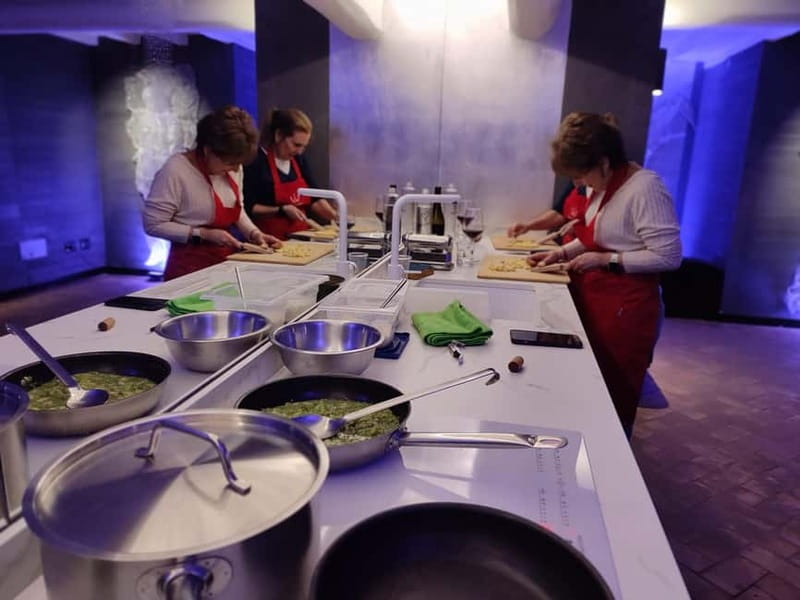
The class is available with English or Italian instruction and has a maximum of 10 participants. The duration is 2.5 hours, and starting times vary, so check availability before you commit it to your day.
Lunch, drinks, dessert, equipment, and a brand keepsake are included. Extra drinks are not included. You should tell the provider about food restrictions in advance, particularly if you need vegetarian or other dietary adjustments.
Cancellation is flexible: you can cancel up to 24 hours before the activity for a full refund. You can also reserve now and pay later, which helps if your Rome schedule is still changing.
The experience provider is FCD. Only two published ratings are attached to the experience, and both give it the top score, so the sample is small. I would treat the strong rating as encouraging but place more weight on the clear format, small group limit, inclusions, and the specific praise for Monica Sênior.
Should you book this Roman pasta class?
Book it if you want to learn by doing and you like the idea of turning lunch into a cooking lesson. The three pasta shapes, two Roman sauces, wine, dessert, and take-home recipes give the 2.5-hour session a solid range of activities.
Skip it if your priority is the lowest-cost meal or a private class. At $117, the price makes sense for hands-on instruction and a small group, not for food alone. For most first-time pasta makers, families, and friends looking for a social Roman experience, it is a well-balanced choice.
FAQ
Where does the pasta-making class take place?
The class takes place in Lazio, Italy, in a cozy Roman setting. The supplied details do not provide a specific street address.
How long does the experience last?
The cooking class lasts 2.5 hours.
What types of pasta will I make?
You will make ravioli, gnocchi, and cavatelli from scratch.
Which sauces will I learn?
You will learn cacio e pepe with Pecorino Romano and black pepper, plus amatriciana with guanciale, tomatoes, and Pecorino cheese.
Is food and drink included?
Yes. Lunch, selected red and white Italian wines, and dessert are included. Extra drinks cost more.
Do I need cooking experience?
No. The class is suitable for beginners, and the chef guides you through the process. All equipment needed for the lesson is provided.
Is the class available in English?
Yes. Instruction is available in English and Italian.
Can I request dietary accommodations?
Yes. Vegetarian options and other dietary accommodations are available, but you must inform the provider about food restrictions in advance.
Recently added in Rome
- Trastevere Food Tour with Pasta-Making Class★ 5.0 · 5 reviews
- Traditional Pasta Cooking Class with Tiramisu Small Group★ 5.0 · 7 reviews
- Rome: Pasta and tiramisu class with wine pairing at Come Na Vorta★ 5.0 · 30 reviews
- Spritz and Pasta! Spritz, Fettuccine & Tiramisù★ 5.0 · 2 reviews
- The Pasta Factory Class★ 4.5 · 21 reviews
- Top Class in Fettuccine, Ravioli, and Tiramisu★ 5.0 · 7 reviews
- Private 4 Roman Pastas Tasting Tour in Rome★ 5.0 · 6 reviews
- Authentic Pasta and Tiramisù cooking class at spanish steps★ 4.5 · 14 reviews
Fresh Pasta Workshops, compared.
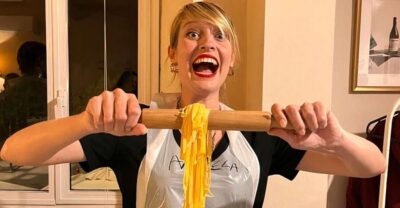
Pasta Making Class with Wine, Limoncello, and Dessert
Read our review →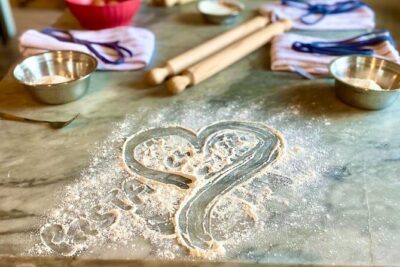

Enjoy Spritz and Pasta Making in Piazza Navona
Read our review →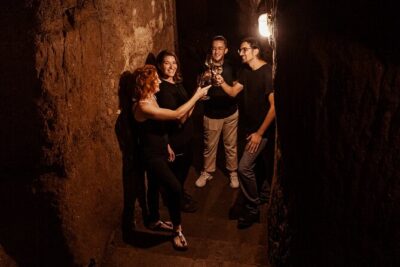
Pasta Making & Wine Tasting with Dinner in Frascati from Rome
Read our review →
The Secrets to Learn Fresh Pasta and Tiramisù in a Glam Home
Read our review →
Pasta Making with Wine Tasting and Dinner in Frascati
Read our review →
Browse the lists this class appears in