
REVIEW · RAVIOLI AND GNOCCHI CLASSES
Ostuni: Orecchiette in a masseria – pasta making and tasting
Orecchiette is Puglia in miniature: simple flour, careful fingers, and a shape made by hand. At Masseria Casina Vitale, you learn to make it in the courtyard of a historic farmhouse, then eat your own pasta with local wine and a generous spread of regional food. It is a practical way to connect a famous dish with the rural life that produced it.
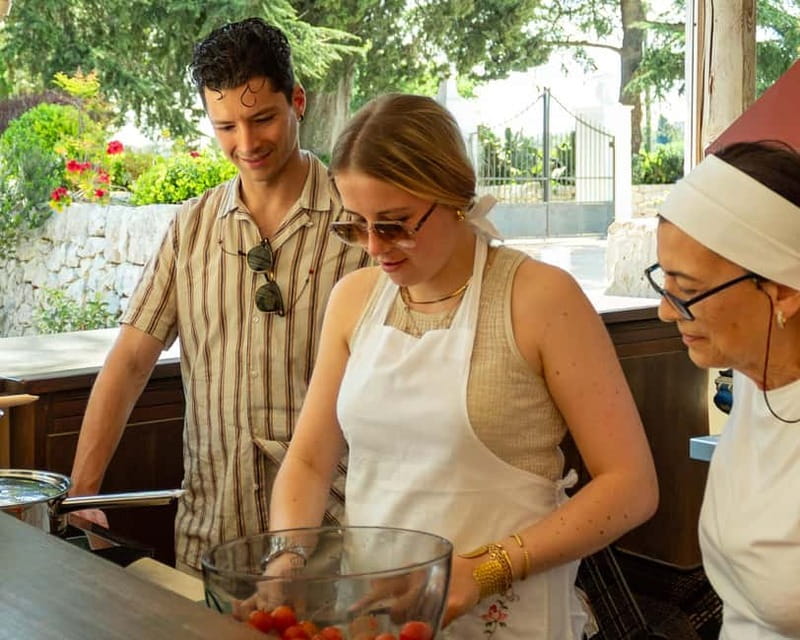
I like the authentic masseria setting, where old stone walls and an inner courtyard give the class a real sense of place. I also like the friendly teaching style, especially the patient guidance from Maria and the relaxed help from Fabio, Francesco, and Graziella.
The main thing to keep in mind is timing. The advertised class lasts 2.5 hours, but lunch and conversation can stretch the visit to three or even five hours. That is good news if you want a slow meal, but less useful if your Ostuni day is tightly scheduled.
Why this pasta class feels genuinely Apulian
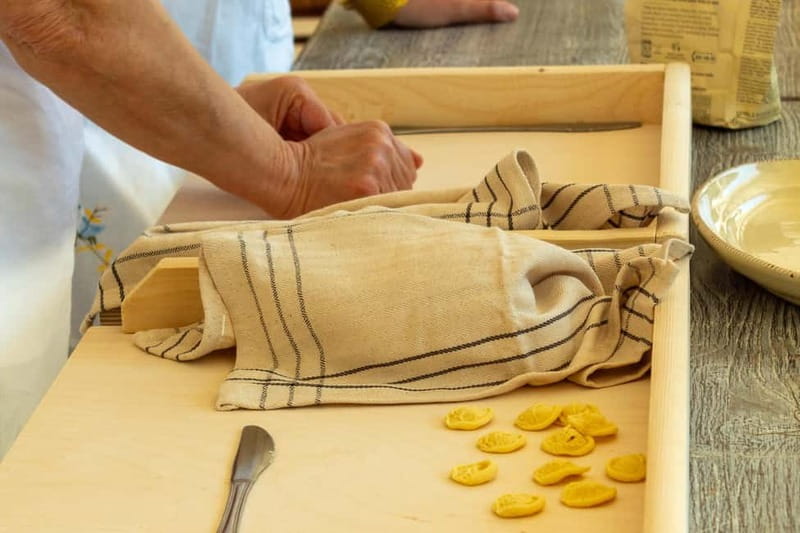
- You make orecchiette by hand, from choosing the flour to shaping the curved pieces with your fingers.
- The workshop takes place at Masseria Casina Vitale, a historic farmhouse linked to rural work and food production.
- Maria teaches with calm, hands-on guidance, while the wider team helps keep the class friendly and easy to follow.
- Your lunch includes more than pasta, with traditional sauce, mozzarella, focaccia, cured ham, ricotta, wine, water, and a small dessert.
- The class works well for families and mixed groups, including children old enough to follow simple instructions.
- You receive a recipe book, so the lesson can continue in your own kitchen.
Arriving at Masseria Casina Vitale
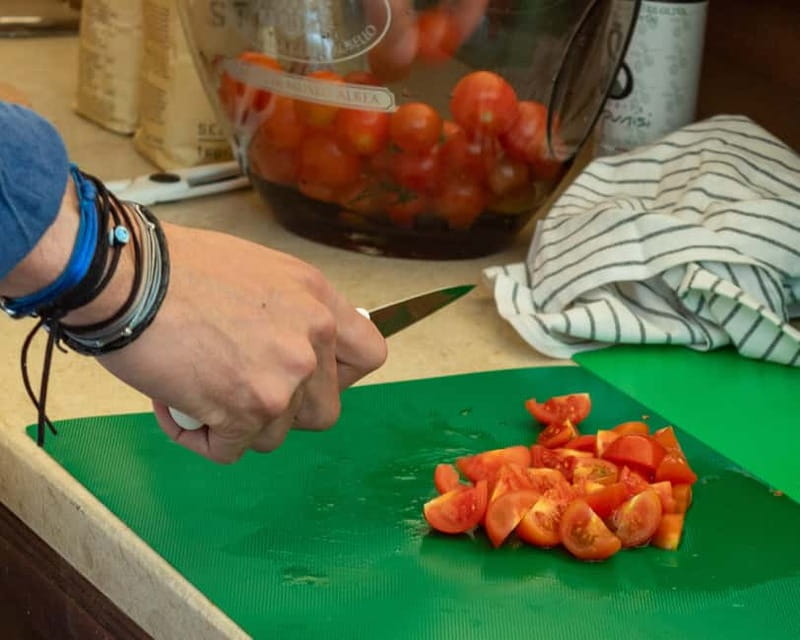
The experience begins and ends at Masseria Casina Vitale, outside Ostuni in the Apulian countryside. A masseria is more than an attractive old farmhouse. These buildings were working centers, places where agricultural products were handled, stored, and prepared, and where rural families spent much of their daily life.
That setting matters. You are not making pasta in a modern cooking studio with decorative Italian props. You are working in an old courtyard surrounded by stone walls, the kind of place where the connection between wheat, work, and food makes sense.
The courtyard also shapes the mood of the class. It is open, informal, and social. You can expect to work beside other people, compare your pasta shapes, and laugh when a supposedly simple fold turns out to need more practice than expected. The group size can be small, which gives you more personal help. One class had only seven people, a comfortable number for instruction without making the event feel private or stiff.
Wear comfortable clothes and shoes. Pasta making is hands-on work, and you will be standing or moving around during the workshop. Pets are not allowed, although assistance dogs are permitted.
More Ravioli and Gnocchi Classes in Italy:
- 3 in 1 Cooking Class near Navona: Fettuccine, Ravioli & Tiramisu
★ 5.0 · 7,376 reviews - Rome: 3-in-1 Fettuccine, Ravioli, and Tiramisu Cooking Class
★ 4.9 · 2,704 reviews - Rome: Fettuccine Pasta Cooking Class in Rome’s City Center
★ 4.8 · 2,414 reviews
Learning the orecchiette method
The central lesson is the making of orecchiette, the small ear-shaped pasta strongly linked with Puglia. The process begins with the basics: selecting the flour, combining the ingredients, and kneading the dough until it reaches the right texture.
The important part is not simply copying a recipe. You learn how the dough should feel and how small changes in pressure affect the final shape. That is useful knowledge if you want to make the pasta at home, because hand-made dough rarely behaves exactly the same way twice.
Once the dough is ready, you roll it into narrow ropes and cut it into pieces. Then comes the distinctive motion: pressing and dragging each piece with your finger before turning it into its curved form. Maria is known for showing the movement clearly and then allowing you to try it yourself. That balance is helpful. You get a proper demonstration, but you are not left watching someone else do all the work.
The guides also seem comfortable with beginners. You do not need to arrive with cooking skills. The lesson is designed around simple movements, and the teaching can be followed in English or Italian. Even when words are not enough, a careful demonstration makes the technique clear.
This is not a class aimed at producing perfect restaurant pasta. Your first pieces may be uneven, thick, or shaped more like shells than ears. That is part of the fun. The point is to understand the method, make enough pasta for lunch, and gain the confidence to repeat it later.
The people make the difference
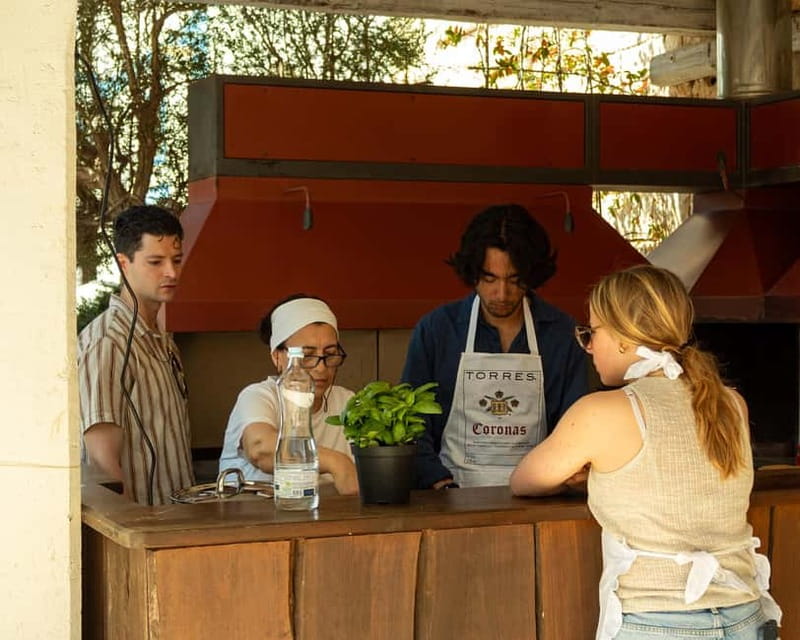
The food is the main subject, but the hosts shape the experience. Maria is repeatedly praised for her warmth, patience, and skill with the pasta. She has the kind of teaching style that makes a beginner feel comfortable rather than judged.
Fabio is another friendly presence, with a clear and relaxed way of explaining the process. Francesco and Graziella also help create the welcoming atmosphere around the meal and the class. The team appears to care about more than getting everyone through the recipe. They want you to feel connected to the place and to the people preparing your food.
That human element is especially valuable for couples and solo visitors, but families benefit from it too. Two children, aged 10 and 13, took part with their family and enjoyed the class. Younger children may find the repetitive shaping work less exciting, but older children can take part fully and eat what they make.
The social side is also part of the appeal. You share a table and a work area with people from different places, then sit down together for lunch. If you prefer a quiet, private cooking lesson, this may feel more communal than expected. If you like meeting people over food, it is a strong point.
From pasta table to Apulian lunch
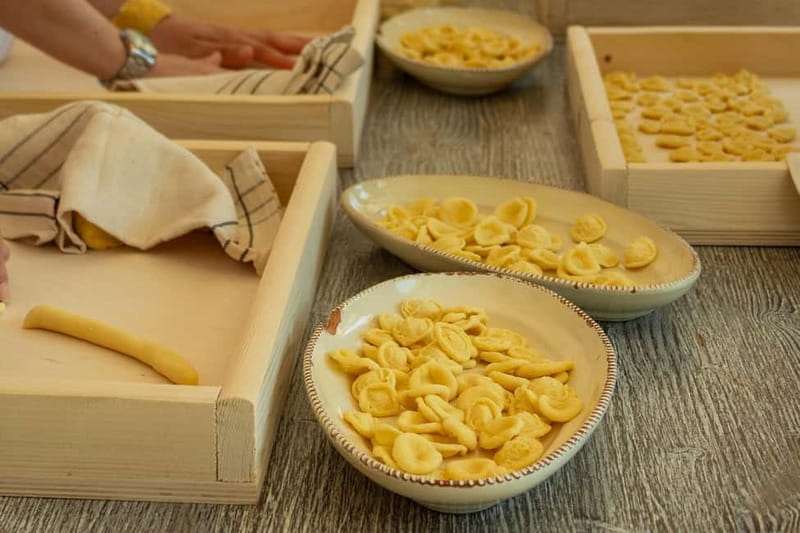
After the workshop, your pasta is cooked and served with a traditional sauce. The meal is not limited to the orecchiette you shaped. Expect a selection of typical products, with examples including mozzarella, focaccia, Italian ham, and fresh ricotta.
That extra food improves the value of the experience. You are paying for a full food-and-culture visit, not just a short demonstration followed by a small tasting plate. The meal gives you a wider sense of Apulian cooking, where fresh dairy, bread, cured meat, vegetables, pasta, and wine work together without much fuss.
The wine is local and included, as are water and organic products. The class also includes a small dessert. Portions can be generous enough that you should arrive hungry and avoid planning another substantial meal immediately afterward.
I like the order of the experience. You first work with the ingredients, then eat the result. That makes the lunch feel earned, even though the hosts do most of the cooking needed to turn your rough pasta pieces into a finished dish.
The meal is served in the same welcoming spirit as the class. You have time to talk, taste the products, and enjoy the old farmhouse setting. This is also why the visit can run longer than 2.5 hours. The stated duration covers the main activity, but the food and conversation may add quite a bit of time.
More Fresh Pasta Workshops in Italy:
- Rome: Pasta Making Class with Wine, Limoncello, and Dessert
★ 4.9 · 3,177 reviews - Pastamania – Florence Pasta Making Class
★ 5.0 · 3,050 reviews - Enjoy Spritz and Pasta Making in Piazza Navona
★ 5.0 · 1,681 reviews - Pasta Making & Wine Tasting with Dinner in Frascati from Rome
★ 5.0 · 1,326 reviews
What the $71 price includes
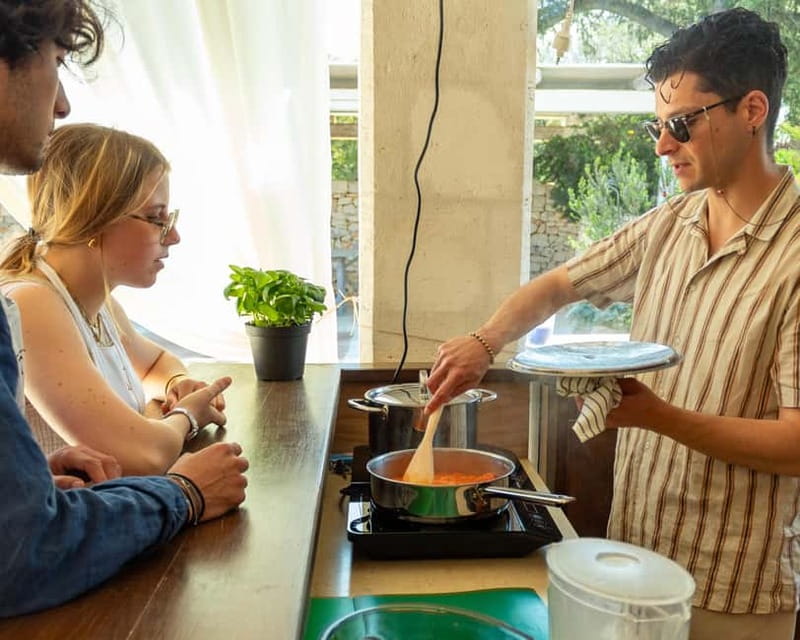
At $71 per person, this is not the cheapest way to eat pasta in Puglia. It can still be good value if you want several parts of the experience in one booking.
The price includes:
- Cooking utensils
- An apron
- The pasta-making class
- A recipe book
- A tasting of typical products
- Organic products
- Wine
- Water
- Lunch featuring the pasta you make
A cooking demonstration alone would not justify the price as easily. The value comes from the combination of a historic location, live instruction, a hands-on activity, a full meal, wine, and local products. You also leave with a recipe book rather than only a pleasant memory.
I would compare it with the cost of a good meal near Ostuni, then add the price of a separate activity. On that basis, the $71 package is reasonable for visitors who want a half-day food experience. It is less attractive if you only want a quick introduction to orecchiette or if you already have several expensive food tours planned.
The included wine and regional products matter too. Fresh ricotta, mozzarella, focaccia, cured ham, and local wine give the meal variety. You are not simply eating a plate of pasta you made yourself. You are sampling several foods tied to the area.
Timing, group size, and the real length of the visit
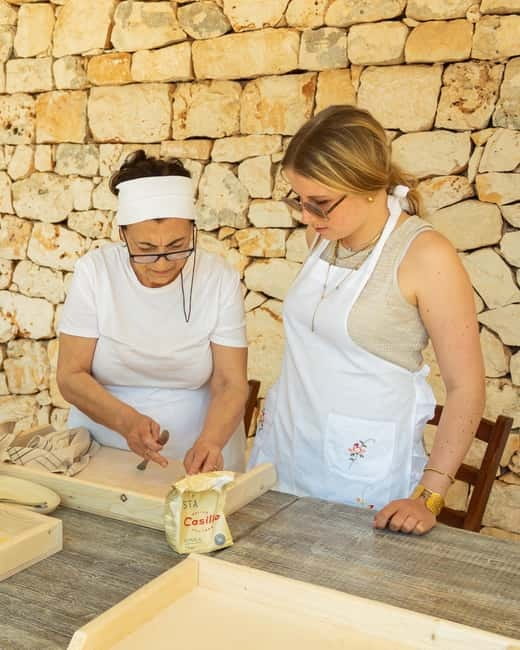
The official duration is 2.5 hours, with starting times based on availability. In practice, plan for extra time. A relaxed class followed by lunch and conversation may last three to four hours, and one visit ran close to five hours.
That is not necessarily a problem. In fact, the slow pace fits the setting. Italian meals are often social events, and rushing from the courtyard to the next sight would undercut much of the appeal.
Still, you should leave a clear block in your schedule. Do not book this between two fixed-time activities unless you have plenty of room. If you are using public transport or arranging a later transfer, check the timing carefully and allow for a longer lunch.
Group size can vary. Smaller groups allow more help from the instructors, especially when you are learning the finger movement that shapes the pasta. A larger group may feel more social, but the exact size is not fixed in the information provided.
The class is suitable for couples, families, and groups of friends. It is also a good choice for solo visitors who like shared meals and easy conversation. The communal format means you will likely spend much of the time beside people you did not arrive with.
Dietary and access considerations
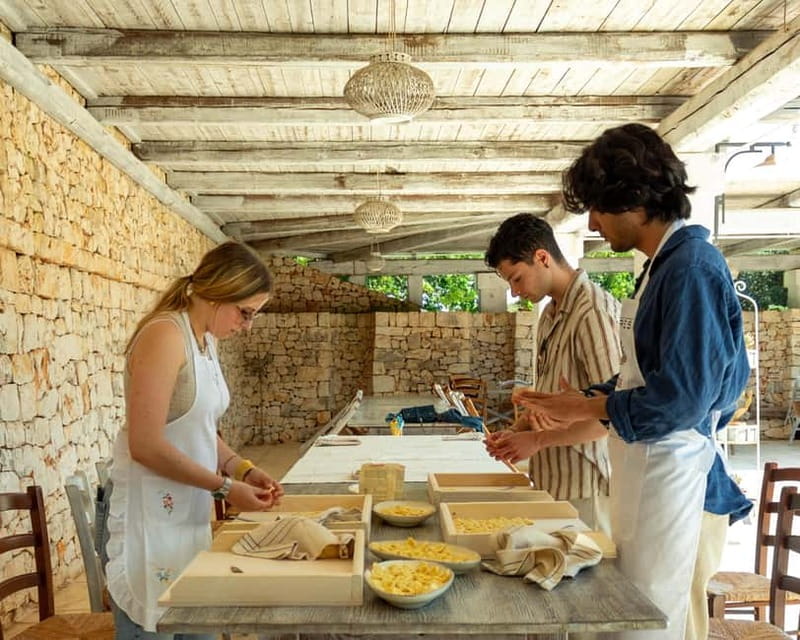
The activity is wheelchair accessible, which makes it an option for many visitors who need an accessible setting. Specific details about every surface or restroom are not provided, so anyone with detailed mobility needs should confirm those points before booking.
You should tell the hosts about food intolerances in advance. The experience is not suitable for people with food allergies, gluten intolerance, animal allergies, or insect allergies. Gluten is central to the pasta, and the meal includes several animal-based products, so this is not a flexible menu for serious dietary restrictions.
The activity is also not suitable if you have an insect allergy. Since the workshop takes place in an outdoor courtyard, that warning is worth taking seriously.
Comfortable clothing is the sensible choice. An apron is included, but you will be handling flour and dough. Comfortable shoes will help during the practical part and the meal.
The class is offered in English and Italian. Some content may be presented in its original language, but the pasta technique is shown directly, making it easier to follow than a lecture-heavy food tour.
Who should book this experience
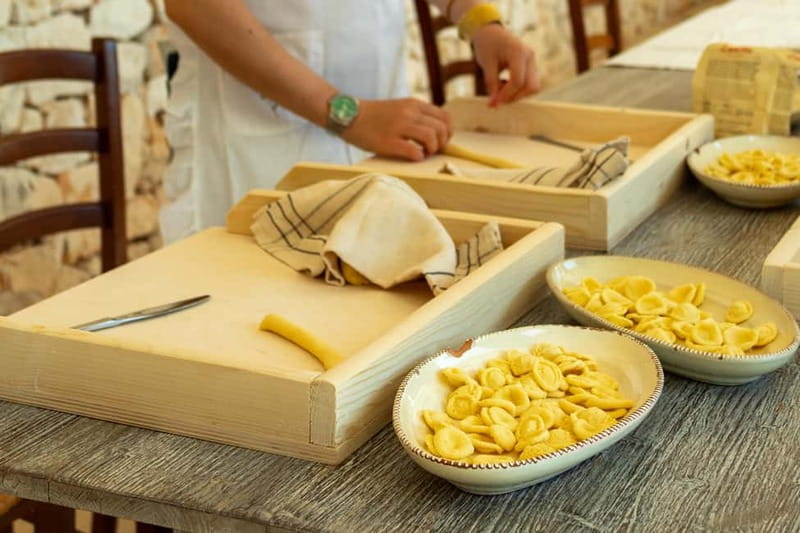
I would recommend it most strongly to people who want food to be a way into local culture. You get the old farmhouse, the pasta technique, the regional ingredients, the wine, and the chance to eat with the people who prepared the meal.
Families with older children should find plenty to enjoy. The work is tactile, the lesson has a clear result, and lunch follows soon after. Children who like making things with their hands may enjoy it more than a standard sightseeing stop.
Couples can treat it as a long lunch with an activity attached. Friends will appreciate the relaxed group setting and the chance to make fun of one another’s first pasta shapes. Solo visitors should be comfortable sharing a table and joining a group conversation.
I would not choose it if your priority is a short, polished cooking demonstration. I also would not book it if you dislike communal dining, have serious food restrictions, or need to keep your schedule exact.
Booking and cancellation details
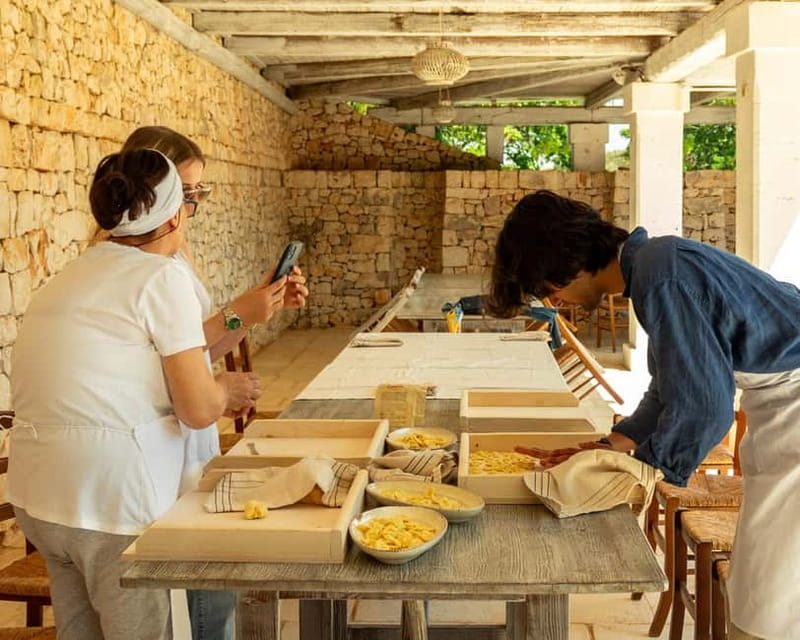
The activity offers free cancellation up to 24 hours in advance for a full refund. You can also reserve now and pay later, which is useful if your Puglia plans are still changing.
Starting times depend on availability. Since the meal may extend the visit, check the timing before booking and keep the rest of the day open enough for a slow finish.
Should you book the Ostuni orecchiette class?
Book it if you want to do more than photograph Puglia’s food. You will learn a real local technique, work in a historic masseria courtyard, and sit down to a full meal of pasta, regional products, and wine.
The strongest reasons to go are the setting, the patient instruction from Maria and the team, and the generous lunch. The main caution is the uncertain length. Treat the 2.5 hours as the minimum working estimate, not a hard end time.
At $71, the experience makes sense for anyone who values a complete food outing rather than a quick class. If you can spare half a day near Ostuni and have no allergy or gluten concerns, this is a warm, hands-on introduction to Puglia that you can take home with you in the form of a recipe book and a new pasta skill.
FAQ
Where does the pasta-making experience take place?
It takes place at Masseria Casina Vitale near Ostuni, in a historic farmhouse with an inner courtyard.
How long does the activity last?
The stated duration is 2.5 hours. The full visit may take longer because lunch and conversation are included, so you should allow extra time.
Is the class available in English?
Yes. The activity is offered in English and Italian. Some content may be presented in its original language.
What food and drinks are included?
The experience includes the orecchiette you make with traditional sauce, a tasting of typical local products, organic products, wine, water, and a small dessert. Examples of regional foods include mozzarella, focaccia, Italian ham, and fresh ricotta.
What should I bring?
Wear comfortable clothes and comfortable shoes. You should also tell the hosts in advance about any food intolerances.
Is the activity suitable for people with gluten or food allergies?
No. The activity is not suitable for people with food allergies or gluten intolerance. It is also not suitable for people with animal allergies or insect allergies.
More Food and Drink Tours in Italy
- Bologna Food & Market Tour with 6 Tastings, Pasta, Wines & More
★ 5.0 · 1,328 reviews - Rome: Pasta Making with Wine Tasting and Dinner in Frascati
★ 4.9 · 979 reviews - Super Fun Pasta & Gelato Class by Vatican with Wine + Oil Tasting
★ 5.0 · 726 reviews - Florence: Countryside Tour with Wine Tasting & Pasta Class
★ 4.9 · 546 reviews
Recently added in Italy
- Verona: Tortellini Cooking Class and Lunch with Mamma Ivana★ 5.0 · 20 reviews
- Vicenza: Pasta & Tiramisu Cooking Class at a Local’s Home★ 5.0 · 5 reviews
- Verona: Pasta Cooking Class with Wine Tasting★ 5.0 · 4 reviews
- Verona: Pasta & Tiramisu Cooking Class at a Local’s Home★ 5.0 · 16 reviews
- Verona: Prosecco and Pasta Making Class at a Local’s Home★ 5.0 · 10 reviews
- Volterra: Fresh Pasta Cooking Class at a Tuscan Farmhouse★ 5.0 · 33 reviews
- Venice: Share Your Pasta Love in a Local’s Home★ 4.8 · 20 reviews
- Verona: My Granny’s secrets making gnocchi★ 5.0 · 7 reviews
Ravioli and Gnocchi Classes, compared.
3 in 1 Cooking Class near Navona: Fettuccine, Ravioli & Tiramisu
Read our review →
3-in-1 Fettuccine, Ravioli, and Tiramisu Cooking Class
Read our review →
Fettuccine Pasta Cooking Class in Rome’s City Center
Read our review →
Become a Masterchef in Rome: Pasta, Ravioli and Tiramisù Class
Read our review →
Fettuccine & Tiramisù: Cooking Class with Wine & Limoncello
Read our review →
Rome Pasta and Tiramisu Class: Ravioli, Fettuccine & Fine Wine 5*
Read our review →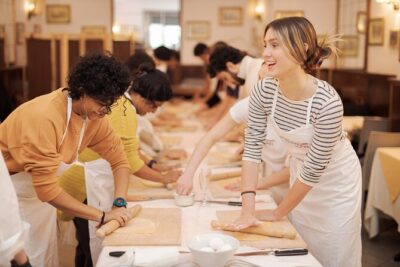
Pasta Cooking Class in Rome – Fettuccine Class in Piazza Navona
Read our review →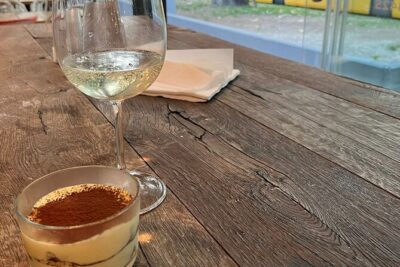
Browse the lists this class appears in