
REVIEW · CHEESE MAKING CLASSES
Martina Franca: Mozzarella and Pasta Workshop with Farm Tour
Martina Franca’s best food lesson may begin before you touch a ball of pasta. This small-group farm visit takes you past animals, gardens, an ancient church, a cheese factory, and a bakery before the hands-on work begins. I like that the food is tied to the place that produces it, not taught in a city kitchen with the farm story left out.
I also like the chance to make two Apulian staples in one short session: fresh cheese and pasta. The group limit of nine should leave room for questions, and Valentina, one of the named guides associated with the experience, is described as kind and engaging with both adults and children.
The main drawback is mobility. The tour is not suitable for wheelchair users or people with mobility impairments, and you must arrange your own way to the farm. The tasting is also optional, so check that you book the version you want.
Key points to know before booking
- The farm comes first: Meet the animals and see the vegetable garden before making food.
- Two workshops in one visit: You learn both cheese-making and pasta-making from local artisans.
- A small group of nine: The format should suit questions and hands-on instruction better than a large class.
- An ancient church adds local context: The stop gives the farm visit a cultural side, not just a cooking lesson.
- Choose your tasting carefully: The food tasting is included only with the option that lists it.
- Plan for a rural meeting point: Transfers are not included, so you need to reach the location independently.
Why this farm visit feels different from a standard cooking class
Many cooking classes begin with ingredients already measured and laid out. This experience gives you a wider look at where those ingredients fit into daily farm life. You begin at a breeding farm, walk through a vegetable garden, and hear about the farmstead’s long-running work before entering the production areas.
That order matters. You see the setting first, then learn how food moves from farm to table. It gives the mozzarella and pasta lessons a practical frame. You are not simply copying a recipe. You are learning how a working farm connects animals, crops, baking, cheese-making, and the final meal.
The visit lasts about two and a half hours. That is long enough for several stops and two workshops, but not so long that the activity takes over your whole day in Apulia. I would pair it with time in Martina Franca rather than treat it as the only activity in the area.
The group has a maximum of nine people. That is a useful size for a class where your hands should be doing some of the work. In a larger group, it is easy to spend the session watching someone else shape dough or handle curds. Here, you have a better chance of getting close to the demonstration and asking for help.
More Cheese Making Classes in Italy:
- Cooking class with Pasta, mozzarella and Tiramisu with wine
★ 5.0 · 549 reviews - Amalfi: Make Fresh Pasta, Mozzarella & Tiramisù with wine
★ 5.0 · 503 reviews - Amalfi: Make Fresh Pasta, Mozzarella, & Tiramisù with Wine
★ 5.0 · 305 reviews
Meeting the animals and seeing the vegetable garden
The first farm stop introduces you to the animals and the farm’s sustainable practices. The information provided does not specify the species or the exact farming methods, so you should not expect a formal animal encounter with a fixed list of creatures. Think of this part as an introduction to the working side of the property.
That makes it useful for families. Children get a change of pace before the food lesson, while adults gain a clearer sense of how the farm operates. If you are interested in food production, this part may be as useful as the cooking itself because it places the finished products in a real agricultural setting.
The vegetable garden adds another link in the chain. You can see where produce begins before it reaches the bakery, cheese room, or table. The visit is not presented as a full farming course, but the guide’s narration helps explain the relationship between the garden and the farm’s products.
Wear comfortable shoes. The route includes a farm, garden, and several buildings, and the experience is specifically not suited to people with mobility impairments. Comfortable clothing is also a sensible choice for a workshop involving food preparation.
The ancient church and the story of the farmstead
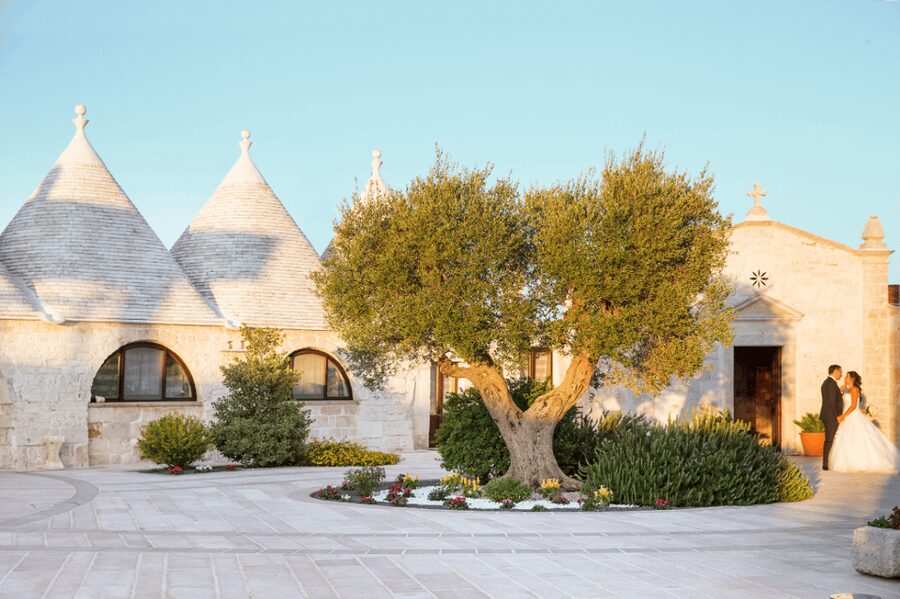
An ancient church forms part of the route. This is a welcome change from a food-only activity because it gives you a cultural stop connected to the property and its past.
The available details do not name the church or specify its architecture, so I would not book this expecting a major religious monument or an extended church tour. Its value is in the setting and the guide’s explanation. You get a short piece of local context while moving between the farm and the production spaces.
Listen closely during this part. Guided narration is included throughout the itinerary, and the story of the farmstead helps explain why the property has more than one function. The combination of agriculture, food production, and older buildings gives the visit a sense of place that a stand-alone mozzarella class would miss.
Inside the cheese factory and bakery
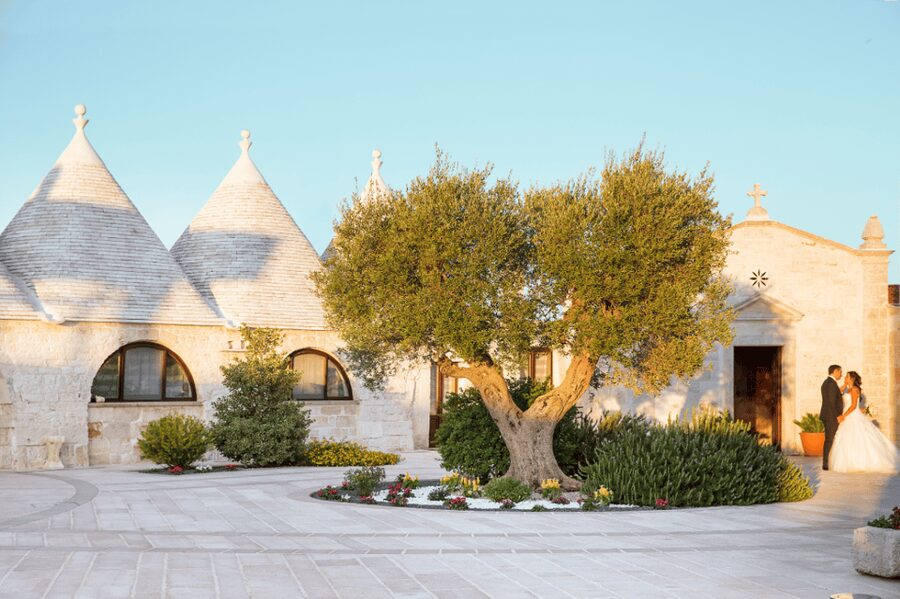
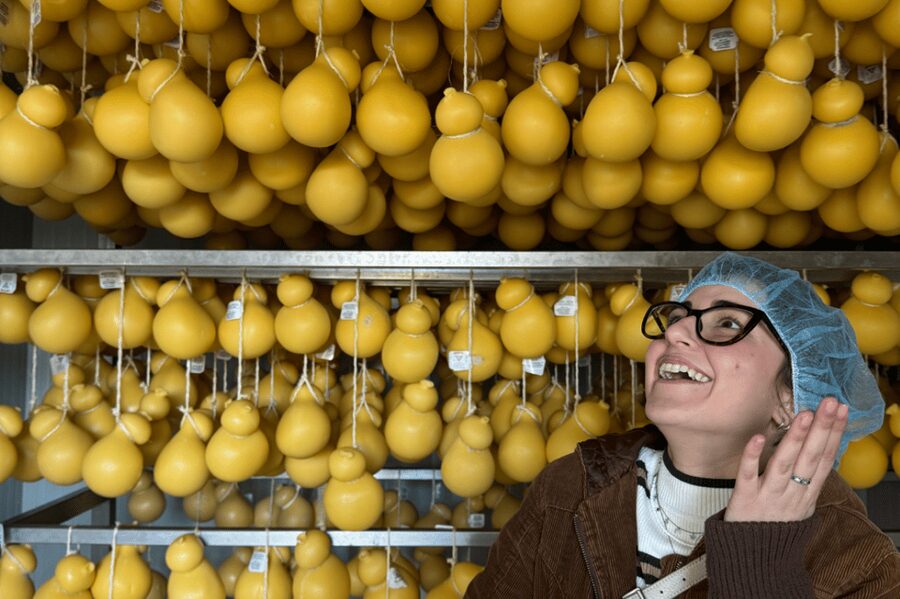
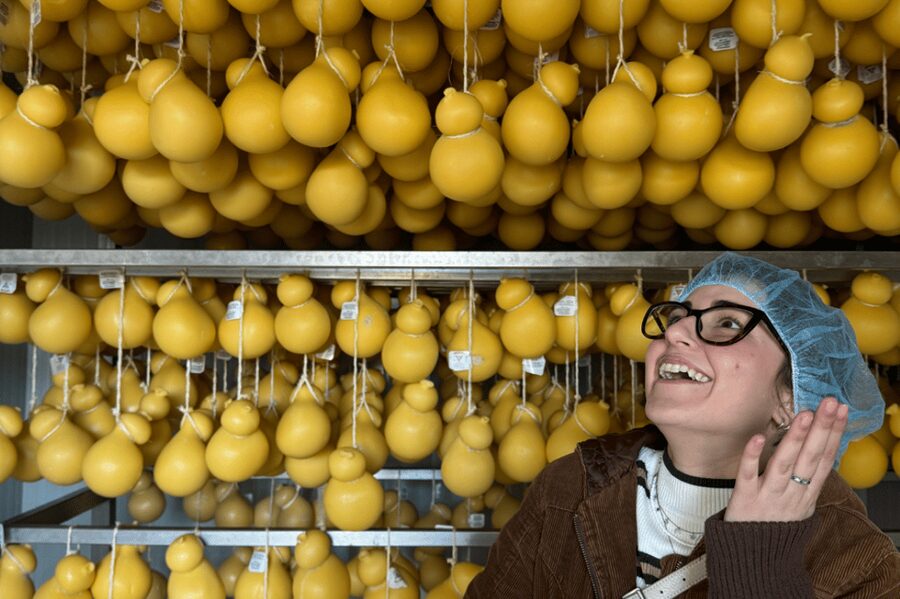
The cheese factory is where the farm-to-table idea becomes more concrete. You see the production side before taking part in the workshop. The exact equipment and methods are not listed, so the focus is best understood as an introduction to the facility and its craft rather than a technical factory tour.
Local artisans lead the cheese lesson. You can expect to learn traditional techniques, with the guide and instructors explaining the steps as you work. The supplied information does not promise that you will make a particular quantity or take products home, so treat this as a practical class and tasting experience rather than a shopping opportunity.
The bakery is also included in the visit. That gives the itinerary another food-making angle and helps show how several parts of a farmstead can operate together. It is a modest detail, but an important one if you like seeing food in production instead of only hearing about it.
The instruction is offered in Italian and English. If you need to follow precise demonstrations, confirm your preferred language when booking. The guide language and workshop instruction are listed as Italian and English, but the exact division between the guide and artisans is not specified.
More Farm Cooking Classes in Italy:
- Florence Pizza or Pasta Class with Gelato Making at a Tuscan Farm
★ 5.0 · 6,801 reviews - Florence: Pizza or Pasta Class with Gelato at a Tuscan Farm
★ 4.9 · 1,181 reviews - Alghero Home Cooking Pasta Class at a Farmhouse with Wine
★ 5.0 · 130 reviews - From Rome: Pasta Fresca Cooking Class in a Farmhouse with a Local
★ 5.0 · 62 reviews
Making mozzarella with local artisans
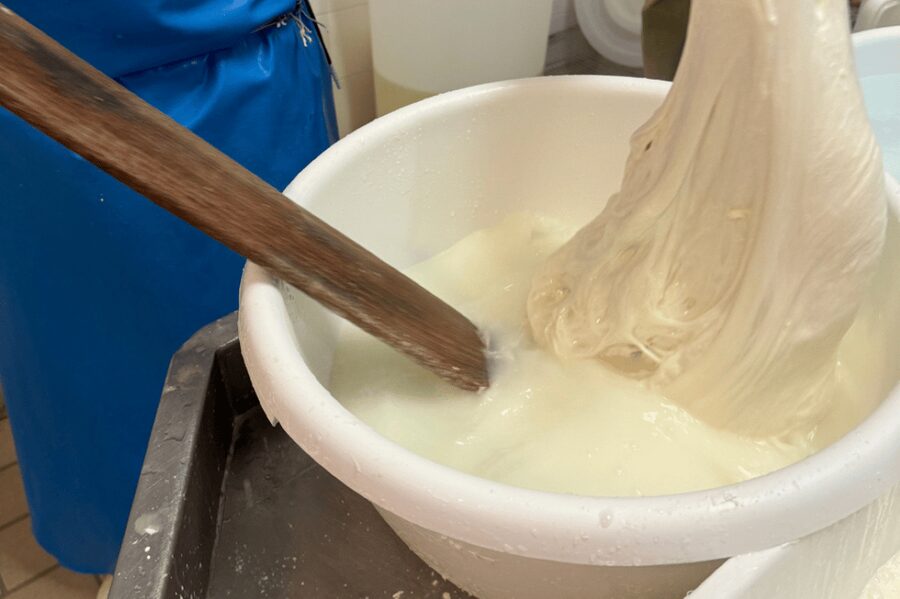
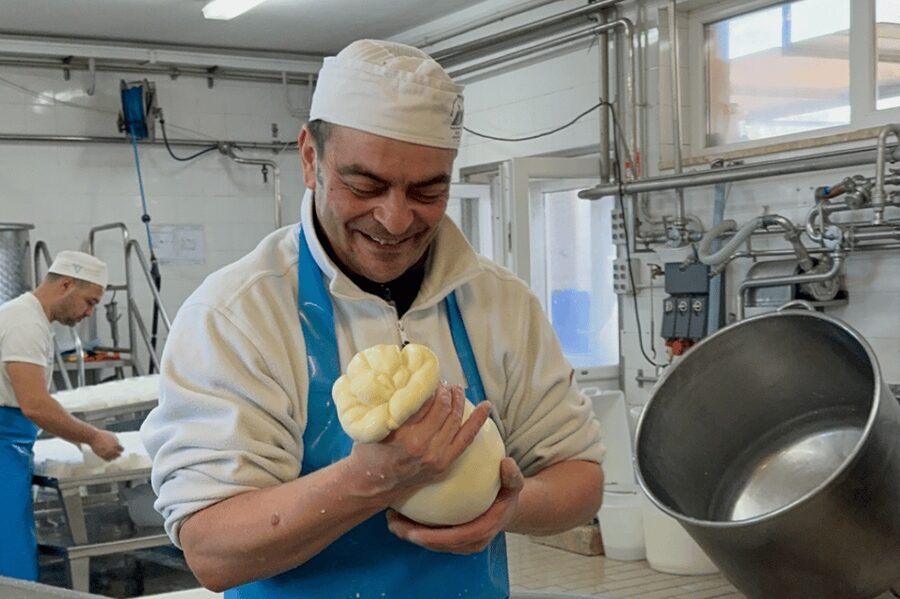
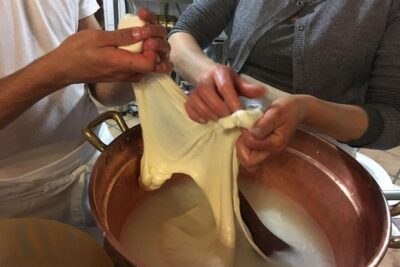
The mozzarella workshop is the central hands-on moment. You learn traditional cheese-making techniques under instruction rather than simply sampling a finished product. The experience does not provide a detailed step-by-step recipe, so I would expect a guided introduction suited to a short tour, not a professional cheesemaking qualification.
This is a good choice if you want to understand texture and technique through your hands. Cheese-making can look simple when the finished ball reaches the plate. The class shows that the shape and consistency depend on careful handling, timing, and guidance.
The small group helps here. With no more than nine participants, you should have a better view of the demonstration and more opportunity to take part. Still, the exact amount of individual practice can vary with the group and the session, so keep your expectations realistic.
Families may find the workshop a strong fit. The only specific feedback supplied describes Valentina as interesting and kind, with the activity suitable for both a child and an adult. That does not guarantee every child will enjoy every step, but the format has clear appeal for families who prefer making something together to sitting through a long lecture.
Rolling, shaping, and learning the pasta side
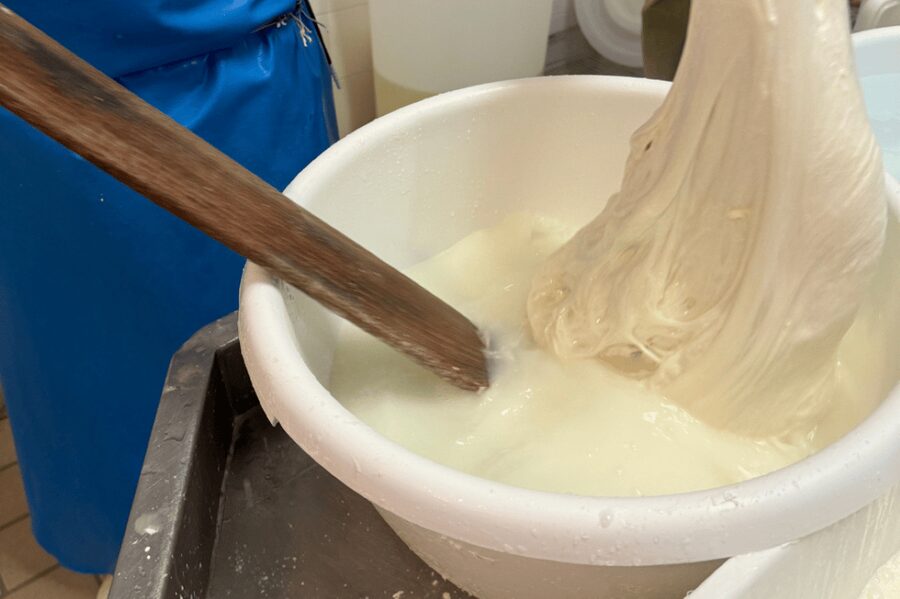
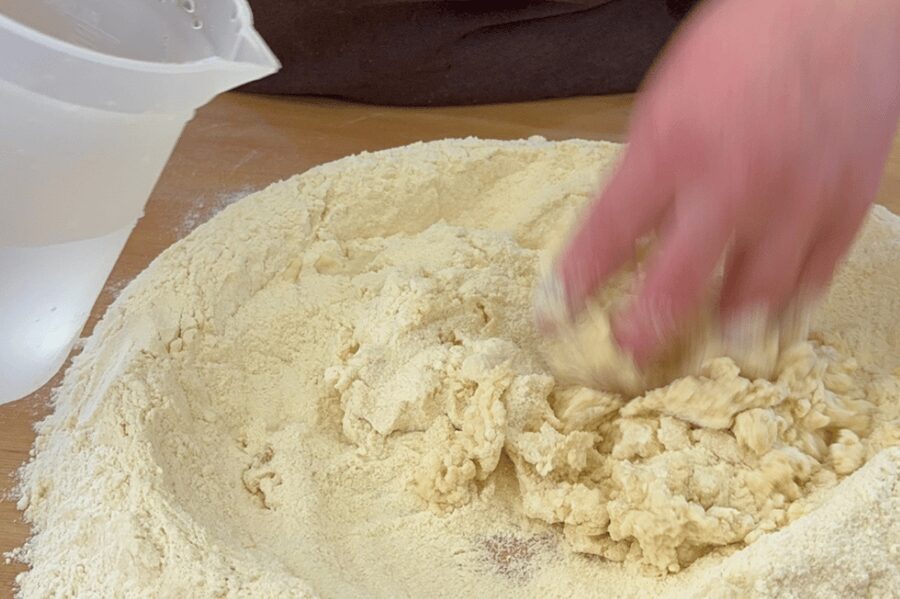
The pasta workshop pairs naturally with the cheese lesson. You get a second chance to work with traditional food techniques, this time using dough rather than milk-based ingredients. The precise pasta shape and recipe are not stated, so you should not book with the expectation of learning one named regional format.
What you can count on is guided participation. Skilled instructors show you the basics and help connect the process to local cooking traditions. The class should suit beginners because the point is to learn through instruction, not arrive with prior kitchen training.
I like the balance between the two workshops. Cheese gives you one kind of hands-on task, while pasta offers another. If one activity appeals to you more than the other, the combined format still gives the session variety.
The workshop is also a useful choice for people who want a food experience without giving up half a day. At two and a half hours, it has enough room for the farm tour, church, production areas, and practical lessons. The tradeoff is that neither workshop can be an exhaustive master class in that amount of time.
Should you add the food tasting?
There are two booking options, and the tasting depends on which one you choose. The tasting lets you sample products made during the workshops, which gives the session a clear finish. If you want to eat what you prepare, make sure the selected option specifically includes tasting.
The tasting is not included in every version. This is the easiest detail to miss when comparing prices, so check the wording before paying. A lower price may look attractive until you realize it leaves out the final food portion.
At $124.61 per person, the experience is not a cheap cooking demonstration. Its value depends on how much you want from the full package. You are paying for a guide, a small group, the farm and garden visit, the church, the cheese factory and bakery, two workshops, and, with the right option, the food tasting.
I think the price is easier to justify if you value access and context rather than only the meal. A basic pasta class may cost less, but it would not necessarily include a breeding farm, vegetable garden, ancient church, and cheese factory. On the other hand, if you mainly want to eat mozzarella and pasta, this may offer more touring than you need.
Getting there and choosing the right time
Transport to the farm is not included. You need to reach the tour location on your own, and the supplied details do not state the exact meeting point or transport options. Check the location carefully before booking, especially if you are staying in Martina Franca without a car.
Starting times vary. Availability must be checked for the date you want, so leave room in your day rather than building a tight connection around a session time that has not yet been confirmed.
Free cancellation is available up to 24 hours before the activity for a full refund. You can also reserve now and pay later, which helps if your route through Apulia is still changing. Those policies are useful, but they do not solve the transport question, so confirm the farm’s location first.
Bring comfortable shoes and comfortable clothes. Alcohol and drugs are not allowed. The experience is not suitable for wheelchair users or people with mobility impairments, although the provider asks people with special needs to contact them to discuss possible assistance.
Who will enjoy this Martina Franca experience?
I would recommend this to you if you want a food class with a strong sense of place. It suits couples, families, and small groups who would rather meet producers and see a farm than spend two hours in a hotel kitchen.
It also fits people who like a gentle mix of activities. You move from animals to gardens, from an old church to food production, and then into the two workshops. No single stop needs to carry the whole experience.
Families should consider the pace and the mobility limits. The named feedback about Valentina suggests a warm approach that works for young and old, but the tour still includes movement across a farm setting and is not designed for wheelchair users.
I would be more cautious if you have limited time, no easy way to reach the farm, or a strong preference for an advanced culinary lesson. The experience is broad rather than highly technical. It gives you a taste of farm life, local history, and food craft in one compact visit.
My booking advice
Book this Martina Franca workshop if you want to understand Apulian food through the place that produces it. The best features are the small group, the two practical classes, and the full farm setting, with animals, garden, church, cheese factory, and bakery all included.
Before you commit, check three things: your transport to the farm, the starting time, and whether your chosen price includes tasting. If those details work and you can walk comfortably around a farm, the $124.61 cost can make sense for a focused half-day experience with plenty of variety.
FAQ
How long does the Martina Franca farm workshop last?
The experience lasts 2.5 hours. Starting times vary, so check availability for your chosen date.
What activities are included?
The experience includes a farm and vegetable garden visit, an ancient church visit, a cheese factory tour, a cheese-making workshop, and a pasta-making workshop.
Is food tasting included?
Tasting is included only with the booking option that features it. Check the selected option before booking.
How much does the experience cost?
The listed price is $124.61 per person. The final option you choose may affect what is included, especially the tasting.
Is transportation to the farm included?
No. You must arrange your own transfer to the tour location.
What languages are available?
The guide and instruction are available in Italian and English.
How large is the group?
The activity is limited to nine participants.
What should I bring?
Wear comfortable shoes and comfortable clothes.
Can wheelchair users join the experience?
The activity is not suitable for wheelchair users or people with mobility impairments. People with special needs can contact the provider to discuss possible assistance.
More Farm Visits in Italy
- Pick Vegetables at the farm & Cook pasta
★ 5.0 · 3 reviews - Arezzo: pasta e tiramisù cooking class organic Tuscan farm
★ 5.0 · 2 reviews
Recently added in Italy
- Vicenza: Pasta & Tiramisu Cooking Class at a Local’s Home★ 5.0 · 5 reviews
- Verona: Tortellini Cooking Class and Lunch with Mamma Ivana★ 5.0 · 20 reviews
- Verona: Pasta Cooking Class with Wine Tasting★ 5.0 · 4 reviews
- Verona: Pasta & Tiramisu Cooking Class at a Local’s Home★ 5.0 · 16 reviews
- Verona: Prosecco and Pasta Making Class at a Local’s Home★ 5.0 · 10 reviews
- Volterra: Fresh Pasta Cooking Class at a Tuscan Farmhouse★ 5.0 · 33 reviews
- Venice: Share Your Pasta Love in a Local’s Home★ 4.8 · 20 reviews
- Verona: My Granny’s secrets making gnocchi★ 5.0 · 7 reviews
Cheese Making Classes, compared.
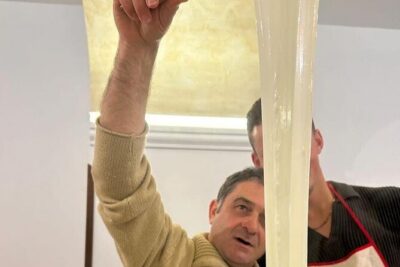
Cooking class with Pasta, mozzarella and Tiramisu with wine
Read our review →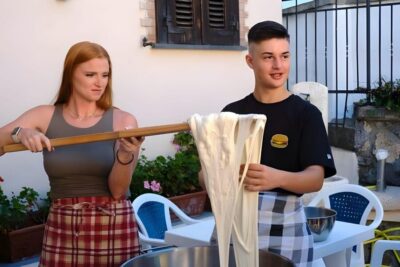
Make Fresh Pasta, Mozzarella & Tiramisù with wine
Read our review →Make Fresh Pasta, Mozzarella, & Tiramisù with Wine
Read our review →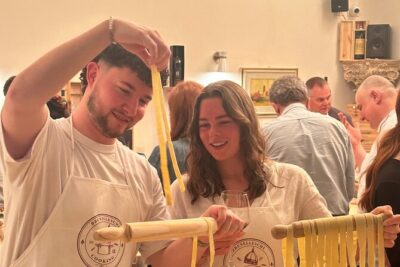
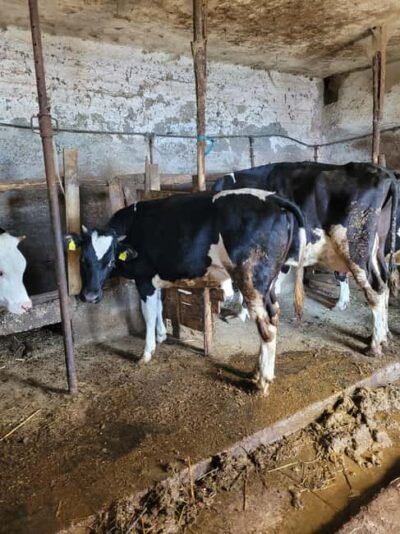
Milk the cows, Make Pasta, Mozzarella and Tiramisù!
Read our review →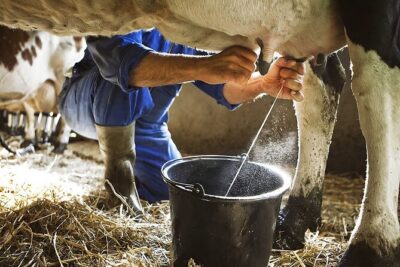
Milk the Cow & Make Mozzarella and Gnocchi with Our Family
Read our review →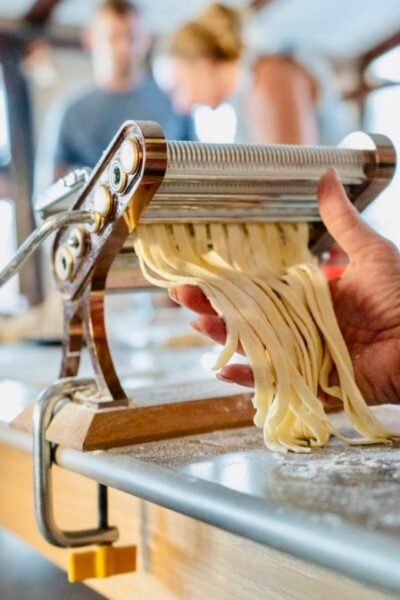
Mozzarella, Fettuccine, and Tiramisù Cooking Class
Read our review →Browse the lists this class appears in