
REVIEW · CHEESE MAKING CLASSES
Amalfi: Mozzarella, Fettuccine, and Tiramisù Cooking Class
Making mozzarella by hand, rolling fresh pasta, and layering tiramisù gives this Amalfi Coast cooking class more substance than a standard restaurant meal. In Pianillo, chef Ferdinando and his family use ingredients from their organic farm, then serve the food you helped prepare with wine and limoncello.
I like the friendly, hands-on teaching and the setting. You are not just watching a chef work, and the class includes a farmhouse visit, a proper meal, and the chance to learn three useful Italian recipes. The panoramic view is a fine bonus.
The main drawback is getting there. Pianillo is away from Amalfi port, the building may be hard to spot, and the address can be slightly confusing. Also, only vegetarian requests are clearly accommodated, while gluten and lactose-free diets cannot be catered for.
Key points to know before booking
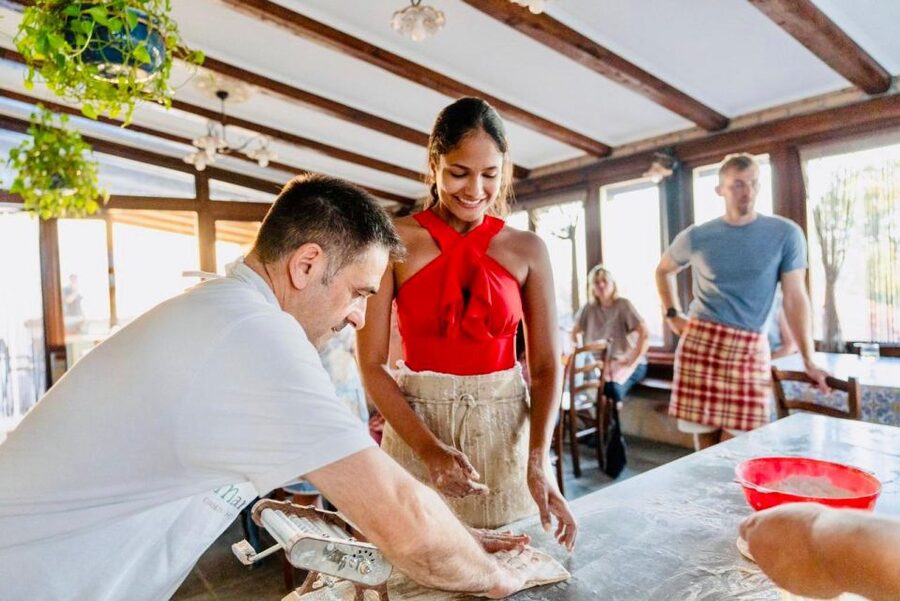
- Three classic dishes in three hours: Make mozzarella, fresh tagliatelle, and tiramisù from basic ingredients.
- Ferdinando leads the class: He teaches in English and Italian, with a lively, patient approach suited to beginners.
- Farm ingredients shape the meal: The food comes from a local organic farm, including the produce served alongside your cooking.
- The meal is part of the experience: Lunch or dinner, local wine, and limoncello are included, depending on the class time.
- Plan your route carefully: The class is in Pianillo, not at Amalfi port, and the entrance may have no obvious sign.
- Good value at $71: You receive instruction, food, drinks, a farm visit, parking, and a coastal viewpoint in one outing.
Why this Pianillo class feels different from a restaurant meal
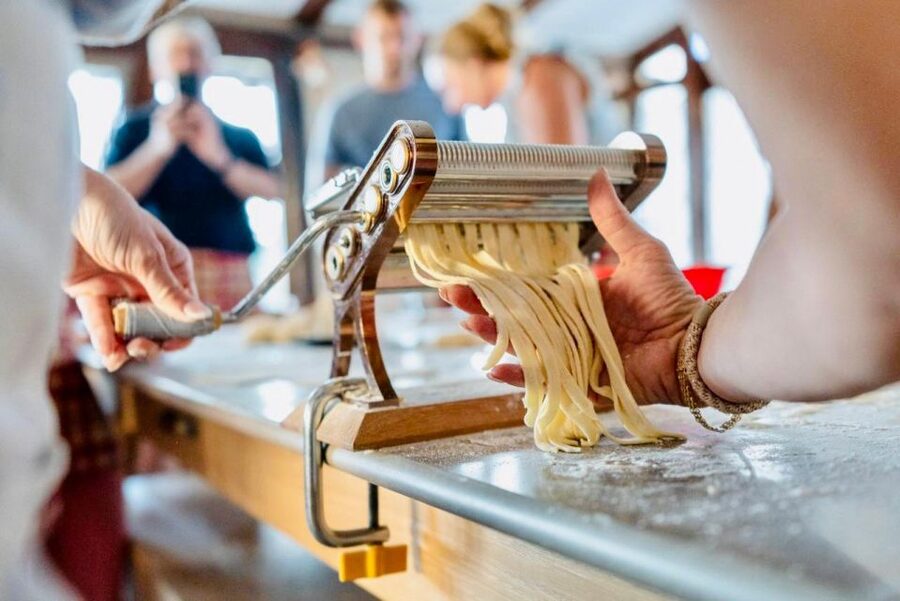
The appeal here is simple: you work for your dinner, but not so hard that the activity becomes a chore. Ferdinando takes you through three familiar Italian dishes, each showing a different part of home cooking.
You begin with tiramisù, then move to mozzarella, and finish with fresh tagliatelle. That order makes sense. The dessert needs time to chill, the cheese benefits from careful handling, and the pasta is cooked near the end so you can eat it fresh.
The class is held on a farm in the hills above the Amalfi Coast. You get local food, a family setting, and broad views rather than a polished cooking studio in a city center. I like that combination because it connects the recipes to the place where the ingredients are grown and eaten.
This is not designed as a technical course for professional cooks. It is a social lesson where the instructor keeps things moving, explains each step, and encourages people to take part. Beginners should feel at ease, while experienced home cooks may enjoy the chance to see traditional methods used in a family setting.
More Tiramisu Classes in Italy:
- 3 in 1 Cooking Class near Navona: Fettuccine, Ravioli & Tiramisu
★ 5.0 · 7,376 reviews - Florence: Pasta & Tiramisu Cooking Class with Unlimited Wine
★ 4.9 · 6,708 reviews - Rome: Pasta & Tiramisu Class with Fine Wine by the Vatican
★ 4.9 · 4,852 reviews
Starting with tiramisù and a patient lesson
Tiramisù comes first. Ferdinando shows you how to prepare the components and layer them into the finished dessert. Because the dish needs time to become properly chilled, making it at the beginning gives it time to rest while you work on the savory courses.
This is a useful part of the class for anyone who likes a clear, visual recipe. You can see how the layers come together instead of receiving a finished portion with no explanation. The process also gives the class an easy opening, since the ingredients and method are familiar even if your technique is not.
The tiramisù has received particularly strong praise, and it is easy to understand why it suits this kind of activity. It is simple enough for a group to prepare together, but the result still feels like a proper Italian dessert. You will later eat it as part of the meal rather than taking it home.
One practical point matters here: the menu is built around standard Italian ingredients, and the provider says special diets beyond a vegetarian option cannot be handled. If you need gluten-free or lactose-free food, this is not a safe choice. Ask about any dietary need when booking, rather than assuming a substitution will be available.
Turning curd into mozzarella
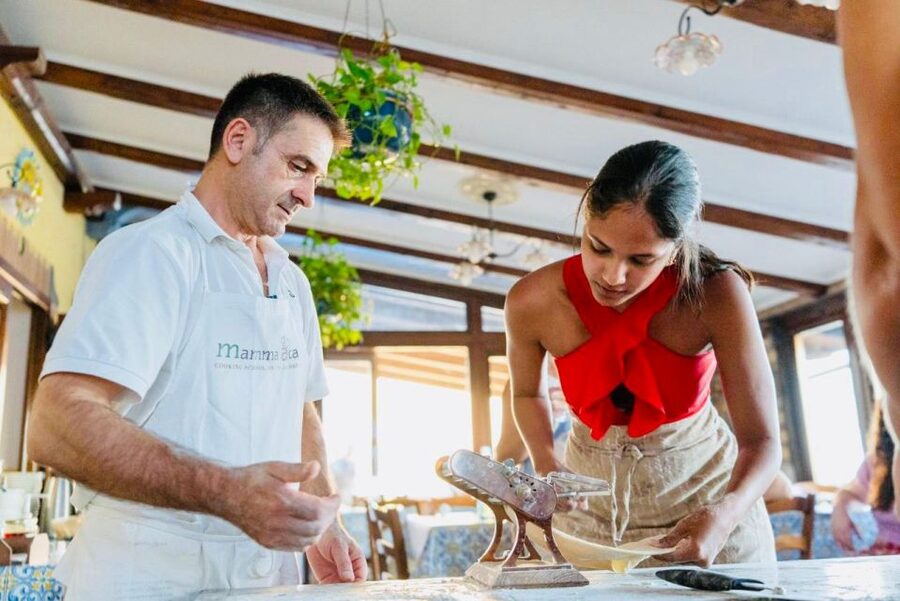
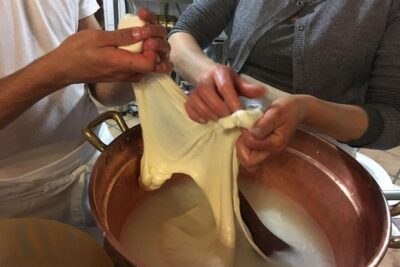
The mozzarella lesson is the most distinctive part of the day. Ferdinando demonstrates how to make the cheese from scratch using traditional methods, then guides you as you work with it yourself.
This is more interesting than simply tasting fresh mozzarella because you see the transformation with your own hands. The process gives context to a food that is often treated as just another item on an Italian menu. Here, the cheese is part of the lesson and part of the meal.
You should expect a practical session rather than a quiet demonstration. The class encourages you to get involved, and that hands-on element is one reason the activity works well for couples, families, and small groups of friends. It also gives children over seven something real to do, provided they are comfortable following instructions and handling food.
The farm setting adds value to the cheese lesson. The ingredients are described as local, organic, and Km0, meaning they come from nearby rather than being brought in from far away. The activity does not turn this idea into a lecture, but you can see the connection between local agriculture and the food on your plate.
Rolling tagliatelle with flour, eggs, and oil
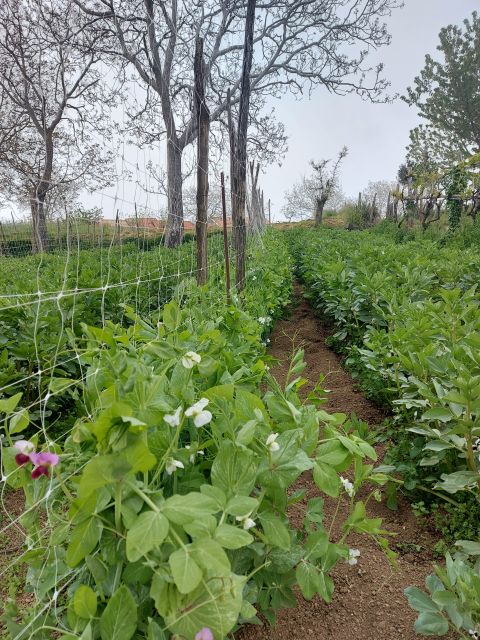
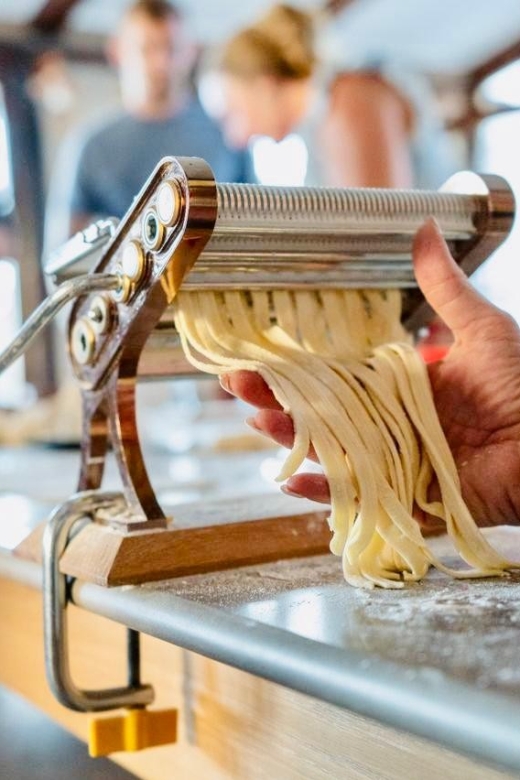
The pasta course uses flour, oil, and eggs. Ferdinando explains how to bring the dough together and how to work it until it reaches the right consistency for tagliatelle.
This is the most obviously hands-on part of the class. You get your hands into the dough, learn the basic feel of it, and shape fresh pasta rather than relying on a packet from the supermarket. The lesson is useful because pasta dough is forgiving enough for beginners, but still teaches skills you can repeat at home.
The instructor’s style seems to be a major strength. Ferdinando is described as lively, funny, patient, and encouraging. He keeps people involved and explains the stages step by step, which matters when several people are cooking at once and not everyone has the same level of experience.
After the pasta is prepared, it is taken to the kitchen to be finished. You then sit down to eat it with the other dishes and the farm’s additional food. This means you may not handle every single stage from raw dough to plated pasta, but you do get the valuable part: making the dough and learning how fresh tagliatelle is formed.
If you want a formal lesson where you leave with a written technical manual, check what is provided before booking. The main strength here is the live instruction and relaxed atmosphere, not a professional culinary qualification.
More Ravioli and Gnocchi Classes in Italy:
- Rome: 3-in-1 Fettuccine, Ravioli, and Tiramisu Cooking Class
★ 4.9 · 2,704 reviews - Rome: Fettuccine Pasta Cooking Class in Rome’s City Center
★ 4.8 · 2,414 reviews - Become a Masterchef in Rome: Pasta, Ravioli and Tiramisù Class
★ 5.0 · 2,156 reviews - Fettuccine & Tiramisù: Cooking Class with Wine & Limoncello
★ 4.9 · 2,103 reviews
A farmhouse meal with wine and limoncello
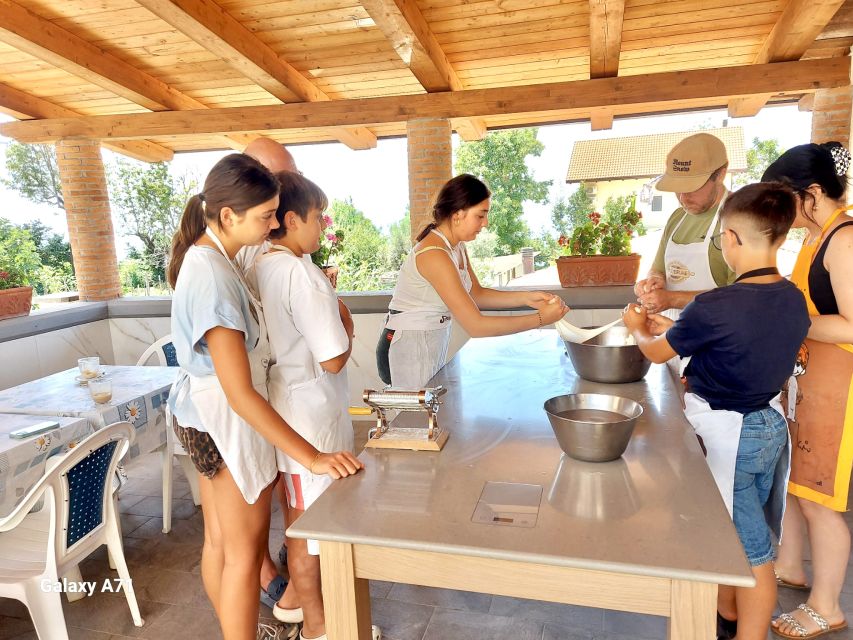
The cooking ends with lunch or dinner, depending on the start time. This is not an extra snack after the real activity. It is the reward for the work and a central part of the three-hour experience.
You eat the tiramisù, mozzarella, and pasta you helped prepare, along with local farm products. Wine is included, and limoncello is available for tasting. Several accounts of the class describe the wine as starting early and continuing with the meal, so this is best understood as a food-and-drink social outing as much as a lesson.
The meal also gives you time to talk with the group. Previous participants have enjoyed meeting people from different countries, and the family atmosphere makes it easier to settle in. If you are hoping for a quiet, private dinner, this may not be the right fit. If you like shared tables, conversation, and a little good-natured noise, it should suit you well.
The ingredients matter here. Farm-grown food generally will not resemble a highly styled tasting menu, and that is part of the charm. You are getting straightforward dishes made with local products, served in the place where the hosts cook and eat. I would choose this over a polished tourist menu if your aim is to understand everyday Campania food.
The farm visit and the Amalfi Coast view
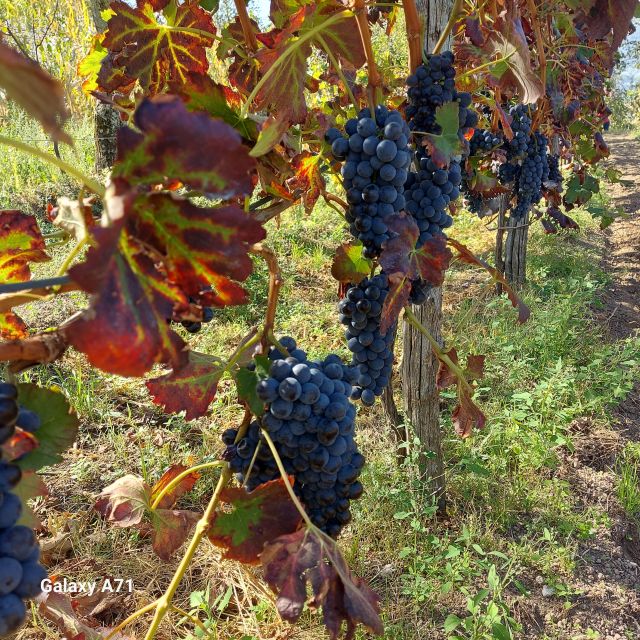
A guided visit to the farmhouse is included, giving you a look at the setting before or during the cooking experience. The class takes place in Pianillo, in the hills rather than down at sea level, so you trade the easy waterfront location for a wider view across the coast.
The viewpoint is one of the best extras. After the meal, the hosts may take you on a short walk to a nearby high point with a broad panorama of the Amalfi Coast. This is a small addition, but it helps turn the class into a half-day outing rather than a meal with a lesson attached.
Do not treat the view as a substitute for a full sightseeing tour. The activity is centered on cooking, and the walk is short. Still, it gives you a memorable sense of the coast’s steep geography and offers a good moment for photographs after the class.
The hill location also explains the transport issue. Amalfi port is not right next door, and one person specifically advises checking bus times before setting out. The trip can be managed with a single bus journey from Amalfi, but schedules matter, especially if you are trying to connect with a ferry, an organized excursion, or a fixed dinner reservation.
Getting to the class without unnecessary stress
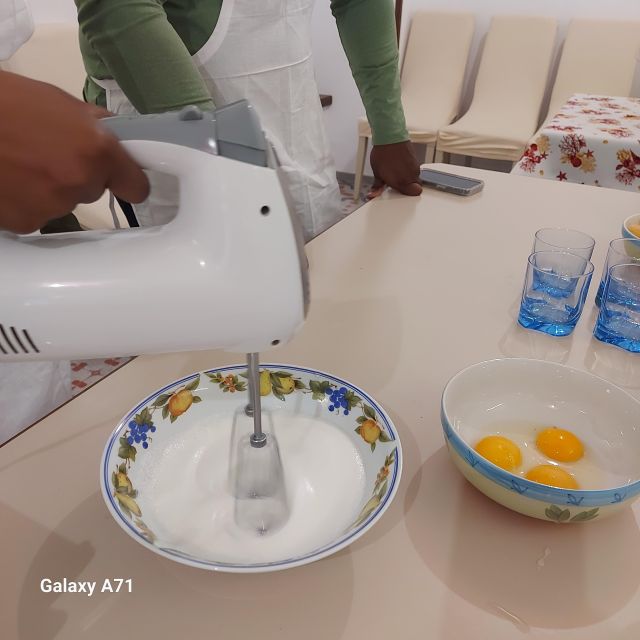
Hotel pickup and drop-off are not included. Free parking is available, so a rental car can make the trip easier, but you still need to locate the farmhouse entrance.
The address may not be perfectly obvious. There is reportedly no clear sign on the building, and the entrance may be a couple of buildings beyond where a map application directs you. That is not a reason to skip the activity, but it is a reason to arrive with time to spare and keep the provider’s contact details handy.
If you are using public transport, check the return bus as well as the outbound bus. A cooking class can easily run close to its full three hours, especially when the meal and conversation are included. You do not want to leave the table early because you failed to check the final departure.
The class is wheelchair accessible, according to the activity information. Since access conditions can depend on the exact route and transport you use, ask the provider for practical details if you need step-free access throughout the journey.
Is $71 a fair price?
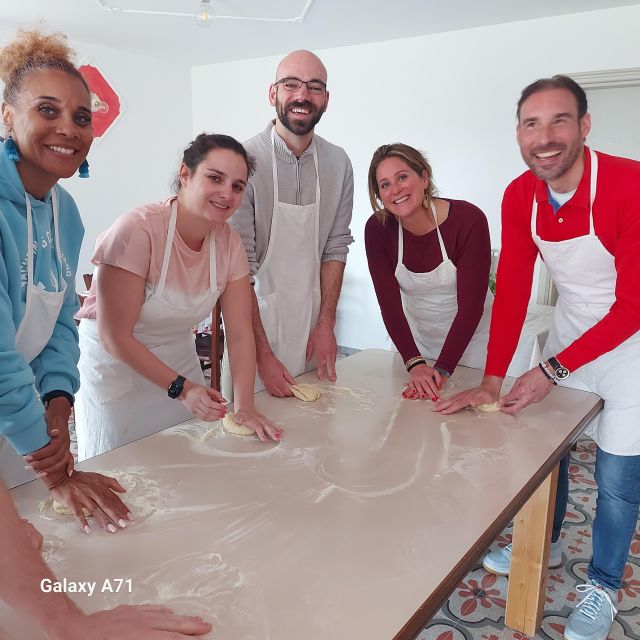
At $71 per person, this is good value if you would otherwise pay separately for a meal, a farm visit, and a short food lesson. The price includes the cooking class, a professional Neapolitan cook, lunch or dinner, wine, limoncello tasting, the farmhouse visit, and parking.
The value is not just in the amount of food. You spend three hours learning methods you can use again, and the class gives you a stronger connection to the ingredients than a restaurant meal would. You also get the setting and the coastal view without paying for a separate sightseeing ticket.
There are limits. You are not receiving hotel transport, a private class, or a full day of culinary training. The activity also does not suit anyone who needs a strict gluten-free or lactose-free menu. But for a visitor who wants an easygoing local meal and a practical introduction to Italian cooking, the price is sensible.
I would compare it with the cost of a good Amalfi Coast lunch, then add the value of the instruction and farm setting. On that basis, $71 feels fair, especially if wine and limoncello are important parts of your idea of a holiday meal.
Who should book this experience?
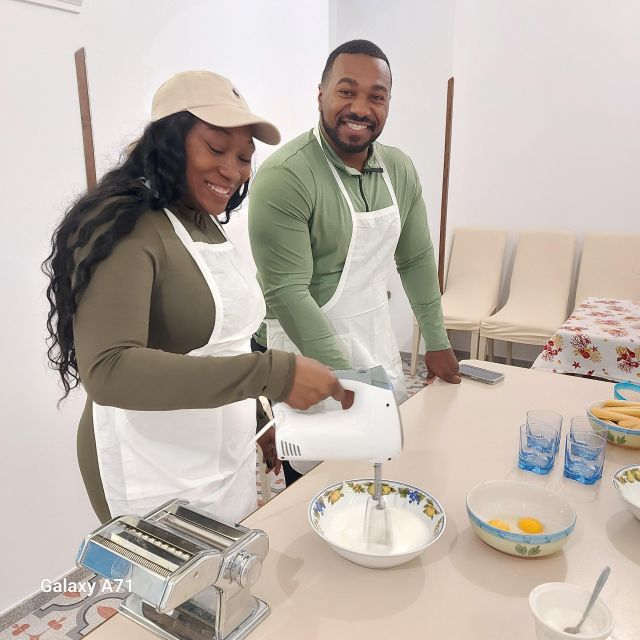
I would recommend it to couples, families with children over seven, and friends who want an activity that mixes food with conversation. It is especially good for first-time cooks because Ferdinando’s patient, step-by-step approach keeps the recipes approachable.
It also suits people staying near Amalfi who want to get above the port and see a different side of the area. The farm setting and local products give you a more personal experience than eating in a restaurant aimed at passing day visitors.
You may want to skip it if your schedule is tight, your transport connections are fragile, or you need a specialized diet. It is also not the best choice if you prefer a private, polished cooking studio or a silent demonstration.
Book ahead if the timing works, and confirm the meeting directions, bus schedule, and dietary arrangements before you go. Keep the day open enough to enjoy the meal rather than racing away at the end.
Should you book the Pianillo cooking class?
Yes, if you want to make real Italian food, eat what you prepare, and spend time with a welcoming local family. The strongest parts are the hands-on mozzarella and pasta work, Ferdinando’s cheerful teaching, the farm ingredients, and the excellent value of a full meal with wine and limoncello.
Go in with realistic expectations. This is a relaxed family cooking experience, not a formal culinary school, and reaching the farmhouse takes planning. If you can manage the transport and have no restricted diet beyond the stated vegetarian option, this is a memorable way to spend three hours on the Amalfi Coast.
FAQ
Where does the cooking class take place?
The class takes place in Pianillo, in the Campania region on the Amalfi Coast. It is away from Amalfi port and includes views across the coast.
How long does the experience last?
The cooking class lasts three hours. Starting times vary, so you need to check availability when booking.
What dishes will I make?
You will prepare mozzarella, fresh tagliatelle, and tiramisù. The class covers the recipes step by step, and you eat the finished dishes during lunch or dinner.
Is food and drink included?
Yes. Lunch or dinner is included, along with local wine and a limoncello tasting. Ingredients come from the organic farm.
Can I book a vegetarian option?
Yes, a vegetarian option is available, but you must request it when booking. Gluten-free, lactose-free, and other alternative dietary requirements cannot be catered for.
Is transportation included?
No. Hotel pickup and drop-off are not included, although free parking is available. If you travel from Amalfi by bus, check the schedule carefully, and allow extra time because the farmhouse entrance may not be clearly marked.
More Cheese Making Classes in Italy
- Cooking class with Pasta, mozzarella and Tiramisu with wine
★ 5.0 · 549 reviews - Amalfi: Make Fresh Pasta, Mozzarella & Tiramisù with wine
★ 5.0 · 503 reviews - Amalfi: Make Fresh Pasta, Mozzarella, & Tiramisù with Wine
★ 5.0 · 305 reviews - Florence: Flambé Cheese Wheel Truffle Pasta Class & Tiramisù
★ 5.0 · 190 reviews
Recently added in Italy
- Verona: Tortellini Cooking Class and Lunch with Mamma Ivana★ 5.0 · 20 reviews
- Vicenza: Pasta & Tiramisu Cooking Class at a Local’s Home★ 5.0 · 5 reviews
- Verona: Pasta Cooking Class with Wine Tasting★ 5.0 · 4 reviews
- Verona: Pasta & Tiramisu Cooking Class at a Local’s Home★ 5.0 · 16 reviews
- Verona: Prosecco and Pasta Making Class at a Local’s Home★ 5.0 · 10 reviews
- Volterra: Fresh Pasta Cooking Class at a Tuscan Farmhouse★ 5.0 · 33 reviews
- Verona: My Granny’s secrets making gnocchi★ 5.0 · 7 reviews
- Venice: Share Your Pasta Love in a Local’s Home★ 4.8 · 20 reviews
Cheese Making Classes, compared.
Cooking class with Pasta, mozzarella and Tiramisu with wine
Read our review →
Make Fresh Pasta, Mozzarella & Tiramisù with wine
Read our review →Make Fresh Pasta, Mozzarella, & Tiramisù with Wine
Read our review →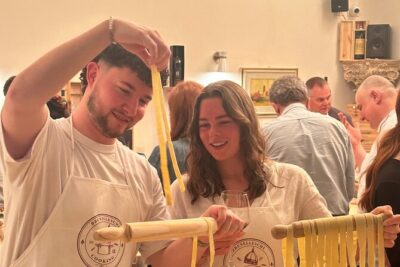
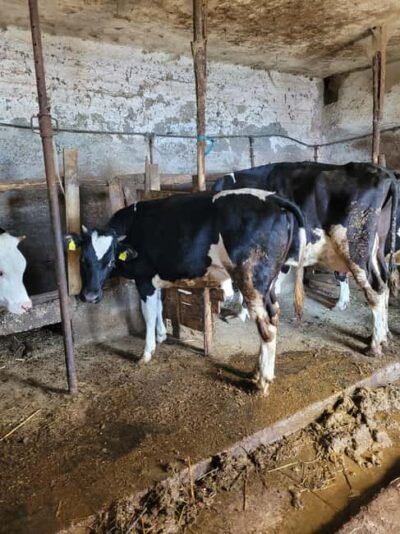
Milk the cows, Make Pasta, Mozzarella and Tiramisù!
Read our review →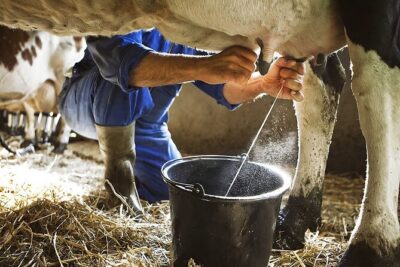
Milk the Cow & Make Mozzarella and Gnocchi with Our Family
Read our review →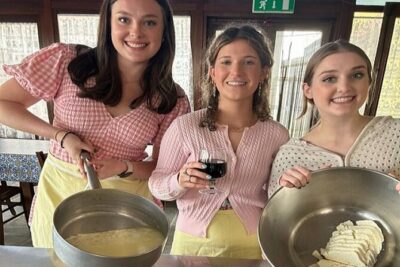
Amalfi Coast Cooking Class: Make Pasta, Mozzarella & Tiramisu
Read our review →Browse the lists this class appears in