
REVIEW · RAVIOLI AND GNOCCHI CLASSES
Hands-On Turin Cooking Class with Gnocchi, Wine & Chocolate
Turin’s best food lessons often happen away from grand restaurants. Here, you climb into an attic apartment inside a traditional casa di ringhiera, a historic building with open balconies, and make gnocchi with Francesca and Francesco. The class feels personal from the start, with Toma cheese, breadsticks, and seasonal bites waiting as your welcome aperitivo.
I like the small group of no more than four people, which gives you room to ask questions and work at the counter without fighting for space. I also like that the cooking is practical: you learn a simple gnocchi method you can repeat at home, then eat the results with Castelmagno cheese and local wine.
The main limitation is dietary. This class cannot accommodate gluten-free, dairy-free, or egg-free diets, and a friendly dog lives in the home, so it may not suit anyone with dog allergies.
Key points to know before booking
- A four-person class in a real Turin home: The small size makes this more personal than a large demonstration class.
- Gnocchi from just eggs and flour: You work through texture, shaping, and balance rather than simply watching someone else cook.
- Castelmagno brings Piedmont to the plate: The local cheese turns the gnocchi into a creamy regional specialty.
- A full three-course meal is included: Aperitivo, pasta, and homemade dessert are served with local wine.
- The finish is pure Turin: Espresso and a gianduiotto chocolate close the meal.
- The location is easy to reach: The apartment is about five minutes from Porta Nuova station and near the city center.
A small Turin kitchen near Porta Nuova
The meeting point is at C.so Vittorio Emanuele II, 71, with a 10:30 am start. That places the class in a useful part of Turin, about five minutes from Porta Nuova station and within an easy walk of the city center.
The setting matters. Instead of entering a cooking school built for large groups, you go into an attic apartment inside a casa di ringhiera. These traditional Italian buildings are known for open balcony corridors around an inner space. The result is a more domestic setting, with the class taking place in a real home rather than a polished commercial studio.
I would plan to arrive a little early. You do not want to begin a three-hour class while still checking your map or rushing from the station. Since the activity returns to the same meeting point, you can leave your afternoon open for Turin’s cafés, museums, or arcaded streets.
Francesca and Francesco host and teach the class. Their approach is warm and patient, with clear instruction suited to people who may have never made pasta before. One of the strongest features here is the sense that you are cooking with people, not being processed through a lesson.
More Ravioli and Gnocchi Classes in Italy:
- 3 in 1 Cooking Class near Navona: Fettuccine, Ravioli & Tiramisu
★ 5.0 · 7,376 reviews - Rome: 3-in-1 Fettuccine, Ravioli, and Tiramisu Cooking Class
★ 4.9 · 2,704 reviews - Rome: Fettuccine Pasta Cooking Class in Rome’s City Center
★ 4.8 · 2,414 reviews
Start with Toma, breadsticks, and Piedmont flavors
The first course is an aperitivo with local Toma cheese, breadsticks, and seasonal bites. This is not just a snack before the real activity. It introduces you to the straightforward, hearty flavors of Piedmont and gives you time to settle into the kitchen.
Toma is a classic regional cheese, and it makes a fitting opening for a meal that later uses Castelmagno. You get a taste of the area’s dairy tradition before learning how cheese can shape the main dish. The breadsticks add another Turin touch, since grissini are closely tied to the city’s food culture.
The seasonal bites can vary, so do not expect a fixed list beyond the stated cheese and bread. That change is part of the appeal, but it also means the opening course may not be identical at every sitting.
This first stage helps set the pace. You are not pushed straight into a technical lesson. You have time to meet the hosts, look around the apartment, and begin the meal in the relaxed Italian style the class is aiming for.
Make gnocchi from the basics
The main lesson focuses on fresh gnocchi. The method begins with eggs and flour, then moves through the details that determine whether the pieces are light and tender or heavy and dense.
You learn how to develop the dough’s texture, how to judge its balance, and how to shape the gnocchi. Those are the useful parts of the class. A recipe alone may tell you how much of each ingredient to add, but a good lesson also teaches you what the dough should feel like as you work.
That makes this a sensible choice for a first hands-on pasta class. The process is simple enough to follow, yet there is still technique involved. Francesca and Francesco can adjust their guidance to a tiny group, and the small class size should make it easier to see what they are doing and ask about mistakes.
The lesson also has value beyond Turin. You are not learning a dish that depends on an obscure piece of equipment or a restaurant kitchen. The techniques are intended to be repeated at home, and digital recipes are provided afterward. That gives you a useful record of the method instead of relying on memory after lunch and wine.
Do not expect a broad pasta workshop covering several shapes and sauces. The class centers on gnocchi, and that narrow focus is a strength if you want to learn one dish properly. It is less suitable if your goal is to collect many different pasta techniques in a single morning.
Castelmagno turns the gnocchi into a Piedmont meal
The finished pasta is gnocchi al Castelmagno. Castelmagno is one of Piedmont’s prized cheeses, and here it becomes a creamy sauce for the handmade gnocchi.
This is where the class connects cooking technique with place. You are not simply preparing generic potato dumplings or serving pasta with a familiar tomato sauce. The dish uses a cheese associated with the region, giving the meal a clear Turin and Piedmont identity.
The sauce is comforting and substantial. If you prefer delicate food, the cheese may feel rich, especially after the opening aperitivo. For anyone who enjoys northern Italian cooking, it is a rewarding main course because the cheese does most of the talking.
I also like the order of the lesson. You make the gnocchi first, then sit down to eat the result. That small gap between work and lunch gives the meal a sense of payoff. You can see how the dough behaves once cooked and compare the finished texture with what you learned at the counter.
The meal is served with local wine. The supplied details do not name a particular bottle or grape, so you should not book this expecting a formal wine tasting. Think of the wine as a regional accompaniment to lunch, not a separate class.
More Fresh Pasta Workshops in Italy:
- Rome: Pasta Making Class with Wine, Limoncello, and Dessert
★ 4.9 · 3,177 reviews - Pastamania – Florence Pasta Making Class
★ 5.0 · 3,050 reviews - Enjoy Spritz and Pasta Making in Piazza Navona
★ 5.0 · 1,681 reviews - Pasta Making & Wine Tasting with Dinner in Frascati from Rome
★ 5.0 · 1,326 reviews
Dessert keeps the meal personal
After the gnocchi comes a homemade dessert. The stated options are tiramisu or zabaglione, so the exact sweet course can vary.
Tiramisu offers the familiar layered dessert many people hope to learn while in Italy. Zabaglione is a lighter, custard-like classic made with whipped egg yolks and wine. Both fit the home-kitchen setting and give the meal a distinctly Italian finish.
The dessert also adds a second practical lesson, though the amount of hands-on work may depend on the day’s preparation. You are not only learning a savory dish. You are taking part in a full meal that moves from aperitivo to pasta to dessert.
One especially appealing detail is the praise for Tommy’s tiramisu, described as exceptional. Since the available information does not explain Tommy’s role, I would treat this as a memorable house dessert rather than assume a separate pastry demonstration. The important point is that dessert is made at home and forms part of the shared lunch.
Espresso and gianduiotto finish the Turin way
The final course is an Italian espresso served with a gianduiotto. This chocolate is one of Turin’s signature sweets, shaped like a small wrapped mound and made with gianduja, the city’s famous hazelnut and chocolate combination.
It is a small finish, but a good one. Turin is strongly linked with café culture and chocolate, so the espresso and gianduiotto connect the cooking class to the city beyond the apartment. You leave having tasted a local specialty rather than simply ending with an ordinary cup of coffee.
The espresso will be brief, as it should be. This is not a long coffee tasting or a chocolate-making workshop. It is the final note after a generous meal.
What the three-hour schedule means for you
The activity lasts about three hours and begins at 10:30 am. That makes it a late-morning class that runs into lunch, rather than a quick cooking demonstration followed by free time before noon.
You should arrive ready to eat. The aperitivo begins the food portion, then the cooking lesson leads into a three-course meal. With wine, dessert, coffee, and conversation in a small apartment, the time can feel pleasantly full rather than rushed.
The class ends back at the starting point. That makes planning easier, especially if you are using Porta Nuova as your transport hub or staying near the center. Mobile tickets are accepted, and confirmation is provided when you book.
The group limit is four people. This is one of the biggest reasons to choose this class over a larger school. You have a better chance of receiving direct help with the dough, seeing the shaping technique clearly, and speaking with the hosts without competing with a crowd.
The tradeoff is that very small classes may feel more intimate than some people expect. If you prefer a busy room with lots of fellow diners, this is not that kind of activity. It is closer to being invited into a local home for a guided meal.
Is $107.17 a fair price?
At $107.17 per person, this is not the cheapest way to eat pasta in Turin. You are paying for more than the food, though. The price includes the aperitivo, the hands-on lesson, a three-course lunch, local wine, coffee, gianduiotto, and digital recipes.
The group size improves the value. With only four people, the instruction is likely to be more direct than in a class where one teacher addresses a dozen or more participants. You are also getting a meal in a private home setting, which is different from buying a plate of gnocchi at a restaurant.
I would consider the price fair if you care about learning a repeatable skill and having a personal food experience. It is less compelling if you mainly want a cheap lunch or if you already make gnocchi confidently.
The inclusion of recipes matters. A cooking class has limited value if the method disappears once you leave. Digital recipes give you a practical way to recreate the dish, though you may still need to rely on the sensory cues learned in person, especially when judging dough texture.
Who will enjoy this class most
This class suits couples, solo visitors, and small groups who want a relaxed meal with a local host rather than a formal school setting. It is especially useful for first-time pasta makers because the lesson starts with basic ingredients and explains the steps in order.
You should also consider it if you like regional food. Castelmagno cheese, Toma, Piedmont wine, gianduiotto, and the Turin setting give the morning a strong sense of place.
People who enjoy home cooking will get the most from the experience. The point is not only to taste a finished dish. You work with the ingredients, learn how to shape the gnocchi, and take the recipe home.
This is not a good fit for anyone needing gluten-free, dairy-free, or egg-free food. The class cannot accommodate those diets, and the menu depends on all three categories of ingredients. A dog lives in the home as well, so anyone with a dog allergy should think carefully before booking.
The activity is offered in English. No other language is listed, so English speakers can book with confidence, but you should not assume another language will be available.
Booking and cancellation details to keep in mind
The class is often reserved about 39 days ahead, which is useful planning information for a small activity with only four places. If this is important to your Turin plans, booking early makes sense.
Free cancellation is available if you cancel at least 24 hours before the 10:30 am start time. Cancellations made less than 24 hours ahead do not receive a refund, and changes inside that window are not accepted. The cut-off follows Turin local time.
The activity is near public transportation, with Porta Nuova station close by. Since the class begins and ends at the same address, the logistics are simpler than an outing that uses several meeting points.
Should you book the Turin gnocchi class?
I would book this class if you want a small, home-based food activity with a clear regional identity. The combination of hands-on gnocchi, Castelmagno cheese, Piedmont wine, homemade dessert, espresso, and gianduiotto gives you a full morning rather than a short demonstration.
The strongest reasons to choose it are the four-person limit and the practical teaching style. Francesca and Francesco focus on food you can make again, and the class gives you recipes to take home. The intimate apartment setting adds character without requiring a long trip from central Turin.
Skip it if you need a special diet, dislike dogs, or want a broad lesson covering several kinds of pasta. Also skip it if your only goal is a low-cost meal. For everyone else, the price buys instruction, lunch, and a genuine taste of Turin in one well-shaped experience.
FAQ
Where does the cooking class begin?
It begins at C.so Vittorio Emanuele II, 71, 10128 Torino TO, Italy.
What time does the activity start?
The start time is 10:30 am.
How long does the experience last?
The class lasts approximately three hours.
How many people can join?
The maximum group size is four people.
What food is included?
The meal includes a welcome aperitivo with Toma cheese and bread, gnocchi al Castelmagno, homemade tiramisu or zabaglione, local wine, espresso, and a gianduiotto chocolate.
Can the class accommodate dietary restrictions?
The class cannot accommodate gluten-free, dairy-free, or egg-free diets.
What is the cancellation policy?
You can cancel for a full refund up to 24 hours before the experience start time. Cancellations or changes made less than 24 hours before the start are not accepted for a refund.
More Dessert Tastings in Italy
- Florence: Handmade Pasta & Dessert Class with Unlimited Wine
★ 4.8 · 788 reviews - Florence: Pasta Class with Wine, Limoncello and Dessert
★ 4.9 · 674 reviews - Rome Cooking Class: Make Pizza and Pasta with Wine & Dessert
★ 4.5 · 651 reviews - Pasta, meatballs and ice cream in a villa in the hills of Florence
★ 5.0 · 32 reviews
More Pasta Classes with Wine in Italy
- Florence: Pasta Cooking Class with Unlimited Wine
★ 4.9 · 10,285 reviews - Florence: Pasta & Tiramisu Cooking Class with Unlimited Wine
★ 4.9 · 6,708 reviews - Florence: Pasta Cooking Class with Unlimited Wine
★ 5.0 · 6,413 reviews - Rome: Pasta & Tiramisu Class with Fine Wine by the Vatican
★ 4.9 · 4,852 reviews
Recently added in Italy
- Verona: Tortellini Cooking Class and Lunch with Mamma Ivana★ 5.0 · 20 reviews
- Vicenza: Pasta & Tiramisu Cooking Class at a Local’s Home★ 5.0 · 5 reviews
- Verona: Pasta Cooking Class with Wine Tasting★ 5.0 · 4 reviews
- Verona: Pasta & Tiramisu Cooking Class at a Local’s Home★ 5.0 · 16 reviews
- Verona: Prosecco and Pasta Making Class at a Local’s Home★ 5.0 · 10 reviews
- Volterra: Fresh Pasta Cooking Class at a Tuscan Farmhouse★ 5.0 · 33 reviews
- Verona: My Granny’s secrets making gnocchi★ 5.0 · 7 reviews
- Venice: Share Your Pasta Love in a Local’s Home★ 4.8 · 20 reviews
Ravioli and Gnocchi Classes, compared.
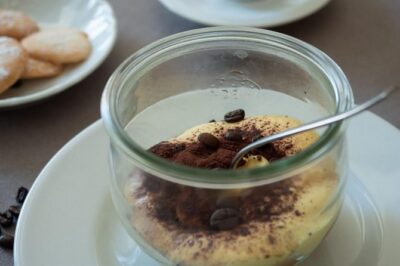
3 in 1 Cooking Class near Navona: Fettuccine, Ravioli & Tiramisu
Read our review →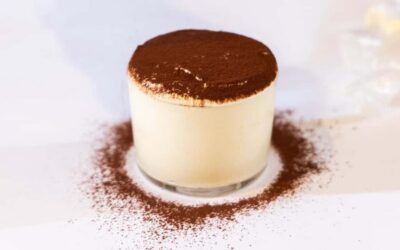
3-in-1 Fettuccine, Ravioli, and Tiramisu Cooking Class
Read our review →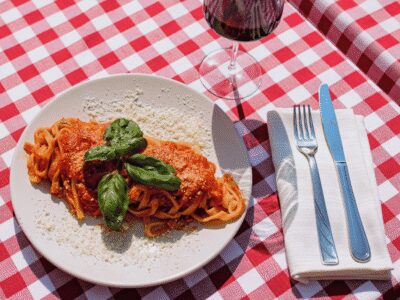
Fettuccine Pasta Cooking Class in Rome’s City Center
Read our review →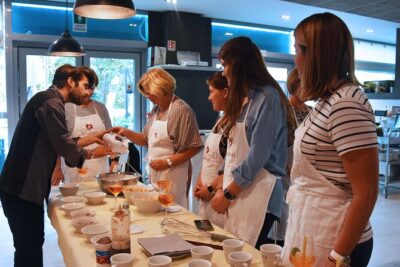
Become a Masterchef in Rome: Pasta, Ravioli and Tiramisù Class
Read our review →
Fettuccine & Tiramisù: Cooking Class with Wine & Limoncello
Read our review →
Rome Pasta and Tiramisu Class: Ravioli, Fettuccine & Fine Wine 5*
Read our review →
Pasta Cooking Class in Rome – Fettuccine Class in Piazza Navona
Read our review →
Browse the lists this class appears in