
REVIEW · RAVIOLI AND GNOCCHI CLASSES
Cagliari Cooking Class: Sardinian Ravioli, Wine & Local Flavors
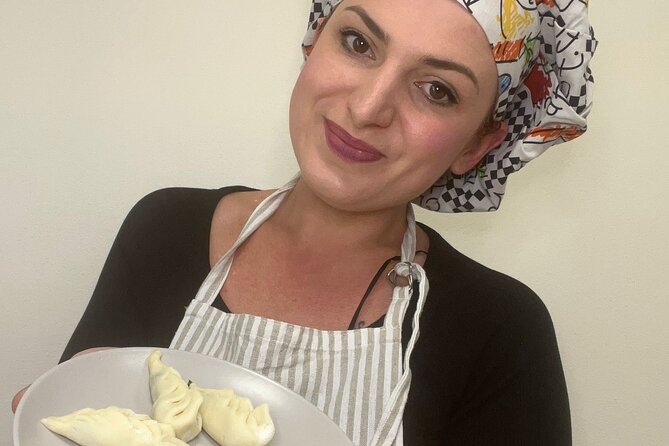
Sardinian pasta is not just a plate of food here. You learn to shape culurgiones, the island’s distinctive potato-and-mint ravioli, then make fresh tagliatelle before sitting down to eat what you prepared. Giulia leads the class with patient, step-by-step instruction, and the small group keeps the kitchen personal.
I like the chance to make two different pastas, rather than spending three hours on one recipe. I also like the meal that follows: Sardinian cheeses, cured meats, honey, regional wine, dessert, and homemade Mirto turn a cooking lesson into a full local food experience. The main consideration is location. The meeting point is in Sestu, not central Cagliari, so you should check your route before booking.
Key points at a glance
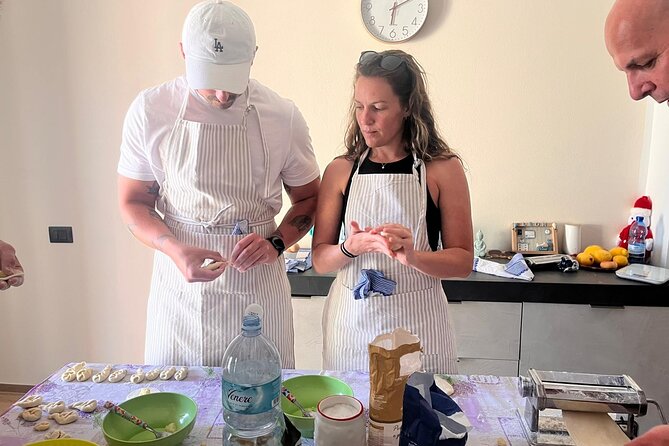
- Two Sardinian pastas: Learn both culurgiones and fresh tagliatelle, with dough-making and shaping included.
- A six-person maximum: The small group allows for one-on-one help from Giulia.
- A full meal afterward: Your pasta is served with traditional sauces, alongside antipasti, wine, dessert, and Mirto.
- A real home setting: The class takes place in a welcoming home kitchen on a quiet street with easy parking.
- Recipes to keep: Digital recipes let you try the dishes again after returning home.
- A three-hour format: The class gives you enough time to cook, eat, and talk without taking up a full day.
Making culurgiones in Giulia’s kitchen
The heart of the class is culurgiones, a Sardinian pasta that looks like a small, carefully sealed parcel. The dough is made fresh, and the filling uses potato and mint, a simple combination with a clear island identity.
You begin with instruction from Giulia, then work with your own hands. That matters. This is not a demonstration where you sit back and watch a professional handle all the difficult parts. You make the dough, shape the pasta, and get help as you go.
Culurgiones can take patience. The filling needs to be enclosed neatly, and the characteristic folded edge requires a little practice. Giulia’s teaching style is described as patient and step-by-step, which should suit beginners who have never shaped this kind of pasta before. You do not need previous cooking experience. Curiosity and an appetite are enough.
The class is especially useful for anyone who has eaten pasta in Sardinia and wants to understand how it is made. The dish is tied closely to the island, and learning its shape gives you more than another generic pasta lesson. You leave knowing how to make something specifically Sardinian.
More Ravioli and Gnocchi Classes in Italy:
- 3 in 1 Cooking Class near Navona: Fettuccine, Ravioli & Tiramisu
★ 5.0 · 7,376 reviews - Rome: 3-in-1 Fettuccine, Ravioli, and Tiramisu Cooking Class
★ 4.9 · 2,704 reviews - Rome: Fettuccine Pasta Cooking Class in Rome’s City Center
★ 4.8 · 2,414 reviews
Fresh tagliatelle adds a second lesson
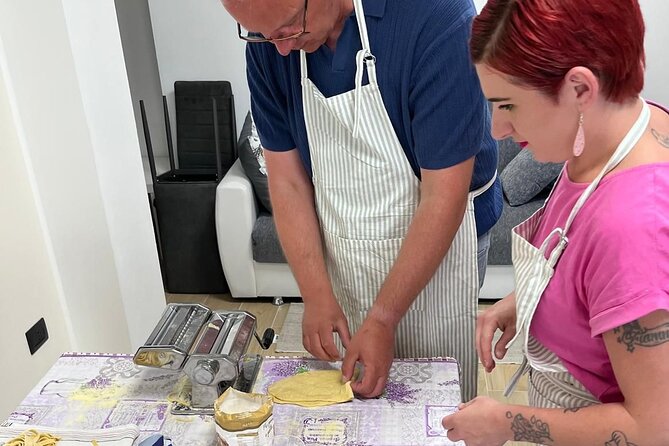
After working on culurgiones, you also make fresh tagliatelle. The contrast is useful. Culurgiones teach you about filled pasta and careful sealing, while tagliatelle give you practice with rolled and cut dough.
The class uses local flours and straightforward methods passed down through generations. The recipes are not presented as restaurant tricks that require special equipment. Instead, the emphasis is on basic ingredients, hand skills, and a method you can attempt again at home.
Making two pastas also gives the session a good rhythm. You are not repeating the same movement for hours. There is variety, and the final meal lets you taste the difference between the two types of pasta.
I would choose this class over a lesson focused only on tagliatelle if Sardinia is a major part of your trip. Tagliatelle is familiar to many people, but culurgiones gives the activity its local character. At the same time, the tagliatelle provides a more approachable pasta to practice later.
A meal built around your own work
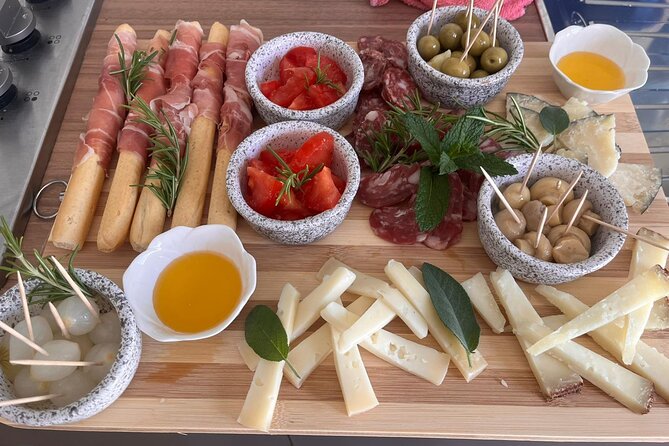
Once the cooking is finished, you sit down to eat. The meal begins with a traditional Sardinian antipasto platter featuring cheeses, cured meats, and local honey. Regional wine is served during the meal, with water included as well.
This opening course gives you a taste of Sardinia beyond pasta. The cheeses and cured meats bring in the island’s pastoral food traditions, while honey adds a sweet contrast. It is a relaxed way to begin the meal rather than rushing directly to the pasta you just made.
The main course includes both fresh pasta and culurgiones. Traditional sauces are used, though the specific sauces are not listed, so you should not book this expecting a particular recipe beyond the two pastas you make.
The best part of the meal is the connection between cooking and eating. You do not simply receive a plate prepared by someone else. You see the ingredients become dough, shape the pasta yourself, and then taste the finished result at the table. That gives the meal a sense of occasion without making it formal.
Dessert finishes the meal with a typical Sardinian sweet, followed by a glass of homemade Mirto. This myrtle liqueur is one of the island’s best-known after-dinner drinks. It gives the class a distinctly Sardinian ending and adds a final local touch that a standard pasta lesson might skip.
Why the six-person limit matters
The maximum group size is six. For a hands-on lesson, that is a real advantage. Pasta dough can be hard to judge from across a crowded room, and shaping culurgiones often needs direct correction.
A small class gives Giulia time to look at your dough, show you a fold again, or help when your pasta does not quite cooperate. The one-on-one guidance is especially valuable if you are new to fresh pasta.
The limited size also affects the social side of the meal. You have a better chance to talk with the cook and the other people at the table, rather than being separated into a large class with little personal contact. Several comments describe the atmosphere as warm, fun, and welcoming, with Giulia praised both as a cook and as a teacher.
That said, a six-person class is still a group activity. You will be sharing the kitchen and the table, and the pace will be shaped partly by the other people attending. If you want a completely private lesson, confirm the arrangement before booking, since the listed format is a small shared group rather than a guaranteed private class.
More Pasta Classes with Wine in Italy:
- Florence: Pasta Cooking Class with Unlimited Wine
★ 4.9 · 10,285 reviews - Florence: Pasta & Tiramisu Cooking Class with Unlimited Wine
★ 4.9 · 6,708 reviews - Florence: Pasta Cooking Class with Unlimited Wine
★ 5.0 · 6,413 reviews - Rome: Pasta & Tiramisu Class with Fine Wine by the Vatican
★ 4.9 · 4,852 reviews
The home setting and practical location
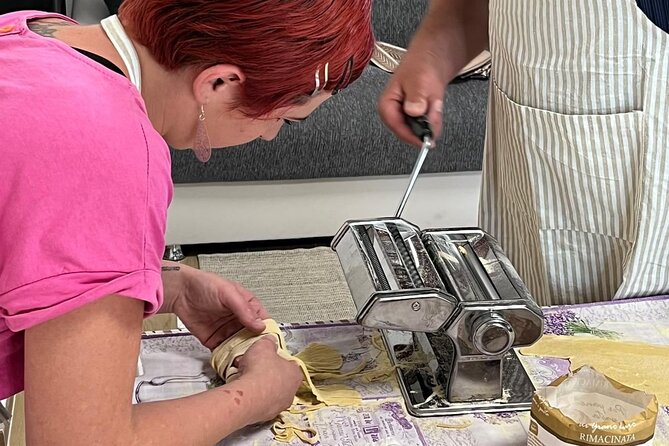
The cooking takes place in a real Sardinian home kitchen on a quiet street. One useful detail is the report of easy parking, which may matter if you are driving.
The meeting address is Via G. Matteotti 34, 09028 Sestu, in the Cagliari area. The activity ends back at the same meeting point. Public transportation is nearby, and service animals are allowed.
Pay attention to the address when planning your day. The description presents the class as a Cagliari-area activity, but the stated meeting point is in Sestu. If you are staying in central Cagliari and have a tight schedule, allow time to reach Sestu and return afterward. The location may be convenient for some, especially if you have a car, but it is not something to treat as a central-city walking activity.
The home setting is part of the appeal. You get a kitchen-based lesson rather than a staged restaurant presentation. The trade-off is that a private home may have fewer formal facilities than a dedicated cooking school. The available information does not promise a polished studio kitchen, so book this for personal instruction and local hospitality, not for a slick culinary production.
What the $94.82 price includes
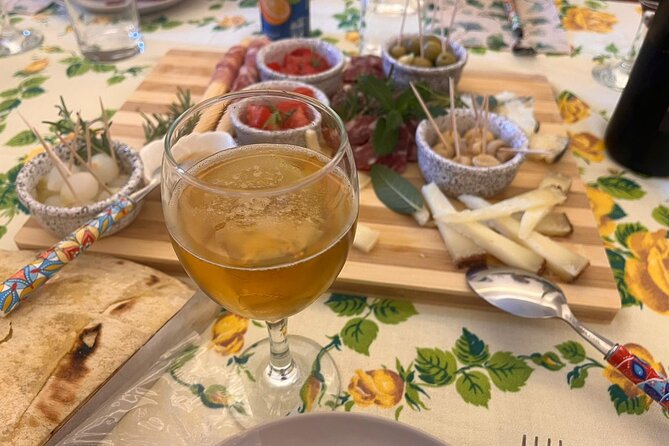
At $94.82 per person, the price is easier to judge when you count the whole afternoon or evening rather than just the lesson. You receive a hands-on pasta class, two types of pasta, an antipasto course, the pasta meal, dessert, regional wine, water, and homemade Mirto.
The digital recipes add useful value. They give you a way to repeat the dishes after the holiday, which is important because a cooking class can otherwise become a pleasant memory with no practical result.
You are also paying for a very small group and direct attention from Giulia. If the class were only a demonstration followed by a meal, the price would be less compelling. Here, the combination of instruction, food, drinks, and a take-home resource makes the cost reasonable for someone who wants both dinner and a cultural activity.
Still, this is not the cheapest way to eat pasta in Sardinia. You should book it because you want to learn, not simply because you want a meal. If cooking is not part of your interest, a restaurant will provide dinner with less time and effort. If you like food traditions and want a personal activity, the price covers a good deal.
Who will enjoy this class most
I would recommend the class to first-time pasta makers, food-focused visitors, couples, families, and small groups of friends. The instruction is designed for people without experience, and the two-pasta format gives beginners enough variety to stay engaged.
It is also a good choice for anyone who wants a cultural activity that feels personal. You learn about Sardinian food through ingredients, technique, and conversation rather than through a formal lecture. The meal creates time to enjoy the social side of the island’s cooking traditions.
The class may be less suitable if you have a very limited schedule in Cagliari and cannot comfortably reach Sestu. It may also be a poor fit for someone who wants a quiet meal without participation, since the central point is making the food yourself.
Tell the provider about any food allergy before attending. The class includes dairy, cured meats, honey, pasta, wine, and other food products, so advance notice is important. The information provided does not promise a particular allergy-free menu, so ask before booking if your needs are strict.
How the class fits into a Sardinia itinerary
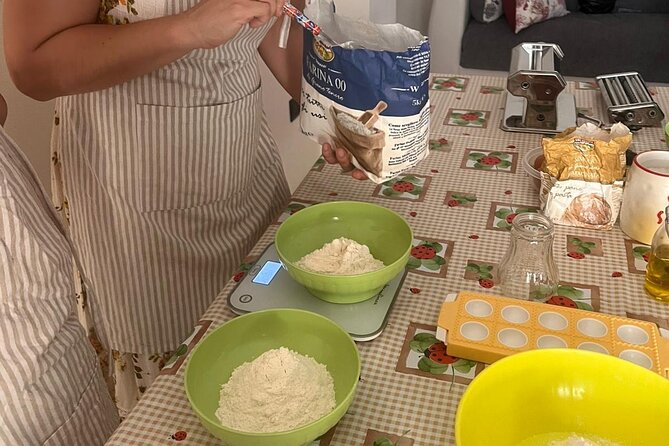
A three-hour format works well as a half-day food activity. You can place it on a day when you want a break from museums, beaches, or archaeological sites, though you should keep the route to Sestu in mind.
The class has enough stages to feel substantial. You make dough, shape culurgiones, prepare tagliatelle, eat several courses, and finish with dessert and Mirto. It is not a quick workshop that leaves you hungry or sends you away after a single recipe.
I would avoid scheduling a major meal immediately before it. The antipasti, two pasta courses, dessert, and liqueur add up to a generous meal. You will get more from the class if you arrive ready to cook and eat.
The experience also works well near the end of a Sardinia trip. By then, you may have tasted local pasta and cheeses elsewhere, and the class helps explain what you have been eating. It can also be a pleasant final food memory because the digital recipes let you carry the island’s flavors home.
What the strongest praise tells you
The consistent praise centers on Giulia’s teaching, the quality of the food, and the friendly atmosphere. That combination matters more here than fancy surroundings. A pasta class can fail if the teacher rushes beginners or if the meal feels like an afterthought. The available feedback points in the opposite direction.
Giulia is repeatedly described as patient, skilled, talented, and fun to spend time with. The teaching appears to be one of the main reasons the class works. You should expect guidance rather than a strict, silent lesson.
The second strong point is the two-pasta structure. Culurgiones are new to many people, while tagliatelle feels familiar enough to give beginners confidence. Making both also makes the class feel like good use of three hours.
The meal receives equal attention. Antipasti, wine, pasta, dessert, and Mirto create a complete Sardinian table, and the food you make remains the focus. The small home setting adds warmth, but it also means the value depends heavily on enjoying a social, shared cooking session.
Booking and cancellation details
The activity is offered in English, and confirmation is provided when you book. It is commonly reserved about 21 days ahead, so booking early is sensible if your dates in Cagliari are fixed.
Free cancellation is available up to 24 hours before the start time for a full refund. Cancellations or changes made less than 24 hours before the activity are not accepted for a refund, and the cut-off uses local time.
The experience ends at the same address where it begins. Since the class is limited to six people, an early reservation may also help you secure the date you want.
Should you book this Sardinian pasta class?
Book it if you want to do more than eat Sardinian food. You will make two regional pastas, receive personal help from Giulia, sit down to a full meal, and leave with recipes you can use later. The small group and home kitchen give the class a friendly, hands-on feel.
Think twice if you need a central Cagliari activity, dislike group cooking, or want a simple restaurant dinner. The Sestu meeting point requires planning, and the class asks you to participate rather than simply watch.
For food lovers, beginners, and anyone seeking a direct connection to Sardinian cooking, this is a strong choice. The best reason to book is not the promise of a gourmet show. It is the chance to learn culurgiones from a patient local cook, eat your own pasta, and share a long Sardinian table.
FAQ
Where does the cooking class meet?
The class meets at Via G. Matteotti 34, 09028 Sestu CA, Italy. The activity ends back at the same meeting point.
How long does the activity last?
The cooking class lasts approximately three hours.
Which pastas will I make?
You will learn to make traditional Sardinian culurgiones and fresh tagliatelle.
Do I need cooking experience?
No. The class is suitable for beginners and includes step-by-step, one-on-one guidance.
What food is included?
The meal includes Sardinian antipasti with cheeses, cured meats, and honey, followed by fresh pasta and culurgiones, then a traditional Sardinian dessert.
Are drinks included?
Yes. Regional wine is served during the meal, and the experience also includes water and homemade Mirto liqueur.
How many people can join the class?
The activity has a maximum of six travelers.
Can I cancel for a full refund?
Yes. You can cancel at least 24 hours before the local start time for a full refund. Cancellations or changes made less than 24 hours before the start time are not accepted for a refund.
Recently added in Italy
- Verona: Tortellini Cooking Class and Lunch with Mamma Ivana★ 5.0 · 20 reviews
- Vicenza: Pasta & Tiramisu Cooking Class at a Local’s Home★ 5.0 · 5 reviews
- Verona: Pasta Cooking Class with Wine Tasting★ 5.0 · 4 reviews
- Verona: Pasta & Tiramisu Cooking Class at a Local’s Home★ 5.0 · 16 reviews
- Verona: Prosecco and Pasta Making Class at a Local’s Home★ 5.0 · 10 reviews
- Volterra: Fresh Pasta Cooking Class at a Tuscan Farmhouse★ 5.0 · 33 reviews
- Venice: Share Your Pasta Love in a Local’s Home★ 4.8 · 20 reviews
- Verona: My Granny’s secrets making gnocchi★ 5.0 · 7 reviews
Ravioli and Gnocchi Classes, compared.
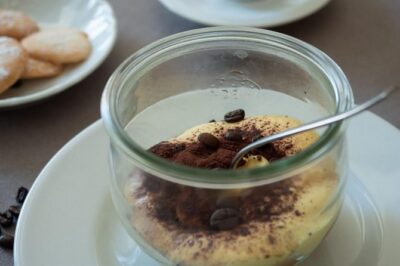
3 in 1 Cooking Class near Navona: Fettuccine, Ravioli & Tiramisu
Read our review →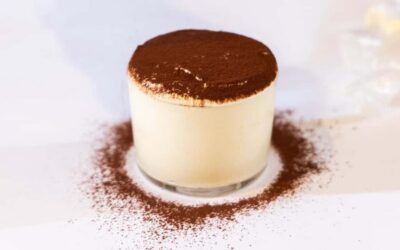
3-in-1 Fettuccine, Ravioli, and Tiramisu Cooking Class
Read our review →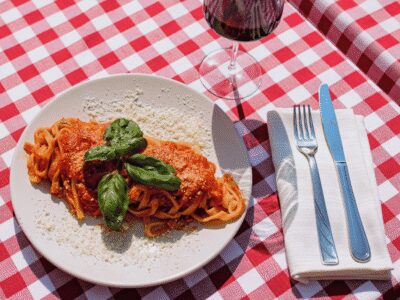
Fettuccine Pasta Cooking Class in Rome’s City Center
Read our review →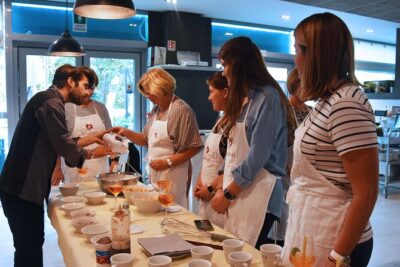
Become a Masterchef in Rome: Pasta, Ravioli and Tiramisù Class
Read our review →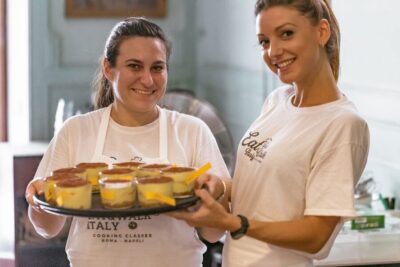
Fettuccine & Tiramisù: Cooking Class with Wine & Limoncello
Read our review →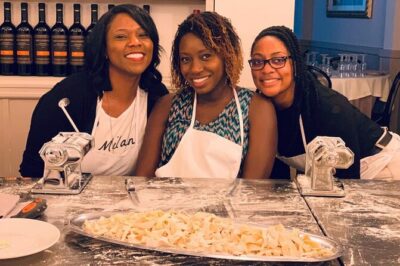
Rome Pasta and Tiramisu Class: Ravioli, Fettuccine & Fine Wine 5*
Read our review →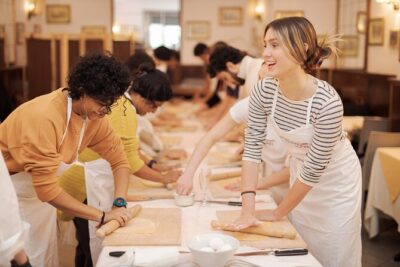
Pasta Cooking Class in Rome – Fettuccine Class in Piazza Navona
Read our review →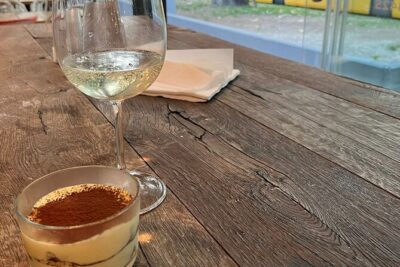
Browse the lists this class appears in