
REVIEW · CHEESE MAKING CLASSES
Amalfi: Learn how to make pasta, mozzarella and tiramisù!
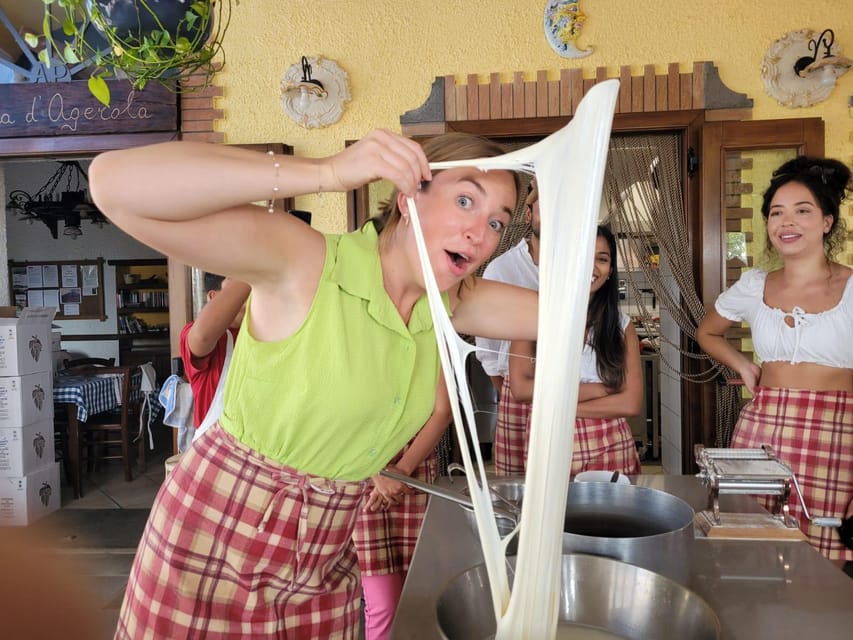
The best part of this experience is the setting: you cook at Luna d’Agerola, a centuries-old Acampora family farm high above the Amalfi Coast, with the Gulf of Salerno spread out below. You’ll make tiramisù, mozzarella, and pasta from scratch, then eat what you prepared with homemade organic wine.
I like the strong family connection and the chance to work with milk from the farm’s own cow. I also like that this is more than a kitchen lesson: you see the farm, meet its animals, hear stories tied to local food, and visit an old castle viewpoint. The main drawback is the uphill location. One class attendee allowed about 1.5 hours to reach the farm from the Amalfi area, so plan your day around the journey.
Key points to know before booking
- Farm-to-table cooking: You prepare mozzarella with milk from the farm’s own cow, then make pasta and tiramisù from scratch.
- A historic hilltop setting: Luna d’Agerola has been cared for by the Acampora family for centuries and looks across the southern Amalfi Coast.
- Three dishes in three hours: The class covers tiramisù, mozzarella, and noodles, followed by a meal using the food you made.
- Organic wine tasting: You’ll taste homemade biological wine while the tiramisù sets and the next part of the class begins.
- More than a cooking class: The experience includes the farm, its animals, nearby surroundings, and an old Amalfitan castle used as a viewpoint.
- Allow extra time for transport: The farm is high above Amalfi, and transport can be arranged for an added set price.
Cooking above the Amalfi Coast at Luna d’Agerola
This is not a class in a polished hotel kitchen. You arrive at a working family farm called Luna d’Agerola, in the upper part of the Amalfi Coast. The farm belongs to the Acampora family, one of the old families connected with this part of the coast, and it has been cared for across generations.
The setting gives the class its character. From the farm, you look across the southern Amalfi Coast and toward the Gulf of Salerno. The view is a real part of the experience, not a quick photo stop added at the end. Still, keep the location in mind when planning. The farm sits well above the main Amalfi area, and the trip may take much longer than the three-hour class itself.
The farm also has a literary connection. The poet Salvatore Di Giacomo rested here and wrote Luna d’Agerola, an important early Neapolitan dialect poem. That poem gave the farm its name. You do not need to know Neapolitan poetry to enjoy the place, but this detail helps explain why the setting feels like more than a random cooking venue.
You’ll see the surroundings, meet the animals, and visit an old castle that now serves as a viewpoint. The castle visit adds a local history note to what could otherwise be a straightforward food activity. It also gives you another reason to bring a camera, though comfortable clothes and sensible footwear matter more than dressing up.
More Tiramisu Classes in Italy:
- 3 in 1 Cooking Class near Navona: Fettuccine, Ravioli & Tiramisu
★ 5.0 · 7,376 reviews - Florence: Pasta & Tiramisu Cooking Class with Unlimited Wine
★ 4.9 · 6,708 reviews - Rome: Pasta & Tiramisu Class with Fine Wine by the Vatican
★ 4.9 · 4,852 reviews
What Giovanni’s class and Valentino’s instruction are like
The experience is provided through Giovanni’s cooking class. Giovanni is identified as the chef who teaches the family recipes and cooking tricks, while Valentino is also named in the class details as an instructor connected with the lesson. The teaching is available in Italian and English.
Expect a social, hands-on class rather than a formal demonstration where you sit quietly and watch. You work with the ingredients, follow the instructions, and share the process with the people around you. The class can include a mix of nationalities and ages, which suits anyone who likes meeting people while cooking.
The pace appears lively but manageable. The full program lasts about three hours, and the three recipes give the time a clear rhythm. First comes tiramisù, then wine and conversation, followed by mozzarella and pasta. At the end, you sit down to taste the food prepared during the class.
That structure works well for families and small groups. Children can take part in shaping pasta and mozzarella, and the cooking has enough variety to hold attention. One family found that their children especially enjoyed making the pasta and mozzarella. If you prefer a quiet, highly technical culinary workshop, the social atmosphere may feel less focused. This is built around sharing food and having fun, not professional chef training.
Starting with Nonna Maria’s tiramisù
The lesson begins with tiramisù made from Nonna Maria’s recipe. You prepare it from scratch rather than simply assembling a pre-made dessert. That makes this first part useful for home cooks, because the value is in seeing the technique and proportions used by the family.
Tiramisù is a sensible opening dish. It lets you start with a familiar Italian dessert while the ingredients rest before the final meal. It also gives the class an easy first success, especially if you are cooking with children or have limited kitchen experience.
The recipe is presented as part of the Acampora family tradition. That personal link matters. You are not just learning a generic version of tiramisù from an online recipe. You are being shown a family method connected to the farm and to the local food culture.
The exact preparation details are not listed, so you should not expect a full printed cooking curriculum based on the information available. The point is the guided practice, the family recipe, and eating the finished dessert later. If you have allergies or other food restrictions, tell the operator when you book. Do not wait until you arrive.
Homemade organic wine and time to slow down
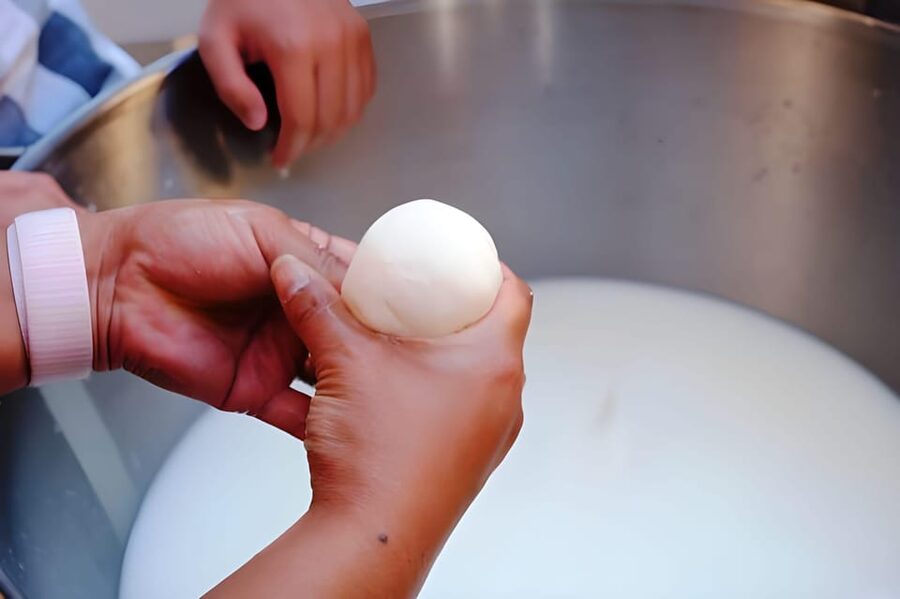
After the tiramisù preparation, you take a break with a tasting of homemade organic wine. The wine comes from the farm setting and gives you a chance to relax before the next cooking task.
This pause is one of the better touches in the schedule. Cooking classes can feel rushed when every recipe follows immediately after the last. Here, the wine tasting creates breathing room and lets you enjoy the surroundings. It also makes the experience feel like a farm meal, rather than a lesson that ends as soon as the last ingredient is chopped.
The wine is described as biological, organic, and homemade. Those terms point to a small-scale farm product, not a formal winery tasting with a long list of labels. If you are looking for a serious wine education session, this is not the right reason to book. If you enjoy tasting something made locally while looking out over the coast, it fits the day well.
Drink sensibly, especially if you are also arranging a long journey back down from the farm. The class includes lunch or dinner, so the wine is paired with a substantial food experience rather than offered on its own.
More Cheese Making Classes in Italy:
- Cooking class with Pasta, mozzarella and Tiramisu with wine
★ 5.0 · 549 reviews - Amalfi: Make Fresh Pasta, Mozzarella & Tiramisù with wine
★ 5.0 · 503 reviews - Amalfi: Make Fresh Pasta, Mozzarella, & Tiramisù with Wine
★ 5.0 · 305 reviews - Florence: Flambé Cheese Wheel Truffle Pasta Class & Tiramisù
★ 5.0 · 190 reviews
Making mozzarella with milk from the farm cow
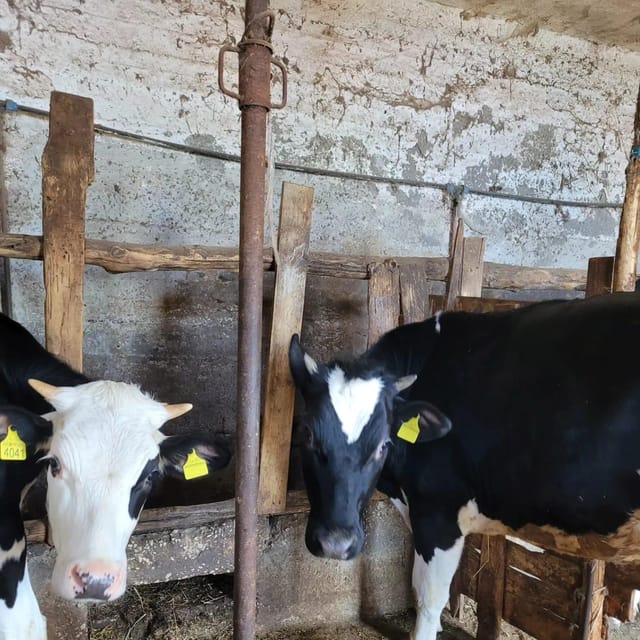
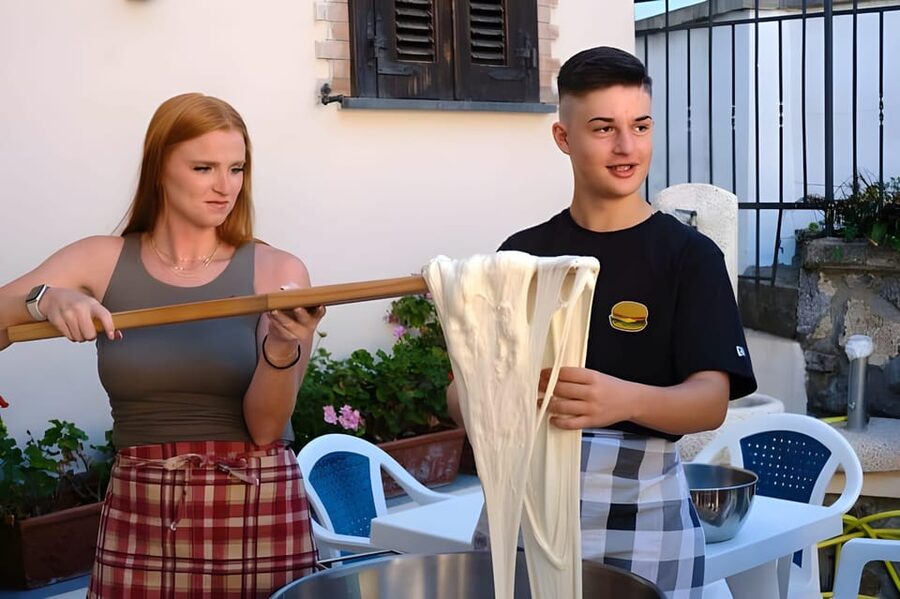
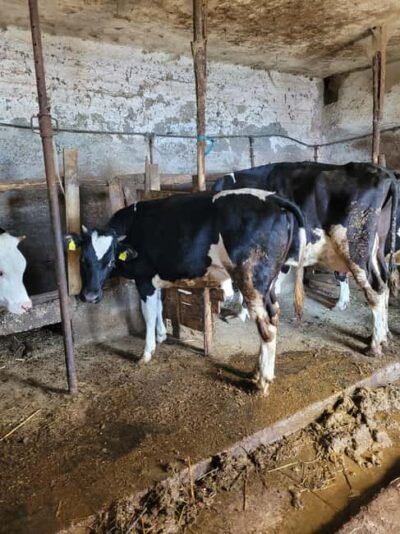
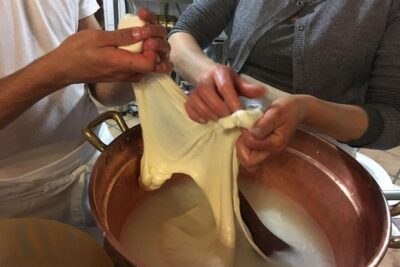
Next comes mozzarella, made with genuine milk from a cow raised and cared for on the farm. This is probably the most distinctive cooking segment because the ingredient has a direct connection to the place beneath your feet.
Mozzarella is often treated as a finished product on an Italian menu. Here, you see the work behind it and handle the cheese yourself. That makes the class valuable even if you already know how to make pasta. It also gives you a clearer sense of how fresh dairy shapes local cooking.
The farm’s animals are part of the visit, and the cow is central to the mozzarella story. You are not only told that the milk is local. You can connect the ingredient to the farm and its daily life. That connection is especially appealing if you want food experiences with a clear sense of origin.
The experience does not provide detailed information about the cheese-making equipment or the exact technique, so avoid booking it as a specialist dairy course. Think of it as a friendly introduction, guided by the people who use these ingredients in their own food traditions.
Rolling fresh noodles from scratch
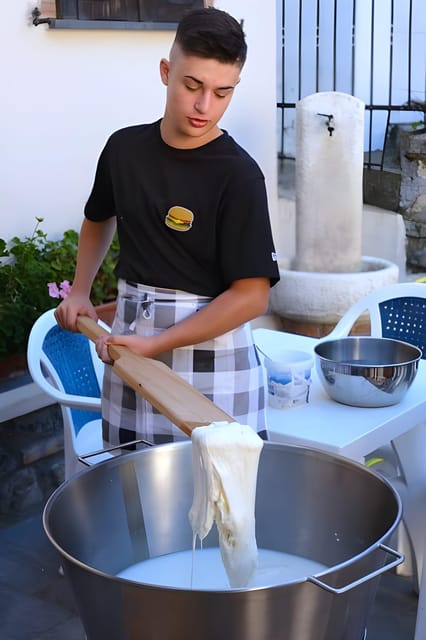
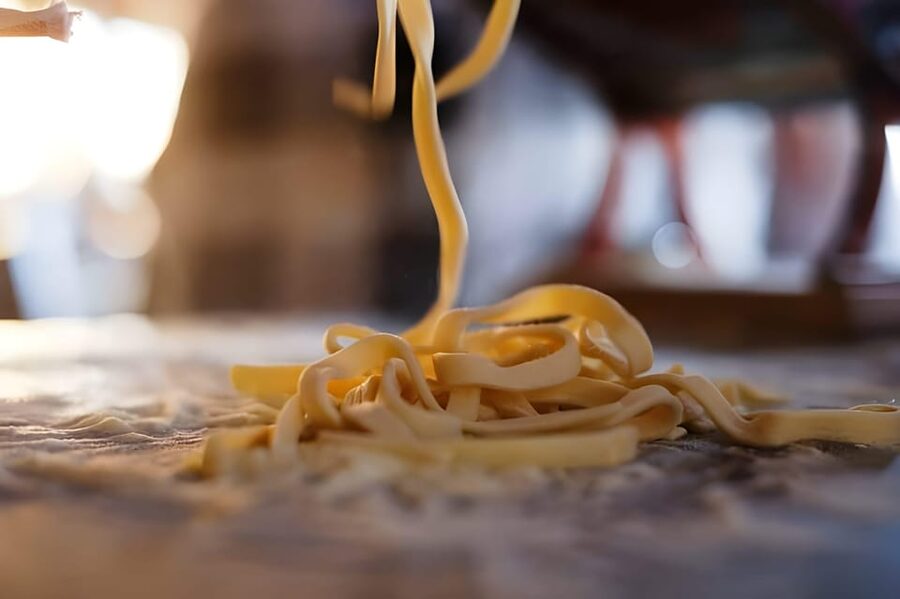
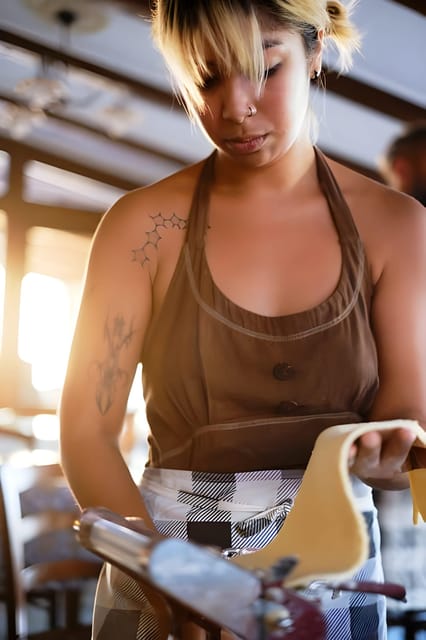
The final hands-on cooking task is fresh pasta, described as delicious noodles made from scratch. This is the most familiar part of the class for many people, but it can still be the most playful.
You work together, follow the chef’s instructions, and turn basic ingredients into the pasta served at the meal. The emphasis is on practical participation rather than speed or precision. The group setting adds to the fun, especially if you are sharing the experience with friends or family.
The pasta lesson also gives you something useful to take home in the form of a method. Fresh pasta is one of those Italian skills that looks simple but depends on texture and handling. Watching the instructor and trying it yourself will help you understand the process better than simply ordering handmade noodles in a restaurant.
The class does not specify the shape of the noodles, and you should not expect a long menu of pasta varieties. The attraction is making one fresh pasta preparation in a family farm setting, then eating it with the other foods you prepared.
The meal: tasting what you made
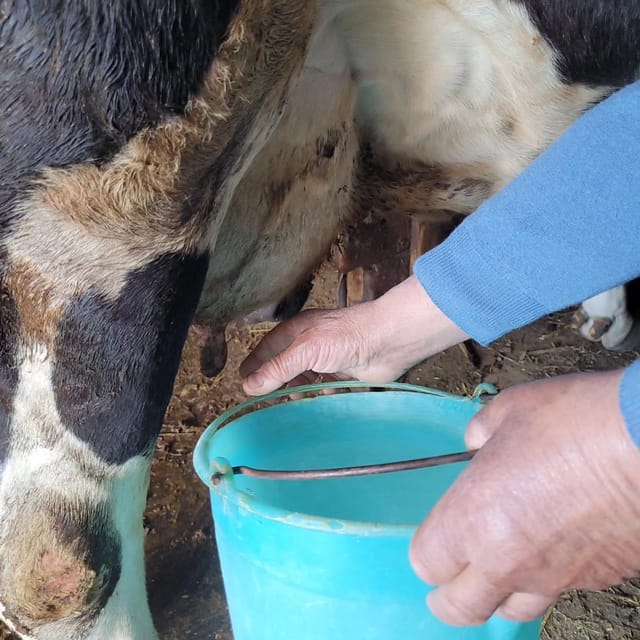
At the end, you eat the tiramisù, mozzarella, and pasta prepared during the class. This is important. You are not paying only to stir a bowl and take a few photos. The activity finishes with lunch or dinner built around your work.
The food is described as organic and homemade, with ingredients connected to the farm. That does not mean the meal is a restaurant tasting menu. Expect simple Italian cooking, fresh products, and the satisfaction of eating something you helped make.
The meal also helps you see how the recipes fit together. Tiramisù brings the sweet finish, mozzarella provides the fresh dairy course, and pasta gives the meal substance. With the wine included, the class becomes a complete food experience rather than three unrelated demonstrations.
A practical point: food restrictions must be shared at booking. The operator needs advance notice, and the information provided does not promise that every restriction can be accommodated. Ask before paying if your needs are strict.
The farm, animals, and castle viewpoint
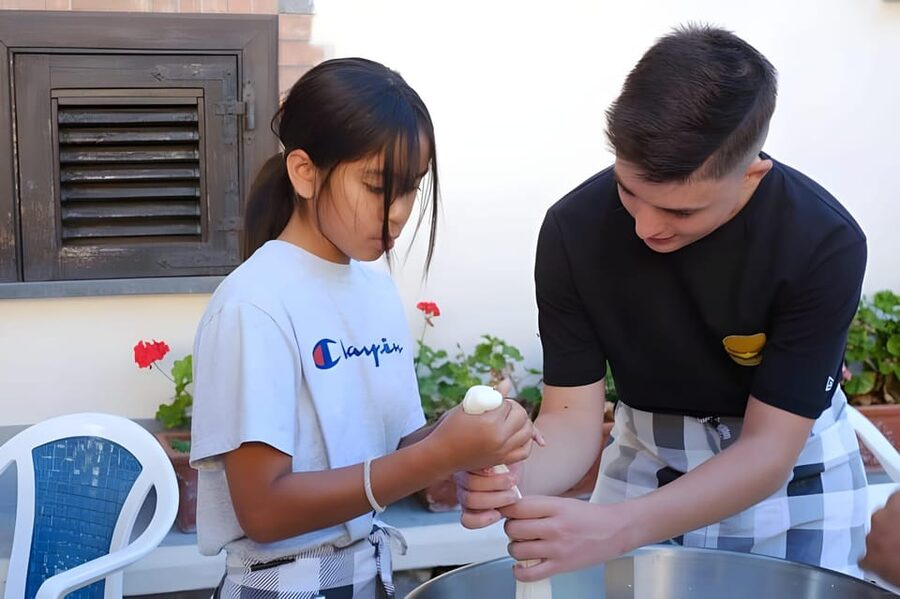
The tour includes a guided look around the farm and its surroundings. You meet the farm animals and see the place where the ingredients and family traditions come together. For many people, this will be just as meaningful as the recipes.
The old castle is now used as a viewpoint. It adds another layer to the outing and gives you a strong reason to leave the cooking table for a while. From the upper Amalfi area, the views toward the coast and Gulf of Salerno are a major part of the appeal.
This is also where the weather matters. The activity runs rain or shine, so check the forecast and wear clothes you can move in. The experience includes outdoor elements and a hilltop setting, even though the main cooking takes place at the farm. Comfortable clothing is specifically recommended.
Do not judge the class only by its food. If you want a day of famous coastal viewpoints with almost no travel time, this may feel inconvenient. If you like combining food, scenery, local stories, and a family property, the extra journey makes more sense.
Is the $71 price a good value?
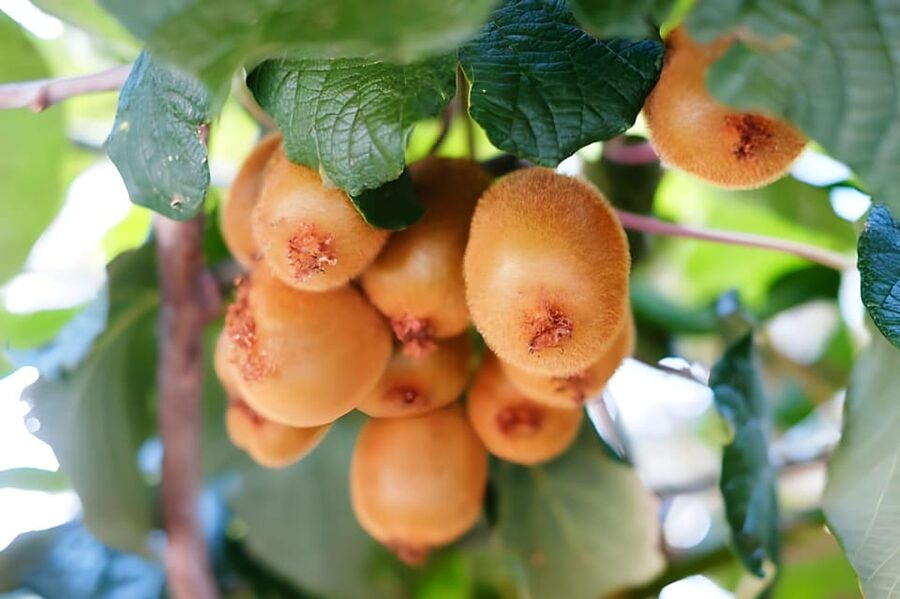
At $71 per person, the price is reasonable for a three-hour experience that includes instruction, wine, the farm visit, animals, the castle viewpoint, and lunch or dinner. You are also paying for three separate preparations and the setting, not just a single pasta lesson.
The strongest value comes if you would otherwise book several smaller activities. Here, the cooking, meal, wine tasting, and local sightseeing are joined together. You also get a more personal connection to the Acampora family farm than you would from a standard restaurant meal.
Transport is not included. The operator can arrange it for a set price, but that cost is extra. This matters because the farm is high above Amalfi and can take significant time to reach. Build the full journey into your budget and schedule, not just the advertised class duration.
Free cancellation is available up to 24 hours before the experience, and you can reserve while paying later. Those terms help if your Amalfi Coast plans are still shifting, though they do not remove the need to arrange transport.
Who will enjoy this Amalfi farm experience?
I would choose this for you if you want to:
- Learn several classic Italian preparations in one class
- Cook with a family rather than in a large commercial school
- Add a farm visit to your Amalfi Coast plans
- See a high coastal viewpoint away from the main waterfront
- Travel with children who enjoy hands-on activities
- Meet other people in a relaxed, social setting
- Eat a meal made during the class
It is also a strong choice for a gift. One person booked it for their in-laws, who enjoyed both preparing and eating the food. Couples, families, and groups of friends can all make good use of the format.
I would think twice if you have only a short window in Amalfi, dislike uphill transport, or want a highly technical culinary course. The class is about food, family, scenery, and local atmosphere in equal measure. It is not designed as a professional kitchen workshop.
Should you book it?
Book this experience if you want your Amalfi Coast food lesson to happen on a real family farm, not in a city classroom. The homemade wine, cow’s milk mozzarella, old castle viewpoint, and Luna d’Agerola setting give it a strong sense of place.
Before booking, confirm your food restrictions and sort out transport. Allow far more than three hours for the complete outing, especially if you are starting near Amalfi. If you can spare that time, $71 buys a full afternoon or evening of cooking, eating, scenery, and local connection. If your schedule is tight, choose a class closer to your base.
FAQ
How long does the cooking experience last?
The experience lasts three hours. This includes the cooking lesson, wine tasting, farm visit, animal encounter, castle viewpoint, and lunch or dinner.
What will I learn to make?
You will learn to prepare tiramisù from Nonna Maria’s recipe, fresh mozzarella using milk from the farm’s cow, and noodles made from scratch.
Is wine included?
Yes. The experience includes a tasting of homemade organic wine.
Is transportation included?
No. Transportation is not included in the listed price. The operator can arrange transport for a set additional price.
What languages are available?
The experience is offered in Italian and English.
What should I wear and what happens if it rains?
Wear comfortable clothes. The activity takes place rain or shine, so prepare for the weather on the day.
Recently added in Italy
- Verona: Tortellini Cooking Class and Lunch with Mamma Ivana★ 5.0 · 20 reviews
- Vicenza: Pasta & Tiramisu Cooking Class at a Local’s Home★ 5.0 · 5 reviews
- Verona: Pasta Cooking Class with Wine Tasting★ 5.0 · 4 reviews
- Verona: Pasta & Tiramisu Cooking Class at a Local’s Home★ 5.0 · 16 reviews
- Verona: Prosecco and Pasta Making Class at a Local’s Home★ 5.0 · 10 reviews
- Volterra: Fresh Pasta Cooking Class at a Tuscan Farmhouse★ 5.0 · 33 reviews
- Venice: Share Your Pasta Love in a Local’s Home★ 4.8 · 20 reviews
- Verona: My Granny’s secrets making gnocchi★ 5.0 · 7 reviews
Cheese Making Classes, compared.
Cooking class with Pasta, mozzarella and Tiramisu with wine
Read our review →
Make Fresh Pasta, Mozzarella & Tiramisù with wine
Read our review →Make Fresh Pasta, Mozzarella, & Tiramisù with Wine
Read our review →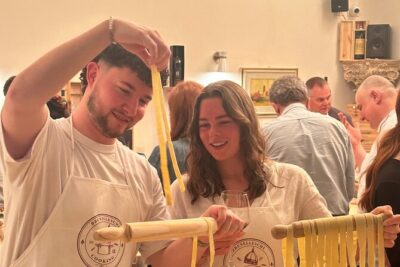
Milk the cows, Make Pasta, Mozzarella and Tiramisù!
Read our review →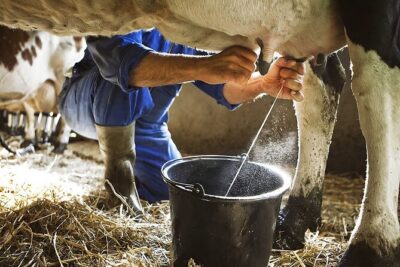
Milk the Cow & Make Mozzarella and Gnocchi with Our Family
Read our review →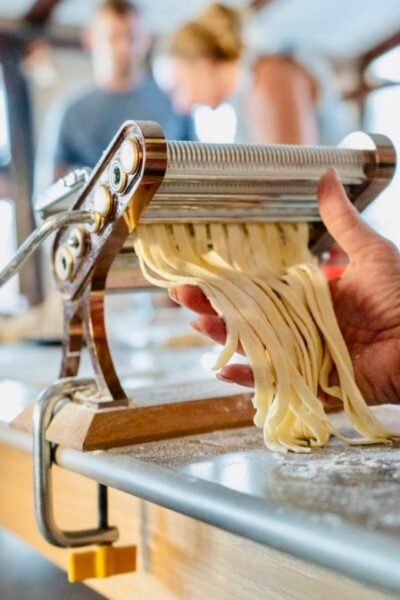
Mozzarella, Fettuccine, and Tiramisù Cooking Class
Read our review →Browse the lists this class appears in