
REVIEW · HOME COOKING CLASSES
Small group Pasta and Tiramisu class in Milan by Cesarine
The best part of this Milan cooking class happens around a home kitchen table, not in a polished cooking school. You begin with an aperitivo of prosecco and snacks, then learn to roll sfoglia, the thin sheet of fresh pasta, before sitting down to eat what you made. It is a fine way to trade crowded streets for an ordinary Milanese home.
I like the hands-on format and the small group, capped at 12 people. I also like the chance to meet a local host such as Sissi, Debora, Sandra, or Giuliana, with some hosts bringing in a family member to help translate. The main consideration is that your exact host and home may not be known right away, and the home could be farther from central Milan than you expect.
Key points at a glance
- Aperitivo first: Start with prosecco and snacks before the cooking begins.
- Fresh sfoglia by hand: Roll pasta dough yourself, then prepare two pasta dishes from scratch.
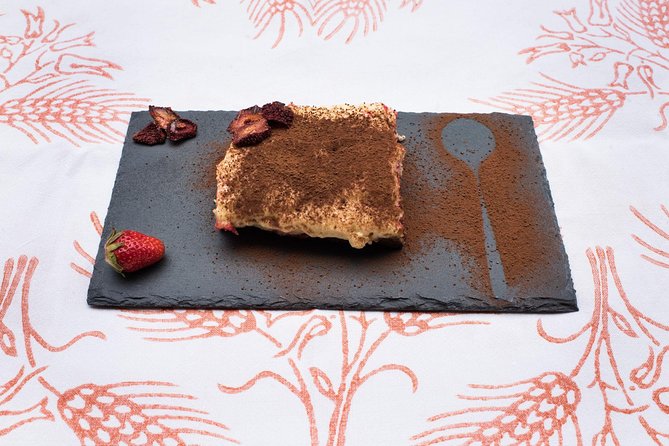
- Tiramisu included: Make the classic Italian dessert and eat it with the meal.
- Home-based setting: You cook and dine in a private Milanese home, with hosts setting the table and sharing local food knowledge.
- Morning or evening timing: Choose the session that fits your sightseeing plans.
- Small-group scale: The maximum is 12 people, giving you more direct help than a large class.
A Milan cooking class that starts with aperitivo
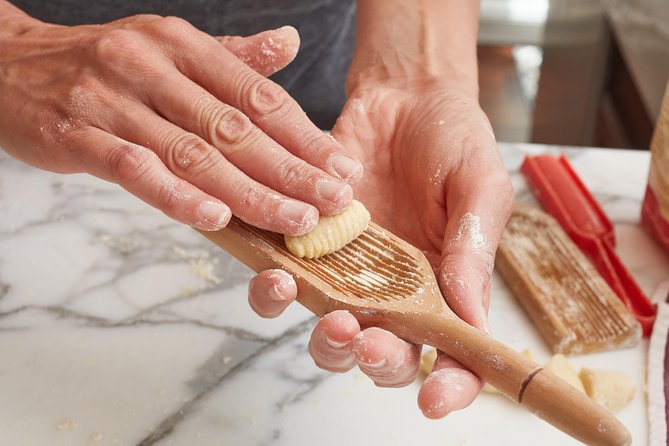
This is not just a demonstration where you watch someone else work. You handle the dough, roll the sfoglia, shape the pasta, and help prepare dessert. That difference matters. Fresh pasta looks simple on a plate, but the texture depends on small details: how thin you roll the dough, how you handle it, and how you turn it into a finished dish.
The class begins with an aperitivo, the Italian habit of having a drink and a small bite before dinner. Here, that means prosecco and snacks. It gives you a relaxed start and makes the kitchen feel social before flour appears on the work surface.
The tone is informal and personal. You are welcomed into the host’s home rather than sent into a commercial kitchen. One host set the table with china and proper silverware, while another served red wine alongside the meal. These details are not guaranteed for every session, but they show the kind of evening this format can create: part lesson, part dinner, and part visit with a local family.
More Tiramisu Classes in Milan
- The Secrets to Learn Fresh Pasta and Tiramisù in a Glam Home
★ 5.0 · 1,182 reviews - Milan: Pasta and Tiramisu Cooking Class with Wine
★ 4.8 · 1,106 reviews - Gnocchi, Pasta, Tiramisù and Wine Class
★ 5.0 · 691 reviews
Rolling sfoglia by hand
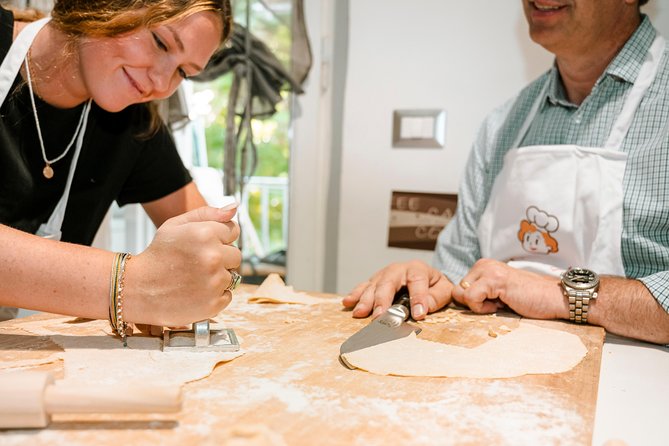
The heart of the class is sfoglia, fresh pasta dough rolled by hand. You learn the basic process from scratch, rather than starting with prepared sheets or store-bought noodles. This is the skill you can most easily carry home, since it requires patience more than expensive equipment.
You may prepare two different types of pasta, depending on the regional menu assigned to your class. The sample choices include pizzoccheri, risotto, or lasagna, with pasta and tiramisu forming the main structure of the meal. The exact menu can vary, so do not book expecting one specific regional dish unless the provider confirms it.
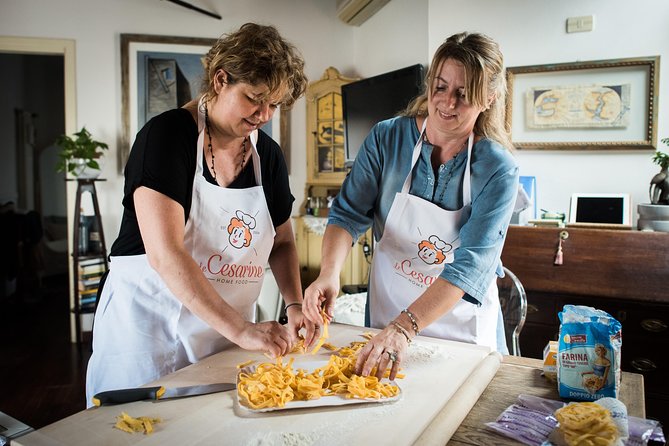
The work is practical and shared. Your host guides you through the steps, then you help prepare the food you will later eat. One class included two types of pasta and ravioli, while another produced two pasta dishes and tiramisu. That variety makes the three-hour length feel useful rather than padded.
Do not expect to become a pasta master in one sitting. You will learn a solid home-cooking method, but the real value is understanding the feel of the dough and seeing how a local cook handles it. If you have children with you, this part can work well because it turns an ordinary meal into a task they can touch and shape. One family specifically valued the chance for children to learn how to prepare less processed food.
Tiramisu keeps the lesson sweet
Tiramisu is the second major hands-on project. You prepare the dessert during the class, then serve it after the pasta. It is a smart choice for a group activity because it does not require the same rolling and shaping skills as the pasta, giving you a change of pace.
The dessert also makes the meal feel complete. You are not simply taking a pasta lesson and then leaving. You help prepare the first course and the final course, with an Italian drink and small snacks to open the evening.
One class included tiramisu that was described as especially successful, while other sessions paired it with homemade pasta and wine. The quality will depend on your host and your own cooking, of course, but the structure gives you a full meal rather than a single recipe.
Eating in a private Milanese home
The setting is the main reason to choose this experience over a standard cooking school. You enter a private home, work in the host’s kitchen, and sit down at the same table afterward. That creates a closer connection to daily life in Milan than a class held in a restaurant classroom.
Your host may also talk about Milan, its food, and local customs while you cook. Sissi, for example, was described as making people feel like friends who had stopped by for drinks and conversation. Other hosts, including Debora and Sandra, were praised for being warm and helpful instructors.
The experience can also involve family members. In one class, the host’s son helped translate and looked after the group. That is useful if your host’s English is limited. The class is offered in English, but the level of spoken English may differ from one host to another. You may get a more relaxed and personal exchange than polished tour narration, with a family member helping when needed.
This is also where the class can feel less predictable. Cesarine hosts are individuals, not interchangeable staff in one central kitchen. Your home, menu, teaching style, and conversation may vary. I see that as part of the appeal, but you should be comfortable with a little uncertainty.
Same town, a different thing to roll out:
- Milan: Pasta and Tiramisu Small Group Cooking Class with Wine
★ 5.0 · 660 reviews - Milan: Fresh Pasta & Tiramisù Class in a Glamorous Home
★ 4.9 · 478 reviews - Milan Culinary Experience: Pasta & Gelato or Tiramisù Class
★ 5.0 · 337 reviews - Milan: Traditional Pasta and Tiramisù Masterclass
★ 5.0 · 307 reviews
How the three-hour schedule fits a Milan day
You can choose a morning or evening class. A morning session works well if you want the rest of the day free for museums, shopping, or a day trip. An evening class makes more sense if you want your cooking lesson to serve as dinner.
The evening format has a natural rhythm:
- Aperitivo with prosecco and snacks
- An introduction to the recipes and ingredients
- Hands-on preparation of sfoglia and pasta
- Preparation of tiramisu
- Sitting down to eat the finished dishes
The exact order may shift as the food requires. Tiramisu often needs time to rest, and pasta preparation can take longer when several people share the work. The important point is that the experience combines instruction, cooking, and a sit-down meal within about three hours.
The class begins and ends at the meeting point. The listed start location is Milan in the Metropolitan City of Milan, and the home is near public transportation. Since the precise host location may be supplied later, leave some flexibility in your schedule rather than planning a tight connection immediately afterward.
One useful practical detail comes from a class reached easily by tram. Public transportation may be your best option, but the information provided does not name one fixed neighborhood or tram route. Check the final address before setting out, especially if your hotel is outside central Milan.
What the small group really gives you
The maximum group size is 12. That is not a private class, but it is small enough that you should have a chance to work directly with the dough and ask questions.
Small groups matter most during the sfoglia lesson. If too many people crowd around one table, you end up watching instead of practicing. With fewer people, your host can check your dough, show you how thin to roll it, and help with shaping.
The class may also be suitable for families. The work is tactile and the meal gives children a clear reward for their effort. Still, the session lasts about three hours, so younger children may need patience during the waiting and eating portions. The experience details do not specify a minimum age, so confirm that point if it affects your booking.
The group size also shapes the social side. You may cook with people you did not arrive with, then share the meal at one table. That can be a pleasant part of the evening, but it means the class is not designed as a completely private family activity unless your own party fills the booking.
Is $155.42 a fair price?
At $155.42 per person, this is not a cheap meal. You are paying for more than ingredients: the instruction, the use of a private home, the welcome aperitivo, the cooking time, and the meal you prepare.
I think the price makes the most sense if you value personal contact and want one of your Milan evenings to be an activity rather than simply a restaurant reservation. A pasta dish and tiramisu at a restaurant would cost less in many cases, but it would not teach you how to make sfoglia or bring you into a local home.
The value is also stronger for people who enjoy participation. If you would rather sit back and be served, this may feel expensive. If you like learning by doing and want a recipe you can repeat at home, the cost is easier to justify.
The included drinks help, too. Prosecco and snacks begin the class, and some hosts may serve wine or limoncello with the meal. These extras are part of the reported hosting style, but they should not be treated as a guaranteed drink list for every session.
The class is often booked well in advance, with an average booking lead time of about 39 days. That suggests you should not leave it until the last day of your Milan stay if the timing matters to you. Confirmation is provided when you book, and free cancellation is available until 24 hours before the start time.
Who should book this class?
I would choose this for a first-time visitor who wants food tied to local life, not just a list of famous restaurants. It also suits couples, families with children who enjoy hands-on tasks, and solo visitors who like meeting people around a table.
It is a good fit if you want:
- A practical pasta lesson rather than a cooking demonstration
- A home setting instead of a formal school
- A full meal built around what you prepare
- A morning or evening option
- A small group with room for questions
- A chance to learn from a local host and possibly the host’s family
I would think twice if you need a fixed menu, a guaranteed central location, or a highly standardized class. The host and home can vary, and the exact menu may include pizzoccheri, risotto, lasagna, or other pasta preparations.
You should also allow room for language differences. The activity is offered in English, and hosts may speak enough English to teach the class, but one host needed help from her son for translation. That can make the evening more personal, though it may slow the lesson at times.
Health details and practical planning
The hosts provide basic sanitary equipment, including paper towels for handwashing and hand sanitizer. The supplied instructions also ask participants to keep one meter apart and wear masks and gloves when that distance cannot be maintained.
These rules may reflect the conditions in place when the activity details were written, so check the current instructions before attending. The key practical point remains the same: you will be working with food in someone’s home, so follow the host’s kitchen and hygiene directions carefully.
Wear clothes you can move in and shoes suited to standing for part of the class. That is sensible advice for any cooking lesson, though the activity does not provide a formal dress code. You may want to avoid a packed sightseeing day before the class, since the evening session includes preparation, dining, and conversation rather than a quick meal.
If you have food allergies, dietary restrictions, or strong dislikes, ask the provider before booking. The available details do not specify substitutions or special menus, so you should not assume they are available.
Should you book the Milan pasta and tiramisu class?
Book it if you want to cook, not merely watch. The strongest parts are the homemade setting, the direct work with sfoglia, the complete meal with tiramisu, and the chance to spend time with hosts such as Sissi, Debora, Sandra, or Giuliana.
The drawbacks are clear: $155.42 is a premium price, the exact home and host may vary, and the menu is not fully fixed. Still, for a three-hour food experience with drinks, instruction, and dinner included, I consider it a worthwhile splurge for people who want a personal side of Milan.
Choose the evening class if you want a memorable dinner activity. Choose the morning option if you prefer to keep your night free. Either way, leave time for public transportation and wait for the final meeting details before making other plans.
FAQ
How long does the pasta and tiramisu class last?
The class lasts about three hours.
How much does the experience cost?
The listed price is $155.42 per person.
Is the class offered in English?
Yes. The activity is offered in English.
What do I make during the class?
You learn to roll sfoglia by hand and prepare two different pasta dishes from scratch. Tiramisu is also included.
What pasta dishes might be on the menu?
The sample regional menu includes pizzoccheri, risotto, or lasagna. The exact menu may vary.
Is the class held in a private home?
Yes. Cesarine hosts welcome participants into their homes for the cooking lesson and meal.
How many people can join the class?
The maximum group size is 12 people.
Can I cancel for a full refund?
Yes, if you cancel at least 24 hours before the experience’s start time. Cancellations made less than 24 hours in advance are not refunded.
More Small Group Pasta Classes in Milan
- Florence Small-Group Pasta Class with Seasonal Ingredients
★ 5.0 · 532 reviews - Bologna: Pasta and Tiramisu Small Group Cooking Class with Wine
★ 5.0 · 409 reviews - Palermo: Pasta and Tiramisu Small Group Cooking Class with Wine
★ 5.0 · 348 reviews - Rome Small Group Pasta Making Class with Wine and Italian Chef
★ 5.0 · 295 reviews
More Home Cooking Classes in Milan
- Cesarine: Pasta & Tiramisu Class at Local’s Home in Milan
★ 5.0 · 52 reviews - Share Your Pasta Love in a Local’s Home in Milan
★ 5.0 · 3 reviews - Pastamama, Home Cooking Classes at Grace’s Home
★ 5.0 · 521 reviews - Small Group Pasta and Tiramisu Class at Local’s Home in Venice
★ 4.5 · 236 reviews
Recently added in Milan
- Rockin kitchen : Fresh Pasta lesson with Music Aperitif Dinner★ 5.0 · 28 reviews
- Milan: The Ultimate Pasta Mastery Workshop★ 4.0 · 21 reviews
- Pasta and Tiramisu Cooking Class at Come Na Vorta Navigli Milan★ 5.0 · 16 reviews
- Share Your Pasta Love in a Local’s Home in Milan★ 5.0 · 3 reviews
- Easily Make Pasta, Bruschetta & Tiramisù★ 5.0 · 14 reviews
- Italian Cocktail + Art of Making Pasta Cooking Class In Unique Milan Location★ 5.0 · 16 reviews
- Pasta and Tiramisu join our cooking class★ 5.0 · 33 reviews
- Cooking class : Fresh pasta and tiramisu for children in Milan★ 3.5 · 3 reviews
Home Cooking Classes, compared.
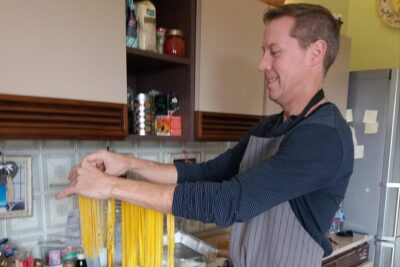
Pastamama, Home Cooking Classes at Grace’s Home
Read our review →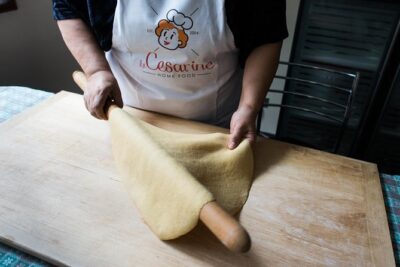
Small Group Pasta and Tiramisu Class at Local’s Home in Venice
Read our review →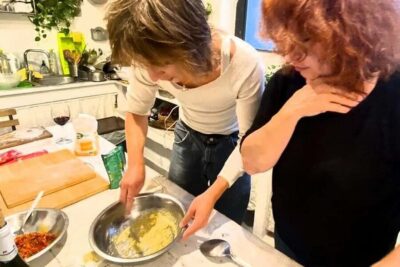
Pistachio Ravioli, Pasta Home Cooking Class w/ Wine
Read our review →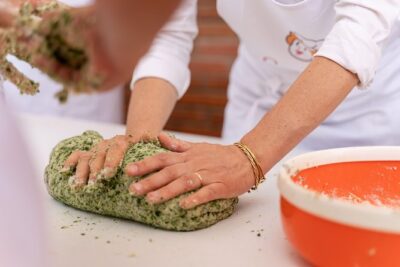
Cesarine: Small group Pasta and Tiramisu class in Varenna
Read our review →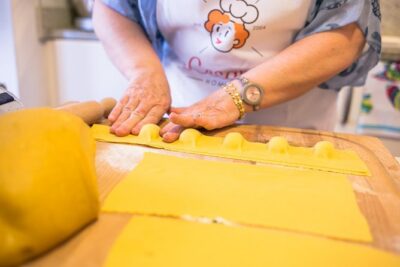
Cesarine: Small group Pasta and Tiramisu with Mamma in Lucca
Read our review →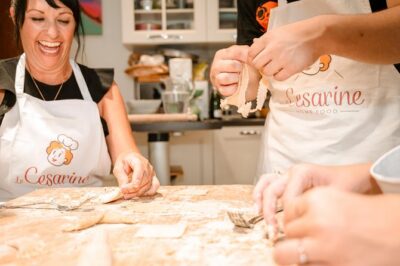
Cesarine: Small group Pasta and Tiramisu class in Bologna
Read our review →
Authentic Bologna Home Cooking Class: Tagliatelle & Tortellini
Read our review →
Alghero Home Cooking Pasta Class at a Farmhouse with Wine
Read our review →Browse the lists this class appears in