
REVIEW · TIRAMISU CLASSES
Venice: Cooking Class with Tiramisu and Pasta Making
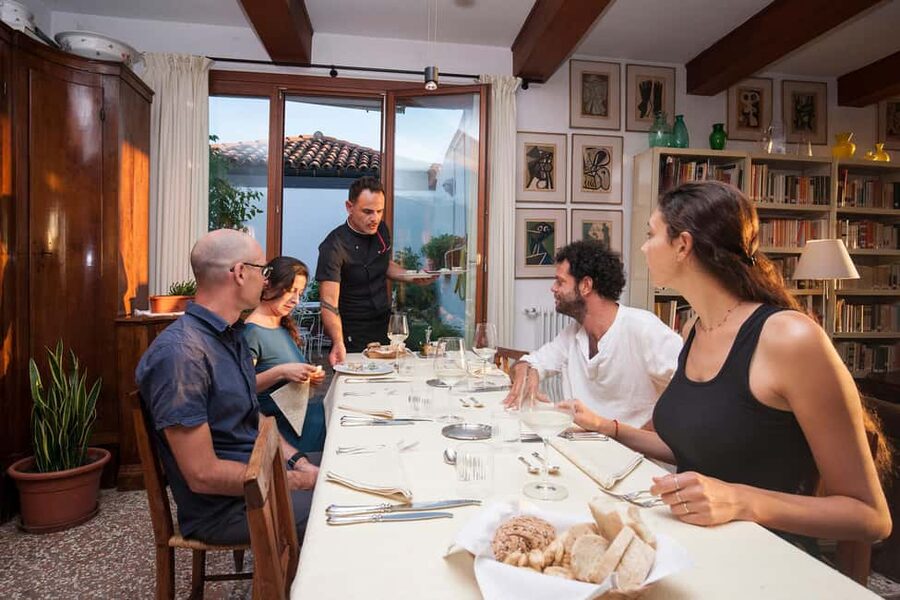
The best part of this Venice cooking class is the setting: you make pasta and tiramisu in the top-floor apartment of a 16th-century Venetian palace, the home where the chef grew up. This is not a polished restaurant kitchen. It feels closer to being invited into an Italian family home, with the food, stories, and shared work all happening around you.
I like the hands-on format, since you do more than watch a demonstration. I also like the relaxed meal afterward, when everyone sits down to eat the pasta and tiramisu they helped prepare, with wine, espresso, and homemade limoncello. The main drawback is practical: you climb several flights of stairs, stand for part of the class, and may spend pauses chatting while the food is cooked.
Key points
- Historic home setting: Cook on the third and top floor of a 16th-century Venetian palace with no elevator.
- Three classic recipes: Prepare fresh pasta, a sauce based on seasonal vegetables and quality proteins, and tiramisu.
- Real teamwork: Work at shared stations and learn the rhythm of a small kitchen brigade.
- Family-style ending: Eat the food you make with wine, coffee, homemade limoncello, and small snacks.
- Friendly instruction: Chefs including Mauro, Anthea, Marco, and Giacomo have been praised for patient, clear teaching.
- Best for social cooks: The class suits adults, couples, families, and solo visitors happy to meet new people.
Cooking Above Venice in a Family Palace
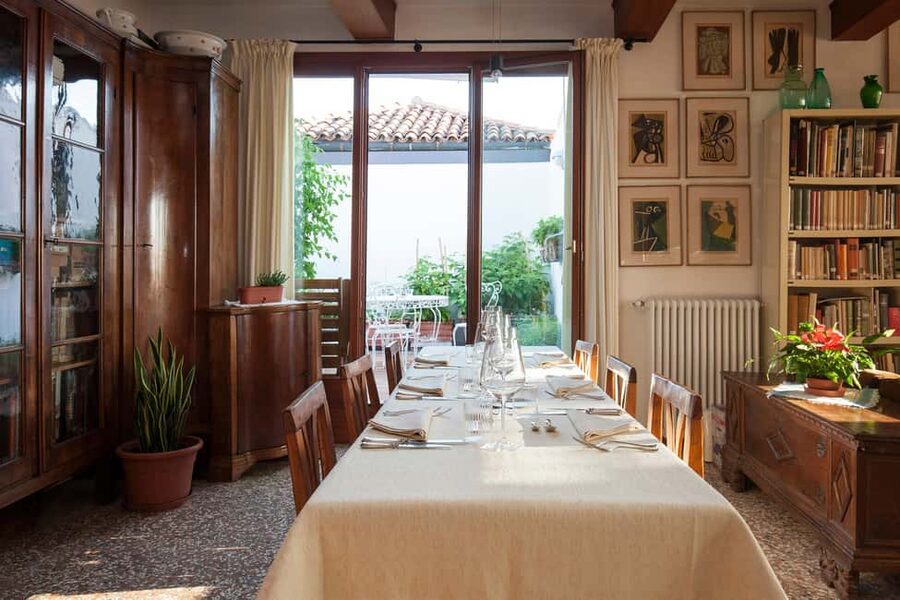
This experience takes place in Veneto, on the top floor of a 16th-century Venetian palace. The address is more than a backdrop. You enter a family home connected to the chef’s own story, then climb to the kitchen where the class takes place.
The building has no elevator. You should be comfortable walking up stairs and standing during part of the three-and-a-half-hour session. Wear sensible shoes, not your fanciest Venetian footwear. The setting is attractive, but it is also an old home, so treat the stairs and rooms with care.
The atmosphere is informal from the start. You meet the chef and the other participants, then begin working together rather than sitting through a long lecture. Some sessions have started with prosecco and light snacks, giving the group time to settle in before the cooking begins.
That social start matters. A cooking class works best when you are willing to talk, ask questions, and share a work surface. Groups have ranged from couples to small parties of about seven people, and some participants have been lucky enough to have a private session when no one else booked that evening.
More Tiramisu Classes in Venice:
- Venice: Pasta and Tiramisu Cooking Class with Wine
★ 4.9 · 1,010 reviews - Pasta and Tiramisu Cooking Class with Wine in Venice
★ 5.0 · 945 reviews - Small Group Pasta and Tiramisu Class at Local’s Home in Venice
★ 4.5 · 236 reviews
Tiramisu Comes First
The class often begins with tiramisu, which is a smart choice. The dessert needs time to rest, so preparing it early lets the flavors develop while you move on to the pasta.
You learn the steps rather than simply watching the chef assemble dessert. The class is designed for all skill levels, so you do not need experience with Italian pastry or fresh pasta. The chef demonstrates each stage and then gives you a chance to repeat it.
Tiramisu is familiar around the world, but the value here is in learning the traditional method and understanding how each part fits together. You also hear the story behind the recipe and its place in Italian cooking. That small bit of context helps turn a standard dessert into something you can reproduce at home.
Bring a camera if you like, but do not let it take over. Your hands will be busy, and the useful part of this class is learning the texture and timing. You want to remember how the mixture should look and feel, not just take a picture of the finished dish.
Two Kinds of Fresh Pasta
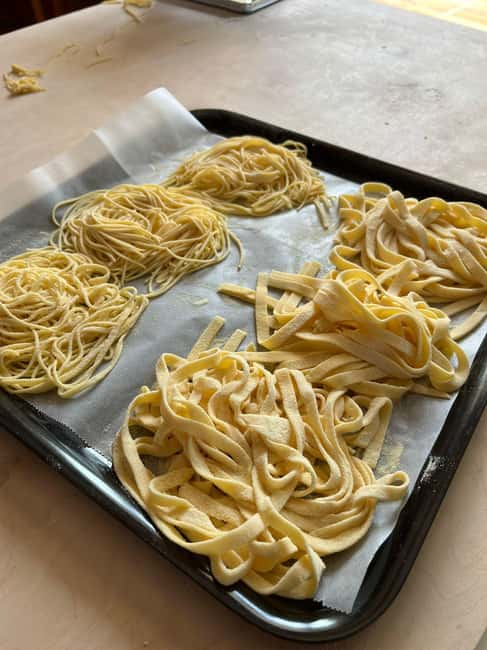
Next comes the main hands-on section: fresh pasta. The class has included two types of pasta, with the chef showing the process step by step before you try it yourself.
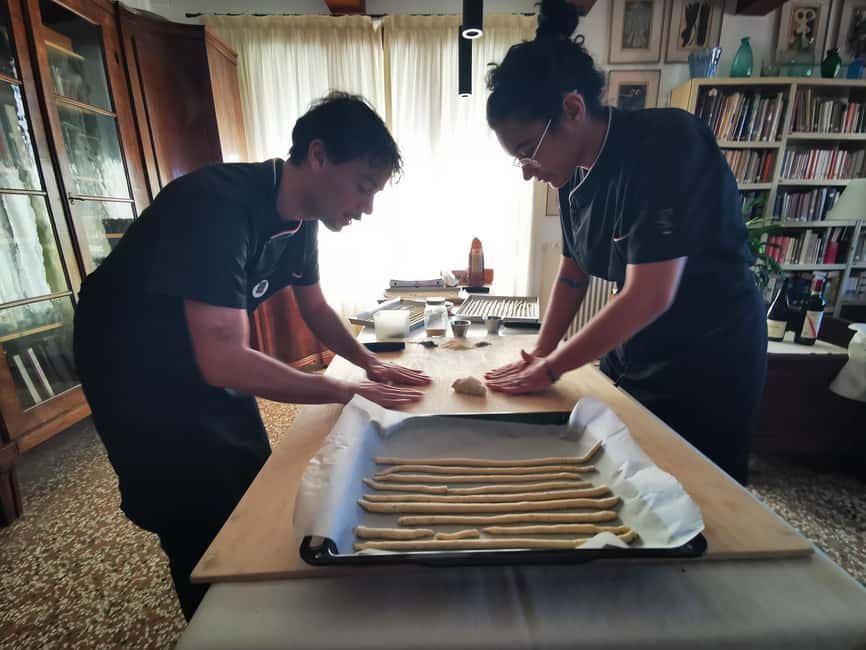
This is where the kitchen-brigade idea becomes real. You may work with a partner at a shared station, dividing tasks and helping each other get the dough right. The work is simple in theory, but fresh pasta rewards attention. You learn how to handle the dough, shape it, and prepare it for cooking.
The instructors are a major part of the experience. Mauro has been described as patient and clear, while Anthea has been praised for explaining every step in a kind, thorough way. Giacomo has also been noted for his engaging teaching and useful suggestions for things to do elsewhere in Venice. Marco has been described as welcoming and patient.
The different names reflect the family-run nature of the operation rather than a single fixed presenter. Your exact chef may vary, but the teaching style is intended to be practical and friendly. You can ask questions as you work, and you should. The best way to get value from a class like this is to ask about dough consistency, sauces, substitutions, and how to repeat the recipe in your own kitchen.
Expect some standing and hands-on effort. This is not a demonstration where you sit comfortably and let the chef do everything. That physical work is part of the pleasure, but it may not suit someone who needs to remain seated for long periods.
Venetian Sauce, Seasonal Ingredients, and Seafood Tradition
The pasta is paired with a sauce made from seasonal vegetables and high-quality proteins, following Venetian traditions that include seafood and other local ingredients.
The exact sauce depends on the ingredients available and the session. That is a strength, since Italian cooking is closely tied to season and place. It also means you should not expect precisely the same menu every time.
The chef explains the story behind the recipes and the traditions of Venice as you cook. You are not just memorizing a list of ingredients. You get a sense of how local cooking uses what is available and how pasta becomes part of a larger meal.
This is also where the difference between making pasta in Venice and buying a plate in a restaurant becomes clear. A restaurant gives you a finished dish. Here, you learn the process, then sit down to eat the result. The food may be simple, but the connection between the work and the meal gives it more meaning.
Guests have particularly enjoyed the sauces served with the pasta. One participant singled out the carbonara as a highlight, while others found the finished pasta and tiramisu easy enough to recreate at home. The chef’s sauces help, but you are still responsible for the pasta-making work.
More Fresh Pasta Workshops in Venice:
- Venice Hands-On Bigoli Pasta Class : Cook & Taste Local Recipes
★ 5.0 · 20 reviews - Tiramisu and Fresh Pasta Cooking Class in Venezia
★ 4.5 · 11 reviews - 3 Hour Cooking Class: Homemade Pasta and Tiramisu in Venice
★ 4.5 · 7 reviews - Rome: Pasta Making Class with Wine, Limoncello, and Dessert
★ 4.9 · 3,177 reviews
The Pause Before Dinner
The schedule has two parts: cooking first, then eating together. There can be a pause while the pasta cooks and the chef finishes the meal.
One person found this interruption less appealing during the learning portion, so you should know that the class does not move at a constant pace. If you want a tightly timed lesson with no breaks, this may feel slow. If you enjoy conversation, snacks, and meeting people from different places, the pause becomes part of the evening.
Use that time to ask about Venice, compare cooking habits, or enjoy olives and other small bites. The class is built around cooperation, not speed. You are not trying to finish a technical exam. You are spending an evening around food with a small group.
The group size can change. A typical session may include several other participants, with couples sharing stations. A smaller booking can become a private or nearly private lesson, but you should not count on that when reserving.
A Family-Style Meal at the End
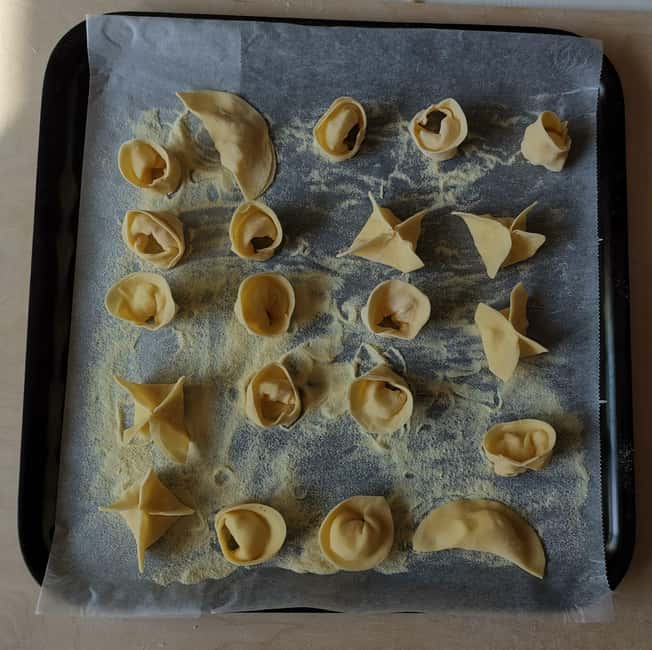
After the cooking, everyone sits down to eat the dishes prepared during the class. This is the reward for the flour-covered hands and the time spent shaping pasta.
The meal is served family-style, so you share the food rather than receiving a formal restaurant course. That format keeps the mood relaxed and gives you a chance to taste what others helped prepare. It also reinforces the class’s main idea: good Italian cooking is often a shared activity.
One bottle of wine is provided for every three people. Homemade limoncello and espresso follow the meal, along with a small farewell gift. These details make the class feel like a complete evening rather than a short lesson that ends when the pasta leaves the kitchen.
The wine is part of the meal, but this is not described as a wine tasting. If wine is important to your plans, think of it as a pleasant accompaniment to dinner. If you do not drink, the food, coffee, and cooking remain the main attractions.
What the $85 Price Really Buys
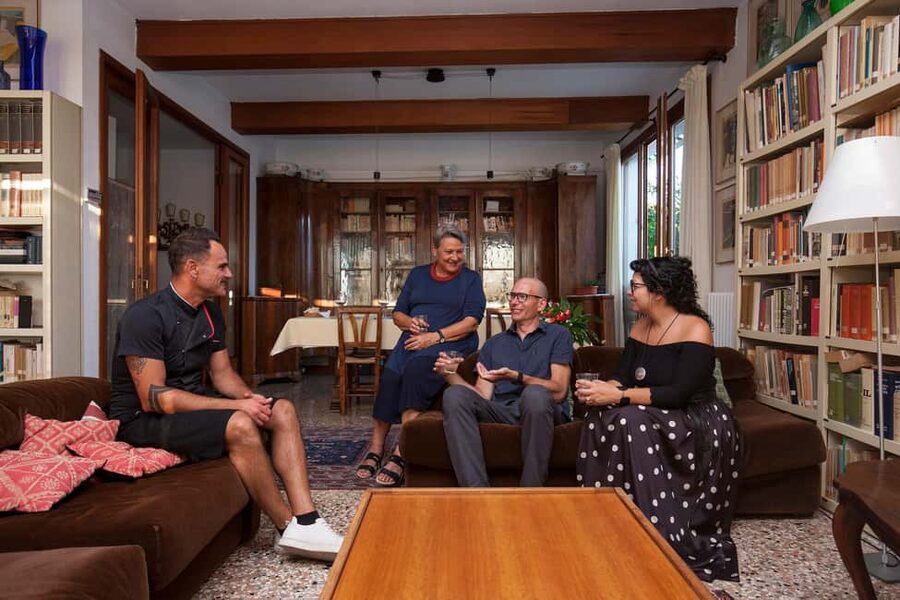
At $85 per person, the price covers three and a half hours, a professional chef, all ingredients, the hands-on lesson, the meal, wine, limoncello, espresso, and a small gift.
That is a fair value for Venice if you want dinner plus an activity. You are paying for more than the ingredients. The cost includes a professional guiding you through techniques, access to a private palace home, and a social evening that replaces a restaurant meal.
The value is strongest for people who will use what they learn. If you return home and make fresh pasta or tiramisu, the class keeps paying you back. Several participants have left planning to buy a pasta roller or try the recipes again in their own kitchens.
The value is weaker if you prefer a quiet dinner, dislike group activities, or want a highly polished culinary school setting. You may spend time waiting for the pasta and talking with strangers. That is not a flaw for the right person, but it is important to match the experience to your travel style.
Who Will Enjoy This Most
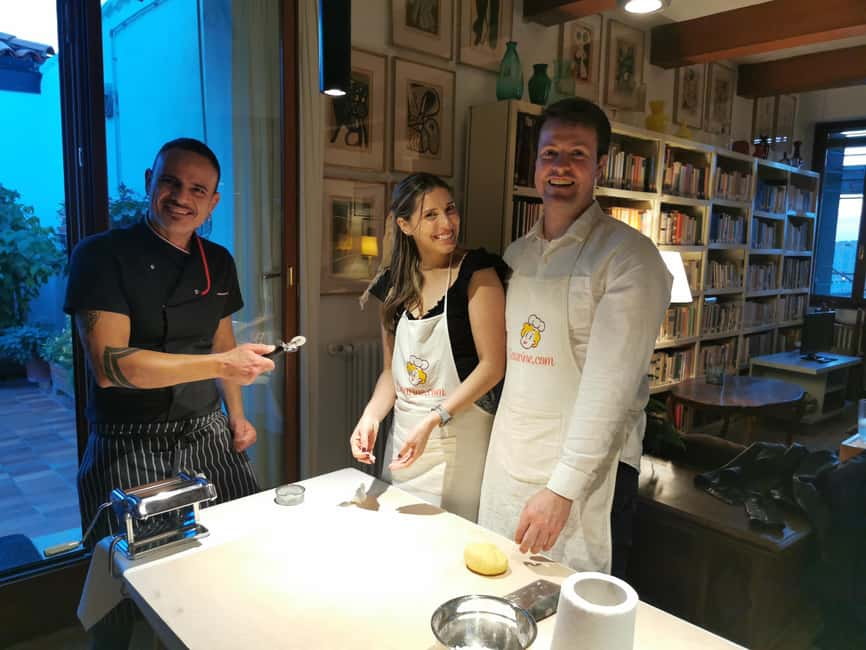
I would choose this class for a couple looking for a memorable evening, a family wanting an activity beyond sightseeing, or a solo visitor who enjoys meeting people over food.
It also works well early in a Venice visit. One participant recommended booking near the start of a short stay because the chef can offer ideas for the rest of your time in the city. An evening booking can function as both dinner and a useful first-night orientation.
The class is suitable for beginners. You do not need to know how to roll pasta, prepare tiramisu, or cook Venetian sauces. The chef demonstrates the techniques, then lets you practice.
It is less suitable if you use a wheelchair, have difficulty with stairs, or cannot stand for part of the class. Children under two are not accepted. The published restrictions also list several weight limits, so check the booking information carefully if that applies to you.
Tell the host about allergies or dietary restrictions in advance. The meal includes pasta, tiramisu, seasonal vegetables, proteins, and possibly seafood, so early notice is important. Do not wait until you arrive and expect the menu to change easily.
Practical Details Before You Book
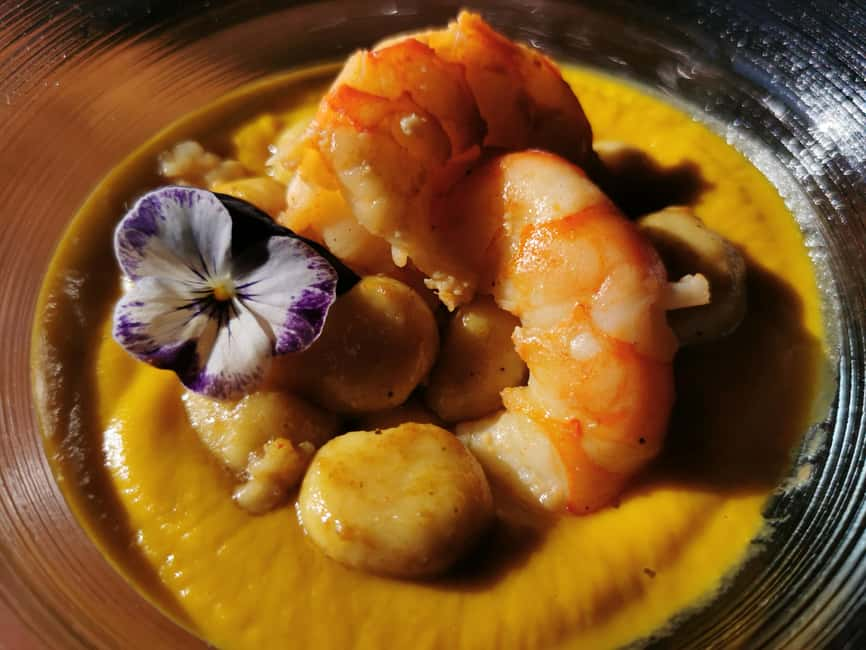
The class is conducted in English. Bring comfortable shoes, water, and a camera if you want photographs. Smoking and pets are not allowed.
You can cancel up to 24 hours before the activity for a full refund, and the reserve-now, pay-later option allows you to keep your plans flexible. Starting times vary, so check the available time when you choose your date.
Plan your clothing with cooking in mind. You will be standing and handling ingredients, and an old palace apartment is not the place for uncomfortable shoes or clothes you cannot move in.
Keep the timing in mind, too. Three and a half hours is long enough to include instruction, cooking, conversation, and a proper meal. Do not schedule another demanding activity immediately afterward.
Should You Book This Venice Cooking Class?
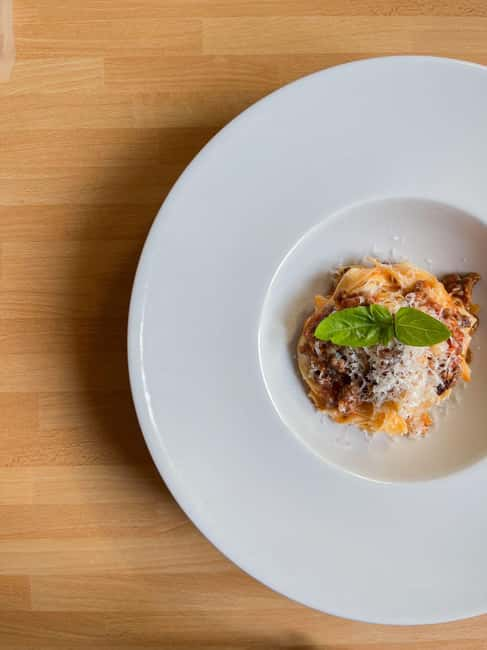
Yes, if you want to learn a few useful Italian techniques in a personal setting rather than watch a formal demonstration. The palace apartment, family-style dinner, patient chefs, and chance to make two kinds of pasta give this experience a clear sense of place.
Book it especially if you value food as a way to meet people. The shared stations and relaxed meal mean you will spend much of the evening talking as well as cooking.
Think twice if stairs, standing, dietary restrictions, or group interaction are serious concerns. For everyone else, $85 buys a full evening, not just a recipe lesson: you cook in a Venetian home, eat what you make, and leave with techniques you can use long after the trip.
FAQ
Where does the cooking class take place?
The class takes place on the third and top floor of a 16th-century Venetian palace, in the home where the chef grew up.
How long does the experience last?
The cooking class and meal last approximately three and a half hours.
What will I make?
You will prepare fresh Italian pasta, a sauce using seasonal vegetables and quality proteins, and traditional tiramisu. The pasta portion includes two types of pasta.
Is the class taught in English?
Yes. English is the listed language for the instructor.
Is food and drink included?
Yes. Ingredients, the family-style meal, one bottle of wine for every three people, homemade limoncello, and espresso are included.
Do I need cooking experience?
No. The class is suitable for all skill levels, and the chef demonstrates each step before you try it.
Are dietary restrictions and allergies accommodated?
You should notify the host in advance about any dietary restrictions or allergies.
Is the class accessible by wheelchair?
No. The palace has no elevator and requires climbing stairs, so the activity is not suitable for wheelchair users.
Recently added in Venice
- Venice: Share Your Pasta Love in a Local’s Home★ 4.8 · 20 reviews
- Venice Cooking Class in Mestre – Pasta & Tiramisu, wine and more★ 4.0 · 14 reviews
- Make Ravioli & Tiramisù in Central Venice Kitchen (3-Course Meal)★ 5.0 · 4 reviews
- Venice: Pasta and Tiramisu Cooking Class★ 5.0 · 3 reviews
- Venice Cooking Class in Mestre Pasta and Tiramisu Wine★ 5.0 · 9 reviews
- Make Pasta Carbonara from Scratch in a Jazz Club in Venice★ 3.5 · 15 reviews
- Venice Hands-On Bigoli Pasta Class : Cook & Taste Local Recipes★ 5.0 · 20 reviews
- Cesarine: Private Pasta and Tiramisu Class in a Local Venice Home★ 5.0 · 37 reviews
Tiramisu Classes, compared.
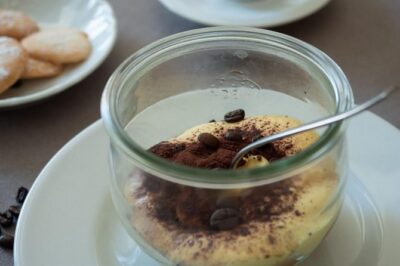
3 in 1 Cooking Class near Navona: Fettuccine, Ravioli & Tiramisu
Read our review →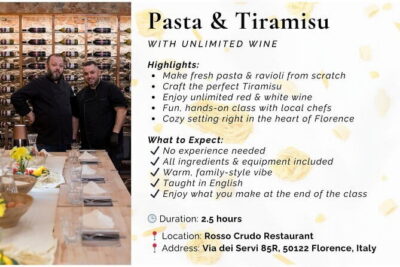
Pasta & Tiramisu Cooking Class with Unlimited Wine
Read our review →
Pasta & Tiramisu Class with Fine Wine by the Vatican
Read our review →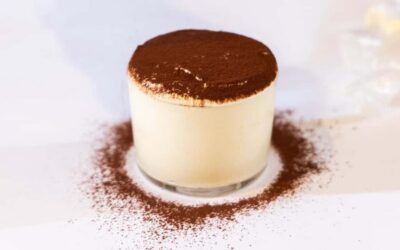
3-in-1 Fettuccine, Ravioli, and Tiramisu Cooking Class
Read our review →
Learn to Make Pasta & Tiramisu with Wine and Limoncello Included
Read our review →
Cooking Class Pasta & Tiramisu Making Unlimited Wine
Read our review →
Become a Masterchef in Rome: Pasta, Ravioli and Tiramisù Class
Read our review →
Fettuccine & Tiramisù: Cooking Class with Wine & Limoncello
Read our review →Browse the lists this class appears in