
REVIEW · TIRAMISU CLASSES
Venice: Pasta and Tiramisu Cooking Class with Wine
Venice is full of churches, bridges, and crowded lanes. This class gives you a useful change of pace: you sit down, make fresh pasta and tiramisu, then eat the meal you prepared with wine. The cooking is hands-on without requiring expert skills.
I like the social table setting, where you can meet people from several countries over the meal. I also like the friendly teaching style associated with instructors such as Barbara, Serena, Eddie, and Thomas. The main consideration is food safety: traditional recipes use gluten, eggs, and dairy, and the kitchen cannot promise zero cross-contamination.
Key points to know
- Three classic dishes: Make fresh fettuccine, ravioli, and tiramisu from supplied ingredients.
- A meal is included: Eat the pasta and dessert you prepare, with wine, coffee, and limoncello.
- English instruction: Guides explain each stage and leave time for questions about Italian food.
- Dorsoduro setting: The class takes place in a Venice restaurant, with nearby streets to explore afterward.
- Friendly, social format: Shared tables make it easy to meet people and celebrate occasions.
- Dietary limits matter: Substitutions may be possible, but the teaching centers on traditional recipes containing gluten, eggs, and dairy.
Why this cooking class fits nicely into a Venice day
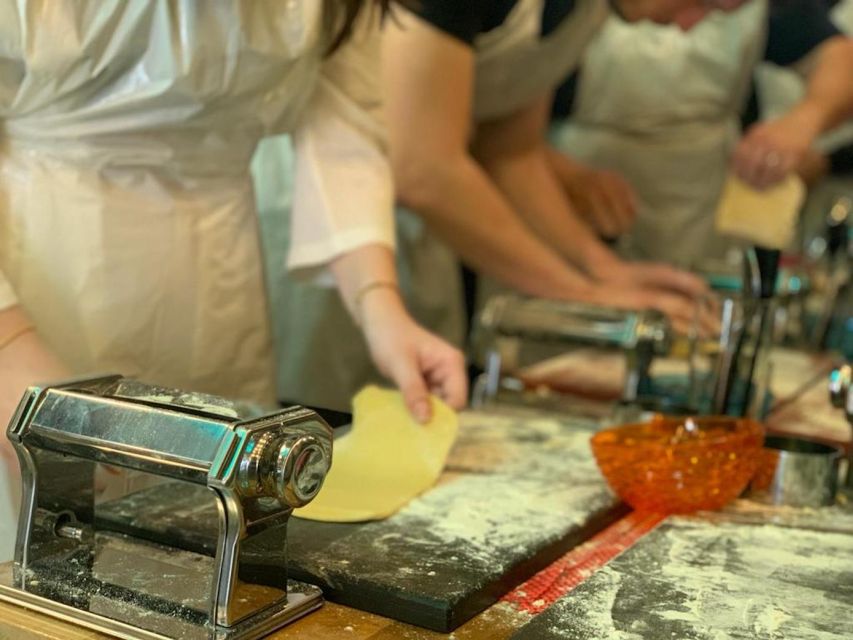
A pasta class may sound less exciting than a gondola ride or a grand basilica. In practice, it can be a smart choice after several hours on your feet. The entire activity takes place in a restaurant, so you get a warm seat, a meal, and a chance to slow down.
You spend about three hours cooking and eating. That is long enough to learn something useful, but short enough to fit into a full Venice schedule. You are not simply watching a chef work. You handle the ingredients, follow the process, and sit down to eat what you helped make.
I especially like the value of the format. At $78 per person, the price covers the class, ingredients, the food you prepare, wine, and the meal afterward. In a city where a restaurant dinner can quickly become expensive, this combines an activity with lunch or dinner. It is not the cheapest meal in Venice, but it gives you a skill and a social evening along with your food.
The atmosphere appears to be a large part of the experience. Instructors may sing, play music, tell stories, and explain where Italian dishes come from. Eddie is noted for being an entertaining host and singer, while Barbara is praised for her lively teaching. Serena is described as patient and clear, and Thomas has been praised for making the steps easy to follow.
The exact instructor depends on the date and booking option. You should treat the names as examples, not a guarantee. Still, the repeated pattern is useful: the teaching style is warm, active, and aimed at beginners rather than professional cooks.
More Tiramisu Classes in Venice:
- Pasta and Tiramisu Cooking Class with Wine in Venice
★ 5.0 · 945 reviews - Small Group Pasta and Tiramisu Class at Local’s Home in Venice
★ 4.5 · 236 reviews - Venice: Pasta and Tiramisu Cooking Class at a Local’s Home
★ 4.8 · 205 reviews
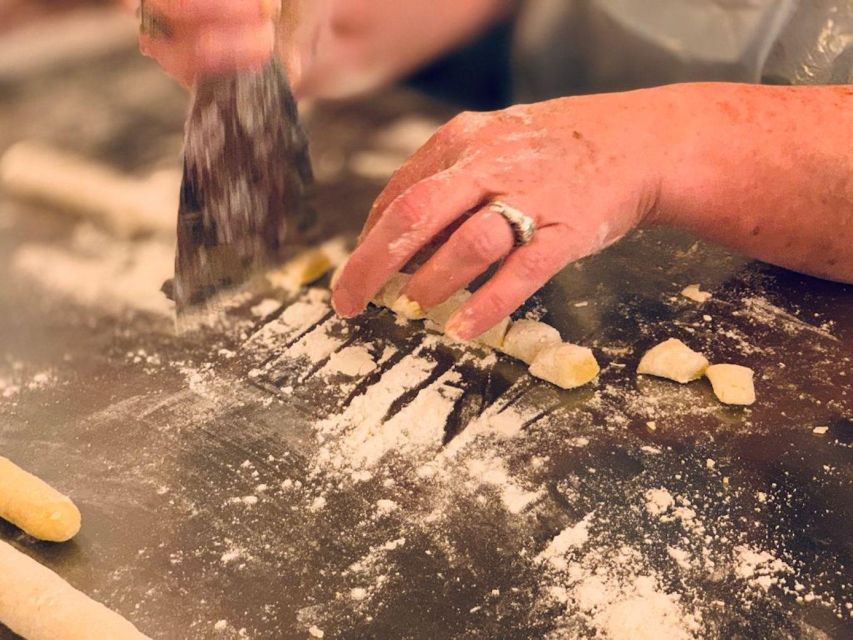
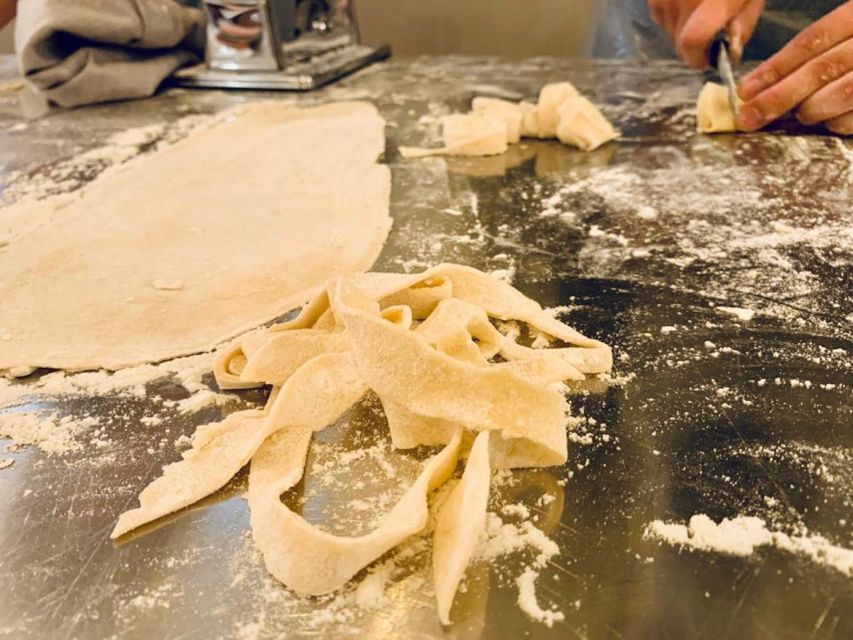
Starting with fresh fettuccine
The class begins with the foundations of fresh pasta. You receive the ingredients and work through the steps with the instructor, who demonstrates the traditional method and then guides you as you try it yourself.
Fettuccine is a good first dish for a class because the process is easy to understand but still gives you practical skills. You learn how dough comes together, how it should feel, and how to roll or shape it into broad noodles. The instructors explain the process at a pace that lets the whole table keep up.
You should not expect a quiet demonstration where you sit back and take notes. The point is to get your hands involved. You will have time to ask questions, and the teacher or assistant can help when a step feels unclear.
This part is useful for cooks who want to recreate the meal at home. One participant even bought a pasta press afterward and taught older family members how to make pasta. That is a good sign that the class explains the method in a way you can remember, rather than treating it as a one-time trick.
The class also gives you a better feel for fresh pasta. Dried supermarket noodles and fresh handmade pasta are not the same thing. Making the dough yourself helps you understand why texture, thickness, and cooking time matter.
Making ravioli without the fuss
Ravioli adds a second pasta skill. You move from cutting noodles to filling and sealing pasta, which requires a little more care but is still presented as manageable for beginners.
The useful lesson here is control. You need enough filling to make the ravioli satisfying, but not so much that the edges fail to close. The instructor shows the process, and assistants help the group move from one stage to the next.
You should expect the class to focus on traditional technique rather than restaurant-level perfection. A slightly uneven ravioli is part of the fun. The finished dish is cooked and served as part of the meal, so you get an immediate reward for the work.
Several instructors are described as patient when people ask questions or need another explanation. That matters in a group class, where people may have very different cooking backgrounds. You do not need to arrive with pasta-making experience.
The ravioli is also one of the most appealing parts for families and teenagers. Younger cooks can take part in shaping and filling, and the work feels more like a shared project than a formal lesson. Children under three are not suitable for the activity, and babies under one year are excluded.
Tiramisu brings the sweet finish
The dessert portion covers the basic method for making tiramisu. You learn how the components are put together and how the balance of coffee, cream, and biscuits creates the familiar Italian dessert.
The appeal here is simple: you make dessert early enough for it to be ready by the end, then eat it at the table with the pasta. The class does not finish with a rushed goodbye. You sit down for the full meal, which makes the activity feel like a complete outing.
You can ask about the origins and traditions behind the dishes while you work. That cultural context adds value, especially if you are interested in the difference between cooking a recipe and understanding why it belongs in Italian food culture.
Tiramisu contains dairy and eggs in its traditional form. The class can offer substitutions for some food preferences, but the instruction remains based on the standard recipe. If you have allergies or dietary restrictions, tell the provider when booking and again when you arrive if needed.
More Pasta Classes with Wine in Venice:
- Venice: Jewish Ghetto & Cannaregio Area Food Tour: Pasta Wine Gelato and More!
★ 4.5 · 274 reviews - Venice: Pasta Class with Wine and Gelato
★ 4.9 · 225 reviews - Pastamania in Venice with Wine Tasting and Gelato
★ 5.0 · 55 reviews - Venice Cooking Class in Mestre – Pasta & Tiramisu, wine and more
★ 4.0 · 14 reviews
The meal, wine, coffee, and limoncello
Once the cooking is complete, you sit down and eat the dishes made during the class. Wine is included, and the experience also provides coffee and limoncello at the end.
This shared meal is where the class shifts from lesson to social evening. You sit with the people from your group, compare your pasta, and talk over the dishes. It is a natural way to meet people without the forced feeling of a formal group tour.
The amount of food is described as sufficient for a meal, not just a tasting. One useful advantage is that it can cover lunch or dinner during a busy day in Venice. You still need to choose the right starting time, since availability and session times change.
The wine is part of the experience rather than an optional purchase at the end. That helps the $78 price feel more reasonable, particularly if you planned to dine out anyway. Still, this is not the right choice if you do not drink or if you want a quiet, private dinner. The class has a social mood, and wine is woven into the meal.
Limoncello and coffee provide a pleasant close. You can then remain at the restaurant with new acquaintances or head out to explore the surrounding streets.
Dorsoduro gives you a useful after-class plan
The restaurant is in Venice, with access to the Dorsoduro area nearby. The activity itself does not function as a walking tour, so do not book it expecting a guided introduction to the neighborhood.
Instead, use the class as an anchor for your day. You can explore Dorsoduro before the lesson, arrive for the cooking, and continue wandering afterward. Because the meeting point may vary by booking option, check your confirmation carefully before setting out.
Dorsoduro is a good area for this kind of plan because it gives you a change from the busiest central routes. The nearby streets let you extend the evening on foot after dinner without adding another scheduled tour.
The practical advantage is that the experience stays in one restaurant. You do not need to transfer between several stops, and you get a break from Venice’s bridges and uneven walking routes. If your feet are tired after sightseeing, this is one of the stronger reasons to choose the class.
What the teaching is really like
The guides are the deciding factor in a cooking class. A recipe can be excellent, but unclear instruction makes the whole activity frustrating. Here, the teaching is built around demonstrations, hands-on work, and time for questions.
The instructors named by participants include Barbara, Serena, Eddie, Thomas, Bleona, Lauti, Fammy, Emma, and others. The staff may change, but you can expect an English-speaking guide. Some teachers focus on calm, clear instruction, while others bring more humor, music, or performance into the room.
That variety can work in your favor. If you enjoy a lively class, an entertaining host such as Eddie may be a good match. If you prefer a measured pace, Serena or Barbara are associated with clear explanations and attentive help. You should not assume you can choose a particular instructor, although one booking note suggests requesting Barbara may be possible.
The class is also well suited to people who have never cooked pasta before. The steps are broken into manageable sections, and the assistants help the table stay together. You are learning a traditional method, but you are not expected to produce perfect restaurant pasta on your first attempt.
Dietary restrictions require careful planning
This is the most important caution. The activity can provide substitutions for some allergies and food preferences, but the instructions always focus on traditional recipes containing gluten, dairy, and eggs. The provider cannot guarantee complete protection from cross-contamination.
The supplied information gives mixed signals about dietary suitability. It says vegetarian, vegan, lactose-free, and other dietary options can be discussed, but it also lists vegans, people with gluten intolerance, and people with lactose intolerance among those not suitable for the activity.
I would not book this class if you need a strictly gluten-free, dairy-free, egg-free, or vegan kitchen. If you have a less severe preference, contact the provider before booking and explain exactly what you can and cannot eat. Do not rely on a last-minute request at the restaurant.
You will sample the food prepared during the lesson. That makes the dietary question central, not incidental. The class is best for people comfortable with the traditional recipes or for those whose restrictions can be safely managed after clear discussion.
Who should book this experience
I would recommend the class to first-time visitors who want more than another sightseeing stop. It gives you a meal, a practical skill, and a friendly setting in one three-hour block.
It works especially well for:
- Couples looking for a relaxed shared activity
- Families with older children or teenagers
- Solo visitors who want an easy social setting
- Food lovers who want to make pasta from scratch
- Birthday celebrations and other small occasions
- Anyone needing a break from walking and museums
The class can also work for groups with different cooking abilities. Beginners can follow along, while confident cooks can ask about technique and ingredients. The social meal means you do not need to arrive with a full group of friends.
I would think twice if you want a highly local, small-family kitchen with a very intimate feel. The activity takes place in a restaurant and may include a mixed group of people from around the world. That is part of its appeal, but it is not the same as a private lesson in someone’s home.
Timing, price, and booking advice
The price is $78 per person, and the duration is three hours. Since the class includes ingredients, instruction, the pasta and tiramisu you make, wine, coffee, and limoncello, I consider it fair value for Venice.
The value improves if you schedule it in place of a restaurant meal. You are not paying $78 only to watch a demonstration. You are also receiving dinner or lunch, depending on the start time, plus a social activity and recipes or techniques you can use later.
Choose a time that leaves room for arriving at the correct meeting point. The meeting location can vary depending on the option booked, so do not assume every session begins in the same place.
Free cancellation is available up to 24 hours before the activity for a full refund. You can also reserve now and pay later, which helps if your Venice plans are still changing. Check current availability for the exact start time.
Should you book it?
Book this class if you want a practical, social break from sightseeing and are happy to eat traditional pasta and tiramisu. The strongest reasons are the hands-on format, the included meal and drinks, the friendly English instruction, and the chance to meet people at the table.
I would especially choose it for a family with teenagers, a couple who enjoys food, or a solo visitor who wants company without committing to a full-day group tour. Skip it if you need a strictly allergen-free meal, dislike group activities, or want a private cooking lesson.
For most people who can eat gluten, eggs, and dairy, this is a good use of three hours in Venice. You leave with a full meal, a few pasta skills, and a better excuse to buy a pasta roller when you get home.
FAQ
How long does the Venice cooking class last?
The class lasts three hours, including the cooking instruction and the meal afterward.
What dishes will I make?
You will learn to make fresh fettuccine, ravioli, and tiramisu.
Is wine included?
Yes. Wine is included with the meal. Coffee and limoncello are also provided at the end.
Is the class taught in English?
Yes. The listed tour language is English, and the activity includes a live English-speaking guide.
Can I join if I have dietary restrictions?
You must tell the provider about allergies or food restrictions when booking. Substitutions may be available, but the instruction follows traditional recipes containing gluten, dairy, and eggs, and complete protection from cross-contamination cannot be guaranteed.
Can I cancel the booking?
Yes. You can cancel up to 24 hours in advance for a full refund. Reserve now and pay later is also available.
Recently added in Venice
- Venice: Share Your Pasta Love in a Local’s Home★ 4.8 · 20 reviews
- Venice Cooking Class in Mestre – Pasta & Tiramisu, wine and more★ 4.0 · 14 reviews
- Make Ravioli & Tiramisù in Central Venice Kitchen (3-Course Meal)★ 5.0 · 4 reviews
- Venice Cooking Class in Mestre Pasta and Tiramisu Wine★ 5.0 · 9 reviews
- Venice: Pasta and Tiramisu Cooking Class★ 5.0 · 3 reviews
- Make Pasta Carbonara from Scratch in a Jazz Club in Venice★ 3.5 · 15 reviews
- Venice Hands-On Bigoli Pasta Class : Cook & Taste Local Recipes★ 5.0 · 20 reviews
- Cesarine: Private Pasta and Tiramisu Class in a Local Venice Home★ 5.0 · 37 reviews
Tiramisu Classes, compared.
3 in 1 Cooking Class near Navona: Fettuccine, Ravioli & Tiramisu
Read our review →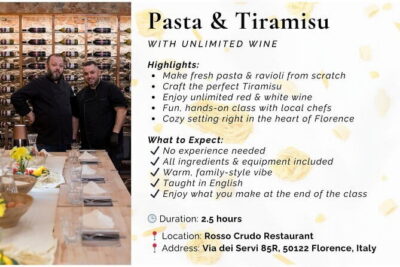
Pasta & Tiramisu Cooking Class with Unlimited Wine
Read our review →
Pasta & Tiramisu Class with Fine Wine by the Vatican
Read our review →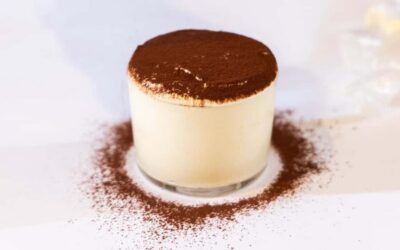
3-in-1 Fettuccine, Ravioli, and Tiramisu Cooking Class
Read our review →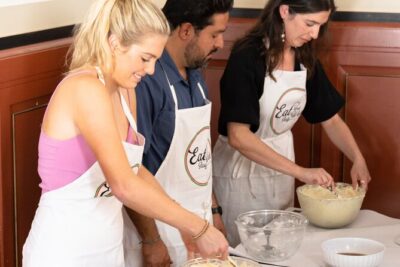
Learn to Make Pasta & Tiramisu with Wine and Limoncello Included
Read our review →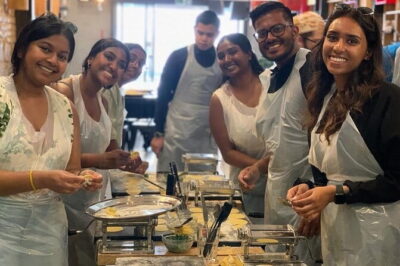
Cooking Class Pasta & Tiramisu Making Unlimited Wine
Read our review →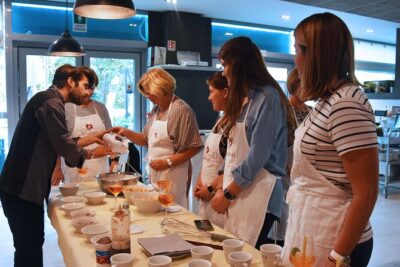
Become a Masterchef in Rome: Pasta, Ravioli and Tiramisù Class
Read our review →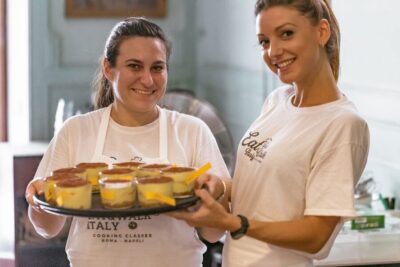
Fettuccine & Tiramisù: Cooking Class with Wine & Limoncello
Read our review →Browse the lists this class appears in