
REVIEW · FOOD & DRINK
Three Hour Pasta Course with Final Tasting
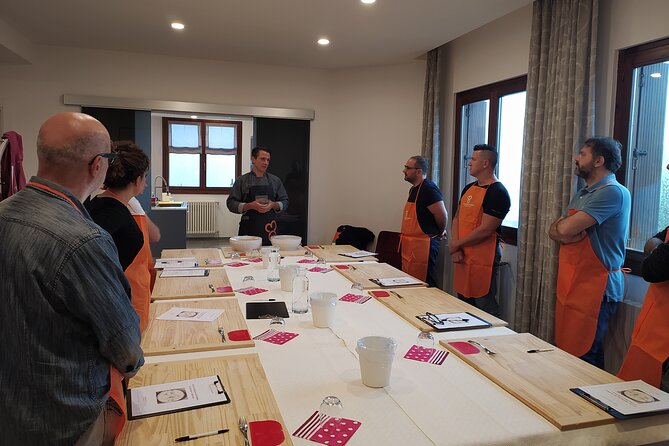
The best part of this Emilia-Romagna cooking class is that you do not just watch pasta being made. Laura guides you through the full process, from kneading dough to shaping three different kinds of pasta, then you eat the results at the same school.
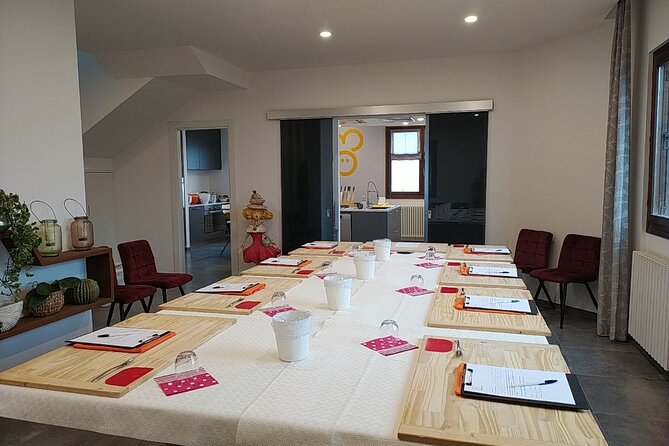
I like the individual wooden work station, which lets you work at your own pace, and the focus on traditional hand skills rather than a quick demonstration. I also like the private format, English instruction, and the chance to try tortelloni, garganelli, and tagliatelle in one session.
The main point to consider is location. The school is in Bazzano, near Valsamoggia, not in central Bologna, so you need to plan transport carefully. Pickup from the train station is offered, but the meeting details should be settled when you book.
Key points at a glance
- Three pasta shapes in one class: Make tagliatelle, tortelloni, and garganelli instead of learning only one recipe.
- Handmade from start to finish: Knead the dough, roll sfoglia by hand, and cut the pasta with a knife.
- Laura leads the lesson: Expect patient, step-by-step instruction in English.
- A full tasting follows the work: Try tortelloni with butter, sage, and Parmesan, garganelli with rosemary and saffron, and tagliatelle with Bolognese sauce.
- Private group format: Only your own group takes part in the activity.
- Train-station pickup is available: If you arrive at the station, look for the small car park and arrange the pickup details in advance.
A hands-on lesson in Emilia-Romagna pasta
This is a cooking class for people who want to understand fresh pasta with their hands, not just take a few photographs and move on. During roughly three and a half hours, you work through the stages that define home-style pasta in Emilia-Romagna.
Laura teaches at Scuola di Cucina Wellness Gourmet in Bazzano, in the Valsamoggia area of Emilia-Romagna. The class is offered in English, and your station includes the two tools that matter most here: a traditional wooden board and a rolling pin.
That setup tells you what kind of class this is. You are not relying on an electric pasta machine to do the difficult work. You knead the dough yourself, use your hands to judge its texture, and roll it into thin sheets of sfoglia. The work takes attention, but that is also the point. Fresh pasta feels less mysterious once you have made it from a basic dough.
I would expect the pace to be practical rather than rushed. Laura follows each stage with you, so you can ask for help when the dough feels too firm, the sheet is uneven, or a filled pasta shape refuses to close. One useful detail from the class feedback is that Laura is patient and encouraging, even with a participant who did not speak Italian. English is listed as the teaching language, but her calm, careful manner appears to make the process easier for mixed-language groups too.
More Food and Drink Tours in Italy:
- Bologna Food & Market Tour with 6 Tastings, Pasta, Wines & More
★ 5.0 · 1,328 reviews - Pasta Making & Wine Tasting with Dinner in Frascati from Rome
★ 5.0 · 1,326 reviews - Rome: Pasta Making with Wine Tasting and Dinner in Frascati
★ 4.9 · 979 reviews
Starting with dough and sfoglia
The first real task is hand-kneading the pasta dough. This is a useful place to begin because it gives you a feel for the texture before you start shaping anything. You learn that pasta dough is not simply mixed and forgotten. It needs work, attention, and a sense of when it is ready to roll.
Next comes sfoglia, the thin sheet of fresh pasta. Rolling it entirely by hand is slower than using a machine, but it gives you a clear connection to the traditional method. You will need to turn the dough, roll evenly, and watch the thickness as the sheet grows.
The wooden board is part of the lesson, not just a charming prop. It gives you a broad working surface and makes the process feel like a real kitchen skill rather than a staged demonstration. If you are used to buying fresh pasta or using packaged sheets, this is the moment when you begin to see why handmade pasta has a different character.
Do not expect every sheet to look perfect at once. The value is in learning what to correct. Laura follows you through the stages, which means you can adjust your technique before moving to the next shape.
Shaping tortelloni without losing the filling
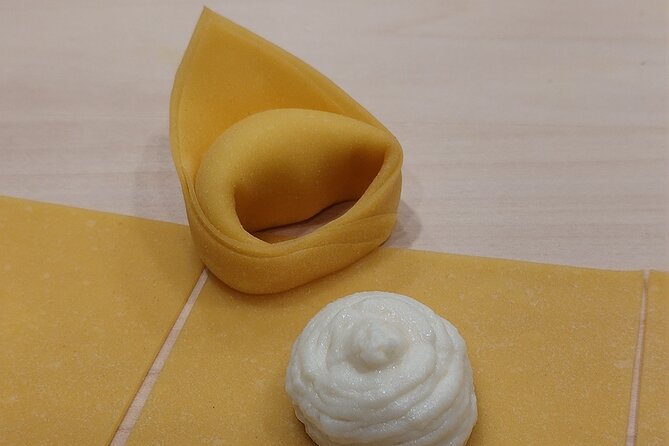
Tortelloni is the filled pasta portion of the class. You learn how to place and enclose the filling, then shape the pasta so it holds together during cooking.
This is a small task with a surprisingly large lesson. Too much filling can make the pasta difficult to seal. Too little can leave the finished piece disappointing. The edges must meet cleanly, and the shape needs to be firm enough to survive cooking.
Laura’s step-by-step approach matters most here. Filled pasta can look simple when someone else makes it quickly. At your own station, you discover the small movements that make the difference. The class is not only about copying a shape. It is about learning how to handle the dough so the final piece works.
The planned tasting pairs the tortelloni with butter, sage, and Parmesan cheese. That is a restrained sauce, which lets the pasta and filling remain important. It also gives you a chance to taste the texture of your work without a heavy sauce hiding mistakes.
Cutting tagliatelle with a knife
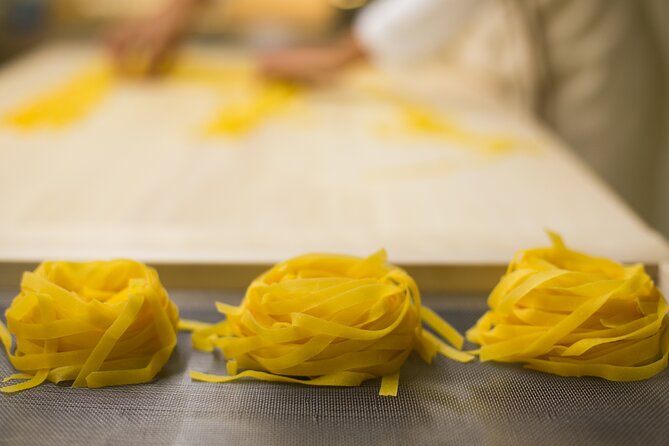
Tagliatelle offers a different skill. Once the sfoglia is rolled, you learn the knife-cut technique used to create the long ribbons.
This part rewards control. The goal is not simply to cut a sheet into strips. You want the ribbons to be reasonably even so they cook at the same rate and look like proper tagliatelle on the plate.
The handmade method gives you a useful comparison with factory-cut pasta. Your strips may not all match perfectly, and that is fine. The point is to learn the proportions and the movement, then take the technique home.
Tagliatelle is served with Bolognese sauce in the final tasting. That pairing makes sense in this region, where the familiar sauce is traditionally associated with fresh egg pasta rather than just any dried noodle. The meal lets you see how the width and texture of the pasta work with a meat-based sauce.
More Three-Hour Experiences in Italy:
- 3 Hours Private Boat Tour of Capri with Pasta and Prosecco
★ 4.0 · 34 reviews - 3 Hour Florence Pasta Making & Unlimited wine
★ 5.0 · 24 reviews - 3 Hour Sicilian Cooking Class on Fresh Pasta in Catania
★ 5.0 · 9 reviews - 3 Hour Cooking Class: Homemade Pasta and Tiramisu in Venice
★ 4.5 · 7 reviews
Rolling garganelli with a ridged finish
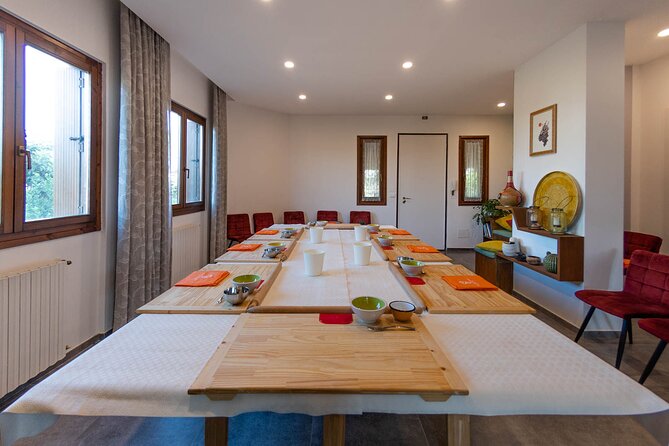
Garganelli is the third shape and probably the most distinctive of the class. Instead of long ribbons or filled parcels, you form short, ridged tubes.
The ridges are not only decorative. They help sauce cling to the pasta, which is especially useful with the rosemary and saffron sauce planned for the tasting. You get another lesson in how shape affects the way a dish eats.
Learning three forms in one class keeps the session varied. You are not repeating one motion for several hours. The dough becomes a sheet, then a filled shape, then a cut ribbon, and finally a ridged tube. Each form asks for a different kind of control.
Garganelli also gives the class a memorable takeaway. Tagliatelle is familiar, and tortelloni is widely recognized. Garganelli is the shape many home cooks are less likely to make without instruction. If you want to bring one particularly useful new technique back to your own kitchen, this may be it.
The final tasting is part of the lesson
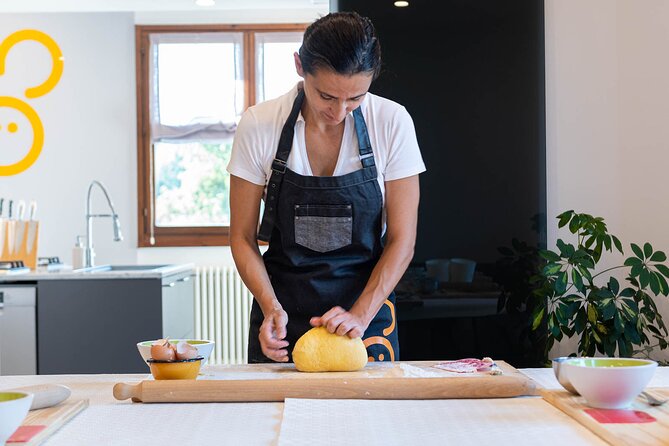
The meal at the end is not an extra snack added after the class. It is where the morning or afternoon’s work makes sense.
You taste tortelloni with butter, sage, and Parmesan; garganelli with rosemary and saffron; and tagliatelle with Bolognese sauce. Each dish tests a different pasta shape and sauce pairing.
That variety gives you more than a single plate of food. You can compare how filled pasta behaves with a light sauce, how ridged garganelli holds a seasoned dressing, and how tagliatelle carries Bolognese. It is a practical lesson in matching pasta to sauce.
The shared meal also adds a social side to the experience. Feedback about the class describes lunch with Laura as relaxed and pleasant, with plenty to discuss about pasta. You should allow time for that conversation rather than treating the tasting as a quick final course.
One point to keep in mind is that the available menu names the dishes and sauces but does not list additional courses, drinks, or dietary substitutions. If you have food restrictions, ask the school before booking instead of assuming changes can be made.
Laura’s teaching style and the private format
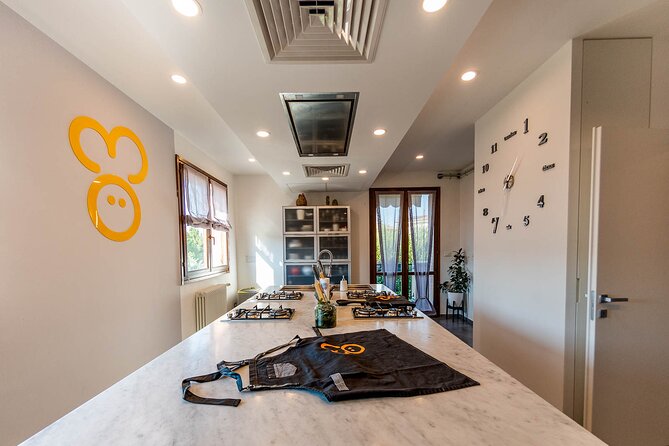
The private setup is useful for anyone who does not enjoy being lost in a large class. Only your own group participates, so the instruction can stay focused on your station.
Laura is the named teacher, and the class feedback also refers to Irene as part of the welcoming, helpful team at the school. The teaching style is described as patient and thorough, with attention given to helping participants feel comfortable. That matters in a class where the dough may not behave exactly as expected.
An English-speaking class is especially helpful because pasta-making depends on small physical instructions. You need to understand how firmly to roll, where to press, and how to seal a piece of tortelloni. Clear guidance is more useful here than a long lecture.
The private format may also suit couples, families, or a small group of friends who want to work together. If you prefer meeting a large mix of strangers, this class may feel quieter. Its strength is personal attention, not a party atmosphere.
Getting to Bazzano and planning your timing
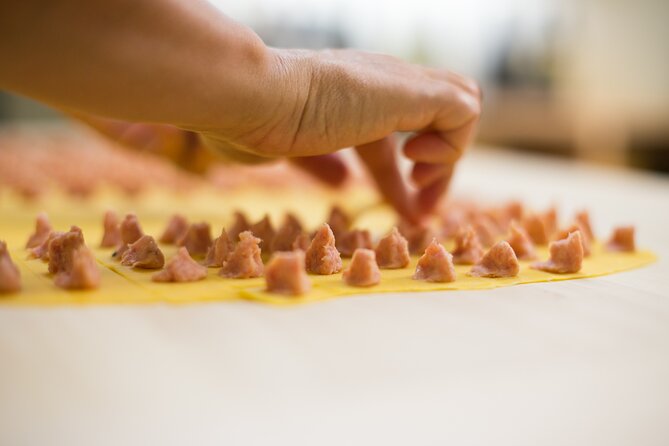
The cooking school is at Via del Bucco 33, Bazzano, in Valsamoggia, near Bologna. The activity begins and ends at the school.
Pickup is offered if you arrive at the train station. The instructions refer to a small car park at the station, where the pickup can meet you. If you arrive by car or taxi, use the address Scuola di Cucina Wellness Gourmet, Via del Bucco 33, Bazzano.
The school says the address is simple to find, but you should provide your mobile number when booking so a detailed map can be sent. That is a worthwhile step, especially if you are driving or using a taxi. Do not assume that every driver will recognize the cooking school by name alone.
The listed operating days are Monday through Friday, from 9:30 a.m. to 7 p.m., for the stated operating period from August 14, 2025, through December 9, 2026. Your exact start time comes with the booking confirmation, so check it before arranging a train connection.
Because the class lasts about three and a half hours, leave enough time around the activity for the lesson and tasting. The end point is the same as the meeting point, which makes planning easier if you have a car waiting there.
Is $108.84 a fair price?
At $108.84 per person, this is not a low-cost meal. The value depends on what you want from a food experience.
You receive about three and a half hours of instruction, your own work station, hands-on practice with three pasta shapes, and a final tasting of the dishes you make. You are also paying for a private group format and English guidance, not just a plate of pasta.
I consider the price reasonable for someone who wants a real cooking lesson rather than a demonstration. The class covers enough techniques to remain useful after your trip. You can repeat the dough, sfoglia, tagliatelle, tortelloni, and garganelli at home, although the first attempt may require patience.
The value is weaker if your main goal is simply to eat regional food. A restaurant meal costs less, and a shorter demonstration may suit you better. This experience asks you to work for the lunch, which is exactly why it is worthwhile for an enthusiastic cook.
Who should book this class?
I would choose this activity if you enjoy learning by doing and want a food memory tied to a real regional technique. It is a good fit for couples, families, and small private groups who want instruction without a crowded class.
It also suits visitors staying outside central Bologna or anyone willing to make the trip to Bazzano for a focused lesson. Train-station pickup helps, but transport still needs planning.
You may want to skip it if you have limited time in Emilia-Romagna, dislike hands-on work, or only want to sample pasta without preparing it. The class involves kneading, rolling, cutting, filling, and shaping. That is rewarding, but it is not passive.
The class may also suit people with different language backgrounds. English is offered, and Laura’s patient teaching style has helped a non-Italian-speaking participant enjoy the process. Still, ask about dietary needs before booking, since the supplied menu includes wheat, dairy, and meat-based Bolognese sauce.
Cancellation and booking details
Confirmation is provided when you book, and free cancellation is available up to 24 hours before the scheduled start time. Cancellations made less than 24 hours before the start are not refunded, and changes inside that period are not accepted.
Give the school your mobile number so it can send the detailed map and coordinate station pickup if needed. The activity is listed as private, with only your group taking part.
Should you book the pasta course?
Book it if you want to learn the practical side of Emilia-Romagna pasta and have enough time for a three-and-a-half-hour lesson. Laura’s patient, personal instruction, the traditional board and rolling pin, and the chance to make three distinct shapes give the experience real substance.
The strongest reason to go is the combination of instruction and tasting. You do not simply make tagliatelle and stop. You learn filled tortelloni, ridged garganelli, and knife-cut tagliatelle, then see how each shape works with its sauce.
Skip it if Bazzano is inconvenient or if you prefer a quick food stop. For a cook who wants a skill to take home, though, this is a thoughtful use of half a day and a fair way to spend $108.84.
FAQ
Where does the pasta class take place?
It takes place at Scuola di Cucina Wellness Gourmet, Via del Bucco 33, 40053 Valsamoggia BO, Italy. The address is also given as Via del Bucco 33, Bazzano.
How long does the activity last?
The class lasts approximately three hours and 30 minutes.
Is the class offered in English?
Yes. The activity is offered in English.
Which kinds of pasta will I learn to make?
You will learn to make tagliatelle, tortelloni, and garganelli.
What food is included in the final tasting?
The tasting includes tortelloni with butter, sage, and Parmesan cheese; garganelli with rosemary and saffron; and tagliatelle with Bolognese sauce.
Is pickup available from the train station?
Yes. Pickup is offered from the train station. The pickup instructions refer to a small car park, and you should provide your mobile number when booking so the school can send details.
Can I cancel for a full refund?
Yes, if you cancel at least 24 hours before the experience start time. Cancellations made less than 24 hours in advance are not refunded, and changes inside that period are not accepted.
Recently added in Italy
- Verona: Tortellini Cooking Class and Lunch with Mamma Ivana★ 5.0 · 20 reviews
- Vicenza: Pasta & Tiramisu Cooking Class at a Local’s Home★ 5.0 · 5 reviews
- Verona: Pasta Cooking Class with Wine Tasting★ 5.0 · 4 reviews
- Verona: Pasta & Tiramisu Cooking Class at a Local’s Home★ 5.0 · 16 reviews
- Verona: Prosecco and Pasta Making Class at a Local’s Home★ 5.0 · 10 reviews
- Volterra: Fresh Pasta Cooking Class at a Tuscan Farmhouse★ 5.0 · 33 reviews
- Venice: Share Your Pasta Love in a Local’s Home★ 4.8 · 20 reviews
- Verona: My Granny’s secrets making gnocchi★ 5.0 · 7 reviews
Food & Drink, compared.
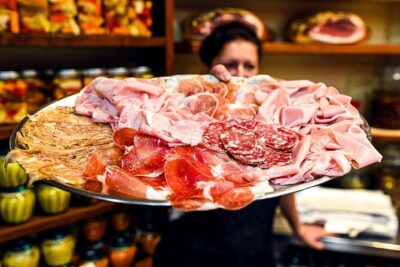
Bologna Food & Market Tour with 6 Tastings, Pasta, Wines & More
Read our review →
Pasta Making & Wine Tasting with Dinner in Frascati from Rome
Read our review →
Pasta Making with Wine Tasting and Dinner in Frascati
Read our review →
Super Fun Pasta & Gelato Class by Vatican with Wine + Oil Tasting
Read our review →
Countryside Tour with Wine Tasting & Pasta Class
Read our review →
Food Tour with Pasta Tasting & Local Specialties
Read our review →
Florence Food Tour with Truffle Pasta, Steak & Free Flowing Wine
Read our review →
Jewish Ghetto & Cannaregio Area Food Tour: Pasta Wine Gelato and More!
Read our review →Browse the lists this class appears in