
REVIEW · HOME COOKING CLASSES
Pasta Making Class at Local’s Home in Trieste
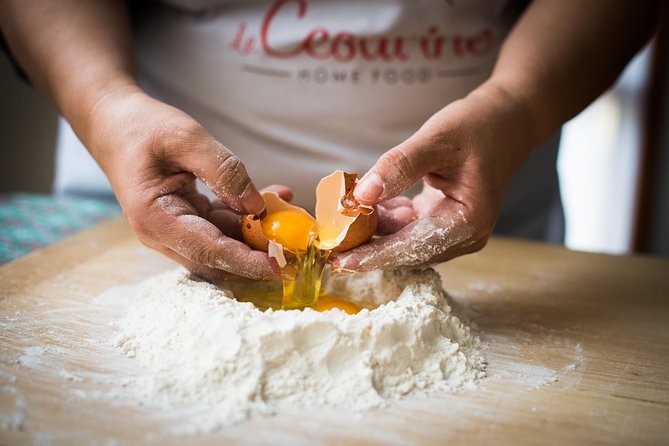
The best part of this Trieste class is simple: you do not just watch someone make pasta. You roll, shape, cook, and eat three regional dishes in a local home. Hosts such as Giovanni and Giovanna turn the lesson into a relaxed meal, with wine and, in some cases, tiramisu and homemade limoncello.
I like the private format, since your teacher can slow down for children, answer questions, and give your group full attention. I also like that the meal includes wines from regional cellars, not a generic restaurant bottle. The main drawback is price: at $174.60 per person, this is a costly three-hour activity, especially for a family.
Key points to know before booking
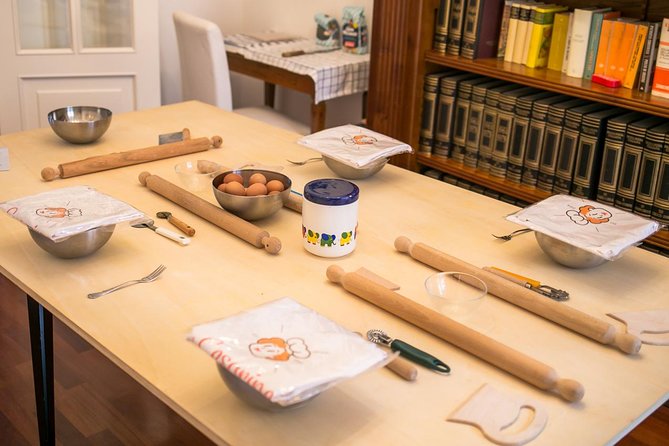
- Three pasta dishes in one private class: You learn several regional preparations rather than a single basic recipe.
- Hosted in a real Trieste home: The exact address arrives after booking, giving you a more personal setting than a cooking school.
- You eat what you make: The class ends with your pasta served as a meal, along with local red and white wines.
- English booking, not always English conversation: Some hosts may use limited English, but Google Translate can help.
- Family-friendly hands-on work: Children can take part, especially when rolling and shaping ravioli or spaghetti.
- A useful keepsake: The Cesarine apron and shopping bag are included to take home.
Making pasta with a Trieste home cook
This is a three-hour private class offered in the morning or afternoon. You meet your Cesarina at a private home in Trieste, with the exact address provided after you book. The activity begins and ends at the meeting point, and the area is near public transportation.
The home setting changes the mood at once. You are not seated in a large room watching a demonstration from the back. You work directly with the cook, ask questions as you go, and get help with the parts that take practice. That matters with fresh pasta, where dough texture, rolling pressure, and filling size can make a big difference.
The Cesarine network connects home cooks across Italy with people who want to learn traditional food in a personal setting. For you, that means the class is built around a host’s kitchen and family-style hospitality rather than a standard tourist menu. The precise home, host, and dishes can vary, so you should treat the listed examples as a guide rather than a guaranteed menu.
More Fresh Pasta Workshops in Italy:
- Rome: Pasta Making Class with Wine, Limoncello, and Dessert
★ 4.9 · 3,177 reviews - Pastamania – Florence Pasta Making Class
★ 5.0 · 3,050 reviews - Enjoy Spritz and Pasta Making in Piazza Navona
★ 5.0 · 1,681 reviews
Rolling, filling, and shaping three pasta dishes
The main work is practical. You learn how to reproduce regional recipes at home, then make three pasta dishes during the class. The available details do not specify every recipe in advance, but the hands-on examples include ravioli and spaghetti.
Ravioli gives you the most satisfying lesson because it involves several steps. You help prepare the dough, roll it thin, add filling, seal it, and shape it. The process is easy to understand but harder to do neatly than it looks. A private teacher can correct your technique without rushing you along.
Spaghetti offers a different sort of pleasure. Children in particular may enjoy turning the dough into long strands, and the private setting lets younger cooks take part without worrying about slowing down a larger class. If you are cooking with your family, this is one of the stronger reasons to choose a private session.
The third dish may be another local pasta preparation, depending on the host. The point is not to collect three restaurant-style courses. You are learning a small set of traditional methods that you can repeat in your own kitchen. Ask the host to clarify the recipes and ingredients as you work, especially if you want to recreate them after returning home.
From kitchen lesson to proper Italian meal
Once the pasta is ready, the lesson becomes lunch or dinner. Your hosts cook the dishes you made and serve them with their own sauces. This is an important part of the activity. You get to taste how fresh pasta behaves after cooking, and you can compare your finished work with the techniques you just practiced.
The sauces are a major part of the meal. A simple pasta shape can taste entirely different when paired with a well-made sauce, and the hosts may prepare sauces separately while you work. In the home hosted by Giovanni, the pasta was served with homemade sauces that became one of the strongest parts of the meal.
The class can also include dessert. Tiramisu appeared in several versions of the experience, and it gives you a break from the pasta work while adding another useful Italian recipe. If dessert matters to you, ask whether tiramisu is included in your particular class, since the exact menu may vary by Cesarina.
A typical opening may include prosecco and chicetta, followed by the pasta meal, regional wine, and possibly homemade limoncello after dessert. These details create a full social meal, not just a lesson that ends when the last noodle is shaped. They also add value for anyone who wants to understand how Italians turn cooking into a shared occasion.
Meeting Giovanni, Giovanna, and the language question
The hosts named in the available descriptions include Giovanni and Giovanna. Giovanni is described as patient and kind while teaching, and both he and his wife took part in preparing and serving the meal. Giovanna is described as welcoming, though communication in English may be limited.
The activity is offered in English, but that does not guarantee that every host speaks fluent English throughout the class. This is worth understanding before you book. Food provides plenty of common ground, and Google Translate worked well for one group, but you may need patience when discussing small recipe details.
I would download Google Translate before arriving and keep your questions short. You can also save a few terms such as dough, flour, filling, sauce, boil, roll, and fold. That small bit of preparation can make the lesson smoother and may help you remember the method later.
Do not treat the language difference as a reason to skip the class, but do treat it as part of the format. If you need a highly technical cooking lesson delivered in polished English, this may not be the right choice. If you are comfortable learning through demonstration, gestures, translation, and tasting, the home setting can work very well.
More Home Cooking Classes in Italy:
- Pastamama, Home Cooking Classes at Grace’s Home
★ 5.0 · 521 reviews - Small Group Pasta and Tiramisu Class at Local’s Home in Venice
★ 4.5 · 236 reviews - Catania: Pistachio Ravioli, Pasta Home Cooking Class w/ Wine
★ 4.7 · 204 reviews - Cesarine: Small group Pasta and Tiramisu class in Varenna
★ 5.0 · 195 reviews
Why the private format matters
A private activity means only your group takes part. This is more than a marketing detail. Pasta making involves messy hands, repeated questions, and different skill levels. A private host can spend extra time with a child who is learning to shape ravioli or show an adult how thin the dough should be.
It is also a better format for families. Children can work directly with the dough, and the class can become a shared activity rather than an adult demonstration with children watching from the side. The pasta and tiramisu examples show that younger cooks have several ways to take part.
Couples and small groups may appreciate the privacy for a different reason. You can ask about local food, compare techniques, and enjoy the meal at your own pace. You are not trying to keep up with a roomful of strangers or share a long communal table.
There is a limit, though. Private does not mean the class is customized in every detail. The host, menu, and home are assigned through the Cesarine network, and the exact address comes after booking. You should book this for the personal setting and direct attention, not because you expect to design every course yourself.
Local wine and the value of the meal
Regional red and white wines are included, with the wines supplied by local cellars. That helps connect the meal to Friuli Venezia Giulia rather than treating pasta as a free-floating Italian stereotype. The wine is part of the food lesson, too, since it shows how the meal is served in the region.
The $174.60 price needs a clear-eyed look. You are paying for about three hours, a private instructor, ingredients, several dishes, a meal, wine, and the home setting. You also receive a Cesarine apron and shopping bag. For a private family or couple, those extras can make the price easier to justify.
Still, this is not a bargain cooking lesson. A restaurant meal in Trieste costs much less, and a standard group class may offer more time for the money. The value comes from the combination of instruction, personal attention, and hospitality. If you only want to eat fresh pasta, spend your money elsewhere. If you want to learn, cook, and share a meal in a private home, the price is more defensible.
One four-star assessment called it expensive for the time, while still describing the memories as lasting. That is a fair way to view it. The class is a special-occasion purchase, not a casual add-on for every day of a Trieste itinerary.
Planning your morning or afternoon
The class lasts about three hours and can begin in the morning or afternoon. A morning booking can work well as a late lunch, while an afternoon booking may lead naturally into dinner. Leave some flexibility around it, since you do not want to rush from the home to another timed attraction.
The meeting point is listed as Trieste, in the Province of Trieste, Friuli Venezia Giulia. You receive the exact home address after booking. Since the meeting point is near public transportation, you should have a practical way to reach it, but you still need to check the final address and local route once it arrives.
The activity ends back at the meeting point. That makes planning easier, but remember that the experience is a full meal as well as a class. Arrive ready to cook and eat, not squeezed between two large meals.
Confirmation is provided when you book, and the ticket is mobile. You can cancel for a full refund if you do so at least 24 hours before the start time. Cancellations or changes inside that window are not accepted, and the cut-off uses Trieste local time.
Who will get the most from this class
I would recommend this for couples, families, and small groups who care about food as a way to meet local people. It is especially useful if you want a practical souvenir. A photograph of a pasta dish fades quickly; a recipe and the ability to make the dough again can stay with you.
Families should consider it carefully. Children can take part, and the private format removes the pressure of keeping a public class quiet. The three-hour length and meal may be a little long for very young children, but the available examples show that children enjoyed making both ravioli and spaghetti.
It also suits people who prefer social experiences over sightseeing checklists. You spend your time in a local home, work with your hands, and share food with the host. That tells you more about everyday Italian hospitality than another quick stop at a crowded restaurant.
You may want to skip it if your budget is tight, you dislike cooking, or you need a fully English-speaking instructor. You should also avoid booking it when you want a fixed menu with guaranteed dishes. The host and recipes can vary, and the personal nature of the Cesarine network is part of the appeal.
Is the Trieste pasta class worth booking?
Book it if you want a private, hands-on food experience and can accept the higher price. The strongest reasons are the direct teaching, the three pasta preparations, the meal made from your work, and the chance to spend time in a local home.
For the best fit, book this as a special meal and cultural activity, not as the cheapest way to eat pasta. Prepare for possible translation with Google Translate, keep your schedule open for the full three hours, and ask about the exact menu if ravioli, spaghetti, or tiramisu is important to you.
I would pass if you only want a quick cooking demonstration or a guaranteed professional English lesson. For everyone else, especially families and small private groups, this offers a warm and useful way to bring a piece of Trieste home.
FAQ
How long does the pasta-making class last?
The class lasts about three hours.
Is the class private?
Yes. Only your group takes part in the activity.
Where does the class take place?
The class takes place in a local Cesarina’s home in Trieste. You receive the exact address after completing the booking.
Is the class offered in English?
The experience is offered in English. Some hosts may speak limited English, so translation tools such as Google Translate may be useful.
What will I make during the class?
You learn to make three regional pasta dishes. Examples from the available experience include ravioli and spaghetti, but the exact dishes can vary.
Do I eat the pasta I make?
Yes. You taste the pasta dishes prepared during the class.
Are drinks included?
The Cesarine offer a selection of red and white wines from regional cellars. Some sessions may also include prosecco and homemade limoncello, depending on the host and menu.
Can I cancel for a refund?
You can cancel for a full refund up to 24 hours before the experience begins. Cancellations or changes made less than 24 hours before the start time are not refunded.
Recently added in Italy
- Verona: Tortellini Cooking Class and Lunch with Mamma Ivana★ 5.0 · 20 reviews
- Vicenza: Pasta & Tiramisu Cooking Class at a Local’s Home★ 5.0 · 5 reviews
- Verona: Pasta Cooking Class with Wine Tasting★ 5.0 · 4 reviews
- Verona: Pasta & Tiramisu Cooking Class at a Local’s Home★ 5.0 · 16 reviews
- Verona: Prosecco and Pasta Making Class at a Local’s Home★ 5.0 · 10 reviews
- Volterra: Fresh Pasta Cooking Class at a Tuscan Farmhouse★ 5.0 · 33 reviews
- Venice: Share Your Pasta Love in a Local’s Home★ 4.8 · 20 reviews
- Verona: My Granny’s secrets making gnocchi★ 5.0 · 7 reviews
Home Cooking Classes, compared.
Pastamama, Home Cooking Classes at Grace’s Home
Read our review →
Small Group Pasta and Tiramisu Class at Local’s Home in Venice
Read our review →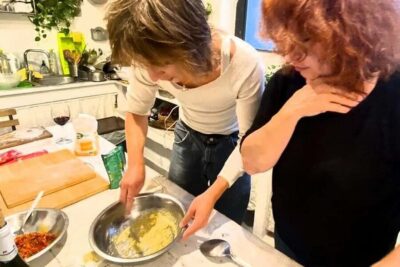
Pistachio Ravioli, Pasta Home Cooking Class w/ Wine
Read our review →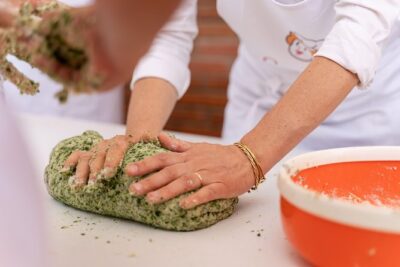
Cesarine: Small group Pasta and Tiramisu class in Varenna
Read our review →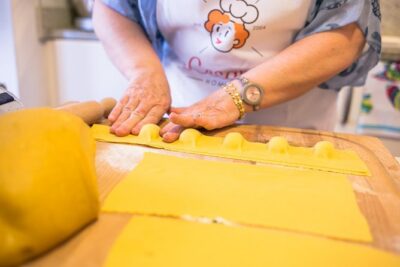
Cesarine: Small group Pasta and Tiramisu with Mamma in Lucca
Read our review →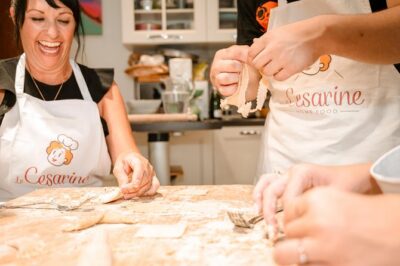
Cesarine: Small group Pasta and Tiramisu class in Bologna
Read our review →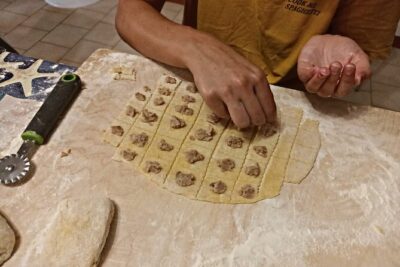
Authentic Bologna Home Cooking Class: Tagliatelle & Tortellini
Read our review →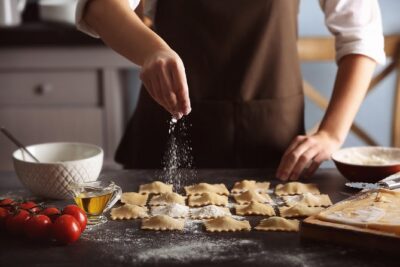
Alghero Home Cooking Pasta Class at a Farmhouse with Wine
Read our review →Browse the lists this class appears in