REVIEW · ITALY PASTA CLASSES
Pasta Cooking Class in a Garden near Pompeii
The best part of this Pompeii experience happens before you even touch the pasta. Sabrina begins in her family garden, showing you the vegetables and herbs that may end up on your plate, then brings you into her kitchen for recipes passed down through generations. It feels less like a polished cooking studio and more like being welcomed into an Italian home.
I like the small-group setup, with no more than 10 people, and the way you work with real local ingredients rather than watching a distant chef perform. I also like the warm family setting, with Sabrina and Rosalba guiding the class and even a resident cat named Gary adding to the domestic feel.
The main consideration is that three hours can pass quickly, especially if you want a long lesson and a leisurely meal. The menu changes with the season, and the activity requires at least two people, so solo visitors cannot book it on their own.
Key points to know before you book
- Start in the garden: You see the vegetables and herbs used in the cooking before entering the home.
- Make pasta by hand: Expect flour, eggs, shaping, rolling, and practical guidance rather than a simple demonstration.
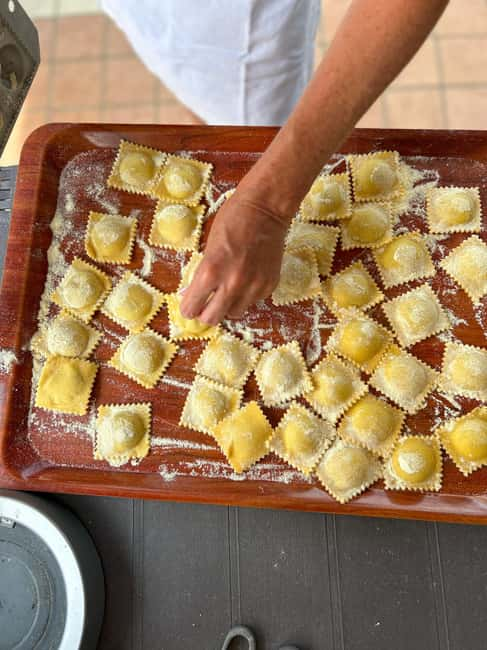
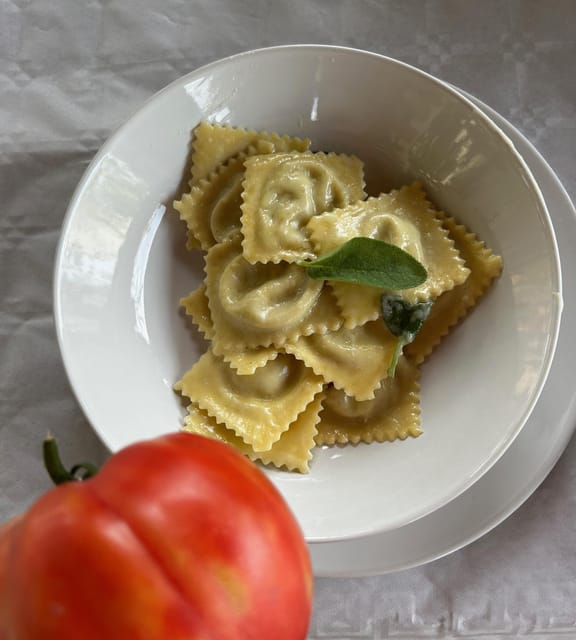
- Ravioli has featured in the class: The pasta session has included homemade ravioli made from scratch.
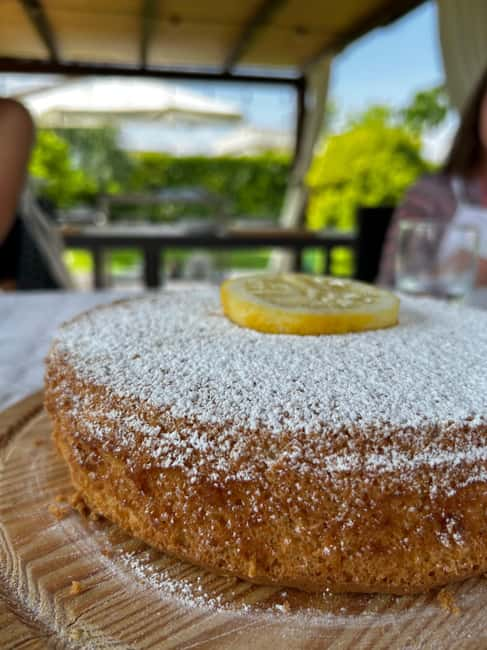
- Learn a Campania dessert: The homemade dessert can include lemon caprese cake, a local specialty with a fresh citrus flavor.
- Eat what you prepare: The meal includes bruschetta, fresh pasta, dessert, water, and Gragnano wine.
- Plan around Pompeii: The home is a few minutes from the ruins and sanctuary, making this a useful food activity before or after sightseeing.
Why this class feels different from a standard cooking lesson
Pompeii is famous for ancient streets, painted villas, and volcanic drama. This class gives you a look at another side of the area: present-day family life, seasonal cooking, and the habits that still shape a Sunday meal in Campania.
Sabrina welcomes you into her home and kitchen, where the recipes come from her mother and grandmother. That family link matters. You are not simply following a restaurant recipe designed for tourists. You are learning the sort of food prepared at home, with simple ingredients and hands-on methods.
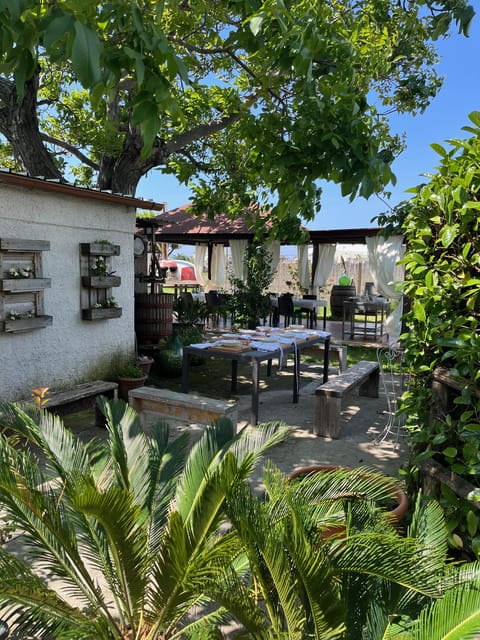
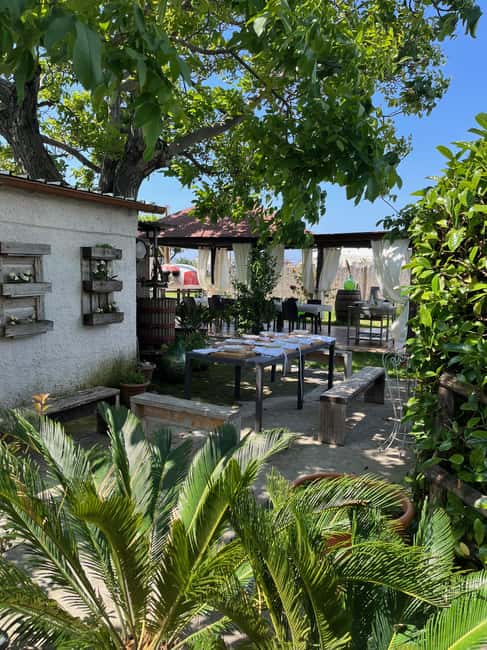
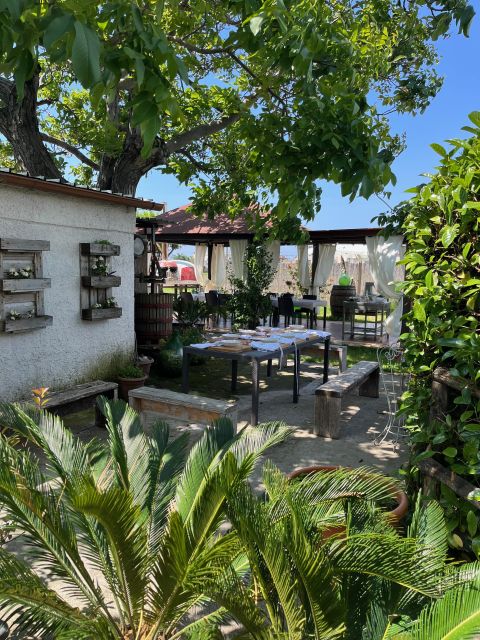
The setting also keeps the mood informal. You begin outside in the garden, then move inside for the pasta work. Depending on the weather and the arrangement that day, the garden may become part of the cooking atmosphere, while rainy weather sends the class indoors. The garden remains important either way, since it helps explain where the vegetables and herbs come from.
I would choose this class if you want human contact and conversation along with your meal. If you prefer a formal culinary school, precise timings, and a polished demonstration kitchen, this may feel too relaxed. Its strength is the welcome and the participation.
Other Italy classes worth putting on the shortlist
- Florence: Pasta Cooking Class with Unlimited Wine
★ 4.9 · 10,285 reviews - 3 in 1 Cooking Class near Navona: Fettuccine, Ravioli & Tiramisu
★ 5.0 · 7,376 reviews - Florence Pizza or Pasta Class with Gelato Making at a Tuscan Farm
★ 5.0 · 6,801 reviews
From garden vegetables to the kitchen table
The first stage is a short introduction to the garden at Giardini Balestrieri 132. Look for the sign reading Balestrieri Gardens at the meeting point. Sabrina shows you the products of the land and explains how seasonal ingredients fit into the meal.
This is more than a quick photo stop. It gives you useful context for the food that follows. Seasonal vegetables may shape the bruschetta, and garden herbs can add flavor to the pasta or other dishes. One of the most appealing details is that the menu can be adjusted according to the season and climate, rather than forcing the same ingredients onto every group.
You should not expect a large farm or a formal agricultural tour. The garden is part of a family home, and that is precisely the point. It connects the cooking to daily life instead of treating local produce as a decorative extra.
After the garden visit, you enter the house and begin the practical work. Sabrina demonstrates the basic movements, then guides you as you try them yourself. Previous sessions have included Sabrina’s friend Rosalba, who helps create the friendly family atmosphere.
Making fresh pasta with Sabrina and Rosalba
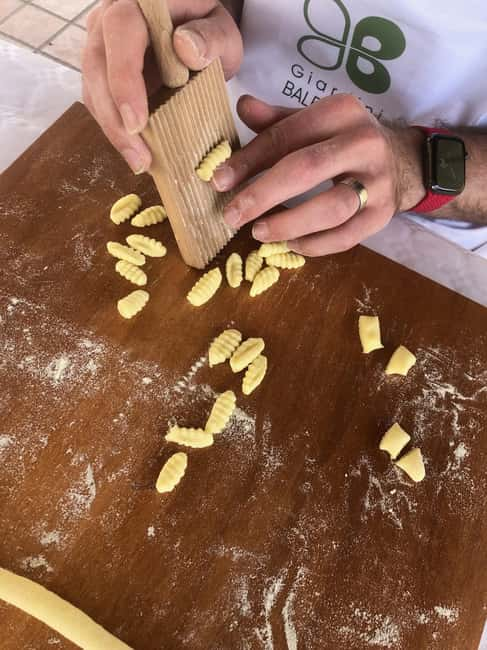
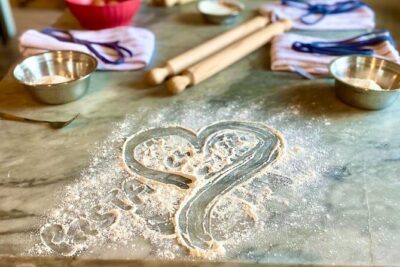
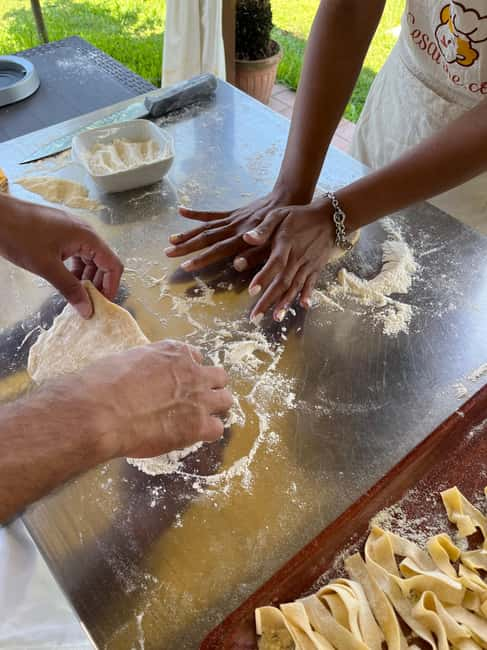
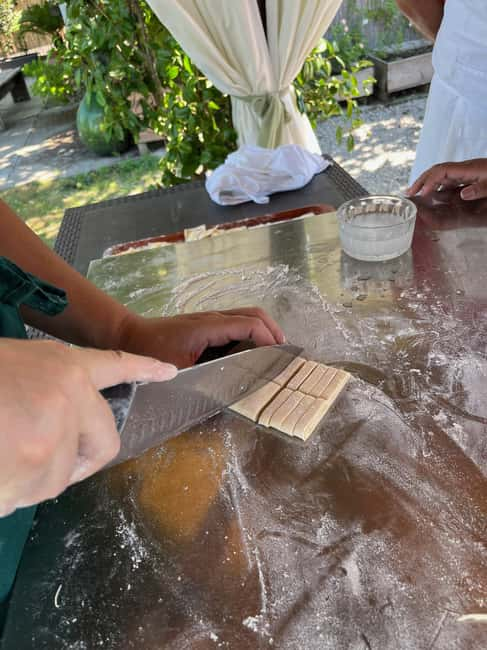
The pasta lesson uses a short ingredient list: flour, eggs, and patience. The technique is simple in theory, but the useful part is learning what the dough should feel like. Sabrina shows you how to judge when it is ready, how to roll it out, and how to shape it.
That tactile instruction is valuable for beginners. A written recipe can tell you quantities, but it cannot easily explain when dough feels too dry, too sticky, or properly elastic. Here, you can watch Sabrina’s hands and then adjust your own work under her direction.
Ravioli has been a focus in the class, with participants making it from scratch. That adds another step beyond cutting noodles, since you need to portion the filling, seal the pasta, and avoid trapping too much air. It is the kind of task where a patient instructor makes a real difference.
You do not need to arrive as a home cook. The class is designed around participation, and Sabrina has been described as a patient teacher who gets everyone involved. Still, you should expect to work with your hands. If you want only a demonstration and a ready-made meal, choose a different activity.
The group limit of 10 helps here. A small class gives you more room to handle the dough and ask questions in English. It also suits the family-home setting better than a large busload of people would.
The Campania dessert and lemon caprese cake
The dessert portion adds a second skill to the meal. The experience promises a typical Campania dessert, and the class has included lemon caprese cake, a regional-style cake made with citrus and other local ingredients.
This is a good choice for anyone who wants more than a pasta lesson. You get to see how a sweet course fits into a southern Italian meal, and the lemon flavor provides a pleasant finish after the pasta. The use of local or homegrown ingredients may vary with the season, so do not expect an identical menu every time.
The dessert also gives the class a wider focus. You are not simply learning one dish and sitting down. You are seeing how a family meal moves from garden produce to savory food and then to something sweet.
Because the class lasts three hours, the cooking and eating share the schedule. If you are a slow worker or enjoy long conversations at the table, the time may feel short. The upside is that the activity has enough time for several parts of the meal without taking up an entire day in Pompeii.
Same town, a different thing to roll out:
- Florence: Pasta & Tiramisu Cooking Class with Unlimited Wine
★ 4.9 · 6,708 reviews - Florence: Pasta Cooking Class with Unlimited Wine
★ 5.0 · 6,413 reviews - Rome: Pasta & Tiramisu Class with Fine Wine by the Vatican
★ 4.9 · 4,852 reviews - Rome: Pasta Making Class with Wine, Limoncello, and Dessert
★ 4.9 · 3,177 reviews
What you eat at the end
The included menu is straightforward and generous enough to make the price easier to assess:
- Bruschetta with seasonal vegetables
- Fresh pasta
- Homemade dessert
- Water
- Gragnano wine
The bruschetta sets the tone. It uses seasonal vegetables rather than acting as a token starter, and it lets you taste the garden ingredients in a simple preparation. The fresh pasta is the main event, since you have helped make it yourself. The dessert completes the meal with a Campania touch.
Gragnano wine is included, which is a particularly fitting detail for a Campania food experience. You should not think of this as a wine tasting, since the focus remains on cooking, but having local wine with the meal makes the table feel complete.
Gratuities are not included. Transfers are also not included, although you can ask the provider about arranging one. Keep both points in mind when comparing the total cost with a class that includes transport.
Is $94 a fair price?
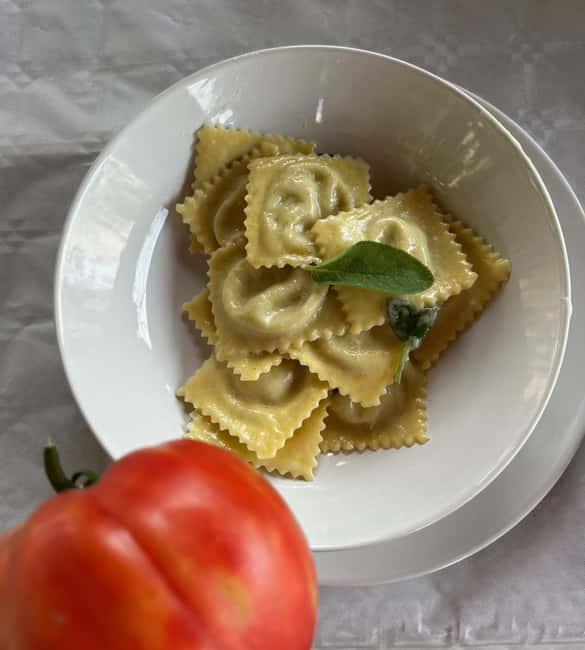
At $94 per person, this is not the cheapest way to eat pasta near Pompeii. You are paying for more than ingredients and lunch, though. The price covers three hours, instruction in English, the garden visit, hands-on pasta making, a dessert lesson, the meal, water, and Gragnano wine.
The value is strongest if you care about the setting and personal contact. A restaurant meal gives you food, but not the chance to make ravioli with Sabrina in her home or learn how she judges the dough. A larger cooking school may offer more equipment, yet it may not give you the same connection to a family kitchen.
The price makes less sense if you are mainly looking for a quick meal between sightseeing stops. Pompeii has plenty to see, and three hours is a meaningful part of your day. You should book this because you want the activity itself, not simply because you need lunch.
For couples, families, and friends, the cost buys a shared memory as well as a meal. A parent traveling with a child can also find the format appealing, since the class has worked well for a 12-year-old participant. The hands-on work gives younger cooks something real to do, though children should be comfortable taking part in a kitchen activity.
Fitting the class around Pompeii
The home is a few minutes from the Pompeii ruins and the sanctuary. That makes the location convenient, but you still need to plan your day carefully. The exact starting times depend on availability, so check the schedule before deciding whether to visit the ruins before or after the class.
A morning at the archaeological site followed by an afternoon cooking class would create a natural food-and-history day, if the available time works. You could also eat first and then visit the ruins, though a pasta meal and wine may make a long walk less appealing.
The provider says transfers can be requested, but they are not included. Ask for information if you need help reaching the home. Otherwise, make sure you know the meeting sign, Balestrieri Gardens, and allow enough time to find it.
The class is conducted in English. That matters because the pasta technique depends on watching, listening, and asking questions. The small group also gives you a better chance to follow the instructions than a crowded class would.
Who will enjoy this most
I would recommend this experience to you if you want a personal connection with Pompeii rather than another scheduled attraction. It suits people who like cooking, family stories, local food, and relaxed conversation.
It is especially good for:
- Couples looking for a shared activity
- Families with children interested in food
- Friends who want to cook and eat together
- First-time pasta makers
- Anyone staying near Pompeii who wants a break from ancient ruins
- Visitors who enjoy seasonal ingredients and home cooking
You may want to skip it if you dislike group activities, do not want to cook, or need a very fast meal. The class requires at least two participants, and the menu is seasonal rather than fixed in every detail.
The setting is also a better fit for people who appreciate an informal home environment. You are entering Sabrina’s kitchen, not a restaurant dining room. That brings warmth, but it also means the experience may feel less standardized than a commercial cooking school.
Booking details worth checking
The experience lasts three hours and is limited to 10 participants. It is offered in English, with the menu, water, and Gragnano wine included. The listed price is $94 per person, and the minimum booking is two people.
You can reserve now and pay later, which helps if your Pompeii schedule is still changing. Free cancellation is available up to 24 hours before the experience for a full refund.
Check the available start time, confirm the meeting instructions, and ask about a transfer if needed. Since the garden and menu respond to the season, you should treat the listed dishes as a clear guide to the meal rather than a promise that every ingredient will be identical.
Should you book this Pompeii cooking class?
Book it if you want to make fresh pasta in a real family home, use seasonal garden produce, and sit down to eat what you prepared. Sabrina’s personal teaching style, the small group, the lemon caprese cake, and the nearby Pompeii location give the class a strong sense of place.
The best reason to choose it is not simply the pasta. It is the chance to see how food, family, and garden life connect in modern Campania. At $94, the experience asks more than a casual lunch, but it gives you three hours of instruction, cooking, dessert, and a complete meal.
Skip it if your schedule is packed or if you want a formal culinary lesson with a fixed menu. For everyone else, especially couples and families, this is a warm, practical way to add a human touch to a visit to Pompeii.
FAQ
Where does the pasta cooking class take place?
The class takes place at Giardini Balestrieri 132 near Pompeii. At the meeting point, look for a sign that says Balestrieri Gardens.
How long does the experience last?
The cooking class lasts three hours.
How much does the class cost?
The listed price is $94 per person.
What food is included?
The menu includes bruschetta with seasonal vegetables, fresh pasta, homemade dessert, water, and Gragnano wine.
Is the class conducted in English?
Yes. The instructor language is English.
How large is the group?
The activity is limited to 10 participants and requires a minimum of two people.
Are transfers included?
No. Transfers are not included, but you can request information about arranging one.
Can I cancel the booking?
Yes. You can cancel up to 24 hours in advance for a full refund. You can also reserve now and pay later.
Recently added in Italy
- Verona: Tortellini Cooking Class and Lunch with Mamma Ivana★ 5.0 · 20 reviews
- Vicenza: Pasta & Tiramisu Cooking Class at a Local’s Home★ 5.0 · 5 reviews
- Verona: Pasta Cooking Class with Wine Tasting★ 5.0 · 4 reviews
- Verona: Pasta & Tiramisu Cooking Class at a Local’s Home★ 5.0 · 16 reviews
- Verona: Prosecco and Pasta Making Class at a Local’s Home★ 5.0 · 10 reviews
- Volterra: Fresh Pasta Cooking Class at a Tuscan Farmhouse★ 5.0 · 33 reviews
- Venice: Share Your Pasta Love in a Local’s Home★ 4.8 · 20 reviews
- Verona: My Granny’s secrets making gnocchi★ 5.0 · 7 reviews
Italy Pasta Classes, compared.
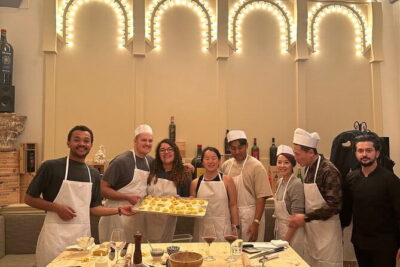
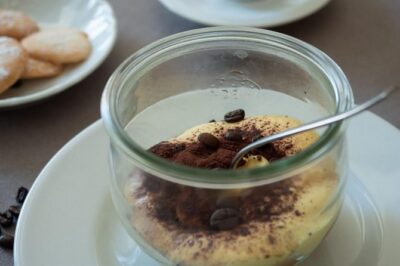
3 in 1 Cooking Class near Navona: Fettuccine, Ravioli & Tiramisu
Read our review →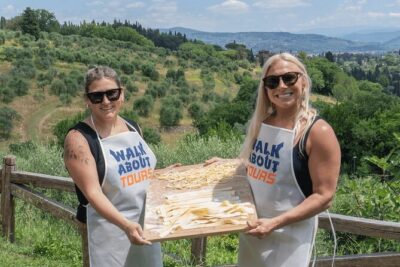
Florence Pizza or Pasta Class with Gelato Making at a Tuscan Farm
Read our review →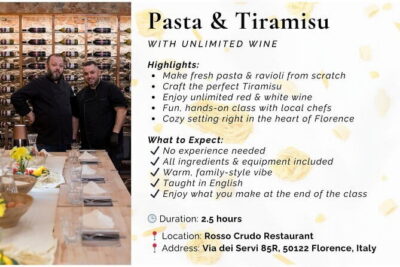
Pasta & Tiramisu Cooking Class with Unlimited Wine
Read our review →
Pasta & Tiramisu Class with Fine Wine by the Vatican
Read our review →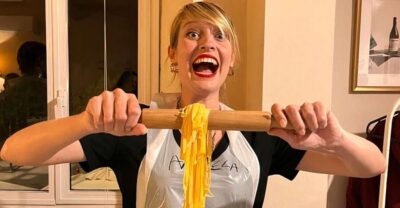
Pasta Making Class with Wine, Limoncello, and Dessert
Read our review →