
REVIEW · TIRAMISU CLASSES
Montepulciano: Pasta and Tiramisu Class at a Local’s Home
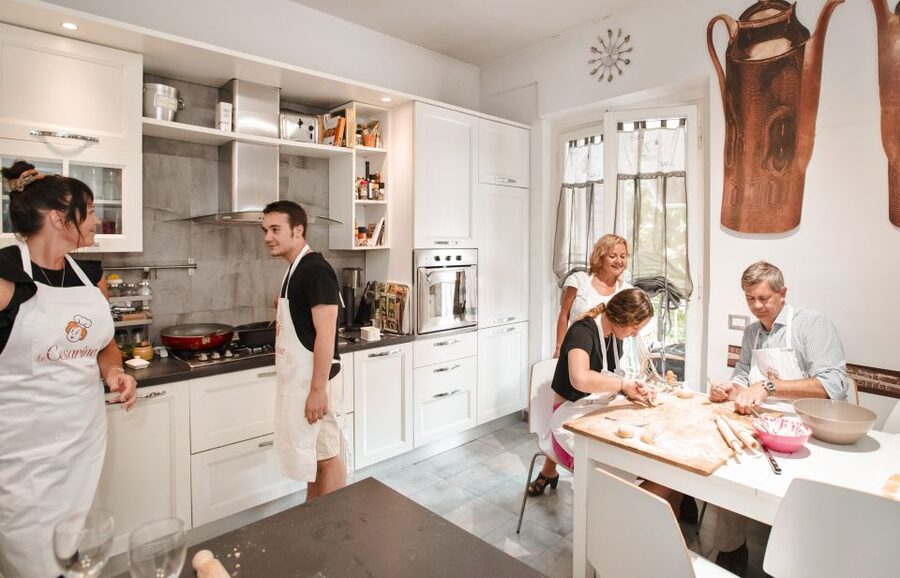
The best part of this Montepulciano experience is that the cooking lesson ends where a good Italian meal should: around a family table. You make two pasta dishes and tiramisu from scratch, then eat what you prepared with local wine, coffee, and a small prosecco aperitivo.
I like the small group of up to eight, which gives you room to work rather than simply watch. I also like the warm, personal teaching style associated with hosts such as Barbara and Lucrezia. The main consideration is that this is held in a private home, so you receive the exact address only after booking and need to arrange your own way there.
Key points at a glance
- Three dishes from family recipes: Prepare two pasta types and tiramisu during one hands-on lesson.
- Hosts with a personal touch: Barbara and Lucrezia are named instructors praised for their warmth, patience, and ability to explain Italian food and family life.
- A full meal follows the lesson: Eat the pasta and tiramisu you make, with water, wine, coffee, prosecco, and nibbles included.
- Small enough to participate: The group is limited to eight people, a useful size for a kitchen-based class.
- Flexible timing: Classes typically begin at 10:00 AM or 5:00 PM, with other times possible by advance request.
- Family-friendly format: Children of all ages can take part, and dietary needs can be discussed with the organizer after booking.
Why this class feels different from a restaurant meal

A restaurant shows you the finished dish. This class lets you see how the dish comes together, make mistakes in a friendly setting, and then taste the result at the same table. That difference matters in Tuscany, where food is tied closely to home life and family routines.
The setting is a local family’s home rather than a formal cooking school. That means the atmosphere should feel more social and personal, with conversation alongside the practical work. You are not just collecting another meal in Montepulciano. You are spending part of the day learning recipes that come from family cookbooks and hearing about Italian life from the person teaching you.
The class is offered in Italian and English. That makes the instructions accessible while still keeping the setting distinctly local. Hosts such as Lucrezia and Barbara also bring different strengths to the experience. Lucrezia is described as patient, fun, and well informed about both cooking and Italian culture. Barbara is praised for her warm manner, home kitchen, and ability to make the class feel like a shared family occasion.
Because this is a private-home activity, the exact character of the class depends partly on your host. That is part of its appeal, but it also means you should not expect an identical, factory-style lesson every time. The focus is on connection and participation, not polished stage production.
More Tiramisu Classes in Italy:
- 3 in 1 Cooking Class near Navona: Fettuccine, Ravioli & Tiramisu
★ 5.0 · 7,376 reviews - Florence: Pasta & Tiramisu Cooking Class with Unlimited Wine
★ 4.9 · 6,708 reviews - Rome: Pasta & Tiramisu Class with Fine Wine by the Vatican
★ 4.9 · 4,852 reviews
What happens during the three-hour lesson
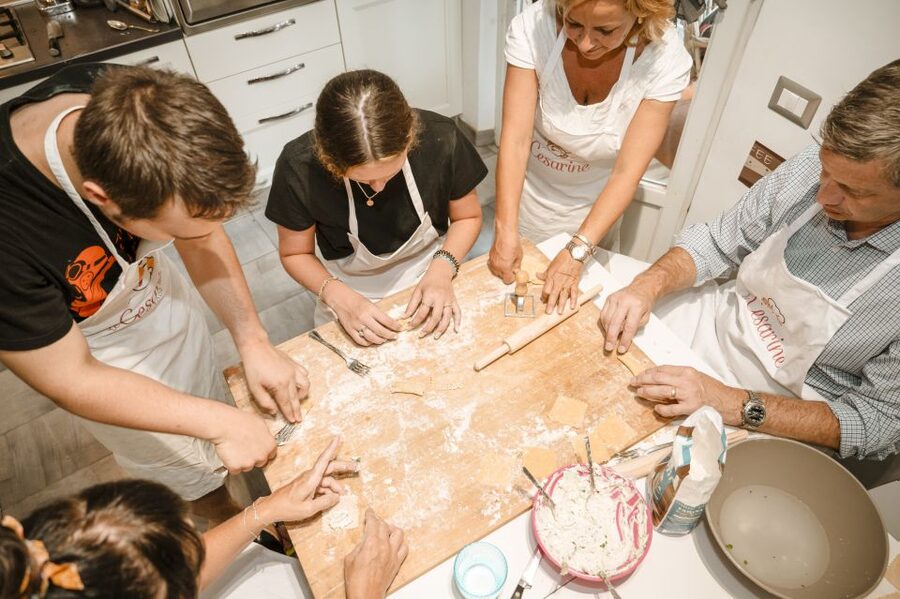
The experience lasts about three hours, although one account describes the gathering lasting closer to four hours. Plan your schedule with a little breathing room, especially if you choose the evening session. The listed start times are usually 10:00 AM and 5:00 PM, with flexible timing possible if you request it in advance.
You begin with an Italian aperitivo: prosecco and small nibbles. This is a useful opening because it gives everyone time to settle in, meet the host, and get comfortable before the flour starts flying. It also sets the tone. This is meant to be a social meal as much as a technical lesson.
The main cooking work covers two pasta recipes and tiramisu. You prepare the dishes from scratch under the host’s direction. The exact recipes are not specified, so you should treat the menu as part of the host’s own family tradition rather than expect a fixed restaurant menu.
That lack of a published dish list is worth noting. If you have your heart set on a particular pasta shape or sauce, ask the organizer before booking. If you enjoy discovering what a local cook chooses to teach, the open format is a plus.
You will be shown the practical steps and the small habits that make homemade pasta work. The class is designed for participation, so expect to test your own cooking skills instead of simply watching a demonstration. The experience is also intended to give you recipes and methods you can repeat at home, which adds value after your time in Tuscany ends.
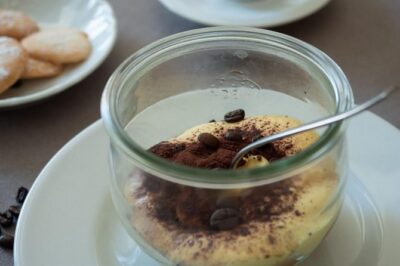
Tiramisu provides a change of pace from the pasta work. It is a familiar Italian dessert, but making it yourself helps you understand the preparation rather than treating it as an automatic final course. You will then have the pleasure of eating it as part of the meal.
The meal at Barbara’s or Lucrezia’s table
Once the cooking is finished, you sit down to eat what you have prepared. Water, wine, and coffee are included, along with the opening prosecco and nibbles. That turns the class into a full lunch or dinner rather than a short kitchen demonstration.
I especially like this part of the format because it gives the food a clear purpose. You are not making sample portions that disappear in a hurry. You prepare the meal, share it around the table, and have time to talk with the host and the other people in the group.
The social side can be as memorable as the recipes. One account describes a warm mother-daughter experience, while another highlights good conversation about the host’s life in Italy and her family. Those details suggest that the class works best when you are willing to chat, ask questions, and enjoy the pace of a home meal.
The meal also gives you a chance to compare the pasta you made with your expectations. Homemade food is rarely about perfect shapes or restaurant presentation. It is about texture, timing, and the satisfaction of making something with your own hands. That is a useful lesson to carry home.
Wine is included, but the experience is not described as a wine tasting. If your main interest is Montepulciano’s wine culture, you will get only a supporting taste of it here. The central subject is cooking, with wine helping complete the meal.
Why the small group matters
The maximum group size is eight people. For a cooking class in a private kitchen, that limit matters. A larger group can turn hands-on work into a crowded demonstration where you struggle to see or participate. Eight still allows conversation, but it should leave more space for actual instruction.
A small group also makes it easier to ask basic questions without feeling self-conscious. You can check a technique, ask about an ingredient, or talk about how the recipe changes at home. That is especially useful for children and first-time cooks.
The class is suitable for families with children of all ages. Children can take part in the practical side of the lesson, while adults can enjoy the meal and conversation. Still, young children may need close supervision in a working kitchen. The supplied details confirm that families are welcome, but they do not specify a separate children’s menu or special equipment.
The group may include people you did not arrive with. That is not a drawback if you enjoy meeting others around a shared meal, but it is worth knowing if you were hoping for a completely private family dinner. The experience is hosted in a private home and described as a private lesson, yet the group can include up to eight participants.
Other Italy classes worth putting on the shortlist
- Florence: Pasta Cooking Class with Unlimited Wine
★ 4.9 · 10,285 reviews - Florence Pizza or Pasta Class with Gelato Making at a Tuscan Farm
★ 5.0 · 6,801 reviews - Florence: Pasta Cooking Class with Unlimited Wine
★ 5.0 · 6,413 reviews - Rome: Pasta Making Class with Wine, Limoncello, and Dessert
★ 4.9 · 3,177 reviews
The hosts are a major part of the experience
The cooking itself is only half the story. The host shapes the mood, explains the recipes, and connects the food to daily life in Italy.
Lucrezia is noted for being patient, fun, and able to talk about Italian culture as well as pasta and tiramisu. That combination is useful for people who want more than a recipe card. You can ask why a dish is made a certain way, how food fits into family life, or what techniques are worth repeating once you return home.
Barbara receives particularly strong praise for her warmth, her kitchen, and her cooking. Her lesson is described as one of the best meals of an Italy trip, which says something about the value of the entire gathering rather than just the food. She is also credited with making the class relaxed and enjoyable while still teaching the recipes clearly.
The host’s home is part of the setting, so you should approach the experience with respect for someone’s personal space. The full address and host’s mobile number are provided after booking for privacy reasons. That is sensible, but it means you cannot judge the exact location from the initial booking information.
Price and what you receive for $202.78
At $202.78 per person, this is not a budget meal. The price makes more sense when you count everything included: about three hours of instruction, hands-on preparation of three dishes, an aperitivo, wine, water, coffee, and the meal itself.
You are also paying for a small group and a local host’s time. In a standard restaurant, your meal ends when the plates are cleared. Here, you get the lesson, the conversation, and the recipes you can use later. For someone who values food and personal contact, that is a fairer comparison than looking only at the cost of dinner.
The value is strongest if you plan to cook at home after the trip. You will leave with practical experience rather than only photographs and a menu. It is also a good choice for a special family activity, since children can take part and the shared meal gives the occasion a clear ending.
The value is weaker if you want a quick activity, a formal culinary certificate, or a carefully published menu. The class is built around hospitality and family recipes. You will need to be comfortable with a little uncertainty about the exact dishes and home setting.
Timing, meeting point, and dietary needs
You can usually choose a morning start around 10:00 AM or an evening start around 5:00 PM. The morning option works naturally as an early lunch, while the evening option becomes dinner. Other times may be possible if you arrange them ahead of time.
The activity begins and ends at the host’s home. You receive the full address and the host’s mobile number after booking, so do not expect a public meeting point in central Montepulciano to be listed in advance. Give yourself enough time to locate the home once you receive the details.
Dietary requirements can be accommodated, but you must confirm them directly with the organizer after booking. Do not wait until you arrive. Since the class involves making several dishes from scratch, the host needs notice to plan suitable ingredients and instructions.
Free cancellation is available up to 24 hours before the activity for a full refund. You can also reserve now and pay later, which helps if your Tuscany plans are still shifting. These policies are useful, but the food details and dietary arrangements still need your attention.
Who should book this Montepulciano cooking class
I would choose this class if you want food to be the center of your time in Tuscany, not just something served between sightseeing stops. It suits couples, families, solo visitors who enjoy meeting people, and small groups of friends.
It is particularly good for:
- People who want a hands-on lesson rather than a demonstration.
- Families looking for an activity suitable for children of all ages.
- Cooks who want recipes they can repeat at home.
- Anyone who enjoys conversation and a relaxed meal.
- Visitors who prefer a local home to a formal cooking studio.
You may want to choose another activity if you dislike group dining, need a tightly fixed menu, or prefer a very structured professional kitchen. You should also ask about dietary needs before confirming, since the details are handled directly with the organizer.
Should you book it?
Yes, if you want an intimate food experience with real participation. The strongest reasons to book are the small group, the full meal, and hosts such as Barbara and Lucrezia, who bring warmth and cultural context to the cooking.
The price is high for a single meal, but reasonable for a three-hour lesson, three dishes, drinks, aperitivo, and personal instruction in a family home. Book it when you have enough time to enjoy the table conversation, and ask about the exact menu or dietary arrangements before you commit. If you do, this can become more than a cooking class. It can be one of your most personal evenings in the Montepulciano area.
FAQ
How long does the cooking class last?
The activity is scheduled for three hours. One description notes that the gathering may last closer to four hours, so allow some extra time if your plans afterward are fixed.
What will I cook?
You will prepare two pasta dishes and one tiramisu from scratch. The exact pasta recipes are not specified, so ask the organizer if you need details before booking.
Is the meal included?
Yes. You eat the food you prepare during the class. Water, wine, coffee, prosecco, and small aperitivo nibbles are included.
Where does the class take place?
The class is held in a local family’s home in the Montepulciano area. The full address is provided after booking for privacy reasons.
What time does the activity start?
Classes typically begin at 10:00 AM or 5:00 PM. Other start times may be possible with an advance request.
How many people can join?
The group is limited to eight participants. The activity is described as a private lesson in a local home.
Is the class suitable for children?
Yes. The experience is suitable for families with children of all ages.
Can dietary requirements be accommodated?
Different dietary requirements may be accommodated, but you must confirm them directly with the service organizer after booking.
Recently added in Italy
- Verona: Tortellini Cooking Class and Lunch with Mamma Ivana★ 5.0 · 20 reviews
- Vicenza: Pasta & Tiramisu Cooking Class at a Local’s Home★ 5.0 · 5 reviews
- Verona: Pasta Cooking Class with Wine Tasting★ 5.0 · 4 reviews
- Verona: Pasta & Tiramisu Cooking Class at a Local’s Home★ 5.0 · 16 reviews
- Verona: Prosecco and Pasta Making Class at a Local’s Home★ 5.0 · 10 reviews
- Volterra: Fresh Pasta Cooking Class at a Tuscan Farmhouse★ 5.0 · 33 reviews
- Venice: Share Your Pasta Love in a Local’s Home★ 4.8 · 20 reviews
- Verona: My Granny’s secrets making gnocchi★ 5.0 · 7 reviews
Tiramisu Classes, compared.
3 in 1 Cooking Class near Navona: Fettuccine, Ravioli & Tiramisu
Read our review →
Pasta & Tiramisu Cooking Class with Unlimited Wine
Read our review →
Pasta & Tiramisu Class with Fine Wine by the Vatican
Read our review →
3-in-1 Fettuccine, Ravioli, and Tiramisu Cooking Class
Read our review →
Learn to Make Pasta & Tiramisu with Wine and Limoncello Included
Read our review →
Cooking Class Pasta & Tiramisu Making Unlimited Wine
Read our review →
Become a Masterchef in Rome: Pasta, Ravioli and Tiramisù Class
Read our review →
Fettuccine & Tiramisù: Cooking Class with Wine & Limoncello
Read our review →Browse the lists this class appears in