
REVIEW · CHEF-LED PASTA CLASSES
Genoa: Fresh Pasta mastserclass Michelin Stars
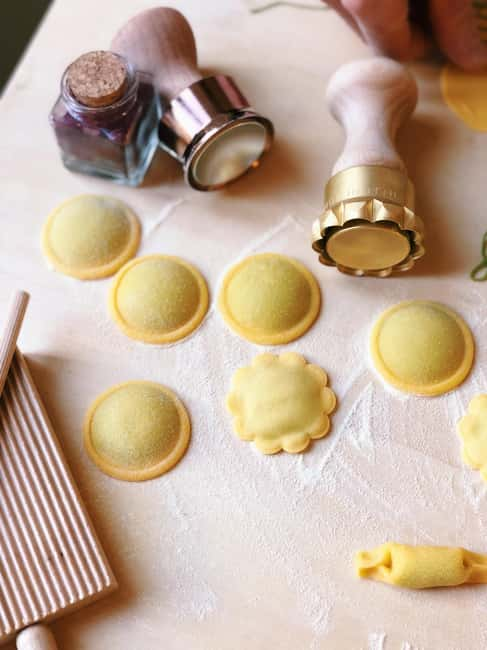
Genoa’s pasta class puts the best part first: you make more than 10 kinds of fresh pasta, then sit down and eat what your hands produced. The recipes draw on Michelin-starred kitchen experience, but the setting is meant to be warm and social rather than stiff or showy.
I like the small limit of eight people, which gives you a fair chance to follow the chef’s instructions and get help with dough, rolling, and shaping. I also like the full meal at the end, with several pasta courses and a glass of wine rather than a token taste.
The main consideration is time. Two hours is enough for a lively introduction, not a slow culinary course where you master every regional style in detail. If you want a quiet meal or already have strong pasta skills, the pace and group setting may feel less useful.
Key points to know before booking
- More than 10 pasta types: Practice several shapes, including tagliatelle, ravioli, and Ligurian specialties.
- Michelin-experienced chefs: Learn techniques shaped by professional kitchens, with Andrea specifically praised for his teaching.
- You eat what you make: The class ends with several pasta courses, sauces, and a glass of wine.
- Small group of up to eight: Expect a more personal class than a large cooking demonstration.
- Four languages available: Choose English, Italian, Spanish, or Portuguese.
- Flexible booking: Cancel up to 24 hours ahead for a full refund, and reserve now while paying later.
A hands-on start in central Genoa
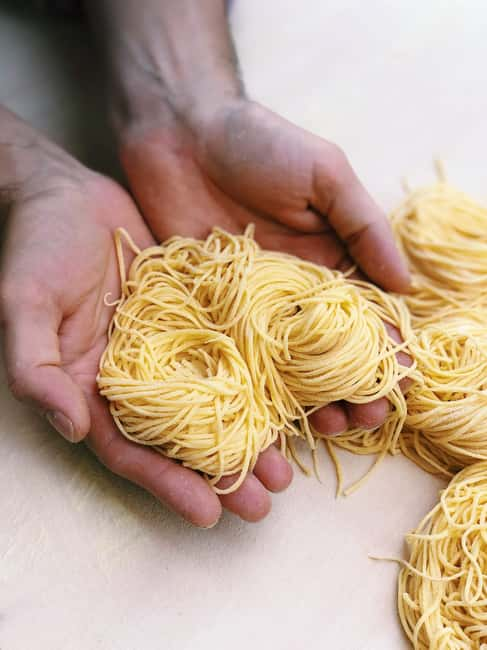
The class begins with a welcome and a short introduction to the chefs behind Dinoidue. You hear how their work in Michelin-starred restaurants and culinary projects in Europe and Australia led to this pasta-focused kitchen in Genoa.
That introduction matters because it sets the tone. You are not simply watching a local cook perform a standard recipe. You are learning from chefs who have worked in demanding professional kitchens, then chosen to share the craft in a more relaxed format.
The class is held in a kitchen in the heart of Genoa. The supplied details do not identify the exact street or a nearby landmark, so check the meeting information carefully before setting out. Genoa’s central lanes can be confusing, and arriving with a few extra minutes is sensible.
The language choice is useful for an international group. Instruction is available in English, Italian, Spanish, and Portuguese. You should select the language that lets you follow small details clearly, since pasta dough often depends on touch, pressure, and timing as much as on a written recipe.
More Fresh Pasta Workshops in Italy:
- Rome: Pasta Making Class with Wine, Limoncello, and Dessert
★ 4.9 · 3,177 reviews - Pastamania – Florence Pasta Making Class
★ 5.0 · 3,050 reviews - Enjoy Spritz and Pasta Making in Piazza Navona
★ 5.0 · 1,681 reviews
Learning the dough before shaping the pasta
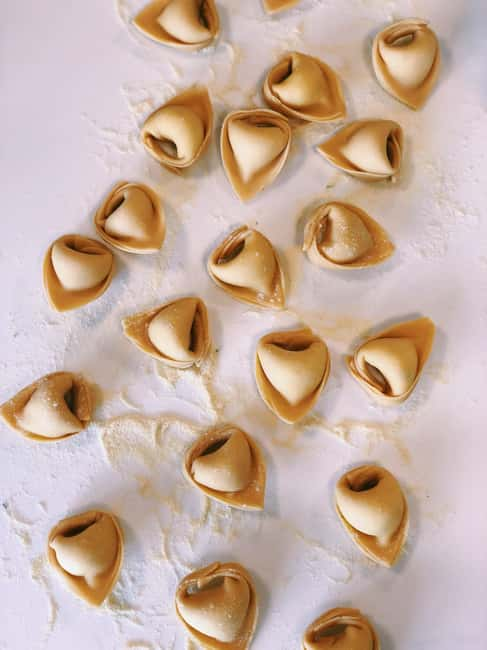
The practical work starts with the basics of fresh pasta dough. You get the ingredients, use professional kitchen tools, and follow the chef step by step.
That structure suits beginners. Rather than handing you a recipe and sending you to a work surface, the chef explains how the dough should come together and how to handle it. You get a chance to watch, copy the movement, and correct your technique as you work.
The value here is not just the finished plate. Fresh pasta can look simple, but small errors affect everything that follows. Dough that is too dry, too thick, or unevenly rolled will change the texture and make shaping harder. A live teacher can point out those problems while you are still working.
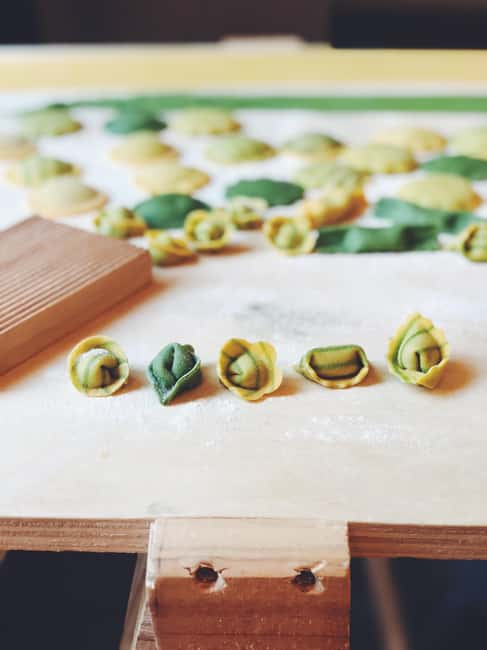
The class also gives you a broad look at pasta shapes. You are not spending the entire session making one familiar noodle. The plan includes more than 10 traditional types, with tagliatelle, ravioli, and Ligurian specialties specifically included.
That range makes the workshop more interesting, but it also explains the brisk pace. You should expect an introduction to many forms rather than expert-level training in each one. If you want to return home and make one shape repeatedly, use the recap and take-home material to choose your favorite.
From tagliatelle to Ligurian specialties
Tagliatelle gives you a straightforward way to see how a sheet of pasta becomes long, even ribbons. Ravioli adds another skill, since you must work with filling, sealing, and shape.
The Ligurian element is especially appropriate in Genoa. The class connects the general Italian pasta tradition with the food culture of the region, rather than treating Genoa as a backdrop for a generic cooking lesson. The supplied information does not name each Ligurian recipe, so do not book expecting a fixed list beyond the stated regional specialties.
Working through several types also keeps the class social. You are likely to compare shapes and results around the kitchen while receiving help from the chefs. The group cap of eight is important here. It is small enough that the instructor can move between workstations, but large enough to create the friendly atmosphere the experience aims for.
Andrea is the named instructor associated with the class, and his teaching received particularly strong praise. His ability to explain pasta and support the group is worth noting if you are choosing between a casual demonstration and a practical lesson. The other chefs are described as having Michelin experience, though their names are not provided.
The meal is the payoff
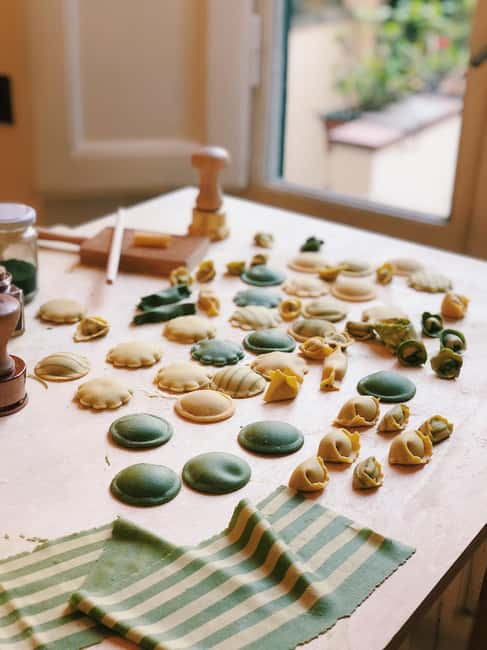
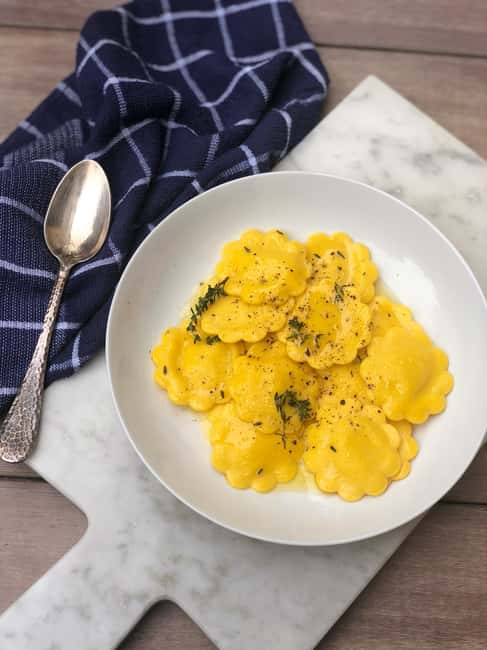
Once the pasta is prepared, you sit down to eat it. This is not a class where your handmade food disappears into a kitchen and you receive a separate plate. You taste the dishes you created, with sauces and a glass of wine.
That changes the value of the experience. You can judge the texture and shape immediately, then connect the result to the technique you just practiced. If a ravioli seal worked well or a pasta sheet came out too thick, the meal gives you a clear lesson without turning the class into a lecture.
The food is served as several courses. One detailed account describes three courses of pasta with sauce, along with wine. The exact menu may vary, so think of that as a useful guide rather than a guaranteed fixed menu.
The meal also gives the workshop a proper ending. You are not rushing away with flour on your hands after the final shape. You share food and conversation with the group, which fits the festive character of the class.
Wine is included, but only one glass is specified. If you do not drink alcohol, the supplied information does not state whether a substitute is available, so ask before booking if that matters to you.
More Chef-Led Pasta Classes in Italy:
- Rome Cooking Class: Make Pasta, Dine & Drink Wine With Local Chef
★ 5.0 · 1,263 reviews - 2-in-1 Pasta and Tiramisu Cooking Masterclass in Rome
★ 5.0 · 832 reviews - Pasta Fettuccine, Ravioli and Tiramisu MasterClass
★ 5.0 · 391 reviews - Pasta and Pizza Master Class with Pick Up in Sorrento
★ 5.0 · 380 reviews
What the Michelin connection really adds
The Michelin reference is best understood as a sign of professional background, not a promise of a formal fine-dining event. You are not paying for a tasting menu in a quiet restaurant. You are paying for instruction, ingredients, tools, a prepared meal, and access to chefs shaped by high-level kitchens.
That distinction helps you judge the $82 price. For two hours, the cost is higher than buying a plate of pasta in Genoa, but the comparison is not quite fair. The fee includes all materials for more than 10 pasta types, kitchen use, chef instruction, the meal you prepare, wine, and information to use at home.
The value is strongest if you enjoy active experiences and will actually repeat the techniques. A person who only wants to eat fresh pasta could find a restaurant meal cheaper and more relaxing. A person who wants a useful skill, a meal, and a small-group activity gets more from the price.
The class also avoids one common problem with cooking activities: watching too much and doing too little. Here, the main promise is hands-on work from start to finish. You roll up your sleeves, shape the pasta, and taste the result.
A friendly class with a quick pace
The atmosphere is intended to be convivial and festive. That means you should expect conversation and cooperation, not a silent technical session. The four current ratings are all five out of five, with specific praise for the chef’s professionalism, the organization, the pasta and sauces, the wine, and the support during preparation.
One particularly useful detail is that the class has been praised for being well supported while people worked. That matters for beginners, especially when several shapes are introduced in a short time. You can enjoy the social side without being left alone with a stubborn sheet of dough.
Still, a small group is not the same as a private lesson. Eight participants can create different skill levels and different speeds. Some people will want to move quickly; others will need more help. The instructor’s job is to keep the whole class together, so advanced cooks may not get unlimited technical attention.
The two-hour duration keeps the experience manageable during a busy Genoa visit. You can fit it into a day of sightseeing more easily than a half-day cooking course. The trade-off is that there is little room for long stories, repeated practice, or a detailed discussion of every pasta region in Italy.
The take-home value
The class ends with a recap of the techniques. You also receive informational material and tips for recreating the recipes at home.
This is a useful feature, since pasta making is easy to remember in theory and harder to repeat a week later. Pay attention to the chef’s explanations about dough handling and shaping, then write down any small adjustments that suit your kitchen.
The best souvenir is not just the printed information. It is the feel of the dough under your hands and the memory of how the finished pasta behaved when cooked. You leave with a clearer sense of what to look for when making fresh pasta at home.
The supplied information does not say whether the materials include complete quantities for every one of the 10-plus shapes. If you are booking mainly to collect detailed recipes, confirm what is provided. If your main goal is learning technique through practice, the included tips add worthwhile support.
Who will enjoy this Genoa pasta class?
This is a good match for first-time pasta makers, couples, families with older children if permitted by the booking conditions, and solo visitors who like meeting people through food. The small group and shared meal make it easier to talk with others than in a formal restaurant.
It also suits cooks who know the basics but want a broader look at Italian shapes. The inclusion of Ligurian specialties gives the lesson a local connection, while the range of techniques keeps it from becoming only a tagliatelle tutorial.
You may want to choose another activity if you dislike group participation, cannot stand for kitchen work, or want a long, highly technical course. The available information does not provide accessibility details or specify how much standing is required, so ask the provider if those points affect your plans.
The language options make this practical for many international visitors, but choose carefully. Pasta instruction relies on timing and visual detail, and a language you understand well will make the session more rewarding.
Timing, price, and booking flexibility
The class lasts two hours and costs $82 per person. Starting times depend on availability, so check the schedule before building the rest of your Genoa day around it.
At that price, I would book it for the combination of instruction and food, not for the meal alone. The three-course pasta service described in the experience gives the class a substantial finish, while the professional tools and ingredients remove the need to bring anything for the cooking itself.
The booking terms are helpful for a changing itinerary. You can cancel up to 24 hours before the activity for a full refund, and the reserve-now, pay-later option lets you hold a place without paying immediately. These terms are useful in Genoa, where weather, train schedules, and day trips can alter your plans.
The experience provider is listed under the identification code PNNNDR94M17D969D. That is not a useful sightseeing detail, but it may help you match the correct activity if several food classes appear in your booking account.
Should you book it?
Book this class if you want to make pasta, not just hear about it. The strongest reasons are the small eight-person group, the range of more than 10 shapes, the Michelin-experienced chefs, and the fact that you eat your own work with sauces and wine.
The class is especially good value for a first visit to Genoa because it links a practical skill with local food culture and fits into a two-hour window. Andrea’s praised teaching style is another reason to feel confident if you are a beginner.
Skip it if your priority is a quiet restaurant meal, a private lesson, or advanced mastery of one pasta style. For everyone else, $82 buys a compact, sociable workshop with a real meal at the end and useful skills to take home.
FAQ
How long does the fresh pasta class last?
The activity lasts two hours.
How many pasta types will I learn to prepare?
The class covers more than 10 types of traditional pasta, including tagliatelle, ravioli, and Ligurian specialties.
Is food included in the experience?
Yes. You taste the dishes prepared during the workshop. The meal includes several pasta courses with sauces, and one glass of wine is included.
Which languages are available?
The experience is available in English, Italian, Spanish, and Portuguese.
How many people are in the class?
The class is limited to eight participants.
Can I cancel for a refund?
Yes. You can cancel up to 24 hours in advance for a full refund. You can also reserve your place and pay later.
Recently added in Italy
- Verona: Tortellini Cooking Class and Lunch with Mamma Ivana★ 5.0 · 20 reviews
- Vicenza: Pasta & Tiramisu Cooking Class at a Local’s Home★ 5.0 · 5 reviews
- Verona: Pasta Cooking Class with Wine Tasting★ 5.0 · 4 reviews
- Verona: Pasta & Tiramisu Cooking Class at a Local’s Home★ 5.0 · 16 reviews
- Verona: Prosecco and Pasta Making Class at a Local’s Home★ 5.0 · 10 reviews
- Volterra: Fresh Pasta Cooking Class at a Tuscan Farmhouse★ 5.0 · 33 reviews
- Venice: Share Your Pasta Love in a Local’s Home★ 4.8 · 20 reviews
- Verona: My Granny’s secrets making gnocchi★ 5.0 · 7 reviews
Chef-Led Pasta Classes, compared.
Rome Cooking Class: Make Pasta, Dine & Drink Wine With Local Chef
Read our review →
2-in-1 Pasta and Tiramisu Cooking Masterclass in Rome
Read our review →
Pasta Fettuccine, Ravioli and Tiramisu MasterClass
Read our review →
Pasta and Pizza Master Class with Pick Up in Sorrento
Read our review →
Fettuccine and Tiramisu Masterclass in the Heart of Rome
Read our review →
Homemade Pasta and Pesto Class with a Local Chef in Genoa
Read our review →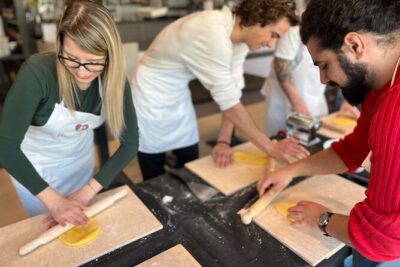
Rome Small Group Pasta Making Class with Wine and Italian Chef
Read our review →Browse the lists this class appears in