
REVIEW · RAVIOLI AND GNOCCHI CLASSES
Fettuccine Pasta Cooking Class in Rome City Center
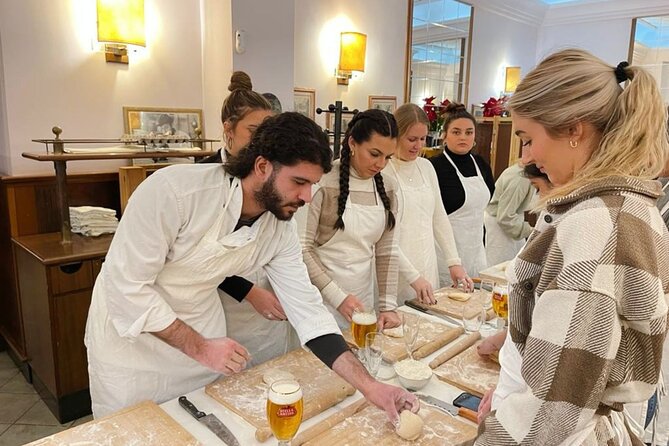
Making pasta beside Piazza Navona gives this Rome activity a simple appeal: you work with flour, sit down to eat, and watch one of the city’s grandest squares at the same time. The hands-on part focuses on mixing, kneading, and cutting fresh pasta, rather than making the sauce or filling.
I like two things here. First, the small group, limited to six, should give you more room to work with the English-speaking instructor. Second, the meal is not an afterthought: you get bruschetta, a drink, water, coffee or limoncello, and your pasta at Ristorante Panzirone. The main drawback is that the class may feel short if you expect to learn a full sauce recipe. Also, the description shifts between fettuccine and ravioli, so confirm the exact pasta format when booking.
Key points to know
- Pasta-making is the hands-on focus: You prepare the dough and cut the pasta, while the restaurant kitchen handles the sauce.
- Piazza Navona is your dining view: Your finished dish is served at Ristorante Panzirone beside the famous square.
- The group is capped at six: That is a useful size for an interactive class, not a large demonstration.
- Four sauces are listed: Choose from carbonara, cacio e pepe, pesto, or tomato sauce.
- The package includes drinks and bruschetta: Water, coffee, or a glass of limoncello are also included.
- Arrive early: The class cannot wait more than 10 minutes for late arrivals.
Fresh pasta with a Piazza Navona backdrop
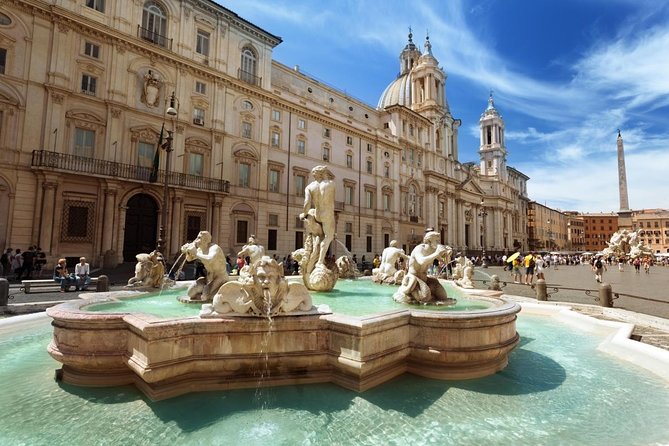
At $51 per person, this is less a full cooking school course and more a compact pasta-and-lunch experience in central Rome. You get a practical introduction to fresh pasta, followed by a restaurant meal in a setting that would be difficult to recreate at home.
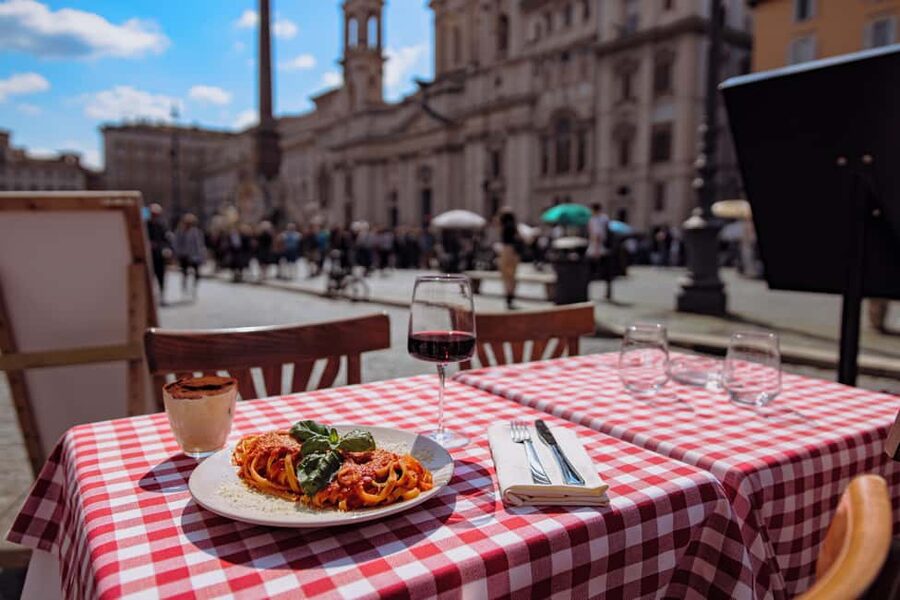
The location does much of the work. Piazza Navona is one of Rome’s most memorable public spaces, lined with fountains, churches, restaurants, and steady city life. Eating outdoors after your class gives the afternoon a strong sense of place. You are not simply learning a recipe in a plain kitchen and then leaving. You are cooking, eating, and sightseeing in the same two-hour window.
I would book this for the setting and the social meal as much as for the instruction. If your main goal is to master sauces, pasta fillings, or advanced technique, you may want a longer class. If you want to make pasta once, eat well, and keep your Roman schedule open, the format makes more sense.
More Ravioli and Gnocchi Classes in Rome
- 3 in 1 Cooking Class near Navona: Fettuccine, Ravioli & Tiramisu
★ 5.0 · 7,376 reviews - Rome: 3-in-1 Fettuccine, Ravioli, and Tiramisu Cooking Class
★ 4.9 · 2,704 reviews - Rome: Fettuccine Pasta Cooking Class in Rome’s City Center
★ 4.8 · 2,414 reviews
What happens during the two-hour class
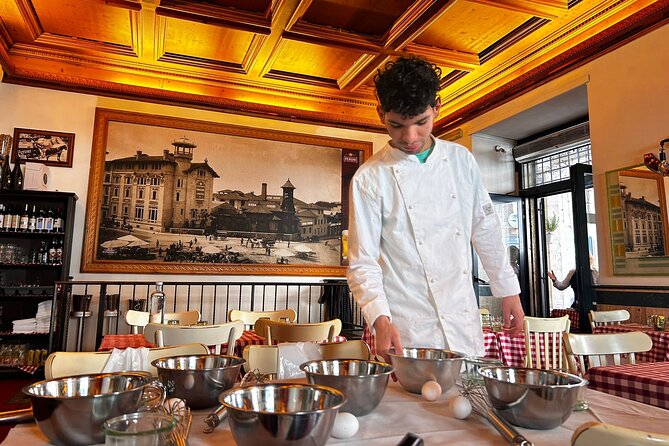
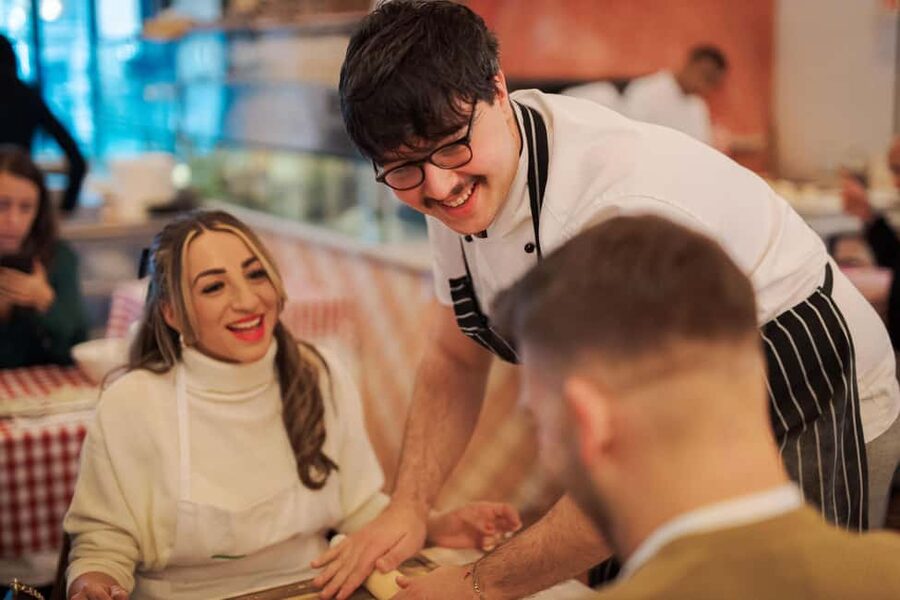
The first portion is the practical lesson. You receive the ingredients and work through the basic dough process with the instructor. That means mixing, kneading, rolling, and cutting the pasta.
This is the part where you should expect to get your hands involved. Pasta dough rewards touch, and you will learn more by handling it than by watching someone else do everything. The instructor guides the group in English, so you can follow the sequence and ask questions as you work.
The class does not include sauce preparation. Once you finish the pasta, the restaurant kitchen cooks it with the sauce you select. That division of labor keeps the experience moving, but it also sets a clear limit on what you learn. You are learning the pasta itself, not a complete meal from start to finish.
The overall class lasts two hours, though the hands-on cooking portion may feel brief to anyone hoping for a long lesson. One booking described roughly 30 minutes of actual cooking, with the rest devoted to eating and drinks. That may be exactly right for a relaxed activity between Roman sights, but it is worth knowing before you book.
Mixing, kneading, and cutting your own pasta
The appeal of this class is its basic, physical rhythm. You start with ingredients, turn them into dough, and shape the result into pasta you can eat a short time later. That direct connection gives the meal more meaning than ordering another plate at a restaurant.
You will not be left to guess your way through the process. Instructors named in the feedback include Lucca and Bea, both praised for being friendly and helpful. The instructor’s role matters here because pasta dough can look simple while still needing the right texture. Guidance during mixing and kneading is the useful part of the lesson.
The supplied information calls the class a fettuccine experience, but other details refer to ravioli, including the note that the restaurant serves the ravioli you made. Several comments also discuss ravioli rather than fettuccine. This is not a small wording issue if you have your heart set on long ribbons of pasta. Ask the provider to confirm the exact shape and preparation before paying.
That inconsistency does not erase the value of the class, but it changes how I would describe it. Think of it as a fresh-pasta workshop at Piazza Navona, with the exact shape needing confirmation.
Choosing carbonara, cacio e pepe, pesto, or tomato sauce
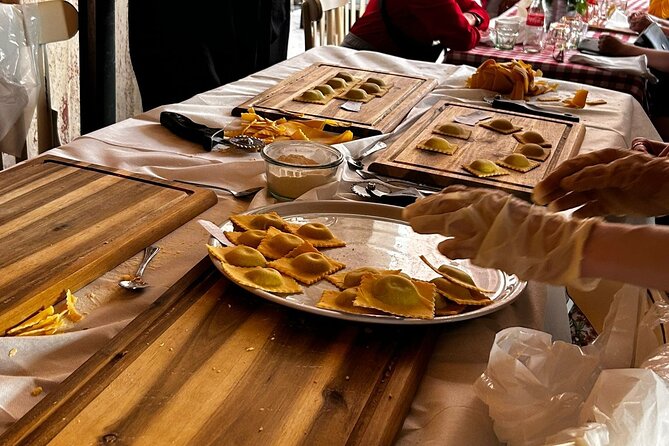
After you finish the pasta, the kitchen takes over. The listed sauce choices are carbonara, cacio e pepe, pesto, and tomato sauce.
Carbonara and cacio e pepe fit the Roman setting especially well. Both are familiar Roman favorites, but they are also dishes where balance matters. Pesto and tomato sauce offer more familiar alternatives if you prefer a milder or more widely known flavor.
You choose the sauce, but you do not prepare it. That distinction is important. You will eat a restaurant-cooked dish made with your pasta, not a sauce you have learned to reproduce at home.
While the kitchen cooks, you sit down with an appetizer and a drink. Bruschetta is included, along with a glass of local wine or beer. The meal package also includes water and either coffee or a glass of limoncello, according to the supplied details. One booking described receiving three free drinks, but the exact drink allowance appears to vary in the information provided, so ask the restaurant what is included when you arrive.
The practical benefit is that there is no idle waiting. The cooking lesson ends, the kitchen prepares your dish, and you have something to eat while the process is completed.
Same town, a different thing to roll out:
- Rome: Pasta & Tiramisu Class with Fine Wine by the Vatican
★ 4.9 · 4,852 reviews - Rome: Pasta Making Class with Wine, Limoncello, and Dessert
★ 4.9 · 3,177 reviews - Rome Cooking Class: Make Pasta and 3 Spritz Cocktails
★ 5.0 · 2,937 reviews - Learn to Make Pasta & Tiramisu with Wine and Limoncello Included
★ 5.0 · 2,345 reviews
Eating outside at Ristorante Panzirone
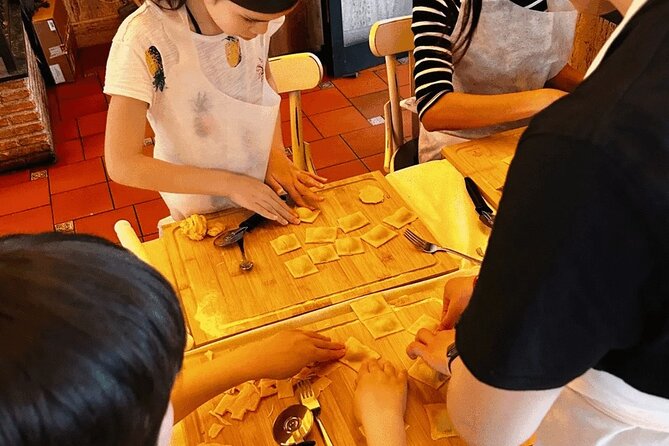
The finished dish is served at Ristorante Panzirone, the meeting point and home of the class. The outdoor setting overlooking Piazza Navona is the experience’s strongest extra.
This is where the $51 price needs to be judged. You are not paying only for flour and a short lesson. The cost also covers the instructor, ingredients, restaurant preparation, bruschetta, drinks, and a meal in one of Rome’s most recognizable squares. If you already planned to eat lunch in this area, the combined format can be good value.
The setting also makes this a pleasant choice for companions with different interests. Someone who enjoys food but does not want a formal cooking lesson can still appreciate the meal and view. The class itself is limited to six people, so the social side should feel more personal than a large group demonstration.
There is one caution. Piazza Navona is a major sightseeing stop, and a restaurant table in such a location is part of the price. If you judge value only by the amount of cooking instruction, $51 may seem high. If you value the complete outing, the meal, and the setting, the number is easier to justify.
How the small group changes the experience
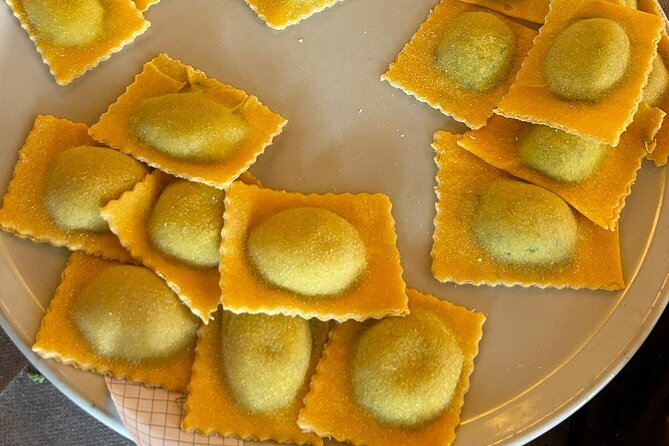
A maximum of six participants is a real advantage for a hands-on activity. You have a better chance of seeing the instructor’s technique and receiving help when the dough needs attention.
It also makes the meal more social. One booking described sitting and eating with others from the group, while another praised the friendly atmosphere and encouragement from the chefs. That tells me this works best when you are open to sharing a table and talking with people you have just met.
The format is not private. Everyone begins and finishes on the same schedule, and the class cannot wait more than 10 minutes for a late arrival. Plan to be inside Ristorante Panzirone early enough to find the staff and ask a waiter to guide you to the group.
That strict timing is understandable for a shared class, but it can be unforgiving. One person who arrived 10 minutes late after a delayed train was not admitted. Rome’s trains and traffic can run late, so do not plan to arrive at the last possible moment. Build in extra time and head directly to the restaurant.
Who should book this pasta class
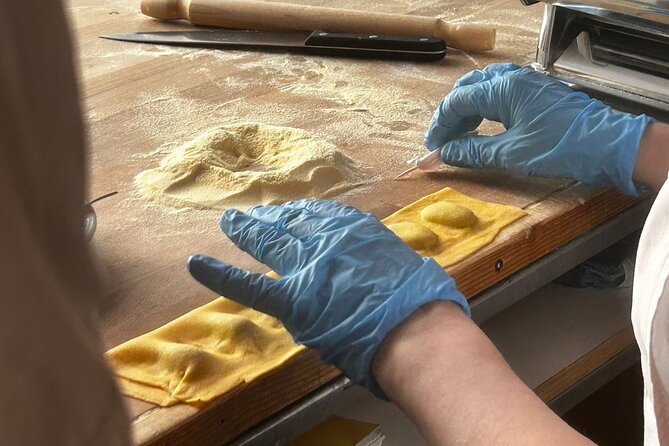
I would recommend it to first-time Rome visitors who want a food activity without giving up half a day. Two hours is short enough to fit around Piazza Navona, the Pantheon, or nearby historic-center sights.
It also suits couples, siblings, and small groups of friends. The experience has a relaxed social quality, and the final meal gives you time to enjoy the result rather than rushing straight back onto the street.
Families should note the age rule. Children under seven are not accepted. The activity is also not suitable for vegans, people with gluten intolerance, or people with nut allergies. Those restrictions are important because the core experience centers on wheat pasta and restaurant-prepared sauces.
I would be more cautious if you are already an experienced pasta maker. You may find the lesson too basic, especially since the class does not cover sauce preparation. The same applies if you want to learn filled pasta from dough through filling and cooking. Confirm the exact format first, since the supplied description uses both fettuccine and ravioli.
English instruction and named chefs
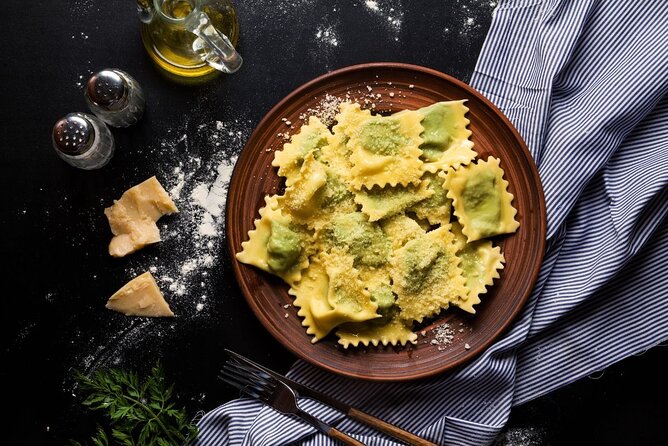
The class is conducted in English. That makes the sequence easy to follow for English-speaking visitors, especially during the dough work.
Lucca and Bea are two instructors associated with the experience. Lucca received praise for being courteous and explaining the work well, while Bea was described as friendly and helpful. Those details matter because the tone of a short class can shape the whole afternoon. A patient instructor can make basic dough preparation feel rewarding rather than rushed.
The cooking staff also handles the restaurant portion. Your job is to choose the sauce and enjoy the appetizer while the kitchen prepares the pasta. This arrangement is convenient, though it means the class has a clear boundary between instruction and dining.
Value, timing, and what you actually receive
The price is $51 per person. Included are the pasta ingredients, instruction, the cooked pasta dish, bruschetta, a drink, water, and coffee or limoncello as listed. Extra drinks, dishes, and dessert cost more at the restaurant.
For Rome, the location helps the value. A meal in central Rome already takes a bite out of a daily food budget, and this package adds a guided activity. You are also paying for the convenience of having the kitchen cook your pasta while you sit at the table.
I would not call it a bargain for serious culinary training. The hands-on lesson is limited, and the sauce is not taught. I would call it a fair package for an activity that combines food, instruction, drinks, and a famous Roman setting.
The experience has a 4.6 rating from 24 bookings, with several perfect scores praising the final dish, the friendly instructors, and the relaxed meal. At the same time, the lower ratings point to two practical concerns: the short cooking portion and the strict late-arrival rule. Both are easy to address if you book with realistic expectations and arrive early.
Booking advice for a smoother afternoon
Before booking, confirm whether the class will make fettuccine or ravioli. The title and much of the description say fettuccine, while the included information and several comments refer to ravioli. A quick confirmation can prevent disappointment.
On the day, arrive at Ristorante Panzirone and ask a waiter to guide you. Do not wait outside for someone holding a sign. The meeting point is inside the restaurant.
Keep your schedule simple around the class. The stated duration is two hours, but a meal can take longer if you order extras. You can buy additional drinks, dishes, or dessert, but those are not part of the price.
The activity is wheelchair accessible, which may be useful when comparing food classes in Rome. It is offered in English and uses a small group of up to six people. Free cancellation is available up to 24 hours before the start, and you can reserve now and pay later, which gives you some flexibility while planning a busy Roman itinerary.
Should you book the Piazza Navona pasta class?
Book it if you want a short, social Roman food experience with a meal and a memorable view. The best features are the small group, the chance to handle fresh pasta yourself, the helpful instructors such as Lucca and Bea, and the complete lunch with drinks at Piazza Navona.
Skip it if you want a full cooking course that teaches dough, fillings, and sauces in detail. Also skip it if you need vegan, gluten-free, or nut-safe dining, or if your train schedule makes a strict arrival time risky.
For most visitors, I would book after confirming the fettuccine or ravioli issue. Go early, expect to make the pasta but not the sauce, and treat the class as a tasty two-hour Roman outing rather than a professional culinary lesson.
FAQ
Where does the pasta class meet?
You meet inside Ristorante Panzirone in Piazza Navona. When you arrive, ask a waiter to guide you.
How long does the experience last?
The stated duration is two hours.
What language is the class taught in?
The instructor teaches in English.
How many people can join the class?
The group is limited to six participants.
What pasta will I make?
The experience is presented as a fettuccine class, but the supplied details also refer to ravioli. Confirm the exact pasta shape with the provider before booking.
Do I make the sauce?
No. You prepare the pasta, and the restaurant kitchen cooks it with the sauce you choose.
Which sauces can I choose?
The listed options are carbonara, cacio e pepe, pesto, and tomato sauce.
What food and drinks are included?
The package includes your pasta dish, bruschetta, a drink, water, and coffee or a glass of limoncello as listed. Extra drinks, food, and dessert cost extra.
Is the class suitable for children?
Children under seven are not accepted.
Can I cancel the booking?
You can cancel up to 24 hours in advance for a full refund. Reserve now and pay later is also available.
Recently added in Rome
- Trastevere Food Tour with Pasta-Making Class★ 5.0 · 5 reviews
- Traditional Pasta Cooking Class with Tiramisu Small Group★ 5.0 · 7 reviews
- Rome: Pasta and tiramisu class with wine pairing at Come Na Vorta★ 5.0 · 30 reviews
- Spritz and Pasta! Spritz, Fettuccine & Tiramisù★ 5.0 · 2 reviews
- The Pasta Factory Class★ 4.5 · 21 reviews
- Top Class in Fettuccine, Ravioli, and Tiramisu★ 5.0 · 7 reviews
- Private 4 Roman Pastas Tasting Tour in Rome★ 5.0 · 6 reviews
- Authentic Pasta and Tiramisù cooking class at spanish steps★ 4.5 · 14 reviews
Ravioli and Gnocchi Classes, compared.
3 in 1 Cooking Class near Navona: Fettuccine, Ravioli & Tiramisu
Read our review →
3-in-1 Fettuccine, Ravioli, and Tiramisu Cooking Class
Read our review →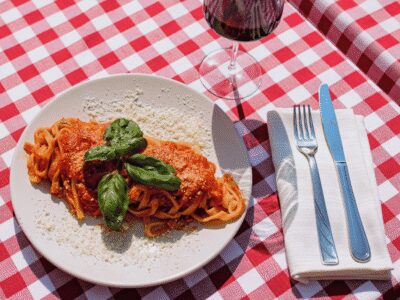
Fettuccine Pasta Cooking Class in Rome’s City Center
Read our review →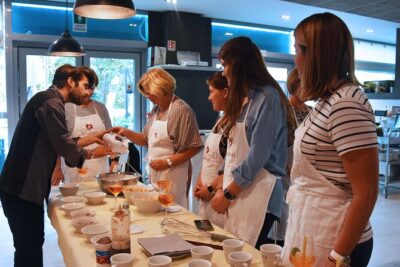
Become a Masterchef in Rome: Pasta, Ravioli and Tiramisù Class
Read our review →
Fettuccine & Tiramisù: Cooking Class with Wine & Limoncello
Read our review →
Rome Pasta and Tiramisu Class: Ravioli, Fettuccine & Fine Wine 5*
Read our review →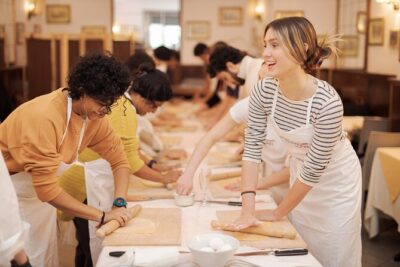
Pasta Cooking Class in Rome – Fettuccine Class in Piazza Navona
Read our review →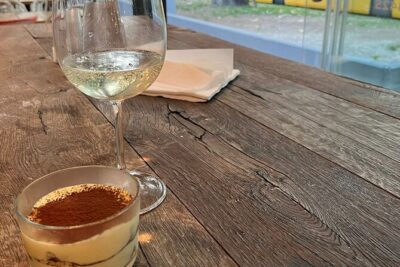
Browse the lists this class appears in