
REVIEW · TIRAMISU CLASSES
Cooking Class in Palermo – fresh pasta and tiramisù
Making ravioli by hand is the heart of this Palermo experience. You work with fresh egg pasta, sheep’s ricotta, spinach, dried tomatoes, and almonds, then sit down to eat what you made with local wine and tiramisù. Ugo, also called Gianpiero or Jon Pierro, keeps the class personal, with family stories and practical instruction.
I like the tiny group size of no more than five people, which gives you room to take part instead of watching from the edge. I also like the menu: two pasta dishes, a welcome platter, dessert, and wine make this feel like a full Sicilian meal, not just a short demonstration.
The main consideration is the price, about $119.27 per person, which is a serious spend for three hours. It makes best sense if you want both dinner and a hands-on cultural activity, not simply a quick lesson in pasta shaping.
Key points to know before booking
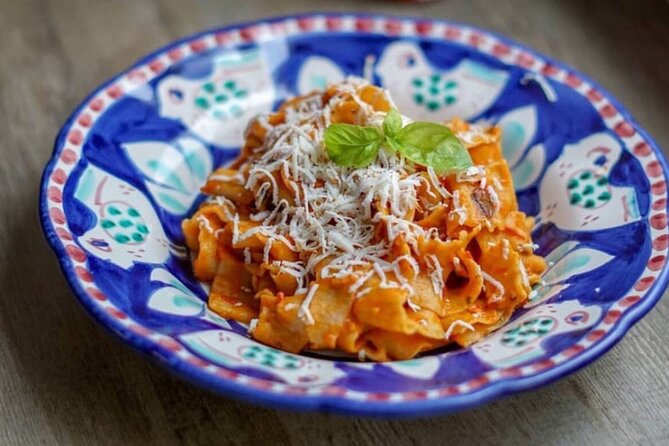
- Fresh pasta in two forms: Prepare a pasta dish with Sicilian dried tomato pesto, ricotta, and almonds, along with ricotta and spinach ravioli.
- A full meal is included: The class begins with cold cuts, cheeses, and sparkling wine, then continues with pasta, tiramisù, wine, and sometimes a digestivo.
- Very small groups: The maximum is five people, with a minimum of two. That matters when you want direct help at the worktable.
- A personal Palermo setting: The food is prepared and served in a characteristic former storage laboratory, described in personal accounts as the chef’s home.
- Strong teaching and hospitality: Ugo is patient, cheerful, and easy to follow, with recipes and photos shared afterward through WhatsApp.
- Simple central logistics: Meet at Via dei Biscottari 13 in Palermo, near public transportation, and finish at the same point.
Why this is more than a pasta lesson
Palermo is a city where food carries family habits, local ingredients, and everyday ritual. This class gives you a way to meet that side of the city without spending your time in a formal restaurant or a large group kitchen.
The format is social from the start. You do not simply watch a chef prepare lunch while someone else handles the work. You help make the pasta, shape the ravioli, prepare the dessert, and then eat at the same table.
That difference matters. A cooking class can be a pleasant break from churches and markets, but it becomes more useful when you leave with skills you can repeat at home. Here, you learn several connected dishes rather than one isolated recipe.
The menu also gives you a taste of Sicily without trying to cover every regional specialty. The dried tomato pesto brings a strong Sicilian note, while sheep’s ricotta appears in both the pasta and ravioli. Almonds add crunch to the pesto, and the spinach filling keeps the ravioli familiar and approachable.
More Tiramisu Classes in Italy:
- 3 in 1 Cooking Class near Navona: Fettuccine, Ravioli & Tiramisu
★ 5.0 · 7,376 reviews - Florence: Pasta & Tiramisu Cooking Class with Unlimited Wine
★ 4.9 · 6,708 reviews - Rome: Pasta & Tiramisu Class with Fine Wine by the Vatican
★ 4.9 · 4,852 reviews
Meeting chef Ugo in central Palermo
The class begins at Via dei Biscottari 13, 90134 Palermo. This is a practical location for a food activity because it is near public transportation, and the class ends back at the same meeting point.
The host is identified in personal accounts as Ugo, Gianpiero, Jon Pierro, and occasionally Giani. That may simply reflect different spellings or names used by different people, but I would confirm the host’s name and meeting instructions when you book. The important point is that you are dealing with one hands-on chef-host rather than a rotating team.
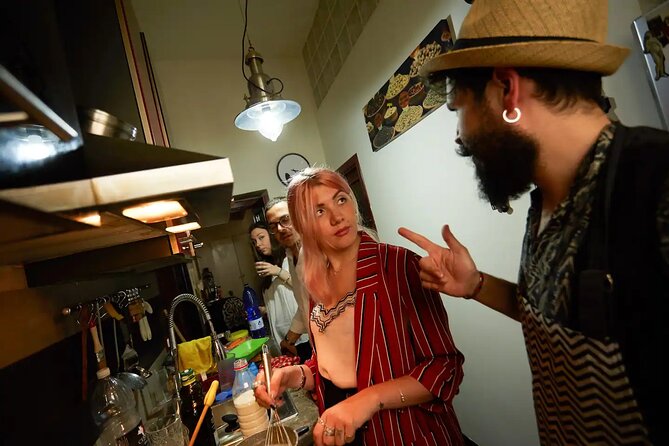
The setting is part of the appeal. The meal is prepared and served in a characteristic former storage laboratory, and personal accounts also describe it as the chef’s home. That gives the activity a more intimate feel than a polished cooking school. You may see personal touches, family stories, and the sort of small kitchen details that make a class memorable.
One account mentions tomatoes from the chef’s family garden and a quirky cup used to strain eggs. Details like these are useful because they show the class is not built only around a fixed script. It has the feel of a working personal space, with tools and stories tied to the host’s life.
The tradeoff is that a home or former workshop setting may not have the uniform finish of a commercial culinary studio. If you prefer a sleek school, printed stations, and a formal classroom setup, this may feel informal. If you want a more personal introduction to Palermo cooking, that informality is likely a benefit.
The welcome platter sets the pace
The first course is a welcome platter of cold cuts and cheeses, served with sparkling wine. This is more than a snack while you wait for the pasta.
It gives you time to settle in, meet the host, and hear how the class will run. In Italy, a meal often begins slowly, and the aperitivo helps set that rhythm. You get something to eat before the hands-on work begins, rather than trying to cook while hungry.
The platter also gives the class a proper social opening. You can ask questions, listen to stories about Palermo cooking, and enjoy the first glass before turning to the pasta dough. Some accounts also mention local wine with the meal and a digestivo afterward, though the listed menu specifically promises sparkling wine with the starter and local wine alongside the main courses.
If you do not drink alcohol, keep in mind that the published menu includes sparkling wine and local wine. The supplied details do not specify nonalcoholic substitutes, so ask ahead if that matters to you.
Making fresh egg pasta from scratch
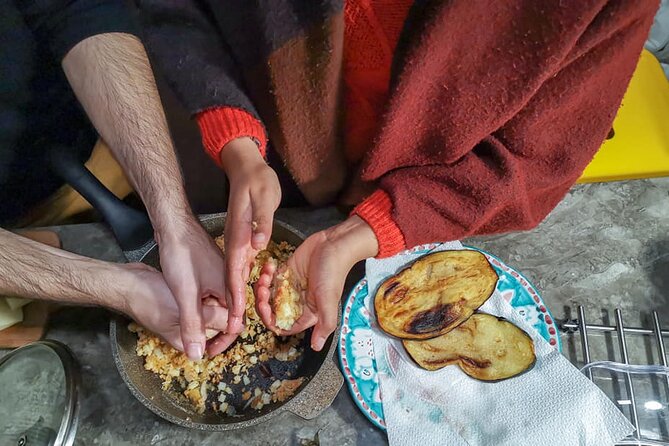
The main lesson focuses on fresh egg pasta, prepared in two formats. The exact order can vary, but you should expect to work on a long pasta shape and ravioli.
Personal accounts describe making fettuccine or linguine, along with ravioli. The host demonstrates the process, then lets you take part. This is where the small group makes a real difference. With no more than five people, the chef can watch your technique and help you correct the dough, rolling, or shaping.
The class is designed for ordinary cooks, not professional pasta makers. People describe the instruction as patient, clear, and easy to follow. That suggests you can enjoy it even if you have never worked with fresh pasta before.
You should still expect a little hands-on effort. Fresh pasta needs attention to texture, thickness, and filling. That is part of the value. You are not just collecting a recipe. You are learning what the dough should feel like and how to handle it.
The pasta is then seasoned with two traditional recipes from the region. One is fresh egg pasta with Sicilian dried tomato pesto, fresh sheep’s ricotta, and crunchy almonds. The other is ravioli filled with sheep’s ricotta and spinach.
These dishes make a good pair. The pesto pasta is direct and colorful, with the dried tomato providing a concentrated flavor. The ravioli takes more shaping and gives you a chance to practice a different skill. Together, they offer enough variety to make the meal feel substantial.
More Fresh Pasta Workshops in Italy:
- Rome: Pasta Making Class with Wine, Limoncello, and Dessert
★ 4.9 · 3,177 reviews - Pastamania – Florence Pasta Making Class
★ 5.0 · 3,050 reviews - Enjoy Spritz and Pasta Making in Piazza Navona
★ 5.0 · 1,681 reviews - Pasta Making & Wine Tasting with Dinner in Frascati from Rome
★ 5.0 · 1,326 reviews
Sicilian pesto, sheep’s ricotta, and almond crunch
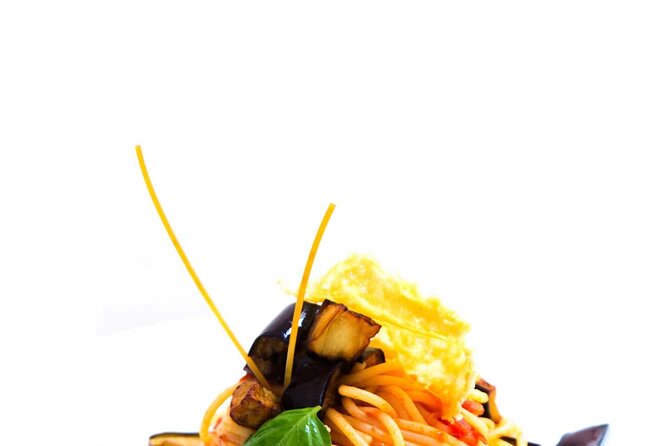
The first main course is fresh pasta with Sicilian dried tomato pesto, fresh sheep’s ricotta, and almonds. It is a useful dish to learn because the sauce is more than a jarred topping, but it does not demand a long cooking process.
The combination also gives you a clear sense of local flavor. Dried tomatoes bring sweetness and intensity. Sheep’s ricotta softens the dish, and the almonds add texture. That contrast is what keeps a simple pasta plate from tasting flat.
You may appreciate that the class does not stop at plain butter and sage or a basic tomato sauce. Those are useful recipes, but the Sicilian pesto gives you something more tied to the region. It is also a practical dish to recreate at home after your trip.
Folding ricotta and spinach ravioli
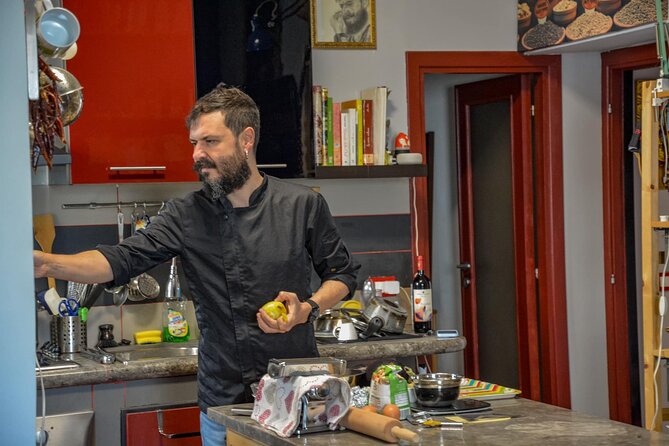
Ravioli is the more delicate part of the meal. You prepare a filling of sheep’s ricotta and spinach, place it on the pasta, cover it, and shape the individual pieces.
The work teaches you how much filling to use and how to seal the edges. Too much filling can make the ravioli difficult to close. Too little can leave the pasta heavy with dough. A patient instructor is especially helpful here, and Ugo’s teaching style is repeatedly described as cheerful, organized, and easy to follow.
The finished ravioli is served as a main course, not just offered as a sample. That makes the class feel generous for its three-hour length. You spend time making the food, then have time to enjoy the result at the table.
This is also the part most likely to appeal to families, couples, and friends who want to do something together. Everyone can take a role, and the small group means you are not pushed through the steps at a distance.
Tiramisù finishes the meal
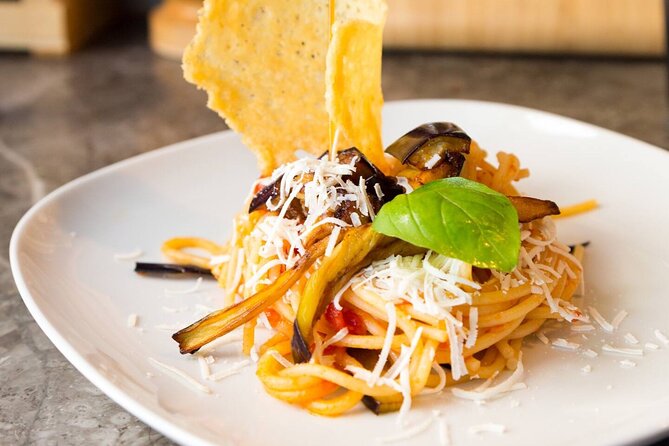
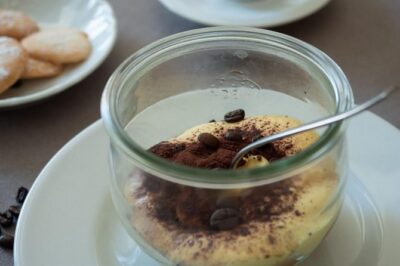
After the pasta, you prepare tiramisù. The listed recipe uses coffee, mascarpone cream, and bitter cocoa powder.
Tiramisù is a smart choice for this kind of class because it is familiar, but the result depends on balance. Coffee, cream, and cocoa need to work together without becoming too sweet or too heavy. You also get a dessert you can make again without specialist equipment.
The tiramisù appears to be one of the high points of the meal. Personal accounts repeatedly describe it as especially good, with some calling it the best they had eaten in Italy. That is subjective, of course, but it does tell you the dessert is not an afterthought.
You should expect to prepare the dessert during the class and eat it afterward, rather than receive a separate restaurant-style dessert course made entirely in advance. That keeps the meal connected to the lesson.
Stories, recipes, and a friendly teaching style
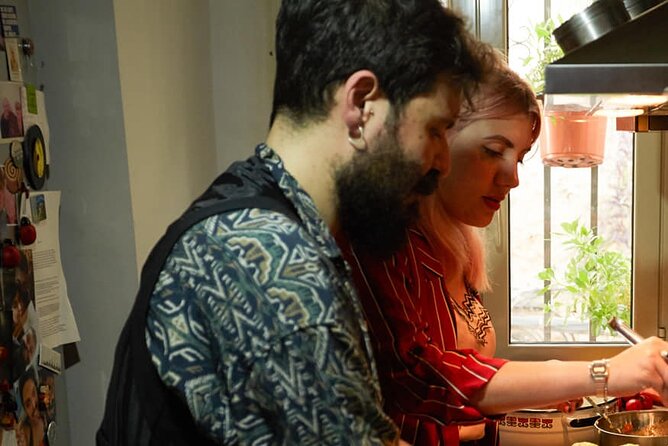
The food is only half of what you are paying for. The other half is the host’s personal approach.
Ugo is described as patient, welcoming, funny, and passionate about cooking. He shares family stories and local phrases, and he has been known to send photos of the class and recipes through WhatsApp afterward. Those touches extend the experience beyond the meal.
I especially like the practical side of this. A recipe sent to your phone is far more useful than a vague memory of what you did at the table. If you want to repeat the pasta at home, you have a better chance of remembering the ingredients and sequence.
The class also includes easy conversation and music, according to personal accounts. That suggests a relaxed afternoon or evening rather than a rushed lesson. The host’s personality is a major part of the experience, so the class will suit you best if you enjoy conversation and a personal setting.
There is one small uncertainty: the host’s name appears in several forms. That does not change the menu or duration, but I would make sure your booking confirmation has the right contact and meeting details.
Is $119.27 a fair price?
At about $119.27 per person, this is not a budget meal. You are paying for three hours of instruction, a small group, a welcome platter, two pasta preparations, tiramisù, wine, and the chance to eat the finished food.
The value improves if you would otherwise pay for both a Palermo dinner and a cooking activity. You receive a full meal rather than a small tasting, and the class includes ingredients that would cost money in a restaurant even before you add the instruction.
The small group is also important. A maximum of five people gives the host time to help with dough, fillings, and shaping. Large classes can be cheaper, but you may spend more time watching someone else work. Here, the price is easier to justify if direct participation is your priority.
I would hesitate if you want a fast, inexpensive introduction to Sicilian food. Three hours is a meaningful block of your Palermo schedule, and the price is closer to a special activity than a casual lunch. For a birthday, honeymoon, anniversary, or final-night meal, the personal setting may make the cost worthwhile.
The class is booked about 27 days ahead on average, so do not leave it until the last moment if your Palermo dates are fixed. It requires at least two people, making it a poor fit for a solo visitor unless another booking fills the minimum, and the supplied information does not confirm that solo places can be arranged.
Who will enjoy this Palermo class most?
I would choose this for you if you want to cook, not just eat. It is especially well suited to:
- Couples looking for a shared activity with dinner included
- Families and friends who enjoy working at the same table
- Pasta lovers who want to learn fresh dough and ravioli
- People who prefer small groups to large demonstrations
- Visitors who value family stories and local conversation
- Anyone who wants recipes and photos to take home
It may be less suitable if you have a strict schedule, dislike alcohol, or want a formal culinary school. The class includes wine and takes about three hours, so plan around it rather than squeezing it between two timed sights.
The activity is offered in English. That is helpful for instruction, but the host may also introduce local words and phrases during the meal. You can treat that as a small language lesson folded into dinner.
Practical details for a smooth visit
You receive confirmation at booking, and the activity is near public transportation. Meet at Via dei Biscottari 13, 90134 Palermo, and expect to return there when the class ends.
Wear something comfortable for working around food. The supplied information does not state a dress code or provide details about dietary substitutions, so contact the host before booking if you have allergies, vegetarian requirements, or other food restrictions.
The minimum group size is two, and the maximum is five. That makes the timing and group composition worth checking. If you are booking as a pair, you should have a more private experience than someone joining a full group of five.
Free cancellation is available until 24 hours before the local start time. After that point, the amount paid is not refunded, and changes are not accepted. Palermo schedules can change quickly, so keep that deadline in mind before shifting your plans.
Should you book it?
Book this class if you want a full Sicilian meal, direct instruction, and a personal connection with the cook who prepares it. The strongest reasons are the very small group, the two pasta formats, and the warm teaching style associated with Ugo and the names used for him.
Skip it if you are looking mainly for a cheap meal or a short demonstration. At $119.27, the value depends on using the full three hours and taking part in the work.
For most food-focused visitors, I would consider it a strong Palermo choice. You leave with fresh pasta skills, a tiramisù recipe, a substantial meal, and a better sense of how cooking can bring local life into your trip.
FAQ
Where does the cooking class meet?
The meeting point is Via dei Biscottari, 13, 90134 Palermo PA, Italy.
Where does the activity end?
The class ends back at the meeting point.
How long does the class last?
The activity lasts approximately three hours.
How many people can join?
The minimum is two people, and the maximum is five travelers.
Is the class offered in English?
Yes. The experience is offered in English.
What food is included?
The menu includes a welcome platter of cold cuts and cheeses with sparkling wine, fresh egg pasta with Sicilian dried tomato pesto, sheep’s ricotta and almonds, ricotta and spinach ravioli, and tiramisù made with coffee, mascarpone cream, and bitter cocoa powder. Local wine is served with the meal.
Can I cancel for a full refund?
Yes. You can cancel at least 24 hours before the local start time for a full refund. Cancellations or changes made less than 24 hours before the start time are not accepted and are not refunded.
Recently added in Italy
- Verona: Tortellini Cooking Class and Lunch with Mamma Ivana★ 5.0 · 20 reviews
- Vicenza: Pasta & Tiramisu Cooking Class at a Local’s Home★ 5.0 · 5 reviews
- Verona: Pasta Cooking Class with Wine Tasting★ 5.0 · 4 reviews
- Verona: Pasta & Tiramisu Cooking Class at a Local’s Home★ 5.0 · 16 reviews
- Verona: Prosecco and Pasta Making Class at a Local’s Home★ 5.0 · 10 reviews
- Volterra: Fresh Pasta Cooking Class at a Tuscan Farmhouse★ 5.0 · 33 reviews
- Venice: Share Your Pasta Love in a Local’s Home★ 4.8 · 20 reviews
- Verona: My Granny’s secrets making gnocchi★ 5.0 · 7 reviews
Tiramisu Classes, compared.
3 in 1 Cooking Class near Navona: Fettuccine, Ravioli & Tiramisu
Read our review →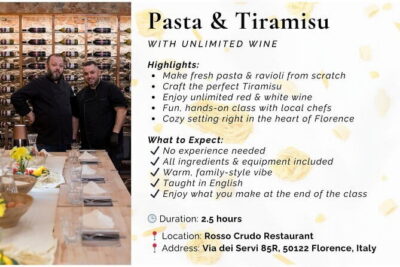
Pasta & Tiramisu Cooking Class with Unlimited Wine
Read our review →
Pasta & Tiramisu Class with Fine Wine by the Vatican
Read our review →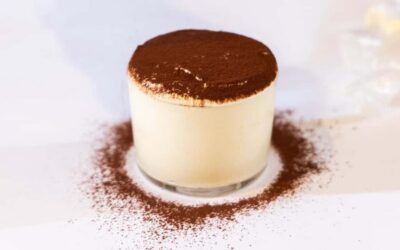
3-in-1 Fettuccine, Ravioli, and Tiramisu Cooking Class
Read our review →
Learn to Make Pasta & Tiramisu with Wine and Limoncello Included
Read our review →
Cooking Class Pasta & Tiramisu Making Unlimited Wine
Read our review →
Become a Masterchef in Rome: Pasta, Ravioli and Tiramisù Class
Read our review →
Fettuccine & Tiramisù: Cooking Class with Wine & Limoncello
Read our review →Browse the lists this class appears in