
REVIEW · SARDINIA PASTA CLASSES
Cooking Class in a Secret Courtyard – Culurgiones (Sardinian Pasta)
The special part of this four-hour evening in Lanusei is that you enter a traditional Sardinian home, not a polished cooking school. You tour the house, meet the family, learn to knead and shape culurgiones, then sit down together for dinner. Federica, Mickaele, and their family help create the warm, hands-on setting.
I like the direct link between cooking and eating: you work with the dough, then taste the result at the same table. I also like the small group limit of 10 people, which gives the class a more personal feel. The main caution is language. English is offered when booking, but some visitors have found that little or no English was spoken, so this is not the safest choice if clear English instruction is essential.
Key points to know before booking
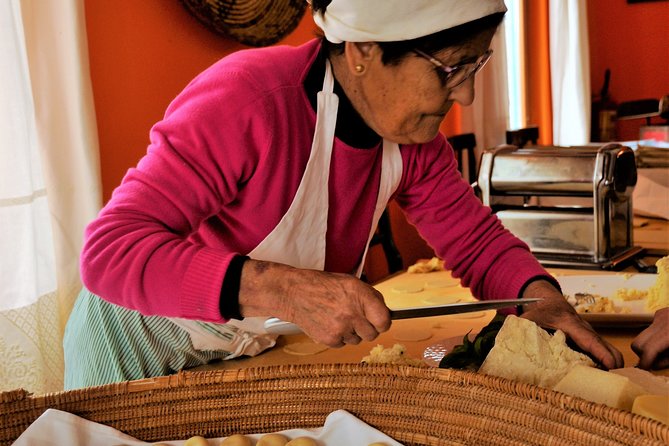
- Traditional family setting: The class takes place at La Corte del Carrubo, a Sardinian house in Lanusei.
- Culurgiones are the focus: You knead dough and learn to form this distinctive Sardinian stuffed pasta.
- Dinner is part of the lesson: Expect a cold-cut and cheese platter, culurgiones, local products, and an aperitif.
- Small evening group: The maximum is 10 people, making hands-on participation more likely.
- English needs checking: The activity is offered in English, but language service has been inconsistent.
- Plan for a long pasta session: You may spend close to two hours shaping dough before dinner is served.
A Sardinian cooking class with a family feel
This is not a restaurant meal with a short demonstration on the side. The point is to make the pasta yourself, under the guidance of a local cook and the family who owns the house. That distinction matters.
You arrive at 6:30 pm at La Corte del Carrubo in Lanusei. The evening begins with a welcome and a tour of the traditional Sardinian house. This opening gives the class a sense of place before the food appears. You are not simply learning a recipe in an anonymous kitchen. You are seeing the home where the meal and lesson take place.
The family atmosphere is one of the strongest reasons to choose this experience. Federica and Mickaele are associated with the evening, and the wider family may help with the pasta. The setting has been described as an opportunity to feel part of a Sardinian household for a few hours. That sounds like the right way to think about it: a social family meal built around an old food tradition.
You should also adjust your expectations. This is not a professional culinary course with precise stations, printed timings, and a chef correcting every fold. It is a participatory home meal. You will be expected to work, listen, copy the motions, and share the table with the people running the experience.
Other Italy classes worth putting on the shortlist
- Florence: Pasta Cooking Class with Unlimited Wine
★ 4.9 · 10,285 reviews - 3 in 1 Cooking Class near Navona: Fettuccine, Ravioli & Tiramisu
★ 5.0 · 7,376 reviews - Florence Pizza or Pasta Class with Gelato Making at a Tuscan Farm
★ 5.0 · 6,801 reviews
Why culurgiones make a good Sardinian lesson
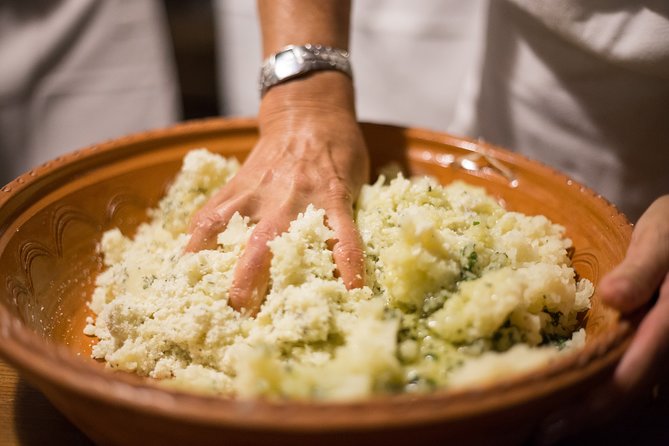
Culurgiones are one of Sardinia’s best-known pasta shapes. They are usually recognized by their careful, decorative seal, which looks a little like a wheat ear. Here, the lesson centers on kneading the dough and shaping the pieces by hand.
The value is in learning a technique that is tied to local cooking rather than simply eating a regional dish. Pasta-making also gives the evening a natural rhythm. You begin with flour and dough, move on to shaping, and finish with a meal made from the work of the group.
The shaping can take time. One account describes participants working through about two kilograms of dough, with the pasta-making lasting around two hours. That is useful information for planning. If you want a quick class followed by a generous dinner, this may feel slow. If you enjoy practical work and want to understand how handmade pasta is produced, the long session is part of the appeal.
The class may involve repeated motions, and you will probably make imperfect pieces at first. That is normal for this sort of home lesson. The family’s role is to show you how the pasta should look and help you improve. One especially warm description praised the firm but caring instruction from the grandmother, who taught the correct way to form the pasta and shared recipes for home use.
The 6:30 pm arrival and house tour
The meeting time is 6:30 pm, and the activity both starts and ends at the same meeting point in Lanusei. The listed location is 08045 Lanusei, NU, Italy, with La Corte del Carrubo given as the appointment point.
Check the exact directions before setting out. This is important. Confusion over the meeting location has caused serious problems, including people arriving at the wrong private house after receiving unclear directions. Contact the provider before the day of the class if the address or map pin does not look exact. Do not assume that a general Lanusei location is enough.
Once you arrive, the house tour gives you a useful introduction to the surroundings and the family’s way of life. The details of the tour are not specified, so I would not expect a formal historical presentation. Think of it as a welcome into the home before the kitchen work begins.
That informal start may suit you if you value personal contact. It may frustrate you if you prefer a tightly managed commercial tour. The experience works best when you accept that the house itself is part of the lesson.
From aprons to two kilograms of pasta dough
After the introduction to Sardinian cuisine, you put on aprons and begin preparing the dough. The cook, the homeowner, and family members guide the process. You learn the basic work of kneading, then move on to forming the individual culurgiones.
This is the most hands-on part of the evening. You are not watching someone else make one perfect sample. The purpose is for everyone to take part in preparing the dinner. That also explains why the meal may take time to reach the table.
You should pace yourself. The class takes place in the evening, and the pasta work can continue for a long stretch before dinner. One negative account described people becoming very hungry while making the pieces. If you need food at regular intervals, have a small snack earlier in the day.
Drinks are another practical point. The meal is not presented as a full restaurant service. Water, soft drinks, and house red wine have been available, but service may be simple rather than constant. One complaint described difficulty getting water during the work in warm conditions. I would ask for water at the start and make your needs clear politely.
The menu can be vegetarian, which is useful if you do not eat meat. You should still state your dietary needs when booking or before the class, since the standard starter includes meat and cheese.
Same town, a different thing to roll out:
- Florence: Pasta & Tiramisu Cooking Class with Unlimited Wine
★ 4.9 · 6,708 reviews - Florence: Pasta Cooking Class with Unlimited Wine
★ 5.0 · 6,413 reviews - Rome: Pasta & Tiramisu Class with Fine Wine by the Vatican
★ 4.9 · 4,852 reviews - Rome: Pasta Making Class with Wine, Limoncello, and Dessert
★ 4.9 · 3,177 reviews
The aperitif and dinner around the table
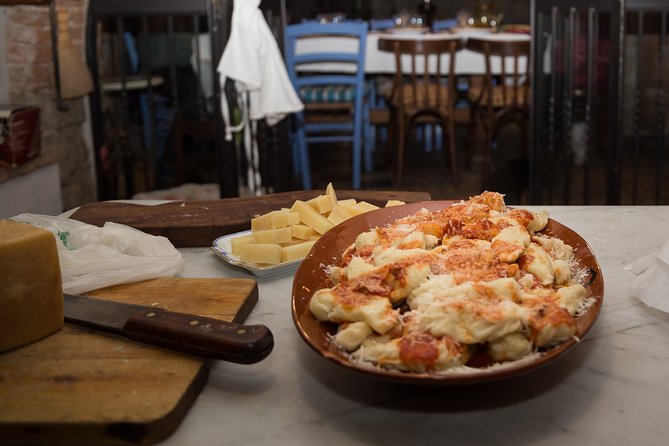
Once the pasta is ready, the evening moves to the table. The listed starter is a mixed platter of cold cuts and cheeses, followed by the culurgiones. Other typical products from the area are also served, and an aperitif is included.
The meal is valuable because it closes the loop. You have handled the ingredients, shaped the pasta, and then eaten the finished dish with the people who taught you. That shared table is a central part of the experience, not an extra added after the class.
The food should be understood in the context of a home dinner. It may feel generous and personal, but it is not designed as a formal tasting menu. If your priority is polished restaurant food or a wide range of courses, the $72.41 price may seem less attractive. If you value a cooking lesson, dinner, and family contact in one evening, the price is more reasonable.
The starter also gives you a chance to taste familiar Sardinian products before the pasta arrives. Cold cuts and cheese are straightforward, but they fit the setting. The meal is meant to feel local and shared rather than experimental.
Is $72.41 a fair price?
At $72.41 per person, the price covers roughly four hours, the cooking lesson, dinner, the aperitif, and the chance to spend the evening in a private home. Compared with paying separately for a meal and a cooking class, that is a fair package if the language and location work for you.
The value depends heavily on your reason for booking. You are paying for participation and contact, not just food. The pasta lesson takes time because you are making enough culurgiones for the group. You are also paying for the family setting, which cannot be reproduced by a standard restaurant visit.
The price feels less worthwhile if you expect a professional kitchen, a large beverage selection, or a full-service dinner. One dissatisfied account described the food as ordinary and the service as limited. That criticism is fair if you approach the event as a restaurant experience.
I would book it for the cultural setting and the pasta lesson first, with dinner as the reward. That keeps your expectations in the right place.
The English question deserves attention
The experience is advertised in English, but language has not been consistent. Some people have enjoyed the family setting without needing a formal English class. Others have arrived expecting English instruction and found that no one spoke enough English to explain the process.
This is the biggest practical risk. Pasta shaping can be learned by watching, but a full class is easier when you can ask questions. If you need detailed English explanations, contact Sardaigne en Liberté before booking and ask who will lead the lesson on your date.
A little Italian, French, or German may help depending on who is present, but do not assume another language will be available. The safest approach is to use the booking confirmation as a starting point, then verify the language and meeting instructions directly.
The mixed language experience also explains the sharply different reactions to the class. Someone looking for a relaxed family evening may be delighted. Someone expecting a clear, structured English workshop may be disappointed.
Group size, age, and evening pace
The maximum group size is 10 people. That is small enough for the family to watch your technique and help with the pasta. It also means that each person may have a real share of the work, rather than simply observing.
Children from age six can take part. Non-alcoholic drinks are available for them. Alcoholic drinks are for people age 18 and over. The evening may work well for a family with children who enjoy shaping dough, but the long preparation time could test the patience of younger children.
The four-hour duration is approximate. Since the class starts at 6:30 pm, you should expect to finish late in the evening. Do not schedule an important activity immediately afterward. The pace is shaped by the dough, the group, and the family meal, not by a strict restaurant timetable.
Who will enjoy this, and who should skip it?
I would recommend this experience to you if you enjoy home cooking, local customs, and meeting the people behind a food tradition. It suits visitors who want to make something with their hands and do not mind a relaxed, slightly unpredictable pace.
It is also a good fit for families with children aged six or older, provided they are happy to spend a long period working with dough. Vegetarians can request a meat-free menu, so the class is more flexible than the standard starter might suggest.
I would think twice if you need fluent English instruction, have limited patience for repetitive pasta work, or want a polished dinner with attentive drink service. You should also be comfortable with a family-home setting rather than a formal cooking studio.
The strong points are clear: authentic contact, a small group, a traditional recipe, and a meal made together. The weaknesses are just as clear: uncertain language support, occasional location confusion, and a dinner service that may be basic.
Booking advice and cancellation details
This activity is often booked about 31 days ahead, so plan early if your Sardinia schedule is fixed. Confirmation is sent within 48 hours, subject to availability.
You can cancel for a full refund up to 24 hours before the local start time. Cancellations or changes made within 24 hours are not refunded or accepted. The class also requires a minimum number of participants. If the provider cancels because that minimum is not met, you can choose another date or experience, or receive a full refund.
Before paying, I would confirm three things: the exact house location, the English arrangements, and the menu if you need vegetarian food. Those checks take little time and address the main sources of trouble.
Should you book the Lanusei culurgiones class?
Book it if you want an evening that feels close to ordinary Sardinian family life. The best part is not simply the plate of pasta. It is learning the shape, working beside the family, and eating the result at the same table.
Do not book it as a conventional cooking school or restaurant dinner. The class can be slow, language support may be uneven, and the food service is simple. With realistic expectations, $72.41 buys a hands-on lesson and a personal cultural experience that a regular meal cannot provide.
FAQ
Where does the cooking class take place?
The class takes place at La Corte del Carrubo in Lanusei, Sardinia. The listed meeting area is 08045 Lanusei NU, Italy.
What time does the activity start?
The class starts at 6:30 pm local time.
How long does the experience last?
The activity lasts approximately four hours.
What pasta do you learn to make?
You learn to knead and shape culurgiones, a traditional Sardinian pasta.
What food is included?
Dinner includes a mixed platter of cold cuts and cheeses, culurgiones, an aperitif, and other typical products from the area.
Is a vegetarian menu available?
Yes. A vegetarian menu is available.
Can children participate?
Children aged six and older can participate. Non-alcoholic drinks are available for them.
Is the class offered in English?
The activity is offered in English, but English service has not been consistent. Confirm the language arrangements before booking if this is important to you.
Can I cancel for a full refund?
Yes. You can cancel at least 24 hours before the start time for a full refund. Changes or cancellations made less than 24 hours before the activity are not accepted or refunded.
Recently added in Italy
- Verona: Tortellini Cooking Class and Lunch with Mamma Ivana★ 5.0 · 20 reviews
- Vicenza: Pasta & Tiramisu Cooking Class at a Local’s Home★ 5.0 · 5 reviews
- Verona: Pasta Cooking Class with Wine Tasting★ 5.0 · 4 reviews
- Verona: Pasta & Tiramisu Cooking Class at a Local’s Home★ 5.0 · 16 reviews
- Verona: Prosecco and Pasta Making Class at a Local’s Home★ 5.0 · 10 reviews
- Volterra: Fresh Pasta Cooking Class at a Tuscan Farmhouse★ 5.0 · 33 reviews
- Venice: Share Your Pasta Love in a Local’s Home★ 4.8 · 20 reviews
- Verona: My Granny’s secrets making gnocchi★ 5.0 · 7 reviews
Sardinia Pasta Classes, compared.
Alghero Home Cooking Pasta Class at a Farmhouse with Wine
Read our review →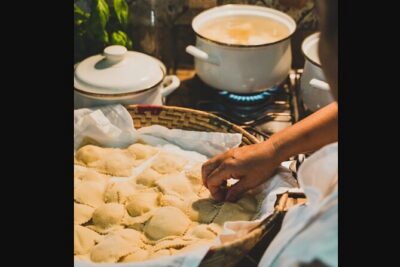
Small group Pasta and Tiramisu at Local Home in Olbia
Read our review →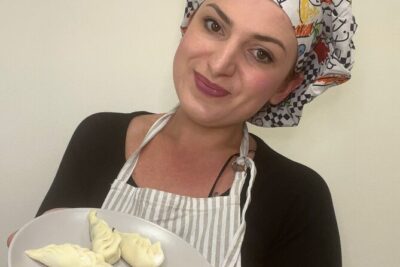
Cagliari Cooking Class: Sardinian Ravioli, Wine & Local Flavors
Read our review →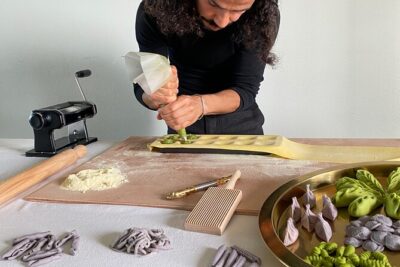
Cagliari: Pasta art Cooking Class with 3-Course Dinner
Read our review →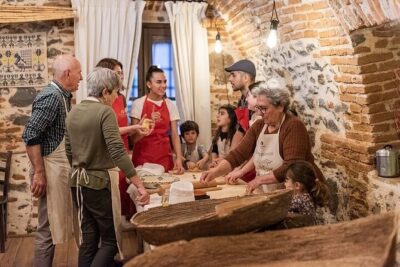
Blue Experience – Cooking Lesson ” Make Pasta , Live Longer “
Read our review →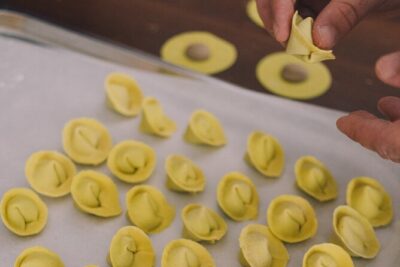
Browse the lists this class appears in