
REVIEW · HOME COOKING CLASSES
Cesarine: Small group Pasta and Tiramisu class in Parma
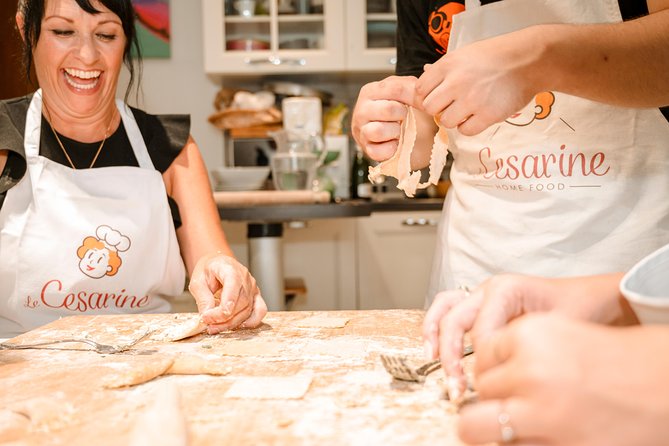
Parma’s best food lesson may happen far from a restaurant dining room. In this small-group home cooking class, you meet a local Cesarina, raise a glass of Prosecco, and learn to make pasta and tiramisu in the place where family recipes are actually used: the kitchen.
I like two things right away: you get your hands into the dough instead of watching a chef perform, and the meal at the end is made by you. Hosts such as Cristina, Mauro, Catia, Paola, Lisa, and Max have created warm, personal evenings, with details such as homemade liqueur, garden visits, or a coal-burning oven appearing in some homes.
The main consideration is that this is a shared experience, not a private class. The host, home, pasta shape, and group dynamic can vary, and the class may include up to 12 people. At $162.03 per person, it makes the most sense if you value conversation and a real home setting as much as the food itself.
Key points to know before booking
- A real Parma home: You cook in a carefully selected local home rather than a standard culinary school.
- Two Italian staples: The core menu covers handmade pasta and tiramisu from scratch.
- A social beginning: Prosecco and snacks give you an easy start before the cooking begins.
- A meal you help create: You finish by tasting the pasta dishes and dessert prepared during class.
- Host-led and personal: Your Cesarina may share family methods, local ingredient tips, wine, garden details, or other household traditions.
- A compact three-hour format: The class fits neatly into a Parma sightseeing day, though the shared format may feel less tailored than a private lesson.
Cooking pasta in a Parma family kitchen
The appeal here is simple: you are not only eating Parma’s food, you are learning how it reaches the table. Your Cesarina welcomes you into a home and guides you through the cooking, using family methods and the habits that make Italian food feel so direct and unfussy.
The exact meeting address is supplied with your booking, while the activity begins and ends in Parma. It is near public transportation, so you can plan around the city without treating this as a full-day outing. The class lasts about three hours, a useful length for fitting in sightseeing before or after.
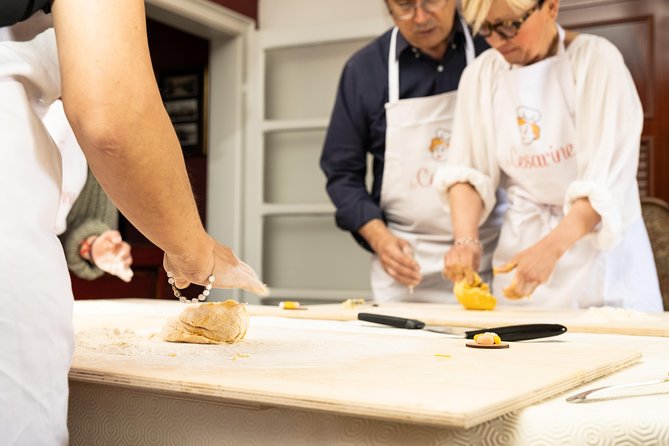
The home setting changes the mood. You are not seated in rows, taking notes while a professional chef handles every important step. You are expected to participate. You may work with dough, follow the host’s method, and ask questions as you go. That gives the class a practical edge: you leave with techniques you can try again, not just photographs of a finished plate.
The experience is shared, with a maximum of 12 people. That is small enough to feel more personal than a large demonstration, though it is not guaranteed to feel intimate at every booking. If you sign up alone, you could be paired with a couple or another small group. One solo participant described being joined by a lovely couple, while other classes involved pairs and families.
That mix can work in your favor. Cooking gives everyone an easy subject, and the aperitivo helps break the ice before the more hands-on part begins. Still, if you want quiet, one-to-one instruction or a class built around your own dietary needs, you should ask questions before booking.
More Tiramisu Classes in Italy:
- 3 in 1 Cooking Class near Navona: Fettuccine, Ravioli & Tiramisu
★ 5.0 · 7,376 reviews - Florence: Pasta & Tiramisu Cooking Class with Unlimited Wine
★ 4.9 · 6,708 reviews - Rome: Pasta & Tiramisu Class with Fine Wine by the Vatican
★ 4.9 · 4,852 reviews
Prosecco first, then the work begins
The opening aperitivo is more than a welcome drink. You start with Prosecco and snacks, giving you a chance to meet the host and settle into the home before flour appears on the counter.
I like this arrangement because it reflects how many Italian meals actually begin. Food is social from the first sip, and the class does not rush you straight into instructions. You have time to get comfortable with the Cesarina, hear about the kitchen, and watch the group take shape.
The host is the heart of the experience. Cesarine are local home cooks, and the class is designed around their own kitchens and family secrets. That means the personality of the evening can differ sharply from one booking to another. Cristina and Enzo, for instance, created a warm home atmosphere, while Catia and her husband welcomed participants in a way that felt like being included in a family gathering.
Some hosts bring extra details into the evening. Mauro has been described as a joyful cook with a wine cellar, homemade liqueur, and a coal-burning oven used for focaccia. Cristina’s kitchen included her mother’s pots and pans, preserved recipes, and a traditional wood pizza oven. These details are not guaranteed parts of every class, but they show why the home format can offer more than a standard pasta lesson.
You should also expect conversation. One class included a chance to practice Italian, and several hosts were praised for talking about local recipes and food traditions. English is the offered language, so you can follow the cooking, but the social setting may still give you a few natural moments to use Italian.
Handmade pasta, with room for local variation
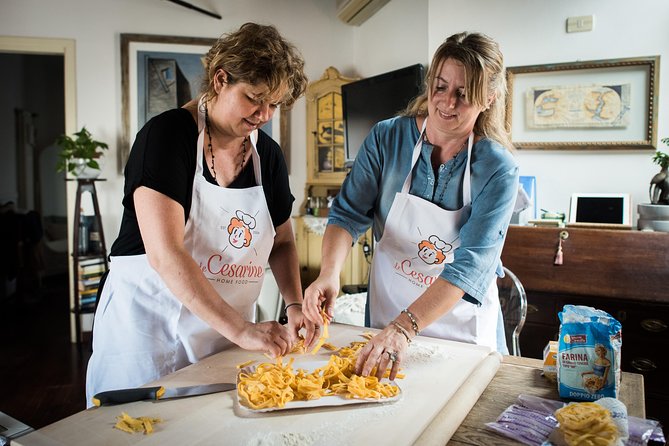
Pasta is the main event. The class teaches fresh pasta preparation, but the exact shape and recipe may depend on your Cesarina. Reviews describe tortelli and tagliatelle, while the listed menu simply identifies pasta as the main dish.
That variation is worth understanding before you book. You are signing up for a local cooking experience, not a fixed restaurant recipe with a printed production schedule. One host may focus on filled pasta, another on ribbons, and another on a family preparation that changes with the season or household tradition.
The useful part is the method. You get to see how the dough is handled, how pasta is formed, and how small changes affect the finished dish. A good host can show you the feel of the dough and the pace of the work, things that are hard to learn from a recipe alone.
The class also gives you a better sense of why handmade pasta matters in northern Italy. Parma’s food culture prizes careful preparation and good ingredients, but it is not built around complicated tricks. The pleasure is in the texture, the shape, and the care taken at each stage.
Paola’s class, for example, focused on making pasta by hand in her home, with expert instruction and a meal afterward. That is the kind of lesson you can repeat at home because the process is tangible. You do not need a professional kitchen to understand it.
Keep your expectations practical. Three hours includes the welcome drink, pasta preparation, tiramisu, and the final meal. You will learn and participate, but you should not expect a long technical course covering every pasta shape in the region. The value is in learning a few useful techniques in a warm setting.
Tiramisu from scratch and the meal at the end
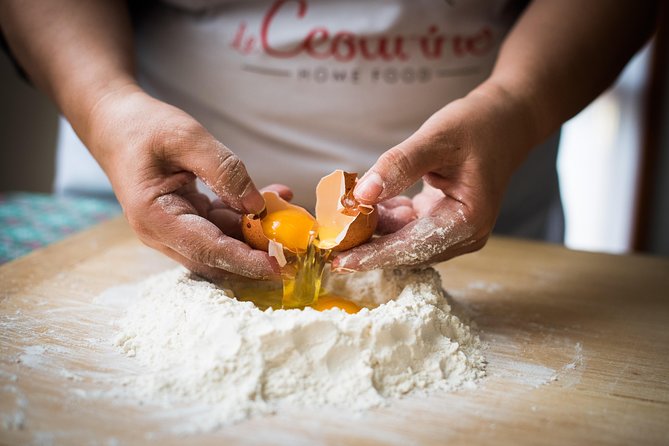
Tiramisu is the dessert lesson, and it gives the class a good balance. Pasta involves dough, shaping, and cooking. Tiramisu adds a separate set of steps and finishes the session with something sweet that you can recreate for friends.
The class presents both dishes as hands-on preparations from scratch. You do not simply watch the host assemble a dessert after the main course. You take part in the process, then taste the result with the pasta dishes you prepared.
This final meal matters. It turns the lesson into a shared lunch or dinner rather than a technical workshop that ends when the stove is turned off. You can sit down, compare the results, and continue the conversation with the host and the other people in the group.
The food is also a useful test of the class’s value. At $162.03 per person, you are paying for instruction, the welcome aperitivo, the ingredients, the meal, the host’s time, and the setting. That is more than you would pay for a simple plate of pasta in Parma, so the class must offer more than dinner. Its worth comes from the access to a local home and the chance to cook alongside the person who welcomes you.
If you only want to eat pasta and tiramisu, a restaurant is the cheaper choice. If you want to learn, talk, and share a meal in a private home, the price becomes easier to justify. The class is especially good for people who enjoy food as a way to understand daily life.
More Home Cooking Classes in Italy:
- Pastamama, Home Cooking Classes at Grace’s Home
★ 5.0 · 521 reviews - Small Group Pasta and Tiramisu Class at Local’s Home in Venice
★ 4.5 · 236 reviews - Catania: Pistachio Ravioli, Pasta Home Cooking Class w/ Wine
★ 4.7 · 204 reviews - Cesarine: Small group Pasta and Tiramisu class in Varenna
★ 5.0 · 195 reviews
The hosts make each booking different
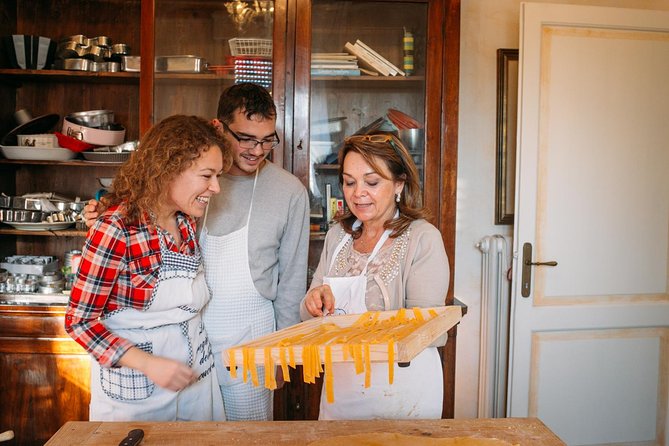
The strongest part of this experience is not a single recipe. It is the relationship with the Cesarina.
Several hosts have made a lasting impression through simple hospitality. Cristina and Enzo welcomed people into their home, with Enzo adding humor and joining the meal after the cooking. Lisa and Max hosted an anniversary celebration that felt like dinner with dear friends. Cristina also connected with a couple through familiar kitchen memories, including the feeling of cooking in a grandmother’s kitchen.
That warmth is important, but it also points to the experience’s one unpredictable element. You do not select a standard instructor with the same lesson every time. Cesarine are individual home cooks, and the atmosphere will depend on who hosts your date.
For some people, that is the whole point. You get a chance to see how food is taught in a real household, with personal stories, old tools, family recipes, and the host’s own way of doing things. For others, the lack of a tightly fixed format may feel less certain.
The supplied host names show the range of possible settings, but they do not mean you can assume a particular person will lead your class. If you have your heart set on Cristina, Mauro, or another host, confirm availability before making plans around that expectation.
You may also find extra food and drink beyond the sample menu. Mauro’s home included a wine collection, homemade liqueur, and focaccia from a coal-burning oven. Those additions are memorable, but they are host-specific, not guaranteed features of every booking.
How the three hours are likely to feel
The class has a clear rhythm:
- You meet at the Parma location and enter the host’s home.
- You begin with Prosecco and snacks.
- Your Cesarina introduces the pasta and tiramisu preparations.
- You work through the recipes with the host’s guidance.
- You sit down to taste the pasta dishes and dessert you made.
That sequence works well because it moves from conversation to participation and then to a shared meal. You are not asked to arrive ready for a long technical session. The opening drink gives you a gentle start, while the final meal provides a proper finish.
The pace will depend on the group. Six people may move through the class differently than 12, and a host may spend more time answering questions or discussing family methods. If you are eager to learn every detail, stay involved and ask questions while the dough is in front of you.
The class is listed in English, and confirmation is provided at booking. It is near public transportation, but the precise home address is not included in the general description. Plan your timing with some flexibility, especially if you are connecting this activity with a train, museum reservation, or evening event.
The experience ends back at the meeting point. It is not presented as a walking tour of Parma, so you should not expect sightseeing stops between the kitchen and the meal. The focus stays firmly on cooking and hospitality.
Health notes and group comfort
The homes provide basic sanitary equipment, including paper towels for handwashing and hand sanitizer. The instructions also ask people to keep one meter apart when possible and to wear masks and gloves when that distance cannot be maintained.
Those notes are part of the stated operating guidance and may reflect the conditions in place when the activity was published. You should follow the current instructions from the host on the day of your class.
A maximum of 12 people keeps the class from becoming a mass activity, but it does not remove all group considerations. You may be sharing counters, ingredients, and cooking tasks. If you prefer a private lesson, this is not described as one.
The home environment may also be less uniform than a purpose-built school. That is part of the charm, but it means you should expect a personal kitchen rather than a professional teaching studio. The tradeoff is a more authentic setting in exchange for fewer guarantees about the layout and lesson format.
Who will get the most from this Parma class
I would recommend this experience most strongly to:
- Couples looking for a relaxed food-centered evening
- Solo visitors who enjoy meeting people through a shared activity
- Families and friends who want a meal they create together
- Home cooks who want practical pasta and tiramisu techniques
- People who care more about local hospitality than a formal culinary certificate
- Anyone with enough time in Parma to slow down and enjoy a long meal
It is less suited to you if you want a private instructor, a fixed menu with guaranteed pasta shapes, or a highly technical chef-led course. It may also be a poor fit if you dislike group dining or feel uncomfortable cooking in another person’s home.
The class is also a good choice for a special occasion. One host made an anniversary particularly memorable, and the home setting offers a more personal backdrop than a restaurant table. Just remember that the exact host and details vary.
Booking value, timing, and cancellation
The price is $162.03 per person, and the activity is usually booked well ahead of the date, with an average advance booking time of 49 days. That suggests you should not leave it until the last part of a popular Parma trip if the class is important to you.
You receive about three hours of food instruction, Prosecco and snacks, ingredients, and the pasta and tiramisu meal. The bigger value is the host’s home and personal attention. At the same time, a group of up to 12 means the experience is not priced like an exclusive private chef visit.
Free cancellation is available up to 24 hours before the start time for a full refund. Changes or cancellations inside that 24-hour window are not accepted for a refund. The class also needs a minimum number of participants, and if that minimum is not reached, you are offered another date or experience, or a full refund.
Should you book the Cesarine pasta class in Parma?
Book it if you want Parma through its kitchen rather than only through its monuments and restaurants. The handmade pasta, tiramisu, Prosecco, and final meal provide a clear structure, but the real appeal is the chance to spend time with a local cook in a personal home.
I especially like it for a first visit to Parma, a food-focused trip, or a couple seeking a memorable shared activity. The class has earned a perfect rating from 25 reviews, with all recommending it, and the repeated strengths are clear: warm hosts, delicious food, family traditions, and a strong feeling of welcome.
Skip it if you need a private, tightly standardized lesson. Otherwise, the variable host and home setting are advantages, not flaws. At the right price for you, this is a practical way to learn two Italian staples and leave Parma with more than a restaurant memory.
FAQ
Where does the pasta and tiramisu class take place?
The class takes place in a carefully selected local home in Parma, Italy. The general meeting location is Parma, and the activity ends back at the meeting point.
How long does the cooking class last?
The experience lasts approximately three hours, including the aperitivo, cooking instruction, and meal.
What food will I prepare?
The sample menu includes pasta as the main course and tiramisu for dessert. The exact pasta preparation can vary by host, with tortelli and tagliatelle described among the possible dishes.
Is the class offered in English?
Yes. English is listed as the available language.
How many people can join the class?
This is a shared class with a maximum of 12 participants.
Can I cancel for a full refund?
Yes. You can cancel at least 24 hours before the experience start time for a full refund. Cancellations or changes made less than 24 hours before the start time are not refunded.
More Small Group Pasta Classes in Italy
- Milan: Pasta and Tiramisu Small Group Cooking Class with Wine
★ 5.0 · 660 reviews - Florence Small-Group Pasta Class with Seasonal Ingredients
★ 5.0 · 532 reviews - Bologna: Pasta and Tiramisu Small Group Cooking Class with Wine
★ 5.0 · 409 reviews - Palermo: Pasta and Tiramisu Small Group Cooking Class with Wine
★ 5.0 · 348 reviews
Recently added in Italy
- Verona: Tortellini Cooking Class and Lunch with Mamma Ivana★ 5.0 · 20 reviews
- Vicenza: Pasta & Tiramisu Cooking Class at a Local’s Home★ 5.0 · 5 reviews
- Verona: Pasta Cooking Class with Wine Tasting★ 5.0 · 4 reviews
- Verona: Pasta & Tiramisu Cooking Class at a Local’s Home★ 5.0 · 16 reviews
- Verona: Prosecco and Pasta Making Class at a Local’s Home★ 5.0 · 10 reviews
- Volterra: Fresh Pasta Cooking Class at a Tuscan Farmhouse★ 5.0 · 33 reviews
- Venice: Share Your Pasta Love in a Local’s Home★ 4.8 · 20 reviews
- Verona: My Granny’s secrets making gnocchi★ 5.0 · 7 reviews
Home Cooking Classes, compared.
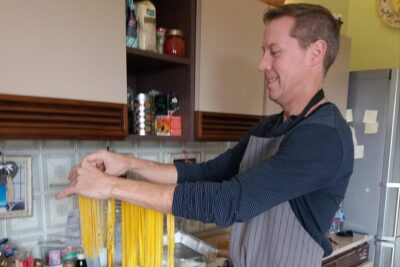
Pastamama, Home Cooking Classes at Grace’s Home
Read our review →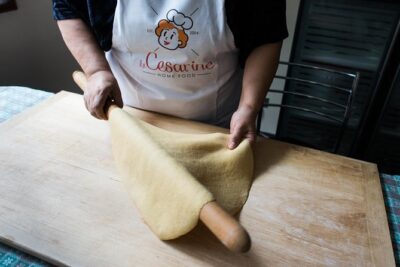
Small Group Pasta and Tiramisu Class at Local’s Home in Venice
Read our review →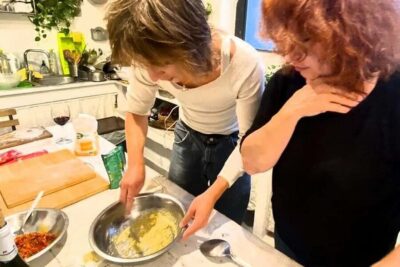
Pistachio Ravioli, Pasta Home Cooking Class w/ Wine
Read our review →
Cesarine: Small group Pasta and Tiramisu class in Varenna
Read our review →
Cesarine: Small group Pasta and Tiramisu with Mamma in Lucca
Read our review →
Cesarine: Small group Pasta and Tiramisu class in Bologna
Read our review →
Authentic Bologna Home Cooking Class: Tagliatelle & Tortellini
Read our review →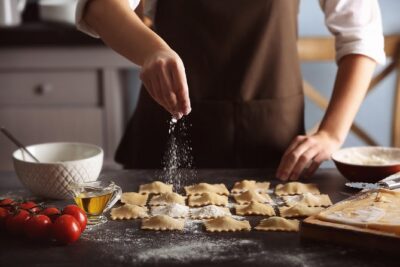
Alghero Home Cooking Pasta Class at a Farmhouse with Wine
Read our review →Browse the lists this class appears in