
REVIEW · HOME COOKING CLASSES
Cesarine: Small group Pasta and Tiramisu class in Montepulciano
The best part of this Montepulciano class is the setting: you cook in a real Tuscan home, not a polished demonstration kitchen. You’ll roll pasta, shape pici or ravioli, prepare tiramisu, then sit down at the same table to eat what you made with local wine and simple snacks.
I like the small-group format, which gives you a real chance to work with the dough instead of standing at the back of a crowded class. I also like that the meal can become a relaxed local visit, with hosts such as Barbara, Lucrezia, Alberto, or Pietropaolo sharing family methods and, in some cases, recipes you can use at home.
The main caution is practical: finding the private home can be difficult. The meeting details may begin with a general location, and some people have arrived late or missed the class after struggling with the directions. Call the host while you are on the way, and do not rely on a map pin alone.
Key points at a glance
- Cook in a real Montepulciano home: The class takes place in the host’s household, giving the meal a personal, family feel.
- Make three useful dishes: Expect fresh pasta, a traditional sauce or seasonal pasta, and tiramisu or another Tuscan dessert.
- Pici is the local star: This thick, hand-rolled Tuscan pasta is one of the most distinctive things you may learn to make.
- Eat what you prepare: The class ends around a table with your pasta, dessert, wine, prosecco, and Tuscan nibbles.
- Beginner-friendly instruction: Hosts guide you step by step, so you do not need strong cooking skills.
- Plan the arrival carefully: The private-home format is appealing, but directions and contact details need close attention.
What makes this Montepulciano cooking class different
Montepulciano is a fine place for a cooking class because food here is tied closely to the household. The point is not only to produce a plate of pasta. You get a look at how a Tuscan meal comes together: a few good ingredients, patient handwork, a welcoming table, and enough time to talk.
The class lasts about three hours, which is long enough to make the food rather than simply watch someone else do it. You should expect a shared session, with a maximum described as 12 participants in the main experience details and up to 15 in the additional information. That is still a small class by cooking-tour standards, but the exact size may vary.
Your Cesarina, the local host who leads the class, can differ from one booking to another. Barbara appears often in the experience, while other sessions have been hosted by Lucrezia and Alberto, or by Pietropaolo and other cooking teachers. This means the tone can vary, but the common thread is direct instruction in a private home.
I would choose this class for the human contact as much as for the food. You are not just learning a recipe from a printed card. You are asking questions in a home kitchen, seeing how the host organizes the work, and picking up small habits that may not appear in a cookbook.
More Tiramisu Classes in Italy:
- 3 in 1 Cooking Class near Navona: Fettuccine, Ravioli & Tiramisu
★ 5.0 · 7,376 reviews - Florence: Pasta & Tiramisu Cooking Class with Unlimited Wine
★ 4.9 · 6,708 reviews - Rome: Pasta & Tiramisu Class with Fine Wine by the Vatican
★ 4.9 · 4,852 reviews
Arriving at a private Tuscan home
The activity begins in the Montepulciano area, listed as 53045 Montepulciano, Province of Siena, and finishes back at the meeting point. The location is near public transportation, but this is not a standard shopfront or restaurant with a large sign.
That distinction matters. The host’s home is private, so the exact address may not be available in advance in the same way as a normal attraction. Booking confirmation is provided at the time of reservation, and the voucher contains the meeting information. Read it carefully before leaving for class.
Allow extra time to get there. Some participants have had trouble with a misleading map pin, a roundabout, or an address that did not lead clearly to the home. The safest approach is to contact the host directly while you are on the way. If you are driving, do this before you reach the final turn, not after you are already circling the town.
I would also save the host’s phone number and keep the booking voucher available offline. Contact problems have been a serious issue for a small number of people, so this is not a minor detail. The class itself may be excellent, but a private-home meeting point needs more care than a public square.
Starting with prosecco, bruschetta, and Tuscan habits
The cooking usually begins with a friendly welcome, prosecco, and small bites. A typical starter includes traditional bruschette and other Tuscan nibbles.
This opening is useful because it gives the group time to settle in before the flour appears. You can meet the host, hear what you will prepare, and get a first taste of the local approach to food. Tuscan cooking often depends on restraint rather than a long list of ingredients, and the appetizer helps set that expectation.
Do not think of the prosecco and snacks as the main meal. They are a light start before the pasta course, and the exact selection may vary with the host and season. The appeal is the setting: you are beginning at a family table rather than being handed a drink in a tour facility.
The class is also social. If you enjoy cooking with other people, the shared work can be fun. If you prefer a private lesson, note that the standard format is a small group, not a one-to-one session. Some bookings have been private or nearly private, but you should not count on that.
Making fresh pasta from scratch
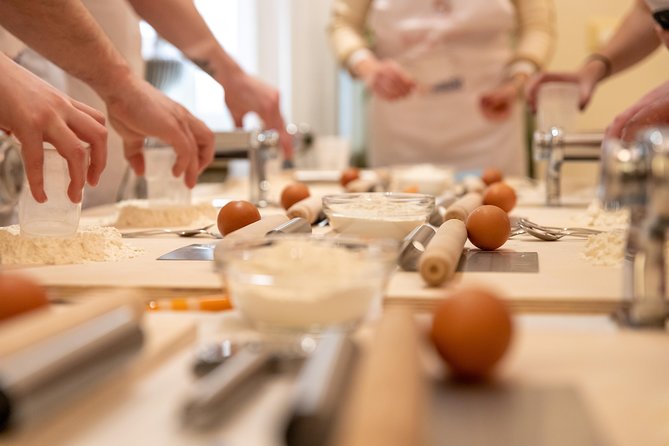
The main work is hands-on pasta making. You will use simple ingredients and traditional methods to prepare fresh dough, then shape more than one kind of pasta depending on the session.
Pici is the signature possibility. This thick, hand-rolled pasta is strongly associated with southern Tuscany, including the Montepulciano area. Making it is less about perfect uniformity than about learning the feel of the dough and the right thickness. It is a good dish for beginners because the shape is formed by hand rather than requiring a machine.
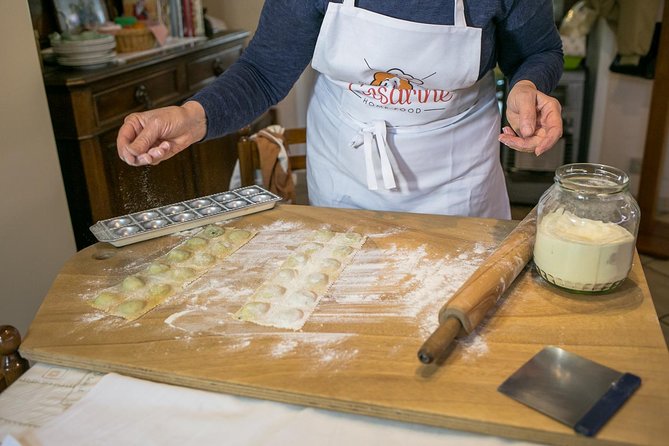
You may also prepare ravioli or another seasonal handmade pasta. Some sessions include several shapes, and one class included gnocchi, pici, and tiramisu. Another involved several pasta types and two pestos. The precise menu is not fixed enough to promise every one of these dishes, but the structure is clear: you work with fresh pasta, a Tuscan sauce, and a dessert.
This is where the host’s teaching style matters. Barbara is described as patient and clear, with a way of including everyone in the mixing, shaping, and cooking. Pietropaolo has also been praised for practical tips that helped experienced home cooks improve their technique. You do not need to arrive with pasta skills, but if you already cook, you may still learn useful details.
Expect flour on the work surface and a little repetition. Each person may not perform every single task at the same moment, especially in a larger group. Still, the class is designed for participation, not passive watching.
More Home Cooking Classes in Italy:
- Pastamama, Home Cooking Classes at Grace’s Home
★ 5.0 · 521 reviews - Small Group Pasta and Tiramisu Class at Local’s Home in Venice
★ 4.5 · 236 reviews - Catania: Pistachio Ravioli, Pasta Home Cooking Class w/ Wine
★ 4.7 · 204 reviews - Cesarine: Small group Pasta and Tiramisu class in Varenna
★ 5.0 · 195 reviews
Learning a dessert you can repeat at home
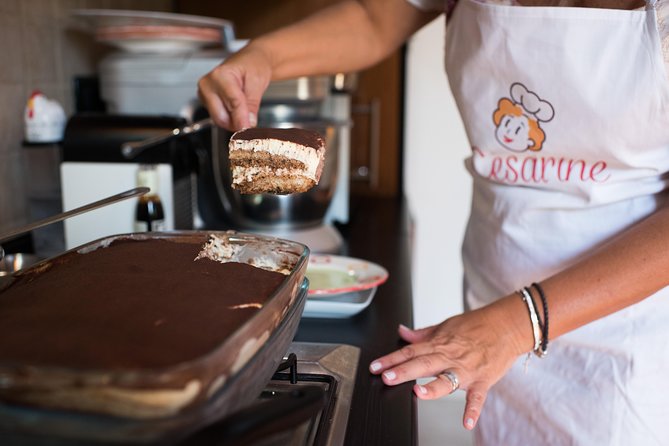
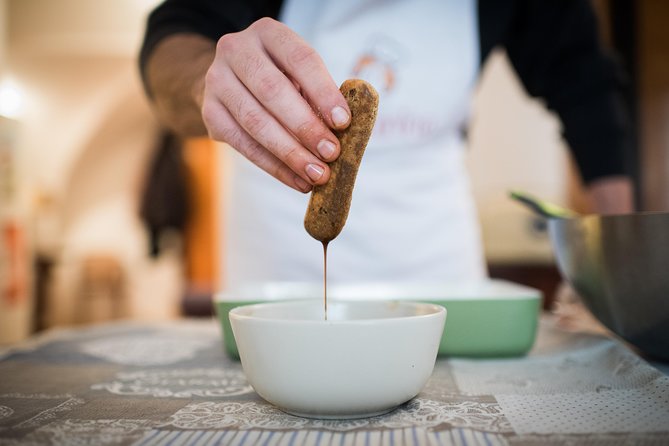
Tiramisu is the usual dessert lesson, though a traditional Tuscan dessert may replace it. The recipe is approachable, which makes it a sensible choice for a short class. You can learn the order of the steps, the texture to aim for, and the small preparation habits that affect the final result.
Several hosts have provided recipes for use at home. That is an important part of the value. A cooking class is much more useful when you can repeat the dish after your holiday, and tiramisu is far easier to recreate in an ordinary home kitchen than many restaurant dishes.
The dessert also gives the class a different pace. Pasta requires active work and coordination. Tiramisu is more about careful assembly and timing, so you get a change of rhythm before sitting down to eat.
The menu is not rigid. If the host is working with seasonal ingredients or has a family specialty, you might prepare something other than tiramisu. Ask what dessert is planned when you arrive if this matters to you.
Sitting down to the meal you made
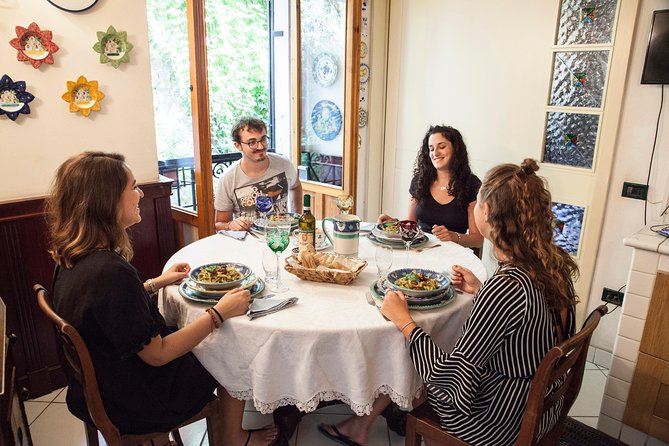
After the preparation, you eat together. The sample menu includes bruschette, pici with a traditional Tuscan sauce, ravioli or another seasonal pasta, and tiramisu. Local wine is served with the meal, and some sessions also include coffee or limoncello.
This final table is more than a reward for finishing the cooking. It lets you taste the difference between handling a dish yourself and ordering it in a restaurant. You can see how the pasta texture turned out, compare shapes, and ask the host what to change next time.
The meal can be more generous than the basic menu suggests. One host served a five-course meal using the pasta prepared in class, along with additional food and wine. That is not something I would treat as guaranteed, but it shows why this can feel closer to a home meal than a formal lesson.
The atmosphere may be one of the strongest reasons to book. Hosts have welcomed couples, families, and small groups as if they were friends arriving for dinner. Some sessions have included conversation about Tuscan wine, local food sources, and Italian life. If you want a quick, tightly timed lesson with no social time, this could feel too relaxed.
The hosts shape the experience
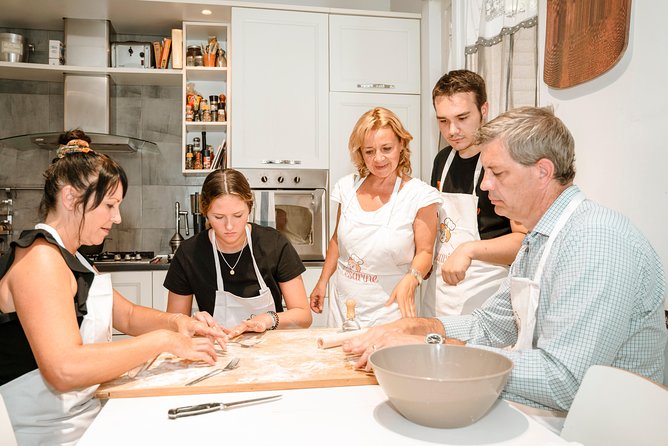
Cesarine is a network-style experience, so the person leading your class can vary. Barbara is the name most closely associated with the Montepulciano sessions in the available material. She has hosted people in her own kitchen, helped beginners feel comfortable, and shared techniques drawn from family cooking.
Other hosts bring a different flavor. Lucrezia and Alberto have taught pasta and tiramisu together, and Pietropaolo has combined pasta instruction with conversation and limoncello after the meal. One host even showed a participant how to poach eggs after being asked, despite it not being part of the planned menu.
These details matter because the class is personal. You are not buying a standardized show with identical wording at every sitting. You are meeting a cook in a home, and the pace, menu, and conversation can reflect that person.
The tradeoff is less predictability. You may not know in advance exactly which host will lead the session or precisely which pasta shapes will appear. If your priority is a particular dish, contact the provider before booking and confirm what is planned.
Is the $216.48 price fair?
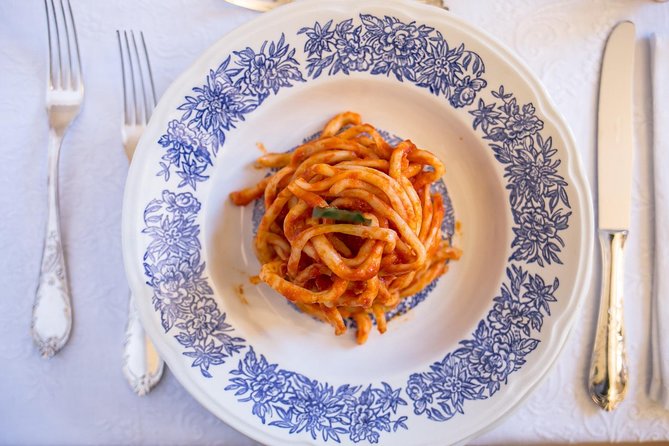
At $216.48 per person, this is not a cheap way to get lunch. You are paying for about three hours of instruction, ingredients, the meal, wine and snacks, and access to a private home. The value improves if you consider the class as both a meal and a cultural activity.
A restaurant meal in Montepulciano would not teach you to make pici or ravioli, and a standard cooking school might not offer the same household setting. Here you get the food you help prepare, the instruction, and time with a local host in one booking.
The price makes the most sense for people who will use what they learn. If you enjoy cooking, want recipes to take home, or are planning several days in Tuscany, this can be a worthwhile splurge. It is less attractive if you mainly want an inexpensive meal or have little interest in participating.
The experience is usually booked well ahead, with an average booking lead time of about 70 days. That suggests you should not wait until the last day of a short Montepulciano stay if the timing matters. Free cancellation is available up to 24 hours before the start time. Changes or cancellations inside that window are not refunded, and the minimum group requirement can affect whether a date runs.
Who should book this class?
I would recommend it to couples, families, and food-focused visitors who want a slower Tuscan activity. It suits beginners because the hosts give step-by-step help, but experienced home cooks can still pick up useful shaping and sauce tips.
It is also a good choice for anyone tired of sightseeing at a distance. You will spend part of the day doing something with your hands, then share a meal in a local home. That makes it especially useful during a longer Tuscany trip, when a change from churches, museums, and wineries is welcome.
Families should consider the group format and the three-hour length. Children who enjoy cooking may have fun shaping pasta, but the available information does not specify age rules or special child activities. Confirm those details before booking if they are important.
I would hesitate if you need a guaranteed private class, a fixed menu, or perfectly simple directions. The exact host and dishes can vary, and the meeting point needs careful handling.
Final verdict: book it if the meal matters as much as the lesson
This Montepulciano pasta and tiramisu class is a strong choice for an authentic home-cooking experience. The best features are clear: small-group instruction, hands-on pasta work, a dessert you can repeat at home, and a shared meal with Tuscan wine.
Book it if you want personal contact and do not mind a little uncertainty around the host and menu. Before setting out, confirm the meeting details, save the contact number, and call when you are close. With that precaution, the class offers a memorable way to taste Montepulciano through its kitchens, not just its streets.
FAQ
How long does the Montepulciano pasta class last?
The class lasts approximately three hours, including the cooking lesson and the meal you prepare.
What will I make during the class?
You will prepare fresh pasta and tiramisu or another traditional Tuscan dessert. The menu may include pici with a classic Tuscan sauce, ravioli, gnocchi, or other seasonal handmade pasta.
Is wine included?
Yes. The experience includes local Tuscan wines, and the sample menu also includes prosecco and small snacks. Some sessions may include coffee or limoncello.
Do I need cooking experience?
No. The host guides you through each stage, and the class is designed to work for people with limited cooking experience.
How large is the group?
The experience is described as a small group with a maximum of 12 participants, while the additional information lists a maximum of 15 travelers. The exact group size may vary by date.
Where does the activity begin and end?
It begins and ends in the Montepulciano area, listed as 53045 Montepulciano, Province of Siena, Italy. The activity ends back at the meeting point.
Can I cancel for a full refund?
You can cancel at least 24 hours before the local start time for a full refund. Cancellations or changes made less than 24 hours in advance are not refunded.
More Small Group Pasta Classes in Italy
- Milan: Pasta and Tiramisu Small Group Cooking Class with Wine
★ 5.0 · 660 reviews - Florence Small-Group Pasta Class with Seasonal Ingredients
★ 5.0 · 532 reviews - Bologna: Pasta and Tiramisu Small Group Cooking Class with Wine
★ 5.0 · 409 reviews - Palermo: Pasta and Tiramisu Small Group Cooking Class with Wine
★ 5.0 · 348 reviews
Recently added in Italy
- Verona: Tortellini Cooking Class and Lunch with Mamma Ivana★ 5.0 · 20 reviews
- Vicenza: Pasta & Tiramisu Cooking Class at a Local’s Home★ 5.0 · 5 reviews
- Verona: Pasta Cooking Class with Wine Tasting★ 5.0 · 4 reviews
- Verona: Pasta & Tiramisu Cooking Class at a Local’s Home★ 5.0 · 16 reviews
- Verona: Prosecco and Pasta Making Class at a Local’s Home★ 5.0 · 10 reviews
- Volterra: Fresh Pasta Cooking Class at a Tuscan Farmhouse★ 5.0 · 33 reviews
- Venice: Share Your Pasta Love in a Local’s Home★ 4.8 · 20 reviews
- Verona: My Granny’s secrets making gnocchi★ 5.0 · 7 reviews
Home Cooking Classes, compared.
Pastamama, Home Cooking Classes at Grace’s Home
Read our review →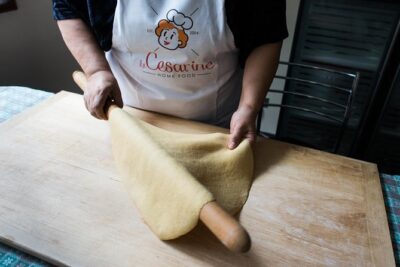
Small Group Pasta and Tiramisu Class at Local’s Home in Venice
Read our review →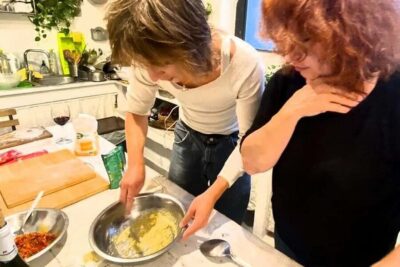
Pistachio Ravioli, Pasta Home Cooking Class w/ Wine
Read our review →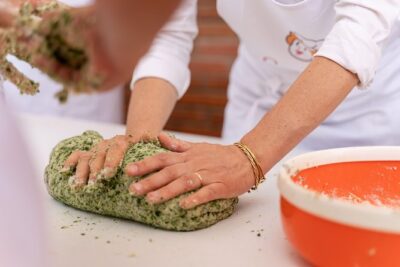
Cesarine: Small group Pasta and Tiramisu class in Varenna
Read our review →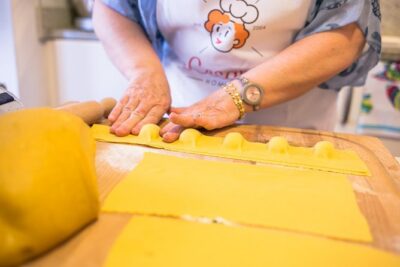
Cesarine: Small group Pasta and Tiramisu with Mamma in Lucca
Read our review →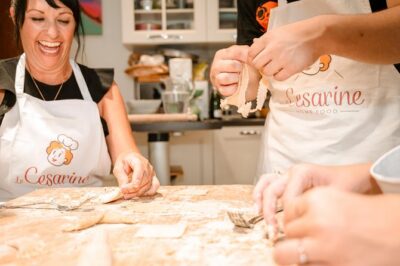
Cesarine: Small group Pasta and Tiramisu class in Bologna
Read our review →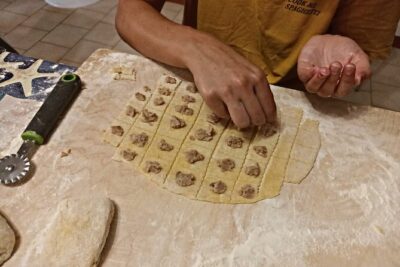
Authentic Bologna Home Cooking Class: Tagliatelle & Tortellini
Read our review →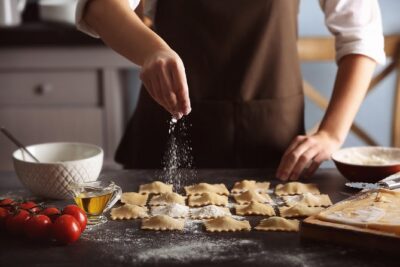
Alghero Home Cooking Pasta Class at a Farmhouse with Wine
Read our review →Browse the lists this class appears in