
REVIEW · FLORENCE PASTA CLASSES
Authentic Pasta Class in Florence
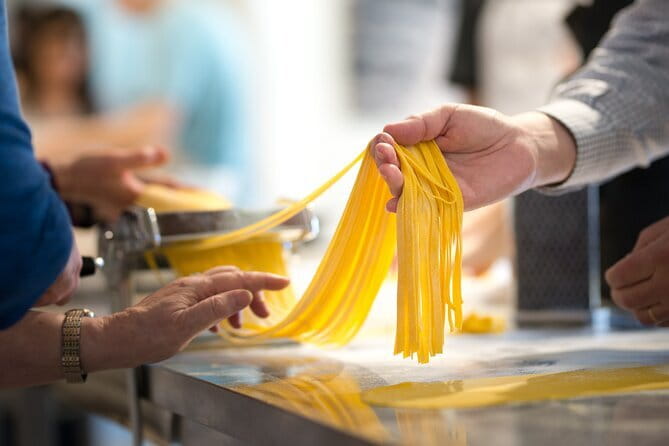
Fresh pasta is the main event here. You do not simply watch a chef roll dough across a counter. You knead, cut, fill, shape, cook, and eat several Italian dishes in a class held inside an 18th-century room. Ravioli, gnocchi, and fettuccine give you three very different pasta lessons in one evening.
I like two things right away: the practical, hands-on format and the meal at the end, served with young Tuscan wine. I also like the recipe booklet, since it turns a pleasant Florence memory into something you can actually make at home. The main consideration is the amount of food and technique packed into roughly three and a half hours. One participant found the class understaffed and rushed, so your experience may depend on the group size and the chef leading your table.
Key points at a glance
- Three pasta styles in one class: Prepare spinach and ricotta ravioli, potato gnocchi, and fettuccine.
- You do the work: This is a hands-on lesson, not a demonstration from the sidelines.
- A complete Italian meal: Make sauces, prepare panna cotta or tiramisu, then sit down to eat.
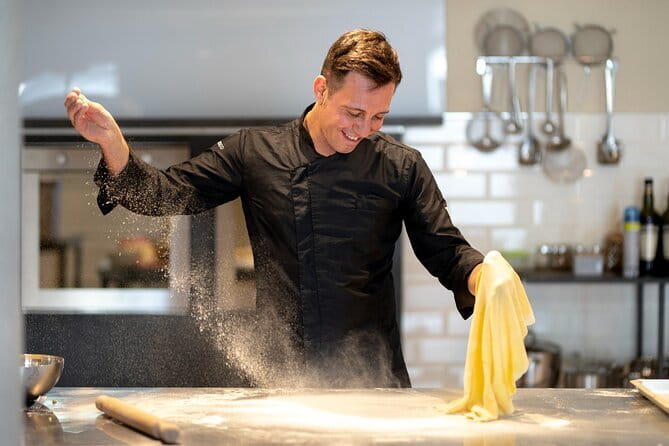
- Chefs lead the room: Francesco and Lino are named by participants as engaging instructors, though staffing can vary.
- Wine and recipes are included: Tuscan wine accompanies the meal, and a booklet goes home with you.
- A family-friendly setting: Children, including a 10-year-old, have taken part successfully.
Three kinds of pasta, one busy Florentine evening
The class begins at Chefactory Cooking Academy on Via Camillo Cavour, a short walk from Florence’s central sights and near public transportation. Check-in is required by 4:45 pm. The setting is meant to feel domestic rather than formal: an old room from the 1700s, chefs welcoming you in, and worktables where the cooking starts soon after introductions.
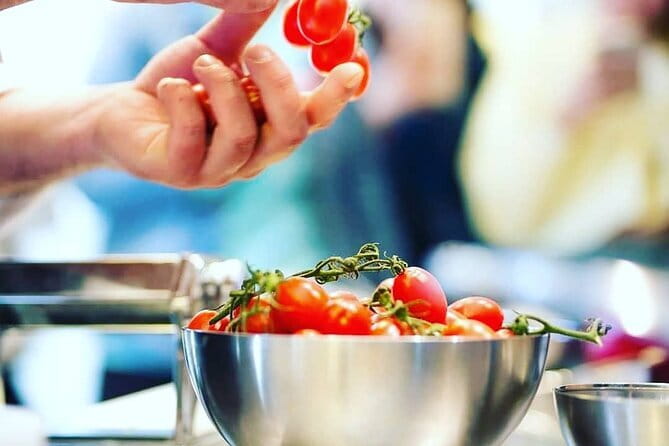
The menu covers a lot. You prepare fresh egg pasta, pasta made with water, ravioli, potato gnocchi, tagliatelle or fettuccine, three sauces, and dessert. The exact sauces can change with seasonal ingredients, but the sample menu includes meat sauce for the gnocchi, a butter and sage sauce for the ravioli, and a tomato-based sauce for the fettuccine.
That variety is the class’s biggest strength. You are not just learning one dough and repeating one shape. You compare the feel of egg dough with other pasta mixtures, learn how potato gnocchi behaves, and see how sauce changes the character of each dish.
The trade-off is pace. Three pasta dishes plus dessert require organization. The kitchen team prepares some ingredients in advance, according to one detailed account, but participants still share preparation, shaping, and cleanup. If you prefer a slow lesson devoted to one pasta shape, this may feel crowded. If you want a broad introduction to Italian pasta in a single afternoon, the busy format works in your favor.
Other Florence classes worth putting on the shortlist
- Florence: Pasta Cooking Class with Unlimited Wine
★ 4.9 · 10,285 reviews - Florence Pizza or Pasta Class with Gelato Making at a Tuscan Farm
★ 5.0 · 6,801 reviews - Florence: Pasta & Tiramisu Cooking Class with Unlimited Wine
★ 4.9 · 6,708 reviews
Ravioli teaches patience and touch
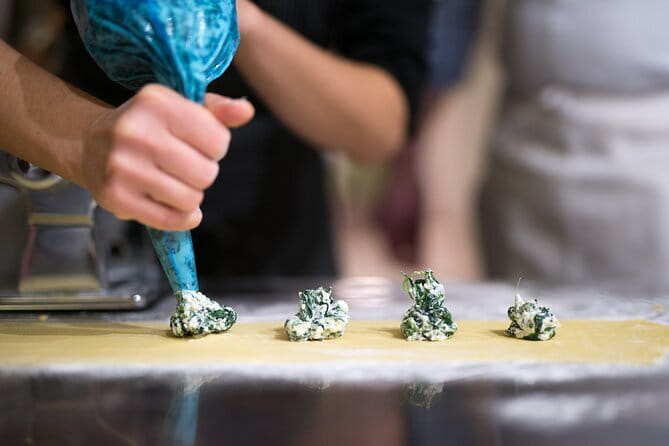
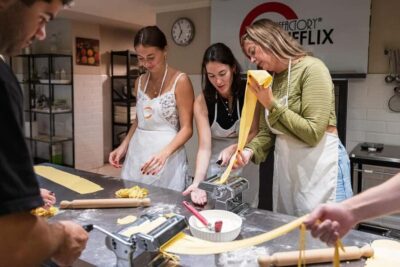
The ravioli portion centers on spinach and ricotta filling. This is the lesson where small details matter. You need the filling portioned sensibly, the dough sealed firmly, and the edges free of trapped air. The chef shows the steps, then you work with the dough yourself.
This is where the class offers more than a standard restaurant meal. A plate of ravioli tells you very little about how it was made. Handling the dough gives you useful clues: how thin it should be, how much filling is too much, and how to close the pasta without splitting it in the pot.
Butter and sage is the listed pairing for the ravioli. It is a simple sauce, which is useful for beginners because it does not hide the pasta. You taste the texture and filling clearly. It also gives the chef room to explain how a few ingredients can be enough when the pasta is fresh.
Participants have especially liked the step-by-step approach and the chance to make the pasta themselves rather than watch a selected volunteer do it. Cutting tips and dough texture are the sort of small lessons you can use again at home.
Gnocchi gives you a different kind of dough
Potato gnocchi changes the rhythm. Instead of rolling thin sheets for stuffed pasta, you work with a soft potato mixture and shape small pieces. The texture is the challenge. Too much handling can make gnocchi heavy, while a mixture that is too loose is difficult to shape.
The class pairs gnocchi with meat sauce or a bolognese-style sauce. That gives the meal a hearty course and shows how the same general idea of fresh pasta can produce a completely different result. You learn not only a recipe, but also how shape and sauce work together.
This part should appeal to families. One child in the class was 10 years old, and children have been described as enjoying the hands-on work. The activity involves flour, dough, cutting, and shared preparation, so it has a playful side without being reduced to a children’s craft session.
I would still keep the age and attention span of your group in mind. The class lasts about three and a half hours, and the full menu means some waiting while pasta cooks or stations are reset. Younger children may enjoy the making more than the explanations.
Fettuccine shows the simplest route to fresh pasta
The fettuccine lesson is likely the most useful one for a first attempt at home. You roll or cut pasta into ribbons, then pair it with a seasonal sauce. The sample menu uses a tomato sauce, while another described version used fettuccine with ragu.
Broad ribbons are forgiving compared with delicate filled pasta. You can see whether the dough is too thick, and you do not need to master a complicated filling or fold. The class also gives you a basic feel for cutting fresh pasta by hand.
The menu description uses both tagliatelle and fettuccine language. These are close relatives, and the exact name may depend on the day’s recipe or the chef’s terminology. If you are seeking a narrowly focused lesson on one regional pasta tradition, ask for clarification when booking. If your goal is to learn a practical fresh-pasta method, the difference is unlikely to matter much.
Same town, a different thing to roll out:
- Florence: Pasta Cooking Class with Unlimited Wine
★ 5.0 · 6,413 reviews - Pastamania – Florence Pasta Making Class
★ 5.0 · 3,050 reviews - Florence: Cooking Class Pasta & Tiramisu Making Unlimited Wine
★ 5.0 · 2,234 reviews - Florence: Pizza or Pasta Class with Gelato at a Tuscan Farm
★ 4.9 · 1,181 reviews
Dessert starts the meal’s final act
Dessert is part of the cooking, not an afterthought. The menu lists panna cotta or tiramisu, and the detailed class descriptions specifically mention panna cotta with chocolate sauce. In at least one session, the dessert was prepared early so it could set while the group worked on the pasta.
That is smart kitchen planning. You get a lesson in timing as well as recipes. A dessert that needs chilling or setting must be started before the main meal, and the class uses that pause to keep the evening moving.
Vegetarian options are included, and sauces can be adjusted for vegetarian participants. One important detail: a participant noted that the dessert was not vegetarian because it contained gelatin. If you avoid animal products or gelatin, ask about the dessert before class. The available information supports vegetarian pasta options, but it does not promise that every course is vegetarian.
The cooking ends at a shared table
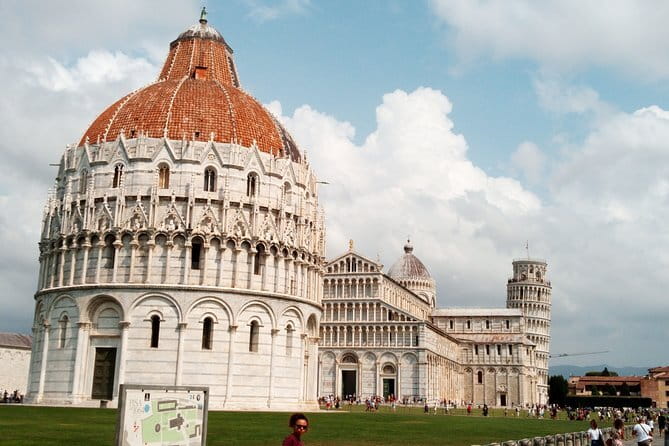
After the pasta is made, the chefs cook it and serve the courses. You sit down with the rest of the group, drink young Tuscan wine, and eat what you prepared. The meal is not a separate restaurant stop. It is the payoff for the work at the tables.
This shared meal is one of the strongest parts of the format. Cooking classes can feel fragmented when everyone leaves after the final demonstration. Here, the group has a natural reason to stay together. You have handled the same dough, compared shapes, and helped prepare the sauces. The table becomes an easy place to exchange travel stories and cooking ideas.
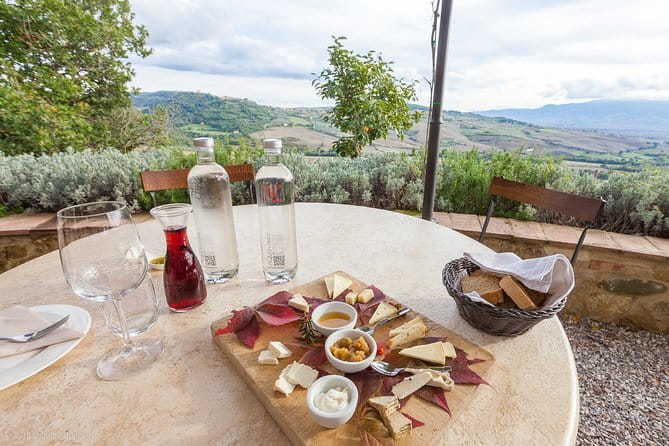
Wine is included, with Chianti mentioned in one account and prosecco also appearing in another. The description promises good young Tuscan wine, but it does not define a fixed label or quantity. If you do not drink alcohol, the supplied information does not specify a nonalcoholic substitute, so ask ahead.
The meal can also be substantial. You are making several pasta dishes plus dessert, not sampling one small portion. That makes the $69.93 price easier to assess. You receive instruction, ingredients, a full meal, wine, and recipes, with no additional expenses stated. It is not the cheapest way to eat pasta in Florence, but it offers more value if you care about learning the process.
Francesco and Lino bring different teaching styles
Francesco is named repeatedly as a warm, entertaining chef who shares cooking tips and helps participants feel at ease. His classes have included ravioli, fettuccine, gnocchi, ragu, butter and sage sauce, and tomato sauce. He is also described as speaking several languages, though the scheduled class is offered in English.
Lino is also mentioned as an easy-to-follow instructor who explains the work clearly. The academy may use different chefs or assistants depending on the date, so you should not assume that Francesco or Lino will lead every session. The official language is English, with Italian available. German and Spanish may be possible when a chef able to teach those languages is scheduled.
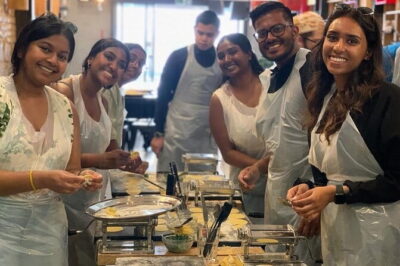
The teaching style seems to favor demonstration followed by group work. The chef explains a step, then participants prepare it at their own tables. In larger sessions, tables have held about five or six people, with a chef working across two tables and another staff member helping with dishes and cleanup.
That arrangement can work well, but it also explains the one notable criticism. A group of around two dozen was larger than the stated maximum of 15, while the current tour information lists a maximum of 15 participants. Staffing and group size matter in a practical class. More people can mean more social energy, but it can also mean less individual attention.
The 18th-century room adds atmosphere, not just decoration
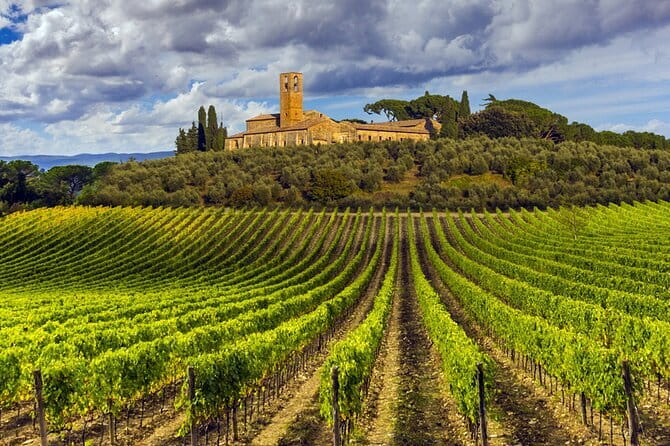
The class takes place in an academy room dating to the 1700s. That detail gives the lesson a sense of place without turning it into a history lecture. You are cooking in Florence, in an old setting, with food traditions that are meant to be repeated at home.
The facilities have been described as clean, with stations wiped down between steps. Air conditioning has also been noted as helpful during very hot weather. That matters in a flour-heavy class where you may spend hours standing, shaping dough, and waiting for courses to cook.
The academy is on Via Camillo Cavour at numbers 178, 180, and 182 Rosso. Florence’s red street numbers can be confusing, so allow time to find the correct entrance. The activity returns to the same meeting point, and the location is near public transportation.
Who gets the most from this class
I would choose this for a first pasta class, a family activity, or an evening when you want to meet other people without booking a formal group tour. It suits curious beginners because the recipes are presented as manageable, and the booklet gives you a chance to repeat them later.
It also works for experienced home cooks who want to compare techniques. You may not learn every secret of Italian pasta in one session, but you will handle several doughs, see three sauce pairings, and pick up practical cutting and texture tips.
The class is less suitable for someone seeking quiet, individual instruction. The menu is broad, the work is shared, and the experience depends partly on the group and staffing on your date. It is also not a good fit if you need every course to be vegetarian, vegan, or free of gelatin, since only vegetarian pasta adjustments are clearly provided.
Booking, timing, and cancellation details
The price is $69.93 per person, and the activity is commonly booked about 33 days ahead. That advance demand suggests that you should reserve early for a particular Florence evening, especially during a busy visit.
Your confirmation arrives at booking, and the mobile ticket makes arrival simple. The class is offered in English, with Italian available. Check in no later than 4:45 pm, then allow about three and a half hours for the welcome, cooking, meal, and recipe handout.
The maximum listed group size is 15. The experience requires a minimum number of participants, so a cancellation for insufficient enrollment can result in a different date, another experience, or a full refund.
You can cancel for a full refund up to 24 hours before the local start time. Changes or cancellations inside that 24-hour window are not accepted for a refund.
Should you book it?
Book this class if you want to make a complete Italian meal, not just watch a chef demonstrate pasta. The combination of ravioli, gnocchi, fettuccine, sauces, dessert, wine, and a recipe booklet is strong value at $69.93, particularly for families and first-time pasta makers.
Go in expecting a busy, social workshop rather than a private lesson. Ask about the chef, group size, language support, and dessert ingredients if those details matter to you. For most visitors who want an active Florence evening and skills they can use after Italy, this is a sound choice.
FAQ
Where does the pasta class begin?
It begins at Chefactory Cooking Academy Florence, Via Camillo Cavour, 178/180/182 Rosso, 50129 Firenze FI, Italy.
Where does the activity end?
The activity ends back at the same meeting point.
How long does the class last?
The class lasts approximately 3 hours and 30 minutes.
What time must I check in?
You must check in no later than 4:45 pm.
What pasta dishes are included?
The class includes spinach and ricotta ravioli, potato gnocchi, and fettuccine or tagliatelle, with sauces that may vary according to seasonal products.
Is dessert included?
Yes. Dessert is included, with panna cotta or tiramisu listed on the menu.
Is wine included?
Yes. The class includes young Tuscan wine served with the meal.
Is the class vegetarian-friendly?
Vegetarian pasta options are included, and sauces may be changed for vegetarian participants. The available information notes that a dessert may contain gelatin, so ask about dessert ingredients if needed.
What is the cancellation policy?
You can cancel at least 24 hours before the local start time for a full refund. Cancellations or changes made less than 24 hours before the start are not refunded or accepted.
Recently added in Florence
- Hands on Deluxe Traditional 4-course dinner with fresh pasta★ 5.0 · 15 reviews
- Vegan Cooking Class in Florence: Pasta Making & Wine!★ 5.0 · 2 reviews
- Tuscan Pasta Masterclass Small-Group Cooking Experience★ 5.0 · 17 reviews
- MaMa Florence: The Art of Corzetti – Hands-On Pasta Class★ 5.0 · 15 reviews
- The Art of Pasta and Wine Tasting with Local Sommelier★ 5.0 · 16 reviews
- Cooking class and home made pasta in Florence with LA VIVANDIERA!★ 5.0 · 5 reviews
- Gluten free pasta and dessert class 6 guests max★ 5.0 · 2 reviews
- Share Your Pasta Love in a Local’s Home in Florence★ 4.5 · 16 reviews
Florence Pasta Classes, compared.
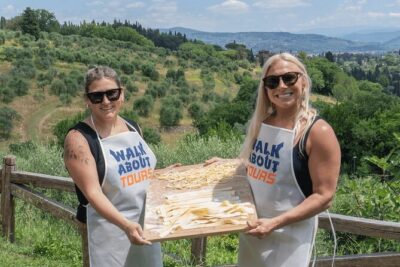
Florence Pizza or Pasta Class with Gelato Making at a Tuscan Farm
Read our review →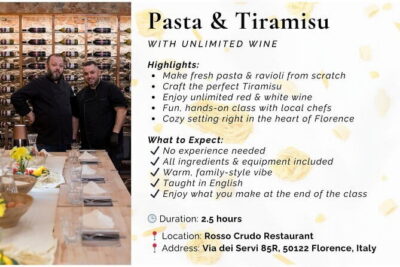
Pasta & Tiramisu Cooking Class with Unlimited Wine
Read our review →
Cooking Class Pasta & Tiramisu Making Unlimited Wine
Read our review →
Pizza or Pasta Class with Gelato at a Tuscan Farm
Read our review →
Handmade Pasta & Dessert Class with Unlimited Wine
Read our review →Browse the lists this class appears in