REVIEW · TIRAMISU CLASSES
Alberobello: Pasta and Tiramisu Class at a Local’s Home
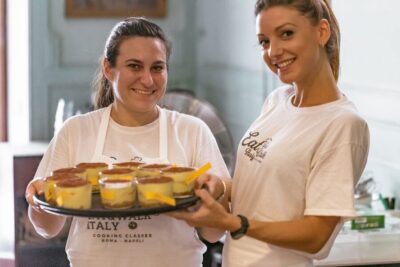
The best part of this Alberobello experience is that you do not simply eat Apulian food, you make it by hand in a local home. A Cesarina host guides you through fresh sfoglia, two pasta shapes, and tiramisu, then sits down with you to enjoy the results over wine and coffee.
I like the warm, personal setting and the chance to learn a skill you can repeat at home. I also like that the class begins with prosecco and nibbles, giving you time to settle in before the work starts. The main thing to watch is the location: your host may be in Locorotondo, about a 10-minute taxi ride from Alberobello, and the address arrives only after booking.
Key points to know before booking
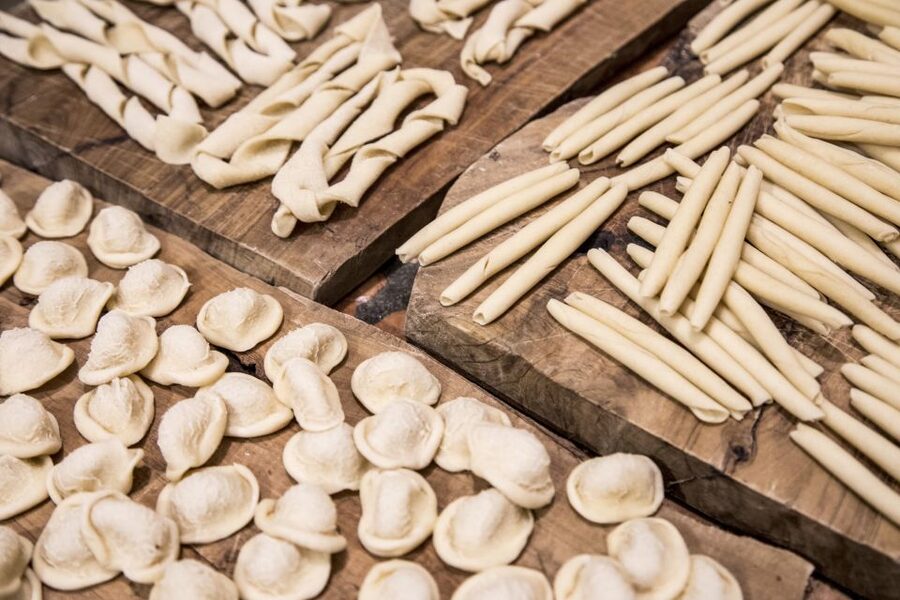
- Three hands-on hours: You roll fresh sfoglia, prepare two pasta types, and make tiramisu from scratch.
- A real home setting: The class takes place in a Cesarina host’s private home, not a formal cooking school.
- Hosts vary: You may cook with Maria, Giovannella, Domenica, Anna, or another local Cesarina.
- Aperitivo comes first: Prosecco and nibbles give the class a relaxed Italian opening.
- Food and drink are included: You taste both pasta dishes and tiramisu with water, wine, and coffee.
- Location needs planning: The home may be in Alberobello or Locorotondo, and wheelchair access is not suitable.
Why this class fits Alberobello so well
Alberobello is famous for its trulli, but the town is more than its conical roofs and postcard lanes. Food gives you a way to meet Apulia as a lived-in place, not just a pretty stop on a sightseeing route.
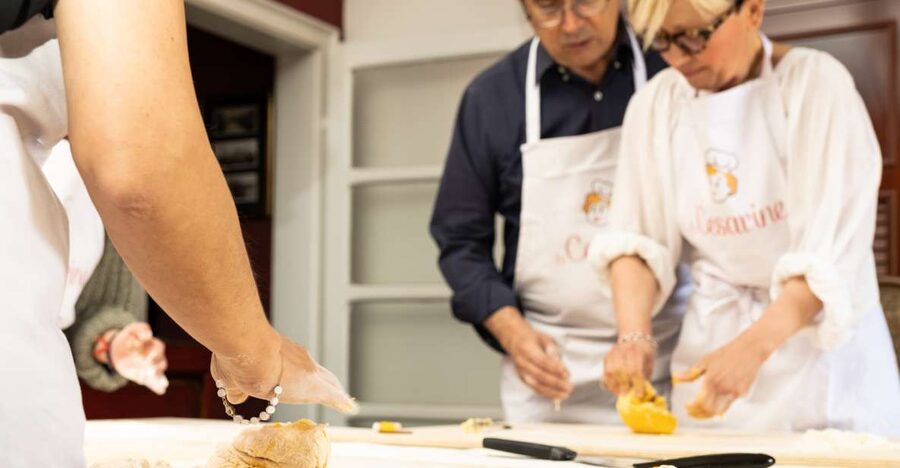
This class takes you into that everyday side of the region. Instead of watching a chef work at a distance, you use your hands, ask questions, and share a meal in someone’s home. I like this format because the cooking becomes a social occasion rather than a demonstration with a plate at the end.
The experience is run through Cesarine, an Italian network of home cooks. Your host opens a private home to you and guides the session in Italian or English. The exact personality of the class depends on the Cesarina you are matched with, but the purpose stays the same: fresh pasta, tiramisu, conversation, and a meal prepared together.
You should expect a friendly, informal setting rather than a polished restaurant kitchen. That is part of the appeal. It also means each class can feel a little different, so go in ready for a personal experience rather than a tightly scripted show.
More Tiramisu Classes in Italy:
- 3 in 1 Cooking Class near Navona: Fettuccine, Ravioli & Tiramisu
★ 5.0 · 7,376 reviews - Florence: Pasta & Tiramisu Cooking Class with Unlimited Wine
★ 4.9 · 6,708 reviews - Rome: Pasta & Tiramisu Class with Fine Wine by the Vatican
★ 4.9 · 4,852 reviews
Starting with prosecco and Apulian hospitality
The class begins with an Italian aperitivo, usually prosecco and small nibbles. This is not just a snack before the serious part. It gives you a chance to meet your host, get comfortable in the house, and ease into the rhythm of the afternoon or evening.
I consider this a strong touch, especially if you are cooking with other people you have just met. A glass of prosecco makes the first few minutes less formal, while the nibbles keep you from trying to make pasta on an empty stomach.
The amount of food can be generous. One host, Domenica, is especially noted for using ingredients that were local to the area, with much of the produce grown by her family. That detail captures what you can hope for here: food connected to the household, not ingredients chosen only for presentation.
The aperitivo also helps explain why the $152.93 price is not simply the cost of a lesson. You are paying for instruction, a meal, drinks, local hosting, and several hours of access to a private home. For someone who wants more than a quick cooking demonstration, that combination gives the price reasonable weight.
Rolling sfoglia by hand
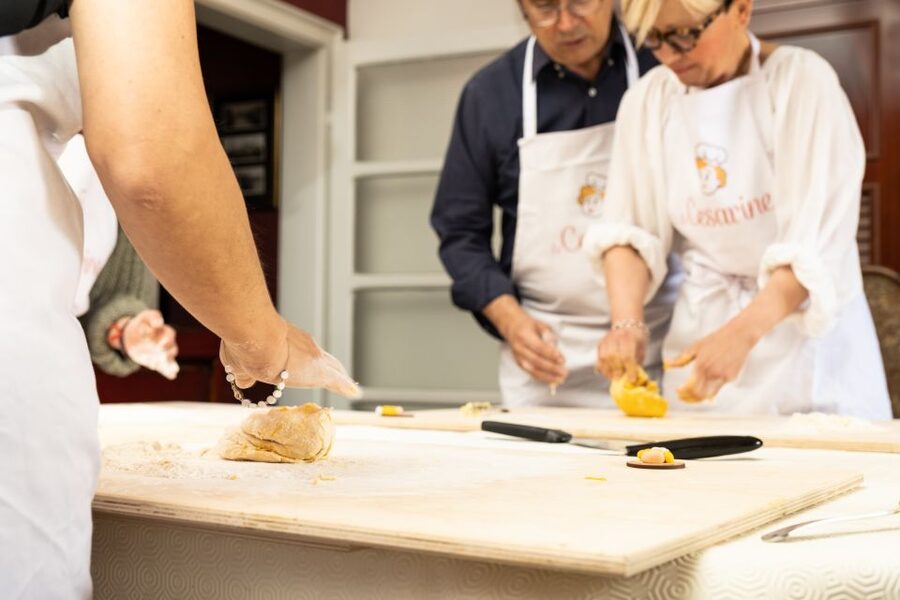
The central lesson is making sfoglia, the sheet of fresh pasta rolled by hand. This is the point where the class becomes properly hands-on. You are not just stirring a sauce or shaping a single piece of dough. You learn how the pasta sheet is worked from its basic ingredients into something ready to cut and cook.
Your Cesarina guides your technique and helps you understand the feel of the dough. The process rewards patience. It is also the sort of kitchen skill that makes sense once you have seen it done slowly by someone who prepares pasta regularly.
The hosts named in the available material bring different strengths to the table. Maria and Giovannella have led classes in their home, with Maria focusing on pasta and Giovannella sharing the steps behind tiramisu. Anna is described as a very good cook who helped her class learn a great deal. If language is a concern, one Maria used Google Translate during class, showing that communication can still work when spoken English is limited.
The English and Italian language setup is worth noting. The activity is offered in both languages, but your host’s comfort with English may vary. You should be willing to use gestures, demonstrations, and perhaps a translation app if needed. For many people, that makes the session feel more like cooking with a local family than attending a formal English-language course.
Two pasta types, not just one
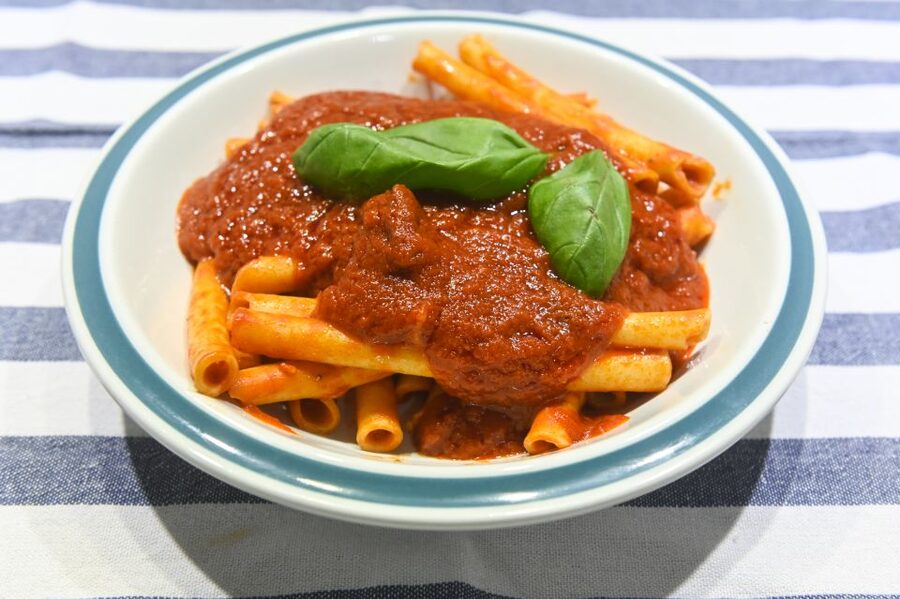
You make two iconic pasta types during the class. The exact varieties are not specified in advance, so you should not book this expecting one particular shape or recipe unless the host confirms it afterward.
That flexibility is useful. Apulian cooking has many forms, and the class can focus on simple pasta methods rather than rush through a long menu. You get to compare two preparations and see how different shapes or techniques affect the final dish.
The practical payoff is strong. Once you understand the basic dough and shaping process, you can adapt it at home with the tools you already have. You may not leave with a printed restaurant menu, but you do leave with a better sense of how fresh pasta should look and feel.
The recipes are cooked and tasted during the experience. That matters because the class does not end with a pile of uncooked pasta. You sit down and eat the two dishes you helped prepare, with beverages included. It turns the lesson into a shared lunch or dinner rather than a craft project.
Families can find this part especially appealing. One host was praised for being patient with two young children and for making the cooking feel special for the whole family. Still, keep in mind that the experience is not specifically described as a children’s class. Very young children may need close help around work surfaces and cooking equipment.
Other Italy classes worth putting on the shortlist
- Florence: Pasta Cooking Class with Unlimited Wine
★ 4.9 · 10,285 reviews - Florence Pizza or Pasta Class with Gelato Making at a Tuscan Farm
★ 5.0 · 6,801 reviews - Florence: Pasta Cooking Class with Unlimited Wine
★ 5.0 · 6,413 reviews - Rome: Pasta Making Class with Wine, Limoncello, and Dessert
★ 4.9 · 3,177 reviews
Tiramisu for the final sweet course
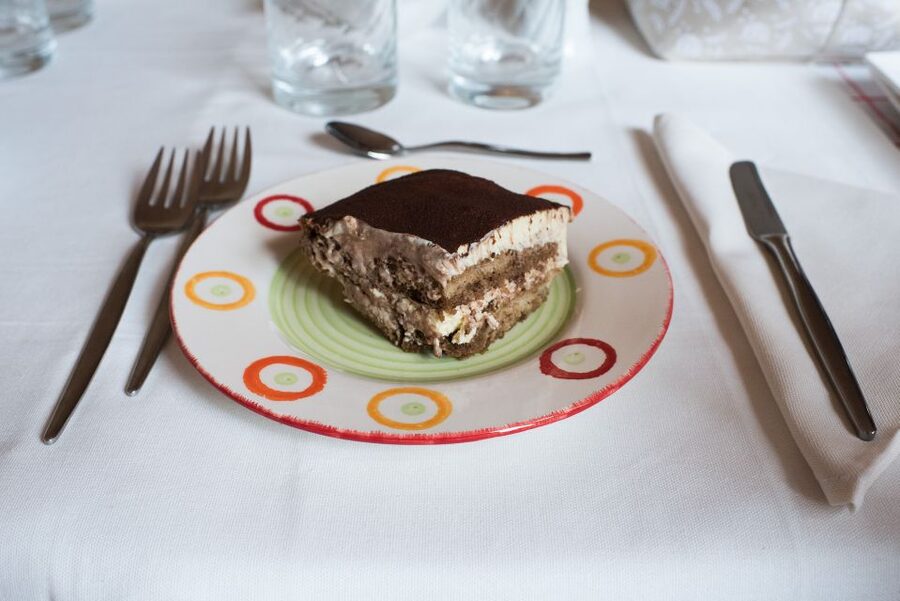
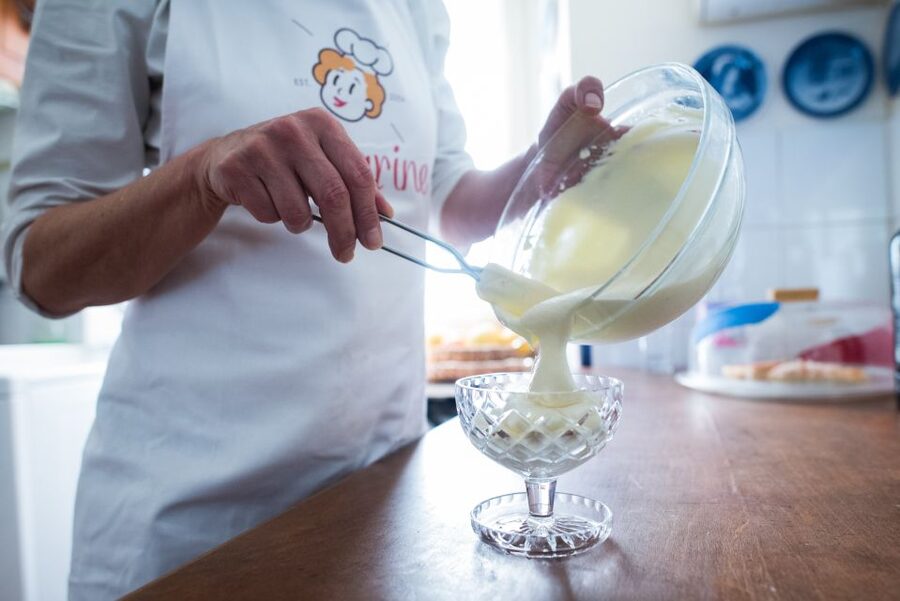
After the pasta, you make tiramisu. It is a familiar Italian dessert, but preparing it yourself gives you a better sense of how the creamy layers come together.
Giovannella has taught this section and shared advice about getting the dessert’s texture right, as well as background about its origins. The precise recipe can vary from home to home, but the main value is learning the method directly from someone who makes the dessert as part of Italian home cooking.
This is also a smart order for the class. You prepare the dessert before sitting down to eat, then finish with the tiramisu after the pasta. One participant liked the recipe enough to make it again immediately after returning home. That is a good sign for anyone who wants practical instruction instead of a one-time holiday activity.
I would not expect a professional pastry course. The appeal is simpler: you learn a classic dessert in an ordinary home and then eat it with the people who helped you make it.
Eating together in a private home
The tasting is the heart of the experience. You eat both pasta recipes and the tiramisu, with water, wine, and coffee provided. The meal is designed to be social, so plan to spend time talking rather than rushing back to Alberobello’s sights.
The setting can make a big difference. Maria and Giovannella have hosted in their charming home, while Domenica has shared a home kitchen connected to family-grown ingredients. Another class was led by a couple described as passionate about food and easy to enjoy.
You may find the host offers extra appetisers beyond the listed aperitivo. One account described an abundant spread that seemed to keep coming, along with local wine. I would treat that as a welcome possibility, not a guaranteed part of every session, since Cesarina hosts and menus vary.
This is the right experience if you want contact with local people and do not mind an evening that feels less predictable than a restaurant reservation. You will not be seated at a public venue with a fixed service pattern. You are being welcomed into someone’s home, and the mood depends partly on the host and the mix of people in the group.
Alberobello or Locorotondo?
The location is important. The full address is withheld until after booking for the host’s privacy, and your home may be in Alberobello or in Locorotondo, about a 10-minute taxi ride away.
That distance is short, but it still affects your schedule and budget. If you are staying in Alberobello, do not assume you can simply walk to the class. Wait for the address, check the route, and allow time for a taxi if Locorotondo is assigned.
The return point is the host’s home, so you finish where you started. You should also tell the operator where you are staying and how you plan to travel to the host’s home. This information helps match you with a suitable local cook and allows the team to send the correct contact details.
The private address is a reasonable privacy measure, but it means you cannot judge the setting before booking. If the exact location matters to you, contact Cesarine after receiving the address and confirm your transport plan.
What the price includes
At $152.93 per person, this is not a budget meal or a quick market-style lesson. The price covers three hours of instruction, two pasta recipes, tiramisu, the aperitivo, water, wine, coffee, local taxes, and the meal you prepare.
I think the value depends on how you use the experience. If you mainly want to eat fresh pasta, a restaurant will cost less. If you want a private-home setting, personal instruction, drinks, and a meal built around your own work, the package makes more sense.
The time also helps. Three hours gives you room to begin with the aperitivo, learn the pasta, prepare dessert, cook, and sit down together. A shorter class might be cheaper, but it would likely feel more rushed.
Families should calculate the total cost carefully, especially with several people booking. Couples and small groups who care about food and personal contact may find the price easier to justify. The class is also a good choice for a special evening when you want the meal itself to be the main event.
Who should book this experience?
I would choose this class if you want to:
- Learn a pasta technique you can repeat at home
- Eat in a local’s private home
- Meet an Italian host rather than attend a standard restaurant activity
- Build a meal from start to finish
- Include wine, coffee, prosecco, and dessert in the same experience
- Give children a patient, hands-on introduction to Italian cooking
It is less suitable if you need a precise menu, a guaranteed host, or a central meeting point. The two pasta types are not named in advance, and the host may be in Locorotondo. The class is also not suitable for wheelchair users.
Food allergies and intolerances should be shared when booking, or sent by email with your booking reference and name. You should also provide your neighborhood and planned transport method. Those details help the operator match you with the right home cook.
Free cancellation is available up to 24 hours before the start for a full refund, and you can reserve now and pay later. That gives you some breathing room while you sort out your Apulia schedule.
My verdict on this Alberobello cooking class
I would book this if your idea of a good evening includes learning, eating, and talking in a real home. The combination of hand-rolled sfoglia, two pasta preparations, tiramisu, and an aperitivo gives you a full food experience rather than a single recipe lesson.
The strongest reason to go is the human side. Hosts such as Maria, Giovannella, Domenica, and Anna have made the class personal, patient, and closely tied to home cooking. The biggest caution is logistics: you will not know the address until booking, and you may need a taxi to Locorotondo.
For a quick, inexpensive meal, choose a restaurant. For a memorable way to connect Alberobello with Apulian cooking, this class earns its place on your schedule.
FAQ
How long does the pasta and tiramisu class last?
The experience lasts three hours. You can check available starting times when selecting a date.
Where does the class take place?
The class takes place in a Cesarina host’s home. The home may be in Alberobello or in Locorotondo, which is about a 10-minute taxi ride from Alberobello.
When will I receive the full address?
The full address and host contact details are sent after booking because the class takes place in a private home.
What food will I learn to prepare?
You learn to roll sfoglia by hand, prepare two different iconic pasta types, and make tiramisu.
Are food and drinks included?
Yes. The experience includes an Italian aperitivo with prosecco and nibbles, water, wine, coffee, and tasting of the two pasta recipes and tiramisu.
What languages are available?
The activity is offered in Italian and English. Host communication may vary, and translation tools may sometimes be useful.
Can I cancel the booking?
Yes. You can cancel up to 24 hours in advance for a full refund. You can also reserve now and pay later.
Recently added in Italy
- Verona: Tortellini Cooking Class and Lunch with Mamma Ivana★ 5.0 · 20 reviews
- Vicenza: Pasta & Tiramisu Cooking Class at a Local’s Home★ 5.0 · 5 reviews
- Verona: Prosecco and Pasta Making Class at a Local’s Home★ 5.0 · 10 reviews
- Volterra: Fresh Pasta Cooking Class at a Tuscan Farmhouse★ 5.0 · 33 reviews
- Verona: Pasta Cooking Class with Wine Tasting★ 5.0 · 4 reviews
- Verona: Pasta & Tiramisu Cooking Class at a Local’s Home★ 5.0 · 16 reviews
- Venice: Share Your Pasta Love in a Local’s Home★ 4.8 · 20 reviews
- Verona: My Granny’s secrets making gnocchi★ 5.0 · 7 reviews
Tiramisu Classes, compared.
3 in 1 Cooking Class near Navona: Fettuccine, Ravioli & Tiramisu
Read our review →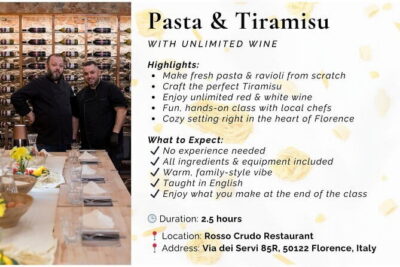
Pasta & Tiramisu Cooking Class with Unlimited Wine
Read our review →
Pasta & Tiramisu Class with Fine Wine by the Vatican
Read our review →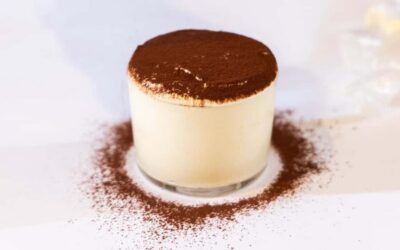
3-in-1 Fettuccine, Ravioli, and Tiramisu Cooking Class
Read our review →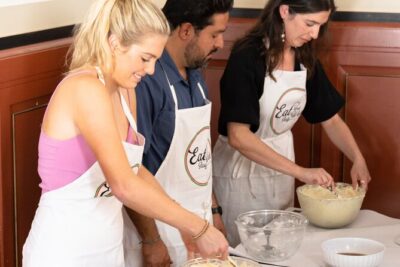
Learn to Make Pasta & Tiramisu with Wine and Limoncello Included
Read our review →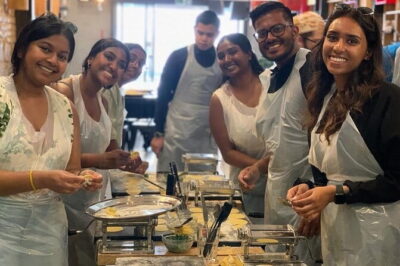
Cooking Class Pasta & Tiramisu Making Unlimited Wine
Read our review →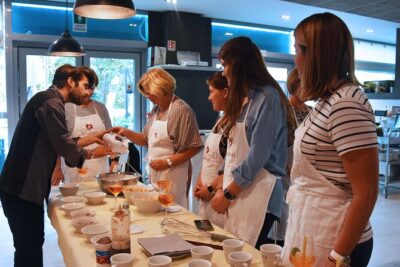
Become a Masterchef in Rome: Pasta, Ravioli and Tiramisù Class
Read our review →