
REVIEW · CHEF-LED PASTA CLASSES
Handmade Pasta Cooking Class with Italian Chef in Montenegro
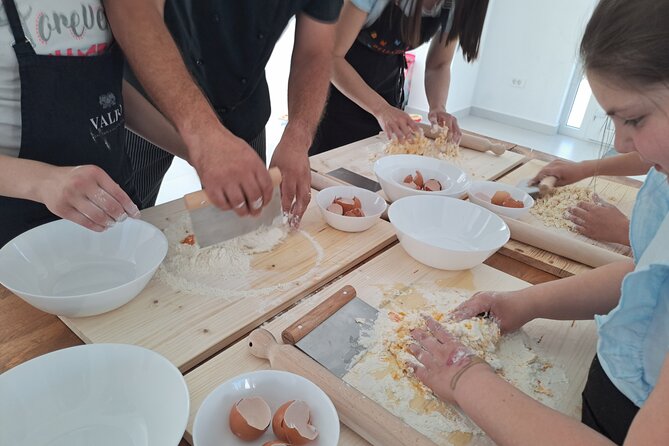
The best part of this Kotor experience is simple: you do not just sit down to eat pasta. You mix, roll, fill, and cut the dough yourself, then taste the finished dish at the same table. Chef Giuseppe leads the cooking, while Monika helps create the warm, relaxed setting in their villa in Đuraševići.
I like two things here in particular. First, you get a real choice between morning ravioli with spinach and ricotta and afternoon tagliatelle with ragù. Second, the class ends with your own pasta, a glass of local Montenegrin wine, and a printed recipe you can use at home.
The main consideration is the meeting point. The class is in Đuraševići, outside Kotor’s old town, and the information provided does not include transport to the villa. Plan your route carefully, especially if you are staying in central Kotor and have a tight schedule.
Key points at a glance
- Two pasta menus: Choose morning ravioli filled with spinach and ricotta, or afternoon tagliatelle with ragù, also called Bolognese sauce.
- Hands-on cooking: You prepare the sauce, mix and roll the dough, cut the pasta, and ready it for cooking.
- Personal hosts: Chef Giuseppe teaches the pasta-making, with Monika helping welcome and guide the group.
- A private three-hour class: Only your own group takes part, making this more personal than a large cooking demonstration.
- A meal at the finish: Eat the pasta you made with a glass of local Montenegrin wine.
- A useful souvenir: You receive a printed recipe, so the class continues in your own kitchen.
Why this pasta class feels more personal
Many cooking classes are really demonstrations with a little stirring added. This one is built around making the dish by hand. You work through the main steps yourself, from the sauce to the dough, with Chef Giuseppe showing you how the process fits together.
That matters because handmade pasta is less about a single trick than about sequence and feel. You see how the dough comes together, how it is rolled, and how it is cut or filled. The class gives you a chance to ask questions as you work rather than trying to remember a fast demonstration later.
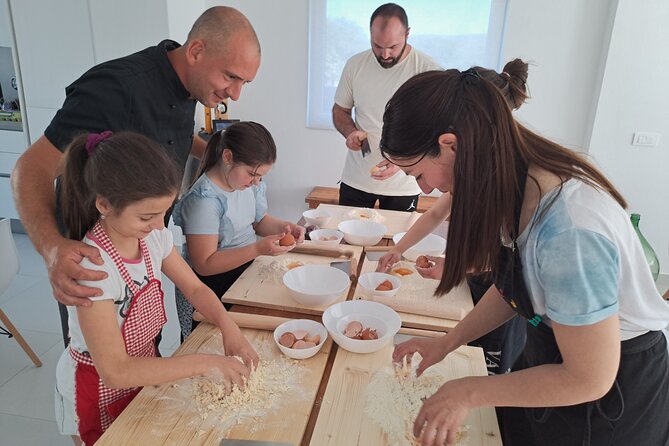
The private format also changes the mood. Only your group participates, so the pace can feel more natural and the conversation can be more direct. You are not cooking beside a large crowd or waiting for several tables to catch up. The experience is still structured, but it has the feel of being welcomed into a home kitchen.
The hosts receive especially strong praise for being kind, friendly, and patient. That is useful information for anyone who feels unsure around cooking. You do not need to arrive with pasta-making skills. The point is to learn the method under guidance, including safe food cutting procedures.
More Fresh Pasta Workshops in the world:
- Rome: Pasta Making Class with Wine, Limoncello, and Dessert
★ 4.9 · 3,177 reviews - Pastamania – Florence Pasta Making Class
★ 5.0 · 3,050 reviews - Enjoy Spritz and Pasta Making in Piazza Navona
★ 5.0 · 1,681 reviews
Choose ravioli in the morning or tagliatelle in the afternoon
Your choice of session determines the dish you make. The morning class focuses on ravioli with a spinach and ricotta filling. The afternoon class centers on tagliatelle with ragù, the slow-cooked meat sauce commonly known outside Italy as Bolognese.
The morning ravioli option gives you more than a basic dough lesson. You also work with a filling and learn how to prepare the pasta so it can hold that filling. Rolling and shaping matter here, since the pasta needs to be handled carefully before cooking.
The afternoon tagliatelle class is a direct route into a classic Italian meal. You prepare the ragù, then make the long ribbons of pasta to go with it. If you want the most familiar combination of fresh pasta and meat sauce, this is likely the better choice.
Neither menu is presented as a better option. I would choose based on the meal you most want to eat and the time of day that fits your Kotor plans. The important point is to check your selected session before booking, since morning and afternoon involve different dishes.
Meeting Chef Giuseppe and Monika at the villa
The class begins with a welcome at the villa in Đuraševići. You meet Chef Giuseppe, the Italian chef leading the course, along with Monika and the other members of your private group. Introductions come first, giving you a chance to settle in before the kitchen work starts.
The setting is part of the appeal. You are not in a formal training room or a restaurant dining area. You are welcomed into a home, where the cooking and conversation share the same space. The hosts’ friendly manner is a major part of the experience, particularly if you enjoy meeting local people as much as learning a recipe.
The published meeting point is 9MWM+5XJ, Đuraševići, Montenegro. The activity ends back at this same point. Since no pickup service is listed, you should treat the villa as your own arrival and departure point and allow enough time to find it.
The details do not state the exact group size beyond confirming that the activity is private and limited to your party. That is still a meaningful advantage. If you are booking with family or friends, you will not be mixed into a public class with strangers.
From sauce preparation to handmade dough
After the welcome, you help prepare the sauce for your chosen dish. Chef Giuseppe explains what you are doing as the sauce comes together, so the class covers the cooking logic as well as the physical work.
This first stage is useful because sauce and pasta are treated as parts of one meal. You are not making plain dough and then watching someone else finish the dish. The sauce is prepared before the pasta, allowing its flavors to develop while you move on to the next task.
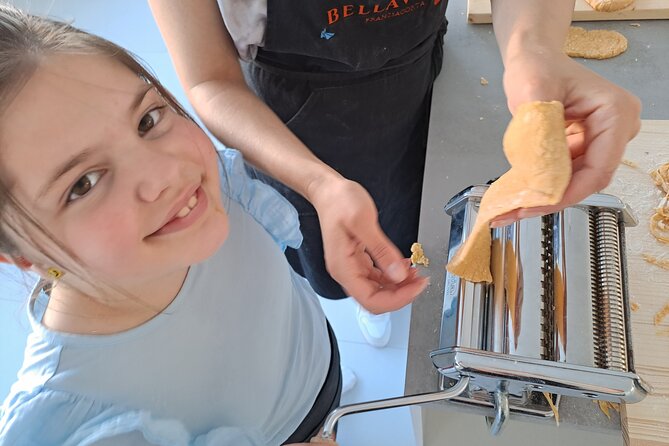
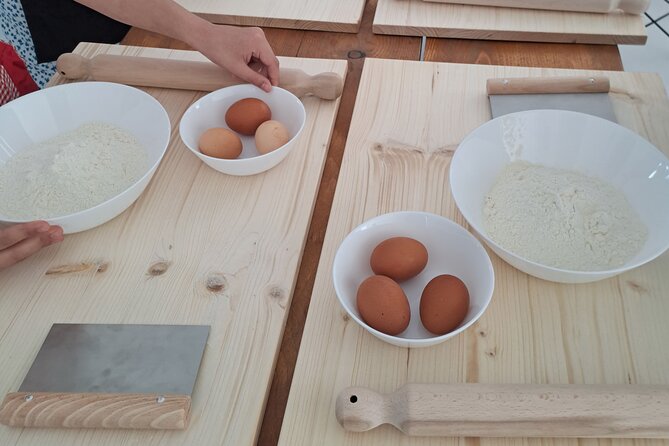
Then comes the dough. You mix the ingredients, roll the dough, and cut it into the shape required for your menu. If you choose ravioli, you also work with the spinach and ricotta filling. If you choose tagliatelle, you prepare the long strips that will be served with ragù.
The description promises safe food cutting procedures, which is reassuring in a hands-on class. You are given practical guidance rather than simply being handed a knife and told to copy the chef. This makes the activity suitable for people who want to cook but do not often prepare pasta from scratch.
The kitchen fills with the smell of the sauce and fresh dough as the class continues. That sensory part is hard to reproduce from a recipe alone. You can see the texture change, feel the dough as it is worked, and understand how the finished pasta has been built from basic ingredients.
More Chef-Led Pasta Classes in the world:
- Rome Cooking Class: Make Pasta, Dine & Drink Wine With Local Chef
★ 5.0 · 1,263 reviews - 2-in-1 Pasta and Tiramisu Cooking Masterclass in Rome
★ 5.0 · 832 reviews - Pasta Fettuccine, Ravioli and Tiramisu MasterClass
★ 5.0 · 391 reviews - Pasta and Pizza Master Class with Pick Up in Sorrento
★ 5.0 · 380 reviews
Eating what you made with Montenegrin wine
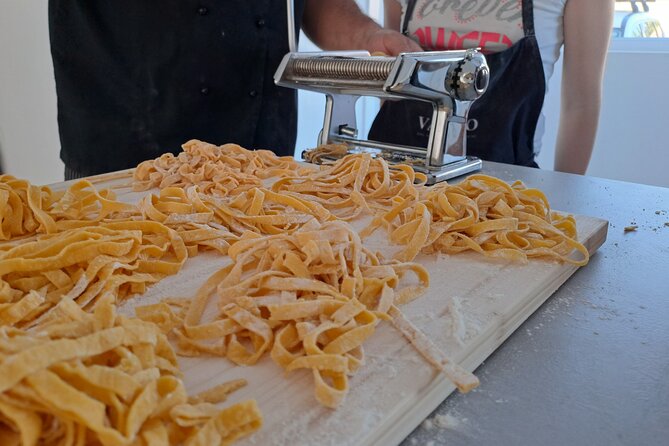
Once the pasta is ready, it is cooked and served for the group to taste. This is not a separate restaurant meal added to the class. It is the payoff for the work you have just done.
I like this format because it gives the three-hour experience a clear shape. You arrive, learn, prepare, cook, and then sit down to eat. The final meal feels connected to the lesson, and you can judge the result while the steps are still fresh in your mind.
A glass of local Montenegrin wine accompanies the pasta. That small regional touch keeps the experience from feeling like an Italian cooking lesson transplanted without change. The food is Italian, the chef is Italian, and the wine brings Montenegro into the meal.
The available information does not list additional courses or a full menu, so you should view this as a focused pasta meal rather than a broad culinary tour. If you want several dishes, a market visit, or a long wine tasting, this is not that kind of activity. Its strength is concentration: one handmade pasta dish, prepared and eaten in a welcoming home.
The printed recipe makes the class useful at home
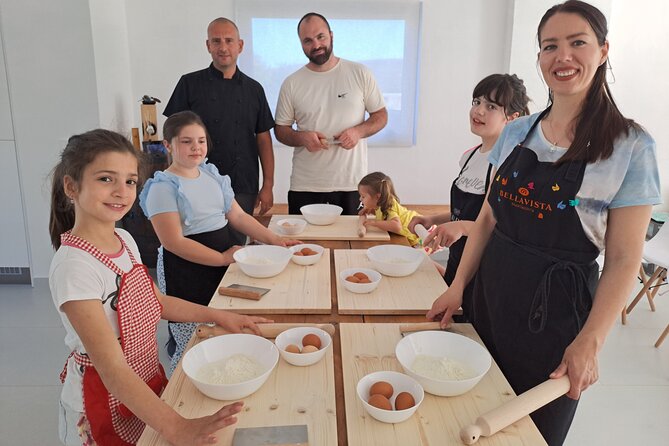
At the end, each participant receives a printed recipe for the handmade pasta. That is more helpful than a small souvenir with no practical use. You can refer back to the proportions and method when you want to try the dish again.
The recipe also gives the lesson a longer life. Fresh pasta can seem easy while someone is guiding you, then less clear once you return home. A written version helps you remember the order of the steps and the key details of the dish you prepared.
The class is best for people who want to take part rather than watch. It suits couples, families, and small groups of friends who enjoy food and conversation. It can also work well for a first cooking class, since the hosts are described as patient and the process is broken into manageable stages.
If your main goal is sightseeing, this experience takes about three hours and requires time away from Kotor’s major sights. That is not a flaw, but it is a real tradeoff. You are choosing a slower morning or afternoon in a private kitchen instead of adding another fort, museum, or boat trip to the day.
Is the $51.59 price good value?
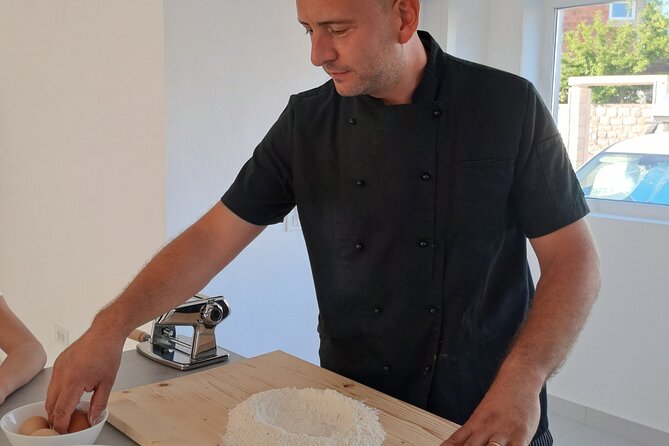
At $51.59 per person, the price covers about three hours of instruction, the ingredients and preparation involved in the pasta meal, your finished dish, a glass of local wine, and a printed recipe. It also includes the private nature of the class, with only your own group participating.
I consider that a fair price if you value participation and personal attention. You are paying for more than a plate of pasta. You receive instruction from Chef Giuseppe, time with Monika and the hosts, practical work in the kitchen, and a recipe that you can use later.
The value is less clear if you only want a cheap meal. A restaurant pasta dish will usually take less time and require no work from you. That is the wrong comparison, though. The point here is the activity, the skill, and the memory of making the dish yourself.
The price does not appear to include transportation to Đuraševići, so include your own travel costs when comparing this with other Kotor activities. The meeting point and return point are the same, which keeps the plan simple once you arrive.
Dietary needs and food safety
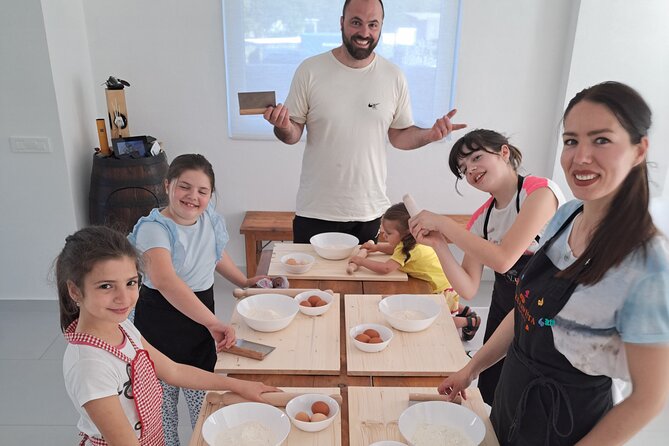
You are asked to advise the provider about dietary requirements or restrictions at the time of booking. Do this early and be specific. The class centers on pasta, fillings, and sauces, so the hosts need to know about restrictions before preparing the ingredients.
The provider is HACCP certified for food hygiene and safety in 2023. That certification does not tell you every detail of the menu, but it does show that food handling and kitchen safety are treated as formal concerns.
The information does not list substitutions for every dietary need, so you should not assume that all requests can be met. Ask before booking if you need changes to the pasta, filling, sauce, or wine service.
Timing, cancellation, and practical planning
The experience lasts about three hours. The morning and afternoon choices give you some control over the rest of your day, but you should leave enough room around the class for arrival and departure from Đuraševići.
Confirmation is provided when you book, and the ticket is mobile, so you do not need a printed voucher. The activity ends where it starts, at the villa meeting point.
You can cancel for a full refund if you do so at least 24 hours before the local start time. Cancellations made less than 24 hours before the start are not refunded, and changes within that final 24-hour period are not accepted.
The experience is often booked around 16 days ahead. That is a useful planning signal, especially if you have a fixed Kotor itinerary or want a particular morning or afternoon menu. Booking earlier also gives you time to discuss dietary needs with the provider.
Who should book this in Kotor?
I would choose this class if you want a relaxed food experience with real participation. It is a good fit for couples, families, and friend groups who would rather spend three hours cooking and talking than rushing through another sightseeing stop.
It also suits anyone curious about Italian home cooking. Chef Giuseppe’s role gives the lesson an Italian focus, while the setting, hosts, and wine connect the meal to Montenegro. That combination makes the class feel more personal than a standard restaurant meal.
You may want to skip it if you dislike cooking, have very limited time, or need a highly flexible menu that has not been confirmed in advance. The activity is built around a set pasta dish, and the meeting point is outside central Kotor.
Should you book the Handmade Pasta Cooking Class?
Book it if you want to learn by doing and appreciate a friendly, private setting. The strongest reasons are the hands-on work, the choice between ravioli and tagliatelle, and the chance to eat your own pasta with local wine.
Choose the morning session for spinach and ricotta ravioli, or the afternoon for tagliatelle with ragù. Contact the provider about dietary needs before booking, and plan your route to the Đuraševići villa since transport is not listed.
At $51.59, this is good value for a focused three-hour cooking experience, especially for a group that wants a shared activity rather than another meal out. It is not the right pick for a quick tasting, but if you want to leave Kotor with a recipe, a full stomach, and a new kitchen skill, it makes a strong case.
FAQ
Where does the pasta cooking class take place?
The class takes place at a villa at 9MWM+5XJ in Đuraševići, Montenegro. The activity ends back at the same meeting point.
How long does the experience last?
The class lasts approximately three hours.
Which pasta dishes can I make?
The morning session focuses on ravioli with spinach and ricotta filling. The afternoon session focuses on tagliatelle with ragù, also known as Bolognese sauce.
Who leads the cooking class?
Chef Giuseppe leads the pasta-making class. Monika also welcomes and hosts the group at the villa.
Is the activity private?
Yes. Only your group participates in the activity.
What is included at the end of the class?
You eat the handmade pasta you prepared with a glass of local Montenegrin wine. You also receive a printed recipe for the pasta.
Recently added in the world
- Verona: Tortellini Cooking Class and Lunch with Mamma Ivana★ 5.0 · 20 reviews
- Vicenza: Pasta & Tiramisu Cooking Class at a Local’s Home★ 5.0 · 5 reviews
- Verona: Pasta Cooking Class with Wine Tasting★ 5.0 · 4 reviews
- Verona: Pasta & Tiramisu Cooking Class at a Local’s Home★ 5.0 · 16 reviews
- Verona: Prosecco and Pasta Making Class at a Local’s Home★ 5.0 · 10 reviews
- Volterra: Fresh Pasta Cooking Class at a Tuscan Farmhouse★ 5.0 · 33 reviews
- Venice: Share Your Pasta Love in a Local’s Home★ 4.8 · 20 reviews
- Verona: My Granny’s secrets making gnocchi★ 5.0 · 7 reviews
Chef-Led Pasta Classes, compared.
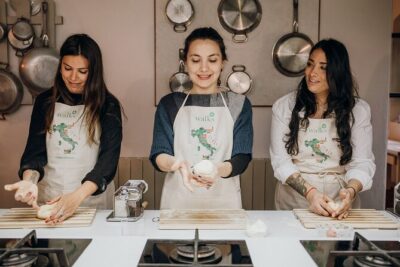
Rome Cooking Class: Make Pasta, Dine & Drink Wine With Local Chef
Read our review →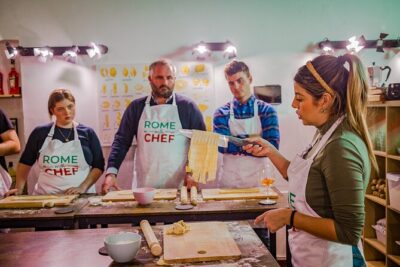
2-in-1 Pasta and Tiramisu Cooking Masterclass in Rome
Read our review →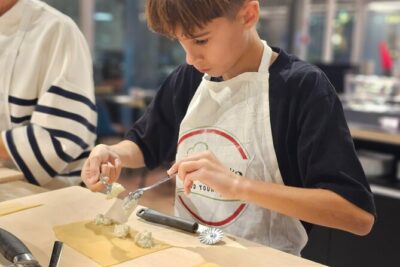
Pasta Fettuccine, Ravioli and Tiramisu MasterClass
Read our review →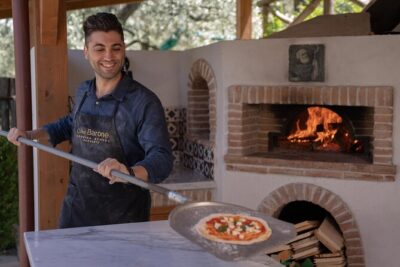
Pasta and Pizza Master Class with Pick Up in Sorrento
Read our review →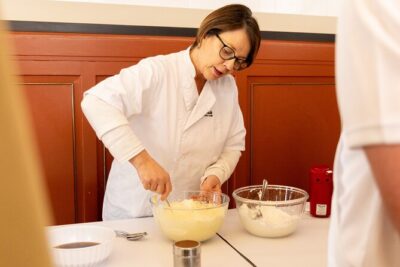
Fettuccine and Tiramisu Masterclass in the Heart of Rome
Read our review →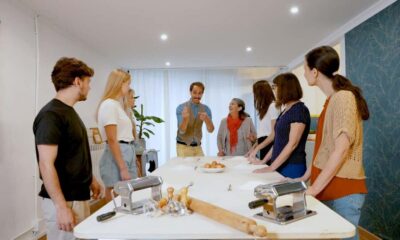
Homemade Pasta and Pesto Class with a Local Chef in Genoa
Read our review →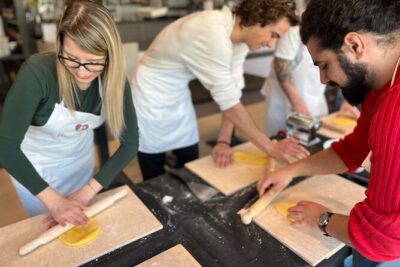
Rome Small Group Pasta Making Class with Wine and Italian Chef
Read our review →Browse the lists this class appears in