REVIEW · CHEF-LED PASTA CLASSES
Pasta and Tiramisu Masterclass with organic wines
Bologna’s food culture gets personal here. In a candlelit home kitchen, local chef Federico teaches the dough-making skills he learned from his grandmother, then guides you through tagliatelle, tortellini, maccheroni, ragù, and tiramisu.
I like the small group, capped at eight, and the focus on organic wines from tiny Italian producers that may not be sold in shops. I also like that Federico checks in before the class, which helps make a home-based experience feel organized.
The main caution is reliability. One booking was canceled after availability appeared on the system, and the follow-up exchange was not reassuring. Confirm your place before making firm dinner plans, and keep the cancellation deadline in mind.
Key points at a glance
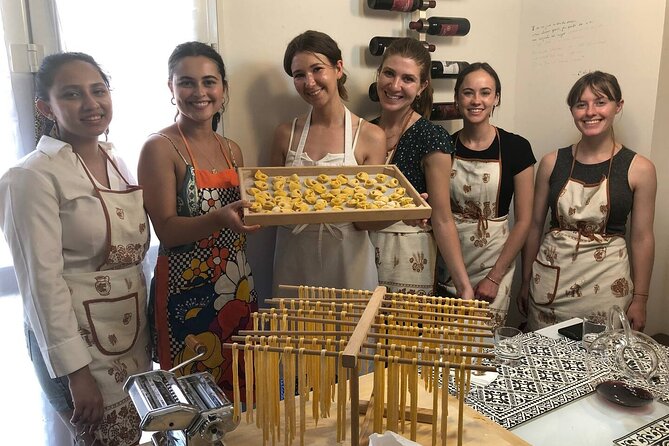
- Three Bologna pasta shapes: Make tagliatelle, tortellini, and maccheroni rather than focusing on just one pasta.
- A century-old family tiramisu: Dessert uses Federico’s family recipe, said to be 100 years old.
- Small-producer organic wine: Taste red, white, and sparkling wines chosen by a sommelier from wineries producing no more than 10,000 bottles a year.
- Candlelit home setting: This is a dinner-style class in a private home, not a large commercial cooking school.
- Small group size: The class accepts a maximum of eight people, allowing more direct contact with the chef.
- About $91.92 for 2.5 hours: The price includes the cooking session, the full meal, and wine tasting, making it most appealing to people who would happily combine dinner and a class.
What this Bologna cooking class is really about
Bologna is widely regarded as Italy’s food capital, and this experience leans into that reputation without trying to cover the whole city. You spend about two and a half hours at Via Bellinzona 12, working with the core foods that define local cooking.
The appeal is not a long list of sightseeing stops. It is the chance to sit down, make food with your hands, and understand how several Bolognese dishes fit together. You learn pasta, sauce, dessert, and wine in one sitting.
That makes this a good choice for a free evening in Bologna. You are not giving up a major museum visit or a full day trip. Instead, you are turning dinner into the main event.
The setting also matters. A candlelit meal in a home feels more intimate than a class in a bright, busy teaching kitchen. That can be a real plus if you want conversation and a relaxed meal. It can also feel less formal, so you should not expect a polished restaurant show with a large staff and a fixed stage-like presentation.
The maximum group size is eight. That is small enough to make personal help possible, though the exact amount of hands-on time will depend on the final group and the pace of the class.
More Chef-Led Pasta Classes in Bologna
- Bologna: Pasta & Wine Lesson Private Chef & Sommelier
★ 4.4 · 40 reviews - Handmade Pasta making Class with Chef Antonio
★ 5.0 · 12 reviews - Bologna: Tortellini Masterclass at a Local’s Home
★ 5.0 · 8 reviews
Starting with dough and Bolognese tradition
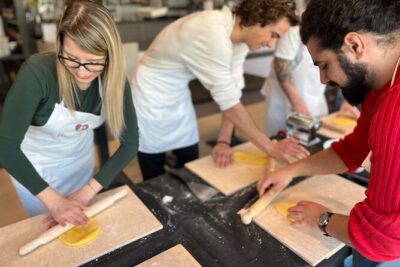
The class begins with the foundation of much of northern Italian cooking: dough. Federico teaches the method he learned from his grandmother, giving the lesson a family connection rather than presenting pasta as a generic Italian craft.
That personal background is useful because dough is where many first-time pasta makers need the most help. Texture, pressure, and consistency matter, and a local cook can explain the process in plain terms while you work. The supplied details do not promise that every person will make an entire batch alone, so expect a guided group activity rather than a private lesson at an individual workstation.
You then make three types of pasta associated with Bologna:
- Tagliatelle
- Tortellini
- Maccheroni
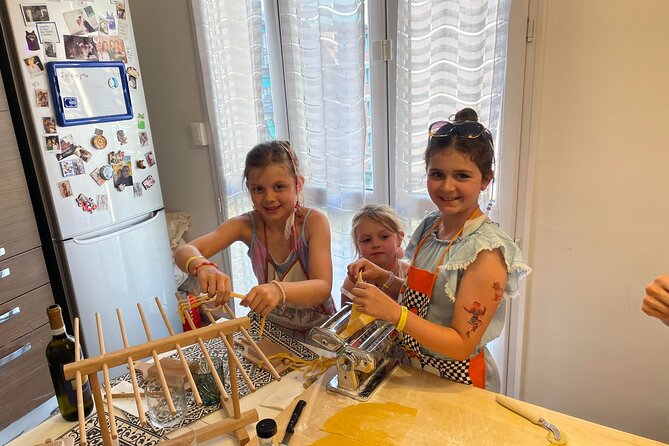
Each shape gives the class a different purpose. Tagliatelle teaches you how pasta becomes long ribbons, while tortellini brings in the small filled shape most closely linked with the region. Maccheroni adds another form to the meal and keeps the session from becoming a one-dish demonstration.
The range is one of the strongest parts of the experience. Many cooking classes spend the whole evening on one pasta shape, which can be valuable but narrow. Here, you get a broader look at Bolognese pasta in a limited amount of time.
Do not expect a technical culinary school certificate or an exhaustive lesson on flour types and regional variations. The value is practical and social. You learn enough to understand the method, take part in the preparation, and sit down to eat what the group has made.
Tagliatelle with the town’s classic ragù
The tagliatelle is paired with ragù, the slow, savory sauce commonly known outside Italy as Bolognese sauce. Here it is presented as the oldest and most beloved sauce of town, giving the main course a clear local identity.
That pairing makes sense. Ragù needs a pasta shape that can hold sauce, and tagliatelle gives you a direct way to see how the pasta and sauce work together. Rather than treating the sauce as a separate side dish, the class connects the two as a finished Bolognese meal.
For you, the important point is that this is not simply a pasta-making workshop followed by an unrelated dinner. The menu has a progression: dough becomes pasta, pasta receives ragù, and wine is chosen to accompany the food.
The available information does not provide a detailed recipe for the ragù or say how long the sauce is cooked. I would therefore book this for the complete food experience, not because you expect an advanced sauce-making lesson.
Tortellini and maccheroni add variety
Tagliatelle gets the most attention because of its pairing with ragù, but tortellini and maccheroni help make the menu feel like a survey of Bologna’s pasta traditions.
Tortellini is especially useful for people who want to learn about shaping and filling pasta. The details do not specify the filling or whether each participant forms every tortellini, so you should avoid arriving with a precise expectation about the recipe. Still, the shape itself adds a different skill from rolling and cutting tagliatelle.
Maccheroni gives the class a third format and keeps the meal from being built around one familiar pasta. For someone comparing several cooking classes in Bologna, this variety is a strong reason to choose this one.
The trade-off is pace. Making three pasta types, preparing ragù, creating tiramisu, tasting wine, and eating a full meal in 2.5 hours leaves little room for a long, slow lesson on each dish. I see this as a lively introduction rather than a masterclass in the strict professional sense.
More Pasta Classes with Wine in Bologna
- Bologna Food & Market Tour with 6 Tastings, Pasta, Wines & More
★ 5.0 · 1,328 reviews - Bologna: Pasta Cooking Class, Ragu, Spritz, Wine & Gelato
★ 4.9 · 775 reviews - Bologna Local Pasta Cooking Class, Ragu, Spritz, Wine & Gelato
★ 5.0 · 527 reviews - Bologna: Pasta and Tiramisu Small Group Cooking Class with Wine
★ 5.0 · 409 reviews
A 100-year-old family tiramisu
Tiramisu is the final preparation. Federico uses a family recipe said to be 100 years old, which gives dessert the same personal thread as the pasta dough.
A family recipe is appealing because it connects the meal to a particular household rather than an interchangeable restaurant menu. You are not just ending with a standard dessert. You are finishing with a recipe that has been passed down through generations.
The class also pairs the tiramisu with organic wine. That is an unusual touch, since many pasta classes save wine for the savory course and treat dessert as a separate moment. Here, the entire meal is built around pairing.
The details do not identify the exact wine chosen for the tiramisu or list the dessert ingredients. If you have dietary restrictions, confirm them before booking. No special dietary accommodations are stated.
Organic wines from small Italian producers
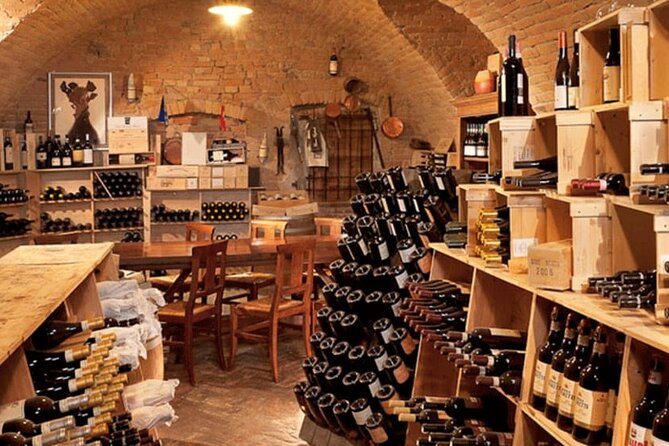
Wine is a major part of the experience, not a token drink served alongside dinner. The tasting includes organic red, white, and sparkling wines selected by the chef’s sommelier from small Italian wineries.
The producers are described as making no more than 10,000 bottles each year. That gives the tasting a clear point of difference. You are being introduced to limited-production bottles that may be hard to find in ordinary shops, rather than receiving a standard supermarket selection.
I like this feature because it adds regional breadth to an otherwise local meal. The pasta and tiramisu focus on Bologna, while the wines introduce you to small producers from around Italy.
Wine is available throughout the meal, and the description says there is no limit on tasting. Read that as generous access to the selected bottles, not as a reason to drink carelessly. You will get more from the food pairing if you taste slowly and pay attention to how the wines change with ragù, fresh pasta, and dessert.
The class opens red, white, and sparkling wines. That range should suit different preferences and gives the sommelier more room to match wine to each part of the meal. Exact labels and vintages are not provided, so the selection will vary.
If you particularly like one bottle, you can ask Federico about taking some home. The information does not state the prices, availability, or shipping arrangements, so treat this as an option to ask about rather than a guaranteed purchase service.
Why the home setting matters
A meal in a private home changes the tone. You are likely to spend more time talking with the host and less time watching a formal presentation. The candlelight and dinner setup make this feel closer to being welcomed into someone’s evening than attending a standard daytime lesson.
That personal tone was reinforced by Federico’s communication before one successful session. He sent a message the day before to discuss and confirm that everything was fine. A simple check-in can make a difference when you are heading to a private address rather than a well-known restaurant.
At the same time, home-based experiences depend heavily on the host’s organization. One booking issue involved a cancellation even though two places appeared to be available in the booking system. Alternative dates were offered, but the timing did not work for the person booked. The public response to that complaint was defensive, which is worth noting before you commit a limited evening in Bologna.
This does not erase the good parts of the class, but it does mean you should confirm the meeting details and availability. If the cooking class is the only dinner plan you have for that night, leave a little room for a backup.
Price, timing, and practical value
The listed price is $91.92 per person. For 2.5 hours, that is not a bargain cooking demonstration, but it is also not simply the cost of a lesson. You are paying for instruction, several pasta preparations, tiramisu, a candlelit meal, and a broad organic wine tasting.
The value is strongest if you would otherwise spend money on a good dinner and want an activity as part of the evening. In that case, the class combines two holiday expenses: a meal and a hands-on food experience.
It is less compelling if you mainly want to learn a single pasta technique in great depth. A shorter or more focused class might suit you better, though no alternative is offered here.
The experience is booked an average of 34 days in advance. That suggests you should not wait until the last minute if your Bologna dates are fixed. Confirmation is provided at booking, and the activity uses a mobile ticket.
The meeting point is Via Bellinzona 12 in Bologna. It is near public transportation, and the activity ends back at the same meeting point. The supplied information does not give walking directions from the city center, travel times, or parking details, so check your route before dinner plans.
The group maximum is eight people. This is one of the clearest reasons to choose the experience over a large food tour. A small group makes it easier to hear instructions, ask questions, and take part in shaping pasta.
Who will enjoy this most
I would recommend this class to you if food is one of the main reasons you are visiting Bologna. It suits couples, friends, and solo visitors who like meeting a local host over a shared meal.
It is also a good fit for people who want more than tagliatelle alone. The combination of three pasta types, ragù, tiramisu, and organic wine gives you a full evening with several distinct parts.
Wine drinkers get extra value from the small-producer selection. If you enjoy comparing bottles and learning about lesser-known Italian wineries, this part may be as interesting as the cooking.
Families should check the age policy before booking, since no age information is provided. The same applies to dietary restrictions, allergies, and accessibility needs. The experience is near public transportation, but no detailed accessibility information is supplied.
I would be cautious about booking if your schedule is extremely tight or if you need absolute certainty about the first reservation. The cancellation incident means that a quick confirmation message is a sensible step.
Cancellation and booking advice
You can cancel for a full refund up to 24 hours before the start time. Cancellations made less than 24 hours before the class are not refunded, and changes within that period are not accepted.
The cut-off follows Bologna local time. That matters if you are booking from another time zone or changing plans while traveling through Italy.
Because the class meets at a private address and is often reserved well ahead, save the confirmation and meeting point details on your phone. The mobile ticket is useful, but I would still keep the address easy to find if your connection is poor.
Should you book this Bologna pasta class?
Book it if you want a warm, food-centered evening with a local chef, a small group, and more than one pasta shape. The three pastas, century-old family tiramisu, and organic wines from very small producers give the class a clear identity.
The price is fair when you count the meal and wine tasting, though it is not the cheapest way to learn pasta. The biggest concern is not the food plan. It is the uncertainty shown by one canceled booking and the poor tone of the response afterward.
My advice is simple: reserve early, confirm your place, and do not schedule an important event immediately afterward. If Federico is available and you like the idea of making dinner in a candlelit home rather than sitting in a restaurant, this can be a memorable Bologna night. If reliability is your top concern, keep a backup dinner plan.
FAQ
Where does the pasta and tiramisu class meet?
The meeting point is Via Bellinzona 12, 40135 Bologna BO, Italy. The activity ends back at the same meeting point.
How long does the experience last?
The class lasts approximately 2 hours and 30 minutes.
How many people can join the class?
The maximum group size is eight people.
What foods will I make?
You will make three types of pasta typical of Bologna: tagliatelle, tortellini, and maccheroni. You will also prepare ragù for the tagliatelle and tiramisu for dessert.
What wine is included?
The meal is paired with organic red, white, and sparkling wines. The wines are selected by the chef’s sommelier from small Italian producers, and tasting is included without a stated limit.
Can I cancel for a refund?
Yes. You can cancel at least 24 hours before the start time for a full refund. Cancellations or changes made less than 24 hours before the experience are not accepted and are not refunded.
More Tiramisu Classes in Bologna
- Bologna: 3 Pastas, Tiramisu and Unlimited Wine Tasting
★ 4.6 · 186 reviews - Cesarine: Small group Pasta and Tiramisu class in Bologna
★ 5.0 · 172 reviews - Bologna: Pasta & Tiramisu Cooking Class at a Local’s Home
★ 4.9 · 67 reviews - Bologna: Pasta & Tiramisu Cooking Class at a Local’s Home
★ 4.9 · 54 reviews
Recently added in Bologna
- Colorful Pasta Workshop in Bologna with meal★ 5.0 · 2 reviews
- Tortelloni and Tagliatelle Cooking Class in Bologna + Wine★ 3.0 · 2 reviews
- 3 hour Lasagna Bolognese cooking class★ 5.0 · 6 reviews
- Cesarine: Small group Tortellini Class at Local’s Home in Bologna★ 5.0 · 18 reviews
- Lasagna Masterclass: Learn, Cook & Taste Authentic Bolognese★ 5.0 · 4 reviews
- Pasta Making Class: Tagliatelle & Bolognese Sauce★ 5.0 · 15 reviews
- Home Cooking: Pasta Making with Natural Colors in a Tiny Group★ 5.0 · 6 reviews
- Cesarine: Pasta & Tiramisu Class at a Local’s Home in Bologna★ 5.0 · 29 reviews
Chef-Led Pasta Classes, compared.
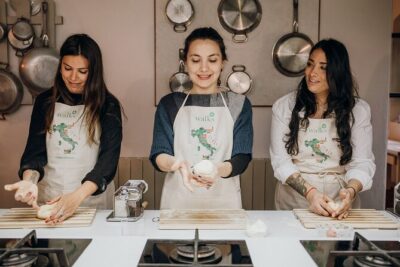
Rome Cooking Class: Make Pasta, Dine & Drink Wine With Local Chef
Read our review →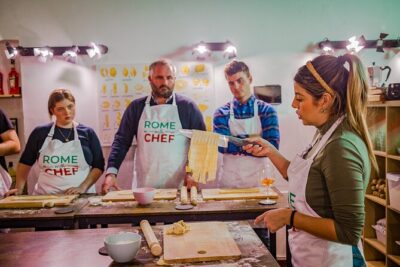
2-in-1 Pasta and Tiramisu Cooking Masterclass in Rome
Read our review →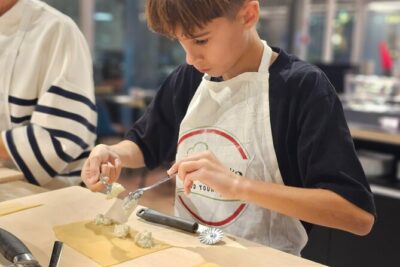
Pasta Fettuccine, Ravioli and Tiramisu MasterClass
Read our review →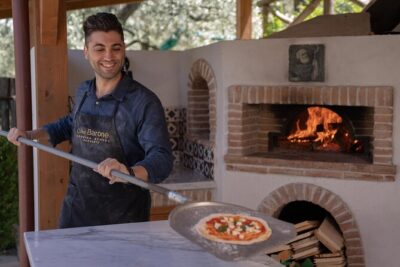
Pasta and Pizza Master Class with Pick Up in Sorrento
Read our review →
Fettuccine and Tiramisu Masterclass in the Heart of Rome
Read our review →
Homemade Pasta and Pesto Class with a Local Chef in Genoa
Read our review →