
REVIEW · CHEF-LED PASTA CLASSES
Lasagna Masterclass in Aosta: Cook & Taste Authentic Lasagna
The best part of this Aosta experience is that you do not simply sit down to eat lasagna. You make the whole dish from scratch in a local home kitchen, working through fresh pasta, ragù, béchamel, and the final layers with Adriana. The meal is the lesson, and the lesson ends on your plate.
I like the small maximum of six people, which should leave room for questions and hands-on work. I also like the relaxed rhythm: an aperitivo and talk about Aosta’s food traditions while the lasagna bakes, followed by a glass of regional wine with the finished dish.
The main point to consider is the short two-hour schedule. It is enough for a focused class and meal, but not a long culinary workshop. You also need to reach the meeting point at Villaggio Ramoise in Quart, outside central Aosta.
Key Points
- A complete lasagna lesson: Make fresh pasta, ragù, and béchamel rather than watching a demonstration.
- A local home kitchen: The class takes place with Adriana, a home cook connected with the Cesarine network.
- A small group: The experience accepts no more than six people.
- Aperitivo while the dish bakes: Use the oven time for local food talk and conversation.
- Wine with the finished meal: Your homemade lasagna comes with a glass of regional wine.
- A practical two-hour format: The class is compact enough to fit into a busy Aosta itinerary.
Making Lasagna From Scratch in Aosta
Lasagna is familiar comfort food, but the work behind a good tray is easy to underestimate. You need pasta with the right texture, ragù with enough flavor, béchamel that is smooth rather than stiff, and layers that hold together when served.
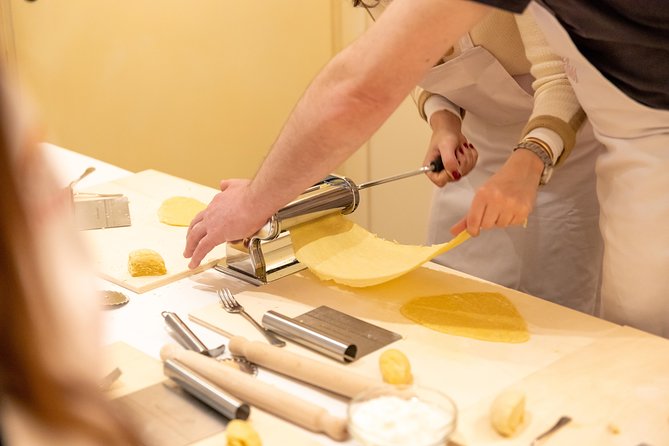
This class takes you through all of those parts. You are not only learning how to assemble a prepared dish. You make the fresh pasta, prepare the ragù, and create the béchamel before putting the lasagna together.
That matters because each part teaches a useful Italian kitchen skill. Fresh pasta gives you a feel for dough. Ragù shows how a sauce builds its flavor. Béchamel teaches control and balance. The final assembly then makes clear how the three elements need to work together.
I like this approach for a short class because it keeps the focus narrow. You are not trying to make a full Italian menu in two hours. You are learning one famous dish properly, then sitting down to eat it.
The class is led by Adriana in her home. She speaks excellent English and explains the process clearly, which is especially helpful when cooking terms, timing, or techniques are unfamiliar. She also talks about local food and produce, giving the dish a connection to Aosta rather than treating it as a generic pasta lesson.
More Ravioli and Gnocchi Classes in Italy:
- 3 in 1 Cooking Class near Navona: Fettuccine, Ravioli & Tiramisu
★ 5.0 · 7,376 reviews - Rome: 3-in-1 Fettuccine, Ravioli, and Tiramisu Cooking Class
★ 4.9 · 2,704 reviews - Rome: Fettuccine Pasta Cooking Class in Rome’s City Center
★ 4.8 · 2,414 reviews
Starting at Villaggio Ramoise
The meeting point is Villaggio Ramoise, 11020 Quart AO, Italy. The activity ends at the same point, so you should plan your transportation before setting out and allow time to identify the correct location.
The area is near public transportation, but the details provided do not specify a particular bus line, stop, or walking route. For that reason, check the route from your accommodation in advance. This is a simple step, but it is worth doing when an activity takes place in a private home rather than a landmark that is easy to spot.
A home setting changes the tone of the class. You are not in a formal cooking school with a line of workstations and a group of strangers spread across a large room. The setting is more personal, and the maximum of six people should make it easier to see what is happening and ask for help.
The tradeoff is that a home kitchen may feel less structured than a purpose-built culinary studio. If you want polished equipment, a large teaching counter, or a longer professional demonstration, this may not be the right format. If you want a personal meal and direct contact with a local cook, it makes good sense.
Fresh Pasta, Ragù, and Béchamel
The cooking begins with the basic parts of the lasagna. The class covers fresh pasta, a meat sauce, and béchamel, all made from scratch.
Fresh pasta is often the most satisfying part of a class like this because the change from ingredients to dough is immediate. You learn by handling it, not just by hearing a list of instructions. The class then moves to the sauces, where proportion and consistency matter more than speed.
The ragù provides the main savory depth. The béchamel softens the dish and helps the layers bind together. Adriana’s role is important here because a local cook can explain the small judgments that a printed recipe may leave out, such as how the sauce should look before it is used or how the layers should be balanced.
The supplied information does not give a detailed ingredient list, cooking method, or recipe quantities. Do not book this expecting a full take-home cookbook unless that is confirmed separately. What you can count on is a hands-on lesson built around the classic components of lasagna.
You should also expect to participate. This is not described as a demonstration where you watch Adriana do all the work. The format is designed for you to prepare and assemble the dish yourself, with guidance along the way.
Building the Layers
Once the pasta and sauces are ready, you assemble the lasagna. This is where the earlier steps come together.
Layering looks simple, but it affects every serving. Too much sauce can make the dish loose. Too little can leave the pasta dry. The balance of pasta, ragù, and béchamel determines whether the final portion feels heavy, dry, creamy, or well rounded.
A small group helps during this stage. With no more than six people, Adriana should have enough time to watch the work and answer questions. The class is not built for a crowd moving through a production line.
The experience may also suit families or couples who want a shared activity rather than another restaurant meal. The cooking gives you something to do together, and the final meal provides a clear reward. That said, the available information does not specify a minimum age, child policy, dietary substitutions, or accommodations for allergies. Ask the provider before booking if any of those points matter to you.
The class is also a good choice for anyone who enjoys learning a recipe that can be repeated at home. Lasagna is practical in that way. Once you understand the structure, you can use the method again, even if your ingredients or preferred sauce change.
More Chef-Led Pasta Classes in Italy:
- Rome Cooking Class: Make Pasta, Dine & Drink Wine With Local Chef
★ 5.0 · 1,263 reviews - 2-in-1 Pasta and Tiramisu Cooking Masterclass in Rome
★ 5.0 · 832 reviews - Pasta Fettuccine, Ravioli and Tiramisu MasterClass
★ 5.0 · 391 reviews - Pasta and Pizza Master Class with Pick Up in Sorrento
★ 5.0 · 380 reviews
Aperitivo While the Lasagna Bakes
The oven time is used for an aperitivo and conversation about Aosta’s food traditions. This is a smart part of the schedule. You get a pause after the preparation, but the time still has a purpose.
An aperitivo also keeps the experience from feeling like a rushed cooking demonstration. You can talk with Adriana, hear about local food and produce, and enjoy the social side of the meal while the lasagna cooks.
The details of the aperitivo are not specified, so you should not expect a particular drink or set of snacks unless the provider confirms it. The important point is that this is included as part of the class, not added as a separate stop.
I especially like this break because it gives the activity two distinct parts. The first is practical and hands-on. The second is more conversational. For many people, the local food talk will be as memorable as the recipe itself, since it connects the dish to the place you are visiting.
It also gives you time to relax before eating. A cooking class can become tiring when every minute is spent chopping, mixing, and cleaning. Here, the baking period creates a natural pause.
Eating Your Homemade Lasagna With Regional Wine
After the lasagna bakes, you sit down to taste what you prepared. The meal includes a glass of regional wine, which adds a local touch without turning the class into a formal wine tasting.
This final meal is where the value of the experience becomes easiest to judge. At $102.33 per person, you are paying for more than a plate of pasta. The price covers the instruction, ingredients, use of the home kitchen, aperitivo, finished lasagna, and wine.
That is not the cheapest way to eat lasagna in Aosta. A restaurant meal will usually be simpler and faster. But a restaurant does not give you the recipe process, direct time with a local cook, or the satisfaction of eating something you helped make.
The class is strongest for people who see food as part of their sightseeing. If you only want a quick meal, the two-hour commitment and price may not feel worthwhile. If you want a personal activity with a meal built in, the cost is easier to justify.
The portion may also be generous. Adriana has arranged for leftovers to be taken home after the class, and one account described having enough food to make leftovers especially welcome. This is not guaranteed as a formal feature, so you should treat it as a possibility rather than a promise. Still, it suggests that you may eat well during the class and possibly bring some of the result to family or friends.
Why the Home Setting Matters
Cooking in Adriana’s home gives the experience a different feel from a standard food tour. You are meeting a person who cooks in a domestic setting, not moving between commercial stops or watching a restaurant kitchen from a distance.
That setting can make the food feel more connected to daily life. You hear about local produce and cooking traditions while preparing a dish that families across Italy recognize. The class presents Aosta through the kitchen, which is often more personal than a list of monuments or restaurant recommendations.
Adriana’s English is another practical advantage. Clear explanations matter when you are working with dough and sauces. You can ask why a step matters rather than simply copying a movement you may not understand.
The small group also supports conversation. With a maximum of six people, the session should feel more like a shared meal with instruction than a large commercial class. Still, the exact group size on a given date is not provided. Six is the maximum, not a promise that every session will have a particular number of participants.
Who Will Get the Most From This Class
I would recommend this experience to you if you enjoy cooking, local food, and slower activities with a personal host. It works particularly well for couples, honeymooners, and small groups who want a meal that feels different from an ordinary restaurant stop.
It also suits people who want one focused culinary lesson rather than a broad cooking course. The subject is clear: lasagna. You learn its main components, assemble the dish, and eat it soon after.
You may want to skip it if you dislike group participation, have very limited time, or are looking for a class with a broad menu. The activity lasts about two hours, and the supplied details do not list alternate dishes or a choice of recipes.
You should also check dietary needs before booking. The class centers on traditional lasagna with pasta, ragù, and béchamel, and no vegetarian, vegan, gluten-free, or dairy-free version is stated.
Booking Details and Cancellation
The activity uses a mobile ticket, and confirmation is provided when you book. It is commonly booked about five days ahead, so reserving several days early is sensible if your Aosta schedule is fixed.
Free cancellation applies when you cancel at least 24 hours before the local start time. Cancellations made within 24 hours are not refunded, and changes inside that window are not accepted. Keep the local cut-off time in mind if you are booking from another time zone.
The experience ends back at Villaggio Ramoise. Since no separate drop-off is listed, plan your return from the meeting point rather than assuming transportation is provided.
Should You Book the Aosta Lasagna Masterclass?
Book it if you want a personal food experience with real participation, a small group, and a meal at the end. Adriana’s clear English, local food knowledge, and willingness to share leftovers add useful touches, while the aperitivo gives the class an easy, social pace.
At $102.33, this is not a bargain meal. It is a cooking lesson, aperitivo, home visit, wine tasting in a modest sense, and dinner rolled into two hours. For a restaurant-only meal, the price is high. For a hands-on activity in a local home, it can be fair value.
My main advice is to confirm the meeting route and any dietary questions before booking. If you can make it to Quart and want to understand how lasagna is built from the ground up, this is a warm, focused way to spend part of your time in Aosta.
FAQ
Where does the lasagna class take place?
The class begins and ends at Villaggio Ramoise, 11020 Quart AO, Italy.
How long does the experience last?
The activity lasts approximately two hours.
How many people can join the class?
The maximum group size is six people.
Who teaches the cooking class?
The class is led by Adriana, a local home cook connected with Cesarine, Italy’s network of home cooks.
What will I make during the class?
You will make fresh pasta, ragù, and béchamel, then assemble and cook the lasagna.
Is food and wine included?
Yes. You enjoy an aperitivo while the lasagna bakes, then eat your homemade lasagna with a glass of regional wine.
Can I cancel for a full refund?
Yes, if you cancel at least 24 hours before the experience start time. Cancellations made less than 24 hours in advance are not refunded.
Recently added in Italy
- Verona: Tortellini Cooking Class and Lunch with Mamma Ivana★ 5.0 · 20 reviews
- Vicenza: Pasta & Tiramisu Cooking Class at a Local’s Home★ 5.0 · 5 reviews
- Verona: Pasta Cooking Class with Wine Tasting★ 5.0 · 4 reviews
- Verona: Pasta & Tiramisu Cooking Class at a Local’s Home★ 5.0 · 16 reviews
- Verona: Prosecco and Pasta Making Class at a Local’s Home★ 5.0 · 10 reviews
- Volterra: Fresh Pasta Cooking Class at a Tuscan Farmhouse★ 5.0 · 33 reviews
- Verona: My Granny’s secrets making gnocchi★ 5.0 · 7 reviews
- Venice: Share Your Pasta Love in a Local’s Home★ 4.8 · 20 reviews
Chef-Led Pasta Classes, compared.
Rome Cooking Class: Make Pasta, Dine & Drink Wine With Local Chef
Read our review →
2-in-1 Pasta and Tiramisu Cooking Masterclass in Rome
Read our review →
Pasta Fettuccine, Ravioli and Tiramisu MasterClass
Read our review →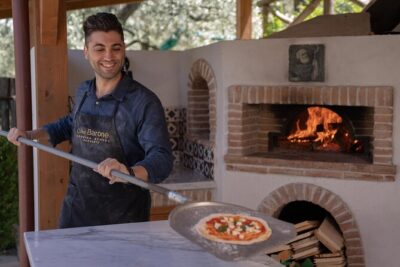
Pasta and Pizza Master Class with Pick Up in Sorrento
Read our review →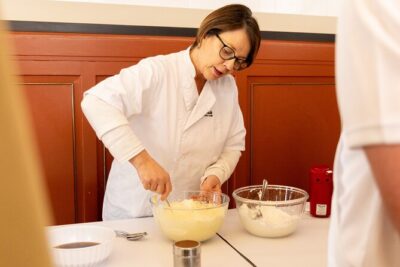
Fettuccine and Tiramisu Masterclass in the Heart of Rome
Read our review →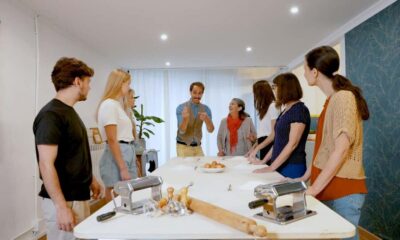
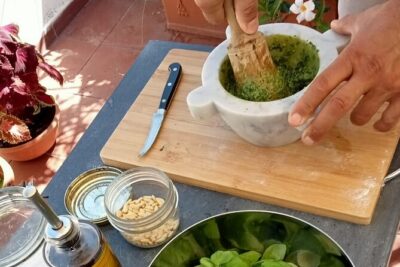
Homemade Pasta and Pesto Class with a Local Chef in Genoa
Read our review →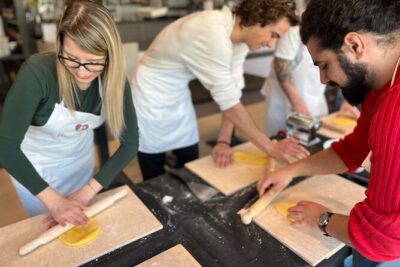
Rome Small Group Pasta Making Class with Wine and Italian Chef
Read our review →Browse the lists this class appears in