
REVIEW · TIRAMISU CLASSES
Siena: Pasta and Tiramisu Cooking Class with Wine
The best part of this Siena cooking class is that you make more than one kind of dough. You work with traditional egg pasta, local pici without eggs, and potato-based gnocchi, then sit down to eat what you prepared at Trattoria Fonte Giusta. That gives you a useful taste of central Italian cooking instead of a single recipe lesson.
I like the friendly, social setup and the clear instruction from guides such as Dennis and Natalia. I also like the value: for $81, you receive three hours of teaching, Prosecco, a full meal, tiramisu, and wine. The main consideration is that the restaurant prepares the sauces, so you make the pasta itself rather than every part of the final dishes.
Key points
- Three kinds of dough: Learn traditional egg pasta, egg-free Tuscan pici, and potato gnocchi.
- Tiramisu included: Watch the chef prepare the cream, then assemble your own dessert.
- A proper meal follows: The restaurant cooks your pasta and serves it with sauces, wine, and tiramisu.
- Small-group feel: Sessions are commonly arranged in groups of about 12, with each group working in its own area.
- Useful for beginners: The chef checks the dough texture and guides you through each step.
- Good rainy-day plan: The clean, air-conditioned teaching kitchen makes this a practical break from Siena’s heat or wet weather.
Making pasta at Trattoria Fonte Giusta
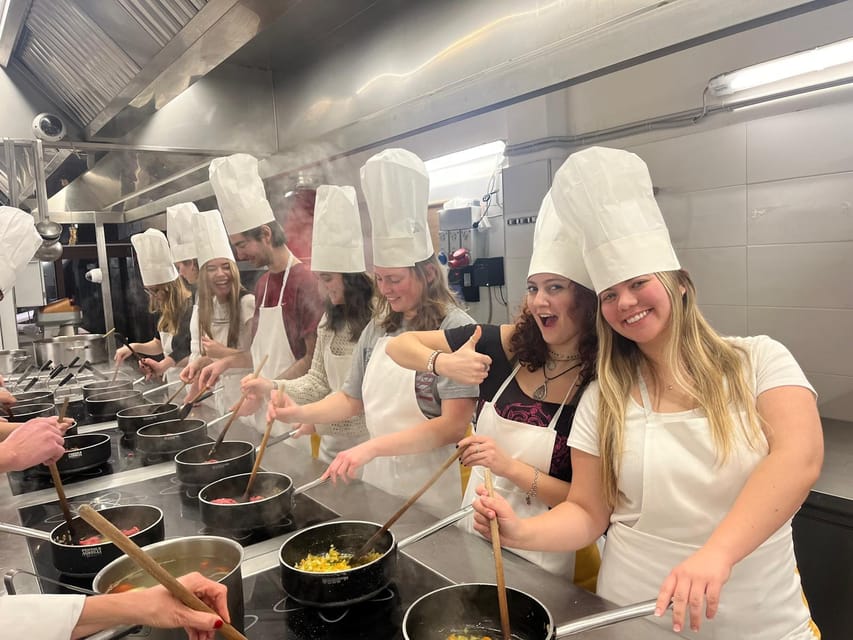
This is a cooking lesson held at a popular Siena restaurant, not a demonstration where you sit quietly and watch. You enter Trattoria Fonte Giusta, receive an apron and equipment, wash your hands, and take a place at the workstation.
A glass of Prosecco starts the session. It is a small detail, but it helps the room relax quickly, especially if you arrive alone or are sharing the class with people from several countries.
The English-speaking chef explains the basic method before you begin. Guides named Dennis and Natalia have led sessions, and the teaching style is described as patient, lively, and easy to follow. You do not need advanced cooking skills. The class is built for ordinary home cooks who want to learn by handling the dough.
The group size can reach about 12 people. That is large enough to make the meal social, but still manageable for the guide to walk around and check your work. You work at your own place while the chef shows the right texture and consistency.
That last point matters. Fresh pasta recipes often look simple on paper, but the dough can be too dry, sticky, or soft. Here, you can compare your dough with the chef’s example and get help before you roll or shape it.
More Tiramisu Classes in Italy:
- 3 in 1 Cooking Class near Navona: Fettuccine, Ravioli & Tiramisu
★ 5.0 · 7,376 reviews - Florence: Pasta & Tiramisu Cooking Class with Unlimited Wine
★ 4.9 · 6,708 reviews - Rome: Pasta & Tiramisu Class with Fine Wine by the Vatican
★ 4.9 · 4,852 reviews
Three doughs, three lessons in Italian cooking
The class covers three different dough styles, and each one teaches something useful about regional food.
The first is traditional pasta made with eggs. This is the dough most people picture when they think of fresh Italian pasta. You learn how the eggs affect the texture and how to bring the flour together into a workable dough.
You may shape this dough into tagliatelle or ravioli, depending on the session. The exact pasta shapes can vary, but the lesson is practical: you learn how a basic dough becomes the ribbons or filled pieces served later at the table.
Next comes pici, a Tuscan specialty made without eggs. Pici looks like thick, hand-rolled spaghetti and is closely linked with southern Tuscany, including the area around Siena. It is a good regional touch because it shows that Italian pasta is not one fixed recipe.
Making pici also feels different from making rolled pasta. You work the dough into long strands by hand, so the result is rustic rather than perfectly uniform. That is part of the appeal. Small differences in thickness make it look homemade, and the sauce clings well to the substantial shape.
The third dough uses potatoes to make gnocchi. This introduces a different texture and a different kind of handling. Potato dough needs a light touch, since overworking it can make the finished gnocchi heavy.
You will not simply collect three recipes. You will learn that flour, eggs, and potatoes behave differently. That is the most useful lesson to take home, since pasta making depends as much on feel as on exact measurements.
What you actually make, and what the restaurant handles
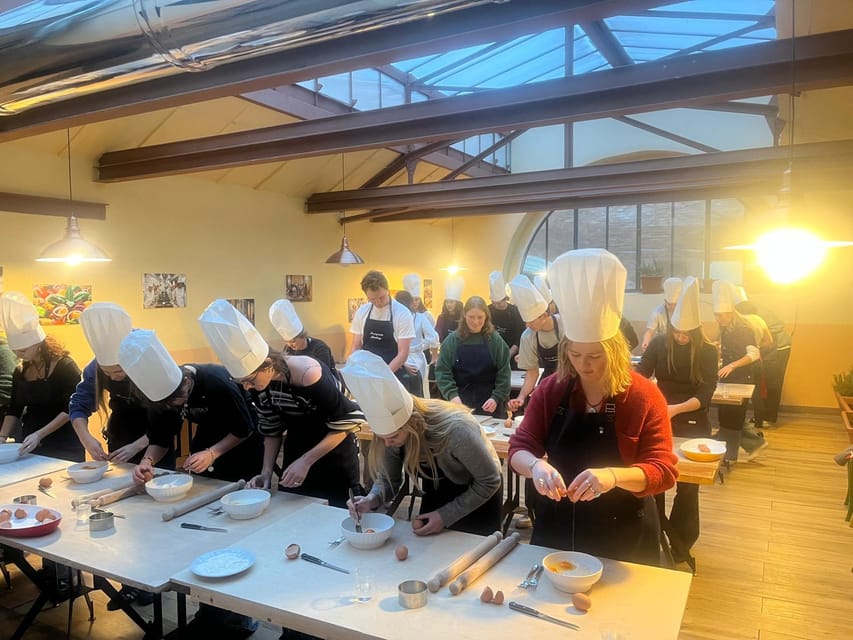
It is important to set your expectations correctly. You prepare the pasta dough and shape the pasta, but the restaurant makes the sauces and finishes the meal.
That arrangement has both good and less-good sides. You get to focus on the part most people want to learn, namely fresh pasta making, without spending the whole class chopping, simmering, and washing up. The kitchen then serves your pasta with sauces such as tomato and meat sauce, depending on the meal.
The drawback is that you do not cook every element from start to finish. If you want a full lesson in sauce making, this is not the right class. If your main goal is to learn dough, shaping, and the feel of fresh pasta, the division works well.
The meal is served in the restaurant next door or in the restaurant area after the cooking portion. You sit with the other participants, which turns the final course into part of the experience rather than a quick taste at your workstation.
Portions are generous. Several sessions have included enough food that a doggy bag was offered for leftovers. Do not plan another large meal immediately afterward.
Tiramisu is the quieter part of the lesson
After the pasta work, you get a chance to sit down while the chef explains tiramisu. The focus is on the cream, how the ingredients are mixed, and how the dessert is assembled.
This portion is less physically active than the pasta work. In some sessions, the chef demonstrates the cream rather than having everyone prepare every step independently. You then construct your own serving, following the method shown.
That makes tiramisu a gentle change of pace after kneading and shaping dough. You are still involved, but the class does not treat the dessert as a long pastry workshop.
The useful takeaway is the balance of the cream and the assembly technique. You learn the basic structure of a classic tiramisu and then eat the result as part of the meal.
If dessert is the main reason you want a class, ask yourself how hands-on you need the tiramisu portion to be. The pasta section is the stronger practical lesson. Tiramisu is included, but it is handled in a more guided, demonstration-led way.
More Pasta Classes with Wine in Italy:
- Florence: Pasta Cooking Class with Unlimited Wine
★ 4.9 · 10,285 reviews - Florence: Pasta Cooking Class with Unlimited Wine
★ 5.0 · 6,413 reviews - Rome: Pasta Making Class with Wine, Limoncello, and Dessert
★ 4.9 · 3,177 reviews - Rome Cooking Class: Make Pasta and 3 Spritz Cocktails
★ 5.0 · 2,937 reviews
The final meal makes the $81 price sensible
At $81 per person, this is not the cheapest meal in Siena. It is also more than the cost of buying a plate of pasta and a glass of wine. The value comes from combining dinner with instruction, equipment, a welcome drink, dessert, and the social setting.
You receive a glass of Prosecco when you arrive, then a glass of red or white wine with the meal. The class also includes an apron and cooking equipment, so you do not need to bring anything beyond an appetite and comfortable clothing.
The restaurant prepares your pasta with sauce and serves the tiramisu you assembled. That gives you a proper lunch or dinner after the lesson, not just a small sample.
I consider the price fair for someone who would otherwise pay for both a restaurant meal and a cooking activity. It is less compelling if you only want dinner or already have several cooking classes planned during your Italy trip.
The generous portions improve the value. You are unlikely to leave hungry, and the meal gives you time to talk with people at your table. The wine is modest but important: it turns the lesson into a relaxed shared meal instead of an abrupt end to class.
A social afternoon in Siena
The class works particularly well for solo visitors and couples who want an easy way to meet people. Groups have included people from the United States, United Kingdom, Australia, Korea, Brazil, Sweden, Mexico, and other countries.
You do not need to arrive with a large party. The structure gives you a built-in group, and the meal creates a natural reason to keep talking after the cooking ends. One solo participant described feeling unsure beforehand but finding the guide and group welcoming.
The class is also a good choice for families with older children. A 12-year-old took part successfully, while children under three are not accepted. The work is hands-on, but the teacher leads each stage, so young cooks can take part without needing professional skills.
The atmosphere depends partly on the group you join. A lively table can turn dinner into a long conversation, while a quieter group may keep more to itself. The format encourages social contact, but it cannot guarantee a particular mix of personalities.
Timing, comfort, and the practical details
The activity lasts three hours. That includes the cooking lesson, tiramisu preparation, and the meal. Check the available start time when booking, since the schedule can vary.
You meet at Trattoria Fonte Giusta and enter the restaurant. There is no hotel pickup or drop-off, so you need to make your own way to the meeting point.
The teaching kitchen has been described as clean, spacious, and air-conditioned. That makes a real difference in Siena during hot weather, when rolling and kneading dough in a crowded room could become tiring. It is also a smart plan for a wet afternoon, since the activity keeps you indoors for several hours.
Wear something comfortable and easy to move in. An apron is provided, but pasta making can still involve flour and water. You will be standing for much of the pasta portion, then sitting for the tiramisu explanation and meal.
Free cancellation is available up to 24 hours before the start time, and you can reserve while paying later if that option is offered at booking. Those terms are useful when your Siena plans are still shifting.
Dietary needs require careful attention
The activity information gives mixed signals about special diets, so read this part carefully. The provider says vegetarian, vegan, lactose-intolerant, and other dietary options can be discussed when booking, but the practical restrictions also state that the activity is not suitable for vegans, people with food allergies, gluten intolerance, or lactose intolerance.
The safest interpretation is that substitutes may be available, but the class instructions focus on traditional recipes containing gluten, dairy, and eggs. Cross-contamination cannot be ruled out.
Tell the provider about every allergy or food restriction before booking. Do not assume that a substitute makes the class safe for a serious allergy. You will sample the food prepared during the class, so this is not a suitable choice if you cannot safely handle the ingredients used around the kitchen.
Vegetarians who eat the standard pasta and dairy products may find the class workable, but they should still confirm the details in advance. Strict vegans should choose another activity.
Who will enjoy this Siena cooking class
I would recommend this class to you if you want a practical introduction to pasta making without committing to a full-day culinary course. It is especially good for first-time pasta makers, couples, solo visitors, and families with children old enough to follow instructions.
You will get the most from it if you enjoy eating with a group. The class is not only about technique. The shared table, wine, and conversation are a large part of the appeal.
It also suits anyone looking for a flexible Siena activity during poor weather or extreme summer heat. The air-conditioned kitchen and indoor meal provide a welcome pause from sightseeing.
You may want something else if you are an experienced cook seeking advanced instruction. The class teaches basic techniques and traditional recipes rather than complex restaurant methods.
You should also skip it if you want to prepare the sauce yourself, need strict allergy control, or prefer a private lesson. The group format and restaurant kitchen are central to how this experience works.
Should you book it?
Book this Siena pasta and tiramisu class if you want three useful dough lessons, a generous meal, and an easy social evening for $81. The strongest features are the local pici, the chance to compare egg, egg-free, and potato doughs, and the patient instruction from guides such as Dennis and Natalia.
Go in knowing that the restaurant handles the sauces and that tiramisu is partly demonstration-based. For beginners, that keeps the three-hour session relaxed. For serious cooks, it may feel less complete than a class where you prepare every dish from scratch.
The rating is 4.8 from 274 reviews, and the consistent praise centers on the guides, the friendly groups, the amount of food, and the pleasure of eating what you made. Those are the reasons I would put this high on a Siena activity list, provided your dietary needs fit the class.
FAQ
Where does the cooking class take place?
The class meets at Trattoria Fonte Giusta in Siena. Enter the restaurant at the meeting point.
How long does the experience last?
The cooking class and meal last about three hours.
What language is the class taught in?
The live guide teaches in English.
What kinds of pasta do you learn to make?
You learn three dough styles: traditional egg pasta, egg-free pici, and potato gnocchi. Depending on the session, the pasta may include shapes such as tagliatelle or ravioli.
Is tiramisu included?
Yes. The chef explains how to make the cream, and you assemble your own tiramisu.
Do I eat the food I prepare?
Yes. You sample the pasta and tiramisu prepared during the class, followed by a meal in the restaurant.
Are the sauces made during the class?
The pasta is made by participants, while the restaurant prepares the sauces and serves the finished meal.
Are drinks included?
A welcome glass of Prosecco and one glass of wine with the meal are included.
Is hotel transportation provided?
No. Hotel pickup and drop-off are not included.
Can I join if I have a food allergy or special diet?
You must inform the provider about allergies and food restrictions when booking. Substitutes may be available, but traditional instructions use gluten, dairy, and eggs, and cross-contamination cannot be guaranteed. The activity is listed as unsuitable for people with food allergies, gluten intolerance, lactose intolerance, and vegans.
Recently added in Italy
- Verona: Tortellini Cooking Class and Lunch with Mamma Ivana★ 5.0 · 20 reviews
- Vicenza: Pasta & Tiramisu Cooking Class at a Local’s Home★ 5.0 · 5 reviews
- Volterra: Fresh Pasta Cooking Class at a Tuscan Farmhouse★ 5.0 · 33 reviews
- Verona: Pasta Cooking Class with Wine Tasting★ 5.0 · 4 reviews
- Verona: Pasta & Tiramisu Cooking Class at a Local’s Home★ 5.0 · 16 reviews
- Verona: Prosecco and Pasta Making Class at a Local’s Home★ 5.0 · 10 reviews
- Venice: Share Your Pasta Love in a Local’s Home★ 4.8 · 20 reviews
- Verona: My Granny’s secrets making gnocchi★ 5.0 · 7 reviews
Tiramisu Classes, compared.
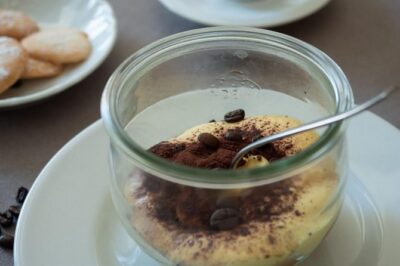
3 in 1 Cooking Class near Navona: Fettuccine, Ravioli & Tiramisu
Read our review →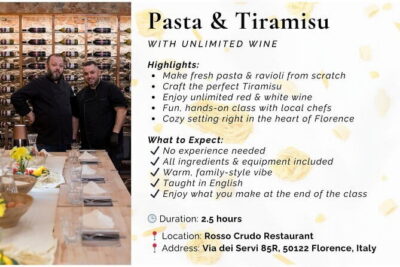
Pasta & Tiramisu Cooking Class with Unlimited Wine
Read our review →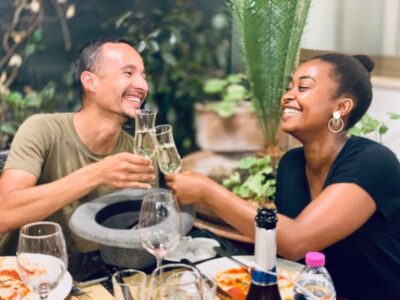
Pasta & Tiramisu Class with Fine Wine by the Vatican
Read our review →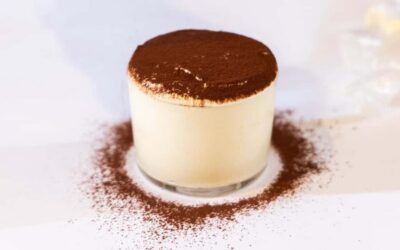
3-in-1 Fettuccine, Ravioli, and Tiramisu Cooking Class
Read our review →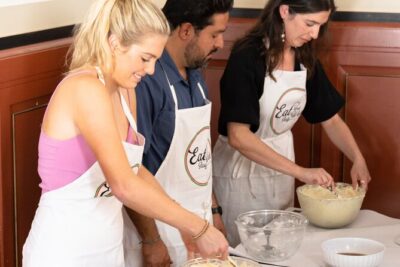
Learn to Make Pasta & Tiramisu with Wine and Limoncello Included
Read our review →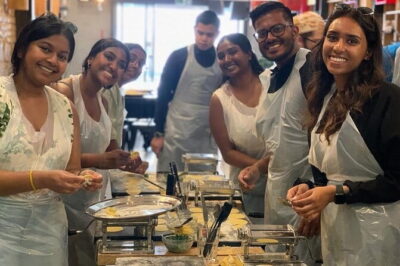
Cooking Class Pasta & Tiramisu Making Unlimited Wine
Read our review →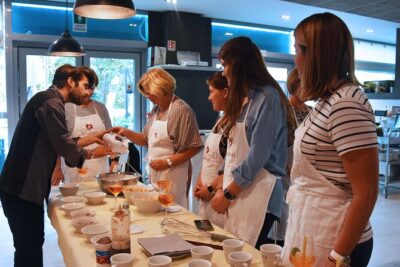
Become a Masterchef in Rome: Pasta, Ravioli and Tiramisù Class
Read our review →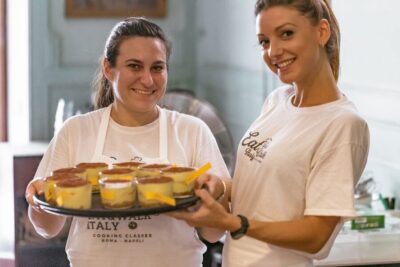
Fettuccine & Tiramisù: Cooking Class with Wine & Limoncello
Read our review →Browse the lists this class appears in