
REVIEW · PASTA CLASSES WITH WINE
Sciacca: Traditional Pasta Class With Wine Included
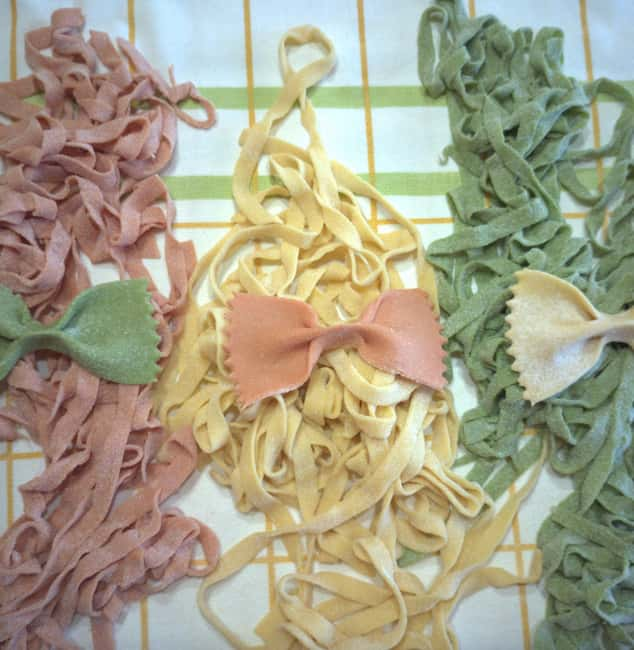
This is a pasta class with a genuine home-cooking feel. You sit in Accursia’s air-conditioned kitchen, sip her wine, and make fresh pasta by hand rather than simply watching a chef work. The class usually covers about five shapes, and some sessions use three different doughs.
I like the small group of six or fewer, which gives you room to ask questions and get help with each shape. I also like the generous Sicilian table: olives, artichokes, fruit, bread, preserves, tomato sauce, wine, and the pasta you make yourself. The main drawback is access. The house is not suitable for wheelchair users or people with mobility impairments, and you must report allergies or dietary restrictions ahead of time.
Key points at a glance
- Five pasta shapes by hand: You work with dough and shape several varieties yourself, often using three different doughs.
- Accursia and her son host the class: Their warm, informal approach gives the lesson a family-kitchen feel.
- A garden setting in Sciacca: The class takes place at a private home on Strada Regia Raganella, with the kitchen surrounded by a Sicilian garden.
- Wine and homemade food included: Expect wine, water, traditional preserves, and small bites made with local produce.
- A practical two-hour lesson: You leave with techniques you can repeat at home, and you may be able to take leftover pasta with you.
- A true small-group experience: With no more than six participants, the class feels personal rather than factory-sized.
A Sicilian kitchen, not a cooking theater
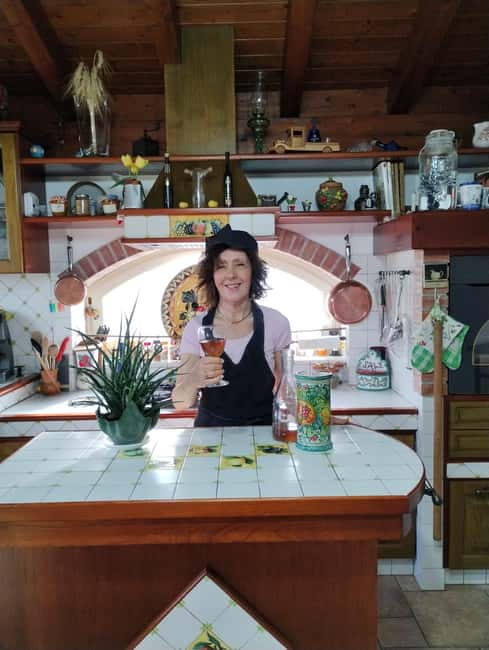
The appeal starts before the dough hits the table. You enter through the gate facing the garden at Strada Regia Raganella No. 99 and are welcomed into a private home in Sciacca. The setting matters because this is not a polished restaurant demonstration or a large culinary studio. You are cooking in the hosts’ own kitchen, with the garden close by and the pace set by the family.
Accursia leads the class with her son. Their role is part teacher, part host, and part dining companion. The lesson includes stories about Saccense gastronomy, the food culture of Sciacca, and the ingredients used in local cooking. You get a sense of how pasta fits into everyday Sicilian meals, not just how to make a pretty plate for a photograph.
The kitchen is air-conditioned, a useful detail in Sicily. Pasta-making requires time at a table, and a warm room can turn a pleasant lesson into a sticky chore. Here, you can focus on the dough, the shape, and the conversation without worrying about heat.
More Pasta Classes with Wine in Italy:
- Florence: Pasta Cooking Class with Unlimited Wine
★ 4.9 · 10,285 reviews - Florence: Pasta & Tiramisu Cooking Class with Unlimited Wine
★ 4.9 · 6,708 reviews - Florence: Pasta Cooking Class with Unlimited Wine
★ 5.0 · 6,413 reviews
What happens during the two hours
The class begins with a welcome, wine, and an introduction to the food traditions of the area. You then move into the basic pasta dough. The hosts explain the ingredients, the different types of flour, and the feel you are looking for as the dough comes together.
You should expect to use your hands often. That is one of the best parts of the lesson. Instead of treating pasta as a precise science requiring expensive equipment, Accursia shows you how touch helps you judge texture. You learn when dough is too dry, when it needs more work, and how to handle it without relying on a machine.
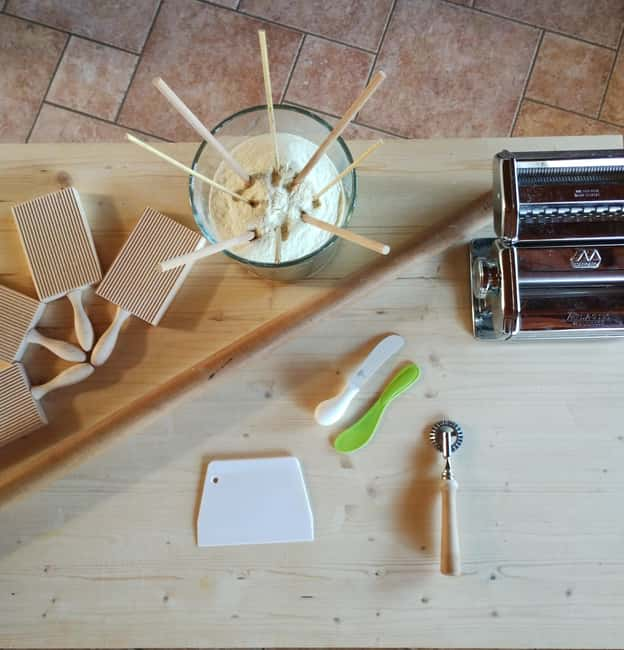
The tools are provided, but your hands do much of the work. All equipment for making fresh pasta is included, so you do not need to bring anything beyond an appetite and perhaps a willingness to get flour on your fingers.
Once the dough is ready, you begin forming the pasta. The class typically produces at least five different types. That variety keeps the lesson lively, though it also means the session is more about learning a useful range of shapes than mastering one form with professional precision.
Some participants have made five shapes from three different doughs. That is a good indication of the class’s scope. You will not spend two hours making the same strand again and again. Instead, you get a broad introduction to dough, shaping, and the small changes that create different results.
Accursia and her son guide you as you work. English and Italian are available, and the activity does not require strong Italian skills. The practical nature of the class helps too. A demonstration, a gesture, and a quick correction often explain more than a long speech.
Why making five shapes matters
A single pasta shape can be fun, but five shapes teach you more. You begin to see how the same basic ingredients can produce different textures and cooking times. Small changes in thickness, folding, cutting, or pinching affect how sauce clings to the pasta.
This is also where the class earns its keep. At $53 per person, you are not paying only for a meal. You are paying for instruction, ingredients, kitchen space, wine, water, food preserves, and the chance to practice under supervision. The value is strongest if you want a skill you can repeat at home.
The lesson is not aimed at professional cooks. You do not need prior pasta-making experience, and the emphasis is on techniques that are easy to copy later. If you already make fresh pasta regularly, the range of shapes and Sicilian perspective may still interest you, but beginners will gain the most.
A useful tip is to pay close attention to flour. The hosts discuss different flours and how they affect the dough. That detail can save you frustration at home. Pasta dough is often presented as a simple flour-and-egg formula, but the flour, moisture, and handling all change the final result.
The food served around your pasta
While the pasta is being prepared and cooked, the table fills out with traditional food preserves and small tastes from the garden and kitchen. The spread can include olives, artichokes, melon, oranges, homemade bread, and other seasonal produce.
These extras are not just decoration. They help place the pasta in a wider Sicilian meal. You are not eating a plain bowl of noodles in isolation. You are tasting the kind of simple, produce-driven food that makes a home cooking class feel different from a restaurant meal.
Wine and water are included. The wine adds to the relaxed pace, but you can also focus on the food and the lesson. If you do not drink alcohol, the included water gives you a straightforward alternative, though the available nonalcoholic choices are not specified.
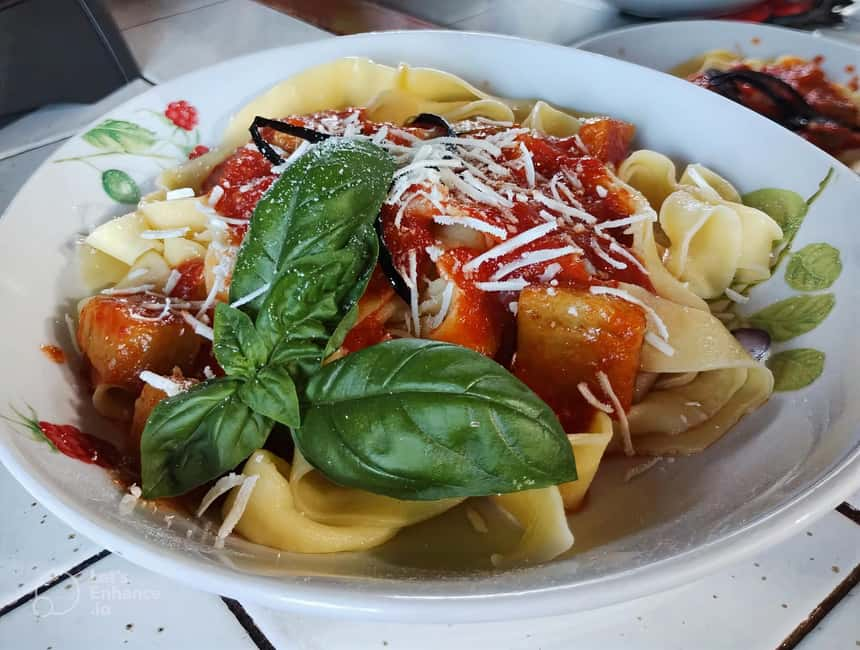
The hosts cook the pasta you have made, so you can taste the final result without having to manage the stove yourself. A tomato sauce has been served with the pasta, and it gives the freshly made shapes a familiar, practical finish. You see how the pasta behaves after cooking and how a simple sauce brings out its texture.
In some sessions, you may be able to take leftover pasta with you. That is a welcome bonus, particularly if you are staying nearby and have a way to keep it safely. It is best to treat this as a possibility rather than a guaranteed part of every class.
Other Italy classes worth putting on the shortlist
- 3 in 1 Cooking Class near Navona: Fettuccine, Ravioli & Tiramisu
★ 5.0 · 7,376 reviews - Florence Pizza or Pasta Class with Gelato Making at a Tuscan Farm
★ 5.0 · 6,801 reviews - Rome: Pasta & Tiramisu Class with Fine Wine by the Vatican
★ 4.9 · 4,852 reviews - Rome: Pasta Making Class with Wine, Limoncello, and Dessert
★ 4.9 · 3,177 reviews
The garden and the family atmosphere
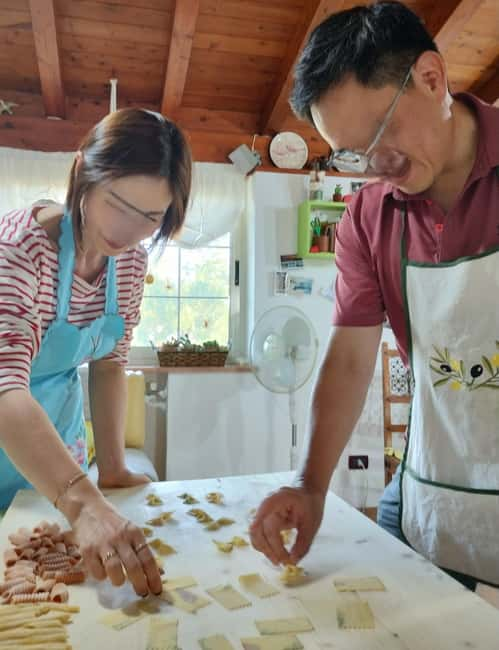
The garden is part of the experience, even though the main lesson takes place in the kitchen. You enter through the garden-facing gate and spend time in a home surrounded by Sicilian plants and outdoor space. The setting helps the class feel connected to the place rather than transplanted into a generic cooking room.
The home atmosphere also makes the experience suitable for couples, friends, and families with older children. An 11-year-old can take part, and the hands-on work gives children a clear task. Younger children may need extra attention, since pasta shaping involves patience and small pieces of dough.
Babies under one year are not considered suitable for this activity. One family session included help with a toddler, but you should not assume childcare is part of the class. The hosts may be kind and flexible, but the activity is still a cooking lesson, not a supervised child-care service.
The room’s air conditioning is a practical advantage for families and anyone visiting during hot weather. The small group also helps. With a maximum of six participants, you are less likely to lose your place at the table or wait long for assistance.
What makes the hosts important
Accursia and her son are central to the experience. Their welcome shapes the evening as much as the pasta itself. The class works because you are invited into their home and treated as a participant, not an audience member.
Accursia explains the food, ingredients, and local traditions while her son helps create a friendly, easygoing rhythm. Their family partnership is especially useful in a small kitchen. One person can demonstrate while the other helps with dough, shapes, questions, or photographs.
Photos are included at no extra cost. That means you can keep your hands busy instead of stopping to document every stage yourself. The photos also capture the group working together, which is useful when you want a memory of the activity rather than another posed meal picture.
The mood is informal and social. You can ask questions about flour, shaping, and local cooking without feeling that you are interrupting a formal lecture. If you enjoy meeting local people and learning through conversation, this format is a strong match.
Who should book this class
I would recommend this class to first-time pasta makers, food-focused visitors, couples, small groups of friends, and families with children old enough to follow a kitchen lesson. It is especially useful if you want an activity that teaches something rather than simply serving another meal.
It also suits people staying in or near Sciacca who want a local evening away from the usual sightseeing routine. The two-hour length is manageable, and the lesson includes enough food to make it feel like a complete outing.
You should think twice if you dislike hands-on activities. You will be touching dough, shaping pasta, and working at a shared table. This is not the right choice if you want to sit back while a chef does everything.
Mobility is another important consideration. The activity is not suitable for wheelchair users or people with mobility impairments. Companions of participants with disabilities may attend, but they cannot use the benefits reserved for the booked participants. Ask ahead if your needs are not clear from those guidelines.
Report all food allergies and intolerances before arrival. You should also share dietary restrictions in advance. The hosts can then tell you what can be adjusted, but no specific substitutions are promised.
Timing, price, and practical value
The experience lasts two hours and costs $53 per person. That price is reasonable if you count the instruction, five pasta shapes, ingredients, wine, water, food preserves, photos, and the meal you prepare.
The value is less about quantity and more about access. You are entering a local home, working with a small group, and learning a technique you can use again. If you only want a quick pasta lunch, a restaurant will be simpler. If you want a personal food activity with something to remember and repeat, this offers more.
Free parking is available, which helps if you are exploring the Sciacca area by car. The meeting point is the gate facing the garden at Strada Regia Raganella No. 99. Check the exact starting time when booking, since availability changes.
The class can be canceled up to 24 hours in advance for a full refund. You can also reserve now and pay later, which is useful if your Sicily plans are still taking shape.
Should you book the Sciacca pasta class?
Book it if you want fresh pasta made by your own hands, a small group, and a real home setting rather than a staged cooking show. The combination of five shapes, local ingredients, wine, garden views, and time with Accursia and her son gives the two hours a clear sense of place.
Skip it if you need full wheelchair access, want a highly formal culinary course, or prefer not to handle food yourself. For everyone else, the $53 price buys both a meal and a skill, which is a fair deal in Sicily. Bring your curiosity, mention dietary needs early, and leave room for a little flour on your hands.
FAQ
Where does the pasta class take place?
It takes place at a private home in Sciacca, Sicily. The meeting point is the gate facing the garden at Strada Regia Raganella No. 99.
How long does the experience last?
The class lasts two hours.
How much does it cost?
The price is $53 per person.
How many people can join?
The group is limited to six participants.
Who teaches the class?
Accursia and her son host and teach the experience.
What languages are available?
The class is offered in English and Italian.
How many kinds of pasta will I make?
You will usually make at least five different pasta shapes. Some sessions use three different doughs.
Is wine included?
Yes. Wine and water are included.
Is the kitchen air-conditioned?
Yes. The pasta lesson takes place in an air-conditioned kitchen.
Is parking available?
Yes. Free parking is available.
Are photos included?
Yes. Photos are provided free of charge.
Can I cancel the booking?
You can cancel up to 24 hours in advance for a full refund.
Is the class suitable for wheelchair users?
No. The activity is not suitable for wheelchair users or people with mobility impairments.
Can I bring a companion with a disability?
Companions of participants with disabilities are allowed, but they cannot use the benefits reserved for experience participants.
Are babies under one year allowed?
No. Babies under one year are not considered suitable for the activity.
Should I report food allergies or dietary restrictions?
Yes. Report all allergies, intolerances, and dietary restrictions in advance.
Recently added in Italy
- Verona: Tortellini Cooking Class and Lunch with Mamma Ivana★ 5.0 · 20 reviews
- Vicenza: Pasta & Tiramisu Cooking Class at a Local’s Home★ 5.0 · 5 reviews
- Volterra: Fresh Pasta Cooking Class at a Tuscan Farmhouse★ 5.0 · 33 reviews
- Verona: Pasta Cooking Class with Wine Tasting★ 5.0 · 4 reviews
- Verona: Pasta & Tiramisu Cooking Class at a Local’s Home★ 5.0 · 16 reviews
- Verona: Prosecco and Pasta Making Class at a Local’s Home★ 5.0 · 10 reviews
- Venice: Share Your Pasta Love in a Local’s Home★ 4.8 · 20 reviews
- Verona: My Granny’s secrets making gnocchi★ 5.0 · 7 reviews
Pasta Classes with Wine, compared.
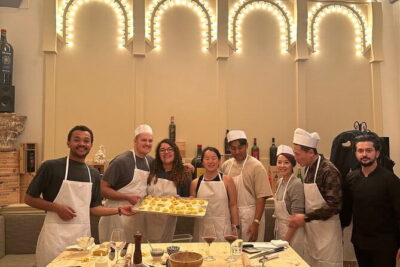
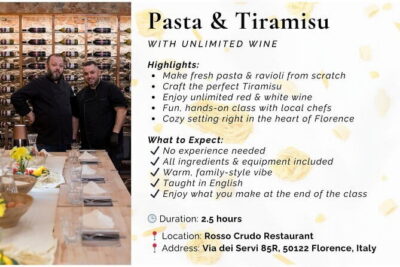
Pasta & Tiramisu Cooking Class with Unlimited Wine
Read our review →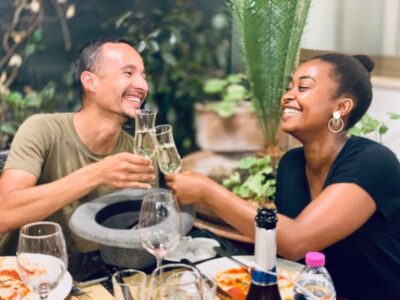
Pasta & Tiramisu Class with Fine Wine by the Vatican
Read our review →
Pasta Making Class with Wine, Limoncello, and Dessert
Read our review →
Rome Cooking Class: Make Pasta and 3 Spritz Cocktails
Read our review →
Learn to Make Pasta & Tiramisu with Wine and Limoncello Included
Read our review →
Cooking Class Pasta & Tiramisu Making Unlimited Wine
Read our review →
Fettuccine & Tiramisù: Cooking Class with Wine & Limoncello
Read our review →Browse the lists this class appears in