
REVIEW · RAVIOLI AND GNOCCHI CLASSES
Rome: Ravioli, Fettuccine and Tiramisu Cooking Class
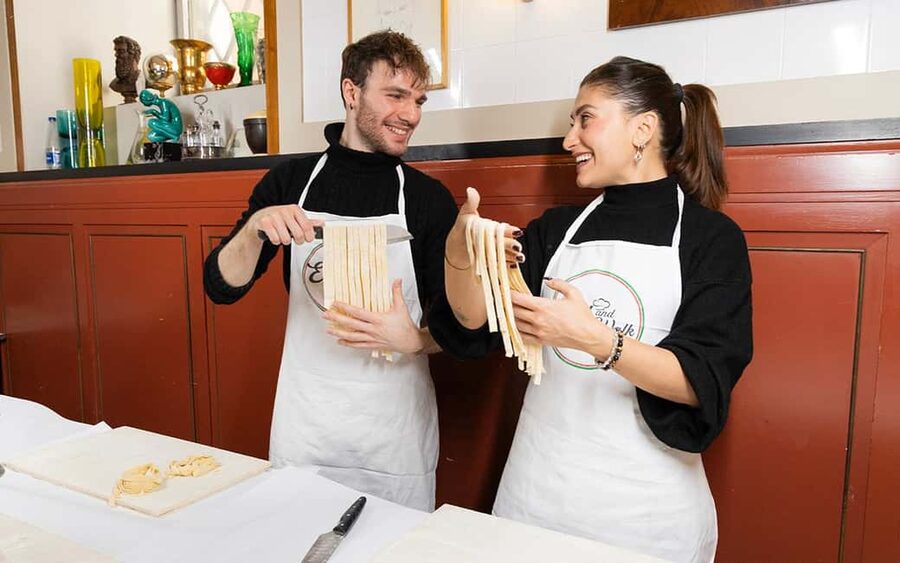
Fresh pasta is the star here, but the best part is that you make two different kinds in one sitting. At Gusto Restaurant, an English-speaking chef walks you through fettuccine and ricotta ravioli, then you sit down to eat what you made with a glass of wine. It is a good way to turn a meal into a hands-on Rome memory.
I like the clear, practical teaching. Instructors such as Matt, Furio, Mattia, and Josephina have been praised for keeping the pace friendly and checking each person’s work. I also like the small-group feel reported by past participants, which makes pasta shaping less intimidating. The main drawback is the menu’s simplicity: you get pasta and tiramisu, but no vegetable course or side dish is included.
Key points at a glance
- Three Roman favorites in one class: Make tiramisu, fettuccine, and ricotta ravioli from scratch.
- Choose your fettuccine sauce: Pick tomato and basil, cacio e pepe, or amatriciana.
- Eat what you cook: Your meal is served at Gusto Restaurant after the practical work is done.
- Useful instruction for home cooks: The chef explains pasta dough and shares techniques you can repeat at home.
- A relaxed finish: The package includes water, wine or a soft drink, plus coffee or limoncello.
- Easy central meeting point: Meet inside Gusto Restaurant at Via Giuseppe Zanardelli 14.
What this Rome cooking class really offers
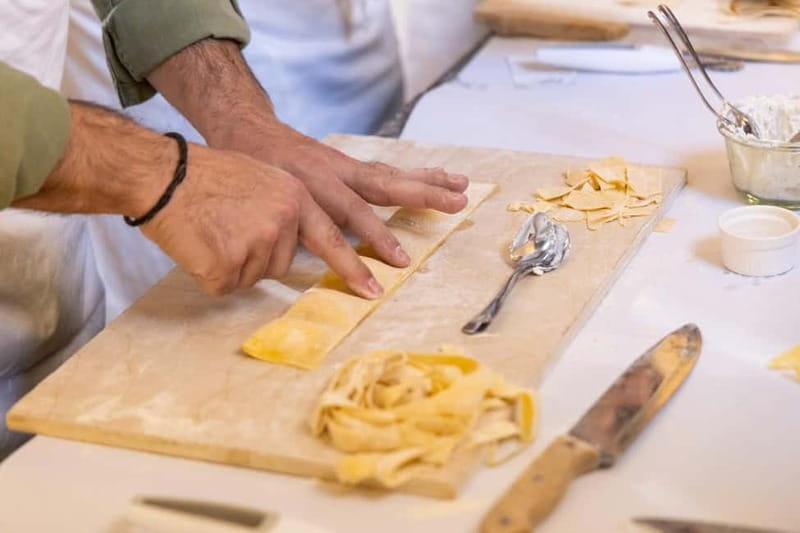
This is a three-hour food workshop in the heart of Rome, run by Eat and Walk Italy. You do not simply watch a chef prepare a Roman meal. You mix, shape, and assemble the food yourself, then eat it at the same restaurant.
The class focuses on three familiar Italian dishes. Tiramisu comes first as a group activity, followed by fresh pasta dough, fettuccine, and ravioli. The menu is approachable rather than ambitious, which is good news if you want to learn basic techniques without spending the afternoon on a complicated culinary course.
I see this as a social activity as much as a cooking lesson. You work alongside other participants, compare pasta shapes, and share the meal afterward. Several past participants found the class especially enjoyable because the instructors created an easy atmosphere and encouraged conversation around the table.
More Ravioli and Gnocchi Classes in Rome
- 3 in 1 Cooking Class near Navona: Fettuccine, Ravioli & Tiramisu
★ 5.0 · 7,376 reviews - Rome: 3-in-1 Fettuccine, Ravioli, and Tiramisu Cooking Class
★ 4.9 · 2,704 reviews - Rome: Fettuccine Pasta Cooking Class in Rome’s City Center
★ 4.8 · 2,414 reviews
Starting inside Gusto Restaurant
You meet the chef inside Gusto Restaurant at Via Giuseppe Zanardelli 14. Arrive 10 minutes early, since the class starts with the group gathered and ready to work.
The location matters because you do not need to travel outside Rome for the lesson. The activity takes place in a restaurant in the city center, making it a practical choice for a morning or afternoon between sightseeing stops. The supplied information does not specify the exact starting times, so check availability for the date you want.
The meeting point is straightforward, but remember that the class is at the restaurant itself. You are not meeting a guide at a monument or a street corner and then walking elsewhere. Go inside Gusto and look for the cooking class.
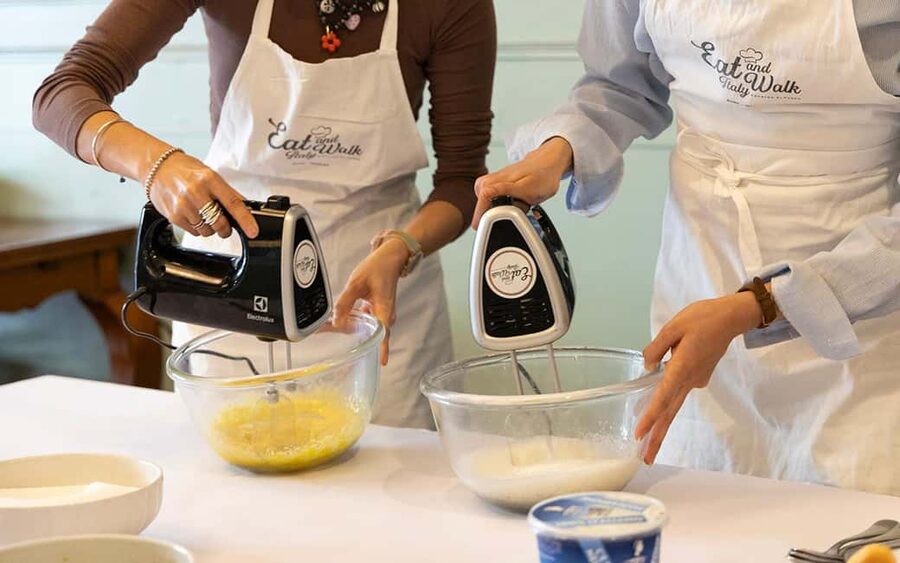
Making tiramisu as a group
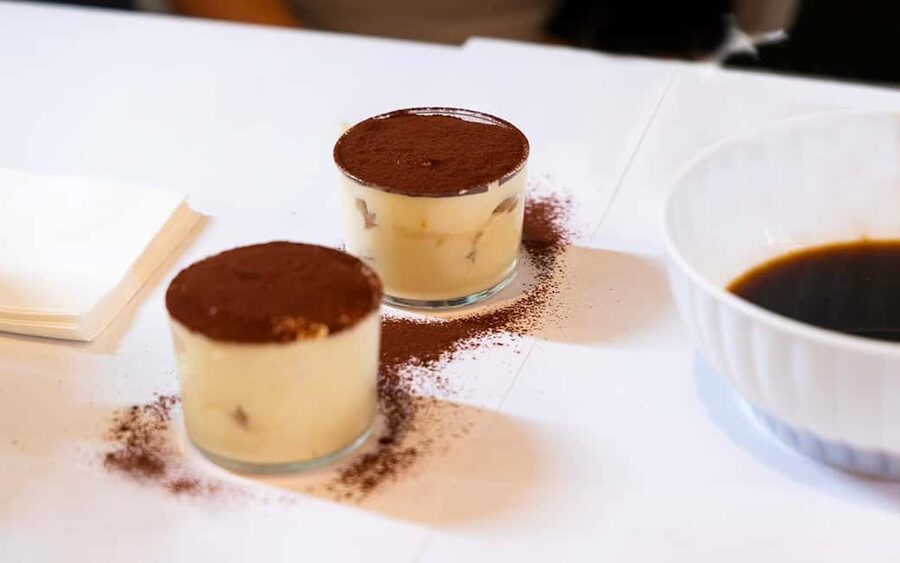
The class begins with tiramisu. You make your own dessert as part of a group activity, so the opening section gets everyone involved before the pasta work begins.
Tiramisu is a smart first recipe for this setting. It does not require the same hands-on dough work as pasta, and it gives you an early win. You can follow the chef’s instructions, assemble your dessert, and then move on to the more physical parts of the lesson.
The dessert is included in the meal, so you are not just practicing for someone else to eat later. Your tiramisu becomes the final course of your lunch or dinner. That payoff helps keep the class connected from start to finish.
If you are hoping for a pastry course with advanced dessert technique, this will feel basic. The point is not to train as a pastry chef. It is to learn a familiar Italian dessert in a simple format, then enjoy it at the end.
Learning pasta dough from scratch
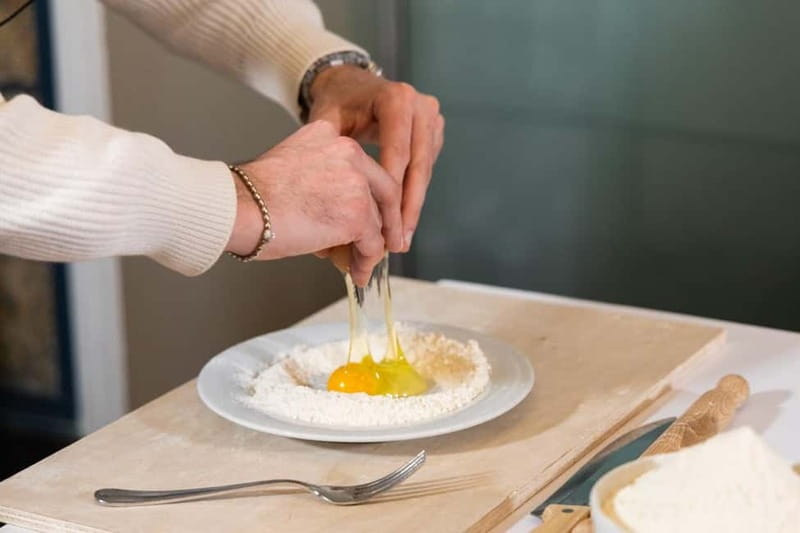
The pasta section is the heart of the experience. The chef explains how to make the dough and shares the sort of practical advice associated with home cooking in Italy. The instruction is designed to be repeated in your own kitchen, not just copied once during class.
This is where the quality of the instructor matters. Matt has been praised for clear explanations and an engaging manner, while Furio was described as making the process feel easy. Josephina was noted for her patience, and Mattia for keeping the activity fun. The instructor on your date may differ, but the class is conducted in English.
Several people found the pasta less difficult than expected. That is useful to know if you are nervous about working with dough. You do not need to arrive as an experienced cook. The chef demonstrates the steps, and the class moves at a pace that past participants found easy to follow.
You should still expect to get your hands messy. Making pasta from scratch involves handling dough, working it into shape, and paying attention to thickness. This is not a polished demonstration where you sit back and take notes. The learning comes from doing the work yourself.
More Tiramisu Classes in Rome
- Rome: Pasta & Tiramisu Class with Fine Wine by the Vatican
★ 4.9 · 4,852 reviews - Learn to Make Pasta & Tiramisu with Wine and Limoncello Included
★ 5.0 · 2,345 reviews - Become a Masterchef in Rome: Pasta, Ravioli and Tiramisù Class
★ 5.0 · 2,156 reviews - Fettuccine & Tiramisù: Cooking Class with Wine & Limoncello
★ 4.9 · 2,103 reviews
Two pasta shapes, two different lessons
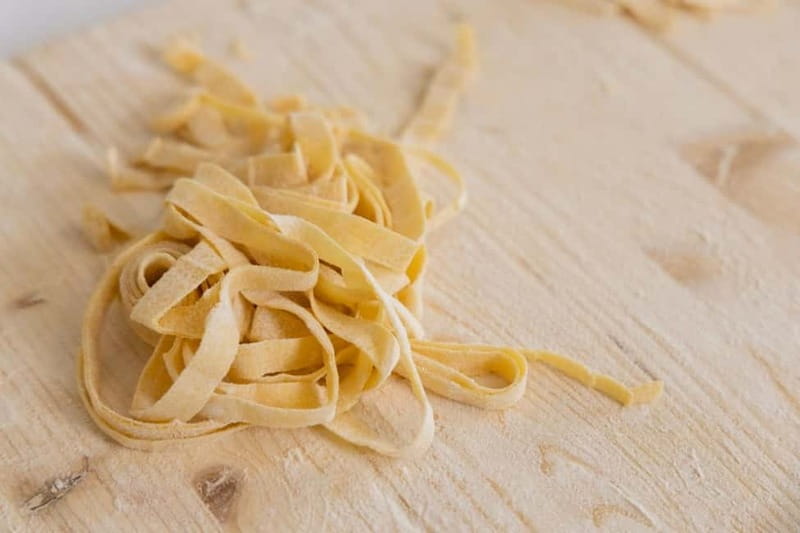
The class teaches both fettuccine and ravioli, which gives you more variety than a pasta lesson focused on a single shape.
Fettuccine introduces you to making long, flat noodles. You then choose one sauce from three Roman-style options:
- Tomato and basil
- Cacio e pepe
- Amatriciana
That choice adds a little control over the final meal. Tomato and basil is the simplest and most familiar option. Cacio e pepe is built around cheese and pepper, while amatriciana gives you a stronger Roman flavor. The available sauces also help you compare how one type of pasta works with different preparations.
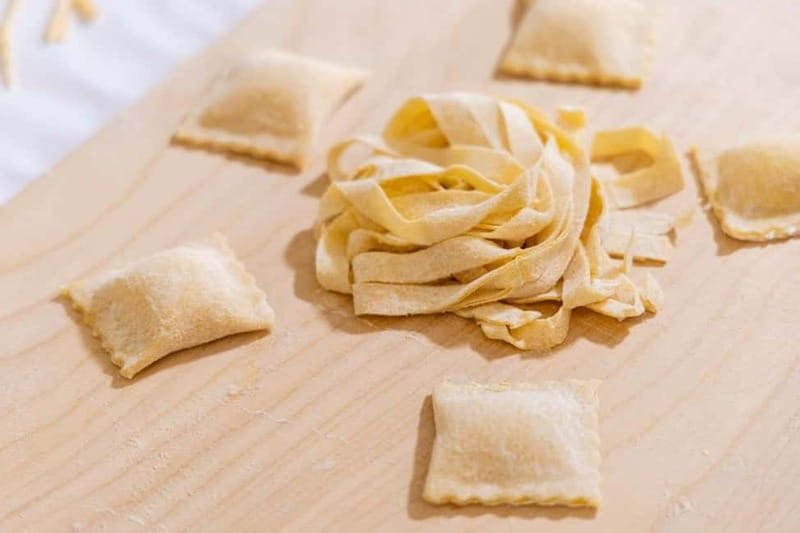
Ravioli brings a different skill. You fill the pasta with ricotta, seal it, and eat it with butter and sage. This is a useful contrast with fettuccine because it teaches you to work with filled pasta rather than only cut noodles.
The ravioli is served with butter and sage, while the fettuccine comes with your selected sauce. That makes the meal feel varied even though the class centers on pasta. You get a long noodle, a filled pasta, and a dessert rather than three versions of the same dish.
Sitting down to eat your work
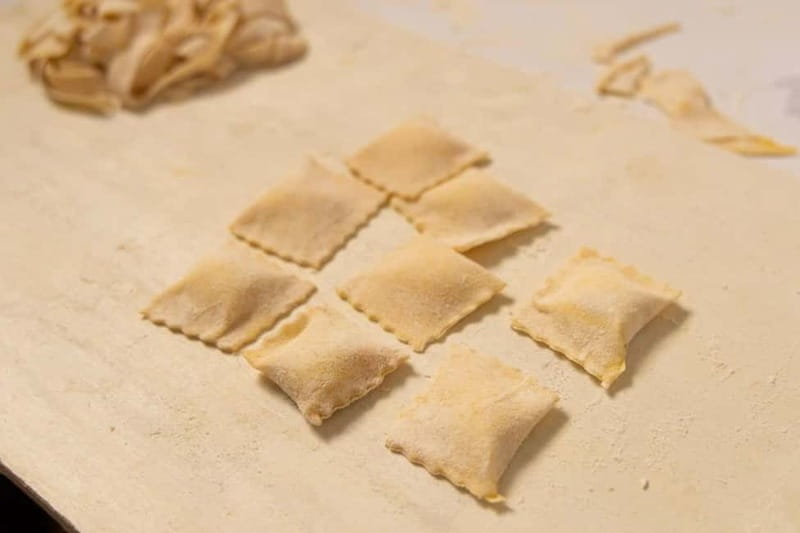
After the cooking is finished, your food is served in the restaurant. The included meal consists of your fettuccine, ricotta ravioli, and tiramisu, with water and either a glass of wine or a non-alcoholic beverage.
The meal is a major reason this class works well for a Rome itinerary. You do not have to find a restaurant afterward, and you get the satisfaction of eating food that you helped prepare. Past participants especially liked sitting with the rest of the group once the work was done.
The meal is fairly focused. There is no listed salad, vegetable, appetizer, or separate meat course. One participant specifically wished for a vegetable or another accompaniment. I would not book this expecting a long Roman feast. Think of it as a generous pasta meal with dessert and drinks.
The final drink is either coffee or limoncello. That small choice gives the class a pleasant Italian finish. If you do not drink alcohol, the listed alternatives include a soft drink and coffee, so you can still take part in the meal without wine or limoncello.
How much value do you get for $82?
At $82 per person, this is not the cheapest meal in Rome. You are paying for more than the ingredients, though. The price includes three hours of instruction, the hands-on work, two pasta dishes, tiramisu, water, a drink with the meal, and coffee or limoncello.
I think the value is strongest if you want an activity rather than just lunch. A restaurant meal would be simpler and perhaps less expensive, but it would not teach you how to make pasta or give you recipes and techniques to use at home.
The value also depends on your expectations. If you already make fresh pasta regularly, the recipes may seem basic. One participant described the techniques as simple but still picked up new tips. That is a fair way to view the class: it is an accessible introduction, not an advanced culinary seminar.
For families, couples, and solo visitors, the social element adds value. You are given a reason to talk with people at your table, and the cooking creates an easy shared subject. Past participants found it suitable for groups and solo bookings alike.
Who should book this experience?
I would choose this class if you want to bring a practical skill home from Rome. The recipes are familiar enough to recreate, and the lesson gives you a chance to understand the feel of fresh pasta rather than simply watching a professional do it.
It is also a good pick for families with older children. Children under four are not allowed, and younger children may find the dough work slow or difficult. Older children who enjoy making things with their hands can take part in the tiramisu, pasta, and shared meal.
Couples can use it as a relaxed alternative to another sightseeing stop. Solo visitors may appreciate the built-in company, since the class brings everyone together around a shared meal. The wheelchair accessibility is another practical advantage, though you should still confirm any personal access needs when booking.
This is less suitable if you want a quiet, private dinner or a highly technical cooking course. The class is social, the recipes are fairly basic, and the meal does not include a full range of side dishes.
Practical details before you go
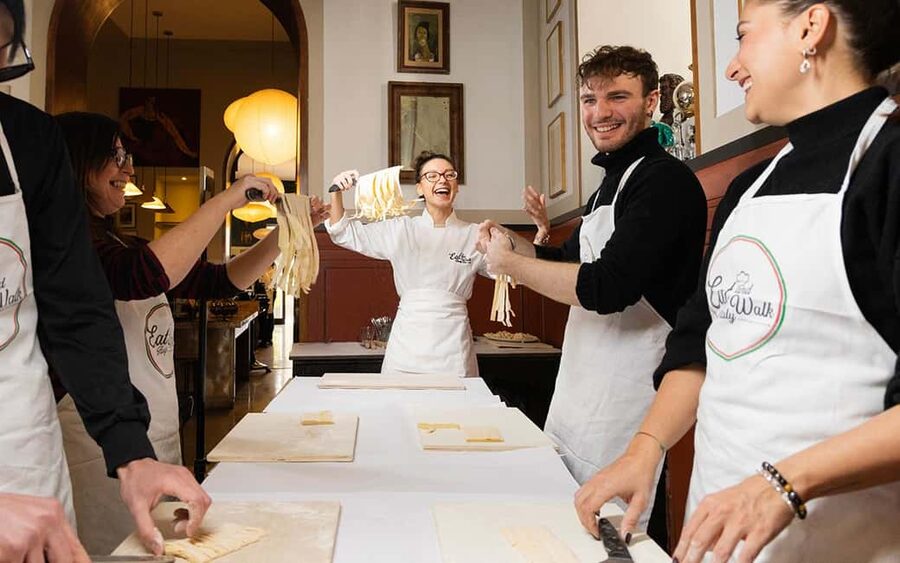
The class lasts three hours, so leave enough room in your day for the full session. Arrive 10 minutes early at Gusto Restaurant, Via Giuseppe Zanardelli 14.
Instruction is in English. The experience is wheelchair accessible, and children under four cannot participate. The activity provider is Eat and Walk Italy.
You can cancel up to 24 hours before the class for a full refund. A reserve-now, pay-later option is also available, which helps if your Rome schedule is still changing.
Since the lesson includes flour, dough, and food preparation, wear clothes you do not mind using in a kitchen. The supplied details do not specify whether aprons or equipment are provided, so do not assume that every kitchen item is supplied for personal use.
Should you book the Rome pasta class?
Book it if you want a friendly, hands-on introduction to Italian cooking with a complete meal at the end. The strongest features are the chance to make both fettuccine and ravioli, the patient English instruction, and the useful techniques you can repeat at home.
Skip it if you are looking for an elaborate tasting menu, advanced culinary training, or a meal with vegetables and several courses. For most visitors, though, $82 is reasonable for three hours of instruction, food, drinks, and a social evening in central Rome.
I would especially recommend it for first-time pasta makers, families with older children, and anyone who wants one Rome activity that is easy to enjoy without much preparation.
FAQ
How long does the cooking class last?
The class lasts three hours.
Where does the class meet?
Meet the chef inside Gusto Restaurant at Via Giuseppe Zanardelli 14 in Rome.
What pasta dishes will I make?
You will make fettuccine and ravioli with ricotta. The ravioli is served with butter and sage.
Which sauces are available for the fettuccine?
You can choose tomato and basil, cacio e pepe, or amatriciana.
Is a meal included after the cooking lesson?
Yes. You eat your homemade fettuccine, ravioli, and tiramisu at the restaurant. Water and one glass of wine or a soft drink are included, along with coffee or limoncello.
Is the class taught in English and is it wheelchair accessible?
Yes. The instructor teaches in English, and the activity is wheelchair accessible. Children under four are not permitted to participate.
Recently added in Rome
- Trastevere Food Tour with Pasta-Making Class★ 5.0 · 5 reviews
- Traditional Pasta Cooking Class with Tiramisu Small Group★ 5.0 · 7 reviews
- Rome: Pasta and tiramisu class with wine pairing at Come Na Vorta★ 5.0 · 30 reviews
- Spritz and Pasta! Spritz, Fettuccine & Tiramisù★ 5.0 · 2 reviews
- The Pasta Factory Class★ 4.5 · 21 reviews
- Top Class in Fettuccine, Ravioli, and Tiramisu★ 5.0 · 7 reviews
- Private 4 Roman Pastas Tasting Tour in Rome★ 5.0 · 6 reviews
- The Original Fettuccine Alfredo Experiences in Roma★ 4.5 · 38 reviews
Ravioli and Gnocchi Classes, compared.
3 in 1 Cooking Class near Navona: Fettuccine, Ravioli & Tiramisu
Read our review →
3-in-1 Fettuccine, Ravioli, and Tiramisu Cooking Class
Read our review →
Fettuccine Pasta Cooking Class in Rome’s City Center
Read our review →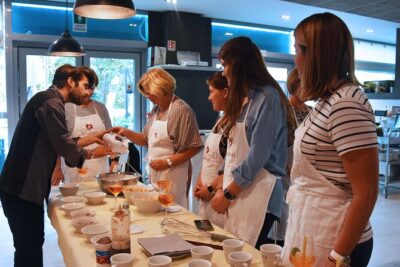
Become a Masterchef in Rome: Pasta, Ravioli and Tiramisù Class
Read our review →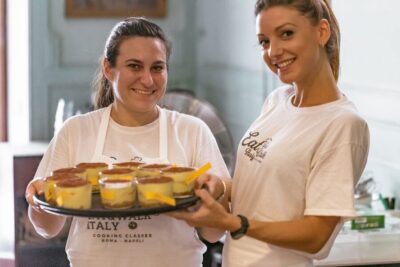
Fettuccine & Tiramisù: Cooking Class with Wine & Limoncello
Read our review →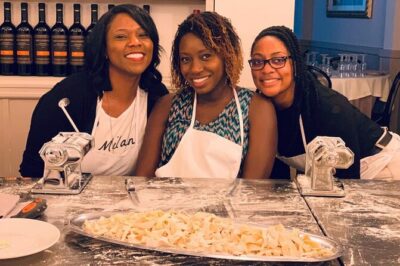
Rome Pasta and Tiramisu Class: Ravioli, Fettuccine & Fine Wine 5*
Read our review →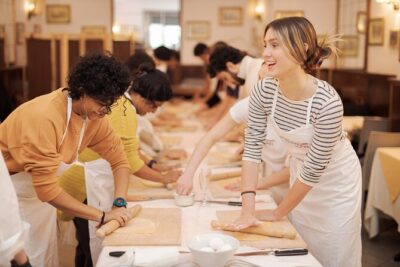
Pasta Cooking Class in Rome – Fettuccine Class in Piazza Navona
Read our review →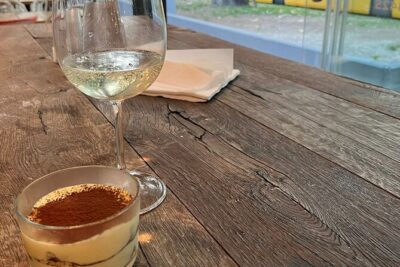
Browse the lists this class appears in