
REVIEW · MARKET TOURS AND COOKING CLASSES
Rome: Pasta Cooking Class with Market Visit and Wine
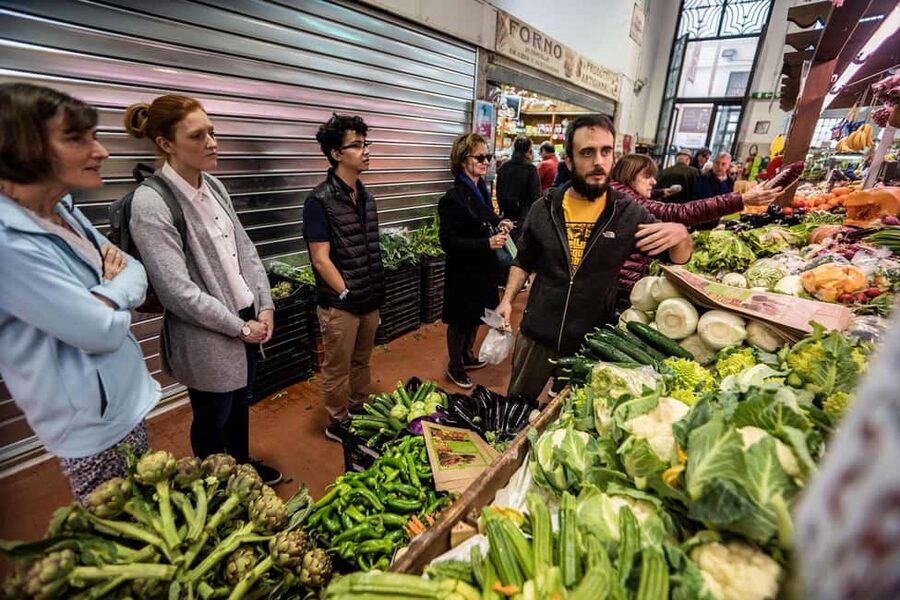
The best part of this Rome cooking class is that it begins before you reach the kitchen. You walk to Nomentano Market, learn how fresh ingredients are chosen, and hear bits of Roman history on the way. I like that the market visit gives the meal a local setting, and I like that chef Marco teaches at individual workstations, so you get more than a quick demonstration. The main drawback is that the class is not suitable for anyone with gluten intolerance.
You should also know that the advertised timing can be a little loose. The experience is described as four hours, while some booking information has shown a longer duration, and one session finished in about four hours. That is a useful length for a relaxed meal without taking over your whole day. Come hungry, wear clothes you can work in, and arrive at Via Palestro 51 at least 10 minutes early.
Key points at a glance
- Nomentano Market visit: Walk through a local indoor market and see the ingredients selected for the class.
- Several pasta styles: Learn to shape linguine, tortellini, ravioli, and other varieties, with some sessions covering around five to seven forms.
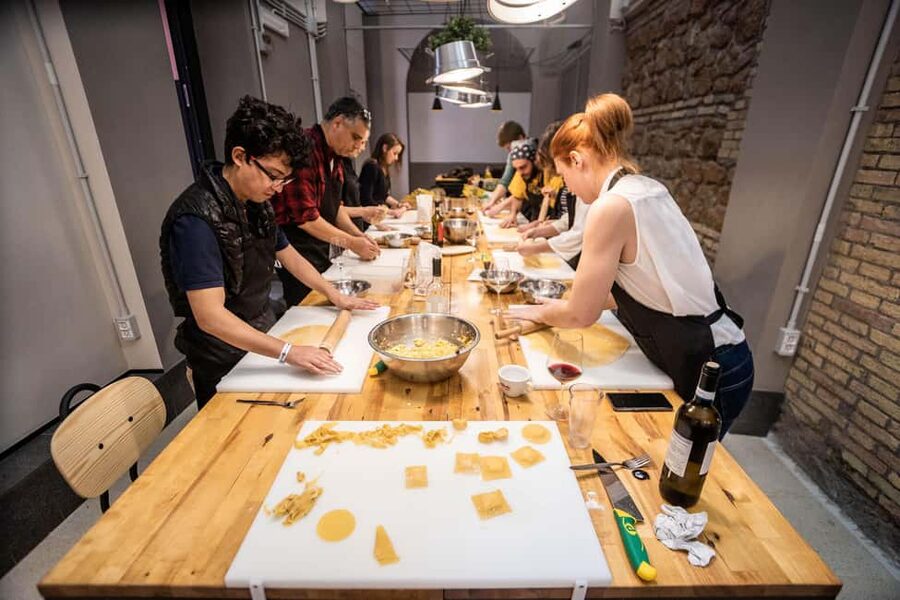
- Hands-on instruction: Work at your own station while Marco checks each person’s dough and technique.
- A full Italian meal: Eat the pasta with sauces, Italian wine, coffee, and limoncello.
- Useful take-home material: Leave with pasta recipes and a participation certificate.
- Good for beginners: No previous cooking skill is required, though gluten-free diners should not book this activity.
A market walk before the first handful of flour
The class starts at Via Palestro 51, not in an anonymous cooking studio far from daily Roman life. From there, the group walks to Nomentano Market, taking roughly five to ten minutes according to the available descriptions.
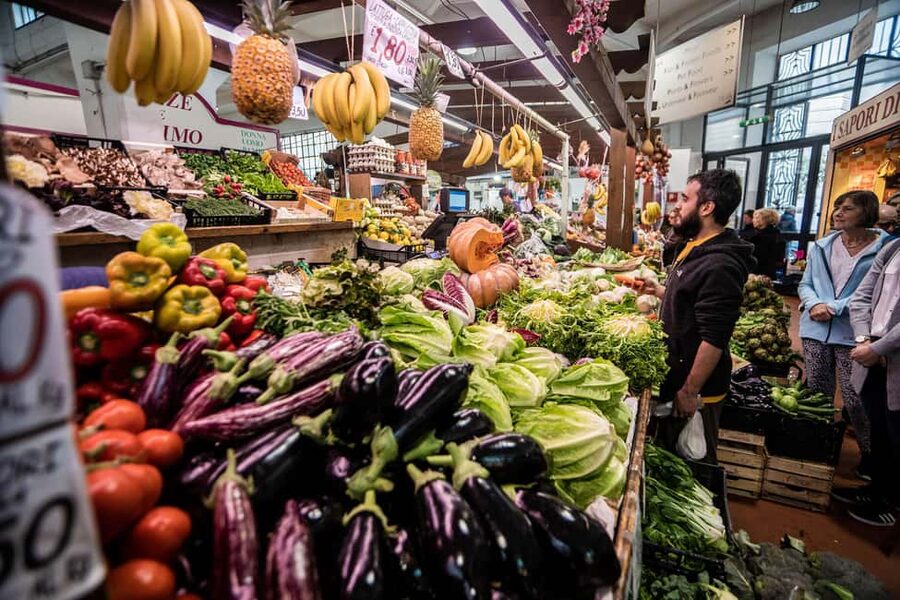
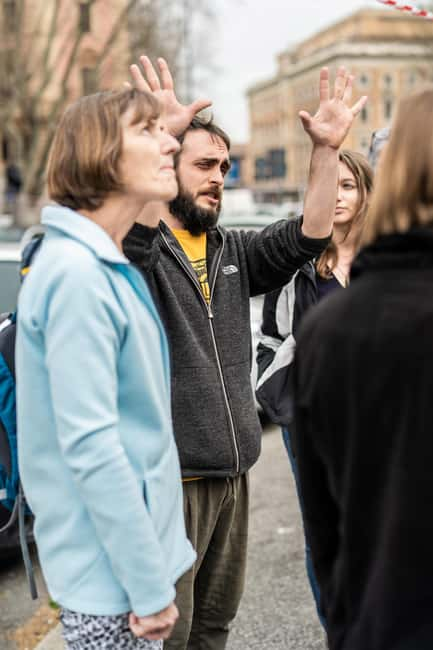
That short walk matters. It gives you time to shift from sightseeing mode into food mode, and Marco uses the route to share stories about Rome and Italy. The market itself is not presented as a grand tourist attraction. Its value is simpler: you see the kind of fresh vegetables, meat, fish, and other products used in ordinary Roman cooking.
Marco explains why particular ingredients work together. Pumpkin, ricotta, sage, and mushrooms have all featured in the class, especially for ravioli fillings. You may also help gather ingredients for sauces and other pasta dishes. This makes the market visit more than a photo stop. You start to understand how a cook thinks about flavor, freshness, and the season.
I like this opening because it gives the cooking lesson a sense of place. You are not only learning a recipe copied from a card. You are seeing where the raw materials come from and hearing how they fit into Roman food culture.
The market is still a working food market, so do not expect a long guided tour of every stall or a formal tasting session. The walk is brief, and the focus is on selecting ingredients for the meal. If you want a lengthy market experience, this may feel limited. If you want a useful introduction before cooking, it hits the right note.
More Pasta Classes with Wine in Rome
- Rome: Pasta & Tiramisu Class with Fine Wine by the Vatican
★ 4.9 · 4,852 reviews - Rome: Pasta Making Class with Wine, Limoncello, and Dessert
★ 4.9 · 3,177 reviews - Rome Cooking Class: Make Pasta and 3 Spritz Cocktails
★ 5.0 · 2,937 reviews
Inside the Kitchen of Mamma
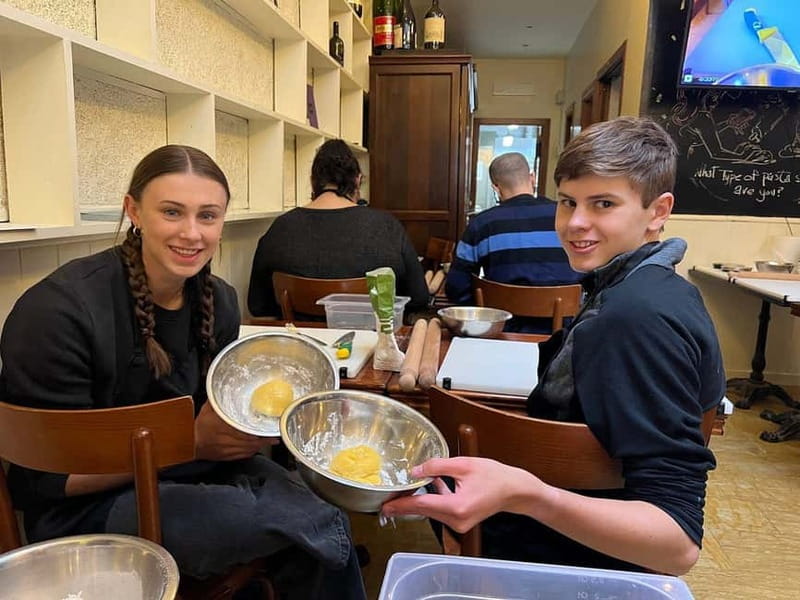
After the market, you return to a kitchen known as the Kitchen of Mamma. The class is set around a long table, with individual stations for participants. That arrangement is one of the most practical features of the experience.
Cooking classes can be frustrating when everyone crowds around one counter and watches the instructor do the important work. Here, you make your own dough and shape the pasta yourself. Marco moves around the room, checks the consistency, and offers corrections when needed. Beginners get a real chance to learn instead of simply watching a professional chef finish the difficult parts.
The first lesson is the dough. You learn how to combine the ingredients, knead properly, and judge when the mixture has the right feel. This is where the class earns its keep. A recipe tells you quantities, but it cannot easily tell you what dough should feel like under your hands. Marco’s direct help is especially useful if your mixture is too dry or too soft.
The tone is relaxed and social. Marco is described repeatedly as funny, patient, warm, and attentive, and that style seems to be a major part of the experience. He keeps the group talking, answers questions, and shares stories about Italian food and life. You should expect a lively class rather than a quiet technical workshop.
English and Italian are the listed teaching languages. The practical demonstrations and hands-on format should help you follow along, but you should still be comfortable receiving basic cooking instructions in one of those languages.
More than spaghetti: shaping the pasta
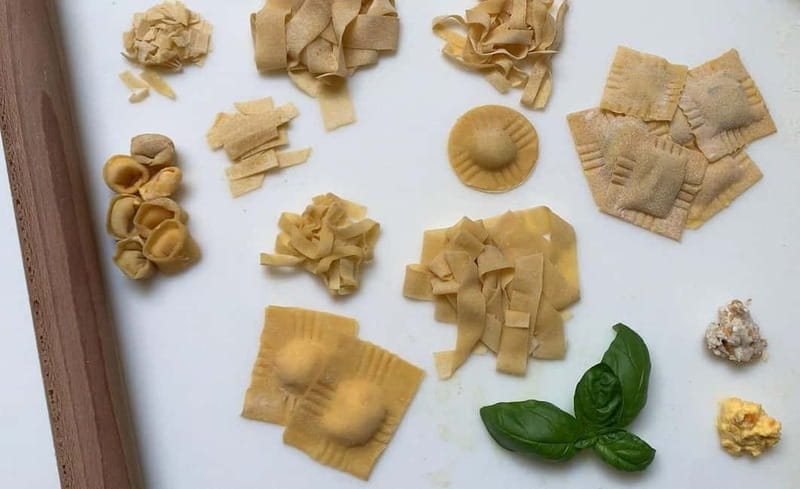
This class is not built around one familiar dish such as carbonara. You learn several pasta forms, which makes the session more useful when you return home.
The exact selection can vary, but the class has included:
- Linguine
- Ravioli
- Tortellini
- Several different pasta cuts
- Filled pasta with ricotta, pumpkin, or other prepared fillings
One session covered seven different pasta sizes, while other descriptions refer to at least five types. That variation suggests the class is generous with demonstrations, but you should not treat the exact number as a fixed promise for every date.
The filled pasta is likely to be the most memorable part. You learn how to place filling, seal the dough, and fold shapes such as ravioli and tortellini. These folds look easy when a chef does them quickly. At your own station, you will see that clean edges and even shapes take practice. That is not a flaw. It is the useful part of the lesson.
Marco prepares some fillings and sauces while the group works on the pasta. This means you will not personally cook every single ingredient from start to finish. One participant specifically noted that the group did not cook all the ingredients themselves, though the overall experience remained enjoyable. The tradeoff is sensible: if everyone had to make every sauce and filling, the class could become slow and repetitive.
I especially like that the focus goes beyond spaghetti. You leave with a better sense of how fresh pasta changes according to its shape, thickness, filling, and sauce. That is far more helpful than memorizing one Roman dish for one evening.
Sauces, wine, and the meal at the end
Once the pasta is ready, Marco cooks it and serves it with sauces prepared during the class. Past examples include meat sauce, vegetable combinations, and sauces matched to the fillings. The food is served as lunch, not as a small sample at the end of a demonstration.
The meal is paired with a glass of Italian wine. The wine helps create a friendly table setting, and the class uses that time for more conversation about Italian food and local customs. Coffee and limoncello finish the meal.
The drinks are part of the value, but you should keep the wording in mind: the included package specifies a glass of Italian wine, plus coffee and limoncello. Some descriptions use the plural word glasses, but you should not book this expecting a formal wine tasting or an unlimited drinks package.
The meal can be generous. One account described enough food to make a substantial lunch, and another mentioned taking leftovers home. That may depend on the group and the day, so consider it a possible extra rather than a guaranteed feature.
This is a social class, and the table meal is where the experience shifts from lesson to shared lunch. You get to talk with the instructor and other people in the group while eating food you helped make. If you prefer a highly structured chef’s workshop with little conversation, the relaxed style may feel loose. If you enjoy meeting people over food, it is a strong match.
More Market and Cooking Classes in Rome:
- Kitchen of Mamma: Pasta Cooking Class with market visit in Rome
★ 5.0 · 140 reviews - Farmers’ Market Shopping with Cooking Class and Pasta Making
★ 5.0 · 91 reviews - Rome: Testaccio Food & Market Tour with Pasta & Wine
★ 5.0 · 38 reviews - Farmer’s Market and Pasta Making with Italian Wine
★ 5.0 · 15 reviews
What makes Marco such an important part of the class
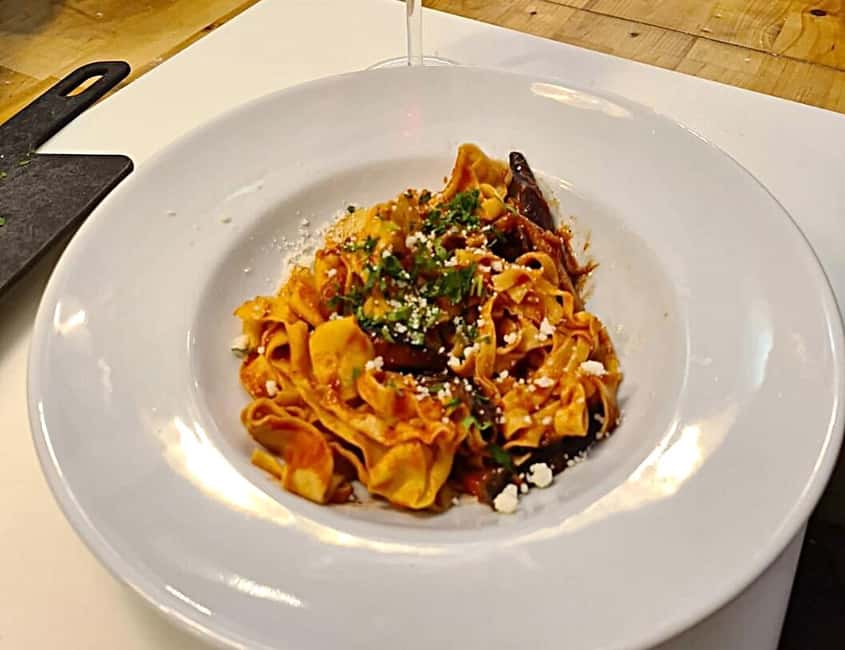
The recipes matter, but the instructor is central here. Marco is the named chef and guide associated with the experience, and his role goes well beyond showing the first step and leaving you to struggle.
He explains the technique, watches each person’s dough, helps with tricky folds, and keeps the group at ease. He also adds Roman history during the market walk and personal stories during the meal. That mix makes the class feel like a food lesson hosted by a local person, not simply a production line.
His humor is useful, too. Pasta folding can become awkward when your tortellini looks nothing like the chef’s. A patient instructor keeps the mistake from becoming embarrassing and turns it into part of the fun. Several sessions also included families and people with different cooking backgrounds, so the class appears suited to mixed ability levels.
There is an important practical limit. A class with one instructor and several stations cannot offer private coaching every second. You will need to listen, copy the demonstration, and ask for help when you need it. The available descriptions indicate that Marco makes regular rounds and gives individual attention, but this is still a group activity, not a private lesson.
Price, timing, and who gets good value
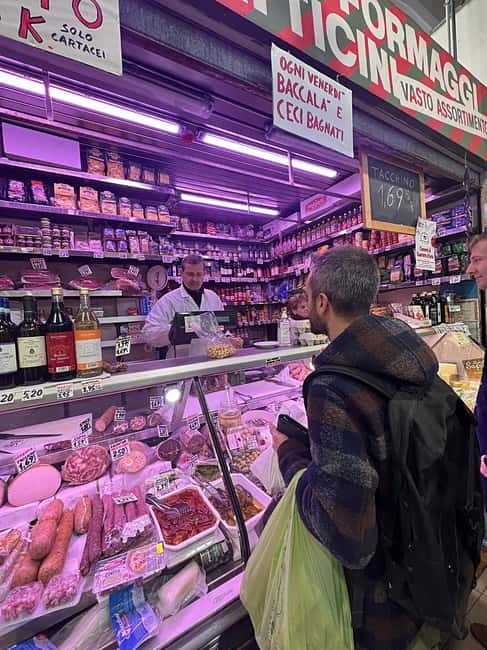
At $103 per person, this is not the cheapest meal in Rome. It is also more than a basic pasta demonstration. The price includes the market walk, ingredients, a hands-on lesson, lunch, wine, coffee, limoncello, recipes, and a participation certificate.
I see the value in the combination. You are paying for four hours of activity, a meal, instruction, and a local food experience. If you already plan to spend about the same amount on lunch and an attraction, this gives you something to take home: practical pasta skills and recipes you can use again.
The value is strongest for people who want to participate. If you only want to eat pasta, a Roman trattoria will be simpler and likely less expensive. If you enjoy cooking and want a personal activity, the price is easier to justify.
The session is listed as four hours, with starting times available by date. One description referred to a six-hour listing, but the actual class lasted about four hours and felt like the right length for the group. Plan at least half a day around it, especially if you do not want to rush to your next appointment.
The meeting point is Via Palestro 51, 00185 Rome. Arrive at least 10 minutes early. The market walk is on foot, so comfortable shoes are sensible.
Food restrictions and useful planning notes
The activity is specifically marked as unsuitable for people with gluten intolerance. Fresh pasta is the focus, so this is not a class where gluten-free substitutions are promised.
Some cooking sessions have accommodated vegetarians and people who do not eat pork or red meat. One participant noted that Marco asked about restrictions before preparing a meat sauce. Still, the supplied information only confirms those individual accommodations, not a fixed vegetarian or allergy-safe menu. Tell the provider about your needs before booking and do not assume every restriction can be handled.
The class contains wine, limoncello, and food preparation. If you are pregnant, avoiding alcohol, or have dietary concerns, raise that in advance. One pregnant participant received suitable drinks and careful attention, but that does not replace confirming your own requirements before the class.
Children and families have enjoyed the activity, though the available information does not give a minimum age. For a family booking, check the age rules for your date.
You receive recipes and a participation certificate. The recipes are the more useful souvenir, especially if you want to recreate the meal at home. The certificate is a pleasant extra rather than a professional qualification.
Who should book this Rome pasta class?
I would choose this for a first visit to Rome if you want one activity that combines food, conversation, and a small slice of neighborhood life. It suits couples, families, solo participants, and people who enjoy meeting others around a table.
It is also a good choice for anyone who has taken a basic pasta lesson before but wants more variety. The focus on several shapes, filled pasta, sauces, and dough technique gives you more to practice than a single carbonara session.
You may want to skip it if your schedule is packed with major sights, if you dislike group cooking, or if you want a formal culinary course with exact professional instruction. It is friendly and hands-on, but it is also social and informal.
Should you book it?
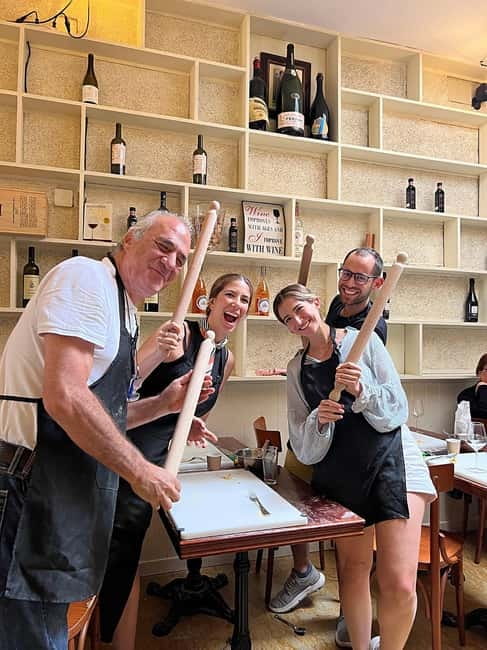
Book this class if you want to make your lunch, not merely watch someone else cook it. The market visit, personal stations, several pasta shapes, and Marco’s patient teaching give the experience real substance. At $103, it is a fair buy for a half-day activity that includes a full meal and drinks.
Skip it if you need gluten-free food, want a private class, or would rather spend four hours exploring Rome’s monuments. For everyone else, this is a practical and cheerful way to connect a plate of pasta with the people, ingredients, and everyday habits behind it.
FAQ
Where does the pasta cooking class meet?
The meeting point is Via Palestro 51, 00185 Rome.
How early should I arrive?
You should arrive at least 10 minutes before the activity begins.
How long does the experience last?
The activity is listed as four hours. Starting times vary, so check availability for your chosen date.
What languages are offered?
The class is offered in English and Italian.
Is a market visit included?
Yes. The experience includes a walking visit to Nomentano Market to see and select fresh, seasonal ingredients.
Do I need previous cooking experience?
No. Previous cooking skills are not required.
What food and drinks are included?
You make and eat pasta for lunch, with a glass of Italian wine, followed by coffee and limoncello.
Is the class suitable for people with gluten intolerance?
No. The activity is listed as unsuitable for people with gluten intolerance.
What do I take home after the class?
You receive pasta recipes and a participation certificate.
Recently added in Rome
- Trastevere Food Tour with Pasta-Making Class★ 5.0 · 5 reviews
- Traditional Pasta Cooking Class with Tiramisu Small Group★ 5.0 · 7 reviews
- Rome: Pasta and tiramisu class with wine pairing at Come Na Vorta★ 5.0 · 30 reviews
- Spritz and Pasta! Spritz, Fettuccine & Tiramisù★ 5.0 · 2 reviews
- The Pasta Factory Class★ 4.5 · 21 reviews
- Top Class in Fettuccine, Ravioli, and Tiramisu★ 5.0 · 7 reviews
- Private 4 Roman Pastas Tasting Tour in Rome★ 5.0 · 6 reviews
- Authentic Pasta and Tiramisù cooking class at spanish steps★ 4.5 · 14 reviews
Market Tours and Cooking Classes, compared.
Bologna Food & Market Tour with 6 Tastings, Pasta, Wines & More
Read our review →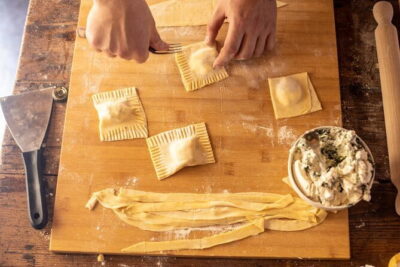
Pasta and Tiramisu Cooking Class with optional Local Market Tour
Read our review →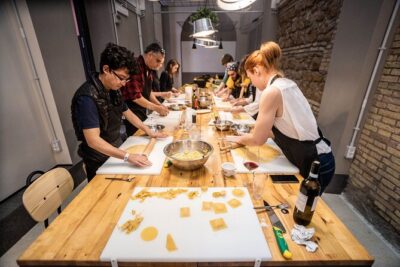
Kitchen of Mamma: Pasta Cooking Class with market visit in Rome
Read our review →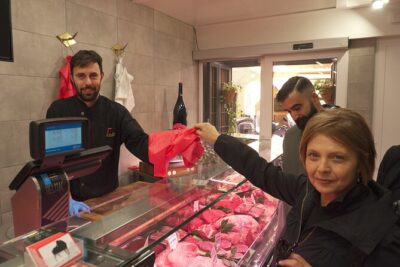
Farmers’ Market Shopping with Cooking Class and Pasta Making
Read our review →
MaMa Florence Guided Market Tour and 4 Course-Pasta Cooking Class
Read our review →
Farmer’s Market and Pasta Making with Italian Wine
Read our review →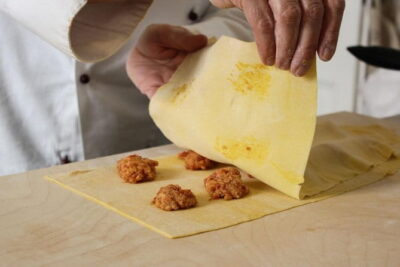
Private Florence Market Tour and Pasta Making Class with Cinzia
Read our review →Browse the lists this class appears in