REVIEW · MARKET TOURS AND COOKING CLASSES
Farmer’s Market and Pasta Making with Italian Wine
The best part of this Rome cooking class happens before you touch the dough. You meet at the Giordano Bruno monument in Campo de’ Fiori, shop for ingredients at local food stalls and shops, then carry that market haul to a kitchen near the Turtle Fountain in Piazza Mattei. It feels less like a standard demonstration and more like a small slice of Roman daily life.
I like the market visit and the small group, capped at 12 people. You get to choose bread, meat, vegetables, and cheese, then cook and eat what you bought. The main consideration is the $150.51 price and the four-hour commitment. It is good value if you want a full meal, wine, and hands-on instruction, but less so if you only want a quick pasta lesson.
Key points to know before booking
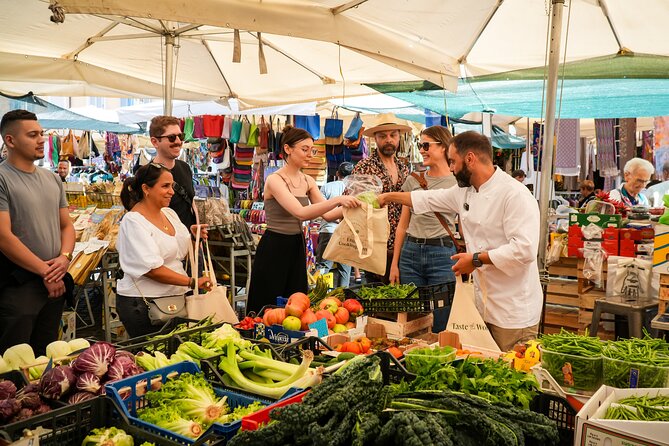
- Start with shopping at Campo de’ Fiori: You visit Norcineria Viola for meat and cheese, and Forno Campo de’ Fiori for bread.
- Cook more than pasta: The class includes handmade pasta, ravioli, and a traditional Italian dessert, with past sessions also featuring dishes such as cotoletta, supplì, pizza, gelato, salad, and tiramisu.
- Eat what you make: The class ends with a sit-down meal and Italian wine, not a rushed taste at the counter.
- Small groups matter: A maximum of 12 people gives the chef room to offer hands-on help.
- The kitchen is near Piazza Mattei: After the market, you move to a cooking space close to the Turtle Fountain in Rome’s Jewish Ghetto.
- Plan for a morning start: The meeting time is 9:45 a.m., and the experience lasts about four hours.
From Campo de’ Fiori to the cooking kitchen
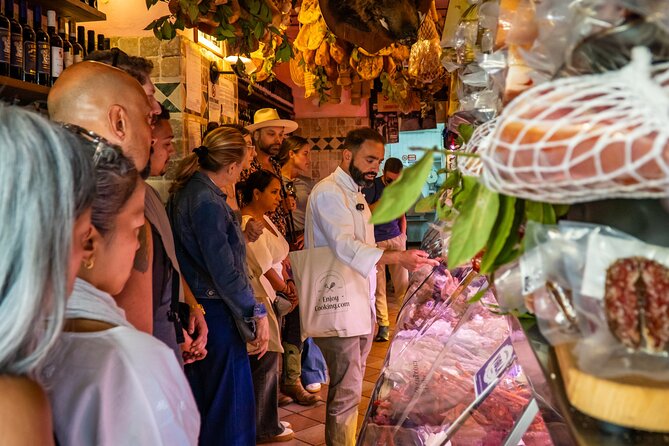
This experience starts at 9:45 a.m. beside the monument to Giordano Bruno in Campo de’ Fiori. That location is easy to identify, and the square gives the morning a proper Roman beginning instead of sending you straight into an anonymous cooking studio.
Campo de’ Fiori is a useful place to begin because food is the focus from the first minute. You are not simply told that Roman cooking depends on good ingredients. You see the ingredients, handle them, and help select what will later appear on your plate.
Your chef leads the group through the market and nearby food businesses. At Norcineria Viola, you shop for meats and cheeses. At Forno Campo de’ Fiori, you pick up bread. You also help choose vegetables and other fresh items. The class includes a look at the market’s story and Roman food traditions, so this section adds context rather than functioning as a simple grocery stop.
I especially like the breakfast detail. One session began with bread from the bakery, giving the group a chance to sample something early in the morning before the main meal. There may also be prosciutto, cheese, cookies, and pizza from the market as the shopping progresses. These small bites help turn the walk into a food lesson, not just a route between two addresses.
The market portion is also where the experience feels most connected to Rome. A cooking class inside a studio can teach technique, but shopping shows you how that food fits into local life. You see the kinds of products the chef considers worth buying and learn why fresh, simple ingredients matter in Roman cooking.
There is one practical point to keep in mind. Campo de’ Fiori can be a lively place, and the group will be moving through a public market before heading to the kitchen. If you prefer a quiet, seated start, this may feel active. If you like food markets and want to understand what goes into the meal, the opening section is one of the strongest parts of the morning.
More Fresh Pasta Workshops in Rome
- Rome: Pasta Making Class with Wine, Limoncello, and Dessert
★ 4.9 · 3,177 reviews - Enjoy Spritz and Pasta Making in Piazza Navona
★ 5.0 · 1,681 reviews - Pasta Making & Wine Tasting with Dinner in Frascati from Rome
★ 5.0 · 1,326 reviews
Handmade pasta and ravioli near Piazza Mattei
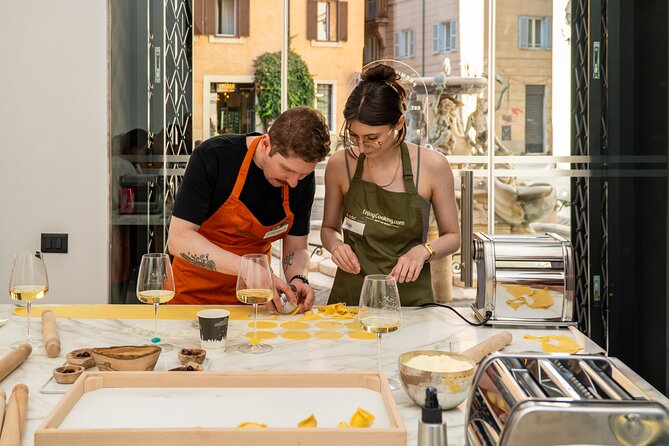
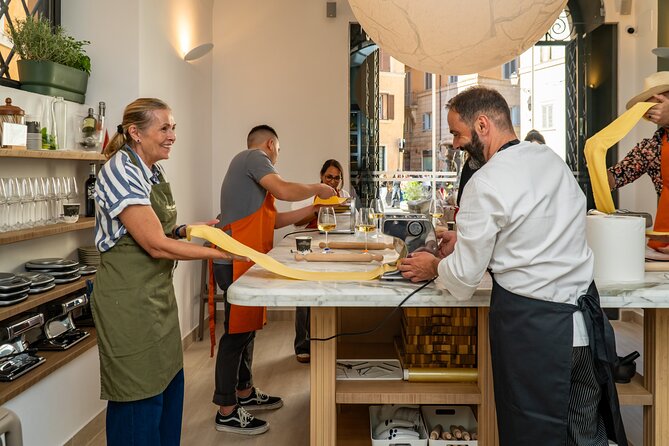
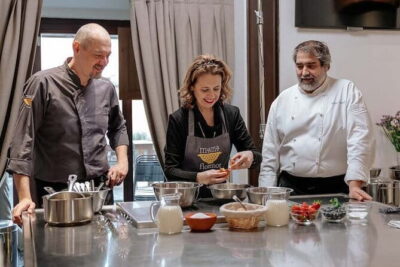
After the market, the class moves to a kitchen near the Turtle Fountain at Piazza Mattei in the Jewish Ghetto. The cooking space has been described as especially attractive, which matters because you will spend much of the experience there working, eating, and talking with the group.
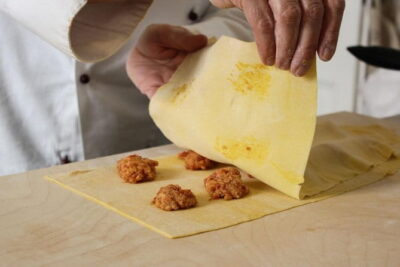
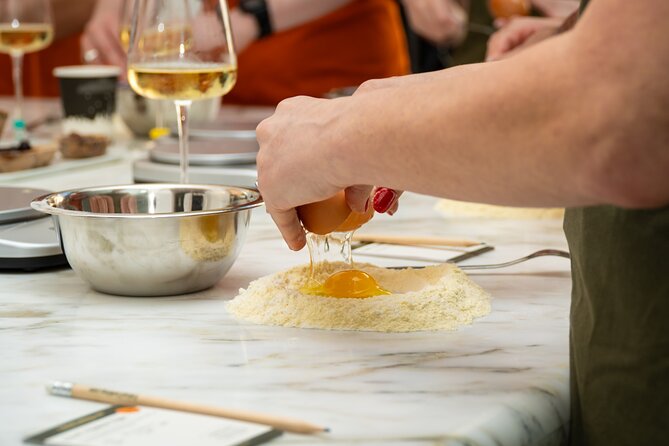
The class is designed for participation. You are not watching a chef prepare a finished dish while standing at the edge of the room. The chef gives you guidance as you work through the recipes, including handmade pasta and ravioli. You should expect to handle the ingredients, follow the steps, and learn by doing.
That setup works well for beginners. One of the strongest practical points from the experience is that the chef makes the recipes simple and approachable, even for people who do not cook often. You do not need to arrive with advanced kitchen skills. The small group gives the chef time to correct a technique, answer a question, or help when the dough is not behaving as planned.
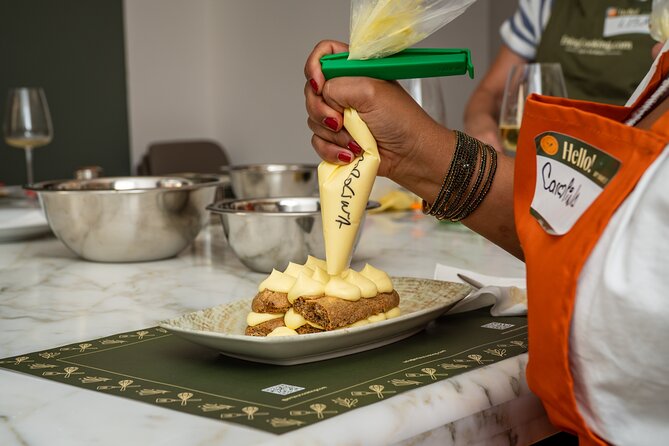
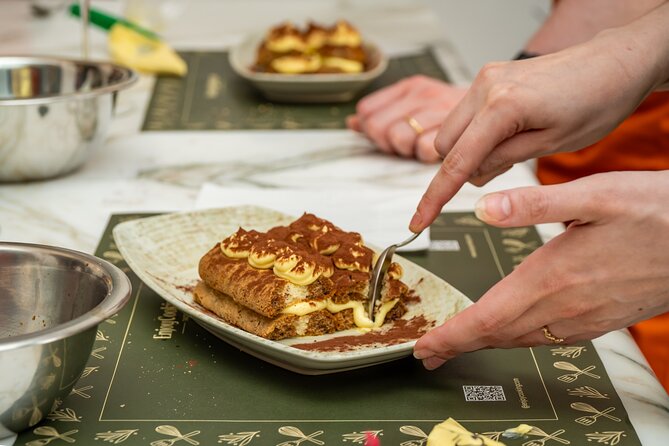
The precise menu can vary. The core description names handmade pasta, ravioli, and a traditional Italian dessert. Past classes have also prepared veal cotoletta, salad, tiramisu, gelato, supplì, and pizza. Treat that as an indication of the class’s range rather than a promise that every item will appear during your session.
This variation is worth noting before you book. If you have your heart set on one specific dish, confirm the current menu with the provider. If you are happy to learn a Roman meal shaped by the chef and the market’s ingredients, the changing menu is part of the appeal.
Chefs including Alessandro and Max have led sessions. Alessandro is described as warm, funny, and welcoming, with a strong sense of Roman food and local life. Max has also been praised for bringing local knowledge into the shopping and cooking. The exact chef for your date is not guaranteed in the supplied details, but the experience clearly depends heavily on the personality and teaching style of the person leading it.
A full meal, not just a cooking lesson
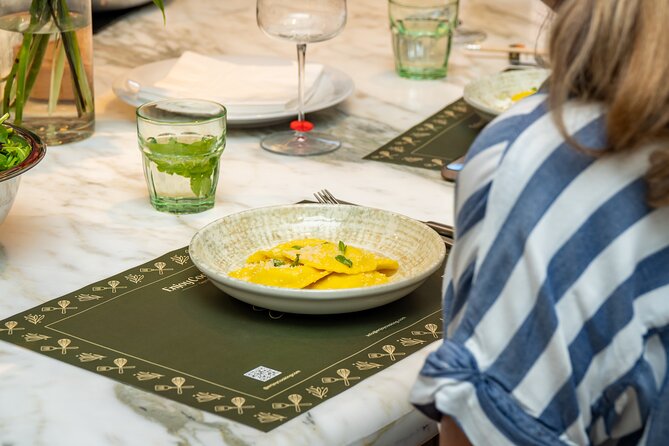
The class ends with a sit-down meal made from the food you prepared. This is important. Some cooking classes finish with a few bites while you remain at a worktable. Here, the plan is to sit down, eat the finished dishes, and pair them with fine Italian wine.
The meal gives the class a satisfying shape. You begin by selecting ingredients, then prepare them, then share the results. I like that simple connection because it helps you remember the process. The ravioli on the plate is not just another dish in Rome. You helped make it.
Wine is included throughout the experience. That adds value to the price, especially for adults who would otherwise pay separately for drinks with a substantial lunch. It also makes the final meal feel more like a hosted food gathering than a basic instructional workshop.
The food described from past sessions can be generous. One meal included fresh pasta, veal cotoletta, salad, and tiramisu, along with market snacks such as prosciutto, cheese, cookies, and pizza. Another session included pizza, supplì, and gelato. You should arrive ready for more than a small tasting.
The four-hour duration gives enough time for the market, the cooking, and the meal. It also means this activity occupies a meaningful part of your day. I would avoid booking it immediately before a timed attraction or an important lunch reservation. The listed duration is approximate, so leave some breathing room afterward.
Why the 12-person limit matters
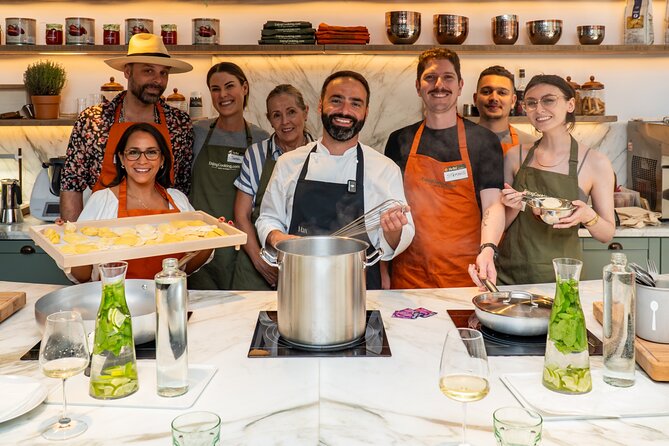
A maximum of 12 people is a real advantage for a hands-on class. With a much larger group, you often end up watching a demonstration from several steps away. Here, the chef can move around the room, give direct help, and keep the class moving without making every step feel hurried.
The group size also helps with the social side. You share the market walk, work at the kitchen tables, and sit down together afterward. This is a good fit if you enjoy meeting other food-focused people and do not mind a communal format.
The tradeoff is that you will not control every part of the meal. A small group still means the chef sets the pace and menu. You will be part of a shared class rather than receiving a private lesson built around your exact interests.
Families can also find this format appealing. The cooking is practical, visual, and active, and the class has been described as suitable for beginners and families. Keep in mind that the supplied information does not give a minimum age, so families should confirm age requirements before booking.
More Pasta Classes with Wine in Rome
- Rome: Pasta & Tiramisu Class with Fine Wine by the Vatican
★ 4.9 · 4,852 reviews - Rome Cooking Class: Make Pasta and 3 Spritz Cocktails
★ 5.0 · 2,937 reviews - Learn to Make Pasta & Tiramisu with Wine and Limoncello Included
★ 5.0 · 2,345 reviews - Fettuccine & Tiramisù: Cooking Class with Wine & Limoncello
★ 4.9 · 2,103 reviews
Is $150.51 a fair price in Rome?
At $150.51 per person, this is not a budget meal. The value depends on how much of the experience you use.
You are paying for approximately four hours, a market visit, a local chef, fresh ingredients, cooking instruction, premium equipment, a sit-down meal, and Italian wine. You also get several activities in one booking: a food walk, a shopping experience, a cooking class, and lunch.
I consider the price reasonable for someone who wants food to be a major part of the Rome visit. A separate market walk and a good meal with wine could take up much of the same budget, without giving you the practical cooking session. The class is especially worthwhile if you enjoy taking home skills, not just photographs.
The value is weaker if you are mainly looking for a cheap lunch or a short introduction to pasta. You may also find the price high if you do not drink wine or do not want a full morning activity. There is no hotel pickup or drop-off, so transportation to and from the meeting point is your responsibility.
The experience is offered in English, which makes the instructions easier to follow for English-speaking participants. A mobile ticket is provided, and confirmation arrives at booking. The meeting point is near public transportation, which helps you reach Campo de’ Fiori without arranging a private transfer.
Who will enjoy this class most?
I would recommend this experience to you if you want a food activity with several layers. You shop, learn about Roman food customs, cook, eat, and share wine with a small group. It gives you far more contact with local ingredients than a restaurant meal alone.
It is particularly well suited to:
- First-time cooks who want clear guidance
- Families looking for an active food activity
- Couples who prefer a shared meal with a class built around it
- Food lovers interested in markets and traditional ingredients
- Visitors who want a morning activity near Campo de’ Fiori and Piazza Mattei
- Anyone who enjoys social classes rather than private touring
I would think twice if you dislike group activities, have a strict diet that could limit the menu, or want complete control over what you cook. The provided details do not specify dietary substitutions, so ask before booking if allergies or food restrictions are important.
The early start also matters. You meet at 9:45 a.m., and the class may include food soon after the market visit. If you prefer slow mornings, this may not be your best Rome activity. If you like beginning the day with coffee, bread, and a market, the timing works well.
Booking details and cancellation
The experience ends back at the meeting point, so you should not need to arrange a separate return from the kitchen. Hotel pickup and drop-off are not included.
Free cancellation is available when you cancel at least 24 hours before the start time. Cancellations made less than 24 hours before the experience are not refunded, and changes within that period are not accepted. Cut-off times use Rome’s local time, so check the clock carefully if your plans change.
The activity is offered in English and accepts mobile tickets. It is booked an average of 43 days in advance, which suggests that you should not leave it until the last minute if your Rome dates are fixed.
Should you book it?
Yes, if you want a full food experience rather than a basic pasta lesson. The market shopping at Campo de’ Fiori, the kitchen near the Turtle Fountain, the small group, and the final meal give the morning a clear sense of place. The strongest reason to book is the complete flow from selecting ingredients to eating the finished dishes.
I would choose it for a first Rome visit, a special food-focused day, or a family activity that gets everyone involved. I would skip it only if the $150.51 price feels too high, you need a fixed menu, or you prefer independent dining over a scheduled group class.
FAQ
Where does the experience start?
It starts at the Monumento a Giordano Bruno in Piazza Campo de’ Fiori, Rome.
What time does the class begin?
The start time is 9:45 a.m.
How long does the experience last?
It lasts approximately four hours.
Where does the cooking take place?
After visiting Campo de’ Fiori, the group goes to a kitchen near the Turtle Fountain at Piazza Mattei in Rome’s Jewish Ghetto.
What will I cook?
The experience includes handmade pasta, ravioli, and a traditional Italian dessert. Past sessions have also included dishes such as cotoletta, salad, tiramisu, gelato, supplì, and pizza, but the exact menu can vary.
Is wine included?
Yes. Fine Italian wine is included throughout the experience.
How many people can join the class?
The activity has a maximum of 12 participants.
Can I cancel for a full refund?
Yes, if you cancel at least 24 hours before the experience start time. Cancellations made less than 24 hours in advance are not refunded, and changes during that period are not accepted.
More Market and Cooking Classes in Rome
- Rome: Pasta Cooking Class with Market Visit and Wine
★ 4.9 · 277 reviews - Kitchen of Mamma: Pasta Cooking Class with market visit in Rome
★ 5.0 · 140 reviews - Farmers’ Market Shopping with Cooking Class and Pasta Making
★ 5.0 · 91 reviews - Rome: Testaccio Food & Market Tour with Pasta & Wine
★ 5.0 · 38 reviews
Recently added in Rome
- Trastevere Food Tour with Pasta-Making Class★ 5.0 · 5 reviews
- Traditional Pasta Cooking Class with Tiramisu Small Group★ 5.0 · 7 reviews
- Rome: Pasta and tiramisu class with wine pairing at Come Na Vorta★ 5.0 · 30 reviews
- Spritz and Pasta! Spritz, Fettuccine & Tiramisù★ 5.0 · 2 reviews
- The Pasta Factory Class★ 4.5 · 21 reviews
- Top Class in Fettuccine, Ravioli, and Tiramisu★ 5.0 · 7 reviews
- Private 4 Roman Pastas Tasting Tour in Rome★ 5.0 · 6 reviews
- Authentic Pasta and Tiramisù cooking class at spanish steps★ 4.5 · 14 reviews
Market Tours and Cooking Classes, compared.
Bologna Food & Market Tour with 6 Tastings, Pasta, Wines & More
Read our review →
Pasta and Tiramisu Cooking Class with optional Local Market Tour
Read our review →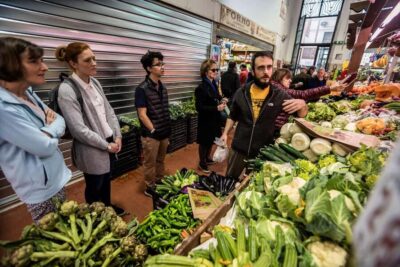
Pasta Cooking Class with Market Visit and Wine
Read our review →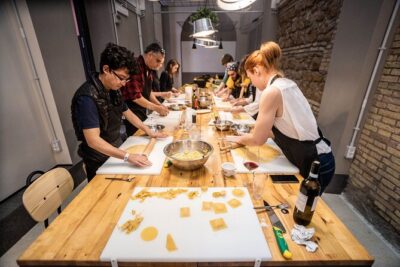
Kitchen of Mamma: Pasta Cooking Class with market visit in Rome
Read our review →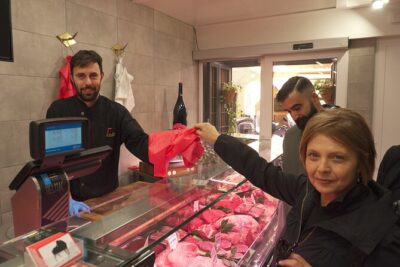
Farmers’ Market Shopping with Cooking Class and Pasta Making
Read our review →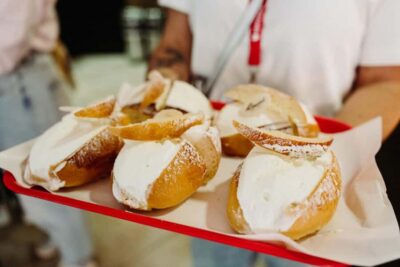
MaMa Florence Guided Market Tour and 4 Course-Pasta Cooking Class
Read our review →