
REVIEW · PRIVATE PASTA CLASSES
Pisa: Private Pasta-Making Class at a Local’s Home
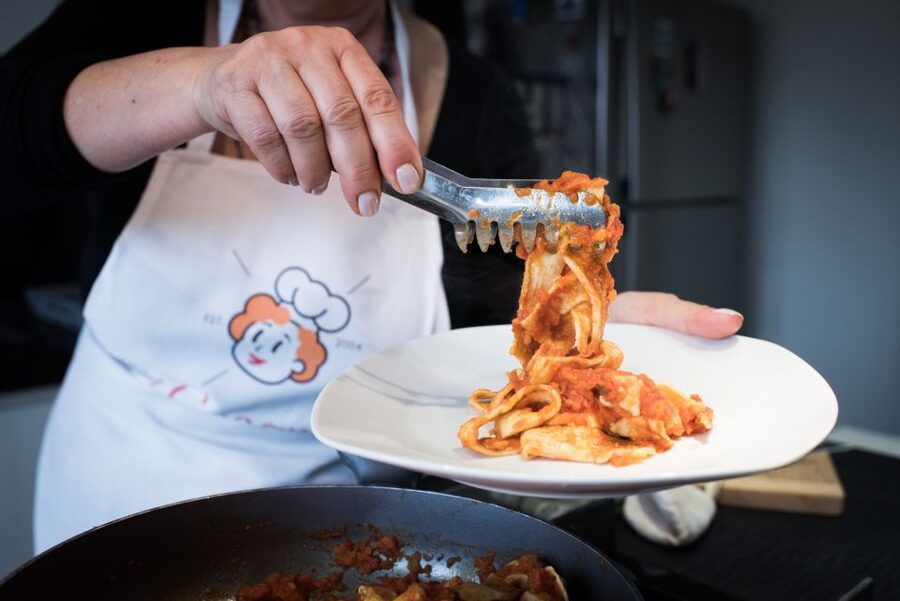
The best part of this Pisa experience happens away from a restaurant kitchen. You work beside a certified home cook in a local family’s home, make three Tuscan pasta dishes, then sit down with the people who taught you the recipes. Maria, one host named in the feedback, is described as kind and welcoming, while her husband adds a bit of humor to the meal.
I like the private-group format, which gives you room to ask questions and work at your own pace. I also like the simple finish: eat what you made with local wine, coffee, and conversation. The main thing to weigh is the price, $164.26 per person, which is a serious spend for three hours, especially if you want sightseeing along with your cooking.
Key points to know before booking
- Three regional pasta dishes: You prepare and taste three recipes linked to local cooking traditions.
- A real home setting: The class takes place in a local family’s house, not a standard cooking school.
- Private instruction: Your group has its own session and workstation with utensils and ingredients.
- Maria may be your host: One especially warm experience names Maria and her funny, welcoming husband.
- Wine is part of the meal: Local red and white wines, water, and coffee are included.
- Flexible food arrangements: Vegetarian, vegan, and gluten-free needs can be handled if requested in advance.
Three Tuscan pasta dishes, made from scratch
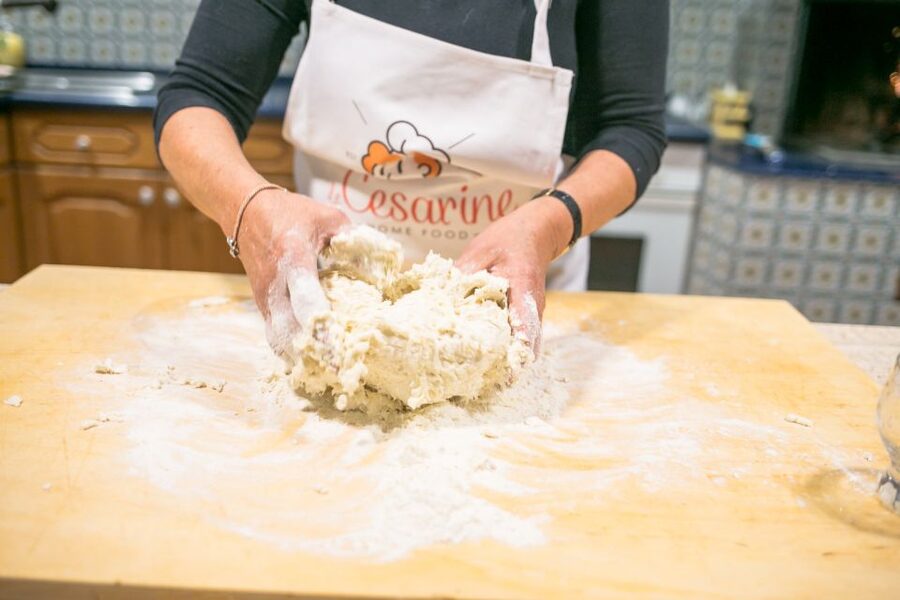
This is a hands-on class, not a demonstration where you watch someone else do the work. Each person receives a workstation with the utensils and ingredients needed for the recipes, so you can take part from the start.
The host teaches three authentic regional pasta recipes. The exact dishes are not specified in advance, but the lesson focuses on local specialties and family cookbooks. That detail matters. You are not simply learning a generic pasta shape that could be taught anywhere. You are being shown how one local household makes food connected to the area.
Expect the class to cover the practical side of pasta making: following the recipes, handling ingredients, and using the host’s methods to get the right result. The precise teaching style will depend on your Cesarina, but the format gives you direct access to an experienced home cook rather than a large professional kitchen.
For me, the strongest value is the chance to ask the small questions that cookbooks often skip. You can check how the dough should feel, how the recipe is adjusted, and what makes the finished dish taste local. The class is also a good choice if you want to bring a useful skill home rather than just a food memory.
Keep your expectations sensible. You are learning three dishes in three hours, not completing a professional culinary course. The goal is a fun, useful introduction to regional pasta, followed by a meal.
More Fresh Pasta Workshops in Italy:
- Rome: Pasta Making Class with Wine, Limoncello, and Dessert
★ 4.9 · 3,177 reviews - Pastamania – Florence Pasta Making Class
★ 5.0 · 3,050 reviews - Enjoy Spritz and Pasta Making in Piazza Navona
★ 5.0 · 1,681 reviews
The local home setting changes the meal
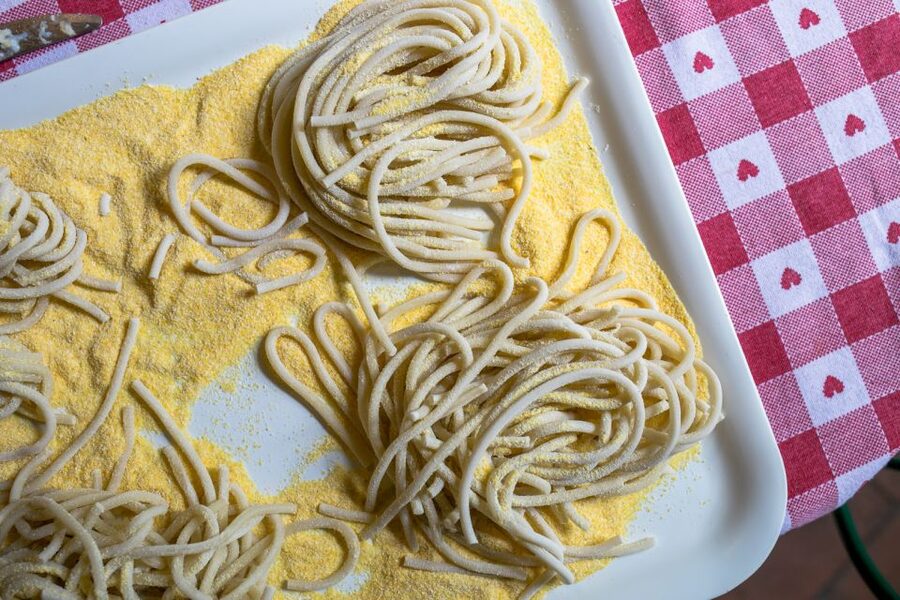
The private class takes place in a local family’s home in Pisa. You receive the full address after booking, since the host’s privacy is protected. This keeps the setting personal, but it also means you cannot judge the exact location before you reserve.
That is worth considering if you need to plan around a train departure, hotel, or another Pisa activity. The information provided does not identify the neighborhood or walking time from central Pisa. Use the meeting instructions sent with your booking, and leave enough time to reach an address you have not seen before.
The home setting is the main difference between this and a standard cooking school. You are entering someone’s everyday world, at least for the length of the class. The emphasis is on family recipes, shared work, and eating around the table. You will not get a formal restaurant dining room or a polished tourist show, and that is exactly the point.
One host named in the feedback is Maria. Her kindness and her husband’s humor are singled out, which suggests the social side can be as important as the food. Still, hosts vary, and the activity is provided by the Cesarine network rather than promising Maria specifically. If you want her as your host, confirm that before booking instead of assuming it.
The three-hour rhythm, from work station to table
The class usually starts at 10:00 AM or 5:00 PM. The provider can be flexible if you make the request in advance, so mention your preferred time before the day of the class.
A morning session works well if you want pasta as an early lunch and still have the afternoon free for Pisa. An afternoon start leads naturally into dinner. The three-hour length gives enough time for instruction, preparation, cooking, and eating without turning the class into an all-day commitment.
You begin at your individual work station. The ingredients and tools are supplied, so you do not need to bring cooking equipment. The host then guides you through three local recipes, explaining the methods and the small tricks that make the dishes work.
After the cooking, you taste all three pasta dishes. This is not a quick sample at the counter. The meal is served around the table, with water, local red and white wines, and coffee included. That final stage is important because it lets you understand the recipes as complete dishes rather than isolated cooking exercises.
The schedule may feel full if you are a slow cook or want a long conversation after every step. On the other hand, three hours is a useful length for a vacation. You get a proper meal and a social experience without giving up an entire day.
What the wine and table service add
Local wine comes with the tasting, including both red and white options. That gives you a simple way to pair the dishes with drinks from the area, rather than paying extra for each glass after the class.
Water and coffee are also included. These details are modest, but they make the meal feel complete and keep the advertised price from being followed by a string of small beverage charges.
The table is where the class becomes more than a recipe lesson. You can eat the food while it is fresh, talk with the host, and compare the three dishes. If you enjoy food as a way to meet people, this part may be more valuable than learning a particular pasta technique.
The balance is personal. If you prefer a quiet, highly structured cooking lesson, a home meal may feel less formal. If you enjoy relaxed conversation and want contact with an Italian family, the setting is likely to suit you better.
More Private Pasta Classes in Italy:
- Rome: Pasta Making Class with Tiramisu & Wine PRIVATE OPTION
★ 4.8 · 404 reviews - From Taormina: Private/Guided Godfather with appetizer and Pasta
★ 5.0 · 233 reviews - Cesarine: Private Pasta Class & Meal at Local’s Home in Bologna
★ 5.0 · 111 reviews - Cesarine: Private Pasta Class at Local’s Home in Messina
★ 5.0 · 53 reviews
Is $164.26 a fair price in Pisa?
At $164.26 per person, this is not a budget meal. You are paying for a private three-hour class, a certified home cook, all ingredients and utensils, three pasta dishes, wine, water, coffee, and the chance to eat in a local home.
The price makes more sense for someone who wants several parts of the day combined. You receive instruction, food, drinks, and a social meeting in one booking. A private group also costs more than joining a large class, but it usually gives you more direct attention and a calmer pace.
The value is weaker if your main goal is simply to eat inexpensive pasta. Pisa has restaurants for that, and this activity does not include city sightseeing or transport. It is also a poor fit if you dislike paying for a scheduled experience in a private home before knowing the exact address.
I would see the price as reasonable for a special occasion, a couple, a family, or a small group that enjoys cooking. It is harder to justify for a solo visitor on a tight budget, unless meeting a local cook and learning the recipes are central to the trip.
Dietary needs and language
The class is offered in English and Italian. That makes it accessible to many international visitors, though the exact balance of languages depends on the host and your group.
Vegetarian, vegan, and gluten-free requests can be accommodated when arranged in advance. Do not wait until you arrive. State your needs when booking or use the contact information on your confirmation to make sure the host has enough notice.
The ingredients are provided for the class, and the food you prepare is what you taste afterward. If you have a serious allergy rather than a preference, give clear details before the session and ask the provider to confirm what can be safely prepared.
The dietary flexibility is a strong practical feature, but it is not a reason to skip advance communication. A home cook can often adjust a family recipe, yet the host needs time to plan substitutions and avoid unsuitable ingredients.
Who will enjoy this class most?
This experience fits you best if you want food to be the center of your Pisa visit. It suits couples, families, and small private groups who like working with their hands and sharing a meal afterward.
It is also a good choice for people who want a personal meeting rather than another formal attraction. The family home, private setup, and family cookbook recipes provide a more intimate setting than a large commercial class.
Families with children may find the activity appealing, but the supplied information does not give a minimum age or child policy. Ask before booking if you are bringing young children.
You should think twice if you want a class in a central, clearly identified venue, since the address is shared only after booking. It may also disappoint you if you want to spend the afternoon seeing Pisa instead of sitting at a table for three hours.
The class is not a sightseeing tour. There is no mention of the Leaning Tower, transfers, a walking route, or a city guide. Book it for the food and the host, not as a substitute for exploring Pisa.
Practical booking advice for your Pisa day
Choose the morning session if you want a pasta lunch and time afterward for other plans. Choose the 5:00 PM session if you prefer the meal to serve as dinner.
Because the address comes after booking, check your schedule carefully before committing. The cancellation policy allows a full refund if you cancel at least 24 hours in advance, and you can reserve now and pay later, which helps if your Pisa plans are still shifting.
Ask about the host if a particular person matters to you. Maria is named in the feedback, but the experience itself is assigned through Cesarine and does not promise that every booking will be with her.
Wear clothes you do not mind cooking in, though no special equipment is listed as necessary. The host supplies the workstation, utensils, and ingredients. Most important, arrive ready to participate. This is not a passive tasting with a short cooking photo opportunity.
The best reason to book, and the clearest reason not to
Book this class if you want to learn three local pasta recipes, eat your own work, and spend time with a host family in a private home. The warm welcome associated with Maria and her husband points to the human side of the experience, which is likely to stay with you longer than another restaurant meal.
Skip it if your budget is tight, you need the exact meeting location before booking, or you want an activity built around Pisa’s sights. At $164.26, the value depends on caring about the cooking lesson and personal contact, not just the food.
For the right person, this is a thoughtful three-hour addition to a Tuscan trip: practical, social, and centered on the table.
FAQ
Where does the pasta-making class take place?
The class takes place in a local family’s home in Pisa. The full address is provided after booking for the host’s privacy.
How long does the experience last?
The cooking class and meal last three hours.
What time does the class usually begin?
The class usually begins at 10:00 AM or 5:00 PM. The local provider may be flexible if you request another time in advance.
How many people can take part?
This is a private-group experience. The supplied information does not state a maximum group size.
Which languages are available?
Instruction is available in English and Italian.
What food and drinks are included?
You prepare and taste three local pasta dishes. Water, local red and white wines, and coffee are included.
Can dietary requirements be accommodated?
Yes. Vegetarian, vegan, gluten-free, and other dietary requirements can be handled upon request. Tell the provider in advance.
What is the cancellation policy?
You can cancel up to 24 hours before the experience for a full refund. You can also reserve now and pay later.
Recently added in Italy
- Verona: Tortellini Cooking Class and Lunch with Mamma Ivana★ 5.0 · 20 reviews
- Vicenza: Pasta & Tiramisu Cooking Class at a Local’s Home★ 5.0 · 5 reviews
- Verona: Pasta Cooking Class with Wine Tasting★ 5.0 · 4 reviews
- Verona: Pasta & Tiramisu Cooking Class at a Local’s Home★ 5.0 · 16 reviews
- Verona: Prosecco and Pasta Making Class at a Local’s Home★ 5.0 · 10 reviews
- Volterra: Fresh Pasta Cooking Class at a Tuscan Farmhouse★ 5.0 · 33 reviews
- Venice: Share Your Pasta Love in a Local’s Home★ 4.8 · 20 reviews
- Verona: My Granny’s secrets making gnocchi★ 5.0 · 7 reviews
Private Pasta Classes, compared.
Pasta Making Class with Tiramisu & Wine PRIVATE OPTION
Read our review →
Private/Guided Godfather with appetizer and Pasta
Read our review →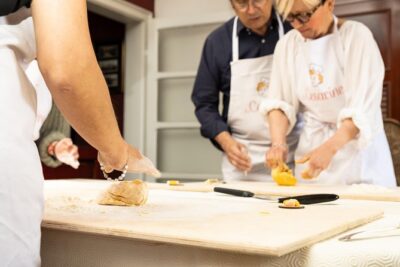
Cesarine: Private Pasta Class & Meal at Local’s Home in Bologna
Read our review →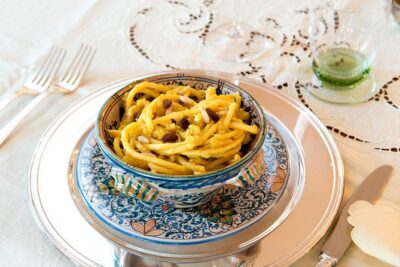
Cesarine: Private Pasta Class at Local’s Home in Messina
Read our review →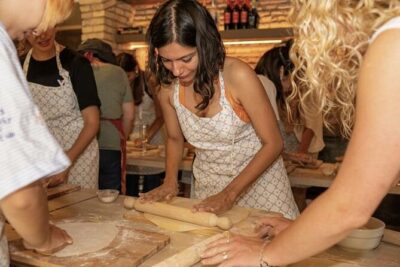
Cooking Class: Pasta & Tiramisu with a Private Italian Chef
Read our review →
Private/Guided Godfather with Appetizer and Pasta
Read our review →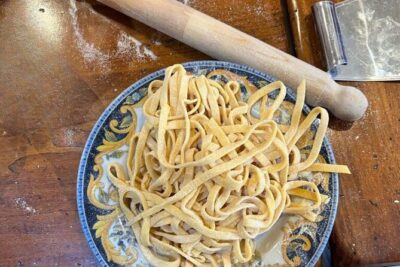
Private Cooking Class in the Heart of Rome 3 types of Pasta and Wine
Read our review →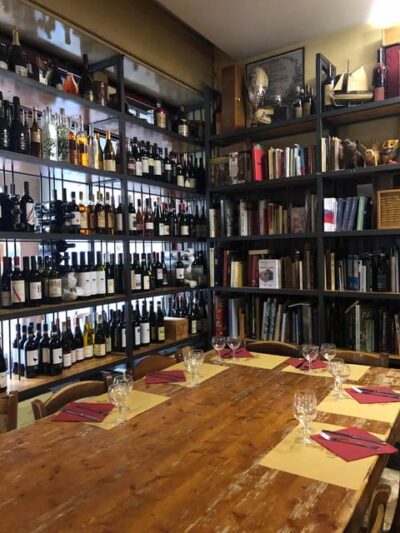
Browse the lists this class appears in