
REVIEW · PRIVATE PASTA CLASSES
Messina: Private Pasta-Making Class at a Local’s Home
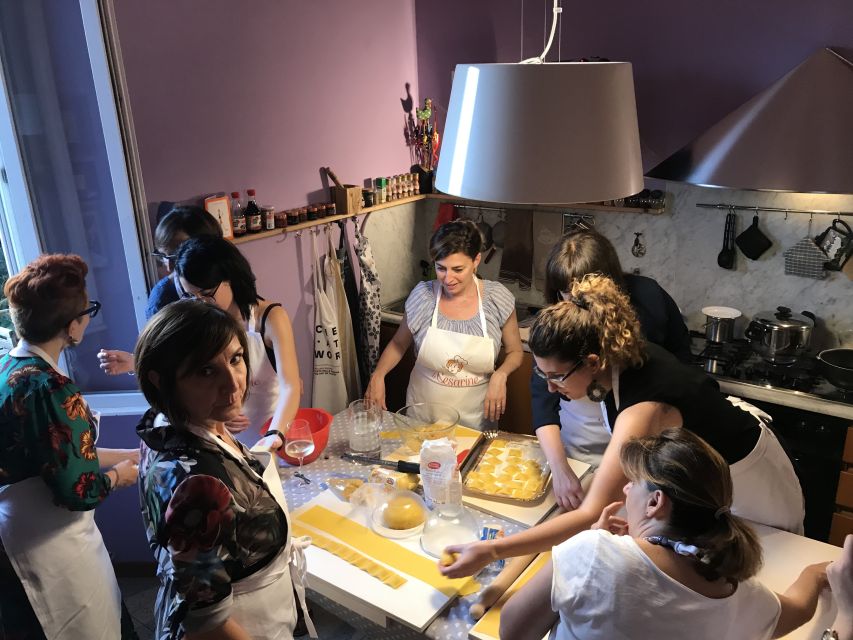
The best part of this Messina experience is the setting: you cook in a local family home, not a restaurant classroom. Over three hours, you make three Sicilian pasta dishes from family recipes, then sit down with your hosts to eat the results with local wine and coffee. It is a meal, a lesson, and a look at everyday Italian hospitality in one sitting.
I like the private-group format, which gives you room to ask questions and work at your own pace. I also like that every person gets a workstation with utensils and ingredients, so you are not simply watching a demonstration. Hosts named Consuelo, Daniella, and Teresa have been praised for patience, kindness, and making beginners feel at ease.
The main consideration is the price: $164.26 per person is a serious spend for a three-hour activity. You are paying for the private home setting, instruction, food, wine, and personal attention, but this is not the right pick if you only want a quick, inexpensive cooking lesson.
Key points to know before booking
- Three regional pasta dishes: Learn recipes tied to Sicilian home cooking, then eat everything you prepare.
- A real private home: The address is provided after booking to protect the host’s privacy.
- Hands-on workstations: Each participant receives utensils and ingredients for the lesson.
- Local wine with the meal: Red and white Sicilian wines, water, and coffee are included.
- Flexible start times: Classes usually begin at 10:00 AM or 5:00 PM, with some flexibility if arranged ahead.
- Dietary requests are possible: Vegetarian, vegan, and gluten-free needs can be accommodated when requested in advance.
Messina is a useful base for seeing northeastern Sicily, but it can be harder to connect with local life during a short visit. A cooking class solves that problem in a very direct way. You enter a private home, meet the person teaching you, handle the ingredients yourself, and finish by eating at the same table.
This is not a broad sightseeing tour of Messina. There is no listed visit to a market, monument, winery, or restaurant. The focus stays on pasta and conversation. That narrow focus is a strength if you want a relaxed food experience, but it also means you should book it for the human connection and hands-on cooking, not for sightseeing.
Arriving at a private home in Messina
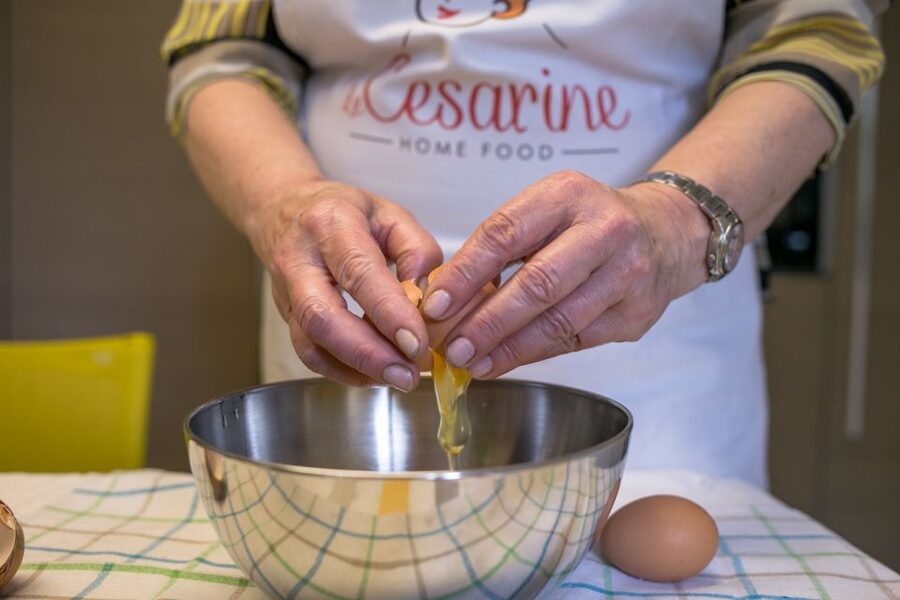
The exact address is not published before booking. You receive the full meeting details afterward because the class takes place in a local family’s home. This is sensible from the host’s point of view, though it means you cannot judge the location or walking distance before reserving.
I would check the address as soon as it arrives and allow extra time to reach it. The available information does not specify transport arrangements, pickup, parking, or the neighborhood, so you should not assume that a taxi or hotel transfer is included. Use the contact details on your confirmation if you need directions or want to discuss the meeting point.
The activity ends back at the same home. That makes the plan simple once you arrive, and it avoids the usual problem of figuring out where a food tour finishes. Still, the class is best treated as a scheduled appointment rather than a drop-in activity.
More Fresh Pasta Workshops in Italy:
- Rome: Pasta Making Class with Wine, Limoncello, and Dessert
★ 4.9 · 3,177 reviews - Pastamania – Florence Pasta Making Class
★ 5.0 · 3,050 reviews - Enjoy Spritz and Pasta Making in Piazza Navona
★ 5.0 · 1,681 reviews
Three hours at the worktable
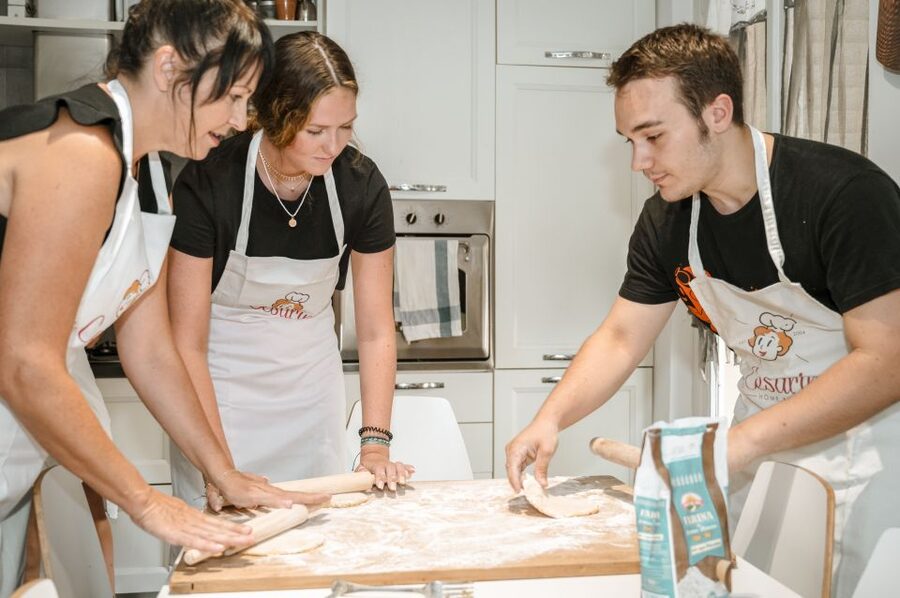
The lesson begins with a personal workstation for each participant. You receive the tools and ingredients needed to make the dishes, so the class is designed around doing, not simply observing.
The host teaches three authentic regional pasta recipes and explains the small techniques that make the dishes work. The description does not name the recipes, so you should not book expecting a particular dish such as pasta alla Norma, seafood pasta, or a specific stuffed pasta. The menu can vary by host and regional tradition.
That uncertainty is part of the home-cooking idea, but it is worth keeping in mind. If you have your heart set on one famous Sicilian recipe, ask the local provider before the class. Otherwise, let the host choose the dishes that best reflect the family cookbook and available ingredients.
You can expect the work to take up most of the three-hour visit. There is time to prepare the pasta, learn the recipes, cook the food, and sit down to eat. Since the group is private, the host can adjust the pace more easily than an instructor leading a large class.
What the family recipes add
A recipe from a family cookbook has a different purpose from a restaurant menu. You are not being shown a polished plate designed for quick service. You are learning the methods a household uses to feed people well.
That can include practical details such as how the dough should feel, when to stop working it, or how to judge the right consistency. The provided details do not list every technique, so I would avoid expecting a formal culinary-school lesson. The value is in learning a local way of making pasta and understanding the food through the person who cooks it.
The class also gives you a chance to ask about substitutions and preparation. If you are new to fresh pasta, this matters. One of the strongest points from the feedback is that Consuelo was patient and easy to get along with, while another class with Daniella and Teresa was praised for letting participants take part in preparing lunch. Those details suggest a welcoming format rather than a high-pressure test.
You do not need to arrive as an experienced cook. The activity is aimed at people who want to learn, and the private setup gives you more freedom to ask for help. At the same time, an accomplished home cook should still find value in learning three regional recipes and comparing the host’s methods with their own.
Sitting down to eat what you made
The meal at the end is not an extra stop. It is the payoff for the work at the table. You taste all three pasta dishes you prepared, along with water, local red and white wines, and coffee.
I like this arrangement because it turns the lesson into a shared meal. You are not sent away with a small sample after doing the hard work. You get to try the finished dishes together and see how the recipes come together as a complete lunch or dinner.
The wine is included, but you should remember that this is a food class, not a wine tasting. You may receive a selection of local red and white wines with the meal, yet there is no promise of a formal explanation of producers, grapes, or tasting notes. The wine is there to accompany the food and conversation.
Coffee is also included, which gives the meal a natural finish. The experience feels more like being hosted than moving through a timed restaurant course. That is exactly what many people want from a private home visit, though those who prefer a quick lesson may find the long meal less useful.
More Private Pasta Classes in Italy:
- Rome: Pasta Making Class with Tiramisu & Wine PRIVATE OPTION
★ 4.8 · 404 reviews - From Taormina: Private/Guided Godfather with appetizer and Pasta
★ 5.0 · 233 reviews - Cesarine: Private Pasta Class & Meal at Local’s Home in Bologna
★ 5.0 · 111 reviews - Cesarine: Private Pasta Class at Local’s Home in Messina
★ 5.0 · 53 reviews
The hosts make the difference
This activity is operated by Cesarine, a network built around local home cooks. The host assigned to you may vary, and the address is only shared after booking. That means the personality of your Cesarina will shape much of the experience.
The names connected with the strongest feedback include Consuelo, Consuela, Daniella, and Teresa. Spelling varies in the available information, so confirm your host’s name when you receive the booking details. The useful point is not the name alone, but the qualities repeatedly emphasized: patience, warmth, and a willingness to involve you in the cooking.
One solo participant used the class as a chance to practice Italian while being welcomed into a local home. That is a real advantage for independent visitors. You have a natural reason to talk, and the cooking gives the conversation something concrete to focus on.
The official languages are Italian and English. If you speak some Italian, this could be a pleasant place to use it without needing to carry a conversation from scratch. If you do not speak Italian, English instruction is available.
Who will get the most from this class?
I would recommend this class most strongly to you if you want one of the following:
- A personal food experience rather than a standard restaurant meal
- A relaxed activity for a couple, family, or small private group
- A way to meet a Sicilian host in a home setting
- Practical instruction you can repeat in your own kitchen
- A meal that includes wine and coffee
- A comfortable introduction to fresh pasta for a beginner
It also suits solo visitors. The private format means you do not need to arrive with a large group, and the cooking gives you an easy way to connect with the host.
Families should check the booking details for the ages and needs of children, since no child policy is provided. The class may work well for older children who can take part at a workstation, but that should be confirmed directly rather than assumed.
I would be less likely to recommend it if your priority is sightseeing, a fixed list of dishes, or a low-cost meal. You will spend three hours at the home, and the exact address and menu are not known until the arrangements are made.
Price and what you receive for $164.26
At $164.26 per person, this is not a bargain meal. The price makes more sense when you count the full package: a three-hour private class, ingredients, equipment, three pasta dishes, wine, water, coffee, and direct time with a local home cook.
You are also paying for the setting. A restaurant cooking lesson can offer a professional kitchen and a predictable menu, while this activity offers access to a private home and family recipes. That is a different kind of value. If the personal welcome matters to you, the cost may feel justified. If you mainly want to learn basic dough-making, a group class or shorter lesson may be cheaper.
The class is especially good value for people who would otherwise pay separately for a meal and an organized activity. You eat what you make, so the food is part of the lesson rather than a separate restaurant bill. Still, the price does not include transport, and no other Messina sightseeing is part of the experience.
Choosing a morning or afternoon start
Classes usually begin at 10:00 AM or 5:00 PM. The morning timing fits naturally with a lunch afterward. The afternoon option works better if you want to spend the day seeing Messina first and finish with a home-cooked dinner.
The provider may be flexible if you explain your travel needs in advance. Do this before the class rather than relying on a last-minute change. Your exact start time needs to fit the host’s schedule, so flexibility is possible but not guaranteed.
The three-hour length matters when planning the rest of your day. A 10:00 AM start may keep you busy through lunchtime, while a 5:00 PM start can take you into the evening. Do not schedule a tight ferry departure, train, or timed attraction immediately afterward.
Dietary needs and practical planning
Vegetarian, vegan, and gluten-free requests can be accommodated when arranged in advance. I would provide complete details during booking, including allergies, rather than assuming a general dietary label gives the host enough information.
Because the menu consists of three pasta dishes, dietary planning is particularly important. Ask how the recipes will be adapted and confirm that the host has noted your requirements. The provider specifically invites these requests, which is helpful, but advance notice remains essential.
Wear clothing that is comfortable for cooking and easy to protect from flour or sauce. The class provides utensils and ingredients, but the supplied details do not mention aprons, kitchen access, or facilities for children. Ask the provider if any of those details matter to you.
Free cancellation is available up to 24 hours before the activity for a full refund. You can also reserve now and pay later, which helps if your Messina schedule is still taking shape. These policies do not remove the need to check the meeting address and timing once your reservation is confirmed.
What the strongest feedback tells you
The most praised parts are not technical cooking tricks. They are the hosts’ patience, the chance to participate in preparing the meal, and the feeling of being welcomed into a local home.
One person found the class useful for practicing Italian and said it made pasta-making feel less mysterious. Another highlighted the combination of education, enjoyment, and reward, with Consuela offering patient guidance. Daniella and Teresa were praised for making the whole visit enjoyable and for involving participants in the lunch.
That pattern gives you a good sense of the experience. You should expect friendly instruction and a social meal, not a stern professional kitchen. The class works because the host is part teacher and part dinner companion.
The rating is 5 out of 5 from three pieces of feedback, which is encouraging but also a small sample. I would take the positive response seriously while remembering that the individual host matters. Your experience may depend on who is assigned and how well the menu suits your interests.
Should you book the Messina pasta class?
Book it if you want to cook with a local family, learn three regional recipes, and share a meal in the same home. The private format, included wine, flexible timing, and dietary options make it easy to fit into a Sicilian trip.
Skip it if $164.26 feels too high for a meal-based activity, or if you need a confirmed menu and a central public meeting point before booking. For everyone else, this is a strong choice for a personal afternoon or morning in Messina, especially if friendly conversation matters as much as the food.
FAQ
Where does the pasta-making class take place?
The class takes place in a local family’s home in Messina. The full address is shared after you book, for privacy reasons.
How long does the experience last?
The class lasts three hours and ends back at the host’s home.
What time does the class usually start?
The class usually starts at 10:00 AM or 5:00 PM. The local provider may be flexible if you explain your travel needs in advance.
How many pasta dishes will I prepare?
You will learn to make three authentic regional pasta dishes and taste everything you prepare.
Is wine included?
Yes. Water, local red and white wines, and coffee are included with the cooking class and meal.
Can dietary requirements be accommodated?
Yes. Vegetarian, vegan, gluten-free, and other dietary requirements can be accommodated when requested in advance.
What languages are available?
The class is available in Italian and English.
Recently added in Italy
- Verona: Tortellini Cooking Class and Lunch with Mamma Ivana★ 5.0 · 20 reviews
- Vicenza: Pasta & Tiramisu Cooking Class at a Local’s Home★ 5.0 · 5 reviews
- Verona: Pasta Cooking Class with Wine Tasting★ 5.0 · 4 reviews
- Verona: Pasta & Tiramisu Cooking Class at a Local’s Home★ 5.0 · 16 reviews
- Verona: Prosecco and Pasta Making Class at a Local’s Home★ 5.0 · 10 reviews
- Volterra: Fresh Pasta Cooking Class at a Tuscan Farmhouse★ 5.0 · 33 reviews
- Venice: Share Your Pasta Love in a Local’s Home★ 4.8 · 20 reviews
- Verona: My Granny’s secrets making gnocchi★ 5.0 · 7 reviews
Private Pasta Classes, compared.
Pasta Making Class with Tiramisu & Wine PRIVATE OPTION
Read our review →
Private/Guided Godfather with appetizer and Pasta
Read our review →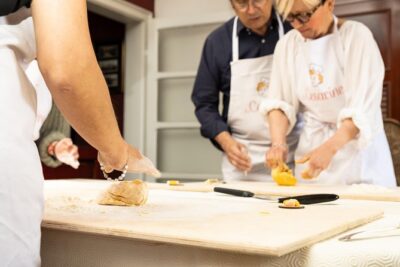
Cesarine: Private Pasta Class & Meal at Local’s Home in Bologna
Read our review →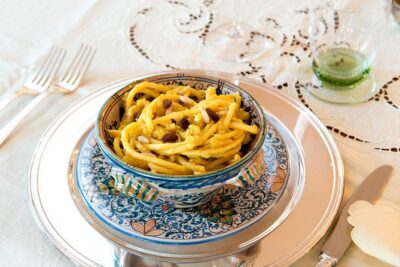
Cesarine: Private Pasta Class at Local’s Home in Messina
Read our review →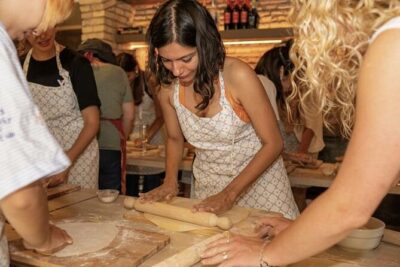
Cooking Class: Pasta & Tiramisu with a Private Italian Chef
Read our review →
Private/Guided Godfather with Appetizer and Pasta
Read our review →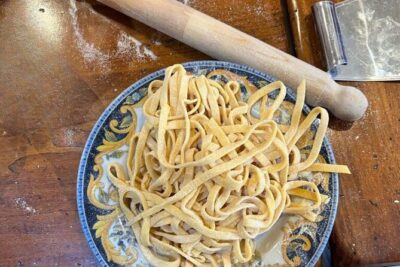
Private Cooking Class in the Heart of Rome 3 types of Pasta and Wine
Read our review →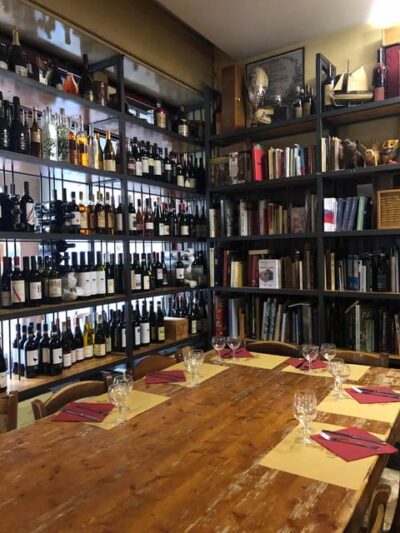
Browse the lists this class appears in