REVIEW · ITALY PASTA CLASSES
Pasta Cooking class in Pompeii
Fresh pasta is the heart of this Pompeii experience, but the real treat is the setting: Sabrina’s home, garden, kitchen, and family table. You’ll begin with garden produce, then learn how to mix, feel, roll, and shape dough using recipes passed through her family. I like the hands-on pasta work and the chance to eat what you make, rather than watching a cooking show from the sidelines. I also like the small group limit of 10, which should leave room for questions and personal help.
The main consideration is location. The class meets at Via Messigno, 132, outside the core sightseeing area, and transport is not included. You can request a transfer, but you’ll need to ask for details before booking. The three-hour visit also requires at least two people, so solo visitors cannot book it on their own.
Key points at a glance
- Sabrina’s family recipes: Learn pasta methods passed from her mother and grandmother, including how to judge dough by touch.
- Garden-to-table setting: Start among the garden’s seasonal produce before moving into the home kitchen.
- Cook and eat your own meal: Prepare fresh pasta, then sit down to enjoy it with bruschetta, dessert, and possibly local wine.
- Ravioli and fettuccine options: Past classes have included ravioli with ricotta and spinach, plus a demonstration of fettuccine.
- Small-group format: The maximum group size is 10, making this more personal than a large demonstration.
- Useful planning detail: The meeting point is in Pompeii, transfers cost extra, and the minimum booking is two people.
A family kitchen instead of a cooking school
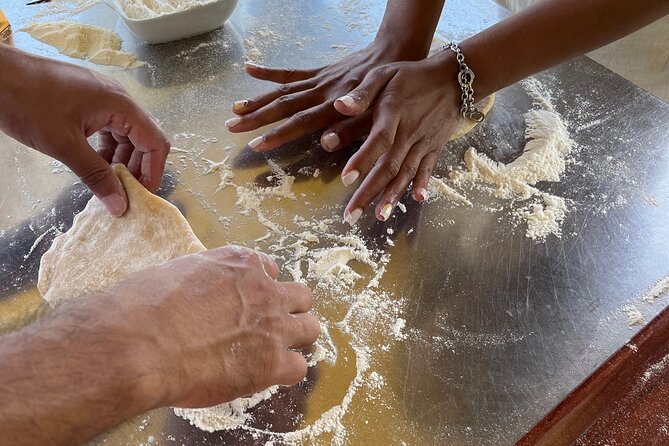
This class takes place at Sabrina’s home in Pompeii, not in a formal culinary studio. That difference matters. You are not simply shown a recipe and sent home with a printed list of ingredients. You enter a personal space, see the garden, meet the family, and work at the kitchen table.
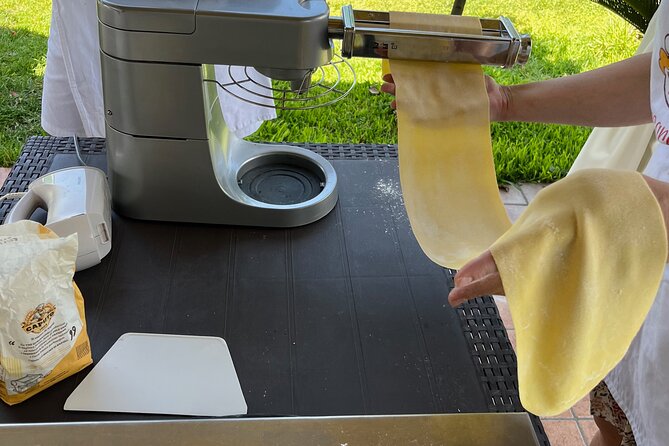
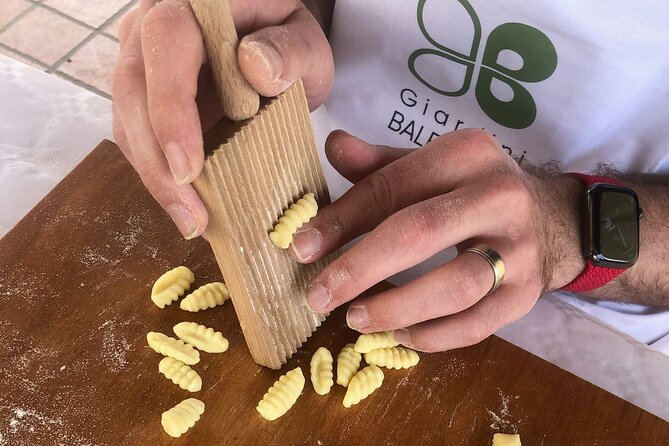
Sabrina teaches the way many Italian cooks learn at home: by watching hands, copying movements, and paying attention to texture. The stated ingredients for the pasta are simple, flour and eggs, but the technique is less mechanical than it first appears. You’ll learn how the dough should feel when it is ready, how to roll it out, and how to handle the pasta machine.
That makes this a good choice for people who want more than a meal in Pompeii. You get a practical skill you can repeat at home, plus a better sense of why fresh pasta is tied so closely to Italian family life.
The setting is also part of the lesson. The garden provides the opening scene, with seasonal vegetables and products from the land. The home has been described as a peaceful family place near the base of Mount Vesuvius, with vineyards and olive groves around it. Those details give the class a local feel that a restaurant-based lesson usually cannot match.
Other Italy classes worth putting on the shortlist
- Florence: Pasta Cooking Class with Unlimited Wine
★ 4.9 · 10,285 reviews - 3 in 1 Cooking Class near Navona: Fettuccine, Ravioli & Tiramisu
★ 5.0 · 7,376 reviews - Florence Pizza or Pasta Class with Gelato Making at a Tuscan Farm
★ 5.0 · 6,801 reviews
Starting with the garden and seasonal vegetables
The visit begins at the garden. Sabrina introduces you to the produce used in the meal, helping connect the food on your plate with the soil outside the kitchen.
This short garden visit gives the menu some context. The starter is bruschetta with seasonal vegetables, and the vegetables come from the garden. You may find that the exact toppings change with the season, so do not expect a fixed restaurant menu. That is part of the point: the food follows what is available.
Bruschetta is a fitting first course for this setting. It is straightforward, familiar, and allows the vegetables and bread to do the work. It also gives you something to eat before the pasta lesson reaches the table.
The garden portion will appeal most to anyone who enjoys food with a sense of place. If you only want the fastest route to a plate of pasta, this part may feel less essential. For me, it helps turn the class into a visit to a working household rather than a standard tourist activity.
Learning the dough by touch
The central lesson focuses on handmade pasta using flour and eggs. Sabrina shows you how to mix the dough, work it, and decide when it has the right texture. This is the sort of instruction that can be hard to learn from a cookbook.
You will also learn how to roll the dough. Past sessions have included the use of a pasta machine, and Sabrina has shown how to make both ravioli and fettuccine. The exact shapes prepared on your day may vary, but the class clearly centers on fresh pasta rather than a quick demonstration.
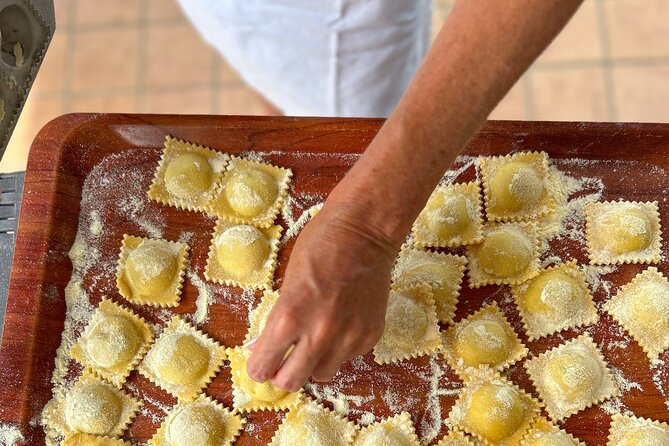
Ravioli offers the more involved lesson. You form the dough, add a filling, and seal each piece carefully. One menu described in the class setting used ricotta and spinach with a lemon sauce. That combination also shows how a few basic ingredients can produce a meal with plenty of flavor.
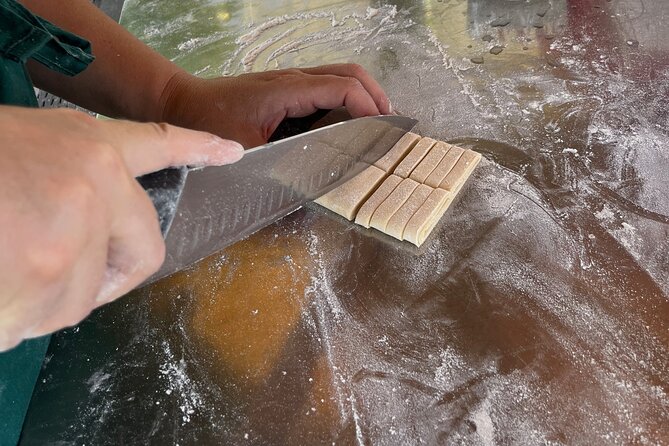
Fettuccine is a useful contrast. It teaches you how to cut and handle pasta in long ribbons rather than filled parcels. If you cook at home, these two formats give you a practical base for future meals.
The important thing is not just copying a shape. Sabrina’s teaching focuses on the feel of the dough and the small movements that make pasta work. Expect a lesson based on doing, correcting, and trying again.
Sitting down to eat what you made
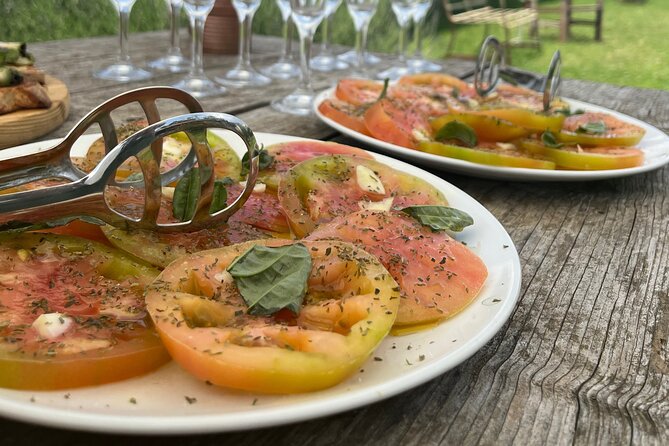
After the preparation, you eat the meal together at the kitchen table. The sample menu includes bruschetta, fresh pasta, and a homemade sweet. This is a full meal, not merely a taste of the finished dish.
The shared table is one of the strongest parts of the visit. You have handled the ingredients, shaped the pasta, and then get to taste the result while the work is still fresh in your mind. That creates a much stronger connection between the lesson and the meal than receiving a plate prepared by someone else.
Wine may also be part of the meal. Past sessions have included Gragnano wine from Sabrina’s uncle’s vineyard. The information does not promise a specific wine with every booking, so treat this as a possible local addition rather than a guaranteed inclusion.
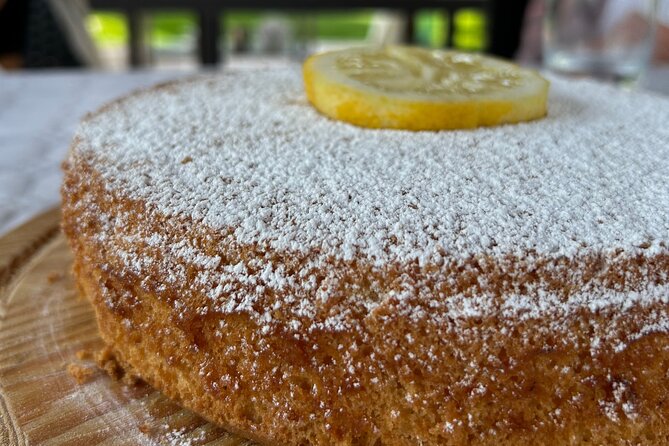
The sweet of the home is another appealing touch. Its exact form is not specified, and one class included cake. Do not book expecting a particular dessert, but you can expect a homemade finish to the meal.
This is also a social visit. Sabrina’s husband and children may be part of the household setting, and even the family cat, Gary, has made an appearance. That does not mean every class will follow the same pattern, but it helps explain the informal character of the event.
Same town, a different thing to roll out:
- Florence: Pasta & Tiramisu Cooking Class with Unlimited Wine
★ 4.9 · 6,708 reviews - Florence: Pasta Cooking Class with Unlimited Wine
★ 5.0 · 6,413 reviews - Rome: Pasta & Tiramisu Class with Fine Wine by the Vatican
★ 4.9 · 4,852 reviews - Rome: Pasta Making Class with Wine, Limoncello, and Dessert
★ 4.9 · 3,177 reviews
Three hours that feel different from a Pompeii tour
The class lasts about three hours. That gives you enough time for the garden introduction, pasta preparation, cooking, and meal without turning the activity into an all-day commitment.
For a Pompeii itinerary, the timing works well as a change of pace from ruins and museums. After spending hours among ancient streets, a home kitchen offers a completely different way to understand the area. You shift from looking at Roman food culture behind glass to preparing a living Italian staple with a local host.
Still, you should protect the full three-hour window. The lesson includes several stages, and the meal is part of the experience. It is not designed as a quick stop between scheduled sights.
The group maximum is 10 people. That is still large enough for a lively table, but smaller than many commercial food tours. A family of five has taken part successfully, including parents, a grandmother, and two young adults. The format also suits couples and small groups of friends.
Because the minimum is two people, solo visitors will need to find a companion or contact the provider before trying to arrange a booking.
What the price includes, and what it does not
At $94.68 per person, this is not the cheapest meal in Pompeii. You are paying for about three hours of instruction, ingredients, a prepared meal, the home setting, and the chance to learn a technique you can use later.
The value depends on how you measure the outing. If you compare it with buying a plate of pasta, the price is high. If you compare it with a cooking lesson, a substantial meal, garden time, and a small-group visit in a local home, the cost is easier to justify.
The strongest value comes from the personal format. You are not only eating pasta. You are learning to make it, meeting Sabrina in her own kitchen, and sharing the result at the table. The family atmosphere is a central part of what you pay for.
Gratuities are not included. Transfer is also not included, though you can request information about arranging one. Ask about the transfer before finalizing your plans, especially if you are staying in central Pompeii or arriving by public transport.
Getting to Via Messigno, 132
The class begins and ends at Via Messigno, 132, 80045 Pompei, Italy. The meeting point is near public transportation, but the activity details do not specify a particular station, route, or walking time.
That means you should check your route carefully rather than assume the address is beside the archaeological park. Pompeii is easy to misunderstand on a map because the ruins, modern town, stations, and surrounding residential areas are not all in the same place.
A transfer can be requested, but it is not part of the listed price. If convenience matters more than saving on transport, asking for this option may be worthwhile. If you arrange your own transport, leave enough time to reach the meeting point without cutting the start close.
The activity ends back at the meeting point. That makes onward planning simpler, but you will still need to organize your return to your hotel, station, or next sight.
Who will enjoy this most
I would choose this class for people who want a personal connection to Pompeii and the surrounding area. It is especially well suited to:
- Couples looking for a relaxed food activity
- Families with children who enjoy making things with their hands
- Small groups who want to cook and eat together
- Home cooks interested in fresh pasta technique
- People spending several days in the Pompeii area
- Anyone who prefers a local home setting to a formal kitchen studio
Children have taken part, and the hands-on nature gives younger family members a clear role. The class also works for mixed-age groups, as shown by a family that included a grandmother and young adults.
I would be less likely to recommend it if you want a tightly scheduled sightseeing stop, a guaranteed specific pasta shape, or a professional restaurant-style cooking school. The charm is its informal, family-based character, and that also means the pace and menu may feel less standardized.
Service animals are allowed. The activity is near public transportation, but other accessibility details are not provided, so contact the provider if you need specific information about the kitchen, garden, or seating.
Booking, cancellation, and practical details
You receive confirmation at the time of booking. The activity requires at least two people and accepts no more than 10 participants.
Free cancellation is available if you cancel at least 24 hours before the local start time. Cancellations or changes made within 24 hours are not refunded or accepted. If the minimum number is not reached and the activity is canceled, you can choose another date or activity, or receive a full refund.
The provider is Giardini Balestrieri. Since transfer is separate and the menu may follow seasonal garden produce, ask any important questions before booking. In particular, confirm the pickup option if you do not want to make your own way to Via Messigno.
Bring an appetite and expect to take part. This is not a demonstration where you sit back and watch Sabrina do everything.
Should you book Sabrina’s Pompeii pasta class?
Book it if you want to trade a few hours of sightseeing for a personal meal, practical pasta skills, and time in a Pompeii family home. The garden, shared table, handmade ravioli or fettuccine, and possible Gragnano wine give the class a strong local character.
Think twice if your schedule is very tight, you are traveling alone, or you need transport included in the price. The meeting point takes planning, the minimum booking is two people, and the cost is aimed at a full cultural food experience rather than a simple lunch.
For a couple, family, or small group with room in the itinerary, I would book it. The best reason is simple: you leave with more than a meal. You learn what the dough should feel like, understand how a family recipe moves from one generation to the next, and sit down to eat the food your own hands helped make.
FAQ
Where does the pasta class take place?
The class takes place at Sabrina’s home at Via Messigno, 132, 80045 Pompei, Italy. It starts and ends at this meeting point.
How long does the experience last?
The activity lasts approximately three hours.
How much does the class cost?
The listed price is $94.68 per person.
Is a transfer included?
No. Transfer is not included, but you can request information about arranging one.
What food is included?
The sample menu includes bruschetta with seasonal vegetables, fresh pasta, and a homemade sweet. The vegetables come from the garden.
Will I make ravioli and fettuccine?
The class teaches handmade pasta, and past sessions have included ravioli and a demonstration of fettuccine. The exact preparation may vary.
How many people can join?
The activity requires a minimum of two people and accepts a maximum of 10 participants.
Can I cancel for a refund?
Yes. You can cancel at least 24 hours before the local start time for a full refund. Cancellations or changes made less than 24 hours before the start are not refunded or accepted.
Recently added in Italy
- Vicenza: Pasta & Tiramisu Cooking Class at a Local’s Home★ 5.0 · 5 reviews
- Verona: Tortellini Cooking Class and Lunch with Mamma Ivana★ 5.0 · 20 reviews
- Verona: Pasta Cooking Class with Wine Tasting★ 5.0 · 4 reviews
- Verona: Pasta & Tiramisu Cooking Class at a Local’s Home★ 5.0 · 16 reviews
- Verona: Prosecco and Pasta Making Class at a Local’s Home★ 5.0 · 10 reviews
- Volterra: Fresh Pasta Cooking Class at a Tuscan Farmhouse★ 5.0 · 33 reviews
- Venice: Share Your Pasta Love in a Local’s Home★ 4.8 · 20 reviews
- Verona: My Granny’s secrets making gnocchi★ 5.0 · 7 reviews
Italy Pasta Classes, compared.
3 in 1 Cooking Class near Navona: Fettuccine, Ravioli & Tiramisu
Read our review →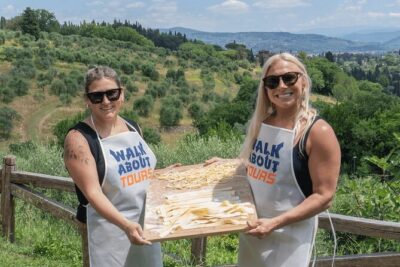
Florence Pizza or Pasta Class with Gelato Making at a Tuscan Farm
Read our review →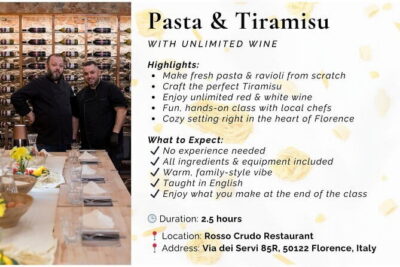
Pasta & Tiramisu Cooking Class with Unlimited Wine
Read our review →
Pasta & Tiramisu Class with Fine Wine by the Vatican
Read our review →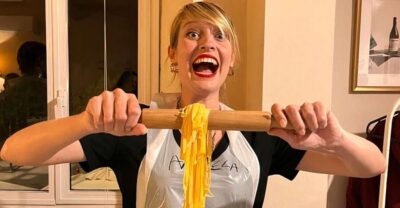
Pasta Making Class with Wine, Limoncello, and Dessert
Read our review →