
REVIEW · SMALL GROUP PASTA CLASSES
Share your Pasta Love: Small group Pasta and Tiramisu class in Pescara
Pescara’s best souvenir may be one you can cook. In this three-hour home kitchen class, you make pasta from scratch, prepare tiramisu, and sit down to eat what you have made with a local host. Past sessions have included ravioli, Abruzzo’s chitarra pasta, and strawberry tiramisu.
I especially like the small-group limit of 12 and the welcoming aperitivo served at the start. Hosts such as Luisa, Stefania, and Alisa have created warm, social evenings, often adding homemade snacks or extra dishes. The main caution is that the host and exact recipes can vary, and one past group did not receive the promised Cesarine aprons.
Key points
- Regional pasta on the menu: You may learn ravioli and chitarra, a pasta closely linked with Abruzzo.
- A real home setting: The class takes place in a local cook’s home rather than a formal cooking school.
- Aperitivo included: Expect a welcome drink and snacks before the hands-on work begins.
- Three-hour format: The schedule gives you time to cook, eat, and talk without taking an entire day.
- Maximum of 12 people: This is small enough for personal help, though it is not a private lesson.
- Flexible cancellation: You can cancel up to 24 hours before the activity for a full refund.
Pasta begins with flour, eggs, and a little patience
The class starts in Pescara, in the Province of Pescara, and ends back at the meeting point. The exact home address is provided after booking, so allow time to reach the starting point and check the transport details before you set out. The meeting point is near public transportation, which makes this easier to fit into a day in town.
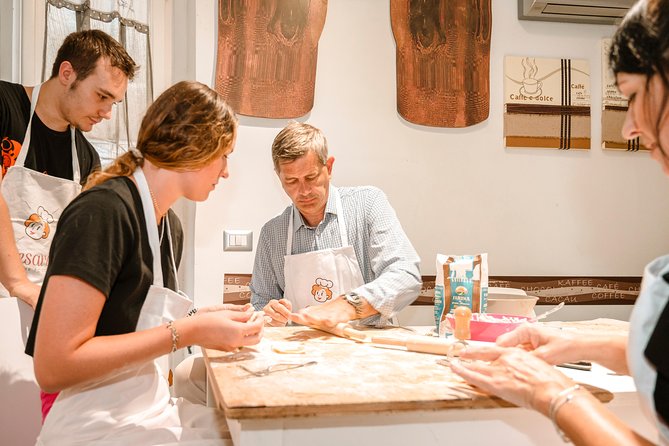
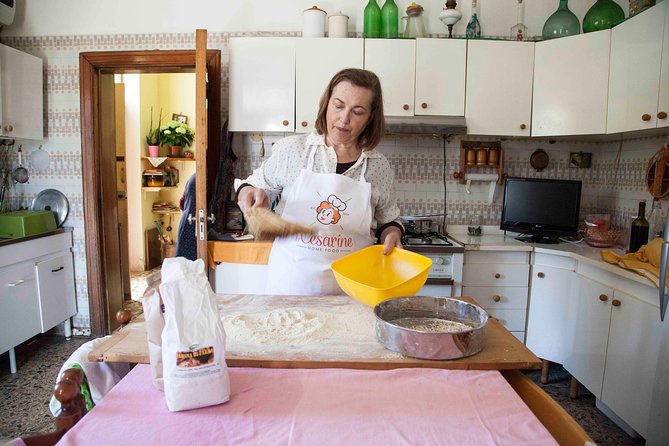
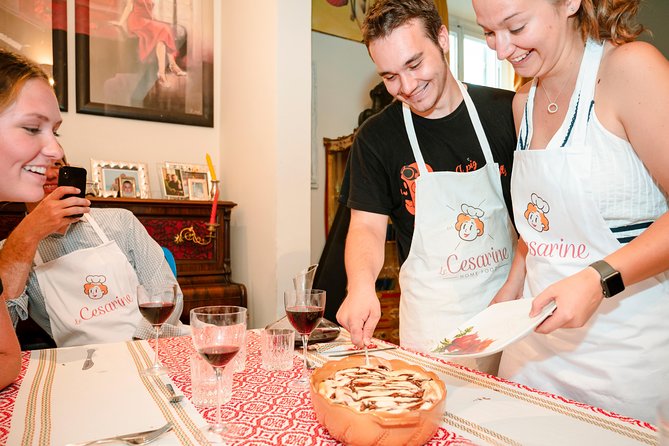
Once you arrive, your host welcomes you into a private home. That change of setting matters. Instead of sitting at individual workstations in a commercial school, you are cooking in the kind of kitchen where these dishes are prepared for family and friends. You get a closer look at the pace, habits, and small choices behind everyday Italian food.
The welcome usually begins with an aperitivo, such as Prosecco, snacks, or homemade drinks. One session began with Prosecco and nibbles before the pasta work started. Another host prepared extra dishes for the table. These touches make the evening feel social from the first few minutes, not like a class where you rush straight into a recipe.
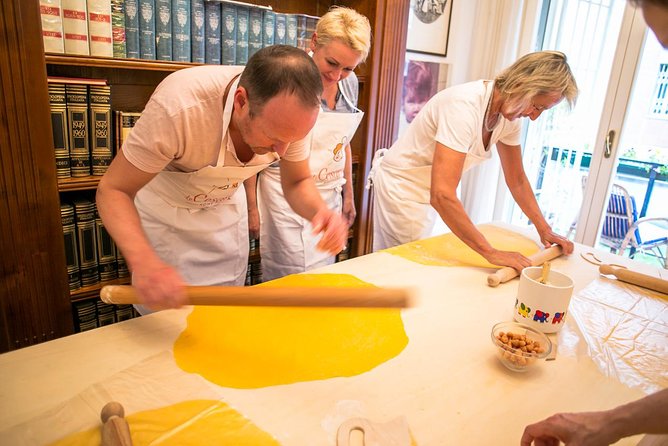
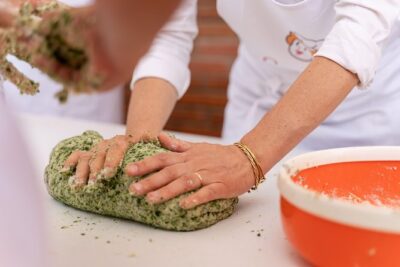
After introductions, the hands-on work begins. You can expect to help mix, knead, roll, shape, and cook pasta, though the exact order depends on the host and the recipes selected. That variation is part of the appeal, but it also means you should not book this expecting one fixed menu at every sitting.
The teaching is practical. You learn what to do, and just as usefully, what not to do. Pasta dough responds to small changes in moisture and pressure, so watching a host correct a sticky dough or show the right thickness can teach you more than simply reading a recipe card. You leave with techniques you can repeat at home, not only a meal you ate once.
More Tiramisu Classes in Italy:
- 3 in 1 Cooking Class near Navona: Fettuccine, Ravioli & Tiramisu
★ 5.0 · 7,376 reviews - Florence: Pasta & Tiramisu Cooking Class with Unlimited Wine
★ 4.9 · 6,708 reviews - Rome: Pasta & Tiramisu Class with Fine Wine by the Vatican
★ 4.9 · 4,852 reviews
Ravioli and chitarra bring Abruzzo to the table
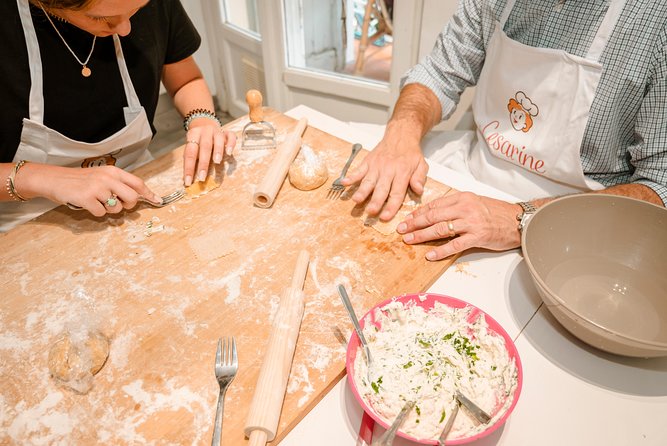
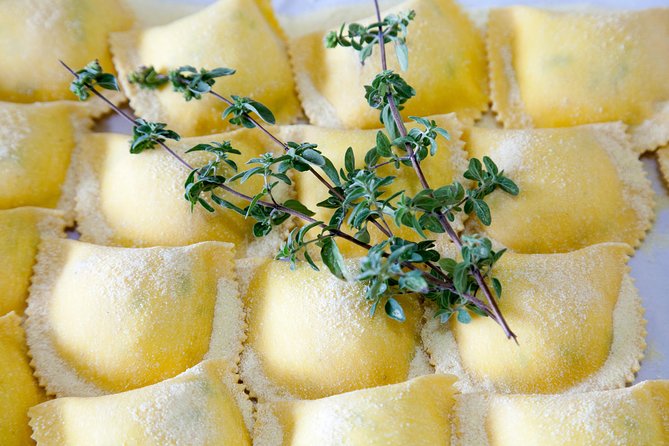
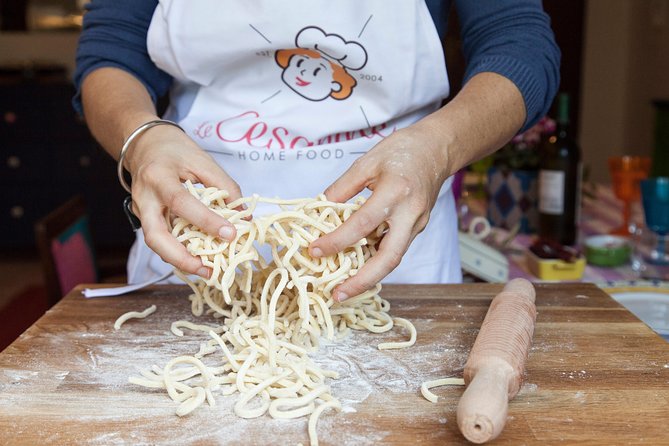
The sample menu lists pasta as the main course, but past classes have included two different types. Ravioli gives you the careful work of filling and sealing each piece. You have to place enough filling in the center, avoid trapping excess air, and press the edges firmly. It is simple work in theory, but the first few pieces often teach you the most.
The other pasta is chitarra, a local Abruzzo specialty. Its name refers to the guitar-like tool traditionally used to cut sheets of dough into thin strands. The class gives you a useful connection to the region because you are not just making generic pasta. You are handling a form associated with the food culture of Abruzzo.
You should expect the host to guide the group through the basic movements rather than give a long culinary lecture. That suits this activity. The point is to work with your hands, ask questions, and pick up habits you can use later. If you already cook pasta often, you may find the regional style and home setting more interesting than basic dough preparation.
The shared format also helps. You can compare your shapes with those made by others, laugh at uneven edges, and learn by watching a different pair of hands. Since the maximum is 12, the atmosphere should remain manageable, though a full group will still mean sharing attention with other people.
The language offered is English, which removes a major barrier for English-speaking visitors. Still, cooking often communicates through demonstration. A host can show the motion of rolling dough or sealing ravioli even when a technique is hard to explain in words.
Tiramisu adds a sweet second act
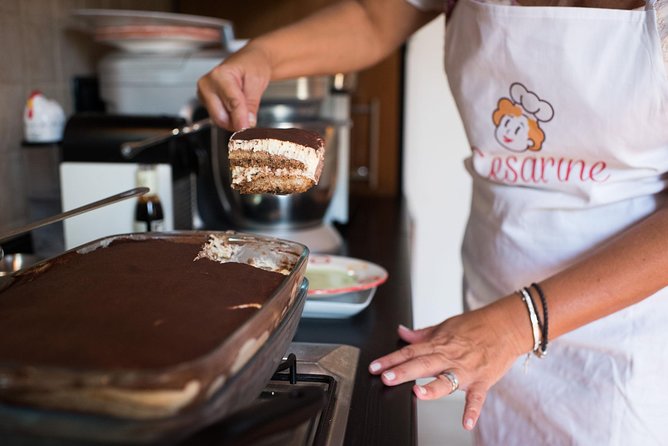
Dessert is tiramisu, one of Italy’s most recognizable dishes. In at least one class, the group made a strawberry tiramisu, giving the familiar dessert a lighter fruit-based variation. That is a pleasant reminder that Italian home cooking is not always limited to the version found on a standard restaurant menu.
The tiramisu portion also breaks up the pasta work. You move from dough and flour to layering and chilling, then return to the main course. Depending on the host’s recipe, you might focus on assembling the dessert, preparing its components, or learning how the ingredients are balanced.
This is a good part of the class for anyone who wants a recipe that is easy to recreate after the trip. Pasta takes practice, but tiramisu can be made at home without special equipment. You can think of it as a second souvenir, one that does not take up room in your luggage.
The menu is described simply as pasta and tiramisu, so do not assume that every class includes the same filling, sauce, fruit, or additional courses. The hosts have room to bring their own style. That is valuable if you want a personal home-cooking experience, but less useful if you require a tightly fixed menu.
The meal matters as much as the lesson
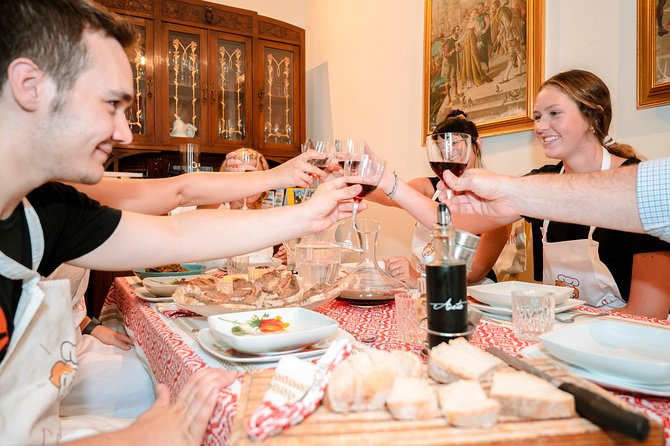
When the cooking is finished, you eat together at the host’s table. This is more than a convenient way to serve the food. It lets you see how the dishes work as a meal, and it gives the evening a natural finish instead of ending when the last piece of pasta leaves the pot.
The shared table is one of the strongest reasons to choose this class. You can talk with the host and the rest of the group while trying the food you just prepared. One past class was especially praised for combining cultural learning with a meal around the table. That balance is important: you get an activity, but also time to connect.
Hosts may add food beyond the stated menu. Stefania, for example, prepared extra dishes alongside the pasta and tiramisu. Luisa and Maya welcomed their group with drinks and snacks, while another host offered homemade aperitifs. These additions are not guaranteed, but they show how much the evening can depend on the personality of the person hosting you.
You should also keep your expectations sensible. This is a home meal and cooking lesson, not a restaurant tasting menu. Portions, recipes, and extras can differ. If your main goal is to learn two pasta recipes and enjoy a convivial dinner, the format fits well. If you want a formal chef demonstration with exact measurements and polished presentation, choose a professional cooking school instead.
More Small Group Pasta Classes in Italy:
- Milan: Pasta and Tiramisu Small Group Cooking Class with Wine
★ 5.0 · 660 reviews - Florence Small-Group Pasta Class with Seasonal Ingredients
★ 5.0 · 532 reviews - Bologna: Pasta and Tiramisu Small Group Cooking Class with Wine
★ 5.0 · 409 reviews - Palermo: Pasta and Tiramisu Small Group Cooking Class with Wine
★ 5.0 · 348 reviews
What the $160.84 price buys you
At $160.84 per person, this is not a budget meal. The value comes from the combined format: an English-language lesson, ingredients, aperitivo, hands-on pasta work, tiramisu, and a meal in a local home, all within about three hours.
I would judge the price by what you want from the evening. If you only want to eat pasta, you can spend less at a restaurant. If you want to learn a regional recipe, meet a local cook, and take home skills you can use, the cost becomes easier to defend. The class also saves you from arranging separate food and sightseeing plans for that part of the evening.
The group cap helps support the price. Twelve people is still a group, but it is far more workable than a large demonstration. You can usually see what is happening and take part rather than watching from the back. It is not a private class, so couples seeking one-on-one instruction should keep that in mind.
The welcome drinks and extra homemade dishes add to the sense of value, but they should be treated as host-dependent touches, not promised upgrades. The listed core is pasta and tiramisu with an aperitivo. That is the part you are paying for.
One small mismatch deserves a mention: a past group did not receive the Cesarine aprons that were expected. This did not ruin the evening, but if a souvenir apron is important to you, confirm its availability before booking. The food and instruction remain the central parts of the activity.
Hosts set the tone of the evening
Your host makes a real difference in a home-based class. Luisa was described as welcoming, with Maya helping during the session. They served Prosecco, snacks, two kinds of pasta, tiramisu, and homemade aperitifs. Maya also drove the group back to the city after the class because it was dark, but you should not assume that return ride is included for every booking.
Stefania and her husband hosted another warm evening, with Stefania guiding the group patiently through pasta and tiramisu. Alisa was also praised for combining cooking with conversation around the table. These details suggest that the activity works best when you value people and setting as much as the recipe.
The name Cesarine refers to the local home cooks who host the activity. You are not being sent to a single standard kitchen with one permanent chef. The host can change, and so can the menu details and home atmosphere. That is a strength if you want a personal encounter, but it means the description should be read as a clear outline rather than a minute-by-minute guarantee.
Homes provide basic sanitary supplies such as paper towels for handwashing and hand sanitizer. Guests are asked to keep one meter apart when possible, and to wear masks and gloves when that distance cannot be maintained. These instructions may be updated over time, so check the current guidance after booking.
Who will enjoy this Pescara class most
I would choose this for couples, families, and small groups who want an evening with a social feel. It also suits solo visitors who like meeting people at a shared table. The hands-on work gives you an easy way to talk with others, even if you arrive without a group of your own.
Food lovers with an interest in Abruzzo have a good reason to book. Learning chitarra pasta gives the class a local angle, while ravioli and tiramisu offer recipes you can try again at home. You do not need to be an experienced cook. The emphasis is on learning by doing, and the host can show the basic movements.
This may be less suitable if you need a fully fixed schedule, a private lesson, or guaranteed accessibility details that are not provided here. The activity takes place in a private home, so ask the operator about any specific mobility, dietary, or allergy needs before booking. The available information does not confirm how each home handles those requests.
The three-hour length is well judged for most people. It is long enough to make and eat the food, but short enough to leave room for an evening walk or another plan. Because it ends back at the meeting point, you do not need to arrange a separate finish point, though your own transport home remains your responsibility unless your host offers help.
Book it for the recipe, stay for the table
You should book this class if you want more than a meal in Pescara. The best parts are the home setting, the chance to work with regional pasta, and the relaxed table time that follows. The aperitivo gives the evening a friendly start, while tiramisu makes the class feel like a complete meal rather than a single cooking demonstration.
Think twice if you need a predictable menu, a private chef, or a guaranteed apron. Host personalities, extra dishes, and pasta recipes can vary. For most people who value a personal introduction to Abruzzo cooking, the $160.84 cost is reasonable when you count the instruction, food, drinks, and social setting together. You can cancel for a full refund up to 24 hours before the activity, which gives you some useful flexibility.
FAQ
Where does the pasta and tiramisu class take place?
The activity takes place in Pescara, in the Province of Pescara, inside the home of a local Cesarine cook. The precise meeting details are provided after booking, and the location is near public transportation.
How long does the cooking class last?
The class lasts approximately three hours. It begins and ends at the meeting point.
What food will I make?
The core menu includes pasta as the main course and tiramisu for dessert. Past sessions have included ravioli, Abruzzo chitarra pasta, and strawberry tiramisu, but the exact recipes can vary by host.
Is an aperitivo included?
Yes. The cooking lesson includes a welcome aperitivo. Past hosts have served Prosecco, snacks, and homemade aperitifs.
How many people can join?
The activity has a maximum of 12 travelers. It is a small group, but it is not described as a private class.
Can I cancel the booking?
Yes. You can cancel up to 24 hours before the experience for a full refund.
Recently added in Italy
- Verona: Tortellini Cooking Class and Lunch with Mamma Ivana★ 5.0 · 20 reviews
- Vicenza: Pasta & Tiramisu Cooking Class at a Local’s Home★ 5.0 · 5 reviews
- Verona: Pasta Cooking Class with Wine Tasting★ 5.0 · 4 reviews
- Verona: Pasta & Tiramisu Cooking Class at a Local’s Home★ 5.0 · 16 reviews
- Verona: Prosecco and Pasta Making Class at a Local’s Home★ 5.0 · 10 reviews
- Volterra: Fresh Pasta Cooking Class at a Tuscan Farmhouse★ 5.0 · 33 reviews
- Venice: Share Your Pasta Love in a Local’s Home★ 4.8 · 20 reviews
- Verona: My Granny’s secrets making gnocchi★ 5.0 · 7 reviews
Small Group Pasta Classes, compared.
Pasta and Tiramisu Small Group Cooking Class with Wine
Read our review →
Florence Small-Group Pasta Class with Seasonal Ingredients
Read our review →
Pasta and Tiramisu Small Group Cooking Class with Wine
Read our review →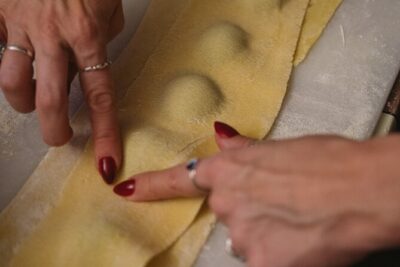
Pasta and Tiramisu Small Group Cooking Class with Wine
Read our review →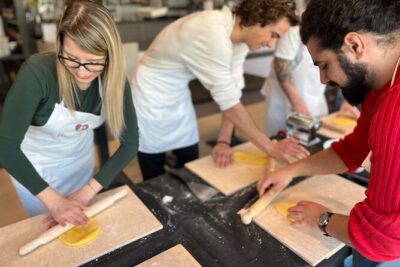
Rome Small Group Pasta Making Class with Wine and Italian Chef
Read our review →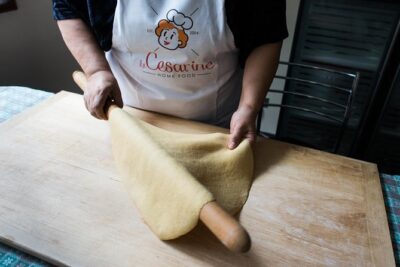
Small Group Pasta and Tiramisu Class at Local’s Home in Venice
Read our review →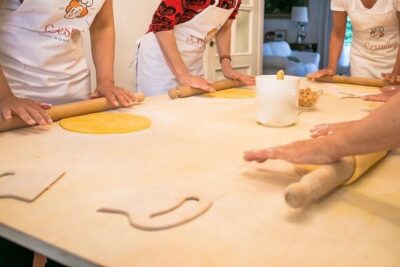
Cesarine: Small group Pasta and Tiramisu class in Varenna
Read our review →Browse the lists this class appears in