
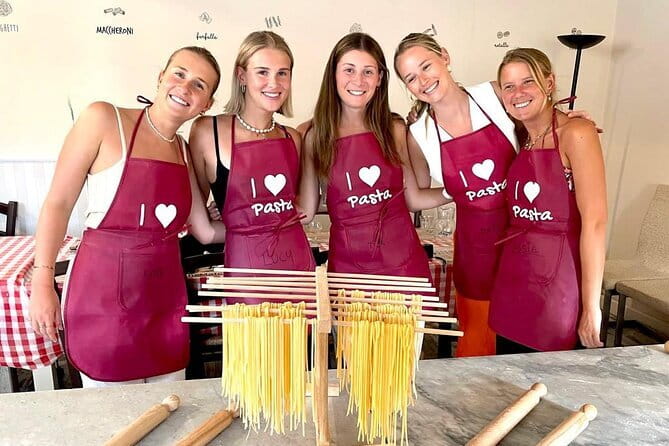
REVIEW · RAVIOLI AND GNOCCHI CLASSES
3- Cooking Making Spaghetti & Lasagna
Fresh pasta is the heart of this three-hour class in Florence’s San Frediano. You’ll work with flour, eggs, water, and milk, roll pasta by hand, build a lasagna, and learn the sauces that make the dish work.
I like the small maximum of 10 people, which gives the instructor room to help at the table. I also like the full meal at the end: pasta, Tuscan organic wine, and a chocolate dessert, not just a quick demonstration. The main consideration is that the class takes place at a specific meeting point, and one booking had an outdated address, so check the location details before setting out.
Key points to know before booking
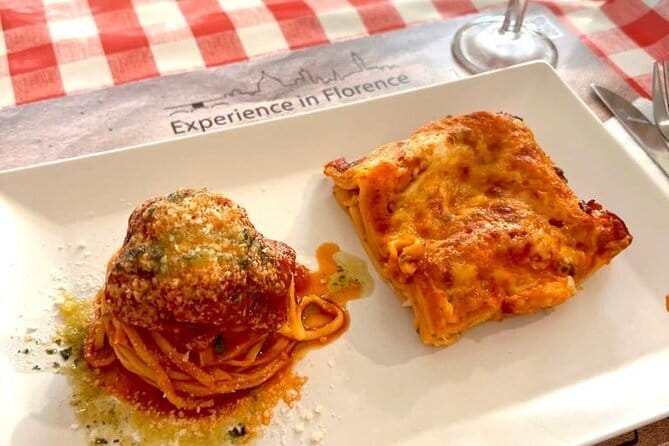
- You make two Italian classics: Fresh pasta goes into both spaghetti and lasagna, with Bolognese sauce and béchamel included.
- The setting is San Frediano: The class begins at Piazza del Carmine, 4, in one of Florence’s best-known local neighborhoods.
- The group stays small: A maximum of 10 people keeps this hands-on rather than turning it into a cooking show.
- The meal is part of the lesson: You sit down together for the pasta, Tuscan organic wine, and a chocolate dessert.
- Several instructors lead the class: Milena, Francesca, Ricardo, Marta, Yasmine, Aly, and Sartone are among the instructors associated with sessions.
- You leave with recipes: The handouts include the class recipes and the instructors’ small cooking tips.
Rolling pasta by hand in San Frediano
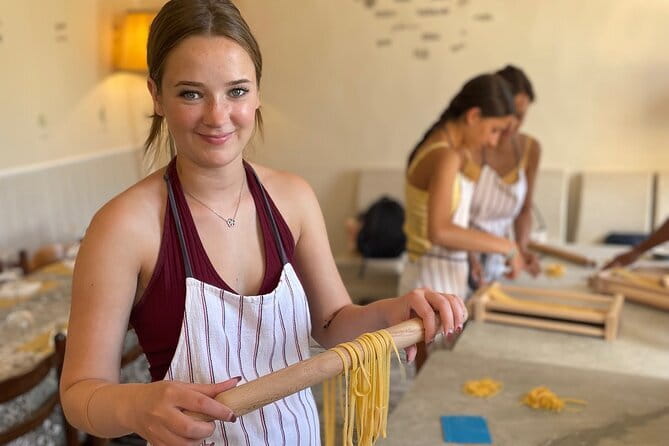
This class begins with a short historical and theoretical introduction before you start cooking. That opening matters because spaghetti and lasagna are not just restaurant dishes here. They are familiar Sunday food, the sort of meal tied to family kitchens and long lunches.
You then handle the basic ingredients yourself. Flour, eggs, water, and milk become pasta dough, and you learn how the mixture comes together before rolling it out. The work is practical from the start. You are not simply watching a chef make a perfect sheet while you stand back with a glass of wine.
The rolling pin is an important part of the lesson. Rolling pasta by hand gives you a better sense of the dough than using a machine, even if your first sheet is not perfectly even. That is useful knowledge to take home because it shows you what the dough should feel like and how thin it needs to become.
The instructors are praised for making the process easy to follow. Milena is described as patient and welcoming, Francesca brings family stories into the lesson, and Ricardo is noted for answering questions clearly. Since the teaching chef can vary, you should treat those names as examples rather than a guaranteed lineup.
More Ravioli and Gnocchi Classes in Florence
- Francy’s Pasta & Gnocchi on Top of Florence Hills
★ 5.0 · 457 reviews - Florence: Lasagna and Spaghetti-Making Class
★ 4.9 · 245 reviews - Learn How to Make Traditional Tuscan Tagliatelle in Florence
★ 4.5 · 33 reviews
Building lasagna from dough to sauce
Lasagna is the more involved part of the class. You make the pasta sheets, then work through the two sauces that give the dish its character: Bolognese and béchamel.
The Bolognese lesson is useful for anyone who has made a hurried version at home. You learn how to cook the sauce properly rather than relying on a jar or a quick spoonful of tomato sauce. The class description does not provide a full ingredient list or exact cooking method, so I would not book this expecting a complete regional debate about every version of ragù. You will, however, get the basic method and the instructor’s practical guidance.
Béchamel adds another useful skill. It is easy to think of lasagna as layers of pasta and meat sauce, but the white sauce gives the dish its creamy texture and helps bind the layers. Learning both sauces in the same session makes this more valuable than a pasta class that focuses only on shaping dough.
You assemble the lasagna together, then let it cook while you turn to the spaghetti. That pacing is smart. The cooking time is used for another dish instead of leaving you waiting around.
Spaghetti, or perhaps a different pasta shape
The advertised focus is spaghetti, and that is the pasta you should expect to prepare and eat. One session also gave participants a choice between spaghetti and fettuccine, so the exact shape may depend on the class or instructor. If the shape matters to you, ask when you arrive.
This part of the class brings the dough lesson into focus. You see how the same basic ingredients can become a different dish through cutting and preparation. The instructors also share small Italian cooking tips, the kind of practical details that are easy to miss in a recipe.
The class is aimed at ordinary cooks, not trained chefs. A 12-year-old was able to take part and enjoy the work, and a family with a husband and son found the activity more fun than expected. That makes it a good option for a mixed group where some people cook often and others are only trying it because they are in Florence.
The class also works well on a rainy day. It gives you three hours indoors with a clear task, a shared meal, and enough conversation to make the time feel social rather than like a simple cooking demonstration.
Sitting down to eat the food you made
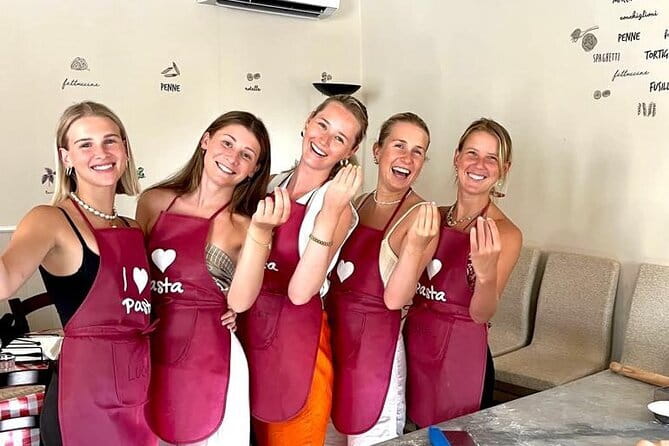
The meal is one of the strongest reasons to choose this class. You do not finish by packing up unfinished dough and heading out for dinner. You eat together after the cooking, with the pasta prepared during the session.
The meal includes spaghetti, or the pasta shape offered in your class, along with the lasagna you helped assemble. Tuscan organic wine is served with the food, and a chocolate dessert finishes the experience. The wine is part of the appeal, but do not read the description as an unlimited-drinks arrangement. One participant specifically wished there had been more wine, so drink service may be limited.
Eating together also changes the mood of the class. The tables bring people into conversation, and the food gives everyone an immediate shared topic. If you are visiting Florence as a couple, with family, or alone, this format makes it easier to meet the small group around you.
The chocolate dessert is a pleasant extra, though the main value remains the hands-on pasta work and the meal built around it. I would choose this class for the cooking first and regard the dessert and wine as part of the welcome, not the sole reason to book.
Same town, a different thing to roll out:
- Florence: Pasta Cooking Class with Unlimited Wine
★ 4.9 · 10,285 reviews - Florence Pizza or Pasta Class with Gelato Making at a Tuscan Farm
★ 5.0 · 6,801 reviews - Florence: Pasta & Tiramisu Cooking Class with Unlimited Wine
★ 4.9 · 6,708 reviews - Florence: Pasta Cooking Class with Unlimited Wine
★ 5.0 · 6,413 reviews
What the instructors add to the experience
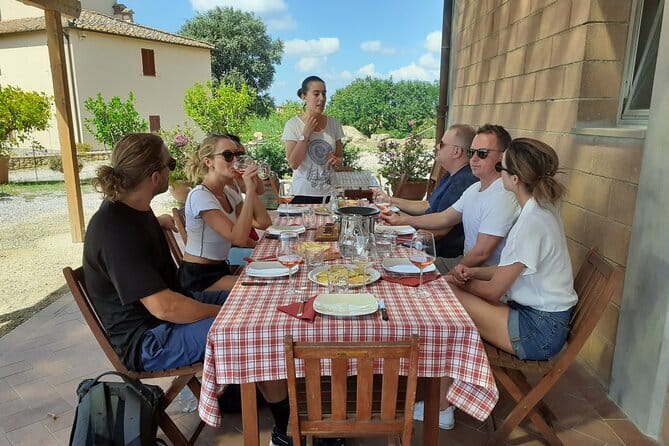
The strongest pattern in the feedback is the teaching. The instructors are repeatedly described as patient, friendly, funny, and clear. That matters in a cooking class because pasta dough can become frustrating if directions are rushed or vague.
Milena receives especially warm praise for being accommodating and for helping make the session enjoyable. Francesca’s stories about her grandmother add a family connection to the lesson. Yasmine is described as personable and amusing, while Marta is praised for keeping the pasta work enjoyable and producing a delicious result.
You may meet a different instructor. Names connected with the classes include Milena, Francesca, Ricardo, Marta, Yasmine, Aly, and Sartone. The useful point is not which name appears on your booking. It is that the class format depends heavily on a teacher who can explain each step, answer questions, and keep several people moving at once.
That small group limit helps. With no more than 10 people, the instructor can watch the dough, correct a technique, and explain why a sauce needs more time. It should feel more personal than a large demonstration, though the exact amount of individual help will depend on the group and the pace of the session.
Why the three-hour length works
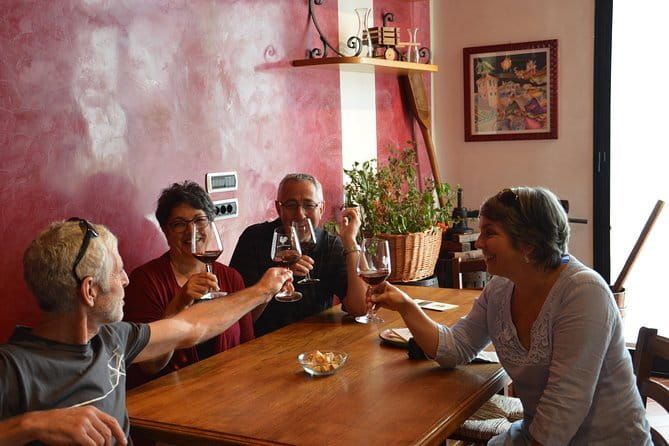
Three hours is enough time to make the food without turning the class into an all-day commitment. You have time for the introduction, dough preparation, rolling, sauce work, assembly, cooking, dessert, and the shared meal.
The schedule also has a natural rhythm. The lasagna needs attention, then time to cook. While it is cooking, you prepare the other pasta. That keeps your hands busy and makes better use of the clock.
Do not plan a tight appointment immediately afterward. The stated duration is approximately three hours, and shared meals can run at a relaxed pace. I would leave some breathing room, especially if you have museum tickets, a train, or a dinner reservation later in the day.
The class ends back at the meeting point. That is useful for planning your evening in San Frediano, though you should allow time to walk onward or connect with public transportation after the meal.
San Frediano location and arrival advice
The meeting point is Piazza del Carmine, 4, 50124 Firenze FI, Italy, in San Frediano. This puts the class on the Oltrarno side of Florence, away from the busiest concentration of landmarks around the Duomo.
The area makes sense for a cooking lesson. San Frediano is associated with neighborhood life and offers a more local-feeling setting than a class inside a major tourist attraction. The venue is described as well kept and comfortable, which is important when you will be working with food and sitting down to eat.
Use the mobile ticket and check the meeting instructions on the day of the class. One booking reported that the address provided was incorrect and needed updating. That appears to be a practical problem rather than a criticism of the cooking itself, but it is worth taking seriously. Confirm the exact location before leaving your hotel, and do not assume that a map pin from an old message is current.
The meeting point is near public transportation, and most people can participate. Service animals are allowed. No special mobility or cooking requirements are provided, so if you need a specific accommodation beyond that, contact the provider before booking.
Is $75.47 a fair price?
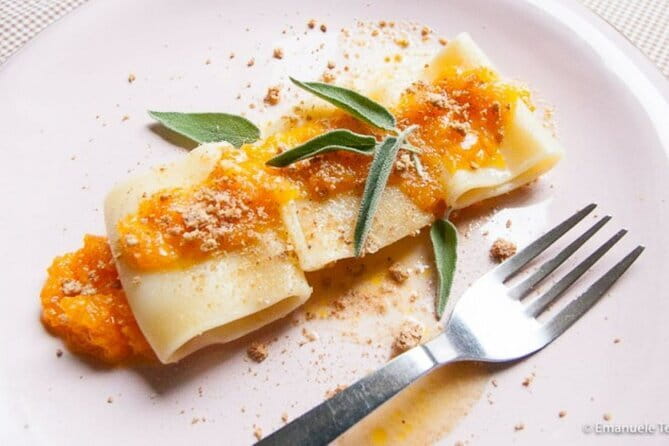
At $75.47 per person, this is not the cheapest meal in Florence. You could buy pasta for less, and a restaurant dinner may cost less if you are only comparing food on the plate.
The value comes from the combination of instruction, ingredients, a three-hour activity, the meal, wine, dessert, and recipes to use later. You are paying for a skill as well as dinner. The recipes make the benefit last beyond the afternoon or evening in Florence.
The group size strengthens the value. A maximum of 10 people means the price includes a more active role than a large group class where you might spend much of the time watching. The food is also central to the experience rather than a snack added at the end.
I would consider the price fair for someone who wants to cook, eat, and learn in one sitting. I would be less enthusiastic about it for someone who wants a formal chef-led demonstration, a market visit, or a broader tour of Tuscan cuisine. Those elements are not part of the stated experience.
It is booked, on average, 19 days before the date. If your Florence schedule is fixed, I would not leave this until the last moment, particularly if you need a certain day or time.
Who should book this class?
I would recommend it to couples who want a shared activity, families with older children, and anyone who has always wanted to learn fresh pasta in Italy. The class is especially well suited to people who want to recreate the meal at home because you receive recipes and practical tips.
It is also a good rainy-day choice. You get a warm indoor activity with a clear result, and the food gives children or reluctant participants a reason to stay engaged. The experience worked well for a family including a 12-year-old, but no formal minimum age is provided, so ask before booking for younger children.
Solo visitors can also fit in well because the meal is shared and the group is small. If you prefer a quiet, private lesson, this is not the right format. You will be cooking with other people and eating together.
Pasta enthusiasts should keep expectations sensible. This is a friendly class built around classic dishes, not a specialist workshop on regional pasta shapes or advanced restaurant technique. That is part of its appeal for beginners, but experienced cooks may find the basic steps familiar.
Booking, cancellation, and practical details
Confirmation is provided when you book, and the ticket is mobile, so you do not need to print a voucher. The experience is offered by Dalle Nostre Mani.
You can cancel for a full refund up to 24 hours before the scheduled start time. Cancellations or changes made within 24 hours are not refunded or accepted. The cut-off follows local Florence time.
The class requires a minimum number of people. If that minimum is not reached and the session is canceled, you will be offered another date or experience, or a full refund.
The activity is capped at 10 people, begins at Piazza del Carmine, 4, and ends at the same meeting point. I would arrive with the address checked, keep your schedule open for the full three hours, and treat the wine as part of the meal rather than an unlimited beverage service.
Should you book the spaghetti and lasagna class?
Book it if you want to do more than photograph Florentine food. You will roll pasta, prepare sauces, assemble lasagna, eat what you made, and leave with recipes you can use at home. The small group and patient teaching style make it approachable for families, couples, and beginners.
Skip it if you want a short demonstration, unlimited wine, or a class built around market shopping and advanced culinary technique. For most visitors who value an active, social meal, $75.47 is a reasonable price, especially with dessert, wine, and three hours of instruction included.
FAQ
Where does the cooking class meet?
The class meets at Piazza del Carmine, 4, 50124 Firenze FI, Italy, in Florence’s San Frediano area.
Where does the activity end?
The activity ends back at the meeting point.
How long does the cooking class last?
The experience lasts approximately three hours, including cooking and eating together.
What dishes will I make?
You will learn to make spaghetti and lasagna. The class also covers pasta dough, Bolognese sauce, and béchamel.
Is wine included?
Tuscan organic wine is served with the meal. The available information does not promise unlimited wine.
Is the class suitable for children?
Most people can participate, and a 12-year-old took part successfully. A minimum age is not provided, so check with the provider for younger children.
How many people can join the class?
The maximum group size is 10 people.
What happens if I need to cancel?
You receive a full refund if you cancel at least 24 hours before the start time. Cancellations or changes made less than 24 hours before the start time are not refunded or accepted.
Recently added in Florence
- Hands on Deluxe Traditional 4-course dinner with fresh pasta★ 5.0 · 15 reviews
- Vegan Cooking Class in Florence: Pasta Making & Wine!★ 5.0 · 2 reviews
- Tuscan Pasta Masterclass Small-Group Cooking Experience★ 5.0 · 17 reviews
- MaMa Florence: The Art of Corzetti – Hands-On Pasta Class★ 5.0 · 15 reviews
- The Art of Pasta and Wine Tasting with Local Sommelier★ 5.0 · 16 reviews
- Cooking class and home made pasta in Florence with LA VIVANDIERA!★ 5.0 · 5 reviews
- Hands-On Pasta Making Class in Central Florence with Patrizia★ 5.0 · 5 reviews
- Gluten free pasta and dessert class 6 guests max★ 5.0 · 2 reviews
Ravioli and Gnocchi Classes, compared.
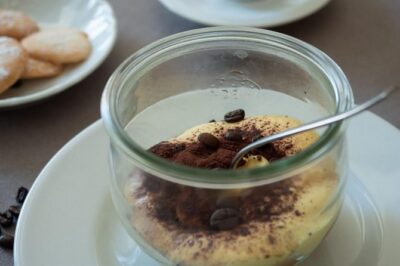
3 in 1 Cooking Class near Navona: Fettuccine, Ravioli & Tiramisu
Read our review →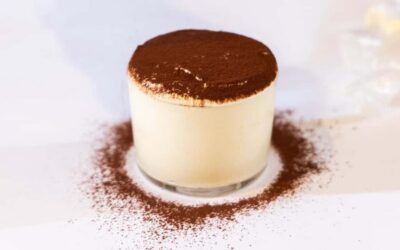
3-in-1 Fettuccine, Ravioli, and Tiramisu Cooking Class
Read our review →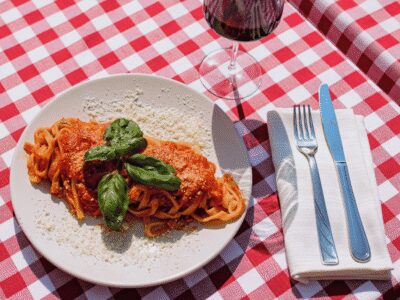
Fettuccine Pasta Cooking Class in Rome’s City Center
Read our review →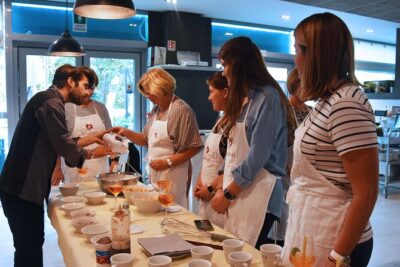
Become a Masterchef in Rome: Pasta, Ravioli and Tiramisù Class
Read our review →
Fettuccine & Tiramisù: Cooking Class with Wine & Limoncello
Read our review →
Rome Pasta and Tiramisu Class: Ravioli, Fettuccine & Fine Wine 5*
Read our review →
Pasta Cooking Class in Rome – Fettuccine Class in Piazza Navona
Read our review →
Browse the lists this class appears in