
REVIEW · CHEF-LED PASTA CLASSES
Trastevere Pasta Masterclass with Foodies from Rome
Three pasta shapes, three sauces, wine, and a small table of fellow cooks: that is the appeal here. You make tortelli, spaghetti, and ravioli by hand, then sit down to eat them with cherry tomato, cacio e pepe, and pesto sauces. Gio and Sacha lead the class in English and keep the mood friendly and practical.
I like the four-person limit, which should give you real time with the instructors rather than a quick demonstration at the front of a crowded room. I also like the take-home recipes, since this class aims to teach skills you can use after Rome, not just provide one pleasant meal.
The main thing to check before booking is the address. The experience is presented as being in Rome, between Trastevere and Testaccio, but the meeting instructions mention Foodies from Sorrento Cooking Studio, and several details refer to Sorrento and Meta. Confirm the exact location before paying, especially if you are planning this around a Rome sightseeing day.
Key points to know
- Three pasta shapes: Make cherry tomato tortelloni, cacio e pepe spaghetti, and pesto ravioli from fresh dough.
- Very small class: The stated maximum is four participants, allowing close help with kneading, rolling, and shaping.
- Wine with the meal: Snacks, wine, or a lemon soft drink are included while you cook and eat.
- Useful take-home material: Digital PDFs cover all three pasta recipes and sauces.
- English instruction: Gio and Sacha teach the class in English, with step-by-step demonstrations and practical tips.
- Check the venue carefully: The Rome description conflicts with references to Sorrento, Meta, and a Sorrento cooking studio.
What you actually make in three hours
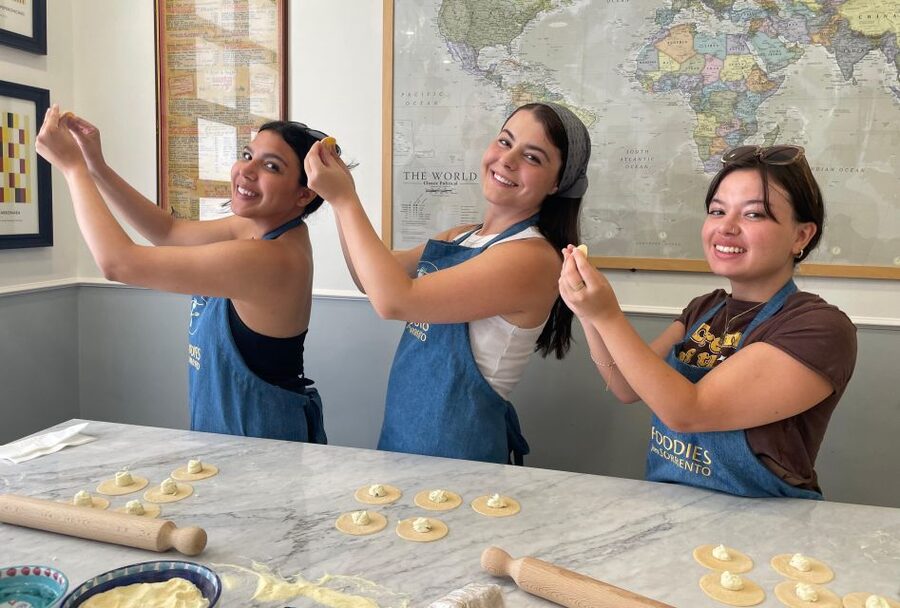
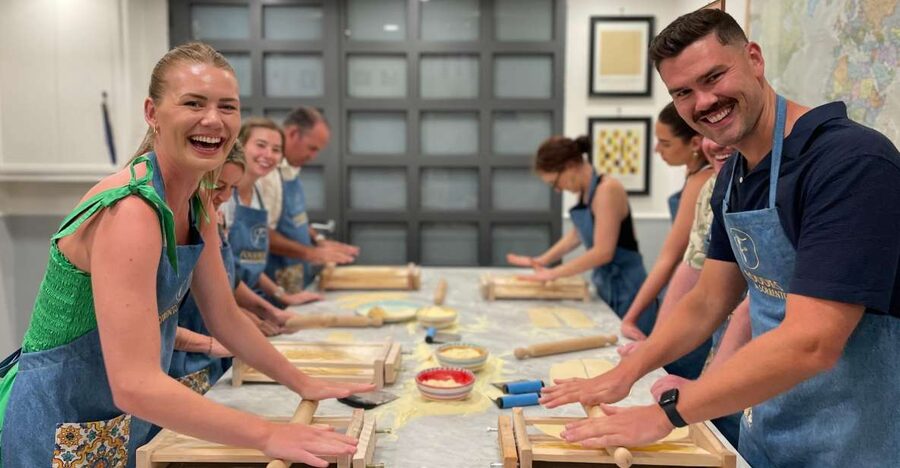
This is not a class where you watch a chef toss pasta while you take a few notes. You work with eggs and flour, make dough from scratch, roll it, shape it, and help prepare the sauces.
The three-hour format gives the lesson enough room to cover several techniques. You are not repeating one basic shape all evening. Instead, you move through three different pasta styles, each paired with a different sauce.
The planned menu is:
- Cherry tomato sauce with tortelloni
- Cacio e pepe with spaghetti
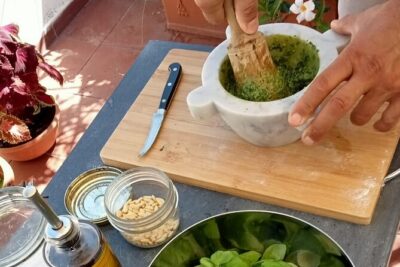
- Pesto with ravioli
That mix is smart. Tomato sauce is familiar and forgiving. Cacio e pepe teaches you how to handle a simple Roman sauce built around cheese and pepper. Pesto brings a different flavor and texture, and ravioli adds the challenge of filling and sealing fresh pasta.
You should finish with three small dishes rather than one oversized plate. That lets you taste the differences between the shapes and sauces without turning the class into a heavy dinner before the evening is over.
More Chef-Led Pasta Classes in Rome
- Rome Cooking Class: Make Pasta, Dine & Drink Wine With Local Chef
★ 5.0 · 1,263 reviews - 2-in-1 Pasta and Tiramisu Cooking Masterclass in Rome
★ 5.0 · 832 reviews - Pasta Fettuccine, Ravioli and Tiramisu MasterClass
★ 5.0 · 391 reviews
Starting with eggs, flour, and fresh ingredients
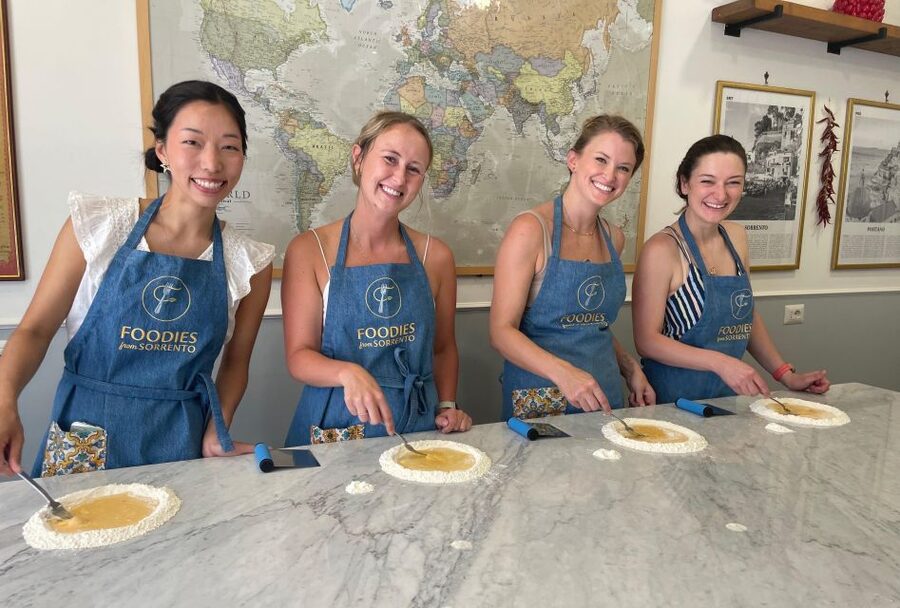
The class begins with the basic building blocks of fresh pasta. You roll up your sleeves, combine eggs and flour, and work the mixture into dough. This is the useful part of the lesson for anyone who has bought dried pasta for years but never understood how fresh dough comes together.
Fresh pasta rewards attention to texture. The dough cannot be treated like cake batter, and the correct feel matters more than simply following a clock. Gio and Sacha demonstrate the process, then help you adjust your technique as you work.
The cooking space is described as clean, organized, and well equipped. Aprons and cooking utensils are supplied, along with the fresh ingredients. You do not need to arrive carrying a rolling pin, mixing bowl, or packet of flour.
The class is also designed for people with mixed kitchen skills. You do not need to be an experienced cook to take part. The instruction is broken into manageable steps, and the small group makes it easier to ask for help when dough sticks, filling escapes, or a pasta shape refuses to look like the example.
Three sauces with three different lessons
The sauces are not just extras on the plate. They give the class its Italian cooking lesson.
Cherry tomato sauce with tortelloni
The tomato sauce is paired with tortelloni, a larger filled pasta shape. You learn to work with a simple sauce that depends on fresh ingredients and good timing rather than a long list of additions.
Filled pasta takes more care than spaghetti. You need to place the filling neatly, avoid trapping excess air, and seal the edges firmly. If you rush, the pasta can open in the cooking water. This is exactly the sort of small practical detail that makes a class more useful than a recipe card alone.
Same town, a different thing to roll out:
- 3 in 1 Cooking Class near Navona: Fettuccine, Ravioli & Tiramisu
★ 5.0 · 7,376 reviews - Rome: Pasta & Tiramisu Class with Fine Wine by the Vatican
★ 4.9 · 4,852 reviews - Rome: Pasta Making Class with Wine, Limoncello, and Dessert
★ 4.9 · 3,177 reviews - Rome Cooking Class: Make Pasta and 3 Spritz Cocktails
★ 5.0 · 2,937 reviews
Cacio e pepe with spaghetti
Cacio e pepe looks simple, but it requires control. The dish centers on cheese, pepper, and pasta, with no tomato or elaborate filling to hide mistakes.
Making spaghetti by hand gives you a feel for how pasta thickness affects cooking. The sauce also teaches you to combine ingredients into a smooth coating instead of producing a dry pile of cheese. For a Rome-focused class, this is the most clearly local dish on the menu.
Pesto with ravioli
Ravioli brings another filled shape, but it is different from tortelloni in how you cut, fold, and seal it. Pesto provides a fresh contrast to the cooked tomato and peppery cheese sauce.
The class information describes butter and sage as another sauce discussed during the lesson, while the included meal lists pesto ravioli. That suggests the chef may share extra sauce guidance even though the meal centers on the three stated pairings. If you are especially interested in butter and sage, ask Gio and Sacha how it fits into the session.
Eating what you make with wine
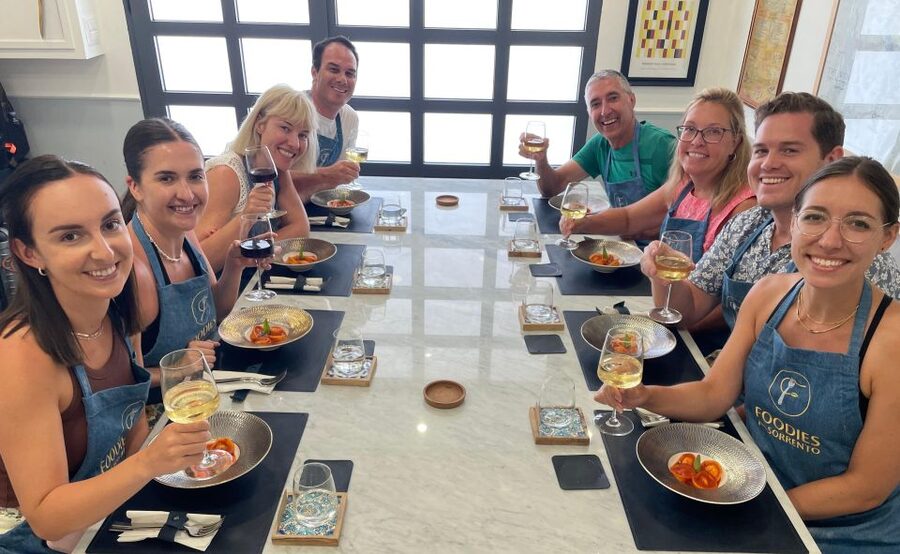
After the work comes the reward. You sit down with the pasta you prepared and pair it with Italian wine. Snacks are included during the session, and you can choose wine or a lemon soft drink.
The wine matters less as a tasting event than as part of the social rhythm. Pasta making involves flour on the table, repeated shaping, and a little waiting while food cooks. A drink and conversation make the evening feel relaxed rather than like a technical workshop.
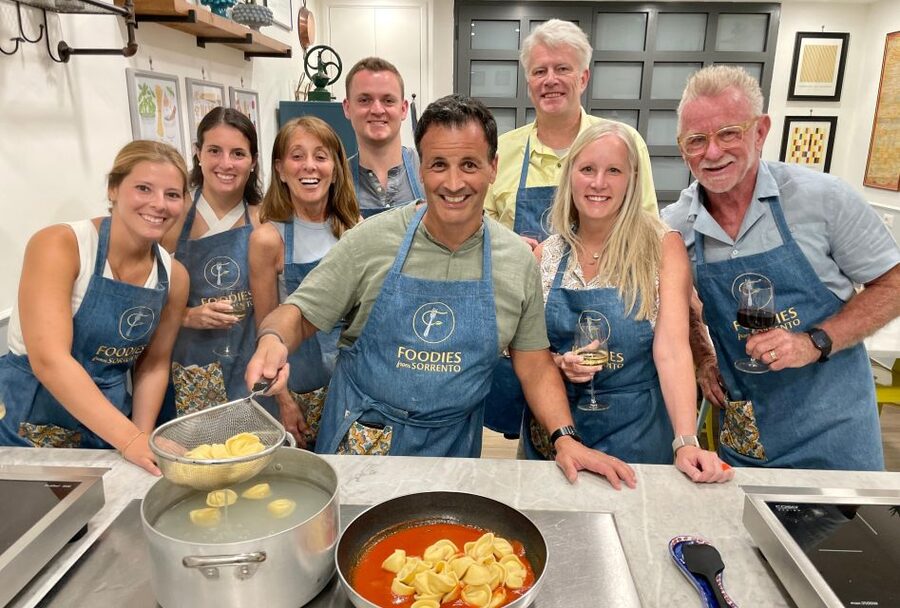
The small group also helps here. With only four participants, you have a better chance of talking with everyone. Several previous class experiences describe people from different countries cooking together, sharing travel stories, and leaving with new friendships. The social side is a real part of the value, not merely decoration around the recipes.
The hosts also take photos during the class. That means you can keep working instead of constantly stopping to photograph your own hands covered in flour. The pictures are shared afterward, along with the recipes.
Gio and Sacha as teachers
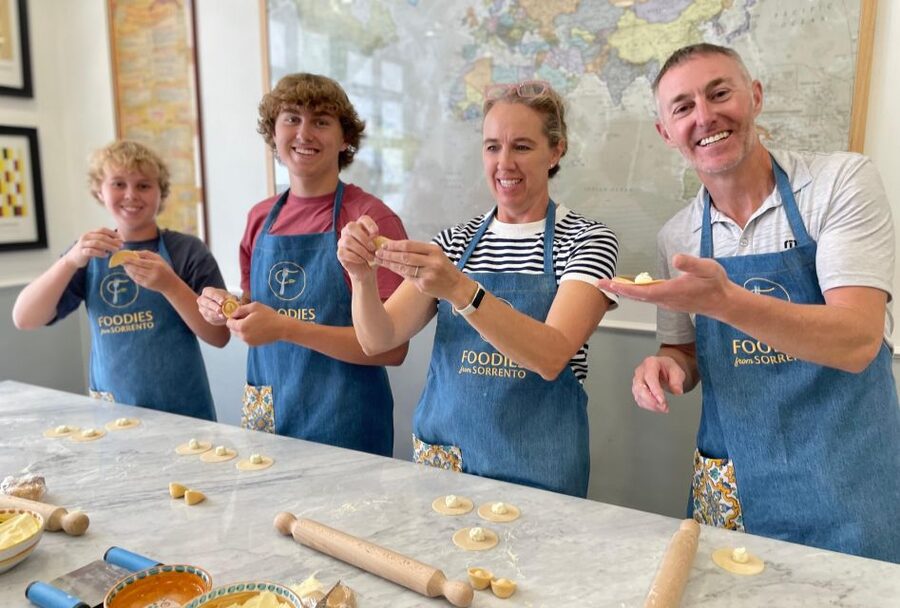
Gio and Sacha are repeatedly described as warm, patient, funny, and organized. Their English is clear, and the instruction is presented step by step.
That combination suits a hands-on class. You need someone who can explain why a technique matters, then notice when you are struggling with it. A good pasta lesson is not only about showing the correct shape. It is about helping you understand what to do when your dough feels wrong or your ravioli will not close.
They also add cultural context around the dishes and ingredients. That can help you understand why cacio e pepe is handled differently from tomato sauce, or why fresh pasta shapes are paired with certain textures.
The tone appears friendly rather than formal. If you want a quiet chef demonstration with little conversation, this may feel lively. If you like meeting people while cooking, the format should suit you well.
The four-person group makes a difference
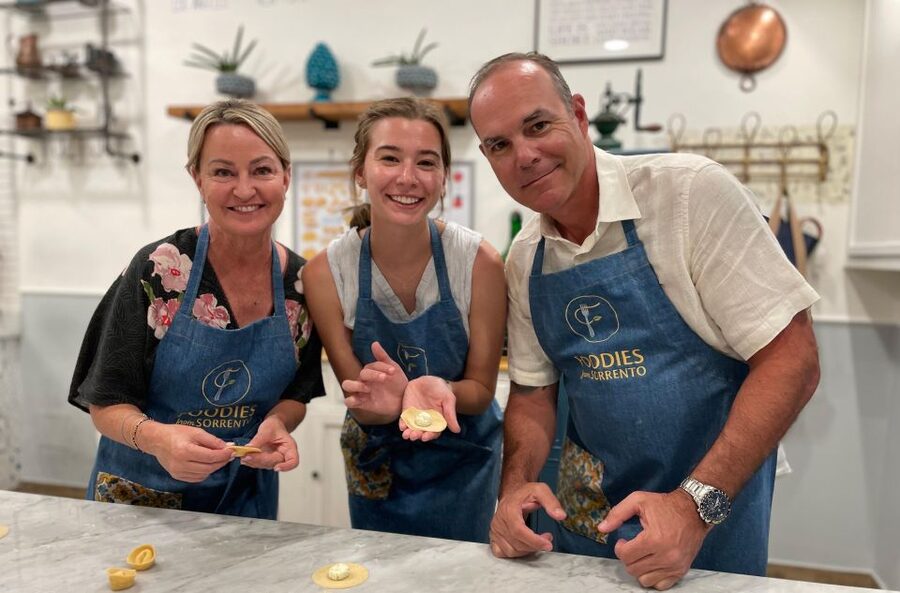
The maximum group size is four participants. That is unusually small for a bookable cooking activity and one of the strongest reasons to consider the price.
In a large class, you may spend much of the evening watching someone else shape pasta. Here, you should have room to take part in each stage. The instructors can correct your technique, answer questions, and keep the pace moving without leaving beginners behind.
This size also works well for couples and parent-child pairings, although children under 16 are not permitted. A pair can book together and still meet another couple or two individual participants. Solo visitors may find this an easier setting for conversation than a large food tour.
There is one trade-off. Three pasta dishes in three hours creates a full program. One past participant felt the instructors looked slightly rushed and suggested adding 10 or 15 minutes. The class does not appear to be frantic, but you should expect a steady pace, particularly during shaping and cooking.
Is $82 a fair price?
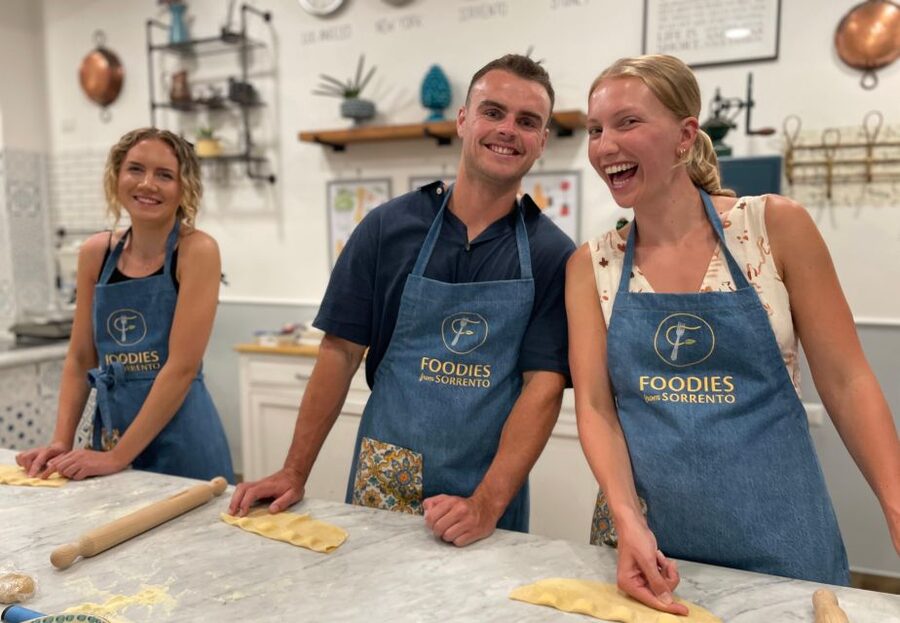
At $82 per person, this is not the cheapest meal in Rome. It is also not simply a restaurant dinner. You are paying for three hours of instruction, a chef, ingredients, equipment, an apron, snacks, wine or a soft drink, and digital recipes.
The value is strongest if you want to learn fresh pasta properly. You leave with three recipes and experience making several shapes, which can be reused at home. The class can also replace a restaurant meal, though it will take longer and requires more effort.
The value is weaker if you only want to eat traditional pasta without cooking. A Roman trattoria will be simpler and likely less expensive. You should book this class for the hands-on part, the social setting, and the chance to carry a cooking skill home.
The included photos add a small but useful benefit. You can focus on the lesson without trying to document every step yourself. The digital recipe PDFs also help turn the evening into something more lasting than a meal you remember only through taste.
The Rome and Sorrento location problem
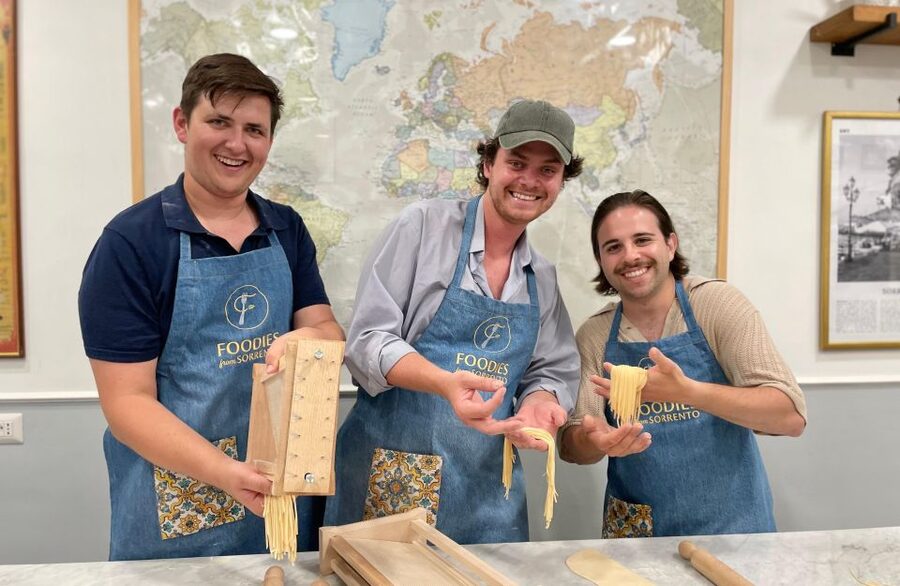
Pay close attention to the practical information before booking. The experience title and main description place it in Rome, in Lazio, between Trastevere and Testaccio. Yet the meeting instruction says to ring the bell at Foodies from Sorrento Cooking Studio.
The supplied details also refer repeatedly to Sorrento and Meta, including directions involving a short train ride from Sorrento. Those references do not fit neatly with a Rome pasta class.
This may reflect an updated venue, an old description, or a platform error. I would not assume the meeting point from the title alone. Confirm the full street address, neighborhood, and nearest transport stop directly before you commit the class to your schedule.
Transportation and parking are not included. If the venue is in Rome, plan your route separately and allow time to locate the entrance. The instruction to ring the bell once you reach the studio is useful, but it is not enough to resolve the Rome versus Sorrento question.
Who should book this pasta class?
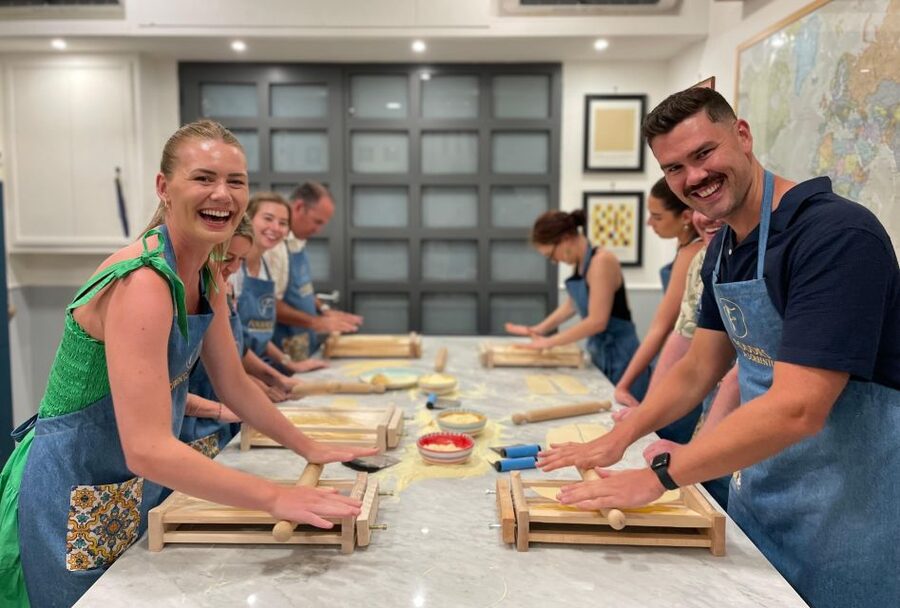
I would recommend it for adults and older teenagers who enjoy learning by doing. It suits couples, friends, solo cooks, and anyone who wants a social evening with a clear food focus.
It is especially good for:
- First-time pasta makers who want patient guidance
- Home cooks looking for fresh pasta techniques
- Couples seeking an activity beyond sightseeing
- Solo participants who enjoy small-group conversation
- People who want recipes they can repeat at home
- Visitors who like a meal with wine and shared preparation
It is not suitable for children under 16, wheelchair users, or people with gluten or lactose intolerance. Pets are not allowed. The class uses flour, pasta, cheese, and other dairy-based ingredients, so do not count on simple substitutions unless the provider confirms them in advance.
The English instruction makes the experience accessible to English speakers, but it may not be the right choice if you want a class taught in another language.
Booking advice and cancellation flexibility
You can cancel up to 24 hours before the activity for a full refund. The reserve-now, pay-later option also gives you some flexibility while building an Italy itinerary.
That flexibility is useful, but it does not remove the need to verify the venue. I would check the location as soon as you book, then check it again before the class, especially if your plans include both Rome and the Sorrento area.
Give yourself enough time to arrive. The class lasts three hours, and you do not want to lose the opening dough lesson because you were trying to find the studio entrance.
Should you book Foodies from Rome?
Book it if you want more than a plate of pasta. The three shapes, three sauces, small group, wine, photos, and digital recipes create a well-rounded evening, and the price is reasonable for the amount of hands-on teaching included.
I would be cautious only if your schedule is tight, your diet excludes gluten or dairy, or you are not prepared to confirm the location. The Rome and Sorrento references need clearing up before booking.
For the right visitor, this is a practical souvenir: you learn how fresh pasta feels in your hands, eat what you made, and return home with recipes you can use. Just verify the address first.
FAQ
How long does the pasta class last?
The class lasts three hours. Starting times vary, so you need to check availability when booking.
Which pasta dishes will I make?
You will make cherry tomato tortelloni, cacio e pepe spaghetti, and pesto ravioli. The class also covers classic sauces including tomato, cacio e pepe, pesto, and butter and sage.
Is wine included?
Yes. Wine and snacks are included. A lemon soft drink is available as an alternative.
Is the class taught in English?
Yes. The instructor language is English, and the class is offered in a small group limited to four participants.
Are recipes provided after the class?
Yes. You receive digital PDF recipes and instructions for the three pasta dishes and sauces.
Who cannot take part?
The class is not suitable for children under 16, wheelchair users, people with gluten intolerance, or people with lactose intolerance. Pets are not allowed. Transportation and parking are not included.
Recently added in Rome
- Trastevere Food Tour with Pasta-Making Class★ 5.0 · 5 reviews
- Traditional Pasta Cooking Class with Tiramisu Small Group★ 5.0 · 7 reviews
- Rome: Pasta and tiramisu class with wine pairing at Come Na Vorta★ 5.0 · 30 reviews
- Spritz and Pasta! Spritz, Fettuccine & Tiramisù★ 5.0 · 2 reviews
- The Pasta Factory Class★ 4.5 · 21 reviews
- Top Class in Fettuccine, Ravioli, and Tiramisu★ 5.0 · 7 reviews
- Private 4 Roman Pastas Tasting Tour in Rome★ 5.0 · 6 reviews
- Authentic Pasta and Tiramisù cooking class at spanish steps★ 4.5 · 14 reviews
Chef-Led Pasta Classes, compared.
Rome Cooking Class: Make Pasta, Dine & Drink Wine With Local Chef
Read our review →
2-in-1 Pasta and Tiramisu Cooking Masterclass in Rome
Read our review →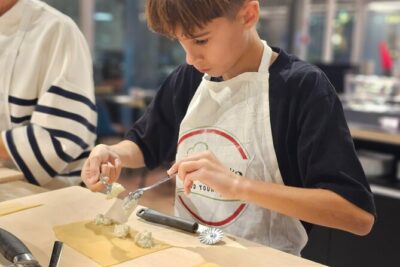
Pasta Fettuccine, Ravioli and Tiramisu MasterClass
Read our review →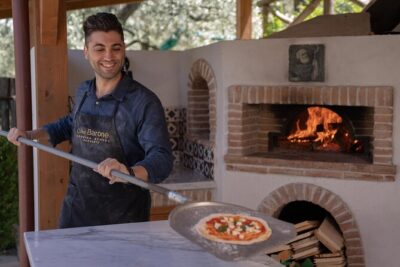
Pasta and Pizza Master Class with Pick Up in Sorrento
Read our review →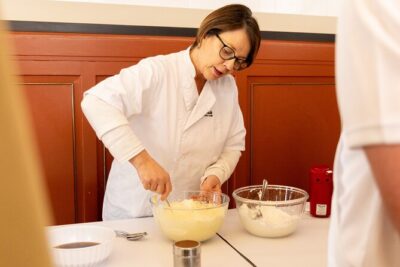
Fettuccine and Tiramisu Masterclass in the Heart of Rome
Read our review →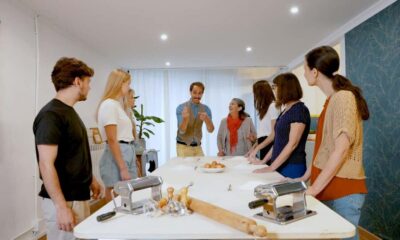
Homemade Pasta and Pesto Class with a Local Chef in Genoa
Read our review →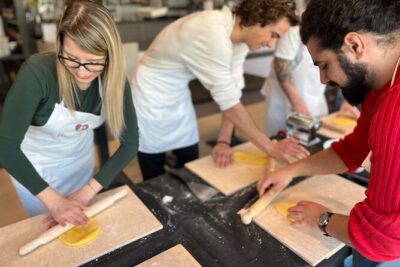
Rome Small Group Pasta Making Class with Wine and Italian Chef
Read our review →Browse the lists this class appears in